The main controversy of colon-rectal laparoscopic surgery comes from its use as a cancer treatment. Two points deserve special attention: the incidence of port-site tumor implantation and the possibility of performing radical cancer surgery, such as total mesorectum excision. Once these points are addressed, the laparoscopic approach will be used routinely to treat rectal cancer. To clarify these points, 32 patients with cancer of the lower rectum participated in a special protocol that included preoperative radiotherapy and laparoscopic total mesorectum excision. All data were recorded. At the same time, all data recorded from the experience of a multicenter laparoscopic group (Brazilian Colorectal Laparoscopic Surgeons - 130 patients with tumor of the lower rectum) were analyzed and compared with the data provided by our patients. Analysis of the results suggests that a laparoscopic approach allows the same effective resection as that of conventional surgery and that preoperative irradiation does not influence the incidence of intraoperative complications. The extent of lymph nodal excision is similar to that obtained with open surgery, with an average of 12.3 lymph nodes dissected per specimen. The rate of local recurrence was 3.12%. No port site implantation of tumor was noted in this series of patients with cancer of the lower rectum.
La cirugía laparoscópica (CL) colorrectal merece una atención especial como una alternativa terapéutica segura, así sea para el tratamiento del cáncer, ya que oncológicamente la indicación y la radicalidad no cambian. Los pasos de la cirugía convencional pueden ser seguidos con precisión. La amputación abdomino-perineal del recto por vía laparoscópica permite el mismo grado de radicalidad con relación a la extirpación del mesorrecto y de los bordes de resección laterales; además, el trauma quirúrgico es mucho menor. Se debe hacer énfasis en dos puntos: 1) La recuperación física es mejor: al deambular, al comer, el tiempo necesario para regresar a la actividad física habitual es menor. 2) La colostomía se hace en un abdomen libre de cicatrices, permitiendo una mejor manipulación. La pieza anatómica es retirada con la misma técnica convencional y su examen anatomopatológico demostró el mismo número de ganglios resecados. La recidiva a corto y mediano plazo (local y sistémica) fue semejante al porcentaje observado con la cirugía convencional.
BACKGROUND/AIMS In spite of the new technology--stapler, antibiotics, anesthesia and new surgical and diagnostic procedures--the prognosis on treatment of cancer of the rectum has not changed in the last 50 years. Survival rates of 50-55% seems immutable in all published series. The main course for those results is the high incidence of recurrence, either local or widespread. Local recurrence is directly related to the number of undifferentiated cells and to the grade of wall invasion. So any kind of treatment that would diminish the number of undifferentiated cells and the size or the tumor wall penetration certainly would decrease the local recurrence rate, lengthening the interval free from cancer and, perhaps, modifying the long-term survival rate. Between 1978-1996, a total of 287 patients with rectal adenocarcinoma were treated by pre-operative RTD. METHODOLOGY The same RDT protocol was used in all the patients: 400 cGy, 200 cGy/day, during 4 consecutive weeks (anterior and posterior pelvic fields). Surgery was performed 7-10 days after completion of RDT. RESULTS Statistical analysis of the whole group showed that pre-operative RDT does decrease frequency of undifferentiated cells. Moreover, the incidence of local recurrence diminished after irradiation by 3.48%. Pre-operative RDT reduces tumor volume and wall invasion, as well as the mortality rate due to local recurrence (2.43%) and alters long-term survival rate (80.17%). CONCLUSIONS Pre-operative radiotherapy is really effective in reducing the number of undifferentiated cells and in diminishing the carcinomatous infiltration of the rectal wall.
American Society of Colon and Rectal Surgeons 95th Annual Convention Podium and Poster Abstracts June 9-14, 1996 Seattle, Washington: PDF Only
Introduction and Objectives: The minimally invasive infrapubic inflatable penile implant procedure was developed by Dr Perito with the aim of minimising operative time and post-operative morbidity. Dr Eid has also demonstrated a significant reduction in postoperative infections with his No-Touch technique. We have developed a new technique that combines key aspects of these 2 approaches to create a minimally invasive, no-touch (“MINT”) technique for penile prosthesis insertion. We theorised that the MINT technique would take advantage of the benefits that each of these established approaches offered and therefore our primary aims were to assess feasibility, safety, post-operative infection rate and revision rate. Methods: The principles of the MINT technique involve an infrapubic approach combined with a no-touch technique facilitated by using 2 standard surgical drapes (19 clear non-adhesive drape and 19 Ioban drape) and an Alexis wound retractor (figure 1). We present results for our first 258 consecutive patients undergoing primary prosthesis implantation from May 2012 to July 2017, and followed-up for at least 3 months. Patients with complex surgery necessitating >1 incision were excluded. Data was collected using a prospective database. This is the largest penile implant series with the longest follow up to be published in Australia. Results: Average age ( SD) was 60.8 ( 10.3) years. Patients had one or more of the following aetiologies for erectile dysfunction: vascular disease (n = 121), post-radical prostatectomy (n = 142), diabetes (n = 80), Peyronie’s disease (n = 60), venous leak (n = 17) and priapism fibrosis (n = 4). Implant used: Coloplast Titan (n = 246), Genesis (n = 6), American Medical Systems (LGX; n = 5), (CX; n = 1). The average ( SD) cylinder and rear tip extender length was 19.45 ( 1.8) and 1.0 ( 0.8) cms respectively. Median (IQR) follow-up was 30.6 (16.8, 45.7) months. There has been 3 (1.2%) complications: one patient had prosthetic infection after prolonged post-op catheter, which was salvaged. 2 patients had urethral perforation which was repaired intra-operatively, but had a post-operative infection. One of these 2 patients had a prosthesis explant and the other patient management is ongoing. There were also 18 (7%) non-infection related ancillary procedures: 11 pump revisions, 2 corporoplasties, 2 prosthesis revisions, 1 revision of reservoir, 1 glanspexy, and 1 prosthesis explant due to pain with no clinical or laboratory signs of infection. Conclusions: The MINT technique for penile implant surgery is a safe and feasible procedure with a 1.2% infection rate and 7% revision rate in our first consecutive 258 patients with 30.6 months median follow-up. Notably, there were no infections unrelated to procedure complication, that is, no infections the standardised MINT technique.
Three hundred patients with hemorrhoidal disease were randomly allocated to either a semi-open hemorrhoidectomy (group A) or to an open procedure (group B). The aims of the trial were to investigate the healing time in both groups, to analyse and compare the incidence of post-operative complications and the use of analgesics. A secondary aim was to investigate the period of time required to reestablish the normal bowel habit. All patients had a follow-up of at least three months. The wound was observed daily in the first week and then, twice a week, till complete healing occurred. The dosage, route and amount of analgesic demanded by each patient was noted. Any observed complication and its consequent treatment were written down. As to healing time there was a statistically significant difference between both groups: whereas for group A the average healing time was 12.38 days, for group B it was 25.22 days. The incidence of post-operative complication such as granuloma and pruritus was higher in group B; urinary disturbances were similar in both groups. The patients of group A demanded a small amount of analgesics, statistically significant (p = 0.01), in the early as well as in the late post-operative period. The normal bowel habit was re-established earlier in group A and this was also statistically significant.
Ellis, C. N.1,2; Coyle, D. J.1,2; Boggs, H. W.3; Slagle, G. W.3; Cole, P. A.3; Kuramoto, S.4,5; Ihara, O.4; Oohara, T.4; Nichols, J.6; Opelka, F.6; Gathright, J. B.6; Green, J. B.6; Poulard, J. B.7; Ott, A.7; Bank, S.7; Margolis, I. B.7; Meagher, A.8; Stuart, M.8; Heine, J. A.9; Rothenberger, D. A.9; Nemer, F. D.9; Christenson, C. E.9; Saad, R. C.3; Church, J. M.3; Fazio, V. W.3; Lavery, I. C.3; Oakley, J. R.3; Milsom, J. W.3; Schroeder, T. K.3; Påhlman, L.10; Frykholm, G.10; Glimelius, B.10; Kashtan, H.11; Papa, M.11; Wilson, B.12; Stern, H.12; Zelnick, R.13; Haas, P.13; Ajlouni, M.13; Fox, T.13; Szilagy, E.13; Cummings, B. J.14; Fleshman, J. W.15; Dreznick, Z.15; Fry, R. D.15; Kodner, I. J.15; Perry, R. E.16; Pemberton, J. H.16; Litchy, W. L.16; Ferrara, A.16; Levin, K. E.16; Hanson, R. B.16; Cali, R. L.17; Blatchford, G. J.17; Thorson, A. G.17; Christenson, M. A.18; Pitsch, R. M.19; Jensen, L. L.9; Lowry, A. C.9; Keighley, M. R. B.1; Oya, M.1; Oritz, J.1; Pinho, M.1; Asperer, J.1; Chattaphaday, G.1; Baeten, C.20; Konsten, J.20; Spaans, F.21; Soeters, P.20; Habets, A.20; Schouten, W. R.22; Ruseler van Embden, J. G. H.22; Auwerda, J. J. A.22; Sagar, P. M.23; Goodwin, P.23; Holdsworth, P. J.23; Johnston, D.23; Bundy, C. A.9; Jacobs, D. M.9; Bubrick, M. P.9; Kashiwagi, H.24; Konishi, F.24; Kanazawa, K.24; Woodland, D. O.25; Saclarides, T. J.25; Bapna, M. S.25; Kubota, Y.26; Sunouchi, K.26; Ono, M.26; Muto, T.26; Masaki, T.26; Suzuki, K.26; Adachi, M.26; Wong, W. D.9; Goldberg, S. M.9; Wexner, S. D.27; Daniel, N.27; Jagelman, D. G.3,27; Christiansen, J.28; Rasmussen, O.28; Zhu, B. -W.28; Williams, J. G.9; Schottler, J. L.9; Heyman, S.27; Marchetti, F.27; Timmcke, A. E.6; Hicks, T. C.6; Ray, J. E.6; Bernstein, M. A.29; Madoff, R. D.29; Caushaj, P. F.29; Zarbo, R. J.13; Ma, C. K.13; Shida, H.30; Yamamoto, T.30; Machida, T.30; Imanari, T.30; Wang, J. Y.31; You, Y. T.31; Tang, R. P.31; Chen, J. S.31; Chang-Chien, C. R.31; Sugihara, K.32; Hojo, K.32; Moriya, Y.32; Hasegawa, H.32; Krueger, B.25; Warren, W.25; Faber, L. P.25; Abel, M. E.5; Chiu, Y. S. Y.5; Russell, T. R.5; Volpe, P. A.5; Frazee, R. C.33; Roberts, J.33; Symmonds, S.33; Snyder, S.33; Hendricks, J.33; Smith, R.33; Merchant, N.34,35; Hashmi, H.34; Scalea, T.34; Whelan, R.34; Longo, W. E.3,36; Gusberg, B. J.36; Ballantyne, G. H.36; Davidson, T.37,38; Allen-Mersh, T. G.37,38; Gazzard, B.37; Miles, A. J. G.37; Wastell, C.37; Viponde, M.37; Stotter, A.37; Miller, R. F.37; Fieldman, N.37; Slack, W. W.37; Tjandra, J.3; Savoca, P. E.36; Flannery, J. T.36; Modlin, I. M.36; Tsukada, K.3; Tazawa, K.3; Lavery, E. C.3; Voeller, G. R.39; Bunch, G.39; Britt, L. G.39; Neto, J. A. Reis40; Quilici, F. A.40; Cordeiro, F.40; Reis, J. A. Jr40; Wojcik, J. B.41; Banerjee, S. R.41; Walters, D. L.41; Cherry, D. A.41; Bleday, R.9; Pena, J. P.9; Buls, J. G.9; Pascual, R.42; Tripodi, G.42; Padmanabhan, A.42; Schouter, W. R.43; Blankensteijn, J. D.43; Moenning, S.44; Huber, P.44; Simonton, C.44; Odom, C.44; Kaplan, E.44; Nightengale, S.44; Shah, P. C.45; Hashami, H. F.45; Kottmeier, P.45; Velcek, F.45; Klotz, D.45; Whelan, R. L.9,45; Sher, M. E.46; Bauer, J. J.46; Gelernt, I.46; Launer, D. P.47; Gerber, A.47; Nogueras, J. J.9; Finne, C. O.9; Sohn, N.48; Weinstein, M. A.48; Lugo, R. N.48; Eisenberg, M. M.48; Tsao, J.16; Galandiuk, S.16; Tuckson, W. B.3; Strong, S.3; Oakey, J. R.3; Ambroze, W. L.16; Dozois, R. R.16; Carpenter, H. A.16; Kartheuser, A. H.16; LaRusso, N. F.16; Wiesner, R. H.16; Ilstrup, D. M.16; Schleck, C. D.16; Ambroze, W.49; Beart, R.16,49; Dozois, R.49; Wolff, B.49; Pemberton, J.49; Kelly, K.49; Devine, R.49; Nivatvongs, S.49; Metzger, P.49; Phillips, S. F.16; Zinmeister, A. R.16; Pezim, M. E.16; Vignati, P.50; Cohen, J.50; Stahl, T. J.51; Roberts, P. L.51; Schoetz, D. J. Jr.51; Murray, J. J.51; Coller, J. A.51; Veidenheimer, M. C.51; Yamazaki, Y.52; Ribeiro, M. B.52; Sachar, D.52; Heimann, T. M.52; Aufses, A. H.52; Greenstein, A. J.52; Stryker, S. J.25; Green, D.25; McLeod, R. S.53; Cohen, Z.53; Cullen, J.53; Greenberg, G. R.53; Ho, C. S.53; Reznick, R.53; Wolff, B. G.16; Cangemi, J.16; Carryer, P.16; Jeejeebhoy, K. N.16; MacCarty, R.16; Weilland, L.16; Senagore, A. J.54; MacKeigan, J. M.54; Guillem, J.51; Ondrula, D. P.25; Prasad, M. L.25; Nelson, R. L.25; Abcarian, H.25; Coughlin, R. J.55; Corman, M. L.55; Prager, E. D.55; Borison, D. I.55; Bloom, A. D.55; Pritchard, T. J.55; McGannon, E.3; Sivak, M. V.3; van Stolk, R.3; Hull-Boiner, S.3; Milson, J. W.3; Sullivan, M.27; Rosato, G. O.27; Jorge, J. M.27; Durdey, P.51; Kennedy, M. J.51; Oster, M.51; Murray, J.51; Cirocco, W. C.56; Rusin, L. C.56; Brown, A. C.56; Reilly, J. C.56; Cataldo, P.54; Luchtefeld, M. A.54; Mazier, W. P.54; Wolkomir, A. F.54; Ruiz-Moreno, F.57; Alvarado-Cerna, R.57; Rodriguez, U.57; Amaro, J.57; Kerner, B. A.58; Oliver, G. C.58; Eisenstat, T. E.58; Rubin, R. J.58; Salvati, E. P.58; Dominguez, J. M.25; Coon, J. S.25; Weinstein, R. S.25; Kameyama, M.59; Fukuda, I.59; Imaoka, S.59; Iwanga, T.59; Kyzer, S.60; Mitmaker, B.60; Gordon, P. H.60; Wang, E.60; Grace, R. H.61; Gibbons, P.61; Scott, K. M. W.61; Berger, A.62; Mischinger, H. J.62; Arian-Schad, K.62; Davis, M.63,64; Miller, D.63,64; Fielding, L. P.63,64; Begin, L. R.60; Bell, A. M.16; Shafik, A.65,66; Abdel-Moneim, K.65,66; Khalid, A.65,66; Devine, R. M.16; Beart, R. W. Jr.16; Melton, L. J.16; Ngoi, S. S.67; Chia, J.67; Goh, P.67; Sim, E.67; Godwin, P.23; Quirke, P.23; Barrett, R. C.68; Koltun, W. A.69; Smith, R. J.70; Loehner, D.71; Roberts, P.51; Veidenheimer, M.51; Schoetz, D.51; Chattopadhyay, G.1; Kumar, D.1; Hosie, K.1; Kmiot, W.1; Mostaf, A.1; Tulley, N.1; Harding, I.1; Falcone, R. E.72; Wanamaker, S.72; Santanello, S. A.72; Carey, L. C.72; Rivera, D. E.3; Durdley, P.51; Gross, P. T.51; Sarles, J. C.73; Arnaud, A.73; Sielezneff, I.73; Orsoni, P.73; Joly, A.73; Limberg, B.74; Stolfi, V. M.74; Lavery, I.74; Oakley, J.74; Church, J.74; Fazio, V.74; Asbun, H. J.75; Castellanos, H.75; Asbun, J.76; Franko, E. R.77; Ivatury, R. R.77; Schwalb, D.77; Saad, R.3; Schroeder, T.3; Reis, J. A. Jr.40; Dziki, A. J.78; Duncan, M. D.78; Harmon, J. W.78; Saini, N.78; Malthaner, R. A.78; Fernicola, M. T.78; Hakki, F. Z.78; Trad, K. S.78; Ugarte, R. M.78; Ryan, P.79; Chang, H. R.80; Chavoshan, B.80; Barsoum, G.1; Bonardi, R.81; Scaramelo, A.81; Possebon, A.81; Peres, C.81; Röhrig, C.81; Kappas, A. M.1; Ortiz, J.1; Fan, H. A.31; Milsom, J.31; Lechner, P.62; Lind, P.62; Cesnik, H.62; Venkatesh, K. S.82; Larson, D. M.82; Morrison, D. N.82; Ramanujam, P. J.82; Rubbini, M.83; Mascoli, F.83; Mari, C.83; Bresadola, V.83; Donini, I.83 Author Information
 Ja Reis合作论文数11
 Flavio A. Quilici合作论文数7Ciquini S合作论文数4Odorino Hideyoshi Kagohara合作论文数4Jar Neto合作论文数3Pc Faria合作论文数3Pj Holdsworth合作论文数3Lar Oliveira合作论文数3
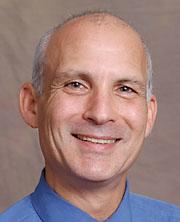 Robert Madoff合作论文数Department of Surgery, University of Minnesota Medical School3Malcolm C. Veidenheimer合作论文数3
 Walter E. Longo合作论文数Yale School of Medicine3James W. Fleshman合作论文数3
 Bruce A. Kerner合作论文数3David a Rothenberger合作论文数3
 Walter Koltun合作论文数Penn STate Hershey IBD Center;Surgical Clinics Hershey Medical Center, Penn State College of Medicine;Milton S Hershey Medical Ctr;Department of Surgery, Penn State Cancer Institute;Division of Colon and Rectal Surgery, Penn State Cancer Institute3J Byron Gathright合作论文数3A. F. Brading合作论文数2Nja Reis合作论文数2C R Changchien合作论文数2M. E. Sher合作论文数2Y T You合作论文数2H Kashiwagi合作论文数2B. L. Stein合作论文数2J. Simoes Neto合作论文数2J. Tjandra合作论文数2J. Murray合作论文数2Js Neto合作论文数2Gj Blatchford合作论文数2Rb Hanson合作论文数2Sr Gorfine合作论文数2Jj Nogueras合作论文数2A Meagher合作论文数2F Konishi合作论文数2P. Roberts合作论文数2G R Greenberg合作论文数2Lc Rusin合作论文数2AM VERNAVA合作论文数2E Max合作论文数2Jia-Ching Wang合作论文数2
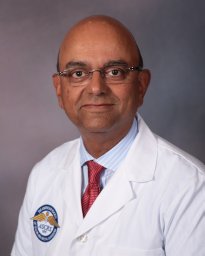 A Padmanabhan合作论文数Division of Colorectal Surgery, Mount Carmel Health System and Grant Medical Center2
 Steven Wexner合作论文数Ellen Leifer Shulman and Steven Shulman Digestive Disease Center, Cleveland Clinic Florida;Department of Colorectal Surgery, Cleveland Clinic Florida2Schoetz David J合作论文数2
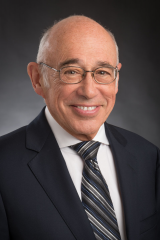 Philip H. Gordon合作论文数Jewish General Hospital;Department of Surgery, McGill University;Division of General Surgery, McGill University2Mortensen N合作论文数2Cathy D. Schleck合作论文数2
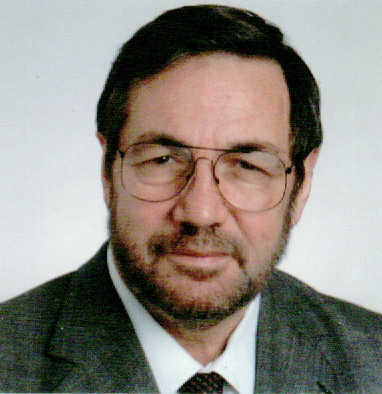 Victor W. Fazio合作论文数2
 Francis Seow-Choen合作论文数2Zane Cohen合作论文数2
 Jaw-Wen Chen合作论文数Division of Cardiology, Department of Internal Medicine, Taipei Medical University Hospital;Cardiovascular Research Center, Taipei Medical University Hospital;Faculty of Medicine, Taipei Medical University2




