In vitro embryo production and cryopreservation are assisted reproductive technologies to propagate genetically superior cattle. The objective of this study was to improve blastocyst formation in fresh and vitrified D5 (IVF day = D0) bovine morulae exposed to dimethyl tyrosine (DMT) conjugated cell-penetrating peptides (CPPs; DMT-SS31 and DMT-mTP4, antioxidants). In Experiment 1, D3 and D5 embryos were exposed to either 0.5 µM Alexa 635 labeled-SS31 or -mTP4 in CR1aa medium, at 37 °C for 30 min. Half of the morulae were examined immediately, whereas the remainder were cultured to D8 (blastocyst stage). Localization of SS31 and mTP4 were observed in D3, D5 and D8 embryos. In Experiment 2, ROS generation in the presence of SS31 or mTP4 was determined in D5 morulae using H2FFDA marker; both CPPs reduced ROS generation in morulae (P < 0.03). In Experiment 3, fresh and vitrified morulae were treated with SS31 or mTP4 (0.5 µM each) or nothing (control) in CR1aa medium, at 37 °C for 30 min. Formation of D8 blastocysts was reduced (P < 0.001) in vitrified versus fresh embryos and both SS31 and mTP4 produced more blastocysts than control (P < 0.05). In Experiment 4, concentration-dependent effects of SS31 (0, 0.5, 1 or 2 µM) on the blastocyst formation were assessed. In fresh and vitrified morulae, there were linear relationships between SS31 concentration and blastocyst formation, with 2 µM SS31 maximizing blastocyst formation (P < 0.05). In conclusion, cell-penetrating peptides in culture medium improved blastocyst formation of fresh or vitrified bovine morulae.
The United Nations Sustainable Development Goals (SDGs) are being integrated into bioeconomy strategies around the world, including the European Green Deal. We highlight how microbiome-based innovations can contribute to policies that interface with the SDGs and argue that international cooperation in microbiome science is crucial for success.
Fusarium head blight (FHB) resistance is quantitatively inherited, controlled by multiple minor effect genes, and highly affected by the interaction of genotype and environment. This makes genomic selection (GS) that uses genome-wide molecular marker data to predict the genetic breeding value as a promising approach to select superior lines with better resistance. However, various factors can affect accuracies of GS and better understanding how these factors affect GS accuracies could ensure the success of applying GS to improve FHB resistance in wheat. In this study, we performed a comprehensive evaluation of factors that affect GS accuracies with a multi-parental population designed for FHB resistance. We found larger sample sizes could get better accuracies. Training population designed by CDmean based optimization algorithms significantly increased accuracies than random sampling approach, while mean of predictor error variance (PEVmean) had the poorest performance. Different genomic selection models performed similarly for accuracies. Including prior known large effect quantitative trait loci (QTL) as fixed effect into the GS model considerably improved the predictability. Multi-traits models had almost no effects, while the multi-environment model outperformed the single environment model for prediction across different environments. By comparing within and across family prediction, better accuracies were obtained with the training population more closely related to the testing population. However, achieving good accuracies for GS prediction across populations is still a challenging issue for GS application.
Fusarium head blight (FHB) is a devastating fungal disease of small-grain cereals that results in severe yield and quality losses. FHB resistance is controlled by resistance components including incidence, field severity, visual rating index, Fusarium damaged kernels (FDKs), and the accumulation of the mycotoxin deoxynivalenol (DON). Resistance conferred by each of these components is partial and must be combined to achieve resistance sufficient to protect wheat from yield losses. In this study, two biparental mapping populations were analyzed in Canadian FHB nurseries and quantitative trait loci (QTL) mapped for the traits listed above. Nine genomic loci, on 2AS, 2BS, 3BS, 4AS, 4AL, 4BS, 5AS, 5AL, and 5BL, were enriched for the majority of the QTL controlling FHB resistance. The previously validated FHB resistance QTL on 3BS and 5AS affected resistance to severity, FDK, and DON in these populations. The remaining seven genomic loci colocalize with flowering time and/or plant height QTL. The QTL on 4B was a major contributor to all field resistance traits and plant height in the field. QTL on 4AL showed contrasting effects for FHB resistance between Eastern and Western Canada, indicating a local adapted resistance to FHB. In addition, we also found that the 2AS QTL contributed a major effect for DON, and the 2BS for FDK, while the 5AL conferred mainly effect for both FDK/DON. Results presented here provide insight into the genetic architecture underlying these resistant components and insight into how FHB resistance in wheat is controlled by a complex network of interactions between genes controlling flowering time, plant height, local adaption, and FHB resistance components.
Stress treatment of microspore embryogenesis leads to the reprogramming of male gametophyte development pathways, which generates haploid green plants. However, low green plant production efficiency is a major hindrance in the adoption of double haploid (DH) production platform for wheat breeding. The aim of the current study was to induce the expression of microspore embryogenesis associated genes by over expressing the RKD transcription factor using Transcription activator-like effector (TALE) proteins. The TALE protein can modulate the gene expression by recognizing and binding host plant promoter sequences. Taking into consideration, we have cloned and analysed RKD promoter from wheat and triticale and used for the custom synthesis of TaRKD-TALE protein. The isolated and purified protein was conjugated with R9 (Cys (Npys)-(D-Arg)9) cargo peptides and successfully transduced into wheat microspores. The expression of early-culture abundant (ECA1), RWP-RK domain-containing proteins (RKD1) and Tapetum determinant 1 (TPD1) marker genes in wheat linked to microspore embryogenesis was studied. The expression of all three (ECA1, TPD1 and RKD1) embryogenesis related marker genes in the TALE transduced microspore was signifi-cantly higher than the control. Microspore culture transduced by R9-TaRKD-TALE protein yielded a signifi-cantly higher number of embryo-like structures (ELS) and the total green plants in wheat cultivars AC Fielder. Conversely, the microspore cell death has not been significantly affected by the transduction of R9TaRKD-TALE, while showing a higher recovery at 120 h of microspore culture. This work will be helpful to exploit the TALE protein to improve our understanding of DH production and other pathways related genes. (c) 2020 SAAB. Published by Elsevier B.V. All rights reserved.
We report a method for genetically engineering the mitochondria of plant cells. Several peptides selected from sorting signal sequences of plant mitochondrial proteins were tested for cell-penetrating, specific organelle-targeting and nucleic acid-binding properties. Selected sequences were named mitochondrial targeting peptides (mTPs). Five of them were used to deliver a linear dsDNA gene construct into AC Ultima spring triticale (X. Triticosecale Wittmack) protoplasts and microspores. The mitochondrial transient expression of the aadA:gfp reporter gene was qualitatively determined with confocal microscopy and quantitatively measured using qRT-PCR. Significant aadA:gfp transcript abundance was reported in protoplasts from deliveries of all five mTPs, while this transcript abundance remained low in microspores. mTP1 transfected microspores were cultured to produce green plantlets and screened for aadA:gfp by endpoint PCR. Targeted gene integration into the mitochondrial genome of eight regenerated haploid triticale lines was confirmed by sequencing. This represents the first report of a successful in vivo transfection of crop plant somatic and germ cells via mitochondrial peptides and a method that can be used to study transient gene expression and to stably deliver genes into the mitochondria of a plant.
Recent advances in genome engineering technologies based on designed endonucleases (DE) allow specific and predictable alterations in plant genomes to generate value-added traits in crops of choice. The EXZACT Precision technology, based on zinc finger nucleases (ZFN), has been successfully used in the past for introduction of precise mutations and transgenes to generate novel and desired phenotypes in several crop species. Current methods for delivering ZFNs into plant cells are based on traditional genetic transformation methods that result in stable integration of the nuclease in the genome. Here, we describe for the first time, an alternative ZFN delivery method where plant cells are transfected with ZFN protein that eliminates the need for stable nuclease genomic integration and allows generation of edited, but not transgenic cells or tissues. For this study, we designed ZFNs targeting the wheat IPK1 locus, purified active ZFN protein from bacterial cultures, complexed with cell-penetrating peptides (CPP) and directly transfected the complex into either wheat microspores or embryos. NGS analysis of ZFN-treated material showed targeted edits at the IPK1 locus in independent experiments. This is the first description of plant microspore genome editing by a ZFN when delivered as a protein complexed with CPP.
Triticale (xTriticosecale Wittmack) is an important feed crop which suffers severe yield, grade and end-use quality losses due to Fusarium head blight (FHB). Development of resistant triticale cultivars is hindered by lack of effective genetic resistance sources. To dissect FHB resistance, a doubled haploid spring triticale population produced from the cross TMP16315/AC Ultima using a microspore culture method, was phenotyped for FHB incidence, severity, visual rating index (VRI), deoxynivalenol (DON) and some associated traits (ergot, grain protein content, test weight, yield, plant height and lodging) followed by single nucleotide polymorphism (SNP) genotyping. A high-density map consisting of 5274 SNPs, mapped on all 21 chromosomes with a map density of 0.48 cM/SNP, was constructed. Together, 17 major quantitative trait loci were identified for FHB on chromosomes 1A, 2B, 3A, 4A, 4R, 5A, 5R and 6B; two of incidence loci (on 2B and 5R) also co-located with loci for severity and VRI, and two other loci of VRI (on 1A and 4R) with DON accumulation. Major and minor loci were also identified for all other traits in addition to many epistasis loci. This study provides new insight into the genetic basis of FHB resistance and their association with other traits in triticale.
Fusarium head blight (FHB) caused by Fusarium graminearum is a devastating disease affecting global wheat production, causing significant losses to yield and grain quality. The Eastern Canadian line FL62R1 was developed using a systemic breeding approach and boasts high levels of FHB resistance with good yield, desirable agronomics, and end-use quality traits. The objective of this study was to identify genetic determinants of type II resistance in a cross between FL62R1 and cv. Stettler, a Canada Western Red Spring variety rated moderately susceptible to FHB. Although neither parent displayed strong resistance to FHB spread within spikes following point inoculation (type II resistance) in greenhouses, strong type II resistance was observed in a large number of progeny, including 6% with resistance comparable to the best check line, Sumai 3. Quantitative trait locus (QTL) mapping identified a locus from chromosome 2BL of Stettler which provides Sumai 3 level type II resistance when combined with favorable FHB resistance QTLs with minor effects from FL62R1. This study provides insight into transgressive segregation for FHB, which despite its importance is poorly understood, rare, and difficult to predict. It also begins to dissect the genetic architecture of FHB resistance in wheat derived from the systemic breeding approach.
Cell-penetrating peptides (CPPs) are short 8-30 amino-acid oligopeptides that act as effective transducers of macromolecular cargo, particularly nucleic acids. They have been implemented in delivering dsDNA, ssDNA, and dsRNA into animal and plant cells. CPPs and nucleic acids form nano-complexes that are often 100-300 nm in size but still effectively transit the cell membrane of animal cells, but are less effective with plant cells due to the plant cell wall. To overcome this obstacle, nano-complexes of the CPP Tat2 and various lengths of nucleic acid (21-mer siRNA duplex (dsRNA) to ~5.5 kb circular plasmid) were evaluated for size using dynamic light scattering (DLS), under conditions of increasing ionic strength (Ic) and addition of phase transfer catalyst salts (tetrabutylammonium bromide-TBAB and tetrabutylphosphonium bromide-TBPB) and sugars (maltose-mannitol solution). It was found that the combination of 21-mer siRNA:Tat2 complexes with TBPB produced small 10-20 nm diameter nano-complexes with a polydispersity index (PDI) of ~0.1. Furthermore, it was found that for each length of nucleic acid that a linear mathematical relationship existed between the theoretical volume of the nano-complex and the nucleic acid length. Next, nano-complex formulation was tested for its ability to carry small interfering RNA molecules into plant cells and to trigger silencing of phytoene desaturase (PDS) in Triticale leaves. RT-qPCR showed 75% suppression of PDS, demonstrating that TBPB acts as an adjuvant in effecting the entry and efficacy of siRNA in young Triticale plants.
Microspores are the pre-gametophyte stage of pollen, and have proven to be a successful tissue culture material for the production of doubled haploid plants. Microspore culture has also been used as a platform for the production of transgenic plants. The use of cell-penetrating peptides (CPPs) as transfection agents in microspores has been previously demonstrated, but at low efficiencies. Here, the pH dependent adsorption of the cationic CPP Tat2 to the sporopollenin surface of the microspore (the exine) has been explored using electrophoretic light scattering (ELS). Furthermore the adsorption of a commercially available polycationic polymer; Luviquat FC-370 (polyquaternium D-16, PQ-D16) was similarly measured using ELS. It was found that a suspension media with a pH less than 7.0 showed an approximately ten fold decrease in the amount of Tat2 that was required before apparent surface neutralization. This data suggests that a change in the surface chemistry of the microspore occurs in acidic pH conditions, that modulates the binding affinity of the CPP Tat2 in a non-trivially complex manner.
AAC Goldrush is a hard red winter wheat (Triticum aestivum L.) cultivar eligible for grades of Canada Western Red Winter wheat. It was developed using a modified pedigree breeding method. AAC Goldrush was tested in replicated trials across western Canada for 6 yr: 2 yr for initial characterization followed by 4 yr of evaluation in registration trials. Based on 41 station - years of registration trial data, AAC Goldrush yielded significantly more grain than CDC Buteo and was similar to Flourish, Moats, and AAC Elevate. AAC Goldrush expressed very good winter survival, intermediate maturity, medium height straw with good lodging resistance, and average size kernels. Disease ratings at the time of registration were resistant to the prevalent races of leaf rust, moderately resistant to stem rust, intermediate in resistance to stripe rust and Fusarium head blight, and susceptible to common bunt. Leaf spot reactions were similar to the best check. The grain yield, agronomic characteristics, and disease resistance attributes of AAC Goldrush make it particularly well-suited to the eastern Prairie region of western Canada where CDC Buteo has been popular.
Chemical agents such as trichostatin A (TSA) can assist in optimization of doubled haploidy for rapid improvements in wheat germplasm and addressing recalcitrance issues in cell culture responses.
Main conclusion In this report, we demonstrate that Brachypodium distachyon could serve as a relatively high throughput in planta functional assay system for Triticeae anther-specific gene promoters. There remains a vast gap in our knowledge of the promoter cis -acting elements responsible for the transcriptional regulation of Triticeae anther-specific genes. In an attempt to identify conserved cis -elements, 14 pollen-specific and 8 tapetum-specific Triticeae putative promoter sequences were analyzed using different promoter sequence analysis tools. Several cis -elements were found to be enriched in these sequences and their possible role in gene expression regulation in the anther is discussed. Despite the fact that potential cis -acting elements can be identified within putative promoter sequence datasets, determining whether particular promoter sequences can in fact direct proper tissue-specific and developmental gene expression still needs to be confirmed via functional assays preferably performed in closely related plants. Transgenic functional assays with Triticeae species remain challenging and Brachypodium distachyon may represent a suitable alternative. The promoters of the triticale pollen-specific genes group 3 pollen allergen ( PAL3 ) and group 4 pollen allergen ( PAL4 ), as well as the tapetum-specific genes chalcone synthase - like 1 ( CHSL1 ), from wheat and cysteine - rich protein 1 ( CRP1 ) from triticale were fused to the green fluorescent protein gene ( GFP ) and analyzed in transgenic Brachypodium. This report demonstrates that this model species could serve to accelerate the functional analysis of Triticeae anther-specific gene promoters.
The limiting diversity of natural populations of staple crops and the inability to introduce selective modifications in the complex genomes necessitates the development of new tools for precise engineering of desired traits in a fast and efficient manner. Developments of engineered DNA-binding domains since 2000, allow for a targeted creation of mutations at the preselected loci in the genome and the reduction of the risk of undesirable modifications of DNA in the rest of crops. An increasing number of reports clearly point at designed endonucleases as the next biotech revolution in the plant. As of 2016, there are three main genome-editing technologies that utilize the benefits of engineered nucleases to introduce permanent modifications into the plant's genome. They are zinc-finger nucleases, transcription activator-like effector nucleases (TALENs), and clustered regularly interspaced short palindromic repeats (CRISPRs)/Cas9. Although each of the technologies has its own benefits, some of them find a wider application in the plant biotechnology field. In this chapter, we overview each of the technologies, their discovery, benefits, and limitations as well as our perspective on the future development of the field of genetic engineering in plants.
Microspore cell death and low green plant production efficiency are an integral obstacle in the development of doubled haploid production in wheat. The aim of the current study was to determine the effect of anti-apoptotic recombinant human B-cell lymphoma-2 (Bcl-2△21) and caspase-3-inhibitor (Ac-DEVD-CHO) in microspore cell death in bread wheat cultivars AC Fielder and AC Andrew. Induction medium containing Bcl-2△21 and Ac-DEVD-CHO yielded a significantly higher number of viable microspores, embryo-like structures and total green plants in wheat cultivars AC Fielder and AC Andrew. Total peroxidase activity was lower in Bcl-2△21 treated microspore cultures at 96 h of treatment compared to control and Ac-DEVD-CHO. Electron paramagnetic resonance study of total microspore protein showed a different scavenging activity for Bcl-2△21 and Ac-DEVD-CHO. Bcl-2△21 scavenged approximately 50% hydroxyl radical (HO•) formed, whereas Ac-DEVD-CHO scavenged approximately 20% of HO•. Conversely, reduced caspase-3-like activities were detected in the presence of Bcl-2△21 and Ac-DEVD-CHO, supporting the involvement of Bcl-2△21 and Ac-DEVD-CHO in increasing microspore viability by reducing oxidative stress and caspase-3-like activity. Our results indicate that Bcl-2△21 and Ac-DEVD-CHO protects cells from cell death following different pathways. Bcl-2△21 prevents cell damage by detoxifying HO• and suppressing caspase-3-like activity, while Ac-DEVD-CHO inhibits the cell death pathways by modulating caspase-like activity.
Fusarium head blight (FHB) is a disease of cereal crops caused by trichothecene producing Fusarium species. Trichothecenes, macrocylicic fungal metabolites composed of three fused rings (A-C) with one epoxide functionality, are a class of mycotoxins known to inhibit protein synthesis in eukaryotic ribosomes. These toxins accumulate in the kernels of infected plants rendering them unsuitable for human and animal consumption. Among the four classes of trichothecenes (A-D) A and B are associated with FHB, where the type B trichothecene deoxynivalenol (DON) is most relevant. While it is known that these toxins inhibit protein synthesis by disrupting peptidyl transferase activity, the exact mechanism of this inhibition is poorly understood. The three-dimensional structures and H-bonding behavior of DON were evaluated using one- and two-dimensional nuclear magnetic resonance (NMR) spectroscopy techniques. Comparisons of the NMR structure presented here with the recently reported crystal structure of DON bound in the yeast ribosome reveal insights into the possible toxicity mechanism of this compound. The work described herein identifies a water binding pocket in the core structure of DON, where the 3OH plays an important role in this interaction. These results provide preliminary insights into how substitution at C3 reduces trichothecene toxicity. Further investigations along these lines will provide opportunities to develop trichothecene remediation strategies based on the disruption of water binding interactions with 3OH.
Proteins of animal origin can represent a portion of the overall nitrogen (N) pool in the soil environment and there is a possibility that plants may utilize animal proteins as a N source. Using wheat (Triticum aestivum L.) we investigated if the model protein, ovalbumin was taken up into the roots and transported within the plant. In roots, ovalbumin was associated with the epidermis when no root damage was evident, but with minor root damage, it was present in intercellular spaces throughout the cortex and at the endodermis. Ovalbumin was only found in the stem when minor damage to the root system was evident. Suspension cultures of wheat protoplasts revealed that ovalbumin was not assimilated into individual plant cells. Our results suggest that ovalbumin uptake and subsequent movement in wheat is possible only after root damage has occurred. Apoplastic movement may enable animal protein to enter plant tissues above the soil level where they could be consumed by grazers.
 André Laroche合作论文数24
 Harpinder Singh Randhawa合作论文数Agr & Agri Food Canada, Lethbridge Res Ctr19R. J. Graf合作论文数Department of Medicine, University of Washington School of Medicine16Denis A. Gaudet合作论文数14
 Andre Comeau合作论文数13
 Igor Kovalchuk合作论文数Biological Sciences Department, University of Lethbridge10
 Brian L Beres合作论文数Agriculture and Agri-Food Canada, Government of Canada;University of Alberta10
 Nora A. Foroud合作论文数Department of Chemistry and Biochemistry, University of Lethbridge10
 Chugh Archana合作论文数9A. Laroche合作论文数8Fengying Jiang合作论文数8Sylvie Rioux合作论文数7Ana Badea合作论文数7Jean Collin合作论文数7Eric Amundsen合作论文数6A. Badea合作论文数6George Fedak合作论文数6Dean Spaner合作论文数University of Alberta6Trevor MacMillan合作论文数5Shim Y S合作论文数Department of Plant Agriculture, University of Guelph5Richard Martin合作论文数5
 Alicja Ziemienowicz合作论文数5Priti Maheshwari合作论文数4Shaobo Wu合作论文数4
 Sinha Rakesh Kumar合作论文数Department of Biomedical Instrumentation, Birla Institute of Technology4
 Muhammad Asif合作论文数4
 Linda M. Hall合作论文数Department of Biochemical Pharmacology;State University of New York;Department of Biochemical Pharmacology, State University of New York at Buffalo4
 Brian Ellis合作论文数Ellis Laboratory, Michael Smith Laboratories, University of British Columbia;Department of Land and Food Systems, University of British Columbia;Department of Botany, University of British Columbia4Steve Gleddie合作论文数4
 Paul Hazendonk合作论文数Department of Chemistry and Biochemistry, University of Lethbridge4
 Yves Dion合作论文数4
 Aakash Goyal合作论文数Molecular Biology Laboratory, Ch. Charan Singh University4
 Laurian S. Robert合作论文数Agriculture and Agri-Food Canada4Wenchun Zhou合作论文数3Peng Gao合作论文数3Jordan Tan Pepper合作论文数3
 Melissa J Hills合作论文数3F. Langevin合作论文数3
 Richard Cuthbert合作论文数3O'Leary Stephen合作论文数3
 Bilichak Andriy合作论文数Department of Biological Sciences, University of Lethbridge3Shank Roxanne A合作论文数3Dion Yves合作论文数3
 Boyle Kerry合作论文数3Harvey D Voldeng合作论文数3D. F. Salmon合作论文数3
 Curtis J. Pozniak合作论文数Crop Development Centre, Department of Plant Sciences, College of Agriculture and Bioresources, University of Saskatchewan3
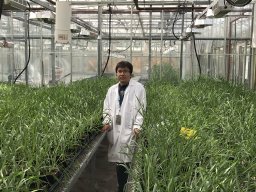 Wentao Zhang合作论文数Agriculture and Agri-Food Canada, Saskatoon Research Centre3Pierre R. Fobert合作论文数3




