The safety and efficacy of cidofovir gel for treatment of acyclovir-unresponsive herpes simplex virus infections in AIDS patients was evaluated in a randomized, double-blind, multicenter trial. Cidofovir (0.3% or 1%) or placebo gel was applied once daily for 5 days. Ten of 20 cidofovir-treated and none of 10 placebo-treated patients had complete healing or >50% decreased area (P = .008); 30% of cidofovir-treated patients versus 0 placebo recipients had complete healing (P = .031). Viral shedding ceased in 13 (87%) of 15 cidofovir-treated and 0 of 9 placebo-treated patients (P = .00004). For cidofovir-treated patients, median time to complete or good response was 21 days, and median time to negative viral culture was 2 days (P = .025, P = .0001, respectively). Median lesion area decreases were 58% for cidofovir-treated versus 0 for placebo-treated patients (P = .005), and mean pain score changes were -1.84 versus -0.34 (P = .042). Application site reactions occurred in 25% of cidofovir-treated and 20% of placebo-treated patients; none was dose-limiting. Cidofovir therapy provided significant benefits in lesion healing, virologic effect, and pain reduction.
BACKGROUNDBoth trimethoprim-sulfamethoxazole and pentamidine are effective as treatments for Pneumocystis carinii pneumonia, but adverse effects frequently limit their use. Atovaquone (566C80) is a new hydroxynaphthoquinone with activity against P. carinii.METHODSWe conducted a double-blind, multicenter study in patients with the acquired immunodeficiency syndrome and mild or moderately severe P. carinii pneumonia. They were randomly assigned to 21 days of orally administered treatment three times daily with either atovaquone (750 mg) or trimethoprim (320 mg) plus sulfamethoxazole (1600 mg).RESULTSOf the 322 patients with histologically confirmed P. carinii pneumonia, 160 received atovaquone and 162 received trimethoprim-sulfamethoxazole. Of those who could be evaluated for therapeutic efficacy, 28 of 138 patients given atovaquone (20 percent) and 10 of 146 patients given trimethoprim-sulfamethoxazole (7 percent) did not respond (P = 0.002). Treatment-limiting adverse effects required a change of therapy in 11 patients in the atovaquone group (7 percent) and 33 patients in the trimethoprim-sulfamethoxazole group (20 percent) (P = 0.001). Therapy involving only the initial drug was successful and free of adverse effects in 62 percent of those assigned to atovaquone and 64 percent of those assigned to trimethoprim-sulfamethoxazole. Within four weeks of the completion of treatment, there were 11 deaths in the atovaquone group (4 due to P. carinii pneumonia) and 1 death in the trimethoprim-sulfamethoxazole group (P = 0.003). Diarrhea at entry was associated with lower plasma drug concentrations (P = 0.009), therapeutic failure (P < 0.001), and death (P < 0.001) in the atovaquone group but not in the trimethoprim-sulfamethoxazole group.CONCLUSIONSFor the treatment of P. carinii pneumonia, atovaquone is less effective than trimethoprim-sulfamethoxazole, but it has fewer treatment-limiting adverse effects.
 Judith Feinberg合作论文数2
 Sharon Safrin合作论文数2F Sattler合作论文数1M Rogers合作论文数1Tony W. Cheung合作论文数1Hughes W T合作论文数1
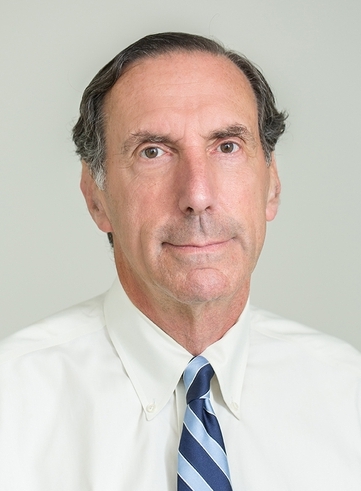 Henry Masur合作论文数Critical Care Medicine Department, Clinical Center, National Institutes of Health1Judith Falloon合作论文数1
 Lawrence Corey合作论文数Department of Laboratory Medicine & Pathology, University of Washington Medical Center;Vaccine and Infectious Disease Division, Fred Hutchinson Cancer Center;Clinical Research Division, Fred Hutchinson Cancer Center1
 Samuel Bozzette合作论文数School of Global Policy and Strategy, University of California, San Diego1Brian Mcguire合作论文数1
 Timothy Schacker合作论文数Division of Infectious Diseases and International Medicine, Medical School, Department of Medicine, University of Minnesota;Clinical and Translational Science Institute, University of Minnesota1Gifford Leoung合作论文数1Harold A. Kessler合作论文数1Joseph C. Gathe合作论文数1
 Jacob Lalezari合作论文数Quest Clinical Research;CytoDyn1Howard S Jaffe合作论文数1S LaFon合作论文数1John Boggs合作论文数1W. Lawrence Drew合作论文数1P FRAME合作论文数1




