PURPOSE:To present the outcomes of the EGEA Conference on the state of knowledge regarding the contribution of diets rich in fruit and vegetables (FV) to human and planetary health, commonly included in the One Health concept. METHODS:The 9th edition of EGEA Conference (20-22 September 2023, Barcelona) provided a transversal and multidisciplinary perspective on the contribution of FV to One Health, in particular to the health of individuals, society and the planet. Nearly 150 international scientists and stakeholders discussed the current state of knowledge. These proceedings are based both on a literature review and the scientific studies presented by the speakers. RESULTS:Scientific evidence confirms the role of FV in preventing cardiovascular diseases and type 2 diabetes; more evidence is needed on the effects and mechanisms of FV in cancer prevention. FV production and consumption helps ensure territorial cohesion and provides a denser, nutrient-rich diet with less environmental impact (except water use) than other food groups, but use of synthetic pesticides in FV production remains a challenge that could be addressed with agro-ecological solutions. Various factors influence consumer choice and behaviour towards FV consumption across the lifespan, with specific periods being more conducive to change. New research is emerging on the role of FV consumption in regulating gut microbiota and on both mental and brain health; the potential role of FV production and supply in tackling biodiversity loss and climate change; and better monitoring of FV consumption. CONCLUSION:Sufficient evidence confirms the contribution of diet rich in FV to One Health, with some emerging research on this topic. Concerted actions are required towards an increased consumption of FV and a more diversified and environmentally neutral FV production.
Parasitoid wasps contribute to biological control services. Parasitoid adults are highly dependent on sugar-rich resources. Adding flowering plants providing nectar in crop fields promotes parasitoid wasps, but not always pest parasitism because addition of flowering plants may attract parasitoid species that are not directly involved in the control of crop pests. In a factorial experiment conducted for one year in pesticide-free orchards, we analysed the effects of three common plant species (Capsella bursa-pastoris Medik., Veronica persica Poir. and Vicia sativa L.) in association with apple trees on parasitoid wasp recruitment and parasitism of one major apple pest, Dysaphis plantaginea (Passerini). We combined morphological and molecular identifications to characterize the parasitoid communities associated with each plant species. Parasitoid communities were different between plant species. Plant effects on the abundance of the parasitoid wasps did not depend on the amount of floral resources provided by the tested plants. Over the whole season, the parasitoid wasp species Ephedrus persicae (Froggatt) and Aphidius matricariae (Haliday) involved in D. plantaginea parasitism accounted for 6% of the total parasitoid abundance and were mainly associated with V. persica plots. We observed a higher parasitism rate in apple trees associated with V. persica and a lower number of aphid colonies in apple trees associated with V. sativa. However, plant treatments had no effect on the abundance of D. plantaginea or on generalist predators and ant occurrences in aphid colonies. As a result, the three plants tested had a limited impact on the rosy apple aphid (RAA) regulation overall. Les hym & eacute;nopt & egrave;res parasito & iuml;des contribuent & agrave; la r & eacute;gulation des insectes ravageurs mais d & eacute;pendent souvent de ressources florales riches en nectar pour se reproduire et se d & eacute;velopper. L'ajout de plantes & agrave; fleurs dans les cultures permet d'accroitre les populations d'hym & eacute;nopt & egrave;res parasito & iuml;des, mais ne favorise pas toujours le parasitisme des ravageurs, les plantes & agrave; fleurs pouvant attirer des esp & egrave;ces de parasito & iuml;des qui ne sont pas directement impliqu & eacute;es dans le contr & ocirc;le des ravageurs. Dans le cadre d'une exp & eacute;rimentation factorielle men & eacute;e pendant une ann & eacute;e dans des vergers sans pesticides, nous avons analys & eacute; les effets de trois esp & egrave;ces v & eacute;g & eacute;tales communes (Capsella bursa-pastoris Medik., Veronica persica Poir. et Vicia sativa L.) en association aux pommiers sur le recrutement des parasito & iuml;des et le parasitisme d'un ravageur majeur, le puceron cendr & eacute;, Dysaphis plantaginea (Passerini). Les identifications morphologiques et mol & eacute;culaires des esp & egrave;ces de parasito & iuml;des ont permis la caract & eacute;risation des communaut & eacute;s associ & eacute;es & agrave; chaque esp & egrave;ce v & eacute;g & eacute;tale. Les communaut & eacute;s de parasito & iuml;des & eacute;taient diff & eacute;rentes d'une esp & egrave;ce v & eacute;g & eacute;tale & agrave; l'autre. Les effets des plantes sur l'abondance des parasito & iuml;des ne d & eacute;pendaient pas de la quantit & eacute; de ressources florales des plantes test & eacute;es. Sur l'ensemble de la saison, deux esp & egrave;ces parasitant D. plantaginea ont & eacute;t & eacute; observ & eacute;es: Ephedrus persicae (Froggatt) et Aphidius matricariae (Haliday). Ces deux esp & egrave;ces repr & eacute;sentaient 6% de l'abondance totale des parasito & iuml;des. Elles ont & eacute;t & eacute; principalement observ & eacute;es dans les fleurs de V. persica. Le parasitisme des pucerons & eacute;taient plus & eacute;lev & eacute;s dans les pommiers associ & eacute;s & agrave; V. persica et un nombre plus faible de colonies de pucerons dans les pommiers associ & eacute;s & agrave; V. sativa. Les trois plantes test & eacute;es n'avaient toutefois pas d'effet sur les abondances totales de pucerons dans les pommiers, ni sur les pr & eacute;dateurs g & eacute;n & eacute;ralistes et sur les fourmis observ & eacute;s dans les colonies de pucerons. Leurs impacts sur la r & eacute;gulation du puceron cendr & eacute; du pommier restaient globalement limiter.
Floral resources support several ecosystem services in agroecosystems, such as pollination or biological control. Many beneficial organisms feed on nectar or pollen for an important part of their life cycle. Providing adequate and sufficient floral resources through the conservation of spontaneous flowering vegetation may be a strategy to improve biological pest control. However, the role of spontaneous flowering plant species has mainly been evaluated in the recruitment of natural enemies. Cascading effects on pest regulation and damage reduction are rarely studied. Here we evaluated the effect of spontaneous flowering vegetation on pest regulation in 18 Mediterranean apple orchards. We focused on two main apple pests, Cydia pomonella and Dysaphis plantaginea, and on two groups of their natural enemies depending on floral resources: hoverflies and parasitoid wasps. We combined generalised linear mixed models and piecewise structural equation models to test for direct and indirect effects of spontaneous flowering plant species on beneficial insects (hoverflies, parasitoid wasps, wild bees and honeybees) and on pest regulation. We also tested for potential negative interactions between honeybees and hoverflies, parasitoid wasps or wild bees. There was a positive and significant effect of insect-pollinated flowers on hoverflies, parasitoid wasps and bees, but small cascading effects on D. plantaginea or C. pomonella density and associated damage. There was no significant relationship between honeybees and hoverflies, parasitoid wasps or wild bees. The reduction of D. plantaginea infestation was partially mediated by hoverfly abundance. Furthermore, we observed effects of spontaneous flowering vegetation on pest regulation and damage reduction independent of hoverfly and parasitoid wasp abundances. These results highlight the importance of conserving floral resources to support biological control of apple pests. Further studies are needed to better understand interactions between spontaneous flowering vegetation and crop management practices to promote sustainable pest regulation strategies.
In the spring of 1987, point-count surveys of breeding birds (passerines and picidae) were conducted, resulting in a dataset of 197 counts. The purpose was to analyze the effects of forest fragmentation on bird community composition in a mountain pine forest located in the Néouvielle National Nature Reserve in the central French Pyrenees between 1800 and 2400 metres. The study aimed to differentiate between the impacts of landscape factors (patch area, isolation) and habitat characteristics (altitude, vegetation structure). Additional information was gathered regarding the presence of Common Crossbill (Loxia curvirostra), Great Spotted Woodpecker (Dendrocopos major), Red Squirrel (Sciurus vulgaris), and Capercaillie (Tetrao urogallus) in the forest. The sampling design ensured that the selected patches represented a wide range of sizes and distances to the nearest large pine patch or low-altitude forest stand. Bird sampling utilized the point-count technique [3], focusing on singing passerines and Picidae within a 50-metre radius. The altitude, the percentage of open areas, of stones, boulders and of herbaceous and ligneous plant cover at various heights, the canopy height and number of dead trees, along with landscape variables describing patch size and isolation from large pine stands or low-altitude forests, were assessed for each point count. This dataset offers insight into the breeding bird community and squirrel occurrence in a typical high-altitude mountain pine forest in the Pyrenees in 1987, serving as a baseline for future comparisons to study changes in bird and squirrel populations, the impact of climate change, habitat fragmentation, and conservation priorities. These data aim to inspire further research and enhance our understanding of bird and squirrel ecology in mountain regions.
Agroecological transition requires that innovative and diversified cropping systems be developed. Conducting system experiments is an approach well-suited to the analysis of performance of cropping systems when subjected to soil, weather and biotic stresses. Conducting system experiments nevertheless gives rise to methodological challenges. Using the Syppre network of experiments, consisting of five sites in France, we present an original case study that provides valuable methodological and agronomic lessons on system experiments. The innovative cropping systems tested there are based on crop diversification (including oilseeds and protein crops), as well as flexible tillage, technical innovations and optimized crop management. From a methodological standpoint, we show that (i) mixed models are adapted to a range of experimental questions and constraints; (ii) multifactorial analysis enables the characterization of relationships between performance indicators; (iii) a multisite experimental network is an efficient approach not only for answering agronomic questions, but also for addressing methodological issues. From an agronomic standpoint, we showed that reconciling multiple indicators of performance is still challenging. Overall, innovative and diversified systems improved the performance of input utilization and environmental impacts, but with lower productivity and profitability. Introducing legume crops is a promising strategy because this contributes significantly to reductions in mineral N fertilizer use, energy consumption and greenhouse gas emissions, without major trade-offs against other performance indicators. Finally, we showed that the nature of the production situation had a major influence on the performance profile. This led us to be cautious in making overall analyses especially with regard to general conclusions.
We know that fruit production, especially in the Mediterranean, will need to adapt to climate change to ensure the sustainability of fruit tree-based agroecosystems. However, there is a lack of evidence on the long-term effects of this change on sustainability indicators. To fill this gap, we used a fruit tree model, QualiTree, to analyze the impacts ofclimate change on the ecosystem services provided by apple orchards in south-eastern France. To do this, a blooming model was parameterized to simulate blooming date on the basis of climate data, and QualiTree was supplemented with a model of nitrogen processes in the tree and a soil module describing resource input (irrigation, mineral and organic fertilization), transfer in the soil (water and nitrogen) and metabolic transformation-immobilization (mineralization, (de)nitrification). This type of extension makes it possible to simulate a wide array of ecosystem services, including C sequestration, nitrate leaching and nitrous oxide emissions. The model was compared with data from an apple orchard in southeastern France. The predicted daily mean and variability over time of fruit growth, composition and soil water content were consistent with observed data. QualiTree was then used to assess the potential impacts of climate change on the ecosystem services supplied by apple orchards. For this purpose, weather variables from 2020 to 2100 were generated for three contrasted greenhouse gas emission scenarios, and simulations were performed under two irrigation schemes (no restriction and restricted use of water). Model outputs indicated that, on average, marketable apple yields would increase until 2050 and then subsequently decrease. The fruit refractometric index, an indicator of fruit quality, was projected to sharply decrease with the intensity of climate change. Ecosystem services such as C sequestration by the orchard will decrease with climate change severity, mainly due to a higher mineralization of soil humus, whereas N2O emissions will increase with larger denitrification rates. Soil water availability, fertility, drainage and leaching were predicted to depend more on the irrigation strategy than on climate change severity. The new functions performed in QualiTree broadened its predictive capabilities and allowed for a better understanding of ecosystem service delivery in fruit orchards under varying climate conditions.
CONTEXTIn agroecosystems, crop pests have long been controlled by the intensive use of synthetic pesticides. To lower the dependency on pesticides, alternative crop protection strategies such as Integrated Pest Management (IPM) and Agroecological Crop Protection (ACP) have been proposed. In this context, it is crucial to consider multiple pests and their effects on host plant functioning and, ultimately, on system performance.OBJECTIVE: We aim to develop a pest-crop model to account for the effect of multiple pests on fruit tree functioning and the resulting ecosystem services provided by an orchard, using apple as a case study.METHODS: First, we identified possible mechanisms of pest disturbance on apple tree for ten major pests: rosy and woolly apple aphid, codling, oriental and tortrix moths, red mite, powdery mildew, European canker, fire blight and apple scab. We classified them into seven functional groups: resource stealers, leaf area reducers, assimilation rate reducers, water transport reducers, assimilate sappers, fruit senescence accelerators and fruit marketability depreciators. Second, we defined coupling functions for each functional group. These describe the reduction of target variables in an existing fruit tree model (QualiTree), i.e. the variables to which the pest disturbances directly apply, as a function of pest abundances. Parameter values of the coupling functions were estimated based on the literature. Third, we used simulations in standard cultural conditions and a Monte Carlo Bayesian Sensitivity Analysis to test and hierarchize the effect of pests on the variation of nine indicators of four classes of ecosystem services (namely fruit production, climate regulation, soil nitrogen availability and water cycle maintenance and regulation).RESULTS AND CONCLUSIONS Only four indicators were affected by the considered pests: refractometric index (measuring fruit sugar content), marketable yield, carbon sequestration and water drainage. The variations in refractometric index and in marketable yield were largely explained by the main effects of water transport reducers and fruit senescence accelerators, respectively. The latter also contributed the most to carbon sequestration variation. The variation in water drainage was largely explained by the main effect of mildew, an assimilation rate reducer.SIGNIFICANCE: Our approach provides an operational tool to assess the impact of multiple pests on orchard ecosystem services. The model also opens up the possibility of studying the impact of pests in different ecological and technical contexts. For this, it must be coupled with models capable of predicting pest abundances as a function of cultivation practices and biotic and abiotic conditions.
The Pyrenees is a mountain range in south-western Europe that supports a rich diversity of bird species. In 1981, point count surveys of breeding birds (passerines and picidae) were carried out in the Vanera valley, a valley in the eastern Pyrenees, resulting in a data set of 228 counts. These data provide valuable information on the distribution and abundance of bird populations on 5350 ha of heterogeneous land (including cropland, grasslands, heaths and river banks, and pine forest) at altitudes ranging from 1100 to 2600 meters. Additional point count surveys were carried out in the pine forest from 1982 to 1985, resulting in a data set of 144 counts. Habitat descriptors (percentage of herbaceous and ligneous plant cover at different heights - 0-1m, 1-4m and more than 8m; vegetation type) and altitude were assessed around each point count. This dataset provides a complete picture of the breeding bird community in a typical valley of eastern Pyrenees in the early 1980s, which could be compared with future censuses to contribute to a variety of research questions, such as quantifying changes in birds between the early 1980s and now in mountain areas, understanding the effects of climate change on bird populations, examining the effects of habitat fragmentation and land-use change, and identifying priority areas for conservation and management. These data could inspire new research and contribute to our collective understanding of bird ecology in the Pyrenees.
Agroecosystems are facing new challenges in the context of a growing and increasingly interconnected human population, and a paradigm shift is needed to successfully address the many complex questions that these challenges will generate. The transition to providing multiple services within an agroecosystem is a starting point for heightened multifunctionality, however, there is still hesitation among stakeholders about moving towards multi-service systems, largely because of the lack of knowledge linking productivity and multifunctionality. We reason that much of this reticence could be overcome through a better understanding of stakeholder re-quirements and innovative transdisciplinary research extended in the dimensions of time and space. We assembled experts in France to identify priority research questions for co-constructing projects with stakeholders. We identified 18 key questions, as well as the obstacles that hinder their resolution and propose potential so-lutions for tackling these obstacles. We illustrate that research into agroecosystem multifunctionality and service production must be a hugely collaborative effort and needs to integrate knowledge from different sectors and communities. Promoting dialogue, standardization and data-sharing would enhance transdisciplinary progress. Biodiversity is highlighted as a key factor to explore and incorporate into modelling approaches, but major advances must be made in the understanding of dynamic changes in the biodiversity-function-service nexus across landscapes. Resolving these research questions will allow us to translate knowledge into decision objec-tives, identify adaptation and tipping points in agroecosystems and develop social-ecological economic pathways that are adaptive over time.
Pre- and post-harvest stages are rarely considered together in modeling studies of fruit quality and disease development, despite evident connections between these two fruit life stages in terms of underlying processes. In order to fill this gap, a new modeling framework has been introduced to simulate the effects of pre-harvest practices (irrigation regime and fruit thinning intensity) and storage conditions (temperature and relative humidity) on the development of fruit quality traits during the growing season and storage, fruit yield, and the appearance of brown rot infections during storage. The model was specifically built and calibrated for nectarine (Prunus persica var. nucipersica). A set of performance criteria was defined based on model outputs describing fruit quality (fruit size and sweetness), yield and fruit loss during storage (caused by excessive mass loss or brown rot infections). A sensitivity analysis was then carried out to study the relationships between performance criteria and pre-harvest practices and storage conditions. Finally, the model was used in combination with an optimization algorithm to retrieve the pre- and post-harvest scenarios that maximized fruit quality and quantity, aggregated into a unique performance score. This was done for different storage times and the relative importance assigned to fruit quality criteria. The results revealed that irrigation regime and thinning intensity were significant in defining fruit quality traits, while storage conditions influenced fruit loss during storage. The interactions between pre- and post-harvest conditions were also found to be important when considering the fruit loss related to brown rot infections and the fruit yield at the end of storage. The importance assigned to quality criteria largely affected the optimization outcomes. Thus, the best scenario had moderate water deficit and a lowto-medium thinning intensity when the importance of the fruit sweetness index was high, and well-irrigated regimes and very low thinning intensity when it was lower. The results also indicated a trade-off between quality criteria and, in particular, sweetness and fruit yield. The proposed modeling framework highlighted the fact that the pre- and post-harvest conditions should be considered together because they can influence both fruit quality and quantity, including fruit loss due to brown rot. The model could therefore be used as a tool to enhance dialogue between fruit supply chain actors and to identify solutions to meet their expectations.
Crop losses from pests threaten global food security and safety. In the last six decades, pest control using chemical pesticides has resulted in important yield gains per unit area, worldwide. However, the long-term sustainability of chemical pest control has been increasingly thrown into doubt due to the negative impact on human health, biodiversity, and the environment. Consequently, there is an urgent need to improve the science of crop protection in order to tackle the five key challenges of 21st century agriculture holistically: (i) maintaining or improving agricultural productivity, (ii) producing healthy food, (iii) reducing the negative impacts of agriculture on ecosystem and human health, (iv) ensuring the economic viability of farms, and (v) adapting agriculture to climate change. Agroecological Crop Protection (ACP) can be a powerful approach to address these challenges, as we demonstrate in this paper. ACP is the application of the principles of agroecology to crop protection in order to promote virtuous and sustainable changes in agriculture and food systems. ACP combines multiple approaches and disciplines including ecology, agroecology, and Integrated Pest Management. It promotes a crop protection system compatible with healthy agricultural and food systems, agroecological principles and the “one health” approach. We predict that ACP will meet the challenge of pesticide-free agriculture in the future. In this paper, we will first present the scientific, agricultural and social components of ACP. We will then analyze the research approaches, questions, methods and tools needed to adopt ACP. Finally, we suggest key mechanisms to facilitate the transition to ACP, which will ultimately provide sustainable food, feed, and fuel in a context of major global change.
A profound transformation of agricultural production methods has become unavoidable due to the increase in the world’s population, and environmental and climatic challenges. Agroecology is now recognized as a challenging model for agricultural systems, promoting their diversification and adaptation to environmental and socio-economic contexts, with consequences for the entire agri-food system and the development of rural and urban areas. Through a prospective exercise performed at a large interdisciplinary institute, INRAE, a research agenda for agroecology was built that filled a gap through its ambition and interdisciplinarity. It concerned six topics. For genetics, there is a need to study genetic aspects of complex systems (e.g., mixtures of genotypes) and to develop breeding methods for them. For landscapes, challenges lie in effects of heterogeneity at multiple scales, in multifunctionality and in the design of agroecological landscapes. Agricultural equipment and digital technologies show high potential for monitoring dynamics of agroecosystems. For modeling, challenges include approaches to complexity, consideration of spatial and temporal dimensions and representation of the cascade from cropping practices to ecosystem services. The agroecological transition of farms calls for modeling and observational approaches as well as for creating new design methods. Integration of agroecology into food systems raises the issues of product specificity, consumer behavior and organization of markets, standards and public policies. In addition, transversal priorities were identified: (i) generating sets of biological data, through research and participatory mechanisms, that are appropriate for designing agroecological systems and (ii) collecting and using coherent sets of data to enable assessment of vulnerability, resilience and risk in order to evaluate the performance of agroecological systems and to contribute to scaling up. The main lessons learned from this collective exercise can be useful for the entire scientific community engaged in research into agroecology.
The size of fruit cells, seeds and fruits depends on their number. Could this density-dependence effect result from sugar resource sharing and, if so, does it involve phloem sugar flow or the intensity of sugar unloading to the sink? A density-dependence model (DDM) describing these processes was designed and parameterised for six species at five levels of organisation: cells and seeds within fruits, fruits within clusters, fruits within plants and plants within plots. Sugar flow was driven by phloem conductance, determined by parameters α, governing the shape of its relationship to population size, and κ, its value for a population size of one. Sugar unloading followed Michaelis–Menten kinetics with parameters Vm (maximal unloading rate) and Km (Michaelis constant). The DDM effectively reproduced the observed individual mass dynamics, the undercompensating density dependence observed in most species at all sub-plant levels and the undercompensating, exact and overcompensating density dependence observed at the plant level. Conductance (κ) was a scaling factor varying with the level of organisation. Vm was positively correlated with density dependence, and α was negatively correlated with density dependence only if the plant-within-plot level was not considered. Analysis of the model’s behaviour indicates that density dependence of fruit growth could be a result of sugar sharing, and that both phloem sugar flow and sugar unloading contribute to these effects.
Brown rot in stored stone fruits, caused by Monilinia spp., may be due to preharvest and storage factors, but the combined effect of these factors has yet to be investigated. We set up two experiments to monitor the progression of brown rot during the storage of nectarines subjected to various preharvest and storage conditions. We assessed the effects of different agricultural practices (irrigation regimen × fruit load) and harvest dates on brown rot progress during storage in 2018 and the effect of different storage temperatures in 2019. We found that the cumulative incidence of brown rot during storage increased with individual fruit mass, which was influenced by agricultural practices, and for later harvest dates. It also increased with storage temperature. We observed that during storage no secondary infections developed in nectarines not in direct contact with fruits infected with Monilinia laxa. These findings led to the identification of candidate variables describing the brown rot risk on nectarines during storage, such as individual fruit mass, meteorological conditions before fruit harvest, prevalence of brown rot at harvest, and storage temperature. We used these variables to build a mathematical model for estimating the time-to-appearance of brown rot symptoms in stored nectarines. This model fitted the experimental data well, highlighting the need to pay greater attention to the interaction between preharvest and storage conditions. This model could be used to evaluate management strategies for reducing the impact of brown rot in nectarines during storage.
The addition of flowering companion plants within or around crop fields is a promising strategy to strengthen pest regulation by their natural enemies. Aromatic plants are frequently used as companion plants, but their effects on natural enemies remain unclear under field conditions. Here, we evaluated the effects of two aromatic plant species on the parasitism of the codling moth (Cydia pomonella) and the recruitment of predatory arthropods (spiders, earwigs) in a factorial field experiment. Apple trees were intercropped with basil (Ocimum basilicum), French marigolds (Tagetes patula), or ryegrass (Lolium perenne). The association between apple trees and O. basilicum increases codling moth parasitism, but does not affect arthropod predator abundances. Furthermore, we find a general negative effect of T. patula on arthropod diversities and abundances, including the pest and its natural enemies. Finally, changes in the parasitism rate and arthropod community structure due to the aromatic plants do not reduce codling moth density or associated apple damage. Further experiments are needed to determine the mechanisms involved in aromatic plant effects on pest repellence and on natural enemy recruitment (volatile organic compound composition, floral resource supply, or pest density dependence).
Fruit tree orchards are an important land-use type in the Mediterranean regions despite limited information on their potential role as carbon sinks to mitigate climate change and their capacity to store soil organic carbon (SOC). The objective of this study was to evaluate the ability of peach orchards (Prunus persica (L.) Batsch) to fix and accumulate carbon (C) in three contrasting management systems. The first system was representative of the current management recommended to French producers with high yield objectives (REF). The second system was managed with a Low-Input strategy (LI-1) for chemical pesticide application (-70%), nitrogen fertilization and water irrigation (similar to-25%). Lastly, the third system (LI-2) had the same low-input strategy but included a higher planting density (similar to 2-fold) and a new tree shape training system. The experiment was conducted in the South of France for 7 years from planting (2013-2019). The aboveground biomass and C repartitions in various components of systems (tree organs and grass growing in alleys) were carried out by destructive measurements each year to determine Net Primary Production (NPP), Net Ecosystem Production (NEP) and Net Ecosystem Carbon Balance (NECB). The REF system had very high productivity during the mature tree period with 45.9 Mg ha(-1) yr(-1) of fresh fruit yield and 16.8 Mg ha yr 1 of aboveground biomass, corresponding to 7379 kg C ha(-1) yr(-1) (738 g C m(-2) yr(-1)). Orchard NPP (tree and grass) reached 11,003 +/- 353 kg C ha(-1) yr(-1) (1100 +/- 35 g C m(-2) yr(-1)) and soil respiration was 3366 +/- 776 kg C ha(-1) yr(-1) (337 +/- 78 g C m(-2) yr(-1)) leading to an NEP of 7637 +/- 853 kg C ha yr 1 (764 +/- 85 g C m(2) yr(-1)) and an NECB of 4919 + 858 kg C ha(-1) yr(-1) (492 + 86 g C m(2) yr(-1)). Carbon accumulation was distributed 53% in perennial biomass, and the soil had an annual SOC stock change of 3.8 parts per thousand. In the LI-system, the reduction of inputs and chemical pesticides did not impact the average NEP and NECB, even though pest infestations reduced biomass in 2015 and 2019. The same input reductions in the LI-2 system but with increased planting density provided significant increases in NPP (+10.5%) and NEP (+20.0%), leading to an NECB of 5876 + 890 kg C ha(-1) yr(-1) (588 +/- 89 g C m(-2) yr(-1)), or 19.4% greater than the REF system during the mature tree period. This positive C accumulation was distributed 46% in the perennial biomass, which could reach 35.5 Mg C ha (3550 g C m(-2)) after 15 years of orchard life. The SOC stock change was 10.0 parts per thousand in the LI-2 system, greater than the 4 parts per thousand initiative of the Paris COP21. Innovative peach orchards with agroecological management can mitigate environmental impacts by combining high-quality fruit production with enhanced CO2 sink capacity objectives.
Productivity of fruit tree crops depends on the interaction between plant physiology, environmental conditions and agricultural practices. We develop a mechanistic model of fruit tree crops that reliable simulates the dynamics of variables of interest for growers and consequences of agricultural practices while relying on a minimal number of inputs and parameters. The temporal dynamics of carbon content in the different organs (i.e., shoots—S, roots—R and fruits—F) are the result of photosynthesis by S, nutrient supply by R, respiration by S, R and F, competition among different organs, photoperiod and initial system conditions partially controlled by cultural practices. We calibrate model parameters and evaluate model predictions using unpublished data from a peach (Prunus persica) experimental orchard with trees subjected to different levels of branch pruning and fruit thinning. Fiinally, we evaluate the consequences of different combinations of pruning and thinning intensities within a multi-criteria analysis. The predictions are in good agreement with the experimental measurements and for the different conditions (pruning and thinning). Our simulations indicate that thinning and pruning practices actually used by growers provide the best compromise between total shoot production, which impacts next year’s abundance of shoots and fruits, and current year’s fruit production in terms of quantity (yield) and quality (average fruit size). This suggests that growers are not only interested in maximizing current year’s yield but also in its quality and its durability. The present work provides for modelers a system of equations based on acknowledged principles of plant science easily modifiable for different purposes. For horticulturists, it gives insights on the potentialities of pruning and thinning. For ecologists, it provides a transparent quantitative framework that can be coupled with biotic and abiotic stressors.
It has been suggested that increasing plant species diversity (PSD) in agroecosystems at different spatiotemporal scales reduces the impacts of crop pests and diseases as well as the dependence on synthetic plant protection products. This principle was applied to a range of tropical case studies. These studies involved various pests and pathogens with contrasting life history traits, different cropping systems (a cereal crop in conservation agriculture, vegetable crops in rotational and trap cropping systems, perennial crops in agroforestry) and various spatial scales of PSD deployment (field and farmscape). Here we review the outcomes of these studies, and discuss the lessons learned regarding synergies and tradeoffs associated with regulation effects provided by PSD. The major points are: 1) results contributed to solve local crop pest and disease problems such as bacterial wilt on tomato in Martinique, scarab beetles and witchweed on upland rice in Madagascar, fruitworms on tomato in Martinique and okra in Niger, fruit flies on cucurbit vegetables in Reunion, mirid bugs and black pod rot on cocoa in Cameroon, berry borer and leaf rust on coffee in Costa Rica; 2) the importance of cross-cutting issues regarding green manure, cover crops or companion plants across case studies at the field scale involving below-ground and aerial processes, were highlighted, particularly that of the within-species genetic variation of these plants; 3) based on the fruitworm/tomato case study, a dynamic and spatially-explicit individual-based model was developed as a generic tool to improve understanding of system functioning by assessing infestation patterns in response to main crop/trap crop relative attractiveness, spatiotemporal deployment of the main crop/trap crop and insect behavioral traits; 4) tradeoffs were highlighted regarding pest and disease complex management, single-option pest and disease control via several pathways based on a single PSD-deployment measure and other ecosystem services and disservices at various scales.
 Michel Genard合作论文数102
 Robert Habib合作论文数INRA, Ecophysiologie et Horticulture, Domaine St-Paul Agroparc, 84914 Avignon Cedex 9, France23
 Gilles Vercambre合作论文数21B Faye合作论文数18Claude Bussi合作论文数16
 Daniele Bevacqua合作论文数Dipartimento di Scienze Ambientali, Università degli Studi di Parma14
 Daniel Plenet合作论文数14Jb Coulon合作论文数12
 Isabelle Grechi合作论文数11Pierre Valsesia合作论文数9B. Quilot合作论文数8Mehdi Ben Mimoun合作论文数8
 Fabrice Vinatier合作论文数UPR 26 « Systèmes Bananes et Ananas », Pôle de Recherche Agro-environnementale de la Martinique8
 Philippe Tixier合作论文数CIRAD, UPR Systèmes Bananes et Ananas8Pierre-Francois Duyck合作论文数Peuplements Végétaux et Bio-agresseurs;La Réunion;Centre d'Ecologie Fonctionnelle et Evolutive, CNRS;Centre d'Ecologie Fonctionnelle et Evolutive, CNRS8
 Jacques Barnouin合作论文数8
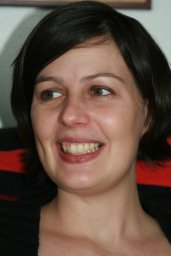 Bénédicte Quilot-Turion合作论文数INRA8Jean-Noël Aubertot合作论文数7
 Thomas Nesme合作论文数ENITA, Université de Bordeaux7
 Petit Sandrine合作论文数UMR Biologie et Gestion des Adventices, INRA7J Kervella合作论文数7
 Helene Gautier合作论文数6N. DORR合作论文数6Perochon L合作论文数6Maite Chassagne合作论文数6E Landais合作论文数5Nicolas Moitrier合作论文数5
 Stephane Bellon合作论文数5Abdeslam Kadrani合作论文数5
 Vincent Mercier合作论文数5Gomez Laurent合作论文数5Rachid Senoussi合作论文数5Mathieu Lechaudel合作论文数5
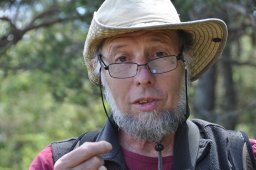 Bernard Faye合作论文数CIRAD Département environnement et société Montpellier France5
 Nadia Bertin合作论文数Department of Statistics;Operations Research;Agricultural Research Organization;Department of Statistics, Agricultural Research Organization5J. Besset合作论文数5
 Jose Manuel Miras-Avalos合作论文数UR1115 Plantes et Systèmes de culture Horticoles (PSH),, INRA5Nadine Hilgert合作论文数5
 Loïc Pagès合作论文数Department of Environment and Agronomy, French National Institute for Agriculture, Food, and Environment5Mohamed-Mahmoud Ould Sidi合作论文数5
 Mohamed-Mahmoud Ould-Sidi Memah合作论文数4
 Enrico Casagrande合作论文数4
 Benhong Wu (吴本宏)合作论文数Institute of Botany, The Chinese Academy of Sciences4Joel Chadoeuf合作论文数4
 Caroline Gibert合作论文数4
 Florence Charles合作论文数4
 Alain Ratnadass合作论文数CIRAD, UPR HortSys4
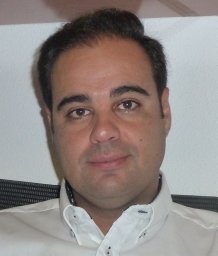 Emilio Nicolás合作论文数Centro de Edafología y Biología Aplicada del Segura, CSIC Unidad Asociada al CSIC de Horticultura Sostenible en Zonas Áridas (UPCT-CEBAS)4Pierre Franck合作论文数4




