CDPdiacylglycerol pyrophosphatase (E.C. 3.6.1.26) activity has been examined in rat lung mitochondrial and microsomal fractions. While the mitochondrial hydrolase exhibited a broad pH optimum from pH 6-8, the microsomal activity decreased rapidly above pH 6.5. Apparent Km values of 36.2 and 23.6 microM and Vmax values of 311 and 197 pmol.min-1.mg protein-1 were observed for the mitochondrial and microsomal preparations, respectively. Addition of parachloromercuriphenylsulphonic acid led to a marked inhibition of the microsomal fraction but slightly stimulated the mitochondrial activity at low concentrations. Mercuric ions were inhibitory with both fractions. Although biosynthetic reactions utilizing CDPdiacylglycerol require divalent cations, addition of Mg2+, Mn2+, Ca2+, Zn2+, Co2+, and Cu2+ all inhibited the catabolic CDPdiacylglycerol hydrolase activity in both fractions. EDTA and EGTA also produced an inhibitory effect, especially with the mitochondrial fraction. Although addition of either adenine or cytidine nucleotides led to a decrease in activity with both fractions, the marked susceptibility to AMP previously reported for this enzyme in Escherichia coli membranes, guinea pig brain lysosomes, and pig liver mitochondria was not observed. These results indicate that rat lung mitochondria and microsomes contain specific CDPdiacylglycerol hydrolase activities, which could influence the rate of formation of phosphatidylinositol and phosphatidylglycerol for pulmonary surfactant.
Studies have been carried out on the incorporation of32P-labeled α-glycerophosphate (α-G32P) into the lipids of preparations obtained from rat brain cerebral hemispheres. The optimal incorporating system contains Tris and phosphate buffers (pH 7.4), MgCl2, CoA, EDTA, NaF and ATP. The incorporation of α-G32P into monophosphoinositide was stimulated by CDP-choline, CDP-ethanolamine, CDP-glycerol and CTP. These nucleotides depressed the incorporation of α-G32P into phosphatidic acid. Microsomal preparations supported a high incorporation of α-G32P into phosphatidic acid, but the incorporation into monophosphoinositide was low compared with the whole homogenate. Similar observations were made with mitochondrial preparations undergoing oxidative phosphorylation with CoA added to the medium.
 E R Block合作论文数2CB BASBAUM合作论文数2Sr Rannels合作论文数2M. J. STUTTS合作论文数2william j longmore合作论文数2
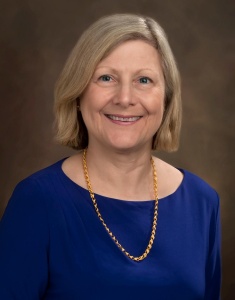 Mary Sunday合作论文数Department of Cell Biology, Duke University School of Medicine2
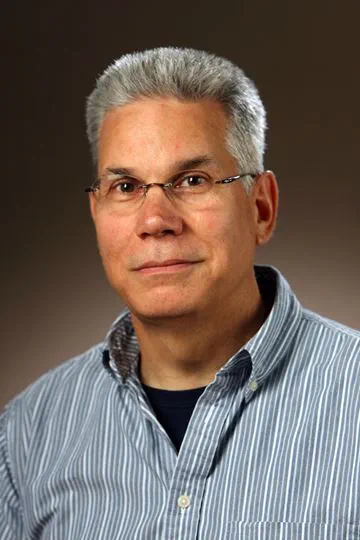 Timothy E. Weaver合作论文数Division of Pulmonary Biology, Cincinnati Children's Hospital Medical Center;Department of Pediatrics, University of Cincinnati2
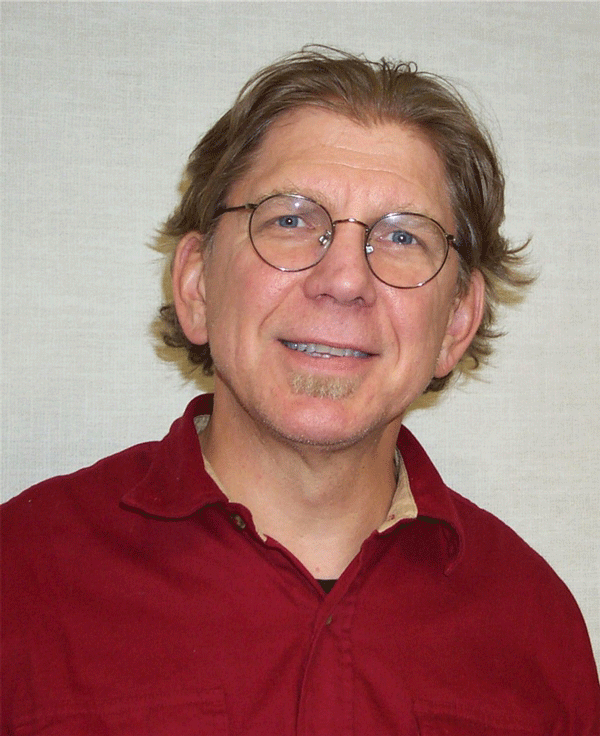 Bruce D. Uhal合作论文数Department of Physiology, College of Natural Science, Michigan State University2Bruce A. Holm合作论文数2John M Shannon合作论文数2
 Jeffrey J. Wine合作论文数Department of Psychology, School of Humanities and Sciences, Stanford University2
 Jeffrey A. Whitsett合作论文数Perinatal Institute, Cincinnati Children's Hospital Medical Center, University of Cincinnati College of Medicine;Department of Pediatrics, University of Cincinnati College of Medicine2Charles A. Hales合作论文数2M. Rabinovitch合作论文数2Sadis Matalon合作论文数2
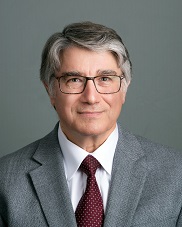 Julian Solway合作论文数Department of Medicine, University of Chicago/Institute For Translational Medicine, University of Chicago2
 Carole Mendelson合作论文数2P. M. Vanhoutte合作论文数2Martin Post合作论文数2Peter J Barnes合作论文数2Robert M Strieter合作论文数2
 Michael Sanderson合作论文数Department of Ecology and Evolutionary Biology, College of Science, The University of Arizona2Meyrick Barbara合作论文数2David M. Rodman合作论文数2Michael M Grunstein合作论文数2Kurt R Stenmark合作论文数2M. Terzaghi-Howe合作论文数2D Michael Shasby合作论文数2
 Bruce R. Pitt合作论文数Department of Environmental and Occupational Health, Graduate School of Public Health, University of Pittsburgh2Lambert M G Van Golde合作论文数2Fisher Aron B合作论文数2Stephen L Archer合作论文数2Robert H Goldstein合作论文数2John H Fisher合作论文数2David S. Phelps合作论文数2
 Susan J. Gunst合作论文数Department of Cellular and Integrative Physiology, School of Medicine, Indiana University2Madden Jane a合作论文数2KP STRICKLAND合作论文数2D. J. Massaro合作论文数2Charles G. Plopper合作论文数2William R Rice合作论文数2
 Scott Randell合作论文数Department of Cell Biology and Physiology, School of Medicine, University of North Carolina at Chapel Hill2Pgr Harding合作论文数1Rm Streiter合作论文数1Dw Nicholson合作论文数1Lb Clerch合作论文数1JH WIDDICOMBE合作论文数1GW HUNNINGHAKE合作论文数1JN EVANS合作论文数1




