Mirena® intrauterine device is indicated for treatment of menorrhagia, characterised by heavy or long-lasting menstrual bleeding. The worldwide prevalence is 11-13% in adult women accumulating to 24% in 36–40 yrs. This analysis aims to evaluate whether in Turkish setting starting treatment with Mirena® is more cost-saving, than with oral progesterone (OP) or surgery without pre-treatment.
Sorafenib is the first product approved for treatment of RAI refractory locally advanced/metastatic DTC patients. This study was conducted in order to analyze cost-effectiveness of sorafenib for treatment of patients with RAI refractory locally advanced/metastatic DTC in Turkey. A cohort partition model assigning patients to one of three health states according to the proportion of patients who are progression-free, progressed, or dead in each 28-days cycle was adapted to Turkish setting. The incremental cost-effectiveness ratios (ICER) were calculated per quality-adjusted life years (QALYs) and life-years (LYs) gained. Turkish payer’s perspective was taken and time-horizon was set as patient’s lifetime (maximum 30 years). Sorafenib was compared to the best supportive care (BSC) within the model since there are no agents for treatment of patients on this stage of the disease. Essential clinical inputs were derived from DECISION trial and local resource-utilization data were based on expert opinions through an expert panel. Sensitivity of the results was evaluated in terms of key inputs by deterministic one-way and probabilistic sensitivity analyses. All costs were calculated in Turkish Liras (TL) and converted to USD using TL/USD currency rate as 2.2 (mid-2014). Total cost of sorafenib-treated patients is 24,384 USD higher compared to BSC. Besides, sorafenib is associated with increments of 1.29 LYs and 0.80 QALYs compared to BSC. The ICER of sorafenib per LYs and QALYs gained compared to BSC were determined as 18,851 USD and 30,485 USD respectively. One-way sensitivity analysis demonstrated that results are not sensitive to the changes in model inputs and pharmacoeconomic analysis results were validated by probabilistic sensitivity analysis. Sorafenib is cost-effective for treatment of patients with RAI refractory locally advanced/metastatic DTC compared to BSC with an ICER value below the willingness-to-pay threshold (3-times GDP per capita ─ 32,346 USD) for Turkey.
The objective of the study was to estimate the CoD in DME, in Turkish setting. A panel by participation of seven ophthalmologists was held to discuss the disease management in DME. Physicians reviewed the literature, discussed the local clinical practices and all cost components; pharmaceuticals, treatment administration, monitoring and adverse event. Cost of ranibizumab treatment was studied and January 2015 local prices for medications and procedures were used as sources. January 2015 EUR currency rate (2.6785TL/EUR) was used. The frequency of treatments and outpatient visits were assumed as 7.4 for the first year, 4.0 for the second year, 2.9 for the third year and 1.0 for the following years for ranibizumab. Common adverse events were taken into account. The cost of cataract was accepted as equal to the cost of cataract removal operation which is 153EUR. It was assumed that vitroretinal surgery was applied in 10% of patients with vitreous haemorrhage average cost of which was 10% of 616EUR/operation. It was assumed that surgical treatment (trabeculectomy, Seton operation or cyclophotocoagulation) was applied in 2% of increased ocular pressure (IOP) patients average cost of which was 196EUR/operation. Pharmacologic treatment was assumed to be applied in 98% of the IOP patients cost of which was 4EUR/patient. Thus, overall cost of IOP was calculated as 8EUR. The cost of arterial thromboembolic events (282EUR) was taken from local sources. The total CoD was calculated as 5520EUR in patients treated with ranibizumab where the total cost excluding pharmaceutical was estimated as 590EUR (administration cost 121EUR, monitoring cost 442EUR, adverse event cost 27EUR). In DME, the main part of total CoD was consisted of costs of the treatment, followed by monitoring costs.
The objective was to estimate the CoD in wAMD, in Turkish setting. An expert panel was held by participation of five ophthalmologists to discuss the disease management in wAMD. Physicians reviewed the literature, discussed the local clinical practices and all cost components; pharmaceuticals, treatment administration, monitoring, adverse events and blindness. The clinical/economic parameters were entered as inputs of a Markov model mimicking the follow-up of patients up to 20 years. Cost of ranibizumab treatment was studied. September-2014 local prices for medications and procedures were used as sources. September-2014 EUR currency rate (2.8671TL/EUR) was used. The frequency of treatments and outpatient visits in a year were assumed as 12 for the first year and 6 for the second year. Fluorescein angiography was assumed to be performed every six months. Total cost of blindness was estimated as 2,964EUR/year. The components of overall blindness cost include impairment salary in all (1,777EUR), home care services in 30% (990EUR), telescopic vision aid in one-thirds (96EUR), hip prosthesis operation, including prosthesis in 5% (64EUR), psychiatric management in 30% (32EUR) and visually impaired rehabilitation in 11% (6EUR). CoD calculation was started with the first implementation of treatment. The total cost for first year was 5,269EUR. The cost components included pharmaceutical costs (ranibizumab 4,915EUR), treatment administration (71-121EUR), monitoring (138-208EUR), adverse events (0-2EUR) and blindness (23EUR). The average yearly costs (calculated according to the cumulative five and twenty-year costs) were 1,864EUR and 1,110EUR in patients treated with ranibizumab. The treatment cost formed the major part of the total CoD in the first year of treatment. With the increasing number of patients getting blind throughout the years, the cost of blindness advanced to the first place.
The objective of the study was to estimate the CoD in CRVO, in Turkish setting. An expert panel was held by participation of five ophthalmologists to discuss the disease management in CRVO. Physicians reviewed the literature, discussed the local clinical practices and all cost components; pharmaceuticals, treatment administration, monitoring and adverse events. Two different treatment options (ranibizumab and dexamethasone) were studied. September-2014 local prices for medications and procedures were used as sources. September-2014 EUR currency rate (2.8671TL/EUR) was used. The frequency of treatments in a year were assumed as 8.8 and 2.0 and the numbers of outpatient visits in a year were accepted as 9 and 7 for ranibizumab and dexamethasone, respectively. Common adverse events were taken into account. The cost of cataract was accepted as equal to the cost of cataract removal operation which is 143EUR and the cost of retinal detachment was accepted as the average cost of surgical treatments as 368EUR. It was assumed that surgical treatment (trabeculectomy, Seton operation or cyclophotocoagulation) was applied in 2% of increased ocular pressure (IOP) patients (average cost 183EUR/operation). Pharmacologic treatment was assumed to be applied in 98% of the IOP patients (4EUR/patient). Thus, overall cost of IOP was calculated as 7EUR. The total CoD was calculated as 3,823EUR per patients treated with ranibizumab, where the cost excluding pharmaceutical was determined as 138EUR. The CoD in patients treated with dexamethasone was estimated as 1,195EUR which is lower when compared to CoD in patients treated with ranibizumab. Total cost excluding pharmaceutical was calculated 240EUR for dexamethasone. In CRVO, the cost of treatment formed the major part of the total CoD when compared to monitoring, administration and adverse event costs.
Gastrointestinal stromal tumors (GIST) are rare but costly tumors with an estimated incidence of 1.5/100 000/year in Europe. Granting reimbursement requires locally adapted cost effectiveness data in Turkey. This study was conducted to estimate the costs-of disease and direct cost components of metastatic/inoperable GISTs that did not respond to prior imatinib mesylate and sunitinib malate. Bayer Turkey Market Access team organized an “expert panel” composed of oncologists to discuss the local treatments, routine monitoring and adverse event management algorithms in metastatic/inoperable GIST patients. The panel reviewed the global and local literature and guidelines and also discussed the spectrum of frequently performed local clinical practices. All cost components, including medications, hospitalization, out-patient follow-up procedures and rehabilitation services were reviewed. End of 2014 local prices for medications and procedures were used as sources. Based on the answers of the physicians, the cost of healthcare resources regarding the conditions described were calculated from the perspective of the Turkish payer (SSI – Social Security Institution). In metastatic/inoperable GIST patients, treatment should be continued indefinitely, since treatment interruption is generally followed by relatively rapid tumor progression in almost all cases, even when lesions have been previously surgically excised. The cost of routine monitoring in the follow-up of metastatic/inoperable GIST patients was estimated to be 62.40 TL/month during progression-free and post-progression periods, while it was 490.00 TL/month during the terminal phase. The greatest cost is estimated for hospitalization in the intensive care unit ranging from 200.00 to 800.55 TL per incident. The most common adverse reactions were listed as hand and foot skin reaction (4%) and diarrhea (6.7%). The costs of the disease, which therefore are quite high, estimated here will provide the most reliable data reflecting current figures to Public Stakeholders. Despite these high expenditures, those treatments’ efficacy is not clinically proven.
IVT-AFL is indicated for the treatment of visual impairment due to DME. The objective of this analysis was to evaluate the CE of IVT-AFL compared with ranibizumab in DME in Turkey. The CE model is a Markov state transition model that has 3 separate phases (efficacy, maintenance, rest of life) chosen to adequately reflect the typical vision changes in a treated DME patient. The model features 64 health states for every combination of study/nonstudy eye, and a health state representing death, derived from the VIVID/VISTA-DME and RESTORE/REVEAL studies. Economic inputs were based on the experts’ opinions.2 The primary and secondary endpoints for the study were life years gained and quality-adjusted life years (QALY), and years with 1 eye blind, respectively. Incremental cost-effectiveness ratios (ICER) were calculated per QALY and years with 1 eye blind. Analyses were conducted from the payer perspective and time horizon was lifetime. All costs were calculated in Turkish Lira (TL). Total annual costs associated with IVT-AFL and ranibizumab were 15,315 and 14,791 TL, respectively. QALYs were 7.343 with IVT-AFL and 7.295 ranibizumab. According to the results of the analysis, IVT-AFL is a cost effective treatment option when compared with ranibizumab at a cost-effectiveness threshold of 26,415 TL (calculated threshold from developing country defined as 3-fold of annual income per capita, per the World Health Organization). The ICER of IVT-AFL versus ranibizumab was 10,866 TL/QALY. Years with 1 eye blind were 0.416 with IVT-AFL and 0.647 with ranibizumab, with a difference of 0.231 year in favor of IVT-AFL, giving an ICER of 2268 TL/years with 1 eye blind. IVT-AFL may be a cost-effective treatment option when compared with ranibizumab for treatment of DME in Turkey.
To evaluate the cost-effectiveness of regorafenib compared to the standard of care (SoC), in the treatment of metastatic colorectal cancer in previously treated patients. A cohort partition model demonstrating the progression of mCRC patients towards death and evaluating clinical and economical outcomes was adapted to the Turkish setting. Event and mortality rates were derived from the CORRECT clinical trial. An expert panel, with the participation of experts in colorectal cancer, was established for the adaptation of clinical data to Turkish practice. The analysis was undertaken from payer perspective. The time horizon was taken as life time period. Costs of each health state included year 2015 local costs of medications, monitoring and events (TL/EUR currency rate was set at 2.9274; mid 2015). Incremental cost effectiveness ratios (ICER) per life year (LY) were calculated. Willingness-to-pay (WTP) threshold was set to two times of the local gross domestic product per capita per life years saved (adapted from World Health Organization definition) and was calculated as 18,481EUR. One-way sensitivity analyses were conducted to test the robustness of the model. The total cost of regorafenib was 2,173EUR higher compared to SoC. Regorafenib was associated with increment of 0.153 LYs, leading to an ICER of 14,188EUR/LY gained. Life years gained were 0.215 and 0.221 years in patients with wild type K-ras mutation and patients with less than 4 lines of treatment, respectively. Accordingly, ICER values were lower (10,280EUR and 8,308EUR) than overall group in these subgroups. Sensitivity analyses showed that the cost-effectiveness results are fairly insensitive to most inputs. Regorafenib, given its improvement in progression free survival and overall survival, and ICER values below WTP threshold, is suggested to be a cost-effective alternative in the treatment of metastatic colorectal cancer in previously treated patients in Turkey.
Riociguat is the first product proven to improve health status in CTEPH patients. The objective of this study is to evaluate the cost-effectiveness of riociguat for patients with inoperable CTEPH or post-operative recurrent/persistent CTEPH in Turkey. A Markov model taking transitions of patients between functional classes and death state as core was adapted to Turkish setting. Turkish payer’s perspective was taken and time-horizon was set as patient’s lifetime (maximum 30 years) broken into four-month cycles. Riociguat was compared to placebo and common off-label treatments within the model. Essential clinical inputs were derived from CHEST-1 and CHEST-2 trials and local resource-utilization data were conducted through an expert panel. The incremental cost-effectiveness ratios (ICER) were calculated per life-years (LYs) gained and sensitivity of the results was analyzed for all comparators and placebo in terms of key inputs. All costs were calculated in Turkish Liras (TL) and converted to USD using TL/USD currency rate as 2.1 (mid-2014). Total cost of riociguat-treated patients is 1,558, 7,342 and 59,706 USD higher compared to bosentan, ambrisentan and sildenafil respectively and 74,227 USD lower compared to iloprost. Besides, riociguat is associated with increments of 1.0034, 1.0878, 1.8174 and 1.8872 LYs compared to bosentan, ambrisentan, iloprost, sildenafil and placebo respectively. The ICER of riociguat per LYs gained compared to bosentan, ambrisentan, sildenafil and placebo were determined as 1,553 USD, 6,750 USD, 31,638 USD and 39,553 USD correspondingly. Model is sensitive only to the changes in “the starting age of the disease”, yet not to an extent to affect the final results. Riociguat is cost-effective for CTEPH treatment compared to bosentan, ambrisentan, sildenafil and placebo with ICER values below the willingness-to-pay threshold (3-times GDP per capita ─ 32,346 USD) for Turkey. Furthermore, riociguat is pharmacoeconomically dominant to iloprost with lower costs and higher clinical effectiveness.
To estimate the life time CoD in metastatic colorectal cancer (mCRC) patients who have progressed after standard therapies, in Turkish setting. A panel consisting of experts held a meeting to discuss the disease management in mCRC. They reviewed the literature and discussed the local clinical practices. All cost components (anticancer medications, routine care including inpatient and outpatient costs and adverse event management) were evaluated. The clinical/economic parameters were entered as inputs of a cohort partition model mimicking the follow-up of patients till death. Mid-2015 local prices for medications and procedures were used as sources. Mid-2015 EUR currency rate (2.9274TL/EUR) was used. Percentages of patients according to the pharmaceuticals for anticancer treatment were as follows: capecitabine 85%, bevacizumab 35%, 5-FU+bevacizumab 12.5%, Mod-FOLFIRINOX 7.5% and raltitreksed 1.5%. Other pharmacologic treatment included medications related with gastrointestinal symptoms (antacid, anti-diarrheal, anti-emetic), analgesics and opioids. Outpatient costs included oncologist visits, blood tests, imaging and palliative radiotherapy (in 5%). Adverse events evaluated included constitutional, skin, cardiac, pulmonary, gastrointestinal, blood/bone marrow, infectious, neurologic and metabolic events. The components of life time CoD (2544EUR) were as follows: anticancer treatment (216EUR), other pharmaceuticals (95EUR), routine care (247EUR) (inpatient 120EUR + outpatients 127EUR) and adverse event management (5.5EUR). The most costly component of expenses in mCRC is anticancer treatment followed by routine care costs. Especially off-label chemotherapy agents are constituted significant part of this routine care costs.
The objective of this study is to evaluate the cost-effectiveness of aflibercept compared to ranibizumab for the treatment of wet age-related macular degeneration (wAMD) in Turkey. A Markov model consisting of six health states on vision impairment as “no vision impairment; mild vision impairment; moderate vision impairment; severe vision impairment; total blindness; death” with a 20-year timeframe was adapted to the Turkish setting through an expert panel. Clinical transition inputs between visual acuity states and safety data were mainly derived from the results of Phase III VIEW-1 and VIEW-2 trials. Economic inputs were based on the expert opinion addressing local treatment, monitoring and adverse event management algorithms. The primary and secondary endpoints for the study were blind years and QALYs, respectively. Analyses were conducted from the Turkish Payer Social Security Institution perspective. All costs were calculated in Turkish Liras (TL) and then converted to USD using TL/USD currency rate as 2,1 (mid-2014). Aflibercept was associated with 6,614 blind years and 4,805 QALYs, while ranibizumab was associated with 6,599 blind years and 4,810 QALYs; resulting in total of 0,015 more blind years and 0,005 less QALYs for aflibercept compared with ranibizumab in the treatment of wAMD. Total costs associated with aflibercept and ranibizumab were 25.954 USD and 30.311 USD respectively; resulting with a total of 4.357 USD less costs for aflibercept compared with ranibizumab, driven by savings in medication, administration and monitoring costs. Aflibercept was found as the cost-effective treatment option when compared with ranibizumab in the treatment of wAMD in Turkish setting. Aflibercept was associated with significant less cost leading to savings in medication, administration and monitoring costs; while being clinically equivalent with negligible benefits as blind years averted and QALYs gained in comparison with ranibizumab.
The objective of this study is to evaluate the cost-effectiveness of aflibercept compared to ranibizumab and dexamethasone in the treatment of central retinal vein occlusion (CRVO) in Turkey. A Markov model consisting of health states based on the number of letters read in 15 letter increments from legal blindness (<35 letters) to 80+ letters with 30-year timeframe, was adapted to the Turkish local setting. Clinical inputs as transitions probabilities and incidences of adverse effects were mainly derived from the results of Phase III COPERNICUS and GALILEO trials. Economic inputs were based on the expert opinion addressing local treatment, monitoring and adverse event management algorithms. The primary endpoint was QALYs. Analyses were conducted from the Turkish Payer Social Security Institution perspective. All costs were calculated in Turkish Liras (TL) and converted to USD using TL/USD currency rate as 2,1 (mid-2014). The total number of QALYs associated with aflibercept, ranibizumab and dexamethasone were 17.926, 17.194 and 16.928 QALYs respectively; resulting in total of 0,101 and 0,368 more QALYs for the treatment with aflibercept relative to ranibizumab and dexamethasone. Total costs associated with aflibercept, ranibizumab and dexamethasone were 4.260 USD, 5.219 USD and 1.631 USD respectively, resulting for the cost of aflibercept treatment being 959 USD lower compared to ranibizumab and 2.629 USD higher compared to dexamethasone. Aflibercept was dominant over ranibizumab. The ICER for aflibercept as compared to dexamethasone was calculated as 7.144 USD/QALY. For the treatment of CRVO in Turkish setting, aflibercept was found to be the dominant treatment option when compared with ranibizumab while being more effective and less costly. Compared with dexamethasone aflibercept was found as cost-effective with an ICER of 7.144 USD, well below the willingness-to-pay threshold (GDP per capita „Ÿ 10.782 USD) for Turkey.
To estimate the costs of atherosclerotic and haemorrhagic events associated with Acute Coronary Syndrome (ACS) treated with ASA + Clopidogrel, in Turkish settings. An expert panel was organized to reflect the solid data regarding disease management patterns and options to Turkish payer for reimbursement process. Due to the multidisciplinary nature of the ACS, physicians from the cardiology, neurology and cardiovascular surgery participated to panel. Cost components of bleeding events, haemorrhagic stroke, ischemic stroke, myocardial infarction and revascularization have been identified. Experts have reviewed their daily clinical practices and local & global literature for the related complications along with medical procedures. All cost components including medications, hospitalization, surgical treatments follow up procedures and rehabilitation were considered. For the prices of medications, and diagnostic and therapeutic procedures, March 2014 local prices have been taken into account. For Turkish Lira: Euro conversion, Turkish Central Bank March 2013 currency rate (was used TL/Euro = 3.06). The cost of MI in the first year is 2.004€ and 376€ for the following years. (≈%70) of the cost comes from non-pharmacological treatment. Costs of ischemic and hemorrhagic stroke for the acute period and following three months are 2.266 € and 3.010€, respectively. Annual cost of ischemic and haemorrhagic strokes are 2.951€ and 3.646€ for the first year. The main cost drivers for stroke are also non-pharmacological treatments, mainly physiotherapy for stroke. (≈%70-80 for the 1st year) Coronary revascularization costs 833€ for percutaneous interventionand 2.354€ for coronary by-pass. Bleeding costs are relatively low compared to other complications. Major and minor bleedings are 189€/event and 17€/event. Costs of the ACS related complications are quite high. Especially acute phase of MI and stroke has significant burden of the budget. More effective secondary prevention of the ACS might reduce the burden of disease in the Turkish settings.
To evaluate the cost-effectiveness of rivaroxaban in addition to the standard of care (SoC) therapy in the prevention of the risk of CV events and bleeding in patients with a recent ACS compared to the placebo in addition to the SoC. A Markov model demonstrating the progression of ACS patients from healthy state towards atherosclerotic and bleeding events and to death was adapted to the Turkish setting. The cycle length was set as six-months. The analysis was undertaken from a payer perspective. Event rates and treatment effects were derived from the ATLAS-2-TIMI clinical trial. 61Utility values for events were based on international literature. Costs of each health state included year 2013 local costs of medications, monitoring and events (TL/ USD currency rate was set at 1.70; mid 2013). Incremental cost effectiveness ratios (ICER) per life year (LY) and quality-adjusted LY (QALY) gained were calculated. One-way sensitivity analyses were conducted to test the robustness of the model. The time horizon was life time period. Discount rate was set at 3.5% for economic and clinical inputs. Willingness-to-pay (WTP) threshold was set as twice the local gross domestic product per capita (20,888USD). The total cost of rivaroxaban-treated patients was 578USD higher compared to SoC. Additional drug costs (676USD) caused by rivaroxaban was somewhat offset by reduced costs of and events and interventions (98USD). Moreover, rivaroxaban was associated with increments of 0.102LYs and 0.088QALY leading to an ICER of 5,691USD/LY gained and 6,590USD/QALY gained. Sensitivity analyses showed that the cost-effectiveness results are fairly insensitive to most inputs. Rivaroxaban, given its cost-saving effects on consequent CV events, improvement in LYs and QALYs, and ICER values below WTP threshold, is suggested to be a cost-effective alternative for the prevention of CV events in ACS.
ERP is the practice of using pharmaceutical prices in several countries to derive a price benchmark in a given country and could be used as the main criteria for pricing decisions or merely as supportive information. It is a widely used financing method worldwide and in Europe; by 2012, all EU-countries except UK and Sweden used ERP in some form. Turkey applies ERP as the main pricing criteria since 2004. This analysis aims to elaborate the Turkish ERP system with its effects on the countries referring Turkey.
To estimate the costs-of-disease and direct cost components of DVT and its consequences including pulmonary thromboembolism (PTE), pulmonary hypertension (PH) and post-thrombotic syndrome (PTS), in Turkish setting. A panel consisting of experts on cardiology, hematology, pulmonology and cardiovascular surgery, held a meeting to discuss the disease management processes of DVT, PE, PH and PTS. They reviewed the global and local literature and guidelines, and also they discussed the spectrum of local clinical practices that are performed frequently. All cost components, including medications, surgical treatment, hospitalization, out-patient follow-up procedures and rehabilitation services were reviewed. September 2012 local prices for medications and procedures were used as sources. Mid-2012 USD currency rate was used. The cost of acute management of DVT was estimated as 253 USD/event. When PE was added, this amount increased to 964 USD/event (60% of the total cost originated from the hospital stay). The cost of PH was studied for acute stage and maintenance health care. The cost of acute management of PH was calculated as 1,197 USD. The annual cost of PH was estimated as 27,430 USD/year. The sources of 63% and 99.6% of the total cost were pharmacologic treatment, for acute stage and maintenance, respectively). The costs of PTS, for the first and further years, were 602 USD/year and 543 USD/year (55% and 60% non-pharmacologic treatment cost, respectively). The cost of DVT is quite low, but when the short-term or long-term complications are taken into consideration, the economic impact of DVT gets well significant. Therefore, the contribution of these conditions should not be ignored when modeling the disease management in DVT.
To estimate the costs-of-disease and direct cost components of thromboembolic complications associated with AF and the side-effects related with anticoagulant treatment, in Turkish setting. A panel consisting of experts on cardiology, hematology, pulmonology and neurology, held a meeting to discuss the disease management processes of stroke, SE, IC bleeding and EC bleeding. They reviewed the global and local literature and guidelines, and also they discussed the spectrum of local clinical practices that are performed frequently. All cost components, including medications, surgical treatment, hospitalization, out-patient follow-up procedures and rehabilitation services were reviewed. September 2012 local prices for medications and procedures were used as sources. Mid-2012 USD currency rate was used. The cost of SE was estimated as 431 USD/event (70% non-pharmacologic treatment cost). The cost of acute management of stroke was calculated as 2,517 USD, of which 76% was caused by hospital stay. The annual cost of follow-up of stroke patients was 799 USD/year. The source of almost half (48%) of the cost was non-pharmacologic treatment (namely neurologic rehabilitation). The cost of major EC bleeding was 1014 USD/event (48% hospital stay cost) and the cost of minor EC bleeding is 49 USD/event (~100% hospital stay cost). The cost of acute management of IC bleeding was calculated as 6166 USD/event (86% hospital stay cost). The annual cost of follow-up of patients with IC bleeding was 728 USD/year (52% non-pharmacologic treatment cost). The costs of thromboembolic complications in AF patients are quite high. The acute events of stroke or IC bleeding are quite costly, and additional costs continue to happen due to treatment of neurologic disabilities caused by the primary event. Therefore, the economic burden of these thromboembolic events might be well reduced, if the prevention of these events could be prevented in AF patients.
Turkey has accomplished remarkable improvements in terms of health status particularly after the implementation of the Health Transformation Program (HTP). Within the scope of HTP, the number of people covered by public health insurance, the number of hospital visits and also the number of physician consultation per capita has increased and disparities of benefit package between different sick funds have been unified. As a result, total health care expenditures have increased at a large extent. The aim of this study is to evaluate the rates of increases in the expenditures of Social Security Institution (SSI) in terms of pharmaceutical and treatment expenditures between 2005 and 2011. Databases of SSI, IMS, Ministry of Health and AIFD have been searched for the period of 2005 to 2011. Rates of increase in the health expenditures, number of people covered by public health insurance, hospital visits and the number of physician consultation per capita have been evaluated and compared. Between 2005 and 2011, coverage of public health insurance has risen from 89 to 96, physician consultation per capita has increased 63.8%, total health expenditures of SSI have increased 18% with a 23% increase in treatment expenditures and 12% increase in pharmaceutical expenditures. As a result of increase in the coverage of public health insurance and the number of hospital visits, treatment expenditures have risen at a large extent. But on the other hand, pharmaceutical expenditures’ increase rate was not at the same level. The main reasons are the global budget policy and the increases at the mandatory institutional discounts, which are being used as a major cost containment tool. Despite the success in the containment of pharmaceutical expenditures, any major cost containment policy for treatment expenditures haven’t been implicated, and in addition treatment expenditures are continuing to rise.
In Turkey, almost everyone is covered by General Health Insurance Scheme (GHIS) under Social Security Institution (SSI). GHIS provides a Basic Benefit Package (BBP) for patients to benefit from both public and private health care providers contracted with SSI. Patients are obliged to pay certain level co-pays for extra services as defined in the regulation. Besides GHIS, patients could benefit from private health insurances(PHI) by paying relatively high level of premiums for different types of PHI packages. Supplementary Health Insurance(SHI) law has been enacted in June 2012 and patients started to benefit from SHI by paying relatively lower premiums for health care services that are not covered or partially covered by BBP. The objective is to evaluate the significance and potential of SHI in Turkey. Regulations of SSI, OECD publications, International Investors Association’s Turkey Report and database of Insurance Association of Turkey are examined. Number of private hospitals has increased by 50% over 5 years and reached out 500 by 2012. Parallel with this growth, PHI sector market share has also increased. By 2012, number of people covered by PHI has reached out more than 2 million and the PHI market is expected to reach nearly USD 2 billion in 2015. Meanwhile, approximately 20 thousand people has covered by SHI since November 2012 and SHI is expected to reach 5 million people next 5 years. Public health care expenditure is continuously rising due to increased health demand, increased coverage and demographic changes. In order to assure a financially sustainable health care system, PHI could be an option and create source of funding for the health care expenditure. In this context, SHI will reduce the pressure on public health budget, create an area of growth for the private health insurance sector, allowing health care providers supplying both public and private health care to become more effective.
 e parali合作论文数28c deger合作论文数25
 Öner Özdemir合作论文数Medical Faculty, Sakarya University17m o ozel合作论文数14C Sar合作论文数12S Asan合作论文数12E Erdal合作论文数12z s yilmaz合作论文数11O Ozel合作论文数10b marmarali合作论文数9E Tuna合作论文数9Alp MN合作论文数6Ongen Zeki合作论文数Cerrahpaşa Medical Faculty, Istanbul University6Bora Eldem合作论文数6Nurten Unlu合作论文数6Emin Özmert合作论文数6
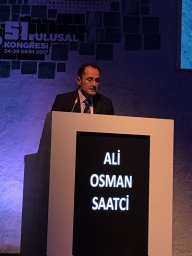 Ali Osman Saatci合作论文数Department of Ophthalmology, Dokuz Eylul University6A. Tunalioglu合作论文数5s a memis合作论文数4k karakeben合作论文数4G. Ongen合作论文数4Gunaldi M合作论文数4F Telli合作论文数4B. Ince合作论文数Dept Internal Med, Div Rheumatol, Istanbul Univ4
 Kutsal Bozkurt合作论文数4
 Muzaffer Demir合作论文数Medical Faculty, Trakya University4
 Siddik Keskin合作论文数Yuzuncu Yil Univ . Medical School;Department of Biostatistics;Yuzuncu Yil University;Faculty of Art and Science;Department of Psychology;Kampus Van;Yuzuncu Yil Univ . Medical School, Yuzuncu Yil University4
 Hakan Kultursay合作论文数School of Medicine, Ege University4
 Sezer Saglam合作论文数Department of Medical Oncology, Istanbul Medical Faculty4m kayadibinli合作论文数3
 Zehra Narli Ozdemir合作论文数Ankara City Hospital3s aykut aka合作论文数2Ergene O合作论文数2
 Muzaffer Degertekin合作论文数Department of Cardiology, Yeditepe University Hospital2
 Mehmet Akif Ozdemir合作论文数Faculty of Medicine, Erciyes University2
 Nazire Afsar合作论文数Department of Neurology, CHUV BH 072N. Buyuktuna合作论文数1
 Yildizeli Bedrettin合作论文数Faculty of Medicine, Marmara University1
 Kerem Okutur合作论文数Faculty of Medicine, İstanbul Bilim University1Ferihan Aral合作论文数1
 Haluk Burcak Sayman合作论文数Department of Nuclear Medicine;Cerrahpaca Medical Faculty1Sanem Nalbantgil合作论文数1
 Gozde Okumus合作论文数1
 Ozcan Yıldız合作论文数Cerrahpasa Medical Faculty, Istanbul University1
 Nesrin Mogulkoc合作论文数From the Department of Cardiology (M.I.B., S.G.R.) and Northwest Lung Center, Wythenshawe Hospital1
 Cuneyt Turkmen合作论文数Division of Medical Sciences, Istanbul Medical Faculty, Istanbul University1
 Onur Baser合作论文数University of Michigan1




