Home exercise programs prescribed to children with cerebral palsy (CP) are often associated with low adherence. Interactive technologies can help motivate and guide children through exercise programs at home, reducing onus on parents. This study sought to understand the impact of movement-tracking feedback on children’s engagement and parents’ experiences within an interactive computer play home exercise program (ICP-HEP), Bootle Boot Camp. A multi-case mixed methods study was conducted with three children with CP and their parents. In the quantitative single case experimental design with alternating treatments phase, children used the ICP-HEP with and without movement-tracking feedback for four weeks, and exercise adherence, exercise fidelity (movement performance quality), perceived level of fun and helpfulness for the body (i.e., 5-point rating scales and survey) were evaluated. The version (feedback/no feedback) with the highest exercise adherence was carried out for two additional weeks. Dyadic (child/parent) qualitative interviews followed. Quantitative data were analyzed using visual and statistical approaches. Qualitative data were analyzed using directed content analysis. Quantitative and qualitative results were merged through narrative weaving and joint displays. Accuracy of the movement tracking and feedback provided varied among children, exercises, and play environments. Feedback may have contributed positively to exercise adherence for two children, with a significant enhancement (p < 0.001) for one of these children, and no observed negative impacts for the third child. Parents and one child perceived feedback as generally being useful for learning about movement quality, however when perceived to be inaccurate, it may have been ignored. While children had varied perspectives on how fun and helpful feedback was, it was valued by all parents. All children experienced some frustration due to sporadic technical issues. All children/parents preferred Bootle Boot Camp over conventional home programs, and suggested game refinements to enhance this ICP-HEP experience. Use of an interactive therapy game has the potential to support children’s adherence to and children’s/parents’ experiences with home exercise, with feedback impacting children differently based on personal and environmental factors. This study serves as a foundation for future game refinements and larger-scale testing that will continue to explore the impact of feedback within an ICP-HEP. Trial registration: NCT05998239.
BACKGROUND: Recent advancements in digital workflows, including the use of 3D printing, are transforming the prosthetics and orthotics (P&O) field. Digital technologies offer opportunities to deliver P&O services that are more efficient by reducing design and fabrication times, are less wasteful through the elimination or reduction of consumables, including plaster, foam and other materials, and are more repeatable by having digitally saved designs. Despite known advantages, the adoption of digital workflows in P&O has been inconsistent, underscoring the need for cross-sector collaboration to guide the field using evidence-informed approaches. OBJECTIVE: To collaborate with key interest groups to identify priority areas for advancing the adoption and implementation of digital workflows in the P&O field. METHODOLOGY: A modified Delphi approach was used to inform the structure of a Canada-wide initiative and involved participation of 79 representatives from key interest groups, including prosthetists, orthotists, technicians, biomedical engineers, researchers, and people with limb absence/difference. Research priorities were identified through online surveys followed by a hybrid meeting during which attendees engaged in small- and large-group discussions to refine and select priorities. RESULTS: Five key digital P&O research priorities were identified: (1) strengthening evidence on device quality and system performance compared to traditional methods; (2) developing economic and reimbursement models to support clinical integration; (3) improving education and training for digital workflows; (4) establishing standardized practice guidelines; and (5) increasing key interest group engagement to better understand user needs and perspectives. While the general components of digital workflows are now broadly understood, future efforts should focus on more specific contexts, and discussions should be more targeted and disaggregated (e.g., by device type, patient population, or care setting) and include experts with context-specific experience. CONCLUSION: This collaboration initiative provides a strategic roadmap for advancing the adoption of digital workflows in the P&O field and supports the development of national collaborations aimed at fostering innovations and evidence-based practice. Layman's Abstract Recent advances in digital technologies, including three-dimensional (3D) printing, are changing how prostheses and orthoses are designed and fabricated. Digital workflows are the processes of using digital technologies to design and create prostheses or orthoses. These approaches may improve prostheses and orthoses care by reducing design and fabrication time, decreasing waste by reducing the use of plaster and other materials, and improving consistency by allowing designs to be digitally stored and reused. Despite these potential benefits, digital workflows are not yet widely used in clinical practice. Barriers such as limited evidence, gaps in education and training, cost and reimbursement challenges, and a lack of shared standards have slowed adoption. To help address these challenges, a Canada-wide initiative was conducted to bring together key interest groups and develop a shared research agenda. Using a structured consensus-building approach, 79 invitees (including prosthetists, orthotists, biomedical engineers, researchers, and people who use prostheses and/or orthoses) contributed through online surveys and a hybrid meeting that included group discussions. Five main research priorities were identified: generating stronger evidence comparing digitally produced prostheses or orthoses with traditionally made devices, improving education and training for digital workflows, developing economic and reimbursement models that support routine clinical use, creating baseline guidelines to promote consistent and safe practices, and increasing engagement with key interest groups to better understand their perspectives and needs. Overall, this work provides a roadmap to guide future initiatives and collaboration, supporting innovation and evidence-informed use of digital workflows in prostheses and orthoses care. Article PDF Link: https://jps.library.utoronto.ca/index.php/cpoj/article/view/46848/35280 How To Cite: Andrysek J, Mayo A.L, Ngan C.C, Blocka D, Pendse V, Calovini E, et al. Developing a research agenda in digital workflows for the fabrication of prostheses and orthoses. Can Prosthet Orthot J. 2026;9(2):4. https://doi.org/10.33137/cpoj.v9i2.46848 Corresponding Author: Prof. Jan Andrysek, PhD Affiliation: 1) Bloorview Research Institute, Holland Bloorview Kids Rehabilitation Hospital, Toronto, Ontario, Canada; 2) Institute of Biomedical Engineering, University of Toronto, Toronto, Ontario, Canada. E-Mail: JAndrysek@hollandbloorview.ca ORCID ID: https://orcid.org/0000-0002-4976-1228
Background/Objectives: Non-sedate magnetic resonance imaging (MRI) can be challenging for young children with neuromotor disabilities, often resulting in motion-degraded images that complicate interpretation in the context of underlying neuropathology. This study aimed to characterize tolerance factors and barriers related to awake MRI of the pediatric brain and to examine additional considerations in analyzing structural scans affected by motion and pathology. Methods: 10 children (mean age 5y9m; 5 girls; GMFCS level IV) with cerebral palsy (CP) underwent non-sedate 3T MRI of the brain. Tolerance factors and challenges were documented. MRI quality and automated structural preprocessing with Freesurfer (FS) v.8.0 were reviewed by a pediatric neuroradiologist and neurologist. To assess the impact of motion, automated basal ganglia segmentation was compared with manual segmentation. Segmentation accuracy was characterized using Dice Coefficient (D). Results: Five participants (50%) tolerated non-sedate structural MRI, although two of them were unable to remain still. Factors affecting MRI tolerance included sensitivity to scanner noise (n = 4), hyperkinetic movement (n = 2), difficulty with positioning/padding (n = 4), fear of clinical environment (n = 2) or confined scanner interior (n = 2), and earbud discomfort (n = 3). Automated structural preprocessing with FS yielded discrepancies in gray-white matter boundaries in motion-degraded scans, necessitating manual correction. Automated segmentation of motion-compromised scans closely agreed with manual delineation of the caudate (D ≥ 0.85) and putamen (D ≥ 0.78), while the pallidum was least reproducible (D = 0.58). Conclusions: Tailored acquisition and processing strategies are necessary to support non-sedate MRI in children with CP, preserve downstream neuroimaging analyses, and promote inclusion of underrepresented populations in research.
INTRODUCTION:The accurate physical examination of musculoskeletal (MSK) health is an essential part of proactive best practice care of people with hemophilia and must be consistently monitored in clinic. In response to current MSK tool limitations, the Musculoskeletal Health Expert Working Group (MSKH EWG) of the International Prophylaxis Study Group (IPSG) has identified developing an improved MSK scoring system a priority. AIM:To identify the priority needs for healthcare professionals examining the MSK health of people with hemophilia in clinic. METHODS:Priorities were identified through a modified Delphi consensus process and an expert meeting with the members of the MSKH EWG. Three iterative surveys were distributed worldwide to healthcare professionals who were participants of the World Federation of Haemophilia (WFH) MSK Committee meetings. RESULTS:The modified Delphi process identified priorities of these healthcare professionals (n = 78) through surveys and an expert meeting (n = 13). The three surveys achieved response rates of 58%, 54% and 55%. The top two priorities, as to why a new MSK scoring system should be developed, were 1) current tools cannot detect the earliest and subtle changes of hemophilia, and 2) current tools are too time consuming. The top two attributes and purposes of a new MSK scoring system were to 1) measure the earliest changes of hemophilia, and 2) measure joint health changes over the course of time. CONCLUSION:The Delphi process successfully identified which future MSK examination priorities should be considered in the development of an improved MSK scoring system for clinical use.
AIM:To evaluate the effectiveness of repeated botulinum neurotoxin A (BoNT-A) injections on gross motor function over 3 years in ambulant children with spastic cerebral palsy (CP). METHOD:A prospective observational cohort study of 124 participants was conducted comparing outcomes in children (aged 2-6 years) with spastic CP functioning in Gross Motor Function Classification System (GMFCS) levels I to III who did and did not receive BoNT-A. The primary outcome was the 66-item Gross Motor Function Measure (GMFM-66), assessed at baseline and annually over 3 years. Secondary outcomes included passive ankle dorsiflexion with knee extended (PADKE) and several measures of activity and participation. RESULTS:A total of 117 participants (94%), consisting of 61 cases and 56 comparisons, were assessed on the GMFM-66 at a follow-up of 1 year or longer, with 106 (85%) assessed at year 3. There were no significant differences in mean GMFM-66 scores adjusted for baseline differences between groups over time (β̂group = 0.92, standard error [SE] = 0.81, 95% confidence interval [CI] = -0.66 to 2.50; p = 0.256). A difference in PADKE favouring the comparison group was observed (β̂group = -4.17, SE = 1.58, 95% CI = -7.27 to -1.08; p = 0.009), approaching the 5° minimally important difference. INTERPRETATION:Repeated BoNT-A injections over 3 years were not associated with improvements in gross motor function or passive ankle dorsiflexion range in young children with spastic CP functioning in GMFCS levels I to III compared to a comparison group not receiving BoNT-A.
AIM:To evaluate the effectiveness of a modified sports intervention (Sports Stars Brazil) on leisure-time physical activity participation goals, motor skill performance and capacity, body functions, physical activity levels, physical literacy, and overall participation in ambulant children with cerebral palsy (CP). METHOD:In this randomized controlled trial, 38 ambulant children with CP (21 males, 17 females; ages 6-12 years) were randomly assigned to either the intervention or control group. The intervention group participated in eight weekly 1-hour sessions of modified sports, focused on group-based motor skill training and introduction to popular Brazilian sports. The control group received their usual physical therapy. Outcomes were assessed at baseline, postintervention, and after 12 weeks. Linear mixed models were used for analysis. RESULTS:Sports Stars Brazil was more effective than usual care in improving leisure-time physical activity participation and motor performance, both postintervention and at follow-up. Groups showed similar outcomes in motor capacity, physical literacy, body functions, physical activity levels, and overall participation immediately postintervention. At 12-week follow-up, the Sports Stars group showed greater improvements in motor capacity and moderate to vigorous physical activity. INTERPRETATION:Sports Stars Brazil is a promising, low-cost intervention for promoting participation and motor skills in children with CP, particularly in low-resource settings.
BackgroundYouth and families play an indispensable role in health research, given their unique lived experiences and expertise. Aligning research with patients’ needs, values, and preferences can significantly enhance its relevance and impact; however, recent research has highlighted various challenges and risks associated with youth and family engagement in health research. These challenges encompass the perils of tokenism, power imbalances and dynamics, questioning the motives behind engagement, and limited accessibility to patient-friendly training for patient partners, as well as inadequate training on patient engagement for researchers and the absence of equitable engagement tools. To address these risks and challenges, different patient engagement models, theories, frameworks, and guiding principles have been developed and adopted; to date, however, their transferability to youth- and family-specific engagement in research has been limited. ObjectiveThe objectives of this project are (1) to determine the extent of the literature on the application of patient engagement models, theories, frameworks, and guiding principles in the context of youth-specific research; and (2) to determine how meaningful the key components and constructs of these models, theories, frameworks, and guiding principles are to youth and their family members. MethodsThis project will use an integrated knowledge translation approach and consists of 2 phases: (1) a scoping review to identify patient engagement models, theories, frameworks and guiding principles in youth research; and (2) a qualitative descriptive study using one-on-one semistructured interviews with youth and family members to understand their conceptualization of meaningful engagement in health research. For phase 1, the following databases were searched: Medline, CINAHL, EMBASE, PsycINFO, and the Cochrane Central Register of Controlled Trials. Literature from 2013 to August 28, 2024, was captured. Primary studies using a patient engagement in research model, theory, or framework, or guiding principles, in youth will be included. The risk of bias of included studies will not be assessed. Extracted data will be quantitatively summarized using numerical counts and qualitatively using content analysis. For phase 2, we will recruit 9 to 17 youth and 9 to 17 family members. Transcripts will be analyzed using an inductive approach outlined by Braun and Clarke. ResultsThe project has received funding from the Canadian Institutes of Health Research. A 9-member integrated knowledge translation panel consisting of 6 youth and 3 family members has been established. ConclusionsThe findings from this study will identify what is currently known about the application of patient engagement models, theories, frameworks, and guiding principles in youth-specific research and the important components of these models, theories, frameworks, and guiding principles from the perspective of youth and their families. These findings will be instrumental to developing a youth- and family-specific engagement in research framework called the UNITE framework and subsequently, a validated measure. International Registered Report Identifier (IRRID)PRR1-10.2196/65733
Intervenções de esportes modificados para crianças com Paralisia Cerebral: Resumo gráfico.
PURPOSE:While robotic-assisted gait training (RAGT) may permit earlier exposure to ambulation for children with subacute acquired brain injury (ABI), little is known about its associated viability. Our feasibility study focused on RAGT (Lokomat) use in this population. METHODS:8-week single-group pre-/post-test study integrated RAGT into an inpatient physiotherapy (PT) program (3 PT sessions/week plus 2 RAGT sessions/week). RESULTS:Twenty-four youth (14 males), mean age 13.7 years (SD = 3.6) participated. Six walked independently (4 devices) at baseline; 18 were pre-ambulatory. Nineteen completed the targeted 10-16 RAGT sessions. One child was withdrawn post-syncopic episode during acclimatization, and two children withdrew after 2-3 sessions due to RAGT-related discomfort with no follow-up assessment. Across four feasibility areas, 58% (Acceptability) to 100% (Safety) of indicators were met. Session characterization showed progression of Lokomat speed and reduced weight-support, and physiotherapists' use of motor learning strategies. Physiotherapists rated Lokomat ease of use as 7.6/10 and perceived child engagement as 7.2/10. Post-intervention, 15 of the 21 children re-assessed were independently ambulatory (5 devices). Gross Motor Function Measure-88 mean increase was 19.7% points. Canadian Occupational Performance Measure mean gain was 2.5 points/10. CONCLUSION:PT+RAGT was feasible for 21 of 24 children and associated with large motor gains and goal accomplishment.
Purpose: Evaluate the feasibility of transcranial direct current stimulation (tDCS) as an adjunct to inpatient physiotherapy for children and youth with acquired brain injury (ABI). Method: This randomized feasibility trial allocated children (5–18 years of age with moderate to severe ABI) to receive either active or sham anodal tDCS immediately prior to 16 of their existing inpatient physiotherapy sessions. Participants, physiotherapists, assessors, and primary investigators were blinded to treatment allocation. Eligibility, recruitment, retention, tolerance, and preliminary treatment outcomes were evaluated against a priori feasibility targets. Results: Of 232 children admitted over 21 months, six were eligible (2.6%) and four were recruited (66.7%). One participant completed the entire study protocol, two were withdrawn for unrelated changes in medical stability, and one could not commence the study due to COVID-19 restrictions. Participants completed all tDCS sessions that were started with the primary transient side effect being sub-electrode itchiness. Conclusions: While the study was infeasible from eligibility and retention perspectives, study procedures (e.g., assessment, treatment, side effect tracking, physiotherapy documentation) were viable and should be applied to future paediatric tDCS studies.
PurposeTo describe the process of developing an interactive home therapy technology and evaluate its usability with children.Materials and MethodsDesign thinking guided our technology development with knowledge holders. User- and theory-informed design needs were defined by empathizing with users through observation, interviews and literature review. Solutions were ideated through sketches that led to prototypes. Informal testing with knowledge holders was conducted before formal usability testing with 7 school-aged children (5 neurotypical, 2 with cerebral palsy). Children practiced exercises using the technology before completing a study-specific survey (5-point Likert scales and open-ended questions) that was analyzed using descriptive statistics and content analysis.ResultsBootle Boot Camp, an interactive therapy game that enables clinicians to prescribe customized home exercise programs, was created. Through exercise videos, motion tracking, multimodal feedback that fades to summary, self-controlled form (i.e., star ratings) based on a child's performance, rewards and training resources, the game aims to promote safe and high-quality exercise according to design needs. Children found feedback helpful (mean 3.7/5) and audio cues easy to understand (mean 4.6/5). Users' recommendations to improve audio feedback delivery guided game refinements.ConclusionsApplication of the design thinking methodology supported robust end-user involvement that facilitated development of a user-friendly technology.
Background: Positive sport experiences for children are essential to establish long-term sport engagement. Coaches play a key role in fostering quality sport experiences for all children. For children with disabilities, caregivers are often closely involved in their sport participation, particularly when additional support is needed, and their perspectives can offer valuable insight into sport program experiences. The purpose of this study was to understand the role coaches have in optimizing the participation experiences of children in recreation-level sport programs. Specifically, this study aimed to explore children’s, caregivers', and coaches' perceptions of the coaching role in recreational sport programs that involve children with and without disabilities. Methods: Individual interviews were conducted with 14 children (seven with disabilities), 15 caregivers, and 12 recreational sport coaches. Interview transcripts were analyzed using inductive thematic analysis. Results: Four themes were generated during the analysis: (a) creating avenues for connection (two subthemes), (b) an environment focused on child empowerment (two subthemes), (c) autonomy-supportive coaching practices (three subthemes), and (d) flexibility and adapting the program to suit everyone (two subthemes). A family-centered coaching approach that prioritizes developing rapport with caregivers to enhance the child’s participation needs is key, especially in sport settings that include children with diverse abilities. Conclusions: Coaches should employ autonomy-supportive coaching, supporting child connections without forcing them, and provide each child with opportunities for challenge and success. Doing so can help to foster quality participation experiences for children during this formative time to contribute to lasting sport involvement.
PurposeIdentify relations of gross motor function and primary motor cortex (M1) functional activity pre and post gross motor interventions for children with unilateral cerebral palsy (UCP).MethodsThirteen children with UCP completed a gross motor intervention. Pre/post-intervention functional MRI outcomes included the laterality index (LI), activation volume, and spatial overlap of M1 activation during active ankle dorsiflexion. Advanced gross motor function (Challenge) was assessed pre/post-intervention, and 2-6 months later. Bivariate correlations and linear regression assessed relations between neuroimaging and motor function.ResultsMean pre-intervention M1 activity was contralateral during dominant (LI = +0.85, SD 0.21) but variable during the affected (LI = +0.43, SD 0.57) ankle dorsiflexion. Changes in motor function and neuroimaging outcomes were not significantly associated. However, smaller affected ankle activation and less spatial overlap between ankle activations pre-intervention predicted Challenge improvements post-intervention (adjusted R2 = 0.74, p = .001.)ConclusionsThis exploratory study identified pre-intervention neuroimaging predictors of post-intervention improvements in advanced gross motor function.
This single group pre and posttest study evaluated the feasibility of a new 10-week group-based motor skills enhancement intervention: "Moving Together," and associated use of the Challenge assessment and Gait Outcomes Assessment List (GOAL). Participant attendance/completion and satisfaction with the assessments and intervention were evaluated, and a first estimate of associated motor skill-related changes obtained. Ten ambulatory children with cerebral palsy (7-14 years) and their parents participated. Ninety percent of Challenge sessions were attended and 82.5% of GOAL questionnaires completed. Program attendance was 83% overall. Satisfaction with assessments was high for the Challenge and moderate for the GOAL, and intervention satisfaction was high. Mean change scores (95% CI) post-intervention for the Challenge and GOAL were 4.2 (-11.4 to 3.1) and 3.6 (-14.4 to 4.0) points (/100) respectively. Challenge and GOAL use was feasible and appropriate for "MovingTogether" and associated with gains in motor skill performance and functional abilities.
IntroductionThis study explored the extent to which an interactive computer play system, Bootle Blast, supports motor learning in a clinical context and examined clinicians’ perceptions of their therapeutic role in the system’s use as an intervention tool.MethodsIn this observational sequential explanatory mixed methods study, five children with cerebral palsy [mean age 9.4 years (SD, 0.5), Gross Motor Function Classification System Levels I–III] used Bootle Blast during a single video-recorded therapy session with their treating clinicians (physical therapists, occupational therapists, and therapy assistants). Children played one Bootle Blast mini game independently (without clinician involvement) before clinicians carried out therapy sessions with the game as per usual care. The type and extent of motor learning strategies (MLS) delivered by Bootle Blast and clinicians were rated from video recordings by a trained assessor using the 22-item Motor Learning Strategies Rating Instrument. Semi-structured interviews with clinicians were conducted to gain insights into MLS use and clinicians’ perceived role during Bootle Blast use. Interviews were audio recorded, transcribed verbatim, and analyzed independently by two researchers using thematic analysis. Quantitative and qualitative data were merged and reported using narrative and joint display approaches.ResultsBootle Blast provided eight MLS, with clinicians adding or enhancing another eight. Four themes reflected clinicians’ perspectives: (1) Bootle Blast disguises therapy as play, (2) clinicians give Bootle Blast the human touch; (3) home use of Bootle Blast is promising; and (4) Bootle Blast is not always the right fit but some shortcomings could be addressed. Agreement was found for nine MLS and disagreement for four MLS when quantitative and qualitative findings were merged.DiscussionBootle Blast delivers several MLS as part of game play and clinicians can enhance and provide additional MLS to suit the child's needs/abilities. Further game refinements that were identified in this study may optimize its clinical use.
BackgroundEarly phase research suggests that physiotherapy paired with use of robotic walking aids provides a novel opportunity for children with severe mobility challenges to experience active walking. The Trexo Plus is a pediatric lower limb exoskeleton mounted on a wheeled walker frame, and is adjustable to fit a child’s positional and gait requirements. It guides and powers the child’s leg movements in a way that is individualized to their movement potential and upright support needs, and can provide progressive challenges for walking within a physiotherapy-based motor learning treatment paradigm.MethodsThis protocol outlines a single group mixed-methods study that assesses the feasibility of physiotherapy-assisted overground Trexo use in school and outpatient settings during a 6-week physiotherapy block. Children ages 3–6 years (n = 10; cerebral palsy or related disorder, Gross Motor Function Classification System level IV) will be recruited by circle of care invitations to participate. Study indicators/outcomes will focus on evaluation of: (i) clinical feasibility, safety, and acceptability of intervention; (ii) pre-post intervention motor/functional outcomes; (iii) pre-post intervention brain structure characterization and resting state brain connectivity; (iv) muscle activity characterization during Trexo-assisted gait and natural assisted gait; (v) heart rate during Trexo-assisted gait and natural assisted gait; and (vi) user experience and perceptions of physiotherapists, children, and parents.DiscussionThis will be the first study to investigate feasibility indicators, outcomes, and experiences of Trexo-based physiotherapy in a school and outpatient context with children who have mobility challenges. It will explore the possibility of experience-dependent neuroplasticity in the context of gait rehabilitation, as well as associated functional and muscular outcomes. Finally, the study will address important questions about clinical utility and future adoption of the device from the physiotherapists’ perspective, comfort and engagement from the children’s perspective, and the impressions of parents about the value of introducing this technology as an early intervention.Clinical trial registrationhttps://clinicaltrials.gov, identifier NCT05463211
ResumoObjetivoRefinar o Relato Familiar da Motricidade Grossa (GM‐FR) utilizando a contribuição dos pais e avaliar as suas propriedades psicométricas.MétodoNeste estudo metodológico, 12 pais de crianças e adolescentes com paralisia cerebral (PC), com idade entre 2 e 18 anos, classificados em todos os níveis do Sistema de Classificação da Função Motora Grossa (GMFCS), foram entrevistados sobre sua experiência na conclusão do GM‐FR (validade de conteúdo). O feedback dos pais foi usado para refinar o instrumento que foi então preenchida por 146 famílias para avaliar a consistência interna, e a validade discriminativa e concorrente. 46 pais completaram o GM‐FR novamente, 7 a 30 dias depois, para avaliar a confiabilidade teste‐reteste.ResultadosA pontuação do GM‐FR, as imagens, as descrições e o número total de itens foram revisados com base no feedback dos pais. O GM‐FR versão 2.0 demonstrou alta consistência interna (α de Cronbach = 0,99), ausência de efeitos piso/teto e excelente confiabilidade teste‐reteste (coeficiente de correlação intraclasse = 0,99). Os escores do GM‐FR discriminaram entre os níveis do GMFCS (p < 0,05) e foram fortemente correlacionados negativamente com o nível do GMFCS (r = −0,92; p < 0,001). Os escores do GM‐FR correlacionaram‐se de forma positiva e forte com o Gross Motor Function Measure‐66 (r = 0,94; p < 0,001) e com o domínio de mobilidade do Pediatric Evaluation of Disability Inventory – Computer Adaptive Test (r = 0,93; p < 0,001).InterpretaçãoA participação ativa das famílias no desenvolvimento do GM‐FR facilitou a criação de um instrumento amigável à família. Este estudo fornece fortes evidências de confiabilidade e validade para apoiar o uso do GM‐FR na prática clínica e em pesquisas para avaliar o desempenho motor grosso de crianças e adolescentes com PC.
IntroductionChildren with cerebral palsy (CP) are prescribed home exercise programmes (HEPs) to increase the frequency of movement practice, yet adherence to HEPs can be low. This paper outlines the protocol for a single-case experimental design (SCED) with alternating treatments, using a new home therapy exercise application, Bootle Boot Camp (BBCamp), offered with and without movement tracking feedback. This study will explore the impact of feedback on engagement, movement quality, lower limb function and family experiences to help understand how technology-supported HEPs should be translated and the added value, if any, of movement tracking technology.Methods and analysisIn this explanatory sequential mixed-methods study using a SCED, 16 children with CP (aged 6–12 years, Gross Motor Function Classification System levels I–II) will set lower limb goals and be prescribed an individualised HEP by their physiotherapist to complete using BBCamp on their home television equipped with a three-dimensional camera-computer system. Children will complete four weekly exercise sessions over 6 weeks. Children will be randomised to 1 of 16 alternating treatment schedules where BBCamp will provide or withhold feedback during the first 4 weeks. The version of BBCamp that results in the most therapeutic benefit will be continued for 2 final weeks. Goals will be re-evaluated and families interviewed. The primary outcome is adherence (proportion of prescribed exercise repetitions attempted) as a measure of behavioural engagement. Secondary outcomes are affective and cognitive engagement (smiley face ratings), exercise fidelity, lower limb function, goal achievement and participant experiences. SCED data will be analysed using visual and statistical methods. Quantitative and qualitative data will be integrated using joint displays.Ethics and disseminationEthical approval was obtained from the Research Ethics Boards at Bloorview Research Institute and the University of Toronto. Results will be distributed through peer-reviewed journals and scientific conferences.Trial registration numberNCT05998239; pre-results.
Abstract Background Worldwide, children with cerebral palsy (CP) living in underserved communities face barriers to accessing motor therapy services. This study assessed the implementation and effectiveness of an 8-week, upper limb (UL) home-based intervention with a movement-tracking videogame (Bootle Blast) in Costa Rican children with CP. Methods Children established a weekly playtime goal and two UL activities of daily living (ADLs) that they would like to improve on. A multiple-baseline, single-case experimental design, was used with the Performance Quality Rating Scale (PQRS) as the repeated measure to track changes in performance of the selected ADLs between the baseline (usual care) and intervention (Bootle Blast) phases. The Canadian Occupational Performance Measure (COPM), the Box and Blocks Test (BBT) and the Children’s Hand-Use Experience Questionnaire (CHEQ) were collected before and after the intervention. Technical barriers were documented during weekly video calls with a monitoring therapist. Treatment effect size, slope changes and percentage of non-overlapping data were identified for the PQRS. Descriptive statistics summarized results for the BBT, CHEQ, videogame logs (e.g., playtime) and technical barriers. Results Fifteen children participated and 13 completed the intervention. Both participants who dropped out did so after completing baseline assessments, but before experiencing Bootle Blast. Children’s mean active playtime (i.e., mini-games targeting the UL) across the 8-weeks was 377 min, while mean total time spent engaging with Bootle Blast (active + passive play time [e.g., time navigating menus, reviewing rewards]) was 728 min. In total, eight technical issues (from five children) were reported, and all but three were resolved within 48 h. Partial effectiveness was associated with the intervention. Specifically, 85% of participants improved on the PQRS and 69% achieved clinically important improvements ≥ 2 points in performance on the COPM. Children improved by 1.8 blocks on average on the BBT, while on the CHEQ, five children had a clinically important increase of 10% of the total number of UL activities performed with both hands. Conclusion Bootle Blast is a feasible and effective option to facilitate access and engage children with cerebral palsy in UL home rehabilitation. Trial registration Trial registration number: NCT05403567.
 Darcy Fehlings合作论文数Rehabilitation Sciences Institute, Temerty Faculty of Medicine, University of Toronto;Division of Developmental Paediatrics, Department of Paediatrics, Temerty Faculty of Medicine, University of Toronto25
 Feldman Brian M合作论文数17
 Kelly Arbour-Nicitopoulos合作论文数Faculty of Kinesiology and Physical Education, University of Toronto;Physical Activity Research Centre, University of Toronto15Peter L. Rosenbaum合作论文数14
 Elaine Biddiss合作论文数Institute of Biomedical Engineering, Faculty of Applied Science and Engineering, University of Toronto13
 Janette McDougall合作论文数13
 Earl Silverman合作论文数Institute of Medical Science, Temerty Faculty of Medicine, University of Toronto;The Hospital for Sick Children;Paediatric Lupus Clinic11
 Rayfel Schneider合作论文数Department of Paediatrics, University of Toronto;Division of Rheumatology, The Hospital for Sick Children;Research Institute, The Hospital for Sick Children;The Bloorview MacMillan Medical Centre;Sudbury Regional Hospital;Mount Sinai Hospital10O Bar-Or合作论文数9
 Jennifer Ryan合作论文数Department of Psychology, Faculty of Arts and Science, University of Toronto;Rotman Research Institute9
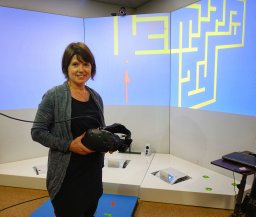 Danielle E Levac合作论文数School of Rehabilitation Science, McMaster University9
 Jan Andrysek合作论文数Institute of Biomedical Engineering, Temerty Faculty of Medicine, University of Toronto;Bloorview Research Institute, Holland Bloorview Kids Rehabilitation Hospital;Legworks Inc.8
 Joseph Beyene合作论文数Department of Health Research Methods, Evidence, and Impact, Faculty of Health Sciences, McMaster University;Michael G. DeGroote Cochrane Canada Centre, Faculty of Health Sciences, McMaster University8Davinder Singh-Grewal合作论文数7
 Krystn Orr合作论文数Fac Kinesiol & Phys Educ, Mental Hlth & Phys Act Res Ctr, Univ Toronto7
 Nancy Salbach合作论文数Department of Physical Therapy, Temerty Faculty of Medicine, University of Toronto7
 Nick Reed合作论文数Department of Occupational Science & Occupational Therapy, Faculty of Arts and Science, University of Toronto7Sarah Munce合作论文数Rehabilitation Sciences Institute, Temerty Faculty of Medicine, University of Toronto7
 Alicia Hilderley合作论文数7Ronald Laxer合作论文数Division of Rheumatology, Departments of Medicine and Paediatrics, The Hospital for Sick Children;University of Toronto7Samantha Stephens合作论文数7B Cameron合作论文数6C Leblanc合作论文数6H. Selvadurai合作论文数6
 Barbara Gibson合作论文数Department of Physical Therapy, Temerty Faculty of Medicine, University of Toronto6
 Ajmal Khan合作论文数6
 Mary Catherine Law合作论文数CanChild Centre for Childhood Disability Research, Faculty of Health Sciences, McMaster University6
 Charles Harry Goldsmith合作论文数Faculty of Health Sciences, McMaster University;Faculty of Health Sciences, Simon Fraser University6
 Caron Gan合作论文数6L Spiegel合作论文数6J Schneiderman-Walker合作论文数6
 Danielle DuPlessis合作论文数5
 Roxy Helliker O'Rourke合作论文数Faculty of Kinesiology and Physical Education, University of Toronto5S Stephens合作论文数5Emily Lam合作论文数5
 Shannon Scratch合作论文数Rehabilitation Sciences Institute, Temerty Faculty of Medicine, University of Toronto;Holland Bloorview Kids Rehabilitation Hospital, University of Toronto5
 Shirley Tse合作论文数Division of Rheumatology, University of Toronto5Lynn Spiegel合作论文数Department of Paediatrics, Faculty of Arts and Science, University of Toronto;Division of Rheumatology, The Hospital for Sick Children5Linda Miller合作论文数5David Dewit合作论文数5C Gowland合作论文数4Kirsten Bobbie合作论文数4James Noronha合作论文数4Jane Schneiderman-Walker合作论文数4megan nichols合作论文数4
 Kristen Davidge合作论文数Department of Surgery, Temerty Faculty of Medicine, University of Toronto;Division of Plastic, Reconstructive & Aesthetic Surgery, Temerty Faculty of Medicine, University of Toronto;Sick Kids Research Institute4
 Howard M. Clarke合作论文数Division of Plastic, Reconstructive & Aesthetic Surgery, University of Toronto4
 Deryk Beal合作论文数Rehabilitation Sciences Institute, Temerty Faculty of Medicine, University of Toronto;Bloorview Research Institute, Holland Bloorview Kids Rehabilitation Hospital4
 Rebecca Renwick合作论文数Department of Occupational Science & Occupational Therapy, Faculty of Arts and Science, University of Toronto4




