Oral propranolol, with or without corticosteroids, has been shown to benefit diffuse infantile hepatic haemangioma (IHH); randomized trial evidence is lacking. We aimed to evaluate the efficacy and safety of propranolol monotherapy versus propranolol plus prednisone for the treatment of problematic IHHs to determine whether oral prednisone provided an added benefit to propranolol. We conducted an open-label, multicenter, randomized controlled trial across six referral centers in China from July 2019 to November 2023 (clinicaltrials.gov registration: NCT03331744). Infants with problematic diffuse IHH were assigned (1:1) to oral propranolol alone or propranolol plus a short course of prednisone. The primary endpoint was the proportion of patients who achieved a lesion response at week 4 on serial ultrasound. Analyses followed the intention-to-treat principle. Forty-five patients were included in this study (propranolol, n = 22; propranolol plus prednisone, n = 23). Four weeks following treatment, lesion response rates were higher with propranolol plus prednisone than with propranolol alone [21/23 (91.3
Kaposiform hemangioendothelioma (KHE) is a rare vascular tumor that typically presents in infancy or early childhood. As awareness of KHE increases, it is imperative that the management of KHE be updated to reflect the latest evidence-based guidelines. The aim of this study was to integrate the literature and Chinese expert opinions to provide updated recommendations that will guide the diagnosis, treatment, and prognosis of patients with KHE. According to this consensus statement, 28 nationally peer-recognized experts in vascular anomalies and an expert in evidence-based medicine were assembled and formed three consensus subgroups. A series of key themes and questions were developed for each group, including recommendations for diagnosis, treatment, and prognosis. A systematic search was conducted for English-language articles published in PubMed and other relevant studies identified by the expert panel. A diagnosis of KHE necessitates the integration of clinical, imaging, and histologic features. The treatment of KHE should be tailored to the specific characteristics of each patient, including the size of the lesion, the presence of symptoms, the location, and the overall condition of the patient. In addition to focusing on the disease itself, it is also important to consider the complications of KHE and their impact on prognosis. The recommendations presented herein are intended to assist in the guidance of clinical practice and decision-making in patients with KHE, with the objective of improving patient outcomes.
BACKGROUND:Oral propranolol is the first-line treatment for problematic infantile hemangiomas (IHs) requiring systematic therapy. Several retrospective studies have reported the successful treatment of facial IHs with propranolol. In this study, the authors conducted a prospective trial to evaluate the long-term outcomes of oral propranolol use in patients with facial IHs. METHODS:The primary outcome was the clinical response 4 years after treatment. RESULTS:A total of 272 patients were analyzed, including 38 patients (14.0%) with ulcerated IHs. Four years after treatment, propranolol treatment had resulted in no/minimal sequelae in 232 patients (85.3%). A total of 265 patients (97.4%) reported a durable response to propranolol therapy. Major rebound occurred in 16.9% of patients after propranolol discontinuation. Additional surgery and laser treatment were required in 8.1% and 8.8% of patients, respectively. Logistic regression analyses revealed that age 3 months or older (95% CI, 1.488 to 31.023; P = 0.013), nasal IH (95% CI, 2.143 to 97.571; P = 0.006), and hemangioma ulceration (95% CI, 2.673 to 49.034; P = 0.001) were independent factors predictive of long-term severe/significant sequelae. Segmental subtype (95% CI, 2.081 to 45.597; P = 0.004), mixed IH (95% CI, 3.249 to 26.841; P < 0.001), and lip IH (95% CI, 2.224 to 92.278; P = 0.005) were independent risk factors for major rebound. CONCLUSIONS:In this large cohort of patients with facial IHs, propranolol treatment was effective and induced no/minimal sequelae at 4 years after treatment. However, long-term severe/significant sequelae and major rebound after propranolol treatment remain challenges.
Computer-aided segmentation of ultrasound images can assist less experienced sonographers in making a diagnosis or performing early screening for diseases in vast rural areas. U-Net is the mainstream method for ultrasound image segmentation, offering advantages of efficient feature extraction and context integration. However, existing U-Net-based segmentation methods can only yield modest performance due to the low quality of ultrasound imaging and the usually small amount of available labeled data. This research proposes a self-supervised pretraining method to promote the performance of U-Net-based models for ultrasound image segmentation, when limited labeled images but numerous relevant unlabeled ones are available, which is a common situation in ultrasonography scenarios such as rare disease detection. By randomly masking out part of pixels in the input ultrasound image, the U-Net based model is pretrained to predict the unknown content, to adapt the model to the current fitting scenario before the formal training. A lightweight but effective variant of U-Net named MS-UNet is also proposed to better fit the scenario of ultrasound image segmentation. Experimental results show that the masked pretraining can boost the segmentation performance of U-Net models on small-size ultrasound image datasets, with Dice score improvements of 6-20 percentage points across four datasets under minimal labeled data conditions. Furthermore, our proposed MS-UNet achieves a relatively high segmentation accuracy while reducing computational complexity by 80.3% in FLOPs and 53.2% in parameters compared to the standard U-Net.
Numerous studies have shown that topical timolol is effective in treating infantile hemangioma (IH) with minimal adverse events. However, consensus is lacking on optimal timing, dosage, frequency, and safety parameters for this treatment. This study aims to explore the timing and safety of topical timolol treatment for superficial IH. A retrospective analysis included pediatric IH patients who underwent topical timolol treatment at the Department of Pediatric Surgery of Sichuan Provincial People’s Hospital between January 2019 and January 2023. Medical records were reviewed for patient information, lesion characteristics, outcomes, and complications. Topical timolol was administered to 666 IH patients. Median follow-up was 10 months. 480 cases had excellent or good outcomes, while 186 had fair or poor outcomes. Patients ≤ 3 months had better outcomes than those > 3 months (Z = 4.713, P < 0.001). Small IH had better outcomes than large IH (Z = 1.991, P = 0.046). Lesion locations did not significantly affect outcomes (H = 10.252, P = 0.114). Respiratory problems occurred in 58 (8.7
 Yi Ji合作论文数Division of Oncology, Department of Pediatric Surgery, West China Hospital of Sichuan University5
 Tong Qiu合作论文数4Zixin Zhang合作论文数Key Lab Landscaping, Minist Agr,Coll Hort, Nanjing Agr Univ4Jiangyuan Zhou合作论文数4
 Siyuan Chen合作论文数4Chunchao Xia合作论文数3Xuepeng Zhang合作论文数3Fan Hu合作论文数2Xue Gong合作论文数2Xian Jiang合作论文数2
 Chunshui He (何春水)合作论文数Chengdu University of Traditional Chinese Medicine2
 Kai Li (李恺)合作论文数1
 Kaiying Yang合作论文数Guangzhou Medical University1Feiteng Kong合作论文数1Yuru Lan合作论文数1Jing Li合作论文数1Wei Yao合作论文数1Xuewen Xu合作论文数1Xin He合作论文数1
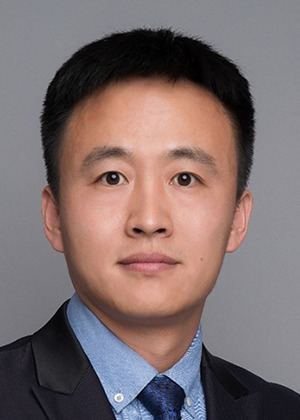 Lei Guo (郭磊)合作论文数Children's Hospital Affiliated to Shandong University;School of Nursing and Rehabilitation, Shandong University1Changxian Dong合作论文数1MaoZhong Tai (邰茂众)合作论文数1
 Zhongping Qin (秦中平)合作论文数Linyi Cancer Hospital1
 Ran Huo (霍然)合作论文数山东省立医院1Wang Zuopeng合作论文数1
 Wenying Liu (刘文英)合作论文数School of Medicine, University of Electronic Science and Technology of China1
 Qi He (何奇)合作论文数National Key Laboratory of Science and Technology on Communications, University of Electronic Science and Technology of China1
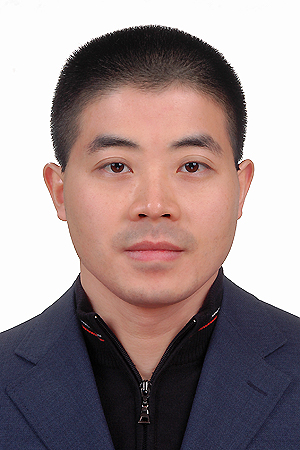 Zhi Chen (陈智)合作论文数National Key Laboratory of Wireless Communications, University of Electronic Science and Technology of China1
 Song Gu (顾松)合作论文数Shanghai Children's Medical Center1
 Bo Xiang (向波)合作论文数Cancer Research Institute of Central South University1Yangyang Ma (马阳阳)合作论文数1
 Jinhu Wang (王金湖)合作论文数1
 Yu Cai (蔡育)合作论文数School of Stomatology, Wuhan University1
 Qiu Li (李强)合作论文数1
 Jiawei Zheng (郑家伟)合作论文数Shanghai Red Cross Ninth People's Hospital;College of Stomatology, Shanghai Jiao Tong University1




