Introduction: Recent studies have emphasized the significance of combining visual elements with textual content to optimize learning outcomes. Referred to as the interactive multimedia hypothesis, this principle accentuates the role of immersive audio-visual experiences in education. Initially revolutionizing content delivery, PowerPoint, introduced by Microsoft in 1990, paved the way for multimedia presentations. However, the advent of
Purpose: Teaching and learning have evolved significantly in recent decades, with e-learning emerging as a recent development. Factors driving its growth include student needs, cost reduction, quality improvement, and accessibility. As geographical dispersion increases, e-learning adoption is likely to expand. To assess the level of awareness among medical students about e-learning resources. Material and Methods: A cross-sectional study was conducted at Azra Naheed Medical College, Superior University Lahore, involving a sample of 262 participants. Following obtaining informed consent, a validated questionnaire was administered to collect data on demographic characteristics, academic level, and utilization patterns of online resources among students. There were 262 participants in the research in which 106(40.5%) were males and 156(59.5%) females Results: There were 262 participants in the research in which 106(40.5%) were males and 156(59.5%) females. There were three age groups identified. In these first group 18-22 years in which most of the students 153(58.4%) were participated, other age group was 23-26 years in which 72(27.5%) students were participated and last group include 27-30 year of age in which 37(14.1%) students were participated. There were five levels of study from which students participated for e learning activities that include 1st to 5th year MBBS in which 23.3% from Ist year, 15.3% from 2nd year, 21.8% from 3rd year, 22.1% from 4th year and 17.6% medical students from 5th year MBBS. Out of 262 medical students 20.2% novice, 41.2% intermediate and 38.5% experienced when relate to the usage of e-learning as shown in table 1. Frequencies, percentages, mean and SD were calculated. P value 0.00 showed significance of the study. Conclusion: This research finds that awareness of e-learning rests in development of skills related to independent learning. E- learning resources are essential for medical education. Enhancing awareness and addressing barriers can optimize utilization, ultimately improving learning outcomes. Keywords: E-learning, medical students, higher education, effective utilization, AI in classroom.
Introduction: Teachers are supposed to give students really good education that helps them get ready for the tough situations they may face in their medical careers. Teachers should know and be good at what they are teaching, and they should use ways that help students to learn and understand what they are being taught. Teachers are supposed to help and guide students, especially when they are learning how to take care of patients. They should be ready to help students who are having a hard time with school or any personal issues. Objective: To understand the perception of faculty members as role of medical facilitator in Private sector medical college Study design: Quantitative cross sectional Settings: Bakhtawar Ameen medical college Duration: Four months i.e. 1st August 2022 to 31st December 2022 Data Collection procedure: A pre validated questionnaire was used. Study was carried out at Bakhtawar Ameen Medical & Dental College, Multan. The total numbers of faculty members were 30 who participated after taking the informed consent. The study was done by simple random sampling technique. 12 items questionnaire were used. Google link form was used to collect the data. Results: There were 30 participants who were responded through google online link form. The twelve roles further subdivided into six dimensions. In this study there were 18 males and 12 females. All percentages regarding each attribute for twelve roles of medical teacher were very high. This study highlighted the various six dimensions in which all twelve roles of medical teachers grouped. This study highlighted most important role as facilitator 94% and least 89% as assessor. Conclusion: The success of any educational program hinges on the presence of an effective teacher. There is a shift in the teacher's role within the educational process. It is essential for teachers to evaluate their own performance in order to evolve from being mediocre to good, good to exceptional, and exceptional to the very best. Keywords: perception, medical teacher, facilitator, students, college
Introduction: E-learning, defined here as ‘any learning that uses information and communication technologies is seen as one way to support the advancement of healthcare experts. The adaptability and availability of such modes of delivery are seen globally as advertising opportunities to meet key instruction plans counting lifelong learning and extending participation. Technology-enhanced learning in healthcare education ranges instructive to constructivist approaches. The student constructs new information through investigation of information and reference to involvement and understanding. Objective: To study the expectation and experiences of medical students regarding use of e-learning resources in higher education Study Design: Quantitative cross sectional Settings: Bakhtawar Ameen medical & dental college, Multan Duration: Six months i.e. 1st January 2022 to 30th June 2022 Data Collection Procedure: A pre validated questionnaire was used. Study was carried out at Bakhtawar Ameen medical & dental college, Multan. The total numbers of students were 300 who participated after taking the informed consent. The study was done by simple random sampling technique. All the medical undergraduate students of first to final years must be aged between 20-30 years age. Questionnaire consists of demographic profile, expectation and experiences of medical students regarding use of e-learning resources in higher education Results: The total number of patients who participated in the study was 300 in which 140 (46%) were males and 160 (54%) were females. The undergraduate’s student’s age is in between 20-30 years. On inquiring about student’s expectations and experiences about e learning all the parameters were rated high about e learning which shows the significance of study and p value is <0.1 Practical implication Conclusion: In our study two viewpoints contribute strongly to learning accomplishments and course fulfillment: students’ achievement objectives and the instructor. Students who considered gains in competencies are very special and hence experienced higher achievements. Besides, the results of our study emphasize the instructor’s expertise and part as a counselor and facilitator in learning. Keywords: E-learning, health care, higher education, nursing, student engagement, student experiences, technology-enhanced learning
Introduction: With the new era of life threatening variants of Covid-19 the medical and dental education has been greatly compromised. Every school/college has to shift their educational setup to Blended model. Blended model can also be called as hybrid approach of learning or mixed mode of learning. It is an "insightful combination of Face to Face and Online opportunities for growth”. Objective: The aim of this study is to measure the viability of Blended Model through series of assessments by measuring the retention of the content after the teaching session in online and in face to face settings in Knowledge acquisition and knowledge retention test. Material & Method Methodology: This was a Quantitative Experimental study which was conducted in the Fatima Memorial college of Medicine and Dentistry Lahore. The participants were 66 of final year BDS students who voluntarily participated in the research project. Results: A total of 96 students participated in the study and it was found a significant difference between the two intervention groups regarding the mean scores of Knowledge acquisition and knowledge retention test. The PowerPoint group showed lower grades in Knowledge acquisition and knowledge retention test in comparison with Prezi group. The learning performances was evaluated from immediate learning responses in Knowledge acquisition and in long term learning retention in knowledge retention test showed that both the presentation software can be used as a presentation medium and students do learn from both but Prezi presentation software students are superior in learning performances from immediate learning to long term memory retention as compared to PowerPoint presentation software in online and in face to face settings. Conclusion: Blended model can help the medical teachers to teach the theoretical aspects of the curriculum via online and make easy schedules of student’s rotations for clinical clerkships. When it comes to clinical training, there is no shortcut or better way than face to face teaching strategy. Therefore blended learning is a viable method of teaching in this period of Covid-19. Keywords: Blended Model, Viability, Medical Education, Multimedia presentation, Covid-19
Introduction: As life changes and gets to be more developed there are a lot of wellbeing issues and illnesses immerge. One of these major wellbeing issues is weight. About 20–40% of adult and 10–20% of children around the world are obese. Overweight and weight are characterized as abnormal or excessive fat aggregation which will impair health. Body mass index (BMI) is utilized to classify overweight and weight in grown-ups. It is person’s weight in kilograms divided by the square of his height in meters (kg/m2). Calculated BMI greater than or rise to to 25 is considered overweight; whereas weight is considered when BMI is equal or more than 30. Objective: To determine the levels of physical activity and patterns of dietary habits and their associations with BMI among the undergraduate medical students Material and Methods Study design: Quantitative cross sectional Settings: Rawalpindi Medical University Rawalpindi Duration: Four months i.e. 1st January 2022 to 30th April 2022 Data Collection procedure: Cross sectional was conducted on 200 medical students. Data was collected by validated questionnaire. Stratifies random sampling was done. Physical activity was calculated by International physical activity questionnaire and three factors eating were used to calculate the eating patterns of medical students. Data was analyzed by using SPSS version 22. Means standard deviation and percentages were calculated. Correlation between BMI and Physical activity and eating patterns were analyzed. P value was significant <0.005 Results: As far the results the total number of medical students was 200 in which 92 were males and 108 females. Students selected from all levels of MBBS. The prevalence regarding obesity among the medical students was 7.5%; overweight 12.5% and 10% was under weight. There was no significant relationship between BMI level and physical activity however the relation is significant between BMI and eating patterns (P= 0.01) Conclusion: In conclusion, low physical movement level and unhealthy eating patterns among medical study empowers implementation of wellbeing instruction programs about obesity and risk components among medical students. Extracurricular physical sports and activities ought to be executed by the organizations to empower students to be more physically dynamic in specific among female students. Keywords: Obesity, Eating patterns, Physical activity, BMI, Medical Students
Introduction: Hepatitis is characterized by the inflammation of the liver creating swelling and in numerous cases permanent damage to liver tissue. The foremost common types of Hepatitis are Hepatitis A, B, and C. Both Hepatitis B and C can lead to lasting liver damage and in numerous cases ‘death’. In all over the world around 300 million individuals are contaminated with hepatitis B infection, and 75% of Hepatitis C infection. The significance of hepatitis B and hepatitis C is outlined by the truth that these infections are forcing a overwhelming burden on national economy and person families due to considerable morbidity and mortality from both acute contamination and persistent sequelae including chronic hepatitis, cirrhosis and hepatocellular carcinoma. Objective: To determine the frequency of Hepatitis B & C in a general population of Rawalpindi Material and Methods Study Design: Quantitative cross sectional Duration: Three months i.e. 1st January 2022 to 30th March 2022 Data Collection procedure: There were 400 subjects were reported in two different regions of Rawalpindi in a free medical camp in which 241 were males and 159 were females. All subjects were asked about previous screening of hepatitis B & C and family history regarding any previous infection. After taking informed consent and briefing collect the blood sample in a tube. Results: Among 400 subjects the overall prevalence of Hepatitis B and C was 6.4%. 2.4% males and 1.2% females were in HBV infection whereas 1.6% males and 1.2% females in HCV infection. Conclusion: This study audits predominance of HBV and HCV in two different ranges of Rawapindi Pakistan, along with awareness status, risk factors in Pakistani population. Prevalence of HBV and HCV contamination shifts with population residing totally different regions of Pakistan. Keywords: Prevalence, Hepatitis B, Hepatitis C, Population
Introduction: Recent studies have showed that student learn more significantly by the blend of words with pictorial outlines related to the topic than the words alone. So this avowal can be known as the interactive multimedia postulate, and it shapes the foundation for using sight and sound learning. Microsoft made PowerPoint in 1990. It is a PC program used for showing specific progressed content to target academic/social occasions of individuals. In mid-2009 new freeware programming was determined and named "Prezi", which maybe supplant the piece of PowerPoint. Objective: The aim of this study is to evaluate the two presentation software in regards to their effectiveness by measuring through the series of assessments after the teaching session in Knowledge acquisition and knowledge retention test. Material & Method Methodology: This was a Quantitative Experimental study which was conducted in the Fatima Memorial college of Medicine and Dentistry Lahore. The participants were 66 of final year BDS students who voluntarily participated in the research project. Results: A total of 66 students participated in the study and it was found a significant difference between the two intervention groups regarding the mean scores of Knowledge acquisition and knowledge retention test. The PowerPoint group showed lower grades in Knowledge acquisition and knowledge retention test in comparison with Prezi group. The learning performances was evaluated from immediate learning responses in Knowledge acquisition and in long term learning retention. Conclusion: In light of measurable results and significant p-values. A noteworthy contrast was observed in the knowledge acquisition test, and in knowledge retention assessments of the students allocated by PowerPoint and Prezi instructions. The consequences of the distinctive sorts of test showed that Prezi was a more viable instructional software for learning securing. Keywords: PowerPoint, Prezi, Multimedia presentation, learning performance
Introduction: Medical education is blended day by day and there's a continuing need to assess the role of the facilitator in the field of medical education. A great medical facilitator is the one who clear the way within the making of our future clinicians. In this study we attempted to assess the qualities of best medical facilitator in basics and clinical sciences including all medical, surgical and their allied subjects from first year to final year MBBS Students Objective: To expedite the views of MBBS students at Azra Naheed Medical College about the best qualities of Medical facilitator Material and Methods Study design: quantitative cross sectional Settings: Azra Naheed Medical College Duration: Six months i.e. 1st January 2021 to 30th June 2021 Data Collection procedure: A well planned study was done at Azra Naheed medical college which includes all the MBBS students who participated after giving consent. The total numbers of participants in the study were 400. A validated questionnaire comprises of 12 leading statements regarding best qualities of medical facilitator was circulated. The collected data was analyzed by using SPSS version 23. Results: The total number of participants in the study is 400 in which 60% participants were females and 40% were males. The age group in the study is 18-24 years. In this study top five qualities of nest medical facilitator were highlighted. Conclusion: A great facilitator is somebody who is receptive, engaging and motivating, and who includes a sound knowledge of subject of what they are attempting to instruct. They too have the capacity to communicate well with students. Key words: Medical facilitator, Student, Medical, Qualities
Introduction: Over the past few decades integrated curricula has been presented in undergraduate medical education with an important point of producing competent doctors. In conventional teaching basic science subjects are taught in separation and no correlation exists between basic and clinical science subjects as well. British Medical School has been criticized within the report “Tomorrow’s Doctors: Suggestions on Undergraduate Medical Education”, for overburdening students with genuine information and recommendations emphasized that medical course ought to promote critical understanding of the core knowledge Health professions education is highly demanding and complex field. Integrated curriculum and modern instructional strategies demands the role of medical facilitator be revamp. These perceptions can be utilized to plan faculty development workshops to upgrade the mindfulness of the faculty about their educational responsibilities and accomplish their potential. Objective: To explore faculty perception regarding role of medical facilitator in a private sector medical college Material and Methods: Study design: Quantitative cross sectional Settings: Shahida Islam Medical & Dental College Lodhran Duration: Six months i.e. July 2020 to December 2020 Data Collection procedure: It was quantitative cross sectional study conducted on a private sector medical college. Pre validated questionnaire was used to measure the perception of faculty members as facilitation of medical undergraduate students. Results: A total number of 40 faculty members filled the questionnaire. Eight items questionnaire was used after giving consent from faculty members. In this study of 40 participants, 22 were males and 18 were females. Regarding faculty perception of their roles as medical facilitators 95% shown as information provider, 89% as role model, as resource provider and facilitation in and outside the class both 88%, as leader 87%, curriculum developer 86% and researcher as 82%. The data was analyzed using SPSS version 24. Conclusion: The role of medical facilitator has extensive across the boundaries of information provider in facilitation of medical undergraduate students. The faculty of medical college shown their mindfulness about modern-day medical education and recognized the foremost important part of a medical facilitator to be not as it were an information provider but also an on-job role model and scholastic advisor to undergraduates. Key words: facilitator, faculty, perception, role model, medical
Introduction: Microcephaly is characterized as an occipitofrontal head circumference (OFC) underneath the third centile or more than 2 standard deviations (SD) below the mean for sex, age, and ethnicity. The term ‘severe’ microcephaly is connected to an OFC more than 3SD below the mean. Microcephaly is associated with a reduction in brain volume and frequently intellectual and/or motor inabilities. The pathogenesis of microcephaly is heterogeneous, extending from hereditary causes to environmental components that can have an effect on developmental process that impact brain size. Objective: The main objective of this study was to compare the BMI and endocrine profile of patients having microcephaly with age matched to normal siblings in their families. Materials and Methods: Study design: Quantitative cross sectional Settings: Services Hospital Lahore Duration: 01 year i.e. 1st January 2020 to 30th December 2020 Methodology: This is a quantitative cross sectional study arrangement based on 12 persons. On the basis of microcephaly, the subjects were separated into the two groups: Group I: Subjects with microcephaly (n=10), Group II: Normal kin as controls (n=2). Five families including add up to of 12 individuals was selected. Ten people with microcephaly (cases) and two normal kin (without microcephaly) were taken as controls. Cooperation of the subjects in this study was selected voluntarily and written informed consent was taken to take part in the study from each individual and from their guardians. The individuals and their guardians were educated about the potential benefits and risks of this study. Results: There was little difference within the mean age of microcephaly individuals as compared to healthy siblings. Conclusion: In light of this study it can be recommended that there's a significant affiliation of BMI and microcephaly but the affiliation of Leptin, Cortisol, GH and TSH with microcephaly seem not be found as proposed by non-significant results. This may moreover emphasize on heredity perspective of this condition. Keywords: Microcephaly, Leptin, Growth Hormone, BMI, TSH
Introduction: Statins or 3-hydroxy-3-methyl-glutaryl-coenzyme A (HMG-CoA) reductase inhibitors are one of the foremost commonly endorsed medications in cardiac patients. A bit like any other lesson of drugs, they have the potential to cause liver harm over time indeed with reasonable utilize. This drug induced liver harm (DILI) can be either coordinate (hepatocellular) or peculiar. As with multiple other hepatic pathologies, DILI may be asymptomatic or clinically quiet. Subsequently, it is judicious to carry out liver work tests (LFTs) from time to time. LFTs are an inexpensive, noninvasive, and fast first-line examination to monitor liver status. Be that as it may, the design of liver damage with statin utilize isn't particular and a relationship over time may not be clear. Objectives: To assess the derangements in Liver function test with regard to statin utilization and decide if there is any correlation exists. Method: Retrospective Observational study conducted in Punjab Institute of Cardiology, Lahore, from 31st July 2020 to 30 June 2021. Data Collection Procedure: This study is conducted at Punjab Institute of cardiology, Lahore, a total of 100 patients admitted from 1st July 2020 to 30 June 2021 with ischemic heart diseases were considered for inclusion as this was retrospective observational cohort study. The patients already taken statin were included in this study. LFTs were noted before the start of statin in their records then during the use of statin at 3rd and 6th month with great care. The collected data was analyzed by using SPSS version 23. Results: A total number of 100 patients were included in this study after inclusion exclusion criteria. The ratio male to female is 3:2.Patients using two types of statin i.e. Atorvastatin 20mg and Rosuvastatin 10mg were included. LFTs elevation was seen in the study. Conclusion: The use of statins clinically proved insignificant elevation of LFTs and hence it is safe to prescribe. Keywords: (HMG-CoA) reductase, Liver finction tests, Statin, LFTs
Introduction: Problem-Based Learning (PBL) could be an instructing strategy in which complex real-world issues are utilized as the vehicle to promote student learning of concepts and standards as opposed to direct introduction of facts and ideas. In expansion to course content, PBL can promote the improvement of basic thinking aptitudes, problem-solving abilities, and communication skills. It can also show new horizons for working in group to become a lifelong learner. Objective: To evaluate the educational environment in medical and allied health sciences students at Rawalpindi Medical University. Material & Method: Study design: quantitative cross sectional Settings: Rawalpindi Medical University Duration: Six months i.e. 1st January 2021 to 30th June 2021 Methodology: The students of medical from medical college and Physiotherapy from allied health sciences have been selected. Pre validated questionnaire DREEM was used to evaluate the perception of educational environment at Rawalpindi Medical University students for using educational strategies. The students enrolled in the study after giving consent. Results: The total number and percentages were 1200/1750 (68.5%) from medical students and 70/150 (46.6%) from allied health sciences participated in the study from Rawalpindi Medical University. Table 2 shows two groups, total participants, maximum score, mean value, Standard deviation and p value. The overall DREEM score of medical group was 135/200 which use PBL approach and Allied group score was 102/200 which was on traditional strategy. It is also noticed that mean score from the medical group is greater than 3 while Allied health sciences lower than 2. Conclusion: Differentiating student discernments of educational environments appear related with the medical schools embracing different educational methodologies in our setting. Cautious and detailed interpretation of DREEM symptomatic results can be utilized to identify qualities and shortcomings of educational program and needed intervention. In any case to sort of educational programs experienced, institutional mediations show up fundamental in the areas of academic and social support and stress management. Continuous assessment of learning situations ought to be linked to making strides the instructive encounters for medical students. Keywords: PBL, DREEM, Educational Environment, Learning
Background: To assess the competency of a student different tools are used. Since its introduction in 1975 by Dr. Harden and his team, OSCE has gained tremendous strides to assess the clinical competencies. Since 1975 onward OSCE has been very successfully used to assess the clinical competencies of medical student globally. OSCE is an assessment tool in which student is observed for performance of different tasks at specified stations. In the current study perception of medical students about OSCE examination was done which shall give room for positive criticism and further improvement of the system where ever required. Objective: To expedite view of final year MBBS students of Azra Naheed College about OSCE Material and Method Study design: Quantitative, cross sectional study. Settings: Azra Naheed College, Lahore. Duration: Six months i.e. 1st July2020 to 31st December 2020 Data Collection procedure: After an informed consent and appropriate briefing, the questionnaire was distributed among the final year medical students of Azra Naheed Medical College. Questionnaire developed by Russell et al was used. Results: Out of 148 students who participated in the study, 66(45%) students were females and 82(55%) were male. Majority of the students were satisfied with the quality of the exam. Consensus about the quality of exam was that, 29.7% were aware about the nature of the exam, 52.7% were satisfied that the syllabus taught was asked in the exam, 58.1% were satisfied about the time allocation for each station. Majority i.e. 60% considered OSCE an exam of practical nature which is not biased by gender or ethnicity. More than 50% of the students were satisfied with the standard of the exam. At the same time more than 50% students considered essay exam the easiest format of assessment. However, OSCE was considered to be fairest form of assessment 73%. 68.9% perceived that learning is enhanced by MCQs rather than other formats of assessment. Conclusion: To conclude this study, it is very much clear that the perception of students about OSCE as an assessment tool was very encouraging, as it not only provided them the opportunity to highlight their weaknesses but also helped them to perform well in the exam, manage time during exam and to overcome them stress which influenced their results. Key words: OSCE, Objective, Examinations, Clinical skills, qualitative analysis
Background: Background: Medical education is a dynamic and lifelong process directly linked with human life. The profession is supposed to minimize the human sufferings, prevent diseases and promote the healthy practices at individual and community level. Burnout in undergraduate medical education can influence the academics and overall well-being of the learners in a negative way, which will ultimately affect the process of learning. Objective: The current study was conducted to assess the magnitude of Burnout syndrome among the students of a private medical college. Study Design: Descriptive, cross sectional study design. Place & Duration: The study was conducted during the period of six months from September 2019 to March 2020 at Azra Naheed Medical College Lahore. Methodology: Non probability convenient sampling technique was used and all the students of 3rd and 4th year MBBS were invited for the study. Burnout was evaluated by using the Maslach Burnout Inventory-Student Survey (MBI-SS). Approval of institutional ethical review committee and informed consent from the participants were obtained. The collected data was organized, entered in the version 21 of SPSS and analyzed by the use of statistical tools. Results: Out of total 200 participants, 43.5% were females and 56.5 % were males, 55.5% were from 3rd year and 44.5% were from 4th year of MBBS class. The prevalence of high Burnout was found to be 45(22.5%). Gender and residence-based prevalence was studied and calculated P value of (0.87) and (0.41), showed no association. However, a statistically significant association of burnout, (P value 0.003) was found between the 3rd and 4th year MBBS classes. Conclusion: The study concludes that a substantial number of undergraduate medical students suffers from the Burnout syndrome which may influence the health, well-being and academic progress of students in a negative way. Preventive measures including counselling, early diagnosis and clinical management should be opted by the medical institutes. Key Words: Burnout, Medical Education, Emotional Exhaustion, Depersonalization
Introduction: To create both professionally and actually, wellbeing professionals need to construct fundamental aptitudes in reflective practice. Facilitators in general are agree that these skills should be created as portion of educational module for the wellbeing of professional students. The aims were to present reflective practice to third-year medical students and to evaluate the students’ self-perceived reflective aptitudes before and after their reflective exercises. Objective: Using a composed survey, third-year medical students’ perceptions of reflective practice were accumulated before and after their clinic placement. Students moreover completed two reflective writing pieces about their clinical placements. Material and Methods: Study design: Quantitative, Cohort study. Settings: Akhtar Saeed Medical College, Lahore Duration: 1 Year i.e. 1st September 2020 to 30th August 2021. Results: The students’ reflective writing papers were distributed into one of the three categories: non-reflector, reflector and critical reflector. Content investigation of students’ perceptions of reflective practice uncovered nine topics. Eight fundamental topics emerged from students’ proposals for moving forward their reflective capacities. Conclusion: It concludes that student’s issues around the appraisal of reflective writing are discussed, and students’ recommendations for progressing their reflective capacities are displayed. Key words: Reflection in practice, reflective learning, quality assurance
Introduction: Writing or composing has been seen an issue to several of undergraduates students, composing has been the most difficult micro skill of all times. Feedback plays an essential part in composing process. Considering the issues in composing classes, the point of this study was to see at a planning procedure through which language learners can make self-confidence, be impelled, advance the quality of publication, secure communications through composing and taking after feedbacks. Objective: To investigate the purpose of students’ attitude towards peer-feedback and facilitator feedback. Materials and Methods: Study design: Quantitative cross sectional Settings: Azra Naheed Medical College Duration: Six months i.e. 1st January 2021 to 30th June 2021 Methodology: This is quantitative cross sectional study conducted in the medical undergraduate’s students at Azra Naheed medical college Lahore. Total participants were 200 selected after taking the informed consent. Students have an idea of giving and receiving feedback. A validated questionnaire was circulated to elicit students thought about the effectiveness regarding feedback in academics. The data was entered an analyzed using SPSS version 23. Results: Results revealed maximum students showed positive attitude. As collectively 3% students are strongly disagree, 14% are disagree, 17.5% are neutral, 38% are agree and 17.5% are strongly agree. Conclusion: The main issue in this study was to explore participants state of mind towards peer and teacher-feedback. This study showed that medical students showed positive attitude towards giving and receiving peer feedback. Most of the participants may consider that facilitators composed observations have fruitful technique to move forward the quality of their writing. Likely since they acknowledged that facilitators had more data. Consequently, this study help the participants to think fundamentally rather than living in anxiety and it has been only due to the facilitator’s feedback. Keywords: feedback, writing, peer feedback, academic writing
Background: Mobile device use has become a necessity in one’s life. Much less is known about the patterns of mobile use by doctors while working in clinical settings. The aim of this study is to describe the patterns by which doctors use mobile devices in the clinical settings and doctors perceptions related to its use. Methodology: This cross-sectional descriptive survey was conducted from October 2019 to March 2020 and included 200 doctors working in Sheikh Zayed Medical College Hospital, Rahim Yar Khan. After obtaining ethical approval and taking informed consent, participants were requested to fill a self-designed questionnaire. Identity was kept anonymous and data was organized and analyzed through SPSS software version 23. Results: Out of 170 participants who responded, 92.4 % reported using mobiles phones in clinical settings for communication purposes, while 49.4 % used mobiles for information access. Only 18.2 % doctors used mobiles for organization and scheduling purposes. 27% percent doctors reported using social media application during clinical hours with Facebook being the most common application. Overall, the participants perceived use of mobiles to be useful and supplemental in patient care but issues of ethics and disruption in patient care with mobile usage needed to be dealt with. Conclusion: There is increasing utility of mobile phones in the lives of doctors in all domains including clinical settings. Clear policies regarding mobile phone usage can help health professionals use this technology in a more productive way to improve patient care. Key words: Mobile, clinical settings, clinicians
Introduction: With the rapid change in teaching methodologies small group discussion gained a lot of popularity due to its wide impact from multiple dimensions on the learning of students. It is not only influences the learning of the students but also polished many skills not previously explored by the student such as communication skills, leadership qualities, ethics of group dynamics, respect of views of peers and so many. Objective: To expedite the views of Second year MBBS students at Azra Naheed Medical College about Small group discussion. Material and Methods Study design: Quantitative, cross sectional study. Settings: Azra Naheed Medical College, Lahore. Duration: Six months i.e. 1st January 2021 to 30th June 2021. Data Collection procedure: This study is conducted at Azra Naheed Medical College, Lahore, a total of 150 students divided into 10 groups each comprising of 15 students participated in the study. Students and the facilitators were briefed about the study; the topic assigned to each group ware told them a couple of days before the session. Pre validated questionnaire from the department of medical education was used and the collected data was analyzed by using SPSS version 23. Research question: What is the perception of Second year MBBS students at Azra Naheed College, Lahore about small group discussion an effective tool for learning? Results: Majority of the students were satisfied with the punctuality, constructive feedback, role of facilitator, improvement in the communication skills, interaction and positive feedback. Conclusion: It concludes students learned how to maintain a good balance of the session. Our study provided enough opportunities to the students to focus on the dynamics of learning in a modern way of self-respect, respect to the peers, improved self-confidence, and importance of positive and constructive feedback and in the end how to summarize and conclude a session.
Background: Hip Fracture including neck of femur and trochanteric fractures are very common in young and old age. These types of injuries in young age are mainly due to malnutrition, tumor, physical inactivity and athletic participation causing high energy trauma. In old age it is mainly due to osteoporotic bones especially in females. Objective: To compare mean pain score in patients with hip fractures treated with and without skin traction prior to surgical intervention. Study Design: Randomized control trial. Settings: Orthopedics department, Chaudhry Muhammad Akram Teaching & Research Hospital, affiliated with Azra Naheed Medical College Lahore-Pakistan. Duration: 2 Years from 01-01-2017 to 31-12-2019. Methodology: Data of all the hip fractures presenting in Orthopedic emergency was collected. This includes fracture neck of femur and trochanteric fractures. Results: Application of skin traction did not result in improvement of pain score significantly. 15.0% of respondents were in the age groups of 25-40 years, 38.0% patients were between 41-60 years of age and 47% patients more than 61 years of age. 69.0% were female patients and 32.0% were male patients. Mean preoperative visual analogue score (VAS) score of all patients 2.3900 (out of 10 score). Mean Preoperative visual VAS score of patients (with skin traction) 2.5400. In other group (without skin traction), mean preoperative VAS score 2.2400. Conclusion: Preoperative skin traction in hip fractures of adult patient should not be considered mandatory in reducing pain and hence it is not useful.
 Fahad Sarfraz合作论文数11
 Muhammad Saif Ullah合作论文数7
 Nadeem Razaq合作论文数6Ayesha Zubair合作论文数4
 Sadia Ikram合作论文数4Khan Saima Rubab合作论文数Institute of molecular biology and biotechnology, The University of Lahore3Shmyla Hamid合作论文数2Samia Sarwar合作论文数2Imran Jawad合作论文数2Sobia Nawaz合作论文数2Iram Qamar合作论文数2Nasir Iqbal合作论文数2Junaid Iqbal合作论文数2
 Rizwan Ahmad合作论文数2
 REHAN AHMED KHAN合作论文数2
 Jawairia Saleem合作论文数Azra Naheed Med Coll, Super Univ Lahore2
 Harrison Daka合作论文数EAPS Dept Med Educ, Univ Zambia2Fatima Aslam合作论文数2
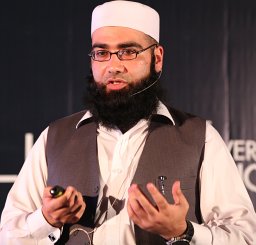 Usman Mahboob合作论文数School of Medicine, University of Glasgow2Rizwan Saeed合作论文数1
 Muhammad Amin Khan合作论文数1Syed Ahmed Mahmud合作论文数1Anas Khalil合作论文数1Mansab Ali合作论文数1Kosar Aziz合作论文数1Qurratulain Mehfooz合作论文数1Saeed Taj Din合作论文数1Hassan Jamil合作论文数1Ayesha Masood合作论文数1
 Muhammad Tahir合作论文数United Arab Emirates University1




