IntroductionDiabetic foot ulcers (DFUs) are severe complications that cause frequent lower extremity amputations. Timely diagnosis is crucial for effective clinical management. Although deep learning approaches improve detection, the models often struggle to capture different lesion scales. Furthermore, opaque algorithmic decisions often lower medical trust. Therefore, this study introduces DFU-GCNet for robust and interpretable ulcer classification.MethodsThe proposed architecture merges inception modules with global context blocks. This combination extracts multi-scale features from different wound sizes and simultaneously models broad spatial dependencies across tissue regions. Thus, it effectively distinguishes pathology from surrounding healthy skin. We evaluate this framework using the Kaggle DFU dataset. We integrate explainable AI techniques to ensure clinical transparency. GradCAM++, Local Interpretable Model-Agnostic Explanations, and SHapley Additive exPlanations are used to provide high-resolution diagnostic heatmaps and confirm that the network prioritizes clinically relevant wound boundaries.ResultsThe model achieved a superior classification accuracy of 97.16%, with an F1-score of 0.9715 and a Matthews correlation coefficient of 0.9437. DFU-GCNet demonstrated decisive superiority compared with standardized modern baselines such as VGG16 and EfficientNet.DiscussionThe findings indicate that DFU-GCNet is a highly reliable automated screening instrument.
IntroductionThe paradigm shifts toward environmental, social, and governance (ESG) metrics has necessitated advanced auditing systems capable of analyzing complex, non-financial performance indicators. However, traditional centralized artificial intelligence (AI) models conflict with increasingly stringent data privacy regulations, while conventional federated learning approaches struggle to converge under the high statistical heterogeneity and data imbalance typical of diverse industrial sectors.MethodsTo address the trade-off between high-precision forecasting and data sovereignty, this study proposes EcoStack-Pro, a decentralized auditing framework driven by a stacked ensemble of LightGBM, XGBoost, and Gradient Boosting regressors, optimized via a Bayesian ridge meta-learner. Central to this architecture is the Fed-GenAdaptive algorithm, which employs a soft-gating mechanism with softmax normalization to dynamically weight client contributions according to their local validation errors and generalization gaps.ResultsUtilizing a stratified dataset of 21,400 firm-year observations across 10 distinct industrial clients, the framework achieves a test-set R2 of 0.9614. This performance retains 98.2% of the predictive power of the centralized upper bound (R2 of 0.9790) while strictly preserving corporate privacy.DiscussionFurthermore, the integration of Shapley additive explanations (SHAP) and local interpretable model-agnostic explanations (LIME) enhances model interpretability, elucidating the non-linear drivers of governance ratings. These results demonstrate that adaptive, diverse ensemble strategies can overcome the limitations of single-model federated baselines, providing a robust framework for secure, cross-sector sustainable finance auditing.
A critical challenge in agricultural automation is the precise detection of mango leaf diseases that compromise crop quality and yield. To address the limitation of existing heavy models in resource-constrained agricultural environments, this study proposes MangoLeafNet-XAI, a novel lightweight deep learning architecture. The model synergistically integrates Efficient Channel Attention (ECA) modules with a DenseNet-121 backbone to adaptively refine features and capture subtle pathological patterns with high precision. The proposed framework was rigorously evaluated using a 5-fold cross-validation and soft-voting ensemble strategy across three public datasets (MLDID, Mango Leaf Disease, and Harumanis). These datasets encompass diverse environmental conditions and distinct disease classes, including Anthracnose, Bacterial Canker, Die Back, Gall Midge, Powdery Mildew, Sooty Mould, and Cutting Weevil. MangoLeafNet-XAI achieved state-of-the-art accuracies of 98.83% on MLDID, 98.09% on the Mango Leaf Disease Dataset, and 98.76% on the Harumanis dataset. A primary contribution of this work is the optimal balance between performance and computational efficiency, utilizing only 6.9 million parameters, making it highly suitable for deployment on edge devices. Moreover, the interpretability of AI methods, such as Grad-CAM and LIME, that are used to explain the rationale behind predictions to offer pathological explanations, also validate the focus on clinically important aspects of the model. The results discuss the key limitations of existing methods, such as computational complexity, inability to interpret the findings, and dataset-dependent overfitting, and demonstrate a high level of resilience and generalizability on diverse datasets. MangoLeafNet-XAI will be a new benchmark of reliable, deployable, as well as accurate disease diagnosis systems, in smart agriculture.
Functional near-infrared spectroscopy (fNIRS) is a non-invasive neuroimaging technique that captures hemodynamic changes corresponding to brain activation using near-infrared light. In this work, fNIRS-based motor imaginery (MI) tasks involving knee and ankle flexion and extension were performed to explore their application in brain-computer interface (BCI) systems. The findings demonstrated promising classification accuracy for MI movements of the ankle and knee using fNIRS. The highest accuracy attained was approximately 85 % in identifying two distinct MI activities, specifically for both ankle movements and right knee movements. Moreover, all classifiers, except KNN, achieved accuracies above 70 % in distinguishing between two MI activities for the remaining ankle and knee movements. This study provides valuable insights into the classification of two distinct MI activities within the same lower limb, contributing to the development of fNIRS-based BCI systems that employ MI.
Multilinguals’ navigation through three or more language systems utilizing one cognitive system is a phenomenon of recent interest. Few functional near-infrared spectroscopy (fNIRS) studies have focused on brain activations concerning multilinguals. The present study uses picture-naming and fNIRS technique to explore the prefrontal brain activations amongst neurotypical multilinguals belonging to four major provinces of Pakistan. The 26 right-handed participants utilize their native language (Punjabi, Pushto, Sindhi or Balochi), first language (Urdu) and second language (English) distinctively in the experiment. Brain imaging results demonstrate a significant activation of the right prefrontal cortex among the multilingual adults along with left laterality. Moreover, results indicate significant activation of channels demonstrating heavier cognitive load with English in comparison to first or native language(s). The paper suggests that right dorsolateral prefrontal cortex and right medial prefrontal cortex play a significant role in language processing alongside the left prefrontal cortex, exemplifying that peripheral activation during word retrieval, processing and production is a possibility.
A novel technique for electronic control unit (ECU) identification is proposed in this study to address security vulnerabilities of the controller area network (CAN) protocol. The reliable ECU identification has the potential to prevent spoofing attacks launched over the CAN due to the lack of message authentication. In this regard, we model the ECU-specific random distortion caused by the imperfections in the digital-to-analog converter and semiconductor impurities in the transmitting ECU for fingerprinting. Afterward, a 4-layered artificial neural network (ANN) is trained on the feature set to identify the transmitting ECU and the corresponding ECU pin. The ECU-pin identification is also a novel contribution of this study and can be used to prevent voltage-based attacks. We have evaluated our method using ANNs over a dataset generated from 7 ECUs with 6 pins, each having 185 records, and 40 records for each pin. The performance evaluation against state-of-the-art methods revealed that the proposed method achieved 99.4% accuracy for ECU identification and 96.7% accuracy for pin identification, which signifies the reliability of the proposed approach.
Elderly and individuals with disabilities can greatly benefit from human activity recognition (HAR) systems, which have recently advanced significantly due to the integration of the Internet of Things (IoT) and artificial intelligence (AI). The blending of IoT and AI methodologies into HAR systems has the potential to enable these populations to lead more autonomous and comfortable lives. HAR systems are equipped with various sensors, including motion capture sensors, microcontrollers, and transceivers, which supply data to assorted AI and machine learning (ML) algorithms for subsequent analyses. Despite the substantial advantages of this integration, current frameworks encounter significant challenges related to computational overhead, which arises from the complexity of AI and ML algorithms. This article introduces a novel ensemble of gated recurrent networks (GRN) and deep extreme feedforward neural networks (DEFNN), with hyperparameters optimized through the artificial water drop optimization (AWDO) algorithm. This framework leverages GRN for effective feature extraction, subsequently utilized by DEFNN for accurately classifying HAR data. Additionally, AWDO is employed within DEFNN to adjust hyperparameters, thereby mitigating computational overhead and enhancing detection efficiency. Extensive experiments were conducted to verify the proposed methodology using real-time datasets gathered from IoT testbeds, which employ NodeMCU units interfaced with Wi-Fi transceivers. The framework's efficiency was assessed using several metrics: accuracy at 99.5%, precision at 98%, recall at 97%, specificity at 98%, and F1-score of 98.2%. These results then were benchmarked against other contemporary deep learning (DL)-based HAR systems. The experimental outcomes indicate that our model achieves near-perfect accuracy, surpassing alternative learning-based HAR systems. Moreover, our model demonstrates reduced computational demands compared to preceding algorithms, suggesting that the proposed framework may offer superior efficacy and compatibility for deployment in HAR systems designed for elderly or individuals with disabilities.
Diabetic Retinopathy (DR) is a serious eye condition that occurs due to high blood sugar levels in patients with Diabetes Mellitus. If left untreated, DR can potentially result in blindness. Using automated neural network-based methods to grade DR shows potential for early detection. However, the uneven and non-quadrilateral forms of DR lesions provide difficulties for traditional Convolutional Neural Network (CNN)-based architectures. To address this challenge and explore a novel algorithm architecture, this work delves into the usage of contrasting cluster assignments in retinal fundus images with the Swapping Assignments between multiple Views (SwAV) algorithm for DR grading. An ablation study was made where SwAV outperformed other CNN and Transformer-based models, independently and in ensemble configurations with an accuracy of 87.00% despite having fewer parameters and layers. The proposed approach outperforms existing state-of-the-art models regarding classification metrics, complexity, and prediction time. The findings offer great potential for medical practitioners, allowing for more accurate diagnosis of DR and earlier treatments to avoid visual loss.
Fully connected autonomous vehicles are more vulnerable than ever to hacking and data theft. The controller area network (CAN) protocol is an effective means of communication between in-vehicle control networks. However, the absence of basic security features of this protocol, like message authentication, makes it quite vulnerable to a wide range of attacks, including spoofing attacks. As traditional cybersecurity methods impose limitations in ensuring the confidentiality and integrity of transmitted messages via CAN bus, a new technique has emerged among others to approve its reliability in fully authenticating in-vehicle communication messages. At the physical layer of the communication system, the method of fingerprinting the messages is being implemented to connect the received signal to the transmitting Engine Control Unit (ECU). This paper introduces a new method to enhance the security of modern, fully autonomous electric vehicles. Errors due to digital to-analog converter (DAC) are used to estimate ECU-specific distortion distributions, which are utilized for transmitting node identification. A dataset collected from a CAN network with seven ECUs is used to evaluate the efficient performance of the suggested method. The experimental results indicate that kNNs achieved 99.2% accuracy in ECU detection and outperformed the rest of the classifiers.
This study investigates 2D bioconvection magneto-hydrodynamic (MHD) flow and heat transfer of the non-Newtonian (Casson) nanofluid model. The phenomenon of Brownian motion and thermophoresis containing gyrotactic microorganisms over a nonlinear surface is demonstrated pictorially under the simultaneous impact of thermal radiation and velocity slip. Herein, the flow is electrically conducting where different cases and the effect of convergence parameters such as chemical reactions and heat generation/absorption are studied. The transformed ODEs are tackled numerically by employing the Bvp4c scheme. This method contains three-stage Lobatto IIIa collocation formula that provides continuous solutions up to fifth-order accuracy. The salient features of relevant flow parameters are illustrated through tables and graphs, and the current results are compared with the previous ones, which claim considerable agreement. The main finding reveals an increase in the thermophoresis parameter (Nt) and radiation (R) parameters, uprising the temperature profile which leads to enhancement in the thermal boundary layer. Also, the impact of the magnetic parameter (M) shows decrement in the velocity profile because there exists a Lorentz force that suppresses fluid motion. The friction factor and local Nusselt number decrease for higher values of the Casson parameter (β), whereas increment is illustrated for the suction parameter (S).
This paper summarizes the information technology-related research findings after 5 years with the INTROducing Mental health through Adaptive Technology project. The aim was to improve mental healthcare by introducing new technologies for adaptive interventions in mental healthcare through interdisciplinary research and development. We focus on the challenges related to internet-delivered psychological treatments, emphasising artificial intelligence, human-computer interaction, and software engineering. We present the main research findings, the developed artefacts, and lessons learned from the project before outlining directions for future research. The main findings from this project are encapsulated in a reference architecture that is used for establishing an infrastructure for adaptive internet-delivered psychological treatment systems in clinical contexts. The infrastructure is developed by introducing an interdisciplinary design and development process inspired by domain-driven design, user-centred design, and the person based approach for intervention design. The process aligns the software development with the intervention design and illustrates their mutual dependencies. Finally, we present software artefacts produced within the project and discuss how they are related to the proposed reference architecture. Our results indicate that the proposed development process, the reference architecture and the produced software can be practical means of designing adaptive mental health care treatments in correspondence with the patients’ needs and preferences. In summary, we have created the initial version of an information technology infrastructure to support the development and deployment of Internet-delivered mental health interventions with inherent support for data sharing, data analysis, reusability of treatment content, and adaptation of intervention based on user needs and preferences.
This paper investigates 3D chemically reactive magnetohydrodynamics (MHD) non-Newtonian Casson nano-fluid flow towards a stretchable porous surface. The effects of thermal radiation and Biot number on heat and mass transfer phenomena have also been examined. The well-known classical Navier-Stokes problem is modelled, and similarity functions are utilized to convert the nonlinear system of partial differential equations (PDEs) into ordinary differential equations (ODEs). Numerical illuminations are obtained with the help of MATLAB using a boundary value solver. The influence of dimensionless convergence flow parameters like nano-particle concentration, Lewis number, heat generation parameter, magnetic parameter, Casson fluid factor, Brownian motion parameter, chemical reaction rate, stretching ratio parameter, Prandtl number on velocity, temperature and concentration fields along with the heat transfer rate and friction factor and Sherwood numbers are beautifully tackled with the aid of tables and graphs. The essential outcomes indicate that enhancement is seen in concentration and temperature profiles by increasing the velocity slip parameter, whereas increment in stretching rate parameter decrement is perceived both in concentration and in temperature profiles.
Seismic numerical modeling technique provide most suitable way for the simulation of wave propagation through subsurface rocks and play an essential role in seismic interpretation, seismic inversion and in evaluating and designing a seismic survey. In order to delineate subsurface more precisely, different approaches are proposed for numerical modeling in which the solutions of Biot's poroelastic equation are given by using reflectivity, finite element and finite difference algorithms. In current study, a finite difference forward modeling method is proposed to quantify the variation in wave properties during its propagation in a poroelastic media exhibiting mesoscopic heterogeneity due to the existence of three phase fluids. The Biot's poroelastic wave equations are resolved and a generalized finite difference technique in time domain (FDTD) is used to examine seismic responses in a poroelastic media saturated with three phase fluids. So that the ability to detect geo-fluids through forward modeling technique can be improved. The accuracy of the simulation will lay a good foundation for the follow up work and will enhance our understandings about wave propagation through multi-phase poroelastic media and will also assist in detection and discrimination between fluids of different nature. Also, the proposed approach is of great significance for imaging and prediction of subsurface structures and distribution of fluids.
Power generators, Hall accelerators, and flight MHD all require high levels of Hall current. The influence of Hall current and viscous dissipation on time-independent hydro-magnetic mixed convective radiative flow across a porous heated surface has thus been investigated using numerical computing and mathematical modeling in the current study. The fluid is electrically conducted and varies exponentially. It is assumed that the wall temperature and elongation rate will vary with specific exponential shapes. A solid uniform magnetic field B-0 is employed normally to the surface. The mathematical model of PDEs for incompressible flow is transformed into ODE by applying a numerical technique based on a finite-difference structure which includes a three-stage Lobatto IIIa scheme with the help of MATLAB. The obtained solution depends on the convergence constraints involving the radiation parameter R, magnetic parameter M, porosity parameter Omega, Hall parameter m, buoyancy parameter e, temperature distribution parameter a, Eckert number E-c, Prandtl number P-r, and convective term bh. Graphs of the velocity and temperature profiles are explained via pertinent parameters. Skin friction factor, and Nusselt number are also evaluated and presented graphically and in tabular form. Results clarify that temperature profile reduces by increasing values of temperature distribution parameter whereas opposite behavior is noted for positive values of the buoyancy parameter.
Videos and images are commonly used in home monitoring systems. However, detecting emergencies in-home while preserving privacy is a challenging task concerning Human Activity Recognition (HAR). In recent years, HAR combined with deep learning has drawn much attention from the general public. Besides that, relying entirely on a single sensor modal-ity is not promising. In this paper, depth images and radar presence data were used to investigate if such sensor data can tackle the challenge of a system's ability to detect abnormal and normal situations while preserving privacy. The recurrence plots and wavelet transformations were used to make a two-dimensional representation of the presence radar data. Moreover, we fused data from both sensors using data-level, feature-level, and decision-level fusions. The decision-level fusion showed its superiority over the other two techniques. For the decision-level fusion, a combination of the depth images and presence data recurrence plots trained first on convolutional neural networks (CNN). The output was fed into support vector machines, which yielded the best accuracy of 99.98%.
Service robots that operate in human-populated environments are exposed to changes in the environment. Most mobile robot are concerned with portable objects only if there is a risk of colliding with them. However, humans need to keep track of especially personal items - like a cup, glasses, the mobile phone, etc - that can be left at various locations in the living environment. Thus, we think it will be useful if a robot assistant can support a human in keeping track of such item. In this paper, we therefore study the problem of object search (OS) in unknown indoor environments. We present an OS system that relies on semantic information inferred from the changes in the objects' position over time in the environment, which allows the robot to reduce search costs by giving preference to more promising regions for the target object. Our two-mode OS system gathers data from the objects' placement by executing its recording mode, which is later used when the robot executes the request mode to search for the target object. We compared the performance of our semantic, temporal OS system with two other search methods in simulation, considering six different scenarios with objects being moved from time to time. Moreover, we also demonstrate our OS system's efficiency in the HH106 dataset collected over two months containing person occurrences in a residential environment. The experiments in simulation indicate that our semantic, temporal OS system always finds the target object and, in some cases, with the robot travelling a distance two times smaller. The tests with the HH106 enhance our method's robustness and efficiency in properly estimating the person's position at different times of the day.
Owing to motivated applications of nanofluids in industrial and technological processes, many novel attempts have been reported by investigators in recent century. The interesting applications subject to the nanomaterials is noted in hybrid-powered engines, solar systems, thermal management, heat exchanger, energy generation, microelectronics etc. This framework presents a Cattaneo-Christov heat flux model for nonlinear convective transport of Walter-B nanofluid due to extending surface. The model is further supported with the non-uniform heat source and activation energy applications. The solutal thermal and mass flux constraints are utilized to inspect the thermal outcomes. The transformation of partial differential system to nonlinear ordinary differential system is carried out with proper conversions. The nonlinear system is analytically tackled with implementation of variational iteration method (VIM). The role of physical parameters appeared in the flow modelling are physical justified.
Functional near-infrared spectroscopy (fNIRS) is a comparatively new noninvasive, portable, and easy-to-use brain imaging modality. However, complicated dexterous tasks such as individual finger-tapping, particularly using one hand, have been not investigated using fNIRS technology. Twenty-four healthy volunteers participated in the individual finger-tapping experiment. Data were acquired from the motor cortex using sixteen sources and sixteen detectors. In this preliminary study, we applied standard fNIRS data processing pipeline, i.e., optical densities conversation, signal processing, feature extraction, and classification algorithm implementation. Physiological and non-physiological noise is removed using 4th order band-pass Butter-worth and 3rd order Savitzky–Golay filters. Eight spatial statistical features were selected: signal-mean, peak, minimum, Skewness, Kurtosis, variance, median, and peak-to-peak form data of oxygenated haemoglobin changes. Sophisticated machine learning algorithms were applied, such as support vector machine (SVM), random forests (RF), decision trees (DT), AdaBoost, quadratic discriminant analysis (QDA), Artificial neural networks (ANN), k-nearest neighbors (kNN), and extreme gradient boosting (XGBoost). The average classification accuracies achieved were 0.75±0.04, 0.75±0.05, and 0.77±0.06 using k-nearest neighbors (kNN), Random forest (RF) and XGBoost, respectively. KNN, RF and XGBoost classifiers performed exceptionally well on such a high-class problem. The results need to be further investigated. In the future, a more in-depth analysis of the signal in both temporal and spatial domains will be conducted to investigate the underlying facts. The accuracies achieved are promising results and could open up a new research direction leading to enrichment of control commands generation for fNIRS-based brain-computer interface applications.
Purpose Mental illness presents a huge individual, societal and economic challenges, currently accounting for 20% of the worldwide burden of disease. There is a gap between the need for and access to services. Digital technology has been proven effective in e-mental health for preventing and treating mental health problems. However, there is a need for cross-disciplinary efforts to increase the impact of e-mental health services. This paper aims to report key challenges and possible solutions for cross-disciplinary and cross-sectorial research teams within the domain of e-mental health. Design/methodology/approach The key challenges and possible solutions will be discussed in light of the literature on effective cross-disciplinary research teams. Findings Six topics have been key challenges in our cross-disciplinary and cross-sectorial research team: to develop a shared understanding of the domain; to establish a common understanding of key concepts among the project participants; to involve the end-users in the research and development process; to collaborate across sectors; to ensure privacy and security of health data; and to obtain the right timing of activities according to project dependencies. Research limitations/implications This study focuses to increase knowledge and training in cross-disciplinary and cross-sectorial research, as this is often referred to as an important tool when developing sustainable solutions for major societal challenges. Practical implications This study needs to include theory and skills training in cross-disciplinary research in research training. Social implications Cross-disciplinary teams have the potential to address major societal challenges, including more perspectives and more stakeholders than single disciplinary research teams. Originality/value Major societal challenges require complex and sustainable solutions. However, there is a lack of knowledge about how cross-disciplinary and cross-sectorial research teams may work productively to solve these challenges. This paper shares experiences regarding the challenges and possible solutions for productive collaboration in cross-disciplinary and cross-sectorial research teams within the domain of e-mental health services.
 Md. Zia Uddin合作论文数Department of Informatics, University of Oslo15
 Jim Torresen合作论文数Department of Informatics, The Faculty of Mathematics and Natural Sciences, University of Oslo14
 Noman Naseer合作论文数Department of Mechatronics and Biomedical Engineering, Air University12
 Nauman Khalid Qureshi合作论文数Institute of Technology for Architecture (ITA),, ETH Zürich11
 Aaqib Majeed合作论文数Department of Mathematics, The University of Faisalabad10
 Rayyan Azam Khan合作论文数Department of Mechanical Engineering, University of Saskatchewan9
 A. Zeeshan合作论文数Department of Mathematics and Statistics, International Islamic University, Islamabad8
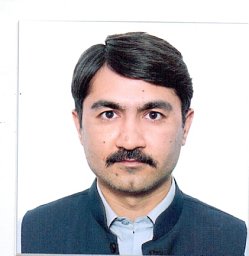 Syed Hammad Nazeer Gilani合作论文数Dept Mech & Biomed Engn, Air Univ6
 Michael Riegler合作论文数Simula Research Laboratory, Oslo Metropolitan University;Department of Administration and Management, Simula Metropolitan Center for Digital Engineering;University of Tromsø5
 Minh Pham合作论文数3
 Smiti Kahlon合作论文数Haukeland University Hospital, Bergen, Norway3
 Petter Jakobsen合作论文数Haukeland Hosp, NORMENT, Bergen, Norway3
 Enrique Garcia Ceja合作论文数3
 T. Nordgreen合作论文数3
 Kristine Fonnes Griffin合作论文数2
 Hafiz Malik合作论文数2Yngvar S Skar合作论文数2
 Sajid Saleem合作论文数2
 Fazle Rabbi合作论文数2Eivind Flobakk合作论文数2Sunniva Brurok Myklebost合作论文数2
 Muhammad Jawad合作论文数2
 Emilie S. Nordby合作论文数Faculty of Psychology, University of Bergen2
 Qazi Adnan Ahmad合作论文数College of Energy and Mining Engineering, Shandong University of Science and Technology2
 Haroon Khan合作论文数Department of Mechanical, Electronics and Chemical Engineering, OsloMet - Oslo Metropolitan University2
 Suresh Kumar Mukhiya合作论文数Høgskulen pa Vestlandet2
 Azeem Hafeez合作论文数CECS Department, University of Michigan2
 Amin Aminifar合作论文数Department of Artificial Intelligence, Khajeh Nasir Toosi University of Technology, Tehran, Iran2
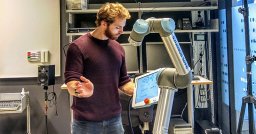 Ulysse Cote Allard合作论文数Univ Laval, Dept Comp & Elect Engn, Quebec City, PQ G1V 0A6, Canada2
 Steven Alexander Hicks合作论文数Oslo Metropolitan University2
 Frode Guribye合作论文数University of Bergen Norway2
 Robin Kenter合作论文数Faculty of Psychology and Education, VU University Amsterdam2
 Keum-Shik Hong (洪金植)合作论文数Department of Cogno-Mechatronics Engineering, School of Mechanical Engineering, Pusan National University;Integrated Dynamics and Control Engineering Laboratory, Pusan National University;Cogno-Mechatronics Laboratory, Pusan National University2
 Peyman Mirtaheri合作论文数Interventional Center;Rikshospitalet University Hospital;Interventional Center, Rikshospitalet University Hospital2
 Liaquat Ali Khan合作论文数Department of Mechatronics Engineering, AIR University2
 Yngve Lamo合作论文数H?gskolen i Bergen2
 Pål Halvorsen合作论文数Department of Informatics, The Faculty of Mathematics and Natural Sciences, University of Oslo;Department of Computer Science, Oslo Metropilitan University;Department of Holistic Systems, Simula Research Laboratory2
 Yavuz Inal合作论文数Department of Computer Education and Instructional Technology, Middle East Technical University2
 Astri J. Lundervold合作论文数University of Bergen2Rui P. Rocha合作论文数1Jo D. Wake合作论文数1
 Aqila Shaheen合作论文数1Tasmima Noushiba Mahbub合作论文数1Aqsa Riaz合作论文数1
 Bin Gong (龚斌)合作论文数1
 Rafique Ahmad合作论文数1
 Ahmad Abdullah合作论文数1Henrik Svoren合作论文数1
 Umar Shahbaz Khan合作论文数1




