BACKGROUND:: The glioblastoma (GBM) immunosuppressive tumor microenvironment is a clinical challenge. Oncolytic Zika virus (ZIKV) has emerged as a promising therapy, targeting treatment-resistant glioma stem cells, stimulating CD8+ T-cell-mediated immunity and extends survival in preclinical models but myeloid cell-driven immunosuppression persists. An antagonist of Siglec-15, a myeloid immune checkpoint molecule, is in a phase II trial for non-small cell lung cancer, but its role in CNS malignancies remains unclear. METHODS:: We evaluated Siglec-15 expression in human GBM samples using flow cytometry, mass cytometry, and immunofluorescence, as well as a public database. Using syngeneic glioma models, we tested a blocking antibody against Siglec-15, and Siglec-15 knock out mice, alongside ZIKV and anti-PD-1 therapies. We performed survival studies and analyzed immune responses, T-cell proliferation and phagocytosis, and tumor rechallenge. RESULTS:: Siglec-15 was expressed by human GBM myeloid (16-22%) and tumor (18-19%) cells, and higher expression was associated with shorter survival. In CT2A-bearing mice, ZIKV + anti-Siglec-15 increased long-term survival to 60% (vs. 40% with ZIKV alone), rising to 83% with anti-PD-1 treatment. Triple therapy in SB28 bearing mice yielded 76% long-term survivor rate with 1.7-fold higher CD8+ T-cell activation. Rechallenged mice showed 11-fold expansion of brain resident/effector memory CD8+ T-cells and 80% survival. Siglec-15 loss on myeloid cells enhanced phagocytosis (CT2A: 25%; SB28: 7%) and T-cell responses (activation: 81%; proliferation: 86.8%). CONCLUSION:: Targeting Siglec-15, combined with PD-1 blockade and ZIKV overcomes myeloid immunosuppression and enhances T-cell activation in GBM, promoting durable anti-tumor immunity. These findings support further investigation of this combination therapy.
4-1BB has been considered a promising target in cancer immunotherapy for decades. Nevertheless, early 4-1BB-targeted agents demonstrated significant liver immuno-toxicity. A new wave of 4-1BB-based therapy is being developed to circumvent hepatotoxicity with a bispecific molecule that directs 4-1BB agonism to the tumor microenvironment by targeting tumor-associated immune checkpoint molecule PD-L1. See related article by Peper-Gabriel et al., p. 3387.
AIMS:Aseptic loosening is a leading cause of uncemented arthroplasty failure, often accompanied by fibrotic tissue at the bone-implant interface. A biological target, neutrophil extracellular traps (NETs), was investigated as a crucial connection between the innate immune system's response to injury, fibrotic tissue development, and proper bone healing. Prevalence of NETs in peri-implant fibrotic tissue from aseptic loosening patients was assessed. A murine model of osseointegration failure was used to test the hypothesis that inhibition (through Pad4-/- mice that display defects in peptidyl arginine deiminase 4 (PAD4), an essential protein required for NETs) or resolution (via DNase 1 treatment, an enzyme that degrades the cytotoxic DNA matrix) of NETs can prevent osseointegration failure and formation of peri-implant fibrotic tissue.METHODS:Patient peri-implant fibrotic tissue was analyzed for NETs biomarkers. To enhance osseointegration in loose implant conditions, an innate immune system pathway (NETs) was either inhibited (Pad4-/- mice) or resolved with a pharmacological agent (DNase 1) in a murine model of osseointegration failure.RESULTS:NETs biomarkers were identified in peri-implant fibrotic tissue collected from aseptic loosening patients and at the bone-implant interface in a murine model of osseointegration failure. Inhibition (Pad4-/- ) or resolution (DNase 1) of NETs improved osseointegration and reduced fibrotic tissue despite loose implant conditions in mice.CONCLUSION:This study identifies a biological target (NETs) for potential noninvasive treatments of aseptic loosening by discovering a novel connection between the innate immune system and post-injury bone remodelling caused by implant loosening. By inhibiting or resolving NETs in an osseointegration failure murine model, fibrotic tissue encapsulation around an implant is reduced and osseointegration is enhanced, despite loose implant conditions. Cite this article: Bone Joint J 2021;103-B(7 Supple B):135-144.
Bacterial quorum-sensing autoinducers are small chemicals released to control microbial community behaviours. N -(3-oxo-dodecanoyl) homoserine lactone, the autoinducer of the Pseudomonas aeruginosa LasI–LasR circuitry, triggers significant cell death in lymphocytes. We found that this molecule is incorporated into the mammalian plasma membrane and induces dissolution of eukaryotic lipid domains. This event expels tumour necrosis factor receptor 1 into the disordered lipid phase for its spontaneous trimerization without its ligand and drives caspase 3–caspase 8-mediated apoptosis. In vivo, P. aeruginosa releases N -(3-oxo-dodecanoyl) homoserine lactone to suppress host immunity for its own better survival; conversely, blockage of caspases strongly reduces the severity of the infection. This work reveals an unknown communication method between microorganisms and the mammalian host and suggests interventions of bacterial infections by intercepting quorum-sensing signalling.
Atherosclerosis is driven by an inflammatory milieu in the walls of artery vessels. Initiated early in life, it progresses to plaque formation and form cell accumulation. A culprit in this cascade is the deposition of cholesterol crystals (CC). The involvement of smaller crystals in the early stage of atherosclerotic changes may be critical to the long-term pathological development. How these small crystals initiate the pro-inflammatory events is under study. We report here an unexpected mechanism that microscopic CC interact with cellular membrane in a phagocytosis-independent manner. The binding of these crystals extracts cholesterol from the cell surface. This process causes a sudden catastrophic rupture of plasma membrane and necrosis of the bound cells independent of any known cell death-inducing pathways, releasing inflammatory agents associated with the necrotic cell death. Our results, therefore, reveal a biophysical aspect of CC in potentially mediating the inflammatory progress in atherosclerosis.
Crystalline/particulate substances trigger a plethora of signaling events in host cells. The most prominent consequence is the inflammatory reactions that underlie crystal arthropathies, such as gout and pseudogout. However, their impact on our health was underestimated. Recent work on the role of cholesterol crystal in the development of atherosclerosis and the harm of environmental particulates has set up new frontiers in our defense against their detrimental effects. On the other hand, in the last 100 years, crystalline/particulate substances have been used with increasing frequencies in our daily lives as a part of new industrial manufacturing and engineering. Importantly, they have become a tool in modern medicine, used as vaccine adjuvants and drug delivery vehicles. Their biological effects are also being dissected in great detail, particularly with regard to their inflammatory signaling pathways. Solid structure interaction with host cells is far from being uniform, with outcomes dependent on cell types and chemical/physical properties of the particles involved. In this review, we offer a systematic and broad outlook of this landscape and a sage analysis of the complex nature of this topic.
 Yan Shi (石彦)合作论文数Institute for Immunology, Tsinghua University;School of Medicine, Tsinghua University3
 Tie Xia (夏铁)合作论文数School of Medicine, Tsinghua University3
 Matthias Amrein合作论文数Institut für Medizinische Physik und Biophysik, Westfälische Wilhelms-Universität3
 Wencheng Zheng合作论文数2Jiahuan Chen合作论文数Huazhong Univ Sci & Technol, Key Lab Mol Biophys, Minist Educ,Coll Life Sci & Technol, Hubei Key Lab Bioinformat & Mol Imaging,Dept Bioi, Wuhan 430074, Hubei, Peoples R China2
 Jun Wang合作论文数Department of Pathology, Grossman School of Medicine, New York University2Ma Xiao-Jie合作论文数2Fan Yunzhou合作论文数2
 Vamsidhar Velcheti合作论文数1
 Emile-Victor Kuyl合作论文数1Wenran Ren合作论文数1Junchen Meng合作论文数1Juan D Lopez合作论文数1Xiaobo Wang合作论文数1
 Sonam Verma合作论文数Div Allergy & Immunol, Washington Univ1Tong Hu合作论文数1Zhongyuan Tu合作论文数Univ Calgary, Dept Microbiol Immunol & Infect Dis, Calgary, AB, Canada1Hefei Ruan合作论文数1Tania Pannellini合作论文数Hosp Special Surg, Res Div, 535 E 70th St, New York, NY 10021 USA1Jie Cheng合作论文数1Ying Xu合作论文数1Zheng Fan合作论文数Nankai Univ, Coll Life Sci, Key Lab Mol Microbiol & Technol,Minist Educ, Dept Microbiol,State Key Lab Med Chem Biol, Tianjin 300071, Peoples R China1
 Salman Rafi Punekar合作论文数1
 Ashwani Kesarwani合作论文数Natl Inst Immunol1
 Matthew B. Greenblatt合作论文数Pathology and Laboratory Medicine, Weill Cornell Medicine, Cornell University1
 Junhong Lv (吕军鸿)合作论文数Shanghai Institute of Applied Physics, Chinese Academy of Sciences;University of Chinese Academy of Sciences;Shanghai Advanced Research Institute, Chinese Academy of Sciences1Chheda Milan G合作论文数1
 xu Yang合作论文数1
 Xuping Xie合作论文数The University of Texas Medical Branch1Mu Libing合作论文数1
 Miguel F Sanmamed合作论文数Department of Immunobiology, Yale University School of Medicine1
 Nan Li (李楠)合作论文数School of Pharmaceutical Science and Technology, Tianjin University1
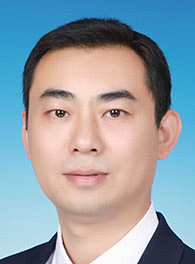 Weihui Wu (吴卫辉)合作论文数College of Life Sciences, Nankai University;State Key Laboratory of Medicinal Chemical Biology, Nankai University1
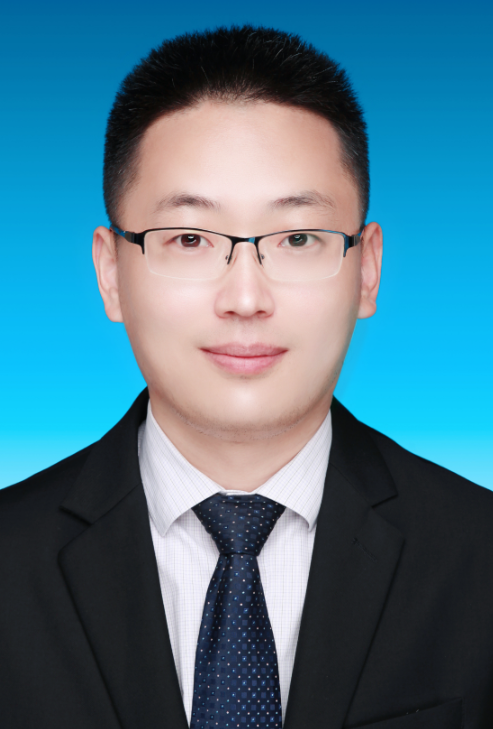 Pengyu Chen (陈朋宇)合作论文数College of Oceanography, Hohai University1
 Dingka Song合作论文数School of Public Health, Shanghai Jiao Tong University1
 Lionel B. Ivashkiv合作论文数HSS Main Campus - Main Hospital1
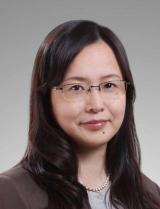 Xiaohong Fang (方晓红)合作论文数Key Laboratory of Molecular Nanostructure and Nanotechnology, Chinese Academy of Sciences1
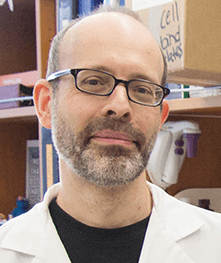 Michael S. Diamond合作论文数Division of Infectious Diseases, John T. Milliken Department of Medicine, School of Medicine, Washington University in St. Louis1
 Xin Lin (林欣)合作论文数School of Medicine, Tsinghua University1
 Jun (Jay) Zhu (朱军)合作论文数Department of Microbiology, School of Medicine, University of Pennsylvania1
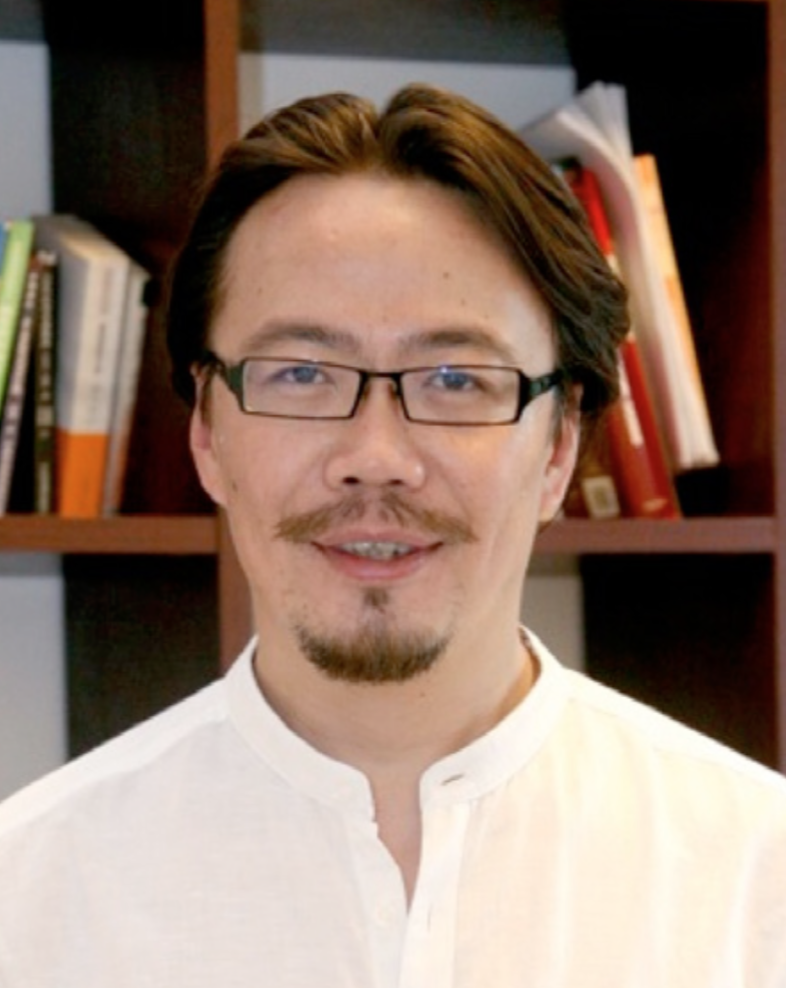 Li Yu (俞立)合作论文数School of Life Sciences, Tsinghua University1
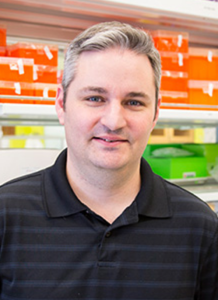 David G. Denardo合作论文数Division of Oncology, John T. Milliken Department of Medicine, School of Medicine, Washington University in St. Louis;Siteman Cancer Center1
 Pei-Yong Shi合作论文数GSK1
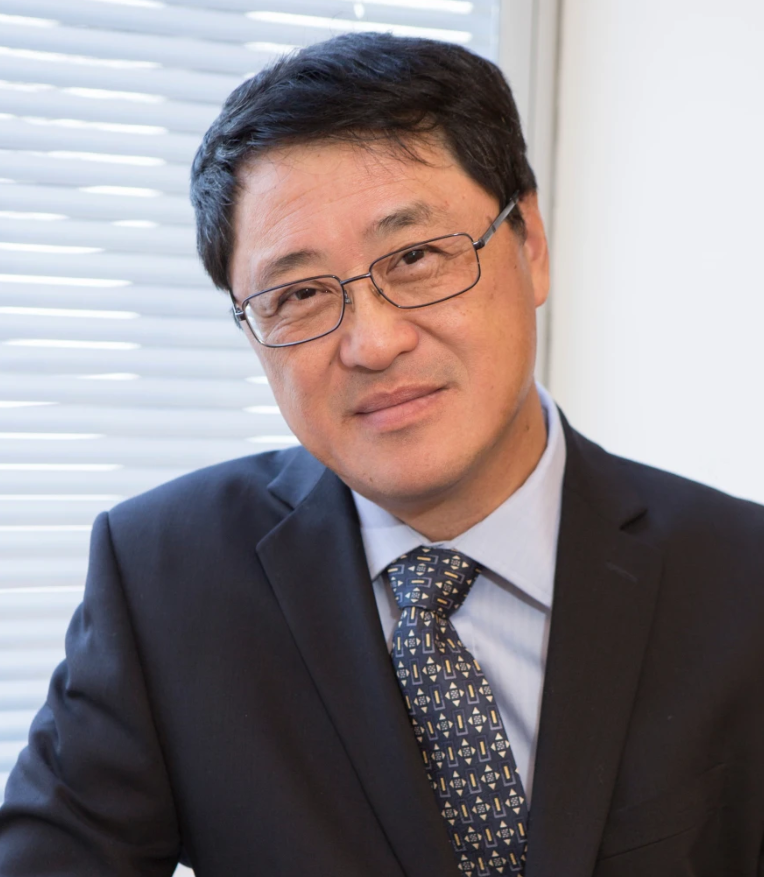 Lieping Chen (陈列平)合作论文数School of Medicine, Yale University1
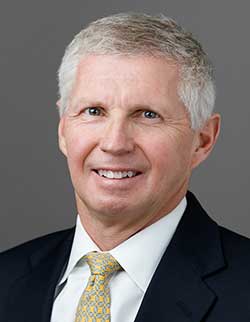 Mathias P. Bostrom合作论文数Hospital for Special Surgery;Weill Cornell Medical College;NewYork-Presbyterian Hospital1Qin Di (狄钦)合作论文数1
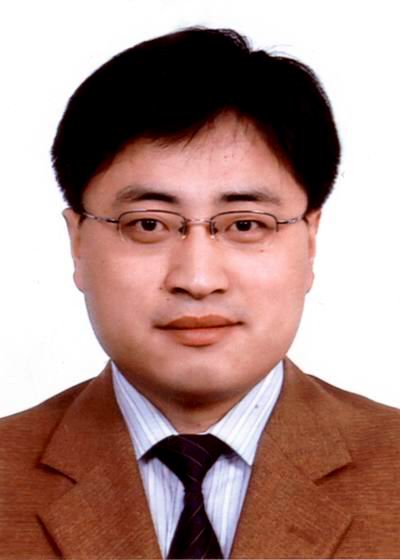 Litang Yan (燕立唐)合作论文数Institute of Polymer Science & Technology, Department of Chemical Engineering, Tsinghua University1
 Jingqin Luo合作论文数Institute for Public Health, School of Medicine, Washington University in St. Louis;Division of Public Health Sciences, Department of Surgery, WashU Medicine1




