BACKGROUND:Acute respiratory viral diseases are a major public health challenge in the Brazilian Amazon, where ecological, logistical, and social factors shape patterns of transmission and response. METHODS:This study aimed to analyze the epidemiological patterns and temporal-spatial distribution of Influenza-like illness (ILI) and severe acute respiratory syndrome (SARS) in the state of Amazonas, Brazil, between 2015 and 2025, distinguishing SARS-CoV-2 and non-SARS-CoV-2 etiologies using data from OpenDataSUS. RESULTS:Incidence peaks occurred in early 2021 and 2022, with pronounced regional disparities. The highest burdens were concentrated in specific municipalities, with Manaus exhibiting an intermediate incidence and playing a central role in case notifications and healthcare provision. DISCUSSION:We describe the integration of surveillance systems, laboratory networks, and healthcare infrastructure, which enabled improvements in diagnosis, monitoring, and care. The region's response model, centered in Manaus, includes primary-to-tertiary care coordination, molecular diagnostics, telemedicine, and mobile health units for Indigenous and remote areas. Research efforts during the COVID-19 pandemic provided critical insights into therapeutic strategies, immunopathology, and long-term sequelae, while also highlighting persistent inequities and diagnostic gaps. Our findings underscore the co-circulation of multiple respiratory pathogens and the need for continued genomic and syndromic surveillance. Future strategies must address regional disparities, support decentralized diagnostics, and expand clinical research. Strengthening integrated health systems in the Brazilian Amazon is essential for timely, equitable responses to emerging respiratory threats.
Abstract Background: In the Brazilian Amazon, most snakebites are caused by Bothrops atrox. Although pediatric cases are less frequent, children are more vulnerable to severe complications and long-term disabilities. This study aims to describe the clinical profile of B. atrox envenomation in children treated at a tertiary hospital in Manaus, in Western Brazilian Amazon, and to characterize the resulting long-term musculoskeletal impairments in a subgroup of these patients. Methods: We retrospectively analyzed sociodemographic and clinical data from patients up to 12 years and 11 months of age treated between January 2010 and December 2023. A total of 258 children who were victims of B. atrox envenoming were eligible; however, a subgroup of 27 children underwent in-person musculoskeletal evaluations starting three months after hospital discharge. Results: In the subgroup of children evaluated, the majority were male (63%), were aged over ten years (59.3%), and were from rural areas (96.3%). Over half (51.8%) received medical care within six hours after the bite. The lower limbs were most frequently affected (96.3%). Common local symptoms included pain (100%), edema (96.3%), bleeding (37%), and bruising (29.6%). Secondary infections occurred in 18.5% of cases. Most envenomations were classified as moderate in severity (44.4%). In this subgroup, long-term disabilities were identified in 21 children (77.7%), who presented primarily with intermittent chronic pain (55.5%). Physical examination revealed scars (59.3%), edema (22.2%), and deformities (3.7%). Sensory alterations were noted in tactile (11.1%), pain (25.9%), thermal (22.2%), and vibratory (29.6%) sensitivity. Range of motion was impaired in 37% of cases, and one child exhibited abnormal posture and reflexes. Conclusions: This study highlights a broad spectrum of persistent musculoskeletal sequelae following Bothrops envenomation in children. Our findings underscore the urgent need for comprehensive care, follow-up, and rehabilitation programs for pediatric snakebite victims in the Amazon region.
Background: Snakebite envenoming (SBE) is a major cause of morbidity in mortality in low-income and middle-income countries. In Brazil, SBE disproportionately affects Indigenous populations. Limited access to antivenom treatment is a key determinant of poor outcomes in these populations. We evaluated the effectiveness and feasibility of a decentralized model of antivenom delivery in Indigenous primary health settings in the Brazilian Amazon. Methods: An implementation study was carried out in four Indigenous Health Poles across Amazonas state, Brazil. Effectiveness was assessed using a pre-post design based on national surveillance data, comparing time to antivenom administration, clinical severity, specific clinical manifestations, and case-fatality before and after implementation. Occurrence of early adverse reactions from antivenom treatment was assessed. Qualitative data were collected through semi-structured interviews with Indigenous patients, health-care providers, and health-system managers to assess acceptability, adoption, feasibility, fidelity, and sustainability of the intervention. Findings: Among 125 patients treated after decentralization, the proportion receiving antivenom within 6 hours after bite was significantly higher than under usual care (75.8% vs 40.8%; OR 4·5, 95% CI 2·6–7·9). Proportion of mild envenomations were more frequent after decentralization (50.4% vs 32.7%; OR 2·1, 95% CI 1·2–3·6). Five deaths (4%) were reported in the usual care group and one death (0.8%) was reported in the intervention group (5.3, 95% CI 0.6–45.9). Three (2.4%) patients had mild skin adverse reactions, which were properly managed without need for hospital transfer. A high acceptability was observed among Indigenous users and health providers, combined with good compliance by the providers with the clinical protocol and improved trust in local health services. Health providers and managers at all levels expressed willingness to support sustained antivenom delivery in the study settings and scale up to other Indigenous areas. Interpretation: Decentralization improved access to antivenom treatment and reduced poor clinical outcomes. Culturally adapted, decentralized care can be safely implemented in remote settings, with important implications for equitable health system strengthening.
ABSTRACT Scorpion sting envenomations impose an increasing burden in the Amazon and result in a considerable impact on public health. The genus Tityus accounts for nearly all clinically relevant cases, with T. metuendus, T. silvestris and T. obscurus being responsible for most of envenomations in the region. In the state of Amazonas, Manaus and Apuí account for most of cases reported, with an evident expansion to other regions, including the Solimões River region and the Upper Negro River region, where most of the exposed population is found in Indigenous and riverine communities. The increasing burden and high severity rates of scorpion stings in the Amazon may result from the capacity of adaptation of the endemic species to the environmental changes and limitations in providing adequate healthcare to patients. The clinical profile of patients stung by different species has similar local and systemic manifestations. In Manaus, T. metuendus is the species that is most commonly responsible for severe cases observed in children, due to them presenting circulatory collapse and acute respiratory distress, while T. apiacas and T. silvestris present systemic neurological manifestations, characterized by generalized muscle spasms described as the sensation of receiving an electric shock, apparently not reversed by the available antivenom. Scorpionism in the Amazon combines the biological complexity and variability of Tityus species and their venoms, social and environmental determinants and healthcare challenges. These features require solutions of interinstitutional, interdisciplinary networks that are capable of integrating biology, venomics, clinical medicine, public health, environmental sciences and the social sciences.
Abstract Background Snakebite envenoming is a major cause of preventable death and disability in the Brazilian Amazon, where long distances, sparse roads, and dependence on river transport delay access to antivenom. We developed location-allocation models to identify community health centers that could strategically expand access to antivenom in Amazonas State, Brazil. Methodology/Principal Findings We conducted an ecological geospatial study using a 2025 WorldPop population surface, locations of existing and candidate health facilities, and a multimodal road-and-river transportation network derived from OpenStreetMap and HydroSHEDS. Population demand was represented by 7,065 populated centroids, including 1,586 within Indigenous territories. We applied a maximize-coverage algorithm with a six-hour travel-time threshold. Two models were developed: one for Amazonas excluding Manaus and one for populations living in Indigenous territories. Both models began with 77 facilities already providing antivenom and progressively added candidate community health centers until coverage gains plateaued. The plateau occurred at 110 facilities, corresponding to 33 additional centers. In the model excluding Manaus, this configuration covered 1,118,831 people, or 75.11% of the target population; 87.61% of those covered could reach care within three hours. In Indigenous territories, coverage increased from 50.55% to 69.50%, reaching 50,434 people, of whom 81.39% were within three hours of care. Validation used 3,595 snakebite notifications from the 30 highest-burden municipalities in the Brazilian Notifiable Diseases Information System during 2023–2025. The median proportion reaching care within six hours was 40.81% in observed data and 72.17% in model estimates. Conclusions/Significance Strategically equipping 33 additional existing community health centers could substantially expand timely access to antivenom, particularly in rural and Indigenous areas. Location-allocation modeling that incorporates river transportation can support evidence-based decentralization of time-sensitive health services in geographically complex settings. Author Summary Snakebite is a serious but preventable health problem in the Brazilian Amazon. Antivenom can save lives, but many people live far from the hospitals that currently provide it, and travel often depends on rivers rather than roads. We investigated whether existing community health centers could be selected strategically to bring treatment closer to rural and Indigenous communities in Amazonas state. We combined population maps, locations of health facilities, and road and river routes to estimate how long people would need to travel to receive antivenom. We found that adding antivenom services to 33 carefully selected community health centers, in addition to the 77 facilities already providing treatment, produced most of the achievable improvement in coverage. This arrangement could provide access within six hours for about three-quarters of the population, and nearly seven in ten people living in Indigenous territories. When we compared the estimates with snakebite notifications from 2023 to 2025, the proposed distribution showed a larger proportion of people reaching care within six hours. Our findings show how existing health infrastructure and river transportation data can guide practical decisions about where to decentralize antivenom treatment.
Snakebite envenoming disproportionately affects Indigenous populations in the Brazilian Amazon, where centralized healthcare systems limit timely access to antivenom. The recently implemented SAVING Program has decentralized antivenom delivery to Indigenous primary healthcare facilities, improving access and clinical outcomes. This article examines the ethical considerations encountered and the approaches adopted to address these challenges. Using the WHO/TDR framework for ethics in implementation research as a starting point, we continuously adapted to ethical issues arising during the planning, implementation, and dissemination of the program. The analysis was informed by focus groups and stakeholder discussions involving Indigenous leaders, patients, healthcare professionals, health managers, policymakers, and representatives of Indigenous governance structures. Key themes included community and stakeholder responsiveness, informed consent, balancing risks and benefits, culturally appropriate standards of care, data governance, sustainability, and benefit sharing. Decentralizing antivenom delivery can improve equitable access to lifesaving treatment while strengthening Indigenous health systems. To date, the program has demonstrated the feasibility of building sustainable partnerships with Indigenous communities, enhancing acceptance and equity. The ethical lessons from the SAVING Program may provide practical guidance for implementing health innovations in Indigenous and other historically underserved communities.
ABSTRACT Snakebite envenomations have a disproportionate burden in the Brazilian Amazon compared to other regions of Brazil. Studies conducted in the state of Amazonas show that Bothrops atrox snakebites are the most common, occurring in every municipality of the state. All the 62 municipalities in the state have at least one urban health unit that offers antivenom treatment. The most affected populations in terms of incidence and fatality rate are riverine communities and indigenous people, who have limited access to antivenom treatment. A significant proportion of cases are not reported to the official surveillance system, and many deaths occur due to lack of medical care. In the last decade, important advances have been made in research into snakebites in the state of Amazonas, in a collaborative network led by the Fundação de Medicina Tropical Dr. Heitor Vieira Dourado, a referral institution for patient care, teaching and research in tropical medicine. Findings on the burden of disease in vulnerable populations; clinical, therapeutic and pathophysiological aspects; long-term disabilities; barriers to antivenom treatment; and cultural aspects of snakebites, are presented in this paper. We highlight the findings of the SAVING Program, which aimed to implement a culturally tailored antivenom decentralization program in indigenous community-health centers. We conclude by presenting a priority research agenda for snakebites for the coming years in the Amazon region.
BACKGROUND:Snakebite envenoming (SBE) is a major cause of morbidity in mortality in low-income and middle-income countries. In Brazil, SBE disproportionately affects Indigenous populations. Limited access to antivenom treatment is a key determinant of poor outcomes in these populations. We evaluated the effectiveness and feasibility of a decentralized model of antivenom delivery in Indigenous primary health settings in the Brazilian Amazon. METHODS:An implementation study was carried out in four Indigenous Health Poles across Amazonas state, Brazil. Effectiveness was assessed using a pre-post design based on national surveillance data, comparing time to antivenom administration, clinical severity, specific clinical manifestations, and case-fatality before and after implementation. Occurrence of early adverse reactions from antivenom treatment was assessed. Qualitative data were collected through semi-structured interviews with Indigenous patients, health-care providers, and health-system managers to assess acceptability, adoption, feasibility, fidelity, and sustainability of the intervention. PRINCIPAL FINDINGS:Among 125 patients treated after decentralization, the proportion receiving antivenom within 6 hours after bite was significantly higher than under usual care (75.8% vs 40.8%; OR 4·5, 95% CI 2·6-7·9). Proportion of mild envenomations were more frequent after decentralization (50.4% vs 32.7%; OR 2·1, 95% CI 1·2-3·6). Five deaths (4%) were reported in the usual care group and one death (0.8%) was reported in the intervention group (5.3, 95% CI 0.6-45.9). Three (2.4%) patients had mild skin adverse reactions, which were properly managed without need for hospital transfer. A high acceptability was observed among Indigenous users and health providers, combined with good compliance by the providers with the clinical protocol and improved trust in local health services. Health providers and managers at all levels expressed willingness to support sustained antivenom delivery in the study settings and scale up to other Indigenous areas. CONCLUSION:Decentralization improved access to antivenom treatment and reduced poor clinical outcomes. Culturally adapted, decentralized care can be safely implemented in remote settings, with important implications for equitable health system strengthening.
Snakebite envenoming is a major public health problem in the Amazon, disproportionately affecting Indigenous populations with high incidence and mortality rates. Efforts to decentralize antivenom treatment to remote areas require not only logistical adaptations, but also a deeper understanding of Indigenous medical systems to enable culturally appropriate care. This study aimed to construct an explanatory model of snakebites from the perspective of the Munduruku people, an Indigenous group in the Central Brazilian Amazon. We conducted a qualitative study based on in-depth interviews with nineteen traditional healers. Our methodological orientation follows the Amerindian perspectivism theory. Data was sorted into five relevant categories: 1) Participants’ identities; 2) Snakes and snakebites; 3) Course of sickness; and 4) Therapeutic resources in the Munduruku medicine. Munduruku healers interpret snakebites as events involving both natural and supernatural dimensions, integrating bodily, social, and spiritual factors. Snakes are perceived as intentional beings, and envenomation may result not only from physical encounters but also from sorcery or transgression of social norms; perceived severity is shaped by the type of snake, adherence to dietary and sexual restrictions, and spiritual causality. Therapeutic practices predominantly involve topical preparations, rituals, and symbolic interventions embedded within broader relational and cosmological frameworks. Despite these distinct explanatory models, most participants recognized the importance of biomedical care, particularly for severe cases, and did not oppose referral to hospital-based treatment, while Indigenous healing practices remain central throughout the therapeutic itinerary. Improving snakebite outcomes in the Amazon requires intercultural health strategies that integrate biomedical and Indigenous systems, with symmetrical partnerships with Indigenous healers being essential to ensure timely access to antivenom while respecting local knowledge and practices.
BACKGROUND:The 2024 Oropouche virus (OROV) outbreak in Brazil raised public health concerns due to its unprecedented rapid spread, high incidence, and potential neurological complications. OROV symptoms overlap with locally endemic arbovirus diseases, like dengue virus (DENV), complicating diagnosis. The study aimed to compare clinical, laboratory, and immunological profiles in OROV and DENV cases, crucial for improving diagnosis and management. METHODS:This study analyzed 51 OROV and 78 of DENV cases consecutively enrolled in Manaus, Amazonas, Brazil, and monitored for 28 days. OROV diagnosis was performed by real-time PCR (RT-PCR) using serum and urine samples. OROV RT-PCR positive samples were genotyped. A paired Plaque Reduction Neutralization Test (PRNT) was conducted on samples collected at D1 and D28. Patients with a ≥ 4-fold increase in neutralizing antibody titer between D1 and D28 were considered OROV-positive. Clinical manifestations, hematology, biochemistry, and cytokine profiles were analyzed. Statistical analysis included comparison between OROV and DENV patients. RESULTS:Genome sequencing of OROV isolates confirmed presence of a previously reported novel reassortment event, consistent with ongoing localized transmission. Urine RT-PCR demonstrated low positivity compared to serum samples. The paired PRNT increased sensitivity in 45%. Clinically, OROV infection was associated with significantly higher frequencies of severe headache, myalgia, arthralgia, and rash compared to DENV infection (p < 0.001). Elevated alanine aminotransferase (ALT) levels were also observed in OROV patients (p < 0.001). Immunologically, OROV infection induced significantly increased levels of acute-phase CCL11 (eotaxin), CXCL10, IFN-γ, IL-1RA, and IL-10, which declined by day 28, while IL-5 increased during recovery. In contrast, DENV patients exhibited elevated levels of CCL2, G-CSF, and CCL3 in recovery phase. CONCLUSION:OROV symptoms overlap with DENV underscores the need for syndromic diagnostic approach in endemic regions. Continued genomic surveillance and expanded clinical studies are vital to assess long-term consequences. Given OROV's expanding geographic range, targeted public health measures are essential to mitigate future outbreaks and better understand its pathophysiology.
BackgroundSnakebite envenomations (SBEs) impose a significant burden on children living in the Brazilian Amazon. In this region, children are at a higher risk of long-term disabilities and death. Therapeutic itineraries refer to the paths individuals take to seek and manage their health, encompassing both formal and informal healthcare systems. Even with an increasing interest in involving children in qualitative research in health sciences, researchers generally neglect children as subjects capable of reporting on their health status. The aim of this study was to describe the healthcare itineraries of children presenting at a tertiary hospital in Manaus, Brazilian Amazon, for medical assistance after snakebites.MethodsA thematic drawing-and-story study was performed to explore the healthcare itinerary of children aged 4-12 years who were admitted with a diagnosis of SBE in a tertiary hospital in Manaus, Brazilian Amazon, from July 2022 to March 2024. Data was analyzed by deductive content analysis. Data collection involved drawing and storytelling based on the snakebite experience of the participant from the moment of the bite to hospital. Sample size was defined by saturation.ResultsThirteen (65%) boys and seven (35%) girls, with an average age of 8.7 years, were recruited. Most of them were accompanied to the hospital by their mothers (65%). Time to medical care ranged from 1 to 84 hours. Data analysis highlighted five key themes: 1) Identification and understanding of SBEs in the process of initial parental care; 2) Children's understanding of the SBE and their journey to care; 3) Children's experiences with SBEs and their exposure to them in the environment; (4) Use of therapeutic practices during the children's journey to care; and 5) Contingencies in the healthcare itinerary of the children. The initial response to SBE in children is marked by challenges in communication between them and adults, delaying proper care. The unexpected event is a traumatic experience for children, with intense pain and reactions such as fear. Fragmented itineraries significantly increase the time needed to access antivenom. In some cases, children try to take care of themselves, but parental care is still predominant.ConclusionThe experiences of a snakebite in children reinforce the need for public policies, such as specific educational interventions, aimed at promoting early recognition of signs, validating children's voices, and discouraging harmful practices. Strengthening culturally sensitive and child-focused strategies is important for public health, as it enables the transformation of long, fragmented and improvised therapeutic itineraries into more timely, safe, and effective care pathways for pediatric snakebite victims in the Amazon.
Brazilian antivenoms have excellent efficacy in recovering venom-induced coagulopathy, in addition to having a good safety profile with only 10% of patients experiencing a mild reaction such as urticaria or pruritus. More than 3.5 hundred thousand snakebite antivenom vials are produced per year, and all the batches are acquired by the Ministry of Health and distributed free of charge to 2,200 hospitals across the national territory. However, these health facilities are unevenly distributed across the territory, so that the distance a patient needs to travel to receive care is much greater in the Amazon region in comparison to the extra-Amazonia region, leading to a huge access barrier in this region. The lack of access to healthcare facilities for snakebite patients may be greater than 30% in some regions of the Amazonia. The decentralization of SBE treatment with antivenoms to the scope of indigenous community health centers requires the discussion of proper organizational designs and arrangements of practices based on the user needs, singularities of the territory, and the clinical reality of the indigenous populations. In this report, we describe a successful experience of decentralization of antivenom treatment for an indigenous health unit in the Brazilian Amazon, which provides a platform to improve the lives of SBE patients at risk of this life-threatening condition. In this work, we report the experience in the development and implementation of a program to decentralize antivenom treatment for indigenous communities, which represents a significant change in the national policy for snakebite control, with a potential impact on reducing morbidity and mortality from this health problem. In the next steps, SAVING Program will be evaluated through mixed-method studies in regards team and community's experience within the program, aiming to identify barriers, perceptions about the implementation process, and facilitators for the maintenance/sustainability.
Background Riverine communities face various health problems, which involve geographical and cultural barriers to accessing care, in addition to a lack of financial investments in services aimed at these communities, resulting in a process of invisibility for the population living in these regions. In this scenario, the significant burden of snakebite envenoming (SBE) highlights the need for participatory research to address ways to minimize this situation. Thus, this study aimed to describe the priority health problems identified by this population and the ranking of SBEs in that context, mapping solutions according to the local reality. Methodology/Principal findings This study was conducted in Limeira, a riverine community located in Tabatinga, in the extreme Western Brazilian Amazonia, on the borders with Peru and Colombia. The research lasted approximately one year, from 2021 to 2022.It is a participatory study that followed three steps: baseline assessment of the community, community assembly, and final data analysis. The study included a total of 42 participants in the sociodemographic survey, which served as the basis for the subsequent stages of data collection. Of these 42 individuals, 32 participated in the qualitative interviews, and 20 took part in the community assembly. Participants emphasized snakebite envenoming as a significant health issue, though not the only one, and reported frequent encounters with snakes, underscoring its severity as a concern. The qualitative analysis identified three main themes: Snakebites in the Community, which focused on personal experiences with snakes; Common Health Problems, which addressed other health issues faced by community members; and Community Defining Solutions, which discussed strategies and solutions proposed by the community to address these challenges. Conclusions/Significance Improvements in health care delivery to populations living in Amazonian communities are possible with the judicious use of tested integrated interventions, particularly when the community identifies various concurrent health problems. SBE control programs in remote areas of the Brazilian Amazon should be planned with a multidisciplinary and intercultural approach, preferably integrated with broader interventions that address the population’s needs for a range of health issues.
Snakebites caused by Bothrops snakes are the most prevalent in the Amazon region, causing local and systemic complications. Local complications are mostly represented by necrosis, secondary bacterial infection and compartment syndrome. There are reports of long-term disabilities, but their burden is poorly investigated. This study aims to describe and estimate the frequency of physical and sensory long-term disabilities from Bothrops snakebites in the Manaus Region, in the western Brazilian Amazon region. Participants were >18-years individuals that accepted to return to the hospital 3–12 months (average follow-up time of 195 days) after the discharge for neuromusculoskeletal, chronic pain and sensory assessments. Assessment of disability was also performed using the World Health Organization Disability Assessment Schedule 2.0 (WHODAS 2.0). Factors associated with summary disability using WHODAS 2.0 were identified. Fifty participants were enrolled. A frequency of 20% of the participants reported difficulty in moving the affected limb (20%), and 23.7% reported difficulty in walking. Limitations of daily activities were reported by 26% of the patients. Decreased strength of the affected limb was observed in 22% of the patients. Decreased range of joint motion was seen in 20% of the patients. Chronic pain was reported in 48% of the patients. Tactile sensibility was decreased in 30%, thermal sensibility in 14%, painful sensibility (hypoalgesia) in 12%, kinetic-postural sensibility (hypokinesthesia) in 4% and vibratory sensibility was decreased or abolished in 16% of the participants. Cognition and mobility domains were those with the highest frequencies of participants with any degree of disability, each with 57%. The summary WHODAS 2.0 disability rate was 59%. Age > 59 years (p = 0.02)] was associated with protection against disability. Difficulty in moving the limb (p = 0.05), pain at the affected limb (p < 0.01), limitations of daily activities (p < 0.01) and decreased thermal sensibility (p = 0.05) were significantly associated with disability. The present study consists of the first follow-up investigation involving Bothrops snakebite patients related to long-term disabilities. These findings represent important data on Bothrops snakebites causing clinically significant long-term neuromusculoskeletal and sensory disabilities, resulting in reduced quality of life of the patients.
Pre-exposure prophylaxis (PrEP) is an effective HIV prevention strategy that consists in the use of antiretroviral drugs by seronegative people at risk of HIV. Negative perceptions, inadequate understanding, and access barriers have been associated with decreased medication adherence. Manaus is the largest city in the Brazilian Amazon, where the incidence of HIV/AIDS is high, and the rates of adherence to the antiretroviral treatment for HIV and PrEP are low. In this qualitative study among PrEP users, mostly MSM, we explored perceptions, knowledge, and access barriers. We conducted 21 in-depth interviews with an intentionally sampled group of participants who had used PrEP at least once in their lifetime, selected through the snowball technique, between April and July 2022. A thematic analysis was conducted with a predominantly inductive approach. We highlight three relevant themes: (i) access to information about PrEP and its influences on users, (ii) access, monitoring, and barriers encountered, and (iii) facilitators for PrEP adherence and sexual behaviors. One of the negative perceptions identified in the study involves a misunderstanding of the association between PrEP users and the HIV/AIDS status. Participants revealed that some non-PrEP users suspect that individuals claiming PrEP usage are concealing an HIV-positive status to engage in unprotected sex. Lack of information by health professionals regarding HIV prevention methods poses significant barriers to PrEP access and adherence. Participants emphasized social media’s crucial role in PrEP awareness. The results suggest a need to increase digital outreach regarding PrEP, decentralize PrEP services, and provide comprehensive healthcare training to improve the effectiveness of the preventive measure.
BACKGROUND:Prevention of Plasmodium vivax malaria recurrence is essential for malaria elimination in Brazil. We evaluated the real-world effectiveness of an updated treatment algorithm for P vivax radical cure in the Brazilian Amazon. METHODS:In this non-interventional observational study, we used retrospective data from the implementation of a P vivax treatment algorithm at 43 health facilities in Manaus and Porto Velho, Brazil. The treatment algorithm consisted of chloroquine (25 mg/kg over 3 days) and point-of-care quantitative glucose-6-phosphate dehydrogenase (G6PD) testing followed by single-dose tafenoquine 300 mg (G6PD normal, aged ≥16 years, not pregnant and not breastfeeding), 7-day primaquine 0·5 mg/kg per day (G6PD intermediate or normal, aged ≥6 months, not pregnant, and not breastfeeding or breastfeeding for >1 month), or primaquine 0·75 mg/kg per week for 8 weeks (G6PD deficient, aged ≥6 months, not pregnant, and not breastfeeding or breastfeeding for >1 month). P vivax recurrences were identified from probabilistic linkage of routine patient records from the Brazilian malaria epidemiological surveillance system. Recurrence-free effectiveness at day 90 and day 180 was estimated using Kaplan-Meier analysis and hazard ratios (HRs) by multivariate analysis. This clinical trial is registered with ClinicalTrials.gov, NCT05096702, and is completed. FINDINGS:Records from Sept 9, 2021, to Aug 31, 2022, included 5554 patients with P vivax malaria. In all treated patients of any age and any G6PD status, recurrence-free effectiveness at day 180 was 75·8% (95% CI 74·0-77·6) with tafenoquine, 73·4% (71·9-75·0) with 7-day primaquine, and 82·1% (77·7-86·8) with weekly primaquine. In patients aged at least 16 years who were G6PD normal, recurrence-free effectiveness until day 90 was 88·6% (95% CI 87·2-89·9) in those who were treated with tafenoquine (n=2134) and 83·5% (79·8-87·4) in those treated with 7-day primaquine (n=370); after adjustment for confounding factors, the HR for recurrence following tafenoquine versus 7-day primaquine was 0·65 (95% CI 0·49-0·86; p=0·0031), with similar outcomes between the two treatments at day 180 (log-rank p=0·82). Over 180 days, median time to recurrence in patients aged at least 16 years who were G6PD normal was 92 days (IQR 76-120) in those treated with tafenoquine and 68 days (52-94) in those treated with 7-day primaquine. INTERPRETATION:In this real-world setting, single-dose tafenoquine was more effective at preventing P vivax recurrence in patients aged at least 16 years who were G6PD normal compared with 7-day primaquine at day 90, while overall efficacy at 180 days was similar. The public health benefits of the P vivax radical cure treatment algorithm incorporating G6PD quantitative testing and tafenoquine support its implementation in Brazil and potentially across South America. FUNDING:Brazilian Ministry of Health, Municipal and State Health Secretariats; Fiocruz; Medicines for Malaria Venture; Bill & Melinda Gates Foundation; Newcrest Mining; and the UK Government. TRANSLATION:For the Portuguese translation of the abstract see Supplementary Materials section.
Deforestation and high human mobility due to mining activities have been key to the increase in malaria cases in the Americas. Here, we review the epidemiological and control aspects of malaria in the Amazon mining areas. Epidemiological evidence shows: 1) a positive correlation between illegal mining activity and malaria incidence, mostly in the Amazon region; 2) most Brazilian miners are males aged 15-29 years who move between states and even countries; 3) miners do not fear the disease and rely on medical care, diagnosis, and medication when they become ill; 4) illegal mining has emerged as the most reported anthropogenic activity within indigenous lands and is identified as a major cause of malaria outbreaks among indigenous people in the Amazon; and 5) because mining is largely illegal, most areas are not covered by any healthcare facilities or activities, leading to little assistance in the diagnosis and treatment of malaria. Our review identified five strategies for reducing the malaria incidence in areas with mining activities: 1) reviewing legislation to control deforestation and mining expansion, particularly in indigenous lands; 2) strengthening malaria surveillance by expanding the network of community health agents to support rapid diagnosis and treatment; 3) reinforcing vector control strategies, such as the use of insecticide-treated nets; 4) integrating deforestation alerts into the national malaria control program; and 5) implementing multi-sectoral activities and providing prompt assistance to indigenous populations. With this roadmap, we can expect a decrease in malaria incidence in the Amazonian mining areas in the future.
BACKGROUND:To achieve malaria elimination, Brazil must implement Plasmodium vivax radical cure. We aimed to investigate the operational feasibility of point-of-care, quantitative, glucose-6-phosphate dehydrogenase (G6PD) testing followed by chloroquine plus tafenoquine or primaquine. METHODS:This non-interventional, observational study was done at 43 health facilities in Manaus (Amazonas State) and Porto Velho (Rondônia State), Brazil, implementing a new P vivax treatment algorithm incorporating point-of-care quantitative G6PD testing to identify G6PD status and single-dose tafenoquine (G6PD normal, aged ≥16 years, and not pregnant or breastfeeding) or primaquine (intermediate or normal G6PD, aged ≥6 months, not pregnant, or breastfeeding >1 month). Following training of health-care providers, we collated routine patient records from the malaria epidemiological surveillance system (SIVEP-Malaria) retrospectively for all consenting patients aged at least 6 months with parasitologically confirmed P vivax malaria mono-infection or P vivax plus P falciparum mixed infection, presenting between Sept 9, 2021, and Aug 31, 2022. The primary endpoint was the proportion of patients aged at least 16 years with P vivax mono-infection treated or not treated appropriately with tafenoquine in accordance with their G6PD status. The trial is registered with ClinicalTrials.gov, NCT05096702, and is completed. FINDINGS:Of 6075 patients enrolled, 6026 (99·2%) had P vivax mono-infection, 2685 (44·6%) of whom were administered tafenoquine. G6PD status was identified in 2685 (100%) of 2685 patients treated with tafenoquine. The proportion of patients aged at least 16 years with P vivax mono-infection who were treated or not treated appropriately with tafenoquine in accordance with their G6PD status was 99·7% (95% CI 99·4-99·8; 4664/4680). INTERPRETATION:Quantitative G6PD testing before tafenoquine administration was operationally feasible, with high adherence to the treatment algorithm, supporting deployment throughout the Brazilian health system. FUNDING:Brazilian Ministry of Health, Municipal and State Health Secretariats; Fiocruz; Medicines for Malaria Venture; Bill & Melinda Gates Foundation; Newcrest Mining; and the UK Government. TRANSLATION:For the Portuguese translation of the abstract see Supplementary Materials section.
In the Brazilian Amazon, snakebite envenomations (SBEs) disproportionately affect Indigenous populations, and have a significantly higher incidence and lethality than in non-Indigenous populations. This qualitative study describes the Indigenous and biomedical healthcare domains for SBE care from the perspective of the Indigenous medical and nursing students in Manaus, Western Brazilian Amazon. In-depth interviews were conducted with five Indigenous students from the Amazonas State University, between January and December 2021. The interviews were analyzed using inductive content analysis. We organized an explanatory model with five themes: (1) participants' identities; (2) causality levels in Indigenous and biomedical systems; (3) therapeutic itineraries in Indigenous and biomedical systems; (4) ideological implications of adding biomedical devices to Indigenous healing systems; and (5) therapeutic failure in and efficacy of Indigenous and biomedical systems. From a noncolonial perspective and seeking to increase the quality and acceptability of health care for the Indigenous populations of the Brazilian Amazon, the training of Indigenous health professionals presents itself as a promising strategy. For this goal, universities should serve as empowering settings for Indigenous health students that support them in their growth and development, raise their awareness of injustice, and catalyze change toward a culturally adapted and effective service for the users.
Effective radical cure of Plasmodium vivax malaria is essential for malaria elimination in Brazil. P. vivax radical cure requires administration of a schizonticide, such as chloroquine, plus an 8-aminoquinoline. However, 8-aminoquinolines cause hemolysis in individuals with glucose-6-phosphate dehydrogenase (G6PD) deficiency, requiring prior screening to exclude those at risk. Brazil is pioneering the implementation of tafenoquine, a single-dose 8-aminoquinoline indicated for P. vivax patients with >70% of normal G6PD activity. Tafenoquine implementation in Manaus and Porto Velho, two municipalities located in the western Brazilian Amazon, included comprehensive training of healthcare professionals (HCPs) on point-of-care quantitative G6PD testing and a new treatment algorithm for P. vivax radical cure incorporating tafenoquine. Training was initially provided to higher-level facilities (phase one) and later adapted for primary care units (phase two). This study analyzed HCP experiences during training and implementation and identified barriers and facilitators. In-depth interviews and focus discussion groups were conducted 30 days after each training for a purposive random sample of 115 HCPs. Thematic analysis was employed using MAXQDA software, analyzing data through inductive and deductive coding. Analysis showed that following the initial training for higher-level facilities, some HCPs did not feel confident performing quantitative G6PD testing and prescribing the tafenoquine regimen. Modifications to the training in phase two resulted in an improvement in understanding the implementation process of the G6PD test and tafenoquine, as well as in the knowledge acquired by HCPs. Additionally, knowledge gaps were addressed through in situ training, peer communication via a messaging app, and educational materials. Training supported effective deployment of the new tools in Manaus and Porto Velho and increased awareness of the need for pharmacovigilance. A training approach for nationwide implementation of these tools was devised. Implementing quantitative G6PD testing and tafenoquine represents a significant shift in P. vivax malaria case management. Consistent engagement with HCPs is needed to overcome challenges in fully integrating these tools within the Brazilian health system.
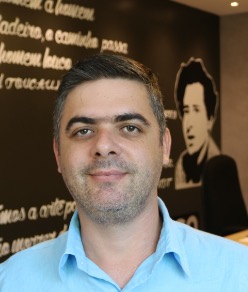 Wuelton Monteiro合作论文数Universidade do Estado do Amazonas22
 Sachett Jacqueline合作论文数Departamento de Ensino e Pesquisa, Fundação de Medicina Tropical Doutor Heitor Vieira Dourado;Escola Superior de Ciências da Saúde, Universidade do Estado do Amazonas;Fundação de Medicina Tropical Doutor Heitor Vieira Dourado, Universidade do Estado do Amazonas15
 Altair Farias合作论文数Sch Hlth Sci, Univ Estado Amazonas13Hui Wen Fan合作论文数13
 Marcus V G Lacerda合作论文数12Massara Cristiano Lara合作论文数12
 Vanderson Sampaio合作论文数Departamento de Ensino e Pesquisa, Fundação de Medicina Tropical Doutor Heitor Vieira Dourado;Escola Superior de Ciências da Saúde, Universidade do Estado do Amazonas;Fundação de Medicina Tropical Doutor Heitor Vieira Dourado, Universidade do Estado do Amazonas12Vinicius Azevedo Machado合作论文数11Alicia Santos合作论文数6
 Joao Ricardo Nickenig Vissoci合作论文数Division of Emergency Medicine, Department of Surgery, School of Medicine, Duke University;Division of Translational Health Science, Department of Emergency Medicine, School of Medicine, Duke University;Duke Global Health Institute, Duke University6Charles J. Gerardo合作论文数Division of Emergency Medicine, Duke University Medical Center6
 Omar S. Carvalho合作论文数6Joseir Saturnino Cristino合作论文数5
 Manuela Berto Pucca合作论文数School of Pharmaceutical Sciences of Ribeirão Preto, University of São Paulo5Brito Marcelo合作论文数5
 Erica Da Carvalho合作论文数4Patrícia Balieiro合作论文数4Gisele Dos Santos Rocha合作论文数4André Sachett合作论文数4Leonardo Marques合作论文数4Anna Tupetz合作论文数4Enk Martin Johannes合作论文数Laboratory of Schistosomiasis, René Rachou Research Center4Celina Maria Modena合作论文数Departamento de Medicina Veterinária4Aline Alencar合作论文数4Djane Baia-Silva合作论文数3Cassio Peterka合作论文数3Penny Grewal Daumerie合作论文数3Sheila Rodovalho合作论文数3
 Jose Diego Brito-Sousa合作论文数Programa Posgrad Med Trop, Univ Estado Amazonas3
 Catherine A Staton合作论文数Emergency Medicine, Duke University School of Medicine3
 Gisely Cardoso de Melo合作论文数Universidade do Estado do Amazonas3
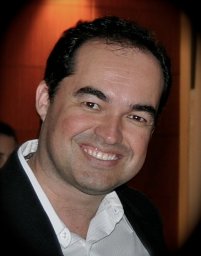 Pereira Dhelio B合作论文数Centro de Pesquisas em Medicina Tropical de Rondônia3
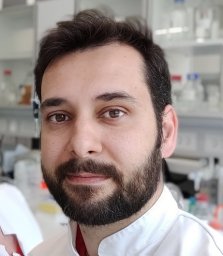 Cerni Felipe Augusto合作论文数3
 Ricardo J.P.S. Guimaraes合作论文数2Elodie Jambert合作论文数2Eleanor Strand合作论文数2Yasmim Vieira Rocha合作论文数2Fabíola Guimarães de Carvalho合作论文数2Alexandre Vilhena Silva-Neto合作论文数2Amanda Domingues de Araujo合作论文数2Djane C Baia-da-Silva合作论文数2Brenda K A Souza合作论文数2Emanuelle Lira Silva合作论文数2Talita S. B. Batista合作论文数2
 Joao Arthur Alcantara合作论文数2Maxwell Mendes合作论文数2Djane Baia-da-Silva合作论文数2Laila R A Barbosa合作论文数2




