e15193 Background: Butyrophilin subfamily 3 member A3 (BTN3A3) is expressed in various tumors, where it modulates glycolysis, proliferation, invasion, and migration to influence progression. However, its molecular mechanisms in nasopharyngeal carcinoma (NPC) remain unclear. This study aims to elucidate BTN3A3's role in NPC progression, identify biomarkers for invasion/metastasis risk stratification, and provide foundations for novel therapeutic targets. Methods: Immunohistochemistry (IHC) profiled BTN3A3 expression in nasopharyngeal tissues and correlated it with clinicopathological parameters and prognosis. BTN3A3 was overexpressed or silenced in NPC cell lines. Proliferation and tumorigenicity were assessed via CCK-8, colony-formation, and subcutaneous xenograft assays. Cell motility was quantified by wound-healing and transwell assays. RNA-sequencing and KEGG pathway enrichment were used to identify BTN3A3-regulated pathways. Western blotting evaluated its impact on glycolytic proteins. Integrated analysis of mass-spectrometry interactome data and the GeneCards glycolysis gene set identified PKM2 as a candidate binding partner. The BTN3A3–PKM2 interaction was predicted by molecular docking and validated by co-immunoprecipitation and immunofluorescence co-localization. Functional rescue experiments were conducted using PKM2 knockdown. Results: BTN3A3 mRNA and protein levels were significantly elevated in NPC versus chronic inflammation tissues (P < 0.001), and further increased in metastatic primary tumors (P = 0.003). Multivariate Cox analysis identified BTN3A3 as an independent predictor of poorer overall and progression-free survival. KEGG enrichment of RNA-seq data identified glycolysis as the top pathway regulated by BTN3A3, and western blotting confirmed BTN3A3 manipulation altered key glycolytic enzymes (GLUT1, HK2, LDHA; P < 0.01). Integrated interactome analysis nominated PKM2 as a candidate partner, and molecular docking predicted a high-affinity BTN3A3–PKM2 interaction, which was validated by co-immunoprecipitation and co-localization. BTN3A3 increased total and phospho-PKM2-Ser37 levels. Functionally, PKM2 knockdown attenuated BTN3A3-driven increases in proliferation, invasion, migration, and glycolytic flux (P < 0.05). Furthermore, BTN3A3 promoted PKM2 nuclear translocation, and enhanced the association between ERK1/2 and PKM2, indicating it facilitates ERK1/2-mediated phosphorylation and nuclear shuttling of PKM2 to drive glycolysis and NPC progression. Conclusions: BTN3A3 is upregulated in NPC and associated with poor prognosis and distant metastasis. Functionally, it promotes glycolytic reprogramming and tumor progression by enhancing ERK1/2-dependent phosphorylation of PKM2 at Ser37 and PKM2 nuclear translocation.
TPS6137 Background: Radiotherapy is the primary treatment for nasopharyngeal carcinoma (NPC). Currently, induction chemotherapy combined with concurrent chemoradiotherapy has become a Category I recommendation for NPC treatment. Studies show that the GP regimen is one of the most effective induction chemotherapy protocols for locally advanced NPC. However, the incidence of grade 3-4 acute toxicities with the GP regimen is as high as 75.7%, severely affecting patient treatment compliance. To reduce toxicity while maintaining efficacy, this study focuses on a "chronomodulated chemotherapy" strategy, which adjusts drug administration timing based on biological rhythms to minimize damage to normal tissues. Methods: Clinical Data: 1. Sample Size Calculation: This study is a randomized controlled trial with a non-inferiority design. Based on a 3-year recurrence-free survival rate of 85.3% in the conventional group, a non-inferiority margin (δ) of 10%, a one-sided α of 0.025, a power (1-β) of 0.8, equal group sizes, and accounting for a 10% dropout rate, the calculated total sample size is 434 subjects. 2. Inclusion Criteria: Treatment-naïve patients with Stage III or IVa non-keratinizing nasopharyngeal carcinoma (UICC/AJCC 8th edition). 3. Exclusion Criteria: History of prior malignancy, prior radiotherapy, or presence of other severe diseases. 4. Withdrawal Criteria: Occurrence of severe adverse events or intolerable toxicities during the study. Treatment Protocol: 1. Induction Chemotherapy Phase: Experimental Group: Gemcitabine 1000 mg/m², IV infusion over 30 min on days 1 & 8, administered between 08:00-09:30; Cisplatin 80 mg/m², continuous IV infusion (civ) on day 1, delivered evenly over 12 h from 10:00 to 22:00. Repeated every 3 weeks (Q3W) for 3 cycles. Control Group: Gemcitabine 1000 mg/m², IV infusion over 30 min on days 1 & 8; Cisplatin 80 mg/m², IV infusion over 2-3 h on day 1. Q3W for 3 cycles. 2. Concurrent Chemoradiotherapy Phase: Concurrent Cisplatin Regimen: Experimental Group: Cisplatin 100 mg/m², civ on day 1, delivered evenly over 12 h from 10:00 to 22:00. Q3W for 3 courses. Control Group: Cisplatin 100 mg/m², IV infusion over 2-3 h on day 1. Q3W for 3 courses. 3. Radiotherapy: Intensity-Modulated Radiation Therapy (IMRT) was used, with a total dose of 69.96-72.6 Gy delivered in 33 fractions. Innovation: Therapeutic efficacy for nasopharyngeal carcinoma has reached a plateau, making “toxicity reduction” a key research focus. The toxicity-reducing approach of chronomodulated chemotherapy holds promising application prospects for locally advanced nasopharyngeal carcinoma. Current Status: To date, 122 patients have been enrolled. Clinical trial information: ChiCTR2400086032.
In this phase 3 trial, penpulimab combined with chemotherapy was assessed against a regimen of placebo plus chemotherapy for the first-line treatment of recurrent or metastatic nasopharyngeal carcinoma (R/M NPC). 291 patients were randomised and allocated in a 1:1 ratio in order to receive penpulimab (n = 144; 200 mg) or placebo (n = 147; 200 mg), plus chemotherapy (cisplatin/carboplatin and gemcitabine) every 3 weeks. Patients followed by maintenance therapy with penpulimab or placebo after 6 cycles. The primary endpoint of this study was progression-free survival (PFS) according to RECIST v1.1, and a significantly longer median PFS in the penpulimab arm versus the placebo arm (9.63 versus 7.00 months; hazard ratio 0.45, 95% CI: 0.33-0.62, P < 0.0001) was demonstrated in this prespecified interim analysis. The key secondary endpoint was the overall survival (OS). However, the OS data were still immature, and the median OS was not achieved (hazard ratio, 0.94; 95% CI: 0.63-1.40). The occurrence of treatment-related adverse events (grade ≥ 3) was 89.0% and 85.9% in two arms, with the most common being reduced the quantity of neutrophil (56.2% vs. 62.0%), reduced the quantity of white blood cell (54.1% vs. 54.9%), and anemia (45.2% vs. 38.7%). In the penpulimab arm, 6 patients (4.1%) experienced immune-related adverse events (grade ≥ 3). Adding penpulimab to chemotherapy led to a notable enhancement in PFS for the first-line R/M NPC treatment, alongside a safety profile that was both manageable and tolerable. ClinicalTrials.gov identifier NCT04974398.
e18055 Background: Nasopharyngeal carcinoma is a malignant tumor of the head and neck that originates from the mucosal epithelium of the nasopharynx. It has distinct geographical and racial distribution characteristics, with a particularly high incidence in Southeast Asia and southern China. The main reasons for treatment failure in nasopharyngeal carcinoma include distant metastasis and local recurrence. Therefore, there is an urgent need in clinical practice to explore new and effective prognostic markers to assess the survival and prognosis of nasopharyngeal carcinoma patients. This study investigates the expression levels of clock genes PER2 and PER3 in nasopharyngeal carcinoma tissues and their relationship with the survival prognosis of nasopharyngeal carcinoma patients, aiming to discover novel molecular markers for the prognosis of nasopharyngeal carcinoma. Methods: survival prognosis of nasopharyngeal carcinoma patients through bioinformatics analysis. Additionally, 64 tissue specimens of chronic nasopharyngeal inflammation and 64 tissue specimens of locally advanced nasopharyngeal carcinoma were included. All patients received standard concurrent radiotherapy or induction chemotherapy followed by concurrent radiotherapy. The mRNA levels and protein expression levels of PER2 and PER3 genes in the two groups of tissues were detected using qRT-PCR (Quantitative Real-time PCR) and immunohistochemical techniques. Statistical analysis was conducted using ROC curves, Kaplan-Meier survival analysis, and Cox proportional hazards model analysis. Results: The bioinformatics analysis revealed that the expressions of PER2 and PER3 genes were higher in chronic inflammatory tissues of the nasopharynx than in nasopharyngeal cancer tissues. Moreover, the 5-year overall survival rate (OS) of patients with high expression of PER2 and PER3 was better than that of the low-expression group (P < 0.05). The results of qRT-PCR and immunohistochemistry showed that the mRNA and protein expressions of PER2 and PER3 genes in nasopharyngeal cancer tissues were lower than those in inflammatory tissues (P < 0.05). The survival analysis indicated that the patients with high expression of PER2 and PER3 genes in nasopharyngeal cancer had better 1-, 3-, and 5-year OS and distant metastasis-free survival rate (DMFS) than those with low expression. The protein level expression of PER2 and PER3 genes was an independent prognostic factor for nasopharyngeal cancer patients (P < 0.05). Conclusions: The PER2 and PER3 genes are expressed at a low level in nasopharyngeal carcinoma tissues, and patients in the low-expression group have a poorer prognosis compared to those in the high-expression group. The PER2 and PER3 genes are expected to become potential molecular markers for evaluating the prognosis of nasopharyngeal carcinoma.
PURPOSE:The efficacy and safety of TPF-induced chemotherapy(IC) combined with concurrent chemoradiotherapy(CCRT) compared to CCRT and sequential PF-adjuvant chemotherapy(AC) lack phase III randomized controlled clinical trials for evaluation, so the comparative efficacy and safety between the two approaches remain unclear. METHODS AND MATERIALS:This randomized clinical phase III trial recruited patients from May 2018 to July 2021,at 4 institutions in China(NCT03574324), 266 patients were enrolled and randomly assigned to either the IC or AC groups. The IC group received TPF followed by CCRT, while the AC group received CCRT followed by PF. We are reporting on the primary outcome of progression-free survival (PFS) and secondary endpoints of overall survival(OS), locoregional relapse-free survival(LRFS), distant metastasis-free survival(DMFS), and toxicity profile. RESULTS:The 3-year PFS was similar between the two groups, with 79 % for the IC group and 74.5 % for the AC group (P = 0.454) at a median follow-up of 39 months. Similar findings were observed, with no significant disparities in OS, LRFS, and DMFS between the two treatment cohorts. Both groups had similar compliance rates for radiotherapy and chemotherapy. However, the IC group experienced fewer grade toxic effects during CCRT, such as nausea/vomiting, swallowing, and dryness (101[77.10 %] vs. 114[89.06 %] patients,40 [30.53 %]vs56 [43.75 %] patients and 58 [44.27 %]vs86 [67.19 %] patients, respectively). However,3-4 grade leukopenia and neutrophilia patients were increased(58 [44.27 %]vs28 [21.88 %] patients and 78 [59.54 %]vs24 [18.75 %]) in the IC group. CONCLUSIONS:In this randomized clinical trial, IC did not improve 3-year PFS for LA-NPC patients and increased hematological toxicity. Still, the advantage of it is that it did reduce the incidence rates of nausea/vomiting, swallowing, and dry mouth during radiotherapy.
IRF2 is an interferon regulatory factor with context-dependent roles in cancer. We examined IRF2 expression and function in nasopharyngeal carcinoma (NPC) using immunohistochemistry, immunofluorescence, western blot, and functional assays in cell lines and a xenograft model. IRF2 was upregulated and predominantly nuclear in NPC, correlating with advanced T stage and higher EBV DNA load. ROC analysis indicated diagnostic value (AUC = 0.837). IRF2 overexpression promoted proliferation, migration, invasion, epithelial-mesenchymal transition (EMT) and suppressed apoptosis, whereas knockdown inhibited these phenotypes and reduced tumor growth in vivo. Mechanistically, IRF2 activated the Wnt/β-catenin pathway by upregulating β-catenin and facilitating its nuclear translocation. These findings establish IRF2 as an oncogenic driver in NPC and suggest the IRF2/Wnt/β-catenin axis as a potential therapeutic target.
6113 Background: Induction chemotherapy followed by radiotherapy with concurrent cisplatin is a standard treatment for locoregionally advanced nasopharyngeal carcinoma (LA-NPC). The TPF induction regimen combined with intensity-modulated radiation therapy (IMRT) improves tumor control but causes substantial toxicity. Circadian rhythms regulate tumor biology and drug metabolism. Docetaxel, cisplatin, and 5-fluorouracil show circadian-dependent pharmacologic properties. Chrono-chemotherapy aligns drug administration with circadian rhythms and may reduce toxicity. This study compared long-term outcomes and late adverse events between chrono-chemotherapy and conventional chemotherapy combined with IMRT in LA-NPC. Methods: This single-center, prospective, randomized clinical trial was registered at ClinicalTrials.gov (NCT03196869). Between April 2017 and May 2018, 128 patients with newly diagnosed stage III–IVa nasopharyngeal carcinoma were randomly assigned to chrono-chemotherapy or conventional chemotherapy. All patients received three cycles of TPF induction chemotherapy, followed by IMRT with two cycles of concurrent cisplatin chemotherapy. Survival outcomes were analyzed using the Kaplan–Meier method and compared by log-rank test. Late toxicities were graded using CTCAE v5.0. Quality of life was assessed with the EORTC QLQ-C30 questionnaire. Results: A total of 124 patients were included in the survival analysis. No significant differences were observed between groups in 5-year overall survival (P=0.709), progression-free survival (P=0.492), distant metastasis-free survival (P=0.467), or locoregional recurrence-free survival (P=0.697). The chrono-chemotherapy group showed lower rates of xerostomia (P=0.034) and dysphagia (P=0.019). No grade ≥4 late toxicities were observed. Global health status scores were higher in the chrono-chemotherapy group (P=0.043). Conclusions: Chrono-chemotherapy combined with IMRT achieved long-term survival outcomes comparable to conventional chemotherapy in LA-NPC. This approach reduced selected late toxicities and improved overall health status. Chrono-chemotherapy may represent a toxicity-sparing treatment option. Clinical trial information: NCT03196869 . Late toxicities and quality of life. Outcome Conventional Chemotherapy Chrono-chemotherapy P value Xerostomia, n (%) 24/36 (66.7) 16/38 (42.1) 0.034 Dysphagia, n (%) 24/36 (66.7) 15/38 (39.5) 0.019 Global health status score* 58.33 (50.00–72.92) 75.00 (50.00–83.33) 0.043 *Scores derived from the EORTC QLQ-C30 questionnaire; values are presented as median (interquartile range).
PURPOSEPersonalized immunotherapy strategies are urgently needed for patients with locoregionally advanced nasopharyngeal carcinoma (NPC). We aim to identify biomarkers predictive of immunotherapy benefits, using data from the phase III CONTINUUM (ClinicalTrials.gov identifier: NCT03700476) and DIPPER (ClinicalTrials.gov identifier: NCT03427827) randomized clinical trials.PATIENTS AND METHODSTumor samples from 407 patients in the CONTINUUM (discovery cohort) and DIPPER (validation cohort) trials were subjected to RNA sequencing. In the discovery cohort, metabolic gene-based consensus clustering was performed to determine subtypes. A machine learning-based classifier was subsequently developed in the discovery cohort and then applied to the validation cohort to assign metabolic subtypes. Gene set enrichment analyses were used to characterize the biological features of each metabolic subtype. The clinical end point was event-free survival (EFS).RESULTSIn the discovery cohort, three metabolic subtypes were identified with distinct tumor-intrinsic and immune features as well as differential EFS benefits from adding anti-PD-1 to chemoradiotherapy (CRT). Specifically, the MS1 subtype exhibited a significant improvement in 3-year EFS in the anti-PD-1 plus CRT arm compared with the CRT-alone arm (3-year EFS, 90.2% v 69.6%; hazard ratio, 0.27 [95% CI, 0.11 to 0.67]), whereas MS2 (3-year EFS, 94.1% v 93.8%) and MS3 subtypes (3-year EFS, 75.0% v 75.0%) derived no significant survival benefit. The subtype features were preserved in the validation cohort, with consistent prognostic and predictive value. A pooled analysis of both cohorts demonstrated the significant interaction between metabolic subtypes and the treatment effect (Pinteraction = 0.0074).CONCLUSIONIn this biomarker study, we defined metabolic subtypes of NPC that predicted the EFS benefit from immunotherapy. This novel molecular classification provides a promising predictive biomarker for personalized treatment decision for patients with locoregionally advanced NPC.
e18034 Background: To research whether TPF (Docetaxel plus Fluorouracil plus Cisplatin) chrono-chemotherapy combined with cisplatin concurrent chemoradiotherapy can reduce long-term toxicity without affecting the survival of patients with de novo metastatic nasopharyngeal carcinoma (mNPC) compared with conventional chemotherapy combined with cisplatin concurrent chemoradiotherapy. Methods: A retrospective analysis of the clinical data of 121 de novo mNPC patients who treated with TPF chemotherapy at our hospital from January 1, 2012, to December 31, 2018. Among them, 79 patients were treated with chrono-chemotherapy and 42 patients were treated with conventional chemotherapy. The specific chemotherapy regimen for chrono-chemotherapy group:TPF induction chemotherapy for 2-4 cycles, docetaxel: 75mg/m2, ivgtt, d1; Cisplatin: 75mg/m2, civ, d1-5, 60h (10Am—10Pm); 5-Fluorouracil: 750mg/m2/d, civ, administered by intravenous infusion of electronic chemotherapy automatic injection pump d1-5, 60 hours (10 Pm-10 Am), 21 days/cycle. The evaluation of therapeutic efficacy after induction should involve intensity-modulated radiotherapy for at least patients with stable disease, during which concurrent cisplatin chemotherapy is administered. Two cycles of adjuvant chemotherapy were administered 1 month after radiotherapy with the same regimen as induction chemotherapy. The total chemotherapy cycle was 4-6 cycles. The Kaplan-Meier method and log-rank test were used to estimate overall survival (OS) and progression-free survival (PFS), while the COX proportional hazards model was employed for multivariate analysis. Long-term toxic side effects between the two groups were assessed using the chi-square test or Mann-Whitney U test. Propensity score matching was utilized to address confounding factors. Results: At a median follow-up of 104 months, 69.6% of patients died in the chrono-chemotherapy group and 73.8% in the conventional chemotherapy group, and the median OS and PFS in the chrono-chemotherapy group and conventional chemotherapy group were 40 vs 32 months (P=0.636) and 30 vs 19 months, respectively (P=0. 975), there were no statistically significant differences in OS rates and PFS rates at 3, 5, and 7 years between the two groups before and after matching. The incidence of xerostomia, dysphagia, and trismus in the chrono-chemotherapy group matched for timing was significantly lower than that in the conventional chemotherapy group, with a statistically significant difference. (P<0.05). Conclusions: The TPF chrono-chemotherapy combined with cisplatin concurrent chemoradiotherapy reduces the incidence of toxic side effects while ensuring survival, which can benefit patients.
6100 Background: To investigate whether TPF induction chemotherapy combined with concurrent chemoradiotherapy (CCRT) can provide greater survival benefits compared to CCRT followed by PF adjuvant chemotherapy. Methods: Patients with newly diagnosed locally advanced (Stage III–IVA) nasopharyngeal carcinoma (NPC) treated at the Affiliated Tumor Hospital of Guizhou Medical University, the Second Affiliated Hospital of Guizhou Medical University, the Second Affiliated Hospital of Zunyi Medical University, and Guiyang Hospital of Guizhou Aviation from May 2018 to July 2021 were enrolled. Each group included 133 patients. The experimental group received 3 cycles of TPF induction chemotherapy (docetaxel 75mg/m²,intravenous infusion, Day 1; cisplatin 75mg/m²,continuous intravenous infusion over 5 days,10:00–22:00 daily; fluorouracil 750mg/m²/day, continuous intravenous infusion over 5 days, 22:00–10:00 daily) followed by 2–3 cycles of concurrent chemotherapy (cisplatin 100mg/m², continuous intravenous infusion over 2 days, 10:00–22:00 daily). The control group received PF adjuvant chemotherapy (cisplatin 80mg/m², continuous intravenous infusion over 5 days,10:00–22:00 daily; fluorouracil 800mg/m²/day, continuous intravenous infusion over 5 days, 22:00–10:00 daily) combined with 2–3 cycles of concurrent chemotherapy (same as induction chemotherapy).Both groups underwent intensity-modulated radiotherapy (IMRT),with total doses of 69.96 Gy for T1–T2 primary lesions, 72.6 Gy for T3–T4 lesions, and 69.96 Gy for positive lymph nodes. Data were analyzed using SPSS 26.0.Differences in 5-year PFS, OS, LRFS, DMFS, and adverse events were compared between the two groups. Results: No significant differences were observed between the two groups in age, sex, Karnofsky Performance Status (KPS) score, T stage, N stage, or overall stage ( P > 0.05).At a median follow-up of 58 months, the 5-year PFS in both the intention-to-treat and per-protocol populations was similar between the induction chemotherapy (IC) and adjuvant chemotherapy (AC) groups (66.6% vs 66.0%, P = 0.589; 75.3% vs 69.9%, P =0.471). The 5-year OS, LRFS, and DMFS rates were 73.0% vs 71.3% ( P =0.582), 87.4% vs 90.8% ( P =0.508), and 76.9% vs 72.6% ( P =0.267), respectively, with no significant differences. Conclusions: Both groups had similar 5-year PFS, OS, LRFS, DMFS, and long-term toxicity profiles. Clinical trial information: NCT03574324 . 5-year observation indicators for two groups. Observation indicators IC+CCRT CCRT+AC P value Risk ratio(95% CI) PFS ITT Population 66.6% 66.0% 0.589 0.89(0.58-1.36) PP Population 75.3% 69.9% 0.471 0.85(0.55-1.33) OS 73.0% 71.3% 0.582 0.88(0.55-1.39) LRFS 87.4% 90.8% 0.508 1.30(0.60-2.80) DMFS 76.9% 72.6% 0.267 0.75(0.45-1.25) OS, LRFS, and DMFS were all calculated in the ITT population.
6061 Background: To compare the effects of combining intensity-modulated radiotherapy administered at different times on the toxic side effects, quality of life (QoL) and long-term survival of patients with locally advanced nasopharyngeal carcinoma (LA-NPC). Methods: A total of 160 patients with LA- NPC were randomized into the experimental group and the control group of 80 patients each, both groups received 2 cycles of TPF (docetaxel, cisplatin, and 5- fluorouracil) induced chemotherapy sequential synchronous radiochemotherapy, the experimental group received chrono- chemotherapy, while the control group received conventional chemotherapy. Primary study endpoints included Grade ≥ 3 acute adverse reactions, Secondary study endpoints included quality of life and 8- year overall survival (OS), progression- free survival (PFS), distant metastasis- free survival (DMFS), and local recurrence- free survival (LRFS). Results: As of October 10, 2024, the incidence rates of grade ≥ 3 acute vomiting, oral mucositis, leukopenia, and neutropenia in the experimental group were 3.75%, 6.25%, 27.5%, and 35.0%, while those in the control group were 15.0%, 16.25%, 47.5%, and 52.5%, and the differences were statistically significant (P < 0.05). In the experimental group, the incidence rates of Grade 1- 2 xenosomia and hearing impairment were 63.2% and 23.5%, respectively, compared to 80% and 48.6% in the control group, with a statistically significant difference (P < 0.05), and no Grade 3- 4 late toxicities were reported in either group. The experimental group demonstrated significantly higher overall QoL scores compared to the conventional group, with statistically significant differences in vomiting, general health status, and quality of life scores between the two groups (P < 0.05). However, no statistically significant differences were observed in 8-year OS, PFS, DMFS, or LRFS between the groups (P > 0.05). Conclusions: The integration of chronotherapy with IMRT significantly reduced adverse reactions and improved quality of life with LA-NPC, without compromising long-term survival outcomes. Clinical trial information: NCT02937519 .
Here we report long-term outcomes of adjuvant metronomic capecitabine in patients with locoregionally advanced nasopharyngeal carcinoma. In this multicenter, open-label, parallel-group, randomized, controlled, phase 3 trial, 406 patients who had completed definitive chemoradiotherapy were randomly assigned (1:1) to receive either adjuvant metronomic capecitabine (650 mg m-2 twice daily for 1 year) or observation. The primary endpoint was failure-free survival; secondary endpoints included overall survival (OS), distant failure-free survival, locoregional failure-free survival, and safety, as reported in this analysis. The trial met its primary endpoint. With a median follow-up of 71.3 months, metronomic capecitabine significantly improved OS (hazard ratio = 0.53, 95% confidence interval, 0.31-0.91, P = 0.019). Grade 3 adverse events occurred in 35 (17%) of 201 patients in the metronomic capecitabine group and 11 (6%) of 200 in the observation group; one (<1%) grade 4 neutropenia was reported. In a post hoc analysis, completion of the 1 year course was associated with improved OS, whereas dose reductions and relative dose intensity showed no association with OS. Patients with a higher post-radiotherapy neutrophil-to-lymphocyte ratio derived greater benefit from metronomic capecitabine. These findings support the long-term therapeutic benefit of adjuvant metronomic capecitabine in locoregionally advanced nasopharyngeal carcinoma. ClinicalTrials.gov identifier: NCT02958111 .
e18036 Background: To investigate the dynamic changes of peripheral blood immune-related indicators and their association with therapeutic efficacy in patients with recurrent/metastatic nasopharyngeal carcinoma (NPC) treated with PD-1 inhibitors combined with the GP regimen. Methods: A retrospective analysis was conducted on 46 patients with recurrent/metastatic NPC. All patients received at least one PD-1 antibody inhibitor (camrelizumab/toripalimab/sintilimab/tislelizumab) combined with GP (gemcitabine + cisplatin) chemotherapy. Peripheral blood samples were collected at baseline and after three treatment cycles to measure immune-related indicators, including PD-1, CTLA-4, and Treg cells. The expression differences of these indicators at baseline between the objective response group (PR+CR) and the poor-response group (SD+PD), as well as their dynamic percentage changes during treatment, were compared. Univariate and multivariate logistic regression analyses were further performed to determine whether PD-1, CTLA-4, Treg, CD4+/CD8+ ratio, CD3+, CD4+, CD16+, PDC, and MDC were independent factors influencing treatment efficacy. Results: Baseline peripheral blood PD-1 expression was significantly lower in the objective response group (PR+CR) compared to the poor-response group (SD+PD) (p<0.05). Trends of decrease were observed in Treg, CD16+, CD4+, and CD4+/CD8+ ratio in the objective response group (p>0.05), while trends of increase were noted for CTLA-4, CD3+, MDC, and PDC (p>0.05). After treatment, levels of PD-1 and CD16+ decreased significantly compared to baseline (p<0.05). Although CTLA-4, Treg, CD3+, CD4+, CD4+/CD8+ ratio, MDC, and PDC showed decreasing trends post-treatment, the differences were not statistically significant (p>0.05). Multivariate logistic regression analysis indicated that PD-1 was an independent factor influencing treatment efficacy in patients with recurrent/metastatic NPC (p<0.05). Conclusions: PD-1 inhibitor combined with GP regimen chemotherapy demonstrates favorable efficacy in recurrent/metastatic NPC. Low baseline PD-1 expression may be associated with better therapeutic outcomes. The significant post-treatment decrease in PD-1 and CD16+ expression may suggest immune cell activation and migration to tumor sites following treatment.
e13612 Background: Purpose To develop a bundled nursing care program for peripherally inserted central catheter (PICC) management in patients with nasopharyngeal carcinoma (NPC) and to preliminarily evaluate its clinical effectiveness. Methods: A total of 70 patients with locally advanced NPC who underwent first-time PICC placement between October 2024 and September 2025 at a tertiary hospital were enrolled. Patients were randomly assigned to the intervention group or the control group (n = 35 per group). The control group received routine nursing care during concurrent chemoradiotherapy, whereas the intervention group received a structured bundled nursing care program in addition to routine care. Catheter-related complications, unplanned catheter removal, reinsertion rate, catheter dwell time, and incidence of insertion-site pain during catheterization were compared between the two groups. Results: The overall incidence of catheter-related complications was significantly lower in the intervention group than in the control group (17.14% vs 57.14%). The rates of unplanned catheter removal (11.43% vs 34.29%) and catheter reinsertion (5.71% vs 25.71%) were also significantly reduced in the intervention group (all P < 0.05). Median catheter dwell time was longer in the intervention group compared with the control group (115 [IQR, 106–129] days vs 108 [IQR, 94–118] days; P < 0.05). In addition, the incidence of catheter insertion-site pain during and after concurrent therapy was significantly lower in the intervention group (P < 0.05). Conclusions: Implementation of a bundled nursing care program for PICC management in patients with NPC significantly reduces catheter-related complications and unplanned catheter removal, prolongs catheter dwell time, decreases reinsertion frequency, and alleviates insertion-site pain. This approach may improve quality of life and nursing care experience for patients undergoing chemoradiotherapy.
e18123 Background: To develop a bundled care protocol for radiation dermatitis in patients with nasopharyngeal carcinoma (NPC) receiving concurrent chemoradiotherapy (CCRT), and to preliminarily evaluate its clinical efficacy and impact on quality of life (QoL). Methods: Seventy patients with locally advanced NPC undergoing CCRT were enrolled from the Department of Head and Neck Oncology, Affiliated Cancer Hospital of Guizhou Medical University between October 2020 and July 2022. Patients were randomly assigned to an intervention group or a control group. The intervention group received a bundled care protocol in addition to routine nursing care, while the control group received routine care alone throughout CCRT. QoL was assessed using the EORTC QLQ-C30 at three time points: before CCRT, after 15–20 radiotherapy sessions, and at the end of CCRT. The incidence and severity of acute radiation dermatitis and QoL scores were compared between groups. Chi-square test and rank-sum test were used for statistical analysis. Results: The incidence of Grade II acute radiation dermatitis was significantly lower in the intervention group than in the control group (28.57% vs. 51.43%, P < 0.05). No significant differences were observed in Grade I or Grade III dermatitis, and no Grade IV dermatitis occurred in either group. After 15–20 radiotherapy sessions, the intervention group showed significantly higher emotional functioning scores than the control group (P < 0.05). At the completion of CCRT, global QoL, physical functioning, and emotional functioning scores were significantly higher in the intervention group (all P < 0.05). Although fatigue increased in both groups during treatment, fatigue scores were significantly lower in the intervention group at the end of CCRT (P < 0.05). Insomnia scores were also significantly improved in the intervention group compared with the control group (P < 0.05). Conclusions: The bundled care protocol effectively reduced the incidence of acute radiation dermatitis in NPC patients undergoing CCRT and was associated with improved fatigue, sleep quality, physical and emotional functioning, leading to a significant improvement in overall quality of life during treatment.
Intracranial neuroendocrine carcinoma (NEC) is a highly uncommon malignancy, accounting for approximately 0.74% of cases. It is characterized by rapid infiltration and poor survival rates. This case report details a 51-year-old woman who presented with headaches. Magnetic resonance imaging (MRI) identified an enhancing lesion in the right temporal lobe, and the diagnosis was confirmed by immunohistochemical (IHC) analysis. The patient underwent surgical resection, followed by chemoradiotherapy for recurrence, and subsequent Gamma Knife radiosurgery combined with bevacizumab. Notably, she has achieved a postoperative survival exceeding four years to date. This report comprehensively describes the clinical presentation, diagnostic workup, multidisciplinary treatment course, and favorable outcome, highlighting the potential for prolonged survival with aggressive, multimodal management.
e18052 Background: The recurrence and progression of nasopharyngeal carcinoma (NPC) are major factors contributing to unsatisfactory treatment outcomes. The role of Interferon Regulatory Factor 2 (IRF2) in NPC progression remains unclear. This study aimed to elucidate the biological functions, underlying mechanisms, and clinical significance of IRF2 in NPC. Methods: Subcellular localization and pan-cancer expression profiling of IRF2 were analyzed using the Human Protein Atlas database. Localization and expression levels of IRF2 were assessed in NPC cell lines (CNE1, HONE1, 58F, 6-10B), 64 NPC tissues, 36 chronic nasopharyngitis tissues, and the immortalized nasopharyngeal epithelial cell line NP69 via immunohistochemistry (IHC), immunofluorescence (IF) and Western blot (WB). Its diagnostic value was evaluated using receiver operating characteristic (ROC) curve analysis. Stable IRF2-overexpressing and knockdown NPC cell lines were established. Functional studies were conducted using CCK-8, colony formation, wound healing, Transwell, and flow cytometry assays, as well as a xenograft tumor model in nude mice. The effects of IRF2 on epithelial-mesenchymal transition (EMT) markers and key proteins of the Wnt/β-catenin pathway (GSK-3β, β-catenin) were examined by WB. Nuclear and cytoplasmic fractionation combined with IF was used to observe β-catenin nuclear translocation. Results: IRF2 was significantly upregulated in NPC, primarily localized in the nucleus, and demonstrated diagnostic value (AUC = 0.837, 95% CI: 0.760–0.915). Its expression level positively correlated with T stage and plasma Epstein-Barr virus (EBV) DNA load. IRF2 overexpression promoted NPC cell proliferation, migration, and invasion, while suppressing apoptosis; conversely, IRF2 knockdown produced opposite effects. In vivo experiments confirmed that IRF2 promoted tumor growth. Mechanistically, IRF2 induced EMT (downregulating E-cadherin, upregulating N-cadherin, Snail1, Snail2, ZEB1) and activated the Wnt/β-catenin signaling pathway by upregulating GSK-3β and β-catenin and promoting β-catenin nuclear translocation. Conclusions: IRF2 is primarily located in the nucleus of NPC cells and functions as an oncoprotein, whose expression is associated with local tumor invasion and plasma EBV DNA load. IRF2 drives NPC progression by promoting cell proliferation, migration, invasion, EMT, and inhibiting apoptosis, potentially through activation of the Wnt/β-catenin signaling pathway, suggesting its potential as a therapeutic target.
BACKGROUND:In the PLATINUM (ClinicalTrials.gov: NCT03984357) trial, nivolumab plus chemoradiotherapy sparing concurrent cisplatin demonstrated efficacy and safety in nasopharyngeal carcinoma (NPC). Herein, patient-reported outcomes (PROs) on quality of life (QoL), tolerability, and social reintegration are reported. METHODS:Patients with T4N1M0/T1-4N2-3M0 NPC were assessed for general and head-and-neck-specific QoL (using the European Organization for Research and Treatment of Cancer and the Functional Assessment of Cancer Therapy) and tolerability (using the PRO-specific Common Terminology Criteria for Adverse Events). Analyses included change over time, effect of the treatment phase on QoL, time-to-event analysis, and a comparison of PROs and clinician-reported outcomes (CROs) in toxicity. FINDINGS:Among 152 patients, 44.1% achieved social reintegration, and 51.3% were satisfied with their current life. Radiotherapy dominated QoL deterioration rather than induction chemotherapy (pooled mean difference, -18.51; 95% confidence interval [CI], -29.50 to -7.52; p = 0.001), and its removal dominated QoL improvement rather than that of nivolumab (pooled mean difference, -7.62; 95% CI, -10.05 to -5.19; p < 0.001). Patients without social reintegration had greater deterioration in speech (hazard ratio [HR], 0.60; 95% CI, 0.38 to 0.94; p = 0.027) and swallowing functions (HR, 0.59; 95% CI, 0.39 to 0.89; p = 0.011). Under-reporting of decreased appetite severity by CROs vs. by PROs in all three treatment phases was associated with poorer social reintegration (p = 0.002) and reduced failure-free survival (3 years, 86.1% vs. 95.0%; p = 0.021). CONCLUSIONS:Social reintegration is a practical composite indicator of favorable PROs in NPC. Interventions targeting speech, swallowing, and decreased appetite might promote better recovery. FUNDING:This study was funded by the Academician Workstation of Jun Ma (YSGZZ2024001), the Specific Research Fund of the Innovation Platform for Academicians of Hainan Province (YSPTZX202501), the National Natural Science Foundation of China (82573549, 82172870), the Guangdong Special Support Program for Young Top Talents (TZ09B0046), and the Guangzhou Science and Technology Program (2023A04J1786).
Severe toxicities caused by concurrent cisplatin are a critical problem in nasopharyngeal carcinoma (NPC) treatment. In this phase 2 multicenter PLATINUM trial (NCT03984357), we recruited 152 NPC patients who received 12-cycle nivolumab plus induction chemotherapy and radiotherapy without concurrent cisplatin. After a median follow-up of 43 months, the 3-year failure-free survival (FFS) was 88.5% (95% confidence interval [CI], 83.4%-93.8%) and the 3-year overall survival was 97.9%. An early clearance of Epstein-Barr virus (EBV) DNA after induction-phase treatment was associated with FFS benefit. Sixty (40.2%) and eight (5.2%) patients had acute and late grade 3-4 adverse events (AEs), respectively. Most patients had good tolerance to AE-associated frequency (68.0%-96.7%), severity (56.0%-98.6%), and interference (58.0%-98.0%); 86.7%-100.0% of quality-of-life domains showed either no clinically meaningful deterioration or a rapid recovery. Nivolumab plus induction chemotherapy and radiotherapy demonstrated efficacious anti-tumor activity, low toxicity, and favorable tolerability and quality-of-life for NPC patients.
CD47 overexpression has been associated with tumor cell survival. We present the safety, pharmacokinetics, pharmacodynamics, and preliminary anti-tumor activity of evorpacept, a novel fusion protein comprising a high-affinity CD47–SIRPα immune checkpoint inhibitor to promote tumor cell phagocytosis and inactive Fc domain to spare healthy cells, plus rituximab in patients with relapsed/refractory B-cell non-Hodgkin lymphoma (NHL) from the phase I ASPEN-01 study. Thirty-three patients received intravenous evorpacept (10 mg/kg [N=22] or 15 mg/kg [N=11] once weekly) until disease progression, in combination with fixed-duration intravenous rituximab (375 mg/m2 once weekly for 4 weeks, then every 4 weeks for 8 months). Evorpacept plus rituximab was well tolerated, with no dose-limiting toxicities; no maximum tolerated dose was identified. The most common treatment-related adverse events (TRAE) were rash (24.2%) and fatigue (15.2%); most TRAE (70.0%) were mild-to-moderate in severity. Four (12.1%) patients reported grade 3 TRAE: anemia, neutropenia, decreased neutrophil count, increased alanine aminotransferase, decreased lymphocyte count, and decreased platelet count (1 of each). Two (6.1%) patients experienced grade 4 TRAE (neutropenia, decreased neutrophil count). Six (18.2%) patients experienced serious AE (not treatment-related): asthma, dyspnea, respiratory failure, gastrointestinal infection, pneumonia, cardiac failure, and disease progression (1 of each). Two (6.1%) deaths occurred (not treatment-related). Pharmacokinetics/ pharmacodynamics were consistent with previous studies, with complete CD47 target occupancy (≥85%) achieved at both doses. In response-evaluable patients (N=32), objective response rate was 50.0% (95% confidence interval: 33.1-69.8%). The safety, tolerability, and promising anti-tumor activity of evorpacept plus rituximab support continued evaluation of this combination in NHL (clinicaltrials gov. Identifier: NCT03013218).
 WeiLi Wu (吴伟莉)合作论文数91Jinhua Long (龙金华)合作论文数70YuanYuan Li (李媛媛)合作论文数55XiuYun Gong (龚修云)合作论文数48Xiaoxiao Chen合作论文数33Xiuling Luo合作论文数30Qianyong He合作论文数28
 Kunyu Yang (杨坤禹)合作论文数Union Hospital, Tongji Medical College, Huazhong University of Science and Technology27HaiXia Chen (陈海霞)合作论文数23
 Xiaozhong Chen (陈晓钟)合作论文数Zhejiang Cancer Hospital21
 Jingao Li (李金高)合作论文数Jiangxi Cancer Hospital20
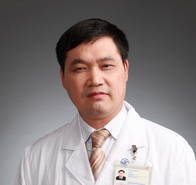 Chaosu Hu (胡超苏)合作论文数Fudan University Shanghai Cancer Center19
 Jun Ma (马骏)合作论文数Guangzhou Key Laboratory of Nasopharyngeal Carcinoma Multidisciplinary Clinical Diagnosis and Therapy, Sun Yat-sen University Cancer Center19Chaofen Zhao合作论文数18Lina Liu合作论文数18
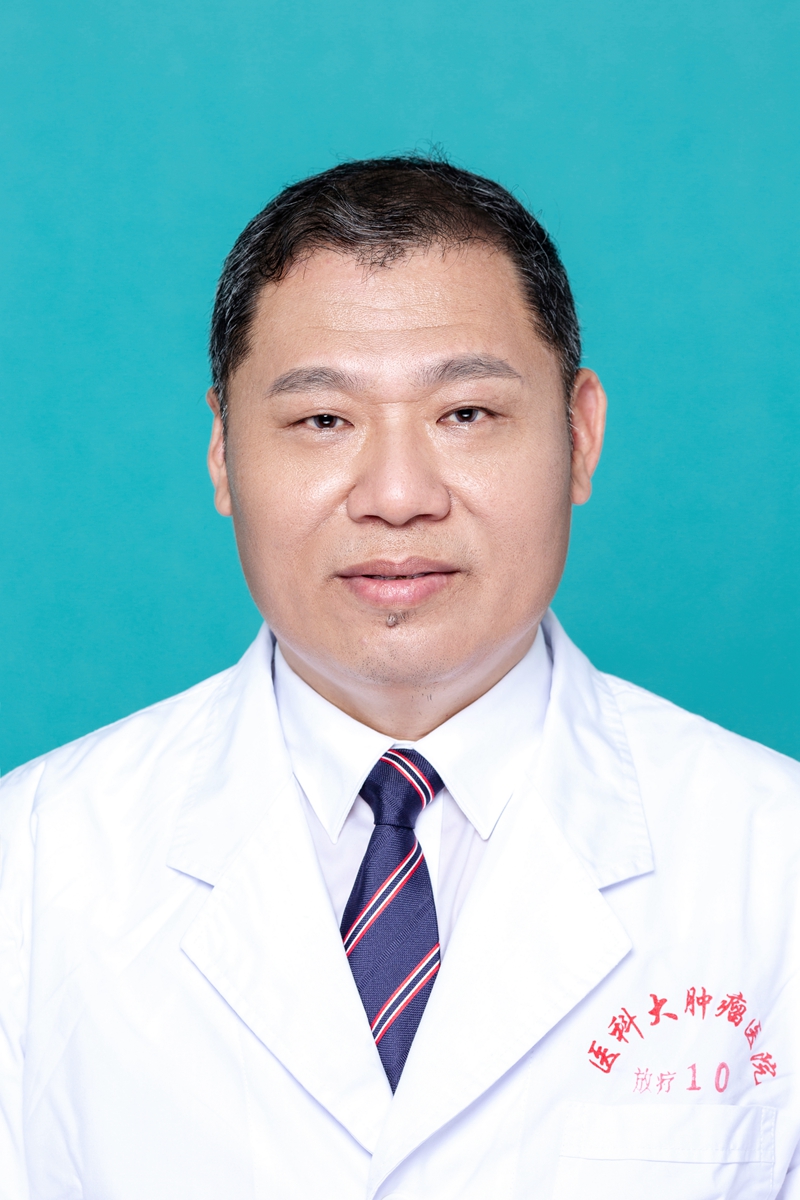 Xiaodong Zhu (朱小东)合作论文数Guangxi Medical University Cancer Hospital17Ning Zhang合作论文数16
 Liangfang Shen (申良方)合作论文数Xiangya Hospital, Central South University15Zhuoling Li合作论文数14Hongmin Dong合作论文数14
 Ji-Bin Li (李济宾)合作论文数School of Public Health, Sun Yat-sen University14Ting Bi (毕婷)合作论文数14
 Xu Liu (刘旭)合作论文数Medical College of Guangxi University14Yuanyuan Li合作论文数13
 Haiqiang Mai (麦海强)合作论文数Sun Yat-sen University Cancer Center13
 Wen-Fei Li (李文斐)合作论文数13
 Linglong Tang (唐玲珑)合作论文数Sun Yat-Sen University Cancer Center13
 Jianji Pan (潘建基)合作论文数Shanghai Cancer Center, Fudan University;Fujian Medical University12Fangyun Xie合作论文数12
 Chunhong Hu (胡春宏)合作论文数The Second Xiangya Hospital of Central South University12Qu Shenhong (瞿申红)合作论文数12
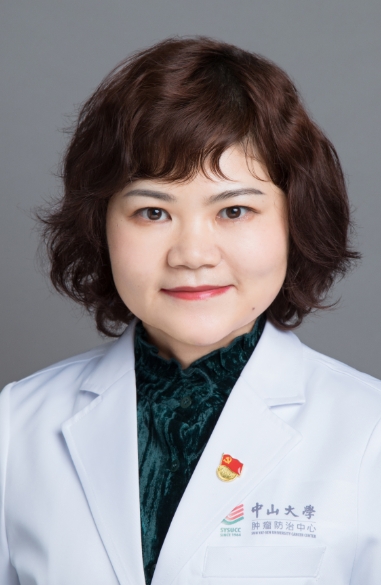 Guanqun Zhou (周冠群)合作论文数Cancer Center, Sun Yat-sen University12JiYu Wen (温继育)合作论文数11JiaYing Gan (甘家应)合作论文数11
 Guorong Zou (邹国荣)合作论文数The Affiliated Panyu Central Hospital of Guangzhou Medical University11
 Yupei Chen (陈雨沛)合作论文数State Key Laboratory of Oncology in South China, Sun Yat-sen University Cancer Center11
 Hongyun Zhao (赵洪云)合作论文数Sun Yat‐Sen University Cancer Center11
 Yan-Ping Mao合作论文数10Mang Zhang (张芒)合作论文数10
 Dongping Chen (陈冬平)合作论文数Affiliated Cancer Hospital and Institute of Guangzhou Medical University10
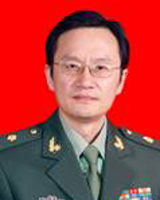 Yi Jiang (江艺)合作论文数南京军区福州总医院10Randolph Sophia合作论文数10
 Jing Huang (黄晶)合作论文数Union Hospital, Tongji Medical College, Huazhong University of Science and Technology10Xu Cheng (程旭)合作论文数10Na Liu合作论文数Department of Radiation Oncology, Cancer Center, Sun Yat-Sen University10
 Rensheng Wang (王仁生)合作论文数Guangxi Medical University10
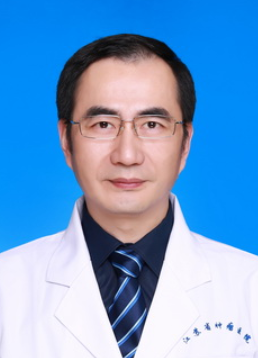 Xia He (何侠)合作论文数Jiangsu Cancer Hospital, Jiangsu Institute of Cancer Research, The Affiliated Cancer Hospital of Nanjing Medical University10Jaume Pons合作论文数10
 Qiuyan Chen (陈秋燕)合作论文数Sun Yat-sen University Cancer Center10




