ABSTRACT Ceftazidime-avibactam, meropenem-vaborbactam, and imipenem-relebactam are key therapeutic options for infections caused by KPC-producing Klebsiella pneumoniae (KPC-Kp). Resistance may emerge during therapy, but knowledge on mutant prevention and collateral effects remains limited. Killing kinetics assays of ceftazidime-avibactam, meropenem-vaborbactam, imipenem-relebactam, and the combination of ceftazidime-avibactam with meropenem (CZA + MER) were performed against clinical KPC-3-ST307-Kp isolates and ceftazidime-avibactam-resistant KPC-ST307-Kp mutants (KPC-31/KPC-46/KPC-53/KPC-61/KPC-62/KPC-66/KPC-92/KPC-150-Kp) with different genetic backgrounds. Single-step mutant frequencies and resistance trajectories were established. WGS was used to identify resistance mechanisms, and collateral resistance to other last-line agents was assessed. In time-kill assays, meropenem and ceftazidime-avibactam showed bactericidal activity at high concentrations (2× MIC and 4× MIC). Meropenem-vaborbactam was bactericidal only at high exposures (2× MIC and 4× MIC) and with reduced activity in porin-deficient strains, whereas imipenem-relebactam was bactericidal in half of the strains at 4× MIC. CZA + MER showed synergistic bactericidal activity across all KPC-Kp isolates, even at subinhibitory concentrations. CZA + MER completely suppressed the emergence of resistant mutants (mutation rate <10⁻¹⁰), while stepwise selection with ceftazidime-avibactam, meropenem-vaborbactam, and imipenem-relebactam rapidly led to resistance. Meropenem-vaborbactam and imipenem-relebactam selected mutants at lower concentrations and higher frequencies than ceftazidime-avibactam. Ceftazidime-avibactam resistance was mainly driven by bla KPC diversification, whereas meropenem-vaborbactam and imipenem-relebactam selected truncating mutations in OmpK36. Imipenem-relebactam exerted stronger collateral effects than meropenem-vaborbactam, extending cross-resistance to aztreonam-avibactam and cefepime-taniborbactam, while cefiderocol activity remained largely preserved. Plasmid copy number contributed minimally to resistance phenotypes. Ceftazidime-avibactam, meropenem-vaborbactam, and imipenem-relebactam impose distinct evolutionary pressures on KPC-ST307-Kp, resulting in divergent resistance pathways and collateral resistance profiles. CZA + MER may offer a more sustainable strategy by preventing resistance emergence and limiting cross-resistance to last-line agents.
The Serratia marcescens complex comprises several closely related species with potentially distinct epidemiological characteristics. Recent descriptions of new species further complicate accurate identification using routine clinical microbiology methods. We aimed to compare the current species-level identification by MALDI-TOF MS with Whole Genome Sequencing (WGS)-based approaches and to assess concordance among different diagnostic genomic tools. Overall, 107 Serratia bloodstream isolates were analysed. Initial identification was performed by MALDI-TOF MS. WGS data were analysed using: Kraken, PATO (MASH distance-based), ribosomal MLST (rMLST), and GTDB-Tk (ani-rep and classify_wf functions). MALDI-TOF MS identified S. marcescens as the predominant species (71
Abstract Antimicrobial resistance (AMR) is increasingly recognized as an ecological and evolutionary phenomenon that extends beyond clinical environments. Despite the predominant focus on antibiotics, bacterial metal resistance genes are among the oldest and most widespread adaptive antimicrobial systems, yet their distribution within human-associated microbial communities remains poorly characterized. Here, we investigated the ecology of mercury (Hg) resistance in children from a birth cohort with relatively high Hg exposure. Fecal samples from 234 children aged 4–8 years were analyzed using culture-based screening, whole-genome sequencing, and comparative analyses of metal- and antibiotic-resistance determinants and associated mobile genetic elements (MGEs). Hg-resistance was detected in 79.7% of samples, with Hg R Enterobacterales isolated from 57% of children. Hair mercury concentrations were not associated with carriage. Sequencing revealed a phylogenetically diverse collection dominated by Escherichia spp. (61%). Hg resistance was mediated by 79 mer operons primarily associated with Tn 21 , Tn 1696 , and Tn 505 3 families circulating on chromosomes and a highly diverse plasmidome. Both rare and globally distributed plasmids related to foodborne, animal, and clinical Enterobacterales were identified. Metal resistance determinants exhibited strong taxonomic structuring, with Escherichia enriched in iron-uptake systems and siderophores whereas non- Escherichia taxa carried multimetal resistance operons. These findings indicate that Hg-resistance is shaped by ecological interactions and MGEs, becoming partially decoupled from contemporary Hg-exposure and bacterial community composition. The human gut therefore serves as an important reservoir linking environmental metal resistance to the broader evolution of AMR and provides insight into the baseline resistome and plasmidome of human populations.
Contemporary antibiotic treatment almost solely considers the Minimum Inhibitory Concentration (MIC) when deciding to employ an antibiotic, often overlooking the critical role of host immunity. Using Galleria mellonella and a virulent strain of Staphylococcus aureus, we investigate the infection dynamics and treatment outcomes of antibiotics of different classes-including antibiotics to which the bacteria are resistant-and a lytic bacteriophage. Surprisingly, we find that the host's ability to control bacterial density and survive infection does not depend on the specific type of antimicrobial agent nor the bacteria's susceptibility to it. Our results demonstrate that the innate immune system is the primary factor in therapeutic success, capable of clearing even highly resistant infections, such as those involving beta-lactamase-producing or ribosomal mutant-resistant strains. These findings challenge the traditional antibiotic-centric view of infection outcomes and emphasize the need to account for host-pathogen-drug interactions beyond simple MIC measurements when designing clinical treatment regimens.
We present an alternative or complementary hypothesis to the step-by-step bacterial adaptation to specific niches. Bacterial cells spread into different environments and, by chance, encounter a suitable niche that permits reproduction. Then, they can improve their adaptation and transmit to neighboring related niches, resulting in ecogenomic variation.
Antechokinetics is a related term to pharmacokinetics in which the focus shifts from drug kinetics to molecular kinetics of antibiotic-resistance. The term “antechó” is derived from the Greek word for “resistance.” The body is a multi-compartmental entity, and the bacterial cell is also composed of compartments. These compartments change much more rapidly than in a multicellular eukaryotic organism. There is currently a lack of knowledge regarding the antechokinetics of the molecules involved in antibiotic detoxification, but this is a field that requires further development. In this Review, we provide a summary of the current state of knowledge on the presence of antibiotic-resistance molecules in bacterial cells, focusing on their ribosomal production and eventual acquisition via exosomes or permeation. Next, we will examine their bacterial intracellular distribution, bioavailability, metabolism, and excretion. Future studies that consider the combined effects of antibiotic cellular pharmacokinetics and antechokinetics on a cellular level could be a fruitful area of research for the development of novel strategies to combat antibiotic-resistant infections.
The possibility of the emergence of proto-antibiotic and proto-resistance molecules in the prebiotic world, as primary elements involved in “molecular wars,” is examined in this conceptual review. Throughout the Earth’s early history, prebiotic chemical processes produced molecules that associated both randomly and persistently. Over time, those configurations that achieved greater stability were favored, their longevity effectively serving as a mechanism for prebiotic selection. Available chemical molecules or physical surfaces could stabilize and prolong the duration of certain aggregates, creating competition among them. Hypothetically, some aggregates could yield conformations capable of disrupting the assembly or stability of rival structures, thereby acting as proto-antimolecules and later evolving into proto-antibiotics in a primitive cellular scenario. Concurrently, some other molecular aggregates may deactivate such proto-antimolecules and antibiotics, acting as primitive mechanisms of resistance. Probably, both production and protection mechanisms tended to coalesce in multimolecular assemblies, ensuring the non-self-destruction of producers. Over a prolonged period, the chemical Thioester World, RNA World, and the biological Proto-Cellular World coexisted, and proto-organelles began to be influenced and protected by proto-antibiotics and proto-resistances. Antibiotic production and resistance remained associated, even at the stage of antibiotic polyketides, which progressively emerged in a more oxygenated landscape, with early biosynthetic pathways giving rise to contemporary ones, mainly in Actinomycota. This simultaneous action-and-reaction scenario provided an ecological equilibrium in which antibiotic molecules were not necessarily killer agents but rather regulatory signals within the microbiosphere, ensuring healthy bacterial interactions. The massive anthropogenic antibiotic production altered such an equilibrium, favoring an unbalanced resistance reaction through the massive diffusion of antibiotic resistance genes, now decoupled from antibiotic production and spreading across the microbial world, mostly carried in mobile genetic elements.
Metagenomics enables detailed profiling of genes encoding antimicrobial resistance. However, most studies focus exclusively on antibiotic resistance genes (ARGs), excluding those associated with non-antibiotic antimicrobials (metals, biocides), and often rely on methods with low-sensitivity and low-specificity. Furthermore, they rarely examine populations exposed to minimal anthropogenic pollution. We analyzed fecal resistomes of 95 Wayampi individuals, an Indigenous community in remote French Guiana, using a targeted metagenomic capture platform covering 8667 genes, including ARGs, metal resistance genes (MRGs) and biocide resistance genes (BRGs) (PMID: 29335005). Resistome profiles were compared with those of Europeans to assess population-level differences. ARG richness was similar between groups (259 in Wayampi vs. 264 in Europeans, 159 shared), but MRGs + BRGs gene richness was significantly higher in Wayampi (11,930 vs. 7419). Most genes appeared in a minority of individuals (mean 5
The molecules that make up the bacterial cell wall should be viewed not only as passive structural components of the murein sacculus, which protect and enclose the inner membrane containing the bacterial cytoplasm. They are also bioactive molecules released during bacterial replication, especially after cell lysis, involving the disintegration of the cell wall. These molecules range in structure from simple acetylated monosaccharides or amino acids, such as d-amino acids, to more complex muropeptides and cross-linked peptides. They can be classified as cell wall bioactive molecules (CWBAMs), which have signaling and effector roles that influence bacterial physiology, including biofilm formation, sporulation, and antibiotic resistance. CWBAMs also participate in interactions with other bacteria, the microbiota, and immune cells from human and animal organs, including the central nervous system. The effects of CWBAMs released during cell wall breakdown remain largely unknown, especially since they can translocate from mucosal surfaces colonized by microbiota into the bloodstream. CWBAMs are not necessarily toxins and should be distinguished from endotoxins. Their role in bacterial-host interactions is a promising area for future research.
The rational design of the antibiotic treatment of bacterial infections employs these drugs to reach concentrations that exceed the minimum needed to prevent the replication of the target bacteria. However, within a treated patient, spatial and physiological heterogeneity promotes antibiotic gradients such that the concentration of antibiotics at specific sites is below the minimum needed to inhibit bacterial growth. Here, we investigate the effects of sub-inhibitory antibiotic concentrations on three parameters central to bacterial infection and the success of antibiotic treatment, using in vitro experiments with Staphylococcus aureus and mathematical and computer-simulation models. Our results, using drugs of six different classes, demonstrate that exposure to sub-inhibitory antibiotic concentrations alters bacterial growth dynamics, increases the mutation rate to antibiotic resistance, and decreases the production of persister cells thereby reducing persistence levels. Understanding this trade-off between mutation rates and persistence levels resulting from sub-inhibitory antibiotic exposure is crucial for optimizing, and mitigating the failure of, antibiotic therapy. IMPORTANCE:Much of the research on antibiotics and antibiotic treatment has focused on drug concentrations sufficient to prevent the growth of bacteria. These concentrations, however, are not always reached everywhere in the body. Here, we look at the effects of exposure to these low concentrations of antibiotics on the common clinically important pathogen Staphylococcus aureus. We confirm a previous finding that sub-inhibitory antibiotic exposure decreases the total growth and the growth rate of the bacteria. Moreover, we demonstrate that the level of persistence, an important mechanism for bacteria to survive antibiotics, is decreased due to sub-inhibitory exposure. However, we find that the rate of generation of resistant mutants is substantially increased. Taken together, these results reveal an important trade-off that emerges as a consequence of bacteria being exposed to sub-inhibitory concentrations of antibiotics.
The pharmacology of antimicrobial agents comprises pharmacodynamics and pharmacokinetics. Pharmacodynamics refers to studying drugs’ mode of action on their molecular targets at various concentrations and the resulting effect(s). Pharmacokinetics refers to studying the way(s) in which drugs enter the body and are distributed to their targets in various compartments (such as tissues) and how local drug concentrations are modified in time, such as by metabolism or excretion. Pharmacodynamics and pharmacokinetics constitute pivotal knowledge for establishing the breakpoints used to identify the appropriate antimicrobial agents for infection therapy. Antibiotic resistance is the biological force opposing antimicrobials’ pharmacological effects. However, we do not have a term similar to pharmacology for microbial antibiotic resistance reactions. Here, we propose the new scientific field of antechology (from the classic Greek antechó, resistance), studying the dynamics and kinetics of antibiotic resistance molecules which oppose the effect of antimicrobial drugs. Antechodynamics refers to the study of the molecular mechanisms through which antibiotic molecules are chemically modified or degraded by particular bacterial resistance enzymes (primary effectors) or drive the modification of an antibiotic’s target inhibition sites through molecules released by antibiotic action on the microorganism (secondary effectors). Antechokinetics refers to the study of the processes leading to bacterial spatial cellular (subcellular, pericellular, extracellular) localizations of the molecules involved in antibiotic detoxifying mechanisms. Molecules’ local concentrations change over time due to their production, their degradation, and ultimately their excretion rates. We will examine the antechodynamics and antechokinetics for various antimicrobial classes and the relation between pharmacodynamics/pharmacokinetics and antechodynamics/antechokinetics.
The process of bacterial reproduction on surfaces conducive to growth forms colonies, which are defined as physical bodies with functional and environmental effects. This phenomenon can be conceptualized as transforming biological processes into physical phenomena. Large bacterial multicellular aggregates can be conceptualized as physical entities, produced by “colonial organisms”, thereby transforming physics into biology. The formation of colonies requires surfaces, typically hydrogels or liquid–air interfaces, but also hard solid surfaces. Bacterial cell layers also contribute to the production of surfaces. Within a typical 3D-shaped, frequently domed colony, a variety of microcompartments form at the intersections of gradients that diffuse from its aerial and surface limits, leading to cellular functional diversity. This heterogeneity can lead to physical changes and fractures in the colony material, leading to the formation of fluid microchannels. The second primary type of colony is the 2D-shaped form that spreads over larger surfaces and is known as a biofilm. These physical structures possess significant water content, which is retained by a bacterial-excreted exopolymer. Biofilms are structurally organized as multilayer structures that can expand in the space through the lateral slippage of a more fluid overlayer on top of the surface-attached layer. The dissemination of biofilms may entail the integration of additional bacterial colonies, thereby giving rise to complex biofilms. The physical occupancy of microenvironments by colonies created on surfaces of higher organisms or on environmental surfaces exerts a significant influence on fluid mechanics and the functioning of organisms and ecosystems. In addition, colonies also contribute to the pathology of industrial constructions and devices, often leading to microbiologically influenced electrochemical corrosion, which results in material degradation.
Bacteria must face and adapt to a variety of physicochemical conditions in the environment and during infection. A key condition is the concentration of dissolved oxygen, proportional to the partial pressure of oxygen (PO2), which is extremely variable among environmental biogeographical areas and also compartments of the human and animal body. Here, we sought to understand if the phenotype of resistance determinants commonly found in Enterobacterales can be influenced by oxygen pressure. To do so, we have compared the MIC in aerobic and anaerobic conditions of isogenic Escherichia coli strains containing 136 different resistance genes against 8 antibiotic families. Our results show a complex landscape of changes in the performance of resistance genes in anaerobiosis. Certain changes are especially relevant for their intensity and the importance of the antibiotic family, like the large decreases in resistance observed against ertapenem and fosfomycin among blaVIM β-lactamases and certain fos genes, respectively; however, the blaOXA-48 β-lactamase from the clinically relevant pOXA-48 plasmid conferred 4-fold higher ertapenem resistance in anaerobiosis. Strong changes in resistance patterns in anaerobiosis were also conserved in Klebsiella pneumoniae. Our results suggest that anaerobiosis is a relevant aspect that can affect the action and selective power of antibiotics for specific AMRs in different environments.
The respiratory tract microbiome (RTM) is a multi-kingdom microbial ecosystem that inhabits various niches of the respiratory system. While previously overlooked, there is now sufficient evidence that the RTM plays a crucial role in human health related to immune system training and protection against pathogens. Accordingly, dysbiosis or disequilibrium of the RTM has been linked to several communicable and non-communicable respiratory diseases, highlighting the need to unveil its role in health and disease. Here, we define the RTM and its place in microbiome medicine. Moreover, we outline the challenges of RTM research, emphasising the need for combining methodologies, including multi-omics and computational tools. We also discuss the RTM's potential for diagnosing, preventing and treating respiratory diseases and developing novel microbiome-based therapies to improve pulmonary health.
Microbes constitute a ubiquitous warp, a highly sensitive skin of the biosphere that can be scratched and damaged by all human activities. However, the existence of life in general and the human species, in particular, depends on the intelligent preservation of such a biological microbiological cement linking our health with the health of Earth. We are responsible for maintaining sustainable health by managing our damaging individual and social behaviour, and we are also charged with the duty of correcting the microbial disequilibrium we are provoking. The harmful secondary effects resulting from the nature of the species Homo sapiens are frequently neglected. However, sustainable health by microbial causes depends on our individual and social psychology. The role of individual psychology, social behaviour (including the 'tragedy of the commons'), based on collective psychology, culture, values and social norms, and the influence on sustainable health of the methodology of research and management of interventions are briefly analysed. As a general antidote to our unavoidable natural stultified behaviour, education in science is the only possibility to counteract mistakes and restore human dignity.
AbstractBacteria must face and adapt to a variety of physicochemical conditions in the environment and during infection. A key condition is the concentration of dissolved oxygen, proportional to the partial pressure of oxygen (PO2), which is extremely variable among environmental biogeographical areas and also compartments of the human and animal body. Here, we sought to understand if the phenotype of resistance determinants commonly found in Enterobacterales can be influenced by oxygen pressure. To do so, we have compared the MIC in aerobic and anaerobic conditions of isogenicEscherichia colistrains containing 136 different resistance genes against 9 antibiotic families. Our results show a complex landscape of changes in the performance of resistance genes in anaerobiosis. Certain changes are especially relevant for their intensity and the importance of the antibiotic family, like the large decreases in resistance observed against ertapenem and fosfomycin amongblaVIMß-lactamases and certainfosgenes, respectively; however, theblaOXA-48ß-lactamase from the clinically relevant pOXA-48 plasmid conferred 4-fold higher ertapenem resistance in anaerobiosis. Strong changes in resistance patterns in anaerobiosis were also conserved inKlebsiella pneumoniae. Our results suggest that anaerobiosis is a relevant aspect that can affect the action and selective power of antibiotics for specific AMRs in different environments.
Environmental stress, either natural or anthropogenic, influences both the form and function of bacterial cells. The general stress adaptive response of bacteria alters the bacterial shape, resulting in functional changes, as the bacterial cell has associated “organules” and molecular interactions that are dependent on the cell’s topology. These changes in form and function are frequently linked to bacterial differentiation, that is, the reversible production of an alternative “type of cells” more tolerant or persistent under stress. The main examples of bacterial cell differentiation are sporulation and conditional filamentation. Both strategies are extremely ancient in the bacterial tree of life, and probably most bacterial cells on Earth adopt one or other, or both of such adaptive responses. However, these phenotypic adaptations (that is, without inheritable genetic changes) can favor the emergence of permanent genetic changes. The main concept is that, because the generalized stress response and cellular differentiation, environmental stress can influence antibiotic resistance, and, conversely, the rise of antibiotic-resistant cells can have consequences in the environmental adaptation of the bacterial organisms. The confluence of both types of stress should therefore be considered as a risk and probably might accelerate the path of bacterial evolution.
Bacteria must face and adapt to a variety of physicochemical conditions in the environment and during infection. A key condition is the partial pressure of oxygen (PO2), since many colonizable compartments are anaerobic. Enterobacterales comprise frequently resistant pathogens with complex and diverse lifestyles, capable of thriving in the (anaerobic) gut, and the environment. Here, we sought to understand if resistance determinants commonly found in Enterobacterales can be influenced by oxygen pressure. To do so, we have compared the MIC in aerobic and anaerobic conditions of isogenic Escherichia coli strains containing 136 different resistance genes against 9 antibiotic families. Our results show a complex landscape of changes in the performance of resistance genes in anaerobiosis. Certain changes are especially relevant for their intensity and the importance of the antibiotic family, like the large decreases in resistance observed against ertapenem and fosfomycin among bla VIM β-lactamases and fos genes respectively. The pattern of resistance change in anaerobiosis was also conserved in Klebsiella pneumoniae -although with different intensity. Analyzing other genetic elements of clinical relevance, we observed that pOXA-48 plasmid conferred 4-fold higher ertapenem resistance in anaerobiosis. Last, using a collection of clinical isolates and agar diffusion susceptibility tests, we show that antibiotic susceptibility of multidrug resistant strains differs between aerobic/anaerobic conditions. Our results suggest that anaerobiosis is a relevant aspect that can affect antimicrobial activity in the clinical setting, as well as in the understanding of the local selection and spread of some AMR genes. ### Competing Interest Statement The authors have declared no competing interest.
 Rafael Canton合作论文数Clinical Microbiology Department, University Hospital Ramón Y Cajal;School of Pharmacy, Complutense University136
 Coque Teresa M合作论文数Microbiol Serv, Hosp Univ Ramon y Cajal110
 Jose Luis Martinez合作论文数CSIC54
 Rosa Del Campo合作论文数Servicio de Microbiología;Hospital Ramón y Cajal;Servicio de Microbiología, Hospital Ramón y Cajal46
 Lanza Val F合作论文数Instituto Ramón y Cajal de Investigación Sanitaria (IRYCIS), Hospital Universitario Ramón y Cajal;Unidad de Resistencia a Antibióticos y Virulencia Bacteriana asociada, al Consejo Superior de Investigaciones Científicas (CSIC);CIBER Epidemiología y Salud Pública (CIBERESP);Instituto Ramón y Cajal de Investigación Sanitaria (IRYCIS), Hospital Universitario Ramón y Cajal34
 Juan Carlos Galán Montemayor合作论文数CIBER;Hospital Ramon y Cajal29
 Luisa Peixe合作论文数Microbiol Lab, Univ Porto22
 Angela Novais合作论文数State University of Campinas21
 Morosini María Isabel合作论文数19Elena Loza合作论文数19
 Bruce R. Levin合作论文数Department of Biology, Emory College of Arts and Sciences, Emory University19Patricia Ruiz-Garbajosa合作论文数18
 R. J. L. (Rob) Willems合作论文数Department of Medical Microbiology, University Medical Center Utrecht15
 Aranzazu Valverde合作论文数Servicio de Microbiologia;Servicio de Enfermedades Infecciosas;Hospital Universitario Ramon;Servicio de Enfermedades Infecciosas, Hospital Universitario Ramon15
 Carla Novais合作论文数Faculdade Ciências da Saúde, Universidade Fernando Pessoa14
 Andres Moya合作论文数13
 Luis Máiz Carro合作论文数Hospital Universitario Ramón y Cajal13
 Ana P. Tedim合作论文数CIBER en Epidemiología y Salud Pública (CIBERESP, Hospital Universitario Ramón y Cajal, and IRYCIS12
 Jeronimo Rodriguez-Beltran合作论文数Ramón y Cajal Institute for Health Research, Ramón y Cajal University Hospital11Ana R. Freitas合作论文数UCIBIO/REQUIMTE, Microbiology, Faculty of Pharmacy, University of Porto11
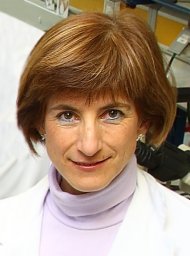 Carmen Torres Manrique合作论文数Department of Agriculture and Food, Universidad de La Rioja;Universidad de Zaragoza10
 Jesús Blazquez合作论文数Spanish National Center for Biotechnology, Spanish National Research Council10María-Carmen Turrientes合作论文数9María-Rosario Baquero合作论文数9
 San Millan Alvaro合作论文数Departamento de Sanidad Animal, Universidad Complutense de Madrid9
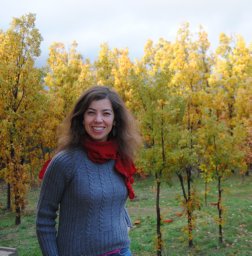 Tânia Curiao合作论文数9M. García-Castillo合作论文数9J. C. Perez-Diaz合作论文数9
 Miguel D. Fernandez-de-Bobadilla合作论文数8
 Jose Campos合作论文数8
 Antonio Oliver Palomo合作论文数Hospital Universitari Son Espases;Institut d’Investigació Sanitària Illes Balears;Facultat de Medicina, Universitat de les Illes Balears8Alberto Alcázar合作论文数8
 Fernando De La Cruz合作论文数Departamento de Biología Molecular, Universidad de Cantabria8
 Cristina Cid合作论文数Hospital Ramón y Cajal;Centro Nacional de Biotecnología8
 Laura Garcia-Descalzo合作论文数Centro de Astrobiología, Instituto Nacional de Técnica Aerospacial, CSIC8M I Morosini合作论文数7Elisabete Machado合作论文数Universidade do Porto Faculdade de Engenharia7Teresa Gil-Gil合作论文数7
 Ricardo León-Sampedro合作论文数Hosp Univ Ramon y Cajal, Serv Microbiol, Madrid, Spain7
 Jose M. Sempere合作论文数Departamento de Sistemas Informáticos y Computación, Universidad Politécnica de Valencia7
 Carlos Llorens合作论文数Institut Cavanilles de Biodiversitat i Biología Evolutiva, Universitat de València;Lab 16D Polígono de la coma S/N, Universitat de Valencia;Universitat de València, Universitat de Valencia7Antonio Sánchez Valenzuela合作论文数7Aida Ripoll合作论文数6Brandon A Berryhill合作论文数Laney Graduate School, Emory University6Blanca Pérez-Viso合作论文数Red Espanola Invest Patol Infecciosa REIPI6
 Willem van Schaik合作论文数University of Birmingham6
 Ana Elena Perez-Cobas合作论文数Unidad Mixta de Investigación en Genómica y Salud del Centro Superior de Investigación en Salud Pública e Instituto Cavanilles de Biodiversidad y Biología Evolutiva, la Universitat de València;CIBER en Epidemiología y Salud Pública, Madrid, Spain.;Unidad Mixta de Investigación en Genómica y Salud del Centro Superior de Investigación en Salud Pública e Instituto Cavanilles de Biodiversidad y Biología Evolutiva, la Universitat de València6
 Hernando-Amado Sara合作论文数CSIC, Centro Nacional de Biotecnología6
 Eva García-Lopez合作论文数6




