Chronic infections induce CD8 T cell exhaustion, marked by impaired effector function. While intrinsic drivers are well studied, the role of the surrounding metabolic environment in shaping exhausted CD8 T cells (Tex) is less understood. Using untargeted metabolomics and the murine lymphocytic choriomeningitis virus infection model, we investigated systemic metabolite changes following acute vs. chronic viral infections. We identified distinct short-term and persistent metabolite shifts, with the most significant differences occurring transiently during the early phase of the sustained infection. This included nutrient changes that were partially associated with CD8 T cell-induced anorexia and lipolysis. One remarkable observation was the elevation of medium- and long-chain fatty acids (FA) and acylcarnitines during the first week after chronic infection. Consistently, virus-specific CD8 T cells from chronic infection exhibited increased lipid accumulation and uptake compared to their counterparts from acute infection, particularly the stem-like Tex (TexSTEM), which generates TexINT that directly limit viral replication. Notably, only TexSTEM increased oxidative metabolism upon ex vivo FA exposure, while short-term administration of FA during late chronic infection exclusively increased TexSTEM and their mitochondrial potential. The last-mentioned treatment also led to reduced TexINT and enhanced PD-1 across all Tex subsets, which coincided with compromised viral control. Our study offers a valuable resource for investigating the regulatory role of specific metabolites during acute and chronic viral infections and highlights the potential of FA to fine-tune Tex subsets during protracted infections.
Chronic infections drive a CD8 T cell program termed T cell exhaustion, characterized by reduced effector functions. While cell-intrinsic mechanisms underlying CD8 T cell exhaustion have been extensively studied, the impact of the metabolic environment in which exhausted CD8 T cells (Tex) operate remains less clear. Using untargeted metabolomics and the murine lymphocytic choriomeningitis virus infection model we investigated systemic metabolite changes early and late following acute versus chronic viral infections. We identified distinct short-term and persistent metabolite shifts, with the most significant differences occurring transiently during the acute phase of the sustained infection. This included nutrient changes that were independent of viral loads and partially associated with CD8 T cell-induced anorexia and lipolysis. One remarkable observation was the elevation of medium- and long-chain fatty acid (FA) and acylcarnitines during the early phase after chronic infection. During this time, virus-specific CD8 T cells from chronically infected mice exhibited increased lipid accumulation and uptake compared to their counterparts from acute infection, particularly stem-like Tex (Tex STEM ), a subset that generates effector-like Tex INT which directly limit viral replication. Notably, only Tex STEM increased oxidative metabolism and ATP production upon FA exposure. Consistently, short-term reintroduction of FA during late chronic infection exclusively improved Tex STEM mitochondrial fitness, percentages and numbers. This treatment, however, also reduced Tex INT , resulting in compromised viral control. Our study offers a valuable resource for investigating the role of specific metabolites in regulating immune responses during acute and chronic viral infections and highlights the potential of long-chain FA to influence Tex STEM and viral control during a protracted infection. Significance:This study examines systemic metabolite changes during acute and chronic viral infections. Notably, we identified an early, transient nutrient shift in chronic infection, marked by an increase in medium- and long-chain fatty acid related species. Concomitantly, a virus-specific stem-like T cell population, essential for maintaining other T cells, displayed high lipid avidity and was capable of metabolizing exogenous fatty acids. Administering fatty acids late in chronic infection, when endogenous lipid levels had normalized, expanded this stem-like T cell population and enhanced their mitochondrial fitness. These findings highlight the potential role of fatty acids in regulating stem-like T cells in chronic settings and offer a valuable resource for studying other metabolic signatures in both acute and persistent infections.
Despite substantial evidence supporting the efficacy of prebiotics for promoting host health and stress resilience, few experiments present evidence documenting the dynamic changes in microbial ecology and fecal microbially modified metabolites over time. Furthermore, the literature reports a lack of reproducible effects of prebiotics on specific bacteria and bacterial-modified metabolites. The current experiments examined whether consumption of diets enriched in prebiotics (galactooligosaccharides (GOS) and polydextrose (PDX)), compared to a control diet, would consistently impact the gut microbiome and microbially modified bile acids over time and between two research sites. Male Sprague Dawley rats were fed control or prebiotic diets for several weeks, and their gut microbiomes and metabolomes were examined using 16S rRNA gene sequencing and untargeted LC–MS/MS analysis. Dietary prebiotics altered the beta diversity, relative abundance of bacterial genera, and microbially modified bile acids over time. PICRUSt2 analyses identified four inferred functional metabolic pathways modified by the prebiotic diet. Correlational network analyses between inferred metabolic pathways and microbially modified bile acids revealed deoxycholic acid as a potential network hub. All these reported effects were consistent between the two research sites, supporting the conclusion that dietary prebiotics robustly changed the gut microbial ecosystem. Consistent with our previous work demonstrating that GOS/PDX reduces the negative impacts of stressor exposure, we propose that ingesting a diet enriched in prebiotics facilitates the development of a health-promoting gut microbial ecosystem.
Human untargeted metabolomics studies annotate only ~10% of molecular features. We introduce reference-data-driven analysis to match metabolomics tandem mass spectrometry (MS/MS) data against metadata-annotated source data as a pseudo-MS/MS reference library. Applying this approach to food source data, we show that it increases MS/MS spectral usage 5.1-fold over conventional structural MS/MS library matches and allows empirical assessment of dietary patterns from untargeted data.
Colorectal cancer (CRC) is driven by genomic alterations in concert with dietary influences, with the gut microbiome implicated as an effector in disease development and progression. While meta-analyses have provided mechanistic insight into patients with CRC, study heterogeneity has limited causal associations. Using multi-omics studies on genetically controlled cohorts of mice, we identify diet as the major driver of microbial and metabolomic differences, with reductions in α diversity and widespread changes in cecal metabolites seen in high-fat diet (HFD)-fed mice. In addition, non-classic amino acid conjugation of the bile acid cholic acid (AA-CA) increased with HFD. We show that AA-CAs impact intestinal stem cell growth and demonstrate that Ileibacterium valens and Ruminococcus gnavus are able to synthesize these AA-CAs. This multi-omics dataset implicates diet-induced shifts in the microbiome and the metabolome in disease progression and has potential utility in future diagnostic and therapeutic developments.
Human milk is the optimal infant nutrition. However, while human-derived metabolites such as lipids and oligosaccharides in human milk are regularly reported, the presence of exogenous chemicals (such as drugs, food, and synthetic compounds) are often not addressed. To understand the types of exogenous compounds that might be present, human milk (n=996) was analyzed by untargeted metabolomics. This analysis revealed that lifestyle molecules such as medications and their metabolites, food, industrial sources such as plasticizers, cosmetics, microbial molecules, and other personal care products are found in human milk. We provide further evidence that some of these lifestyle molecules are also detectable in the newborn’s stool. Thus, this study gives important insight into the types of exposures infants receiving human milk might ingest due to the lifestyle choices, exposure, or medical status of the lactating parent.
Sleep disruption is a challenging and exceedingly common physiological state that contributes to a wide range of biochemical and molecular perturbations and has been linked to numerous adverse health outcomes. Modern society exerts significant pressure on the sleep/wake cycle via myriad factors, including exposure to electric light, psychological stressors, technological interconnection, jet travel, shift work, and widespread use of sleep-affecting compounds. Interestingly, recent research has identified a link between the microbiome and the regulation of sleep, suggesting that interventions targeting the microbiome may offer unique therapeutic approaches to challenges posed by sleep disruption. In this study, we test the hypothesis that administration of a prebiotic diet containing galactooligosaccharides (GOS) and polydextrose (PDX) in adult male rats improves sleep in response to repeated sleep disruption and during recovery sleep. We found that animals fed the GOS/PDX prebiotic diet for 4 weeks exhibit increased non-rapid eye movement (NREM) and rapid eye movement (REM) sleep during 5 days of sleep disruption and increased total sleep time during 24 h of recovery from sleep disruption compared to animals fed a control diet, despite similar baseline sleep characteristics. Further, the GOS/PDX prebiotic diet led to significant changes in the fecal microbiome. Consistent with previous reports, the prebiotic diet increased the relative abundance of the species Parabacteroides distasonis, which positively correlated with sleep parameters during recovery sleep. Taken together, these findings suggest that the GOS/PDX prebiotic diet may offer an approach to improve resilience to the physiologic challenge of sleep disruption, in part through impacts on the microbiome.
BACKGROUND & AIMS:Hyperbaric oxygen therapy (HBOT) is a promising treatment for moderate-to-severe ulcerative colitis. However, our current understanding of the host and microbial response to HBOT remains unclear. This study examined the molecular mechanisms underpinning HBOT using a multi-omic strategy.METHODS:Pre- and post-intervention mucosal biopsies, tissue, and fecal samples were collected from HBOT phase 2 clinical trials. Biopsies and fecal samples were subjected to shotgun metaproteomics, metabolomics, 16s rRNA sequencing, and metagenomics. Tissue was subjected to bulk RNA sequencing and digital spatial profiling (DSP) for single-cell RNA and protein analysis, and immunohistochemistry was performed. Fecal samples were also used for colonization experiments in IL10-/- germ-free UC mouse models.RESULTS:Proteomics identified negative associations between HBOT response and neutrophil azurophilic granule abundance. DSP identified an HBOT-specific reduction of neutrophil STAT3, which was confirmed by immunohistochemistry. HBOT decreased microbial diversity with a proportional increase in Firmicutes and a secondary bile acid lithocholic acid. A major source of the reduction in diversity was the loss of mucus-adherent taxa, resulting in increased MUC2 levels post-HBOT. Targeted database searching revealed strain-level associations between Akkermansia muciniphila and HBOT response status. Colonization of IL10-/- with stool obtained from HBOT responders resulted in lower colitis activity compared with non-responders, with no differences in STAT3 expression, suggesting complementary but independent host and microbial responses.CONCLUSIONS:HBOT reduces host neutrophil STAT3 and azurophilic granule activity in UC patients and changes in microbial composition and metabolism in ways that improve colitis activity. Intestinal microbiota, especially strain level variations in A muciniphila, may contribute to HBOT non-response.
ABSTRACTObjectiveThis study examined the host-microbe changes underpinning treatment response to hyperbaric oxygen therapy (HBOT) in ulcerative colitis.DesignPre- and post-intervention mucosal tissue and fecal samples from two clinical trials, along with fecal samples from healthy controls and fecal and mucosal tissue from disease severity matched UC controls. Mucosal tissue bulk-RNA sequencing, digital spatial profiling (DSP) for single-cell RNA and protein analysis, and immunohistochemistry was performed, in addition to 16S rRNA, shotgun metagenomics, metabolomics, and metaproteomics of fecal samples. Fecal colonization experiments in IL10-/- germ-free mice were performed to confirm observations.ResultsProteomics identified associations between HBOT response status and neutrophil degranulation, with specificity of effect for azurophilic granules. DSP identified a specific HBOT effect on reducing neutrophil STAT3, which was confirmed by immunohistochemistry. HBOT decreased microbial diversity with an accompanying proportional increase in Firmicutes and a secondary bile acid lithocholic acid. The reduction in diversity was due to reductions in mucinophiles, with differences in Akkermansia muciniphila strains being associated with HBOT response status. Proteomics observed an accompanying effect for HBOT on MUC2. Colonization of IL10-/- with stool obtained from HBOT responders resulted in lower colitis activity compared to stool obtained from HBOT non-responders, with no differences in STAT3 expression, suggesting complementary but independent host and microbial responses.ConclusionHBOT reduces host neutrophil STAT3 and azurophilic granule activity in UC patients, and changes in microbial composition and metabolism in ways that improve colitis activity. Intestinal microbiota, especially strain level variations in A. muciniphila, may contribute to HBOT non-response.
The first week after birth is a critical time for the establishment of microbial communities for infants. Preterm infants face unique environmental impacts on their newly acquired microbiomes, including increased incidence of cesarean section delivery and exposure to antibiotics as well as delayed enteral feeding and reduced human interaction during their intensive care unit stay. Using contextualized paired metabolomics and 16S sequencing data, the development of the gut, skin, and oral microbiomes of infants is profiled daily for the first week after birth, and it is found that the skin microbiome appears robust to early life perturbation, while direct exposure of infants to antibiotics, rather than presumed maternal transmission, delays microbiome development and prevents the early differentiation based on body site regardless of delivery mode. Metabolomic analyses identify the development of all gut metabolomes of preterm infants toward full-term infant profiles, but a significant increase of primary bile acid metabolism only in the non-antibiotic treated vaginally birthed late preterm infants. This study provides a framework for future multi-omic, multibody site analyses on these high-risk preterm infant populations and suggests opportunities for monitoring and intervention, with infant antibiotic exposure as the primary driver of delays in microbiome development.
Molecular networking connects mass spectra of molecules based on the similarity of their fragmentation patterns. However, during ionization, molecules commonly form multiple ion species with different fragmentation behavior. As a result, the fragmentation spectra of these ion species often remain unconnected in tandem mass spectrometry-based molecular networks, leading to redundant and disconnected sub-networks of the same compound classes. To overcome this bottleneck, we develop Ion Identity Molecular Networking (IIMN) that integrates chromatographic peak shape correlation analysis into molecular networks to connect and collapse different ion species of the same molecule. The new feature relationships improve network connectivity for structurally related molecules, can be used to reveal unknown ion-ligand complexes, enhance annotation within molecular networks, and facilitate the expansion of spectral reference libraries. IIMN is integrated into various open source feature finding tools and the GNPS environment. Moreover, IIMN-based spectral libraries with a broad coverage of ion species are publicly available.
Human untargeted metabolomics studies succeed in annotating only ~10% of molecular features. We, therefore, introduce reference data-driven analysis that uses the source data as a pseudo-MS/MS reference library to match against human metabolomics MS/MS data. We demonstrate this approach with food source data, allowing an empirical assessment of dietary patterns from untargeted data but is broadly applicable and provides an additional layer of interpretability to metabolomics data.
Previous studies demonstrate that Mycobacterium vaccae NCTC 11659 ( M. vaccae ), a soil-derived bacterium with anti-inflammatory and immunoregulatory properties, is a potentially useful countermeasure against negative outcomes to stressors. Here we used male C57BL/6NCrl mice to determine if repeated immunization with M. vaccae is an effective countermeasure in a “two hit” stress exposure model of chronic disruption of rhythms (CDR) followed by acute social defeat (SD). On day –28, mice received implants of biotelemetric recording devices to monitor 24-h rhythms of locomotor activity. Mice were subsequently treated with a heat-killed preparation of M. vaccae (0.1 mg, administered subcutaneously on days –21, –14, –7, and 27) or borate-buffered saline vehicle. Mice were then exposed to 8 consecutive weeks of either stable normal 12:12 h light:dark (LD) conditions or CDR, consisting of 12-h reversals of the LD cycle every 7 days (days 0–56). Finally, mice were exposed to either a 10-min SD or a home cage control condition on day 54. All mice were exposed to object location memory testing 24 h following SD. The gut microbiome and metabolome were assessed in fecal samples collected on days –1, 48, and 62 using 16S rRNA gene sequence and LC-MS/MS spectral data, respectively; the plasma metabolome was additionally measured on day 64. Among mice exposed to normal LD conditions, immunization with M. vaccae induced a shift toward a more proactive behavioral coping response to SD as measured by increases in scouting and avoiding an approaching male CD-1 aggressor, and decreases in submissive upright defensive postures. In the object location memory test, exposure to SD increased cognitive function in CDR mice previously immunized with M. vaccae . Immunization with M. vaccae stabilized the gut microbiome, attenuating CDR-induced reductions in alpha diversity and decreasing within-group measures of beta diversity. Immunization with M. vaccae also increased the relative abundance of 1-heptadecanoyl-sn-glycero-3-phosphocholine, a lysophospholipid, in plasma. Together, these data support the hypothesis that immunization with M. vaccae stabilizes the gut microbiome, induces a shift toward a more proactive response to stress exposure, and promotes stress resilience.
Chronic disruption of rhythms (CDR) impacts sleep and can result in circadian misalignment of physiological systems, which in turn is associated with increased disease risk. Exposure to repeated or severe stressors also disturbs sleep and diurnal rhythms. Prebiotic nutrients produce favorable changes in gut microbial ecology, the gut metabolome, and reduce several negative impacts of acute severe stressor exposure, including disturbed sleep, core body temperature rhythmicity, and gut microbial dysbiosis. This study tested the hypothesis whether prebiotics can also reduce the negative impacts of CDR by facilitating light/dark realignment of sleep/wake, core body temperature, and locomotor activity; and whether prebiotic-induced changes in bacteria and bile acid profiles are associated with these effects. Male, Sprague Dawley rats were fed diets enriched in prebiotic substrates or calorically matched control chow. After 5 weeks on diet, rats were exposed to CDR (12h light/dark reversal, weekly for 8 weeks) or remained on undisturbed normal light/dark cycles (NLD). Sleep EEG, core body temperature, and locomotor activity were recorded via biotelemetry in freely moving rats. Fecal samples were collected on experimental days -33, 0 (day of onset of CDR), and 42. Taxonomic identification and relative abundances of gut microbes were measured in fecal samples using 16S rRNA gene sequencing and shotgun metagenomics. Fecal primary, bacterially-modified secondary, and conjugated bile acids were measured using liquid chromatography with tandem mass spectrometry (LC-MS/MS). Prebiotic diet produced rapid and stable increases in the relative abundances of Parabacteroides distasonis and Ruminiclostridium 5 . Shotgun metagenomics analyses confirmed reliable increases in relative abundances of Parabacteroides distasonis and Clostridium leptum , a member of the Ruminiclostridium genus. Prebiotic diet also modified fecal bile acid profiles; and based on correlational and step-wise regression analyses, Parabacteroides distasonis and Ruminiclostridium 5 were positively associated with each other and negatively associated with secondary and conjugated bile acids. Prebiotic diet, but not CDR, impacted beta diversity. Measures of alpha diversity evenness were decreased by CDR and prebiotic diet prevented that effect. Rats exposed to CDR while eating prebiotic, compared to control diet, more quickly realigned NREM sleep and core body temperature (ClockLab) diurnal rhythms to the altered light/dark cycle. Finally, both cholic acid and Ruminiclostridium 5 prior to CDR were associated with time to realign CBT rhythms to the new light/dark cycle after CDR; whereas both Ruminiclostridium 5 and taurocholic acid prior to CDR were associated with NREM sleep recovery after CDR. These results suggest that ingestion of prebiotic substrates is an effective strategy to increase the relative abundance of health promoting microbes, alter the fecal bile acid profile, and facilitate the recovery and realignment of sleep and diurnal rhythms after circadian disruption.
Chronic disruption of rhythms (CDR) impacts sleep and can result in circadian misalignment of physiological systems which, in turn, is associated with increased disease risk. Exposure to repeated or severe stressors also disturbs sleep and diurnal rhythms. Prebiotic nutrients produce favorable changes in gut microbial ecology, the gut metabolome, and reduce several negative impacts of acute severe stressor exposure, including disturbed sleep, core body temperature rhythmicity, and gut microbial dysbiosis. In light of previous compelling evidence that prebiotic diet broadly reduces negative impacts of acute, severe stressors, we hypothesize that prebiotic diet will also effectively mitigate the negative impacts of chronic disruption of circadian rhythms on physiology and sleep/wake behavior. Male, Sprague Dawley rats were fed diets enriched in prebiotic substrates or calorically matched control chow. After 5 weeks on diet, rats were exposed to CDR (12 h light/dark reversal, weekly for 8 weeks) or remained on undisturbed normal light/dark cycles (NLD). Sleep EEG, core body temperature, and locomotor activity were recorded via biotelemetry in freely moving rats. Fecal samples were collected on experimental days -33, 0 (day of onset of CDR), and 42. Taxonomic identification and relative abundances of gut microbes were measured in fecal samples using 16S rRNA gene sequencing and shotgun metagenomics. Fecal primary, bacterially modified secondary, and conjugated bile acids were measured using liquid chromatography with tandem mass spectrometry (LC-MS/MS). Prebiotic diet produced rapid and stable increases in the relative abundances of Parabacteroides distasonis and Ruminiclostridium 5. Shotgun metagenomics analyses confirmed reliable increases in relative abundances of Parabacteroides distasonis and Clostridium leptum, a member of the Ruminiclostridium genus. Prebiotic diet also modified fecal bile acid profiles; and based on correlational and stepwise regression analyses, Parabacteroides distasonis and Ruminiclostridium 5 were positively associated with each other and negatively associated with secondary and conjugated bile acids. Prebiotic diet, but not CDR, impacted beta diversity. Measures of alpha diversity evenness were decreased by CDR and prebiotic diet prevented that effect. Rats exposed to CDR while eating prebiotic, compared to control diet, more quickly realigned NREM sleep and core body temperature (ClockLab) diurnal rhythms to the altered light/dark cycle. Finally, both cholic acid and Ruminiclostridium 5 prior to CDR were associated with time to realign CBT rhythms to the new light/dark cycle after CDR; whereas both Ruminiclostridium 5 and taurocholic acid prior to CDR were associated with NREM sleep recovery after CDR. These results support our hypothesis and suggest that ingestion of prebiotic substrates is an effective strategy to increase the relative abundance of health promoting microbes, alter the fecal bile acid profile, and facilitate the recovery and realignment of sleep and diurnal rhythms after circadian disruption.
We present ReDU (https://redu.ucsd.edu/), a system for metadata capture of public mass spectrometry-based metabolomics data, with validated controlled vocabularies. Systematic capture of knowledge enables the reanalysis of public data and/or co-analysis of one's own data. ReDU enables multiple types of analyses, including finding chemicals and associated metadata, comparing the shared and different chemicals between groups of samples, and metadata-filtered, repository-scale molecular networking.
Recent interest in the role of microbiota in health and disease has implicated gut microbiota dysbiosis in psychiatric disorders including major depressive disorder. Several antidepressant drugs that belong to the class of selective serotonin reuptake inhibitors have been found to display antimicrobial activities. In fact, one of the first antidepressants discovered serendipitously in the 1950s, the monoamine-oxidase inhibitor Iproniazid, was a drug used for the treatment of tuberculosis. In the current study we chronically treated DBA/2J mice for 2 weeks with paroxetine, a selective serotonin reuptake inhibitor, and collected fecal pellets as a proxy for the gut microbiota from the animals after 7 and 14 days. Behavioral testing with the forced swim test revealed significant differences between paroxetine- and vehicle-treated mice. Untargeted mass spectrometry and 16S rRNA profiling of fecal pellet extracts showed several primary and secondary bile acid level, and microbiota alpha diversity differences, respectively between paroxetine- and vehicle-treated mice, suggesting that microbiota functions are altered by the drug. In addition to their lipid absorbing activities bile acids have important signaling activities and have been associated with gastrointestinal diseases and colorectal cancer. Antidepressant drugs like paroxetine should therefore be used with caution to prevent undesirable side effects.
 Pieter C Dorrestein合作论文数Departments of Pharmacology and Pediatrics, Skaggs School of Pharmacy and Pharmaceutical Sciences, University of California, San Diego;Collaborative Mass Spectrometry Innovation Center, University of California, San Diego;Institute for Metabolomics Medicine, University of California, San Diego47
 Rob Knight合作论文数Rady Children's Hospital San Diego;Center for Microbiome Innovation, University of California, San Diego;Shu Chien-Gene Lay Department of Bioengineering, Jacobs School of Engineering, University of California, San Diego33
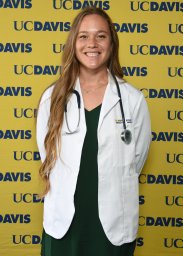 Kelly C Weldon合作论文数Univ Calif San Diego, Skaggs Sch Pharm & Pharmaceut Sci, La Jolla, CA 92093 USA22
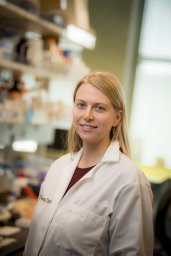 Julia M Gauglitz合作论文数Univ Calif San Diego, Skaggs Sch Pharm & Pharmaceut Sci, La Jolla, CA 92093 USA19
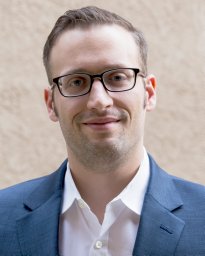 Jarmusch Alan K合作论文数Dept Chem, Purdue Univ18
 Mingxun Wang合作论文数Department of Computer Science and Engineering, University of California, Riverside17
 Morgan Panitchpakdi合作论文数Univ Calif San Diego, Skaggs Sch Pharm & Pharmaceut Sci, Collaborat Mass Spectrometry Innovat Ctr, La Jolla, CA 92093 USA14
 Anupriya Tripathi合作论文数Univ Calif San Diego, Dept Pediat, La Jolla, CA 92093 USA13
 Louis-Félix Nothias合作论文数Univ Calif San Diego, Skaggs Sch Pharm & Pharmaceut Sci, Collaborat Mass Spectrometry Innovat Ctr, La Jolla, CA 92093 USA13
 Petras Daniel合作论文数Institut für Chemie, Technische Universität Berlin13
 Aksenov Alexander合作论文数12
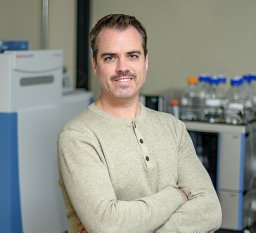 Quinn Robert A合作论文数Department of Biology, San Diego State University11
 Nicole Sikora合作论文数10
 Andres Mauricio Caraballo Rodriguez合作论文数Univ Calif San Diego, Skaggs Sch Pharm & Pharmaceut Sci, Collaborat Mass Spectrometry Innovat Ctr, La Jolla, CA 92093 USA10Ricardo R da Silva合作论文数Univ Calif San Diego, Skaggs Sch Pharm & Pharmaceut Sci, Collaborat Mass Spectrometry Innovat Ctr, La Jolla, CA 92093 USA10Swafford Austin D合作论文数10
 Gonzalez Antonio合作论文数Dept Pediat, Univ Calif San Diego10
 Ernst Madeleine合作论文数Faculty of Pharmaceutical Sciences, University of São Paulo10
 Monika R. Fleshner合作论文数Department of Integrative Physiology, College of Arts and Sciences, University of Colorado Boulder10
 Amina Bouslimani合作论文数Collaborat Mass Spectrometry Innovat Ctr, Univ Calif San Diego10Kenneth W. Wright合作论文数10Christine M Aceves合作论文数Department of Immunology and Microbiology, The Scripps Research Institute9
 Emily C Gentry合作论文数Univ Calif San Diego, Skaggs Sch Pharm & Pharmaceut Sci, La Jolla, CA 92093 USA9
 Irina Koester合作论文数Univ Calif San Diego, Scripps Inst Oceanog, La Jolla, CA 92093 USA9
 Martha Hotz Vitaterna合作论文数Department of Neurobiology, Weinberg College of Arts and Sciences, Northwestern University9
 Alexey Melnik合作论文数9
 Christopher A. Lowry合作论文数Department of Integrative Physiology, College of Arts and Sciences, University of Colorado Boulder9
 Fred Turek合作论文数Center for Circadian & Sleep Medicine, Feinberg School of Medicine, Northwestern University;Center for Sleep and Circadian Biology, Northwestern University;Department of Neurobiology, Northwestern University9Robert H. Mills合作论文数8Michael J. Meehan合作论文数8Emmanuel O. Elijah合作论文数8
 Justin J. J. van der Hooft合作论文数8
 Nuno Bandeira合作论文数Skaggs School of Pharmacy and Pharmaceutical Sciences, University of California, San Diego;Center for Computational Mass Spectrometry8
 Kyung E. Rhee合作论文数7
 Francesca Di Ottavio合作论文数6
 Roxana Coras合作论文数Dept Med, Autonomous Univ Barcelona6
 David Gonzalez合作论文数Department of Pharmacology, School of Medicine, University of California, San Diego6Mélissa Nothias-Esposito合作论文数Univ Calif San Diego, Skaggs Sch Pharm & Pharmaceut Sci, La Jolla, CA 92093 USA6Alison Vrbanac合作论文数6
 Robert Thompson合作论文数Medical School, University of Michigan-Ann Arbor6
 McCall Laura-Isobel合作论文数Department of Microbiology and Immunology, McGill University6Katharina Spengler合作论文数5Megan M. Doty合作论文数5Gail Ackermann合作论文数5Samuel J Bowers合作论文数5
 Brigid S. Boland合作论文数University of California San Diego School of Medicine;Department of Medicine, University of California San Diego5Elizabeth Brown合作论文数5
 Hae-Young Kim合作论文数Grossman School of Medicine, New York University5
 McPhail Kerry L合作论文数Coll Pharm, Oregon State Univ5




