Background/Objectives: Cirrhosis is associated with increased mortality. In this study, we aimed to investigate the prognostic relevance of 6-min-walk-distance- and cardiopulmonary exercise testing (CPET)-derived peak oxygen uptake (VO2) as estimates of exercise capacity in outpatients with cirrhosis. Methods: Patients underwent a comprehensive clinical characterization including cardiopulmonary exercise testing, six-minute-walking-test-derived distance, and echocardiography. We stratified the cohort using established prognostic thresholds for the six-minute-walking-test-derived distance (440 m) and peak VO2 (65% predicted) and Child–Pugh class (A vs. B/C). Competing risk analyses were performed using cumulative incidence functions and subdistribution hazard models to assess the impact of baseline variables on mortality, accounting for liver transplantation (LT) as a competing event and for age and sex. The prognostic value of exercise performance was analyzed first, followed by the stepwise inclusion of additional variables; multicollinearity precluded a full multivariable model. Results: We enrolled 197 patients in Child–Pugh Class A, B, and C (N = 92, N = 80, N = 25 patients; male N = 146, age: 56 ± 9 years). During the observation time of 85 (25–105) months, 48 patients underwent a liver transplant, and 88 died. Both the six-minute-walking-test-derived distance ≤ 440 m (p = 0.002, sHR: 0.996 95% CI: 0.993–0.998) and peak VO2 ≤ 65% predicted (p = 0.023, sHR: 0.987 95% CI: 0.976–0.998) were strong independent predictors of mortality. While the six-minute-walking-test-derived distance consistently remained significant across most models, the peak VO2 retained significance only when adjusted for creatinine. Combining exercise capacity and the Child–Pugh classification identified patients at a particularly high mortality risk. Conclusions: In patients with liver cirrhosis outside the liver transplant setting, the impaired six-minute-walking-test-derived distance and peak VO2 serve as predictors of mortality and may help to identify patients at a particularly high mortality risk. These results suggest that functional capacity provides complementary information to established liver disease severity scores and could be considered in a multidimensional risk assessment approach in patients with liver cirrhosis.
Summary This consensus document of the Austrian Society of Gastroenterology and Hepatology (ÖGGH) is intended to provide practical guidance for the management of individuals with primary biliary cholangitis (PBC). PBC is a chronic inflammatory, autoimmune-mediated disease of the intrahepatic bile ducts that can lead to fibrosis and ultimately cirrhosis. Middle-aged women are significantly more frequently affected than men. The pathogenesis is currently not fully understood. Based on the presence of disease-specific autoantibodies, it is classified as an autoimmune liver disease, although a combination of genetic predisposition and environmental factors contribute to disease development and progression. The diagnosis of PBC is based on a cholestatic enzyme pattern together with the presence of anti-mitochondrial antibodies (AMA) or PBC-specific anti-nuclear antibodies (sp100, gp210). A liver biopsy is rarely required to establish the diagnosis; exceptions are the suspicion of a PBC autoimmune hepatitis (AIH) variant syndrome or the absence of the abovementioned antibodies. The therapeutic goal is to reduce cholestatic injury thereby preventing disease progression and to reduce symptoms. Approximately 60–70% of patients achieve clinical and biochemical remission with first-line treatment, i.e., ursodeoxycholic acid (UDCA). Recently, the therapeutic paradigm has shifted from achieving certain predefined response criteria to a normalization of alkaline phosphatase (ALP) together with a low-normal bilirubin level, as the latter was linked to improved outcomes in some subgroups. For patients who do not sufficiently respond to UDCA, the newly approved peroxisome proliferator-activated receptor (PPAR) agonists elafibranor and seladelpar, as well as bezafibrate ( off-label use), should be used as a combination treatment with UDCA. In patients with decompensated cirrhosis, liver transplantation has been associated with good long-term outcomes, albeit disease recurrence occurs in up to 50% by 15 years.
Primary sclerosing cholangitis (PSC) is a rare, progressive cholestatic disease of unknown etiology and characterized by inflammation and stricturing of intrahepatic and/or extrahepatic bile ducts. This process leads to bile duct scarring, progressive liver fibrosis, and end-stage liver disease. PSC is often associated with a specific form of inflammatory bowel disease and patients face a significant risk of developing cholangiocarcinoma and colorectal cancer. The clinical course of PSC can differ significantly between subtypes and affected individuals, representing a major obstacle to successful medical treatment trials. Numerous innovative therapeutic targets have been identified and, at least in part, explored, including nuclear and membrane receptors regulating bile acid metabolism and transport, modulation of gut microbiota, and signaling molecules involved in liver inflammation and fibrosis. Successful drug testing in preclinical PSC models as well as positive signals from some clinical studies justify hope. However, no medical treatment has so far been proven to improve transplant-free survival or overall survival in PSC patients. Disease-modifying drugs are urgently awaited. Despite ongoing efforts to improve study designs and implement treatment trials for novel drug targets, a central breakthrough has not yet been convincingly achieved. This situation might change in the near future. This article summarizes current research efforts aimed at developing medical treatments for PSC.
Together with carriers in the liver and small intestine, kidney transporters function to conserve and compartmentalise bile acids in the enteronephrohepatic circulation. In patients with liver disease, systemic bile acid levels are elevated, undergo increased renal glomerular filtration, and contribute to the pathogenesis of cholemic nephropathy and acute kidney injury. In this review, we describe mechanisms for renal bile acid transport and highlight very recent discoveries that challenge current paradigms on the pathogenesis of cholemic nephropathy and renal tubule cast formation. We also discuss the therapeutic potential of inhibiting the kidney apical sodium-dependent bile acid transporter to redirect bile acids into urine for elimination, reduce hepatobiliary accumulation and systemic levels of bile acids, and treat cholemic nephropathy. In conclusion, a deeper understanding of the enteronephrohepatic bile acid axis is providing insights into novel strategies to protect both the liver and kidney in patients with liver disease.
Metabolic pressure shifts signaling pathways of nuclear receptors, including the bile acid receptor FXR, which are sensitive to nutritional inputs. We performed an FXR ChIP-seq–centered multiomic analysis of liver biopsy samples from individuals with or without obesity, who were treated with either placebo or the FXR agonist obeticholic acid, to define metabolic adaptions of FXR signaling pathways. FXR occupied substantially more DNA binding sites in individuals with obesity, and FXR activation by OCA robustly changed the transcriptional output. Integration of ChIP-seq and RNA-seq data showed that mitochondrial function and substrate oxidation were the top metabolic pathways selectively modulated by FXR activation in individuals with obesity. FXR activation restored compromised substrate oxidation by enhancing β-oxidation and oxidative phosphorylation along with antagonizing ROS production. In line with this, the amount of reduced glutathione in patients with obesity normalized after OCA treatment. In summary, FXR signaling profoundly differs in patients with obesity, consisting of changes in DNA binding profiles and transcriptional programs, which enhance energy substrate utilization in this patient cohort.
OBJECTIVE:We aimed to collect data on gastroenterology and hepatology training from the viewpoint of trainees and trainers. METHODS:A national online survey was distributed among trainees and specialists at certified training institutions between February and May 2024. RESULTS:Overall, 226 respondents - 98 trainees, 78 trainers, 50 program directors, and department heads responded, with a national coverage of 70% of trainees and 85% of specialty-department heads. A training curriculum was reported by 56% of trainees and 84% of curriculum organizers, regular feedback and training progress meetings by 11% of trainees (57% if considered without assessment of training progress), but 88% of curriculum organizers. Training was rated as very good or good by 65% of trainees, 79% of trainers, and 100% of department heads. Quality of functional diagnostics, endoscopy, and ultrasound training was rated as very good or good by trainees in 16, 61, and 54%, by trainers in 27, 79, and 58%, and by department heads in 74, 89, and 85%. Much agreement was found concerning the wish for external rotations (trainees 65%, trainers 70%, and department heads 89%) and a new postcertification advanced-endoscopy training and accreditation. CONCLUSION:Department heads seem to overestimate the quality of their training programs. Consequently, we found large discrepancies in the perception of specialty training that should stimulate efforts to standardize training and boost necessary train-the-trainer programs. Diagnosis of functional gastrointestinal disorders and abdominal ultrasound skills are areas with the largest room for improvement. Increased flexibility of hospital providers will be crucial for significant improvement of external training possibilities.
ZusammenfassungDie Ursache der primär sklerosierenden Cholangitis (PSC) bleibt unklar und erklärt das Fehlen einer kausalen Therapie. Die differenzialdiagnostische Abgrenzung zur noch selteneren IgG4-assoziierten Cholangitis (IAC) gelingt uns immer besser. Fortschritte im Wissen um unterschiedliche klinische Verläufe, Verbesserungen in der nichtinvasiven Diagnostik durch moderne Magnetresonanzbildgebung und die Einführung der Leberelastographie führten zur Entwicklung verbesserter Prognosemodelle. Die Evidenz für Empfehlungen zur medikamentösen (z. B. Ursodesoxycholsäure) oder endoskopischen Therapie (z. B. Ballondilatation und/oder Stenteinlage) bei PSC bleibt gering. Hingegen werden die Langzeitergebnisse der Lebertransplantation bei PSC stetig besser. Mangels hochsensitiver und spezifischer Screeningmethoden gelingt die Früherkennung des cholangiozellulären Karzinoms (CCC) als wichtigste Komplikation selten. Die stetige Verbesserung von ERCP und direkter Cholangioskopie in Kombination mit molekularbiologischen und FISH-Analysen der gewonnenen Gewebsproben ist für die verfeinerte Diagnostik vielversprechend. Aufgrund des deutlich erhöhten Risikos für kolorektale Karzinome wird bei Vorliegen einer chronisch-entzündlichen Darmerkrankung (CED) die jährliche Koloskopie empfohlen. Errungenschaften in der Frühdiagnostik und die erfolgreiche Testung neuer Therapiemodalitäten lassen auf eine stetige Verbesserung in der Betreuung dieser komplexen PatientInnen hoffen.
Zusammenfassung Im Rahmen einer „Summer School“ der Österreichischen Gesellschaft für Gastroenterologie und Hepatologie (ÖGGH) wurden Medizinstudierende, die meisten im letzten Studienjahr, zu Lehr‑, Lern- und Prüfungsmethoden sowie zu Berufsbildern befragt. Österreichische Medizinstudierende, die meisten gehören der Generation Z (geboren zwischen 1995 und 2009) an, bevorzugen Präsenz- gegenüber Onlineunterricht, wollen ergänzend elektronische Lernunterlagen, Vorbereitungsvideos und Falldiskussionen in Seminaren und POL-Gruppen (problemorientiertes Lernen). Mündliche Prüfungen werden gegenüber schriftlichen Prüfungsformaten bevorzugt. Die von Studierenden favorisierten Lehrveranstaltungen und Lehrmethoden sowie Prüfungstypen unterliegen einem generationsbedingten Wandel. Akademische Lehrpersonen im Allgemeinen und Curriculums-Verantwortliche im Besonderen sollten diese Präferenzen kennen.
The etiology of primary sclerosing cholangitis (PSC) remains unclear, which explains in part the lack of a causal treatment. The differential diagnostic distinction from the even rarer immunoglobulin 4 (IgG4)-associated cholangitis (IAC) is becoming increasingly more successful. Advances in the understanding of different clinical courses, improvements in noninvasive diagnostics through modern magnetic resonance imaging (MRI) and the introduction of liver elastography have led to the development of improved prognostic models. The evidence for recommendations on medicinal (e.g., ursodeoxycholic acid) or endoscopic treatment (e.g., balloon dilatation and/or stent insertion) for PSC is still low. In contrast, the long-term results of liver transplantation in PSC patients are constantly improving. Due to the lack of highly sensitive and specific screening methods the early recognition of cholangiocellular carcinoma (CCC) as the most important complication is rarely successful. The continuous improvement of endoscopic retrograde cholangiopancreatography (ERCP) and direct cholangioscopy in combination with molecular biological and fluorescence in situ hybridization (FISH) analyses of bile duct tissue samples are promising for refined diagnostics. Due to the significantly increased risk of colorectal cancer, an annual colonoscopy is recommended in the presence of inflammatory bowel disease. Improvement of the early diagnostics of PSC and successful testing of new treatment strategies raise hope for a continuous improvement in the medical support of these complex patients.
Acute kidney injury (AKI) is frequent in hospitalized patients with chronic liver disease (i.e. up to 50% in some studies) and is associated with high morbidity and mortality.1–3 Causes of AKI in patients with liver disease are numerous and differential diagnosis remains a clinical conundrum in 2023.4,5 This is based on (i) the frequently observed overlap of several initiating factors and diseases and (ii) the lack of non-invasive clinical tests showing high sensitivity and specificity to discriminate different entities of AKI in patients with liver disease.
On August 1, 2023 Professor Hanns-Ulrich Marschall, Professor of Clinical Hepatology, Sahlgrenska Academy, University of Gothenburg, passed away from cancer. He was an outstanding physician, clinical scientist and educator. He was an internationally leading expert in bile acid metabolism and cholestasis and will be greatly missed by many colleagues around the world (Fig. 1). Hanns-Ulrich Marschall was born in 1954 in Ibbenbüren, Germany. He graduated in Medicine from the University of Aachen in 1981 and obtained a master’s degree in chemistry from the same university a year later. Following graduation, he worked as a physician in Tübingen and Aachen, and then in 1986 he studied for his PhD under the supervision of Professor Jan Sjövall at the Department of Medical Biochemistry, Karolinska Institute, Stockholm, whilst also working as Chief Physician in Gastrocentrum, Karolinska University Hospital, Huddinge. His thesis was entitled "Conjugation of Bile Acids with N-Acetylglucosamine" and was awarded in 1994. This enabled him to apply his expertise in chemistry to develop a deep understanding of bile acid biochemistry, resulting in him becoming a world-renowned expert in bile acid biochemistry. Throughout his career Hanns-Ulrich made a major research contribution to the understanding of the causes and consequences of cholestatic disorders. He built collaborations with many international colleagues, having been a Visiting Professor at the University of Graz from 2003-2017, and at King’s College London from 2014-2016. His incisive mind, detailed understanding of bile acid biochemistry and cholestasis, coupled with his infectious energy, resulted in these visits producing many fruitful collaborations. In parallel, he led a team of outstanding researchers first at the Karolinska Institute, and later at the Wallenberg Laboratory, Department of Medicine, Sahlgrenska Academy, University of Gothenburg. Hanns-Ulrich was mentor to many clinical and non-clinical scientists, consistently replying to requests for advice and his scientific opinion about research conundrums and complex clinical cases. Hanns-Ulrich Marschall’s Visiting Professorship at the Medical University Graz was an outstanding experience for all. He touched many with his loyalty and endurance, his unique ability to combine his constant thirst to generate new knowledge with thinking outside the box, creating new friendships across generations, and his curiosity to become acquainted with new areas. His constant input in the high-quality analysis and critical interpretation of bile acids in mouse models of cholestatic liver diseases and their extraintestinal manifestations enabled the team in Graz to develop a deepened understanding of their pathophysiological relevance, and to develop novel hypotheses about the therapeutic use of experimentally tested bile acids and their derivatives. Based on his amazing knowledge of bile acid biochemistry, Hanns-Ulrich represented a reliable lighthouse for the correct interpretation of data generated in mice and pivotal cues between mice and humans. His support and help were essential for the bench-to-bedside development of norucholic acid. His scientific seriousness coupled with a never-ending, almost childlike curiosity was inspiring for the younger scientists and empowering and comforting to the older faculty members. We all gratefully remember numerous fruitful bile acid conferences and scientific meetings, including the legendary Pichlschloss Transport Weekends hosted by Prof. Gustav Paumgartner, where he always generously shared his ideas. Hanns-Ulrich Marschall made a particular contribution to the understanding of intrahepatic cholestasis of pregnancy (ICP) throughout his career. This is the commonest liver disorder of pregnancy that affects just under 1% of all pregnant women and can cause distress due to severe itching and liver impairment in previously well women in addition to being complicated by preterm birth and stillbirth. Women with ICP have high total serum bile acids (TSBAs), and Hanns-Ulrich’s early work showed that there is a threshold concentration of TSBAs above which the pregnancy complications of stillbirth, preterm birth and fetal distress occur. He also led a highly impactful clinical trial that demonstrated a role for the drug ursodeoxycholic acid as a potential treatment for ICP, particularly for women with higher TSBA concentrations. Hanns-Ulrich worked closely with patient charities as well as clinical colleagues and was cited widely by the charity ICP Support as a leading internationally renowned researcher. He listened to patients and thought deeply about the impact of disease on their health. This led to his important studies demonstrating that women with a clinical diagnosis of ICP have an increased risk of hepatobiliary diseases later in life, including hepatic fibrosis, cholangitis and carcinoma. His work was highly novel and will have a major impact on the care and health of women with ICP during pregnancy and throughout their lives. In addition to leading important research, Hanns-Ulrich collaborated widely and was highly regarded as a collaborator in genomic studies on ICP, mechanistic experiments to understand the impact of reproductive hormone signalling in disease aetiology and recent clinical trials to evaluate rifampicin and ileal bile acid inhibitors. His advice was always insightful, intelligent and delivered with minimal delay. He became a popular member of the research team at King’s College London when he was a visiting professor and remained a friend and mentor to many members of the research team in London. In a similar way to his visits to Graz, he was inspirational to young and older researchers alike. After joining the Wallenberg Laboratory for metabolic and cardiovascular research at the University of Gothenburg, Hanns-Ulrich became a highly valued colleague contributing and sharing his knowledge on bile acid signalling, hepatology, and gastroenterology. Scientifically, he continued his work on bile acids with a focus on deciphering how the gut microbiota could metabolize bile acids as well as differences in bile acid metabolism between mice and humans. This work led to important findings, for example identification of tauro-conjugated betamuricholic acid as an FXR antagonist and the discovery of how fibre supplementation increases the production of 6alpha-hydroxylated bile acids leading to TGR5 activation and improvement in glucose metabolism. Accordingly, Hanns-Ulrich Marschall had a deep interest in determining how bile acids affected host metabolism, in particular through FXR signalling, which he explored both using mouse models as well as in human interventions. He was a principal investigator for several clinical investigations involving bile acid metabolism and signalling, resulting in important insights into bile acid biochemistry, while simultaneously showing deep consideration and care for study participants. Hanns-Ulrich Marshall was clinically responsible for patients with chronic liver diseases and co-authored several seminal studies within the field of cholestatic liver diseases. Finally, Hanns-Ulrich mentored 11 PhD students and acted as a role model for physician scientists. He was also deeply engaged in the careers of young scientists, introducing them to his professional network and providing highly appreciated career advice. Aside from his outstanding contribution as one of the great clinical scientists in bile acid biochemistry and cholestasis, Hanns-Ulrich was passionate about music, regularly attending both classical and rock concerts. He enjoyed architecture, fine food and art with friends from the international hepatology community, as well as with his friends and family in Sweden and Germany. We all miss him greatly as a friend, mentor and inspiring colleague who never lost his passion for science or medicine. It was a testimony to the high regard that Hanns-Ulrich’s colleagues had for him that the flags were flown at half-mast at the main building Academicum, at Medicinaregatan 16, and at Hälsovetarbacken on the day of his funeral. Hanns-Ulrich was a beloved husband, father, grandfather and brother. We send our condolences to his wife Susanne, his daughters Andrea and Hannah from his previous marriage, his granddaughter Inez and his sister Sabine. His death leaves a void in the world of hepatology and women’s health, and he is greatly missed as a colleague and friend.
The Billroth IV consensus was developed during a consensus meeting of the Austrian Society of Gastroenterology and Hepatology (ÖGGH) and the Austrian Society of Interventional Radiology (ÖGIR) held on the 26th of November 2022 in Vienna. Based on international recommendations and considering recent landmark studies, the Billroth IV consensus provides guidance regarding the diagnosis and management of portal hypertension in advanced chronic liver disease.
 Michael Trauner合作论文数Division of Gastroenterology and Hepatology, Department of Medicine III, Medical University of Vienna261
 Gernot Zollner合作论文数129
 Andrea Fuchsbichler合作论文数99Helmut Denk合作论文数83
 Kurt Zatloukal合作论文数Diagnostic and Research Center for Molecular Biomedicine, MUG75
 Vanessa Stadlbauer合作论文数The Institute of Hepatology, University College London64
 Elisabeth Krones合作论文数62
 Rudolf E Stauber合作论文数57
 Malte Wagner合作论文数Laboratory of Experimental and Molecular Hepatology, Medical University53Emina Halilbasic合作论文数50Tarek Moustafa合作论文数Department of Radiology, University of Michigan Hospital46
 Wagner Martin合作论文数Department Aquatic Ecotoxicology, Goethe University Frankfurt am Main33Horvath Angela合作论文数33Durchschein Franziska合作论文数32Philipp Stiegler合作论文数32Florian Rainer合作论文数31Bettina Leber合作论文数31
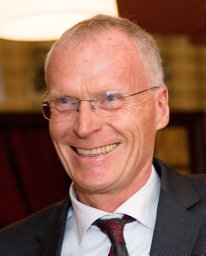 Hanns-Ulrich Marschall合作论文数Wallenberg Laboratory, University of Gothenburg28Marschall Hu合作论文数27Marion J. Pollheimer合作论文数26Spindelboeck Walter合作论文数23RE Stauber合作论文数22Dagmar Silbert合作论文数22
 Alexander Rosenkranz合作论文数Clinical Division of Nephrology, Medical University of Graz20Cord Langner合作论文数18Thierry Claudel合作论文数18
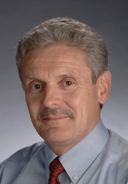 Hartmut Jaeschke合作论文数University of Kansas Medical Center17
 Cornelia Stumptner合作论文数17Carolin Lackner合作论文数16Baghdasaryan Anna合作论文数15Tatjana Stojakovic合作论文数15Judith Gumhold合作论文数15Lemesch Sandra合作论文数13Günter Fauler合作论文数13
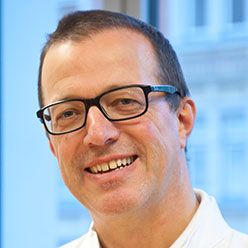 Herbert Tilg合作论文数Universitätsklinik für Innere Medizin I Innsbruck, Medical University of Innsbruck13P. Douschan合作论文数12
 Frank Lammert合作论文数Medizinischen Kliniken, Universitätsklinikums des Saarlandes12
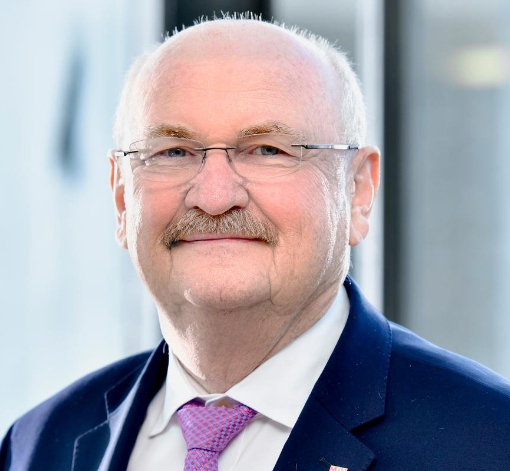 Michael Manns合作论文数Medizinischen Hochschule Hannover12
 Kathrin Eller合作论文数12B. Schmerboeck合作论文数11
 Philipp Douschan合作论文数11
 Robert Krause合作论文数11
 Frank J. Gonzalez合作论文数Cancer Innovation Laboratory, Center for Cancer Research, National Cancer Institute, National Institutes of Health11Harald Hofer合作论文数11Guenter J. Krejs合作论文数10
 Christian Rust合作论文数10




