BACKGROUND:Cholestasis is a frequent phenomenon in patients with burn injury and linked with impaired outcomes. AIMS:To explore longitudinal trajectories of cholestasis and validate the proposed definition of burn-associated cholestasis (BAC). METHODS:532 patients admitted to an intensive care unit (ICU) for burn injury over a 10-year timeframe were included in this single-center, retrospective cohort study. Burn severity, ICU treatment, and laboratory parameters were longitudinally collected from admission to discharge or death. RESULTS:Median total body surface area burned was 15% and 234 patients (44%) had severe burn (≥ 20%). 118 patients (22%) met the proposed criteria of BAC while 41%, 30%, and 68% developed elevated alkaline phosphatase, bilirubin, and gamma-glutamyl transferase, respectively. BAC was associated with burn severity, ketamine use, mechanical ventilation, and parenteral nutrition, and 85% of cases occurred in patients exposed to ketamine, mechanical ventilation, and parenteral nutrition. Hyperbilirubinemia (≥ 2× upper-limit-of-normal, i.e., BAC subtype B/C) was independently associated with mortality adjusting for burn severity, critical illness severity, and ICU-specific treatment. However, bilirubin alone provided better discrimination, especially regarding excess deaths after ≥ 7 days (Harrel's C: 0.80-0.83). Concordant increases in bilirubin and alkaline phosphatase/gamma-glutamyl transferase allow for early identification of an at-risk population. Developing hyperbilirubinemia until Day 14 identified a subgroup with severely impaired prognosis (survival at 90 days: 46% vs. 95%). CONCLUSIONS:Cholestasis is frequent following burn injury. Prognosis is determined by bilirubin dynamics independently of disease and burn severity. Hyperbilirubinemia is associated with excess mortality ≥ 7 days after surviving burn injury.
Summary This consensus document of the Austrian Society of Gastroenterology and Hepatology (ÖGGH) is intended to provide practical guidance for the management of individuals with primary biliary cholangitis (PBC). PBC is a chronic inflammatory, autoimmune-mediated disease of the intrahepatic bile ducts that can lead to fibrosis and ultimately cirrhosis. Middle-aged women are significantly more frequently affected than men. The pathogenesis is currently not fully understood. Based on the presence of disease-specific autoantibodies, it is classified as an autoimmune liver disease, although a combination of genetic predisposition and environmental factors contribute to disease development and progression. The diagnosis of PBC is based on a cholestatic enzyme pattern together with the presence of anti-mitochondrial antibodies (AMA) or PBC-specific anti-nuclear antibodies (sp100, gp210). A liver biopsy is rarely required to establish the diagnosis; exceptions are the suspicion of a PBC autoimmune hepatitis (AIH) variant syndrome or the absence of the abovementioned antibodies. The therapeutic goal is to reduce cholestatic injury thereby preventing disease progression and to reduce symptoms. Approximately 60–70% of patients achieve clinical and biochemical remission with first-line treatment, i.e., ursodeoxycholic acid (UDCA). Recently, the therapeutic paradigm has shifted from achieving certain predefined response criteria to a normalization of alkaline phosphatase (ALP) together with a low-normal bilirubin level, as the latter was linked to improved outcomes in some subgroups. For patients who do not sufficiently respond to UDCA, the newly approved peroxisome proliferator-activated receptor (PPAR) agonists elafibranor and seladelpar, as well as bezafibrate ( off-label use), should be used as a combination treatment with UDCA. In patients with decompensated cirrhosis, liver transplantation has been associated with good long-term outcomes, albeit disease recurrence occurs in up to 50% by 15 years.
BACKGROUND AND AIMS:Autoimmune hepatitis (AIH) may progress to advanced chronic liver disease (ACLD) with clinically significant portal hypertension (CSPH). In this study, we evaluated the prevalence of different clinical CSPH features and their prognostic impact regarding decompensation, liver transplantation (LTX) and death in patients with AIH. METHOD:Patients with confirmed AIH diagnosis (sIAIHG-Score ≥ 6) managed at the Vienna General Hospital between 2005 and 2023 were retrospectively analysed. RESULTS:Among 271 included patients (76.4% female) with AIH, n = 60 (22.1%) presented clinical features of CSPH at diagnosis. During a median follow-up of 7.2 (IQR 2.9-12.7) years, the proportion with CSPH features increased to n = 104 (38.4%). In a multivariable cox regression analysis, both compensated (aHR: 5.77, 95% CI: [1.47-22.71], p = 0.012) and decompensated features of CSPH (aHR: 15.73, 95% CI: [4.17-59.33], p < 0.0001) were associated with an increased risk of LTX/death, whereas complete biochemical response and higher albumin levels were identified as protective factors. The BAVENO-VII criteria for ruling-out CSPH (liver stiffness < 15 kPa and platelet count ≥ 150 G/L) identified AIH patients with a negligible 10Y cumulative incidence of hepatic decompensation (0.8%) and a favourable 10Y transplant-free survival (97.8%). Overall, n = 16 (5.9%) patients died, with n = 10 deaths caused by CSPH-related complications. CONCLUSION:In patients with AIH, clinical features of CSPH reflect the risk of future hepatic decompensation and mortality. Hence, regular screening for CSPH in AIH patients seems warranted to ensure timely initiation of adequate CSPH-directed treatment.
24-Nor-ursodeoxycholic acid (NorUDCA) is a novel therapeutic bile acid for treating immune-mediated cholestatic liver diseases, such as primary sclerosing cholangitis (PSC). Since PSC strongly associates with T helper-type-like 17 (T H 17)-mediated intestinal inflammation, we explored NorUDCA’s immunomodulatory potential on T H 17 cells. NorUDCA’s impact on T H 17 differentiation was assessed using a CD4 + T Naive adoptive transfer mouse model, and on intraepithelial T H 17 pathogenicity and transdifferentiation using an αCD3 stimulation model combined with interleukin-17A-fate-mapping. Mechanistic studies used molecular and multiomics approaches, flow cytometry and metabolic assays with pathogenic (p) T H 17. Pathogenicity of pT H 17 exposed to NorUDCA in vitro was evaluated following adoptive transfer in intestinal tissues or the central nervous system (CNS). Key findings were validated in an αCD3-stimulated humanised NSG mouse model reconstituted with peripheral blood mononuclear cells from patients with PSC. NorUDCA suppressed T H 17 effector function and enriched regulatory T cell (Treg) abundance upon CD4 + T Naive cell transfer. NorUDCA mitigated intraepithelial T H 17 pathogenicity and decreased the generation of proinflammatory ‘T H 1-like-T H 17’ cells, and enhanced T H 17 transdifferentiation into Treg and Tr1 (regulatory type 1) cells in the αCD3-model. In vivo ablation revealed that Treg induction is crucial for NorUDCA’s anti-inflammatory effect on T H 17 pathogenicity. Mechanistically, NorUDCA restrained pT H 17 effector function and simultaneously promoted functional Treg formation in vitro , by attenuating a glutamine-mTORC1-glycolysis signalling axis. Exposure of pT H 17 to NorUDCA dampened their pathogenicity and expansion in the intestine or CNS upon transfer. NorUDCA’s impact on T H 17 inflammation was corroborated in the humanised NSG mouse model. NorUDCA restricts T H 17 inflammation in multiple mouse models, potentiating future clinical applications for treating T H 17-mediated intestinal diseases and beyond.
ABSTRACTBackground and AimsPorto‐sinusoidal vascular disorder (PSVD) is a rare vascular liver disorder characterised by specific histological findings in the absence of cirrhosis, which is poorly understood in terms of pathophysiology. While elevated hepatic copper content serves as diagnostic hallmark in Wilson disease (WD), hepatic copper content has not yet been investigated in PSVD.MethodsPatients with a verified diagnosis of PSVD at the Medical University of Vienna and available hepatic copper content at the time of diagnosis of PSVD were retrospectively included. Elevated hepatic copper content was correlated with cholestatic changes and WD diagnostics in PSVD and analysed for liver‐related outcomes (first/further hepatic decompensation/liver‐related death).ResultsOverall, 92 patients were included into this study (mean age 49 ± 16; 57% male; median hepatic copper content was 30 [IQR: 18–55] μg/g) of whom 29 (32%) had moderately (≥ 50 μg/g) and 4 (4%) strongly (≥ 250 μg/g) elevated hepatic copper content.Elevated levels of hepatic copper were associated with younger age in multivariable linear regression analysis. After adjusting for age, decompensation status and albumin, hepatic copper content was significantly associated with the outcome of interest (log, per 10; aHR: 1.60 [95% CI: 1.14–2.25]; p = 0.007). A hepatic copper cut‐off at ≥ 90 μg/g identified PSVD patients with considerable risk of liver‐related outcomes (at 2 years: 51% vs. 12%).ConclusionElevated hepatic copper seems frequent in patients with PSVD even in the absence of cholestatic features, especially in young patients, which makes differential diagnosis to WD challenging. Since PSVD patients with elevated hepatic copper content had increased risk for liver‐related outcomes, the pathomechanisms underlying hepatic copper accumulation in PSVD should be investigated as this may open new therapeutic avenues.
Background 24-Nor-ursodeoxycholic acid (NorUDCA) is a novel therapeutic bile acid for treating immune-mediated cholestatic liver diseases, such as primary sclerosing cholangitis (PSC). Objective Since PSC strongly associates with T helper-type-like 17 (T H 17)-mediated intestinal inflammation, we explored NorUDCA’s immunomodulatory potential on T H 17 cells. Design NorUDCA’s impact on T H 17 differentiation was assessed using a CD4 + T Naive adoptive transfer mouse model, and on intraepithelial T H 17 pathogenicity and transdifferentiation using an αCD3 stimulation model combined with interleukin-17A-fate-mapping. Mechanistic studies used molecular and multiomics approaches, flow cytometry and metabolic assays with pathogenic (p) T H 17. Pathogenicity of pT H 17 exposed to NorUDCA in vitro was evaluated following adoptive transfer in intestinal tissues or the central nervous system (CNS). Key findings were validated in an αCD3-stimulated humanised NSG mouse model reconstituted with peripheral blood mononuclear cells from patients with PSC. Results NorUDCA suppressed T H 17 effector function and enriched regulatory T cell (Treg) abundance upon CD4 + T Naive cell transfer. NorUDCA mitigated intraepithelial T H 17 pathogenicity and decreased the generation of proinflammatory ‘T H 1-like-T H 17’ cells, and enhanced T H 17 transdifferentiation into Treg and Tr1 (regulatory type 1) cells in the αCD3-model. In vivo ablation revealed that Treg induction is crucial for NorUDCA’s anti-inflammatory effect on T H 17 pathogenicity. Mechanistically, NorUDCA restrained pT H 17 effector function and simultaneously promoted functional Treg formation in vitro , by attenuating a glutamine-mTORC1-glycolysis signalling axis. Exposure of pT H 17 to NorUDCA dampened their pathogenicity and expansion in the intestine or CNS upon transfer. NorUDCA’s impact on T H 17 inflammation was corroborated in the humanised NSG mouse model. Conclusion NorUDCA restricts T H 17 inflammation in multiple mouse models, potentiating future clinical applications for treating T H 17-mediated intestinal diseases and beyond.
ZusammenfassungDie Ursache der primär sklerosierenden Cholangitis (PSC) bleibt unklar und erklärt das Fehlen einer kausalen Therapie. Die differenzialdiagnostische Abgrenzung zur noch selteneren IgG4-assoziierten Cholangitis (IAC) gelingt uns immer besser. Fortschritte im Wissen um unterschiedliche klinische Verläufe, Verbesserungen in der nichtinvasiven Diagnostik durch moderne Magnetresonanzbildgebung und die Einführung der Leberelastographie führten zur Entwicklung verbesserter Prognosemodelle. Die Evidenz für Empfehlungen zur medikamentösen (z. B. Ursodesoxycholsäure) oder endoskopischen Therapie (z. B. Ballondilatation und/oder Stenteinlage) bei PSC bleibt gering. Hingegen werden die Langzeitergebnisse der Lebertransplantation bei PSC stetig besser. Mangels hochsensitiver und spezifischer Screeningmethoden gelingt die Früherkennung des cholangiozellulären Karzinoms (CCC) als wichtigste Komplikation selten. Die stetige Verbesserung von ERCP und direkter Cholangioskopie in Kombination mit molekularbiologischen und FISH-Analysen der gewonnenen Gewebsproben ist für die verfeinerte Diagnostik vielversprechend. Aufgrund des deutlich erhöhten Risikos für kolorektale Karzinome wird bei Vorliegen einer chronisch-entzündlichen Darmerkrankung (CED) die jährliche Koloskopie empfohlen. Errungenschaften in der Frühdiagnostik und die erfolgreiche Testung neuer Therapiemodalitäten lassen auf eine stetige Verbesserung in der Betreuung dieser komplexen PatientInnen hoffen.
Summary Background Aetiological therapy improves liver function and may enable hepatic recompensation in decompensated cirrhosis. Aims We explored the potential for recompensation in patients with decompensated primary biliary cholangitis (PBC) – considering a biochemical response to ursodeoxycholic acid (UDCA) according to Paris‐II criteria as a surrogate for successful aetiological treatment. Methods Patients with PBC were retrospectively included at the time of first decompensation. Recompensation was defined as (i) resolution of ascites and hepatic encephalopathy (HE) despite discontinuation of diuretic/HE therapy, (ii) absence of variceal bleeding and (iii) sustained liver function improvement. Results In total, 42 patients with PBC with decompensated cirrhosis (age: 63.5 [IQR: 51.9–69.2] years; 88.1% female; MELD‐Na: 13.5 [IQR: 11.0–15.0]) were included and followed for 41.9 (IQR: 11.0–70.9) months after decompensation. Seven patients (16.7%) achieved recompensation. Lower MELD‐Na (subdistribution hazard ratio [SHR]: 0.90; p = 0.047), bilirubin (SHR per mg/dL: 0.44; p = 0.005) and alkaline phosphatase (SHR per 10 U/L: 0.67; p = 0.001) at decompensation, as well as variceal bleeding as decompensating event (SHR: 4.37; p = 0.069), were linked to a higher probability of recompensation. Overall, 33 patients were treated with UDCA for ≥1 year and 12 (36%) achieved Paris‐II response criteria. Recompensation occurred in 5/12 (41.7%) and in 2/21 (9.5%) patients with vs. without UDCA response at 1 year, respectively. Recompensation was linked to a numerically improved transplant‐free survival (HR: 0.46; p = 0.335). Nonetheless, 4/7 recompensated patients presented with liver‐related complications after developing hepatic malignancy and/or portal vein thrombosis and 2 eventually died. Conclusions Patients with PBC and decompensated cirrhosis may achieve hepatic recompensation under UDCA therapy. However, since liver‐related complications still occur after recompensation, patients should remain under close follow‐up.
The etiology of primary sclerosing cholangitis (PSC) remains unclear, which explains in part the lack of a causal treatment. The differential diagnostic distinction from the even rarer immunoglobulin 4 (IgG4)-associated cholangitis (IAC) is becoming increasingly more successful. Advances in the understanding of different clinical courses, improvements in noninvasive diagnostics through modern magnetic resonance imaging (MRI) and the introduction of liver elastography have led to the development of improved prognostic models. The evidence for recommendations on medicinal (e.g., ursodeoxycholic acid) or endoscopic treatment (e.g., balloon dilatation and/or stent insertion) for PSC is still low. In contrast, the long-term results of liver transplantation in PSC patients are constantly improving. Due to the lack of highly sensitive and specific screening methods the early recognition of cholangiocellular carcinoma (CCC) as the most important complication is rarely successful. The continuous improvement of endoscopic retrograde cholangiopancreatography (ERCP) and direct cholangioscopy in combination with molecular biological and fluorescence in situ hybridization (FISH) analyses of bile duct tissue samples are promising for refined diagnostics. Due to the significantly increased risk of colorectal cancer, an annual colonoscopy is recommended in the presence of inflammatory bowel disease. Improvement of the early diagnostics of PSC and successful testing of new treatment strategies raise hope for a continuous improvement in the medical support of these complex patients.
 Michael Trauner合作论文数Division of Gastroenterology and Hepatology, Department of Medicine III, Medical University of Vienna180
 Peter Fickert合作论文数Department of Medicine, University of Graz50
 Kazemi-Shirazi Lili合作论文数32Thierry Claudel合作论文数30Tarek Moustafa合作论文数Department of Radiology, University of Michigan Hospital29
 Stefan Traussnigg合作论文数26
 Claudia D. Fuchs-Steiner合作论文数Hans Popper Laboratory for Molecular Hepatology, Department of Medicine III, Medical University Vienna26
 Katharina Staufer合作论文数25
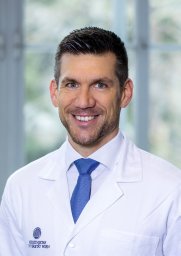 Thomas Reiberger合作论文数Department of Internal Medicine III, Medical University of Vienna20Harald Hofer合作论文数19Tatjana Stojakovic合作论文数18Albert Friedrich Stättermayer合作论文数Division of Gastroenterology and Hepatology, Department of Medicine III, Medical University of Vienna17Andrea Fuchsbichler合作论文数17
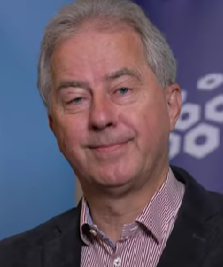 Ulrich Beuers合作论文数Tytgat Institute for Liver and Intestinal Research, Amsterdam UMC16Christian Kienbacher合作论文数16Helmut Denk合作论文数16Peter Jaksch合作论文数Department of Cardiothoracic Surgery;University of Vienna16
 Mattias Mandorfer合作论文数Division of Gastroenterology and Hepatology, Department of Internal Medicine III, Medical University of Vienna15
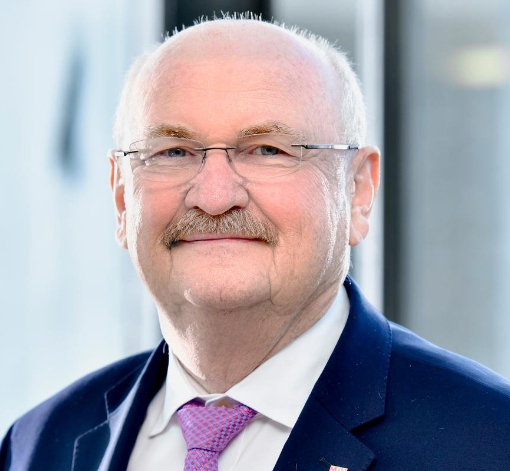 Michael Manns合作论文数Medizinischen Hochschule Hannover15
 Walter Klepetko合作论文数Vienna Medical University; Department of Thoracic Surgery14
 Gernot Zollner合作论文数14Petra Munda合作论文数12
 Christoph Schramm合作论文数12
 Gideon Hirschfield合作论文数Centre for Liver and Gastrointestinal Research, University of Birmingham12Baghdasaryan Anna合作论文数12
 Kurt Zatloukal合作论文数Diagnostic and Research Center for Molecular Biomedicine, MUG12
 Hanns-Ulrich Marschall合作论文数Wallenberg Laboratory, University of Gothenburg12Dagmar Silbert合作论文数12Judith Gumhold合作论文数12
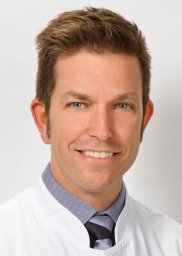 Andreas E Kremer合作论文数Dept Med 1, Friedrich Alexander Univ Erlangen Nurnberg10
 Christian P. Strassburg合作论文数Medizinische Klinik und Poliklinik I - Allgemeine Innere Medizin, Zentrum für Innere Medizin, Universitätsklinikum Bonn10
 Martin Krssak合作论文数Department of Internal Medicine III, Medical University of Vienna10
 Georg Semmler合作论文数Department of Internal Medicine III, Medical University of Vienna;Vienna Hepatic Hemodynamic Lab, Medical University of Vienna;Medical University of Vienna, Medical University of Vienna9
 Elisabeth Krones合作论文数9
 Gajdošík Martin合作论文数9Stift Judith合作论文数8Fritz Wrba合作论文数8
 Marek Chmelik合作论文数Karl Landsteiner Inst Endocrinol & Metab8
 Siegfried Trattnig合作论文数University of Vienna8
 Harm Stephan合作论文数Center for Biomedical Technology, Danube University Krems7
 Lucas Maillette de Buy Wenniger合作论文数7Harald Vogelsang合作论文数7
 Peter Ferenci合作论文数University of Vienna7
 Malte Wagner合作论文数Laboratory of Experimental and Molecular Hepatology, Medical University7
 Petra Steindl-Munda合作论文数7Michael Gschwantler合作论文数Faculty of Medicine, Sigmund Freud Private University7
 Chris Day合作论文数Newcastle University7Daniel Steinacher合作论文数6




