Monitoring fish species through ichthyoplankton (fish eggs and larvae) surveys provides important information for fish stock assessment and management, with molecular tools complementing morphology by enabling more accurate identifications. To test the effectiveness of DNA metabarcoding to identify fish species and to capture seasonal variations in local ichthyofauna, monthly ichthyoplankton and 2 L water samples were collected over 13 months in the lower section of the Guadiana River Estuary in southeast Portugal. Both sample types underwent high-throughput sequencing for three genetic markers (COI, 12S, 16S), with morphological identification also performed for ichthyoplankton. Bulk and water samples identified a total of 118 fish taxa (26 orders and 45 families) throughout the year. DNA metabarcoding demonstrated higher taxonomic resolution and diversity detection, with 97 species recovered, while morphology identified only 23 species. Ichthyoplankton metabarcoding also detected 32% more fish than water eDNA, suggesting that DNA from small eggs and larvae is more difficult to capture in environmental samples. The integration of multiple molecular markers was crucial to maximize diversity detection in both DNA-based methods. In addition, DNA metabarcoding was able to identify ichthyofaunal spawning periods and captured significant seasonal variations in fish community. Nearly 68% of the taxa historically recorded in the ichthyoplankton were detected, and first records of developmental stages in the estuary were obtained for 67 species. These findings demonstrate the capability of (e)DNA metabarcoding to uncover seasonal variations in the regional fish community, provided new insights on the ichthyofauna of the Guadiana Estuary, and revealed the need for more in-depth studies to improve the efficiency of multiple sampling methods for fish species identification.
Marine non-indigenous species (NIS), introduced primarily through shipping in marinas and ports, pose significant threats to coastal biodiversity and ecosystem functioning, requiring effective management strategies, especially for monitoring aimed at early detection. This study aimed to capture a comprehensive snapshot of the geographic variation of marine invertebrate assemblages and NIS occurrence, across 10 recreational marinas in Portugal (6 on the mainland - Viana do Castelo, Porto, Aveiro (2 marinas), and Lisbon (2 marinas) - and 2 in each archipelago, Madeira and the Azores). In each marina, hard substrates, zooplankton, and water samples (for eDNA) were collected in triplicate during summer for metabarcoding profiling, yielding 111 samples. Using Illumina MiSeq sequencing of the mitochondrial cytochrome c oxidase subunit I (COI) gene (313 bp) and the V4 region of the small subunit 18S rRNA gene (18S, approximately 400 bp), we detected 641 species from 21 phyla, 39 of which were NIS (7 phyla). Less than 1% of the species and 5% of NIS were detected in all marinas. The Azores had the highest numbers of both exclusive native species (97) and NIS (6). In contrast, Aveiro had the lowest number of exclusive native species (38), while the lowest numbers of exclusive NIS were observed in both the North and Aveiro (1 each). Detection success also varied among sample types: zooplankton samples recovered the highest proportion of total species (64%), whereas hard substrates in the islands and water samples in mainland Portugal recovered the highest proportions of NIS. A Principal Coordinate Analysis indicated a distinct separation among communities forming three main groups: (1) Viana do Castelo, Porto, and Aveiro; (2) Lisbon; and (3) Madeira and the Azores. Similarity between these groups is negatively correlated with geographic distance and overlaps with ecoregions previously identified within Lusitania. In the Azores, 9 NIS were recorded for the first time, and one in Madeira. We also recorded a considerable number of potential range expansions of NIS, predominantly along the mainland coast, in both North (N), South (S) or S-N directions, which suggests a high potential for DNA metabarcoding to be included in future national marine biomonitoring campaigns.
ABSTRACT Early detection and monitoring of non-indigenous species (NIS) is crucial to prevent their establishment and to reduce ecological and economic impacts in coastal ecosystems. Traditional monitoring approaches, which rely largely on morphological identification of collected organisms, are often time-consuming and may fail to detect species that occur at low abundance, are morphologically cryptic, or are present in the form of inconspicuous life stages. DNA-based approaches, particularly those resorting to environmental DNA, have demonstrated high aptitude for biodiversity monitoring and biosecurity surveillance. By examining the genetic material from bulk community samples or released into the environment, DNA-based approaches enable the detection of species without the need for direct observation, thereby increasing detection sensitivity and expanding the scope of monitoring programs. Despite the rapid growth of its employment in marine monitoring, a global synthesis of the status and trends of DNA-based approaches for detecting NIS in this environment has been lacking. Here, we present such synthesis, based on 146 published studies employing DNA for NIS detections in coastal environments. Two main methodological approaches were used across the reviewed studies, namely DNA metabarcoding which was applied in 49% of studies, closely followed by targeted single-species PCR assays, used in 42% of the studies. A smaller proportion of studies (10%) combined both approaches, integrating broad community screening with targeted detection to improve surveillance efficiency. Globally, 752 NIS were detected across disparate taxonomic groups, with metazoans representing the largest proportion of detections (464 species), followed by Chromista (210 species) and Plantae (77 species). Among these, the most frequently detected taxonomic groups included Dinophyceae (Dinoflagellata), Teleostei (Chordata), Florideophyceae (Rodophyta), Polychaeta (Annelida), Copepoda and Malacostraca (Arthropoda), and Ascidiacea (Chordata). At the species level, several well-known marine invaders were recurrently reported, including Bugula neritina (Linnaeus, 1758), Styela plicata (Lesueur, 1823), Acartia (Acanthacartia) tonsa Dana, 1849-1852, and Botryllus schlosseri (Pallas, 1766), highlighting the ability of DNA approaches to detect widespread and established invaders across different regions. The mitochondrial cytochrome c oxidase subunit I (COI) gene was the most widely used genetic marker, reflecting its broad taxonomic coverage and extensive representation in reference databases, particularly for targeting Metazoa. Ribosomal RNA genes, particularly 18S and 16S rRNA gene markers, were also frequently employed to target a wider range of eukaryotic taxa. Regarding sampled substrates, water was by far the most analyzed substrate, followed by zooplankton and biofouling communities collected from man-made structures. Notably, approximately 31% of all NIS detections reported in the reviewed studies constituted new regional records. These results highlight the potential of eDNA for coastal monitoring but also underline important limitations. Persistent geographical, taxonomic, and methodological biases can affect detection outcomes, and reliance on single sample types or markers may increase false negatives - particularly critical for NIS early detection. Therefore, multi-marker and multi-substrate approaches are essential to improve detection reliability and support effective biosecurity strategies. As reference databases continue to expand and methodological protocols become increasingly standardized, DNA-based monitoring is likely to play a central role in future management and surveillance of biological invasions in coastal ecosystems. Graphical Abstract
The International Barcode of Life (iBOL) initiative is building a globally accessible DNA-based system for species identification and discovery. This paper outlines the mission and strategic priorities for the iBOL community in Europe (iBOL Europe), set in a global context. The mission of iBOL Europe is to produce, curate, and provide access to a complete DNA barcode reference library of European eukaryotic biodiversity, catalyzing species discovery and enabling comprehensive, harmonized species identification and biomonitoring, and supporting the global iBOL program. Immediate objectives include completing reference libraries for priority taxa, democratizing access to sequencing technologies, and strengthening a distributed community of practice. Key actions identified span five thematic areas: community building, sample collection and taxonomic verification, sequencing infrastructure, data management, and mainstreaming DNA-based approaches to meet societal needs. The strategy emphasizes integration with European research infrastructures to ensure long-term sustainability and resilience for biodiversity genomics in Europe.
Environmental DNA (eDNA) has emerged as a transformative tool for monitoring aquatic biodiversity, offering a non-invasive and highly sensitive approach to detecting organisms across diverse ecosystems. However, its effective downstream application across Europe in environmental management is hindered by inconsistencies in data standardisation, metadata reporting, and accessibility. This perspective comprehensively evaluates current data repositories, data submission workflows, and standardisation efforts within the European aquatic eDNA landscape. By employing a multi-method approach, including an inventory of eDNA databases, a metadata assessment, a stakeholder questionnaire, and a generative Artificial Intelligence (AI)-driven analysis of scientific literature, our findings reveal substantial variability in metadata reporting practices, with several areas misaligned with Findable, Accessible, Interoperable, and Reusable (FAIR) principles. While some repositories demonstrate strong data curation and accessibility, others lack essential metadata descriptors, limiting interoperability. We identify critical gaps in metadata submission, particularly concerning sampling methods and wet lab workflows, which heavily impact data reusability. The use of generative AI in this study further enabled large-scale identification of recurring reporting weaknesses, highlighting structural challenges that extend beyond individual studies. Addressing these gaps and leveraging advanced computational approaches through international standards and harmonised guidelines represents a clear way forward, as articulated in the recent “Making eDNA FAIR” paper by Takahashi et al. (2025), which is based on the use of Darwin Core (DwC) and Genomics Standards Consortium (GSC) MIxS standards, as well as Global Biodiversity Information Facility (GBIF)’s “Publishing DNA-derived data through biodiversity data platforms” guidelines. Furthermore, additional complementary principles strengthen this framework. The Collective benefit, Authority to control, Responsibility, Ethics (CARE) principles emphasise Indigenous data governance and responsible sample stewardship, while the Transparency, Responsibility, User focus, Sustainability, Technology (TRUST) principles provide criteria for repository reliability and long-term digital preservation. Together, the combined application of FAIR, CARE, and TRUST principles provides a structured foundation for ensuring robust, interoperable, and ethically managed eDNA data that support aquatic biodiversity research, management, and conservation across Europe.
DNA-based approaches, including environmental DNA (eDNA) and bulk community metabarcoding—(e)DNA metabarcoding—as well as targeted approaches (e.g., qPCR) have emerged as powerful alternatives for biodiversity monitoring and biosecurity surveillance. However, no global synthesis has comprehensively evaluated the application of these tools for coastal non-indigenous species (NIS) detection. Here, we present the first global quantitative synthesis of DNA-based approaches for NIS surveillance in coastal ecosystems, based on 146 published studies using metabarcoding and targeted molecular assays, from 2010–2024. DNA metabarcoding was applied in 49
DNA barcoding has become a cornerstone for species identification and biodiversity monitoring, enabling applications from ecological research to conservation and environmental policy. The International Barcode of Life (iBOL) provides global coordination, but national nodes are essential for implementing barcoding at scale, building local capacity and translating scientific advances into practice. This paper synthesises experiences from 20 countries (17 in Europe), drawing on a survey and a workshop conducted under the Horizon Europe Biodiversity Genomics Europe project. We examine how national nodes are initiated, governed and sustained and identify common challenges, such as defining scope, securing funding, harmonising methods and engaging stakeholders. Most nodes were initiated by research communities and operate as informal networks with heterogeneous governance and staffing models. Key priorities include constructing comprehensive DNA barcode reference libraries, aligning activities with biomonitoring needs and promoting FAIR and CARE data principles. We highlight strategies for capacity building, methodological standardisation and stakeholder engagement, alongside approaches for diversifying funding and strengthening communication. Based on these insights, we present ten practical recommendations to guide the establishment and long-term success of national DNA barcoding nodes. Strengthening these infrastructures will enhance Europe’s ability to deliver robust DNA-based biodiversity monitoring, underpin metabarcoding and metagenomic studies and contribute to global efforts in species discovery, conservation and environmental management.
Monitoring fish species through ichthyoplankton surveys provides important information for fish stock assessment and management. To test the effectiveness of DNA metabarcoding to identify fish species and to capture seasonal variations in local ichthyofauna, monthly ichthyoplankton and 2 L water samples were collected over 13 months in the lower section of the Guadiana River Estuary in southeast Portugal. Both sample types underwent high-throughput sequencing for three genetic markers (COI, 12S, 16S), with morphological identification also performed for ichthyoplankton. Bulk and water samples identified a total of 131 fish species throughout the year. DNA metabarcoding demonstrated higher taxonomic resolution and diversity detection, with 115 species recovered, while morphology identified only 23 species. Ichthyoplankton metabarcoding also detected 40% more fish than water eDNA, recovering almost the double of species despite the fact that both approaches used the same metabarcoding primers. The integration of multiple molecular markers was crucial to maximize diversity detection in both DNA-based methods. In addition, DNA metabarcoding was able to identify ichthyofaunal spawning periods and captured significant seasonal variations in fish community, with higher diversity observed during the warmer months. With this strategy, around 66% of the historically recorded ichthyoplankton taxa in the region were identified, along with several new records. The findings demonstrated the capability of (e)DNA metabarcoding to uncover seasonal variations in the regional fish community, provided new insights on the ichthyofauna of the Guadiana Estuary, and revealed the need for more in-depth studies to improve the efficiency of multiple sampling methods for fish species identification. ### Competing Interest Statement The authors have declared no competing interest. Foundation for Science and Technology (FCT, I.P.), PT Foundation for Science and Technology (FCT, I.P.), PT and European Social Fund under the Northern Regional Operational Program - Norte2020, UI/BD/150910/2021 European Regional Development Fund (ERDF) through the Operational Programme for Competitiveness and Internationalisation - COMPETE 2020 and Foundation for Science and Technology (FCT, I.P.), PT, UIDB/04539/2020, UIDP/04539/2020, LA/P/0058/2020 Strategic Research Plan of CCMAR and Foundation for Science and Technology (FCT, I.P.), PT, UIDB/04326/2020, UIDP/04326/2020, LA/P/0101/2020
Molecular data have been suggesting the existence of a complex of cryptic species within the taxon Perinereis cultrifera , which has not been fully explored yet. In this study, we performed a morphological and molecular analysis (mtCOI-5P , 16S rRNA and 28SD2 rRNA ) of Perinereis specimens from intertidal marine and brackish European localities, mostly focusing on the Mediterranean Sea and the Canary Islands. Two major phylogenetic clades with at least 18 divergent (COI , 19.8; 6.4-28.5%) and completely sorted lineages were uncovered based on original data, 13 of which occurred exclusively in the Mediterranean Sea, a further 5 of which are unique to Italian brackish waters. An additional morphologically similar lineage, corresponding to P. oliveirae , coexisting with the single NE Atlantic lineage of the complex, was also retrieved as an ingroup. Careful morphological inspection, combined with the deep divergence between the two major molecular clades and the perfect match of each clade to the specific paragnath and chaetal types, highlighted the existence of two distinct groups of European Perinereis species: Clade A, which shows features matching historical descriptions of P. cultrifera , and Clade B corresponding to an overlooked morphotype described as P. rullieri . Although paragnaths show a similar pattern in the two clades, their sizes are considerably smaller in P. rullieri and the chaetae are characterised by coarse serration at the base of the spiniger blades and long falciger blades, as opposed to the lightly serrated blades and short falcigers in P. cultrifera . Further overlooked morphological features mainly based on thickness, direction and length of paragnaths, as well as the expansion of posteriormost dorsal ligules were also revealed within each major clade, which together with geographic and environmental boundaries allowed for the differentiation of most of these lineages without molecular data. Thirteen new species are here formally described, eight belonging to Clade A: P. caesarea sp. nov., P. faulwetterae sp. nov., P. houbinae sp. nov., P. maleniae sp. nov., P. miquellai sp. nov., P. muscoi sp. nov., P. nieri sp. nov. and P. twobae sp. nov.; and five belonging to Clade B: P. castellii sp. nov., P. juno sp. nov., P. jupiter sp. nov., P. minerva sp. nov. and P. tibicena sp. nov. The new combination P. beaucoudrayi is also proposed for Nereis beaucoudrayi , previously considered synonymous with P. cultrifera , for the only lineage occurring in the NE Atlantic. Lastly, Perinereis cultrifera s.s., P. rullieri s.s and the ingroup P. oliveirae are redescribed using topotypical material, with available syntypes and lectotypes assigned to the former two. ZooBank: urn:lsid:zoobank.org:pub:28C64123-DE82-411D-BC96-5E892FC692E3.
The high economic value and cultural relevance of diadromous fish make them primary targets for traditional fisheries that need effective management to ensure the long-term survival and conservation of their populations. In Portugal, these species are experiencing a marked decline, primarily due to habitat loss and fragmentation, alongside pollution and overfishing. Accurate monitoring is therefore essential to strengthen the management of diadromous fish within Portuguese ecosystems. Advancements in monitoring methodologies could benefit from more sensitive approaches, such as environmental DNA (eDNA) analysis, which is increasingly recognized as a valuable complement to conventional fish monitoring. However, eDNA-based tools remain largely absent and untested in Portugal's monitoring and management of diadromous fish. This study reviews literature on eDNA-based detection of diadromous fish species and discusses key methodological aspects influencing the detection efficiency, including sample processing (e.g., water filtration), DNA extraction methods, marker regions and primers, approach and platforms. A particular focus is placed on diadromous fishes occurring in Portugal, which includes several endangered and commercially important species, and the prospects of using eDNA to monitor them. By consolidating current literature, this work underscores the potential of eDNA to strengthen diadromous fish conservation in Portugal and offers insights to support the integration of eDNA-based tools into national monitoring frameworks. Although our study focuses on Portuguese species, the approaches and insights discussed are broadly applicable and can inform conservation efforts in other regions facing similar challenges.
Marine non-indigenous species (NIS), introduced primarily through shipping in marinas and ports, pose significant threats to coastal biodiversity and ecosystem functioning, requiring effective management strategies, especially for monitoring aimed at early detection. This study aimed to capture a comprehensive snapshot of the geographic variation of marine invertebrate assemblages and NIS occurrence, across 10 recreational marinas in Portugal (6 on the mainland - Viana do Castelo, Porto, Aveiro (2 marinas), and Lisbon (2 marinas) - and 2 in each archipelago, Madeira and the Azores). In each marina, hard substrates, zooplankton, and water samples (for eDNA) were collected in triplicate during summertime for metabarcoding profiling, adding up to a total of 111 samples. Using Illumina MiSeq sequencing of the mitochondrial cytochrome c oxidase subunit I (COI) gene (313 bp) and the V4 region of the small subunit 18S rRNA gene (18S, approximately 400 bp), we detected 645 species from 21 phyla, 40 of which were NIS (7 phyla). Only 5% of the species and 5% of NIS were detected in all marinas. The highest numbers of both exclusive native species and NIS were recorded in the Azores (100 and 7, respectively), and the lowest numbers of exclusive native species were recovered in Aveiro (39) while the lowest numbers of exclusive NIS were detected in the North and Aveiro regions (1 in each). A Principal Coordinate Analysis indicated a distinct separation among communities forming three main groups: 1) Viana do Castelo, Porto, and Aveiro; 2) Lisbon; and 3) Madeira and the Azores. Similarity between these groups is negatively correlated with geographic distance and overlaps with ecoregions previously identified within Lusitania. In the Azores 9 NIS were recorded for the first time, and one in Madeira. We also recorded a considerable number of potential range expansions of NIS, predominantly along the mainland coast, in both North (N) – South (S) or S-N directions, which shows promising results of the high potential of DNA metabarcoding to be included in future national marine biomonitoring campaigns. ### Competing Interest Statement The authors have declared no competing interest. Fundação para a Ciência e Tecnologia, https://ror.org/00snfqn58, https://doi.org/10.54499/UIDB/04050/2020, https://doi.org/10.54499/CEECIND/00667/2017/CP1458/CT0001, https://doi.org/10.54499/UI/BD/150871/2021, SFRH/BD/145746/2019, SFRH/BD/77539/2011, https://doi.org/10.54499/LA/P/0069/2020
In a society based on data-driven, data inclusion and data access play a significant role in societal development. A called democratization of data through open access, Open Data, must be nurtured by countries to empower their citizens, entrepreneurs, companies, industries, academics, and organizations, in general. Open Data Scoring System is an evaluation system that ranks countries in 22 categories of openness in data, divided into the 3 pillars of sustainability. In this paper, we will present the importance of Industry 4.0 and its relation to sustainability and the role of Data Science in Industry 4.0 assuming an Open Design approach. Then, an analysis is made considering the Gross Domestic Product (GDP) of the most relevant countries worldwide, the USA and China, concerning the six (6) higher ranked categories of openness data of these countries, supported by the Open Data Scoring System from 2015 to 2020. Our findings reveal that in the USA and China the main categories are seven (7), five (5), and 2 (two) categories of economic, social, and environmental sustainability, respectively. Through a correlations and co-occurrences analysis of the open data scoring worldwide reveals that the most significant categories are four (4) economic, one (1) social, and two (2) environmental.
Ichthyoplankton monitoring is crucial for stock assessments, offering insights into spawning grounds, stock size, seasons, recruitment, and changes in regional ichthyofauna. This study evaluates the efficiency of multi-marker DNA metabarcoding using mitochondrial cytochrome c oxidase subunit I (COI), 12S rRNA and 16S rRNA gene markers, in comparison to morphology-based methods for fish species identification in ichthyoplankton samples. Two transects with four coastal distance categories were sampled along the southern coast of Portugal, being each sample divided for molecular and morphological analyses. A total of 76 fish species were identified by both approaches, with DNA metabarcoding overperforming morphology-75 versus 11 species-level identifications. Linking species-level DNA identifications with higher taxonomic morphological identifications resolved several uncertainties associated with traditional methods. Multi-marker DNA metabarcoding improved fish species detection by 20-36% compared to using a single marker/amplicon, and identified 38 species in common, reinforcing the validity of our results. PERMANOVA analysis revealed significant differences in species communities based on the primer set employed, transect location, and distance from the coast. Our findings underscore the potential of DNA metabarcoding to assess ichthyoplankton diversity and suggest that its integration into routine surveys could enhance the accuracy and comprehensiveness of fish stock assessments.
Over the past century, numerous studies have proposed various organisms for the biomonitoring of aquatic systems, but only recently has zooplankton emerged as a promising indicator of water quality. The traditional identification methods, however, can be inefficient in the context of monitoring efforts, as they are often time consuming and costly. DNA metabarcoding offers a powerful alternative, providing a more efficient and reliable approach to monitor zooplankton communities. In this review, we assess the current state-of-the-art methodologies used to evaluate marine and brackish zooplankton communities through the DNA metabarcoding workflow. While several emerging approaches have been reported, no standardization has been achieved so far. The DNA extraction step has gained the most consensus, with the widespread use of commercial kits (DNeasy Blood & Tissue kit employed in ca. 25% of the studies), though there is still a significant variation in kit selection. Additionally, 18S and COI were the main molecular markers employed (ca. 61% and 54%, respectively) though the target region varied in the former. Moreover, many methodologies, particularly those used for processing zooplankton samples, lack practical validation. Some studies also fail to provide sufficient detail in their methodology descriptions hindering reproducibility. Overall, DNA metabarcoding shows great potential for the efficient monitoring of zooplankton communities, but further effort is needed to establish standardized practices and optimize the current approaches across the entire methodological pipeline.
Monitoring of marine invertebrate non-indigenous species (NIS) using DNA metabarcoding can be strongly affected by selected sample type due to life history traits, such as habitat preferences and life cycles. Two marinas in the north of Portugal were sampled to assess the impact of sample type (hard and artificial substrates, water eDNA, and zooplankton) and season (spring, autumn, winter) on species and NIS recovery. Using two molecular markers - the mitochondrial cytochrome c oxidase subunit I (COI) and the small subunit ribosomal RNA (18S) - a total of 636 species and 31 NIS were detected. Species numbers were slightly higher in the marina more exposed to maritime traffic, and the highest percentage of exclusive species was detected in zooplankton (up to 24%), as well as the highest numbers of NIS. Regarding season, the highest numbers of species and NIS were detected in the spring and autumn (varying within each marina). Taxonomic composition analysis revealed differences in species richness and community structure among seasons and sample types, particularly between hard and artificial substrates versus eDNA and zooplankton. Of the 31 NIS detected, six are potential first records for Portugal, which await morphology-based validation. No NIS were detected in all sample types nor in all sampled seasons. This highlights the need to employ different sampling approaches and markers, as well as consider seasonal variation and level of exposure to maritime-driven introductions to guarantee a comprehensive metabarcoding-based surveillance of NIS in recreational marinas.### Competing Interest StatementThe authors have declared no competing interest.
eDNA metabarcoding has been increasingly employed in the monitoring of marine invertebrate non-indigenous species (NIS), in particular using filtered seawater. However, comprehensive detection of all NIS may require a diversity of sampling substrates. To assess the effectiveness of 5 sample types (hard and artificial substrates, water, zooplankton) on the recovery of invertebrates’ diversity, two marinas were monitored over three time points, using COI and 18S rRNA genes as DNA metabarcoding markers. We detected a total of 628 species and 23 NIS, with only up to 9% species and 17% of NIS detected by all sample types. Hard and artificial substrates were similar to each other but displayed the most significant difference in invertebrate recovery when compared to water eDNA and zooplankton. Five NIS are potential first records for Portugal. No NIS were detected in all sample types and seasons, highlighting the need for varied sampling approaches, and consideration of temporal variation for comprehensive marine NIS surveillance.
The eDNAqua-Plan project stands as a beacon of innovation in the biomonitoring of marine and freshwater ecosystems, propelled by the urgent need to integrate DNA-based approaches in aquatic bioassessment and monitoring frameworks. The broad utilisation of cutting-edge environmental DNA (eDNA) and DNA barcoding methodologies is dependent on complete, reliable, and accessible reference DNA sequence data (Rimet et al. 2021). Complete and interoperable metadata is crucial to allow a broad reuse of (e)DNA data and analysis outputs, and for a broader uptake of results by end users. The eDNAqua-Plan project aims to address key limitations to the routine implementation of eDNA-based monitoring methods in Europe by developing plans for federated DNA barcode reference libraries and eDNA data repositories to support DNA-based environmental monitoring. This will ensure a sustainable and reliable infrastructure to underpin its broad use, thereby paving the way for more effective conservation and management strategies. The project is working towards creating a comprehensive overview of standardisation efforts and data workflows, through collaborations with other projects, initiatives and infrastructures for aquatic monitoring across the European Union (EU) and associated countries. We are analysing existing archives (e.g., International Nucleotide Sequence Database Collaboration (INSDC), Barcode of Life Data System (BOLD), Global Biodiversity Information Facility (GBIF), Ocean Biodiversity Information System (OBIS)), portals, and papers to determine current and best practices through the use of questionnaires, manual evaluation of repositories, and machine learning methods (LLMs). This includes an overview of the usage of existing metadata and data standards (e.g., Minimum Information about any (X) Sequence Specifications from the Genomics Standards Consortium (GSC), Darwin Core standard). The results are being integrated by a team of experts in marine and freshwater biomonitoring. With a diverse consortium comprising 18 partner institutions from 11 countries and one international institute, eDNAqua-Plan brings together experts in marine and freshwater monitoring, eDNA analysis, and data science. The collective effort by this consortium will lay the groundwork for the creation of a digital ecosystem of eDNA repositories and an integrated reference library of marine and freshwater species, adhering to FAIR (Findable, Accessible, Interoperable, and Reusable) principles.
Environmental DNA (eDNA) metabarcoding is revolutionising the study of aquatic ecosystems, enabling high-throughput analysis of biodiversity with minimal disturbance. Despite its potential to support fisheries management, species identification and downstream analysis reliability are hindered by the lack of standardisation in DNA fragment choice. This study compares the species discrimination power of three markers used in marine fish (e)DNA (meta)barcoding – 12S rRNA, 16S rRNA and cytochrome oxidase subunit I (COI) – as well as two amplicons for each. We analysed sequences from NCBI GenBank for 10 orders of Actinopterygii (ray-finned fishes), including mitochondrial genomes. We assessed species discrimination by determining the percentage of monophyletic species in Neighbour-Joining trees and calculating congeneric divergences for two datasets: one with genomic regions extracted from mitochondrial genomes (771 species) and another with independent sequences for each region (3,879 species). Amongst (meta)barcoding amplicons in the mitochondrial genomes’ dataset, the COI Folmer and Leray-Lobo regions had the highest discriminatory power, with 89.2% and 87.0% monophyletic species, respectively, while the 12S Teleo region had the lowest at 71.6%. Conversely, using independent sequences of these amplicons, Folmer and Leray-Lobo had the lowest percentages of monophyletic species, at 64.8% and 63.5%, respectively, while Actinopterygii 16S (Ac16S) had the highest at 83.0%. Species discrimination is influenced by the marker’s evolutionary rate, fragment length, target fish order and the quality of reference sequence data. We recommend considering species discriminatory power differences for amplicon selection, especially for species-level identifications. We advise a standard multi-marker approach under certain scenarios, particularly when the presence of close congeneric species is expected.
Understanding the long-term effects of climatic factors on key species' recruitment is crucial to species management and conservation. Here, we analysed the recruitment variability of key species (Dicentrarchus labrax, Platichthys flesus, Solea solea, Pomatoschistus microps and Pomatoschistus minutus) in an estuary between 2003 and 2019, and related it with the prevailing local and large-scale environmental factors. Using a dynamic factor analysis (DFA), juvenile abundance data were grouped into three common trends linked to different habitat uses and life cycle characteristics, with significant effect of temperature-related variables on fish recruitment: Sea surface temperature and the Atlantic Multidecadal Oscillation. In 2010, a regime shift in the North Atlantic coincided with a shift in the common trends, particularly a decline in P. flesus and S. solea trend. This work highlights the thermophilic character of fish recruitment and the necessity to investigate key biological processes in the context of species-specific responses to climate change.
Animal detection through DNA present in environmental samples (eDNA) is a valuable tool for detecting rare species, that are difficult to observe and monitor. eDNA-based tools are underpinned by molecular evolutionary principles, key to devising tools to efficiently single out a targeted species from an environmental sample. Here, we present a comprehensive review of the use of eDNA-based methods for the detection of targeted animal species, such as rare, endangered, or invasive species, through the analysis of 549 publications (2008-2022). Aquatic ecosystems have been the most surveyed, in particular, freshwaters (74 %), and to a less extent marine (14 %) and terrestrial systems (10 %). Vertebrates, in particular, fish (38 %), and endangered species, have been the focus of most of these studies, and Cytb and COI are the most employed markers. Among invertebrates, assays have been mainly designed for Mollusca and Crustacea species (21 %), in particular, to target invasive species, and COI the most employed marker. Targeted molecular approaches, in particular qPCR, have been the most adopted (75 %), while eDNA metabarcoding has been rarely used to target single or few species (approx. 6 %). However, less attention has been given in these studies to the effects of environmental factors on the amount of shed DNA, the differential amount of shed DNA among species, or the sensitivity of the markers developed, which may impact the design of the assays, particularly to warrant the required detection level and avoid false negatives and positives. The accuracy of the assays will also depend on the availability of genetic data and vouchered tissue or DNA samples from closely related species to assess both marker and primers' specificity. In addition, eDNA-based assays developed for a particular species may have to be refined for use in a new geographic area taking into account site-specific populations, as well as any intraspecific variation.
 Vieira Pedro合作论文数45
 Sofia Duarte合作论文数Centre of Molecular and Environmental Biology (CBMA),, University of Minho39
 Marcos A L Teixeira合作论文数22
 Maria Helena Costa合作论文数Faculdade de Ciências e Tecnologia, Universidade Nova de Lisboa;Department of Environmental Sciences and Engineering, Universidade Nova de Lisboa20
 Gary Carvalho合作论文数Environment Centre Wales, Bangor University;University of Penang;School of Natural Sciences, Bangor University14
 Luisa M. S. Borges合作论文数University of Portsmouth;School of Biological Sciences;Institute of Marine Sciences;Institute of Marine Sciences, University of Portsmouth13
 Jorge Lobo Arteaga合作论文数IMAR-Instituto do Mar, Faculdade de Ciências e Tecnologia da Universidade Nova de Lisboa11
 Ascensao Ravara合作论文数11
 Monica Landi合作论文数Core Integration Training Institute, Inc.11
 Ana Sofia Lavrador合作论文数10
 Simon Creer合作论文数9
 Henrique Queiroga合作论文数Centro de Estudos do Ambiente e do Mar, Universidade de Aveiro9
 Sampieri Bruno Rodrigues合作论文数Instituto de Biociências, Unesp8
 Ronaldo Sousa合作论文数CBMA - Centre of Molecular and Environmental Biology, University of Minho;Interdisciplinary Centre of Marine and Environmental Research (CIIMAR/CIMAR),, University of Porto;University of Minho, University of Porto8
 Teresa Neuparth合作论文数IMAR – Centro de Modelação Ecológica, Univ. Nova de Lisboa8
 Arne Nygren合作论文数Department of Surgery, Södersjukhuset8
 Rogelia Martins合作论文数7
 M. Alice Pinto合作论文数Mt Res Ctr CIMO, Polytech Inst Braganca7
 Torbjorn Ekrem合作论文数Museum of Zoology;University of Bergen;Museum of Zoology, University of Bergen7
 Claudia Hollatz合作论文数7
 Filipe Martinho合作论文数6
 Ana Cristina Costa合作论文数6
 Barbara R Leite合作论文数6
 Chris Theodorakis合作论文数Department of Biology Sciences, College of Arts & Sciences, Southern Illinois University Edwardsville6
 Miguel Angelo Pardal合作论文数IMAR – Institute of Marine Research, University of Coimbra6
 Marina R. Cunha合作论文数Centro de Estudos do Ambiente e do Mar;Departamento de Biologia;Universidade de Aveiro;Centro de Estudos do Ambiente e do Mar, Universidade de Aveiro6
 Pedro Gomes合作论文数6
 Michał Grabowski合作论文数Department of Invertebrate Zoology and Hydrobiology, Faculty of Biology and Environmental Protection, University of Lodz6
 Miguel Carneiro合作论文数Centro de Investigação em Biodiversidade e Recursos Genéticos Campus Agrário de Vairão, Universidade do Porto CIBIO/UP6Maria S. G. Ferreira合作论文数5
 Joao Tadeu Fontes合作论文数5
 Maria Fais合作论文数Centre of Molecular and Environmental Biology (CBMA),, University of Minho5Matzen da Silva Joana合作论文数5
 João Carlos Martins Azevedo合作论文数Centro de Investigação de Montanha, Instituto Politécnico de Bragança5
 Florian Leese合作论文数Lehrstuhl für Evolutionso¨kologie und Biodiversita¨t der Tiere, Ruhr-University Bochum5
 Antonina Dos Santos合作论文数Instituto Nacional de Investigaçăo Agrária e das Pescas5
 J. Spencer Johnston合作论文数Department of Entomology, Texas A&M University5
 Angel Borja合作论文数Universidad Del Pais Vasco;Marine Research Division, AZTI;Faculty of Marine Sciences, King Abdulaziz University5
 Manuela Parente合作论文数5
 Fedor Čiampor合作论文数Zoology Lab, Plant Science and Biodiversity Centre, Slovak Academy of Sciences;Institute of Botany, Slovak Academy of Sciences;AquaBOL.SK5
 Agnès Bouchez合作论文数Aqua Scientific Department, Inrae Carrtel5
 Jose Carlos Hernandez合作论文数4
 Belma Kalamujic Stroil合作论文数Inst Genet Engn & Biotechnol, Univ Sarajevo4
 Andrea Desiderato合作论文数Universidade Federal Do Paraná4
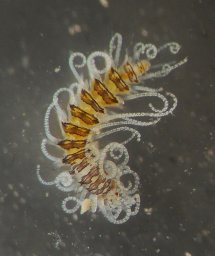 Joachim Langeneck合作论文数Consorzio Nazionale Interuniversitario per le Scienze Del Mare (CoNISMA),, DISTeBA4
 Panagiotis Kasapidis合作论文数Hellen Ctr Marine Res HCMR, Inst Marine Biol Biotechnol & Aquaculture IMBBC4
 Weigand Alexander M合作论文数Institute for Ecology, Evolution and Diversity, Goethe-University4Chávez-Galarza Julio合作论文数4
 Jan Pawłowski合作论文数Department of Genetics and Evolution, University of Geneva;Laboratory of Paleoceanography, Marine Ecology Department, Institute of Oceanology Polish Academy of Sciences4




