Creating human avatars is a highly desirable yet challenging task. Recent advancements in radiance field rendering have achieved unprecedented photorealism and real-time performance for personalized dynamic human avatars. However, these approaches are typically limited to person-specific rendering models trained on multi-view video data for a single individual, limiting their ability to generalize across different identities. On the other hand, generative approaches leveraging prior knowledge from pre-trained 2D diffusion models can produce cartoonish, static human avatars, which are animated through simple skeleton-based articulation. Therefore, the avatars generated by these methods suffer from lower rendering quality compared to person-specific rendering methods and fail to capture pose-dependent deformations such as cloth wrinkles. In this paper, we propose a novel approach that unites the strengths of person-specific rendering and diffusion-based generative modeling to enable dynamic human avatar generation with both high photorealism and realistic pose-dependent deformations. Our method follows a two-stage pipeline: first, we optimize a set of person-specific UNets, with each network representing a dynamic human avatar that captures intricate pose-dependent deformations. In the second stage, we train a hyper diffusion model over the optimized network weights. During inference, our method generates network weights for real-time, controllable rendering of dynamic human avatars. Using a large-scale, cross-identity, multi-view video dataset, we demonstrate that our approach outperforms state-of-the-art human avatar generation methods.
We present a local geometry refinement method and a 2D latent representation that took us to the top of the ConStellaration leaderboard on the geometric task in May 2026.
While various works address reflective symmetry understanding in 3D data and images, pixel-level semantic left-right prediction of in-the-wild images remains challenging, due to certain difficulties including the lack of 3D information, occlusion, object pose variation, partiality, etc. In this work, we propose an unsupervised learning framework to tackle this challenge. Leveraging recent advances in vertex-wise semantic left-right understanding of 3D data, our unsupervised learning method jointly utilises 3D shape and image datasets to infer pixel-wise semantic left-right predictions in single-view images. In particular, we show that a medium-scale 3D shape dataset comprising mainly of human- and quadruped animal-like shapes, combined with diverse in-the-wild image data, are sufficient to achieve high-quality semantic left-right prediction in images, even for entirely unseen 3D object categories, such as cars or trains. Overall, our approach achieves superior performance in dense pixel-wise semantic left-right predictions on both rendered and in-the-wild image datasets when compared to existing state-of-the-art methods.
Shape descriptors, i.e., per-vertex features of 3D meshes or point clouds, are fundamental to shape analysis. Historically, various handcrafted geometry-aware descriptors and feature refinement techniques have been proposed. Recently, several studies have initiated a new research direction by leveraging features from image foundation models to create semantics-aware descriptors, demonstrating advantages across tasks like shape matching, editing, and segmentation. Symmetry, another key concept in shape analysis, has also attracted increasing attention. Consequently, constructing symmetry-aware shape descriptors is a natural progression. Although the recent method χ (Wang et al., 2025) successfully extracted symmetry-informative features from semantic-aware descriptors, its features are only one-dimensional, neglecting other valuable semantic information. Furthermore, the extracted symmetry-informative feature is usually noisy and yields small misclassified patches. To address these gaps, we propose a feature disentanglement approach which is simultaneously symmetry informative and symmetry agnostic. Further, we propose a feature refinement technique to improve the robustness of predicted symmetry informative features. Extensive experiments, including intrinsic symmetry detection, left/right classification, and shape matching, demonstrate the effectiveness of our proposed framework compared to various state-of-the-art methods, both qualitatively and quantitatively.
The task of establishing correspondences between two 3D shapes is a long-standing challenge in computer vision. While numerous studies address full-full and partial-full 3D shape matching, only a limited number of works have explored the partial-partial setting, very likely due to its unique challenges: we must compute accurate correspondences while at the same time find the unknown overlapping region. Nevertheless, partial-partial 3D shape matching reflects the most realistic setting, as in many real-world cases, such as 3D scanning, shapes are only partially observable. In this work, we introduce the first integer linear programming approach specifically designed to address the distinctive challenges of partial-partial shape matching. Our method leverages geometric consistency as a strong prior, enabling both robust estimation of the overlapping region and computation of neighbourhood-preserving correspondences. We empirically demonstrate that our approach achieves high-quality matching results both in terms of matching error and smoothness. Moreover, we show that our method is more scalable than previous formalisms.
Functional maps are the cornerstone of recent non-rigid 3D shape matching methods due to their efficiency and performance. However, existing methods struggle with challenging scenarios, such as partiality, topological noise, and raw point clouds. A primary bottleneck is that significant intrinsic distortion prevents truncated spectral bases from being accurately aligned via linear transformations (i.e., functional maps). To address this, we introduce a hyper-network that predicts non-linear neural functional maps (NFM), learned in an unsupervised manner, to better align spectral bases. Specifically, we model the NFM as an MLP with skip-connection to refine standard FM and employ a hyper-network to predict its weights, conditioned on standard FM. Our framework is trained using a novel unsupervised spectral alignment loss. Experiments demonstrate that our approach can be seamlessly integrated into state-of-the-art unsupervised deep functional map pipelines, substantially improving matching accuracy in demanding scenarios.
Estimating correspondences between deformed shape instances is a long-standing problem in computer graphics; numerous applications, from texture transfer to statistical modelling, rely on recovering an accurate correspondence map. Many methods have thus been proposed to tackle this challenging problem from varying perspectives, depending on the downstream application. This state-of-the-art report is geared towards researchers, practitioners, and students seeking to understand recent trends and advances in the field. We categorise developments into three paradigms: spectral methods based on functional maps, combinatorial formulations that impose discrete constraints, and deformation-based methods that directly recover a global alignment. Each school of thought offers different advantages and disadvantages, which we discuss throughout the report. Meanwhile, we highlight the latest developments in each area and suggest new potential research directions. Finally, we provide an overview of emerging challenges and opportunities in this growing field, including the recent use of vision foundation models for zero-shot correspondence and the particularly challenging task of matching partial shapes.
Partial shape matching is a crucial yet underexplored problem in 3D vision, with significant relevance to real-world scenarios where shapes are often only partially observed. Existing feature descriptors face difficulties in this setting, as traditional representations either struggle with the boundaries of partial shapes or heavily depend on the shape's spatial position. While existing approaches have employed DINO features for partial shape matching, these features are not inherently suited for handling partial observations. In this work, we propose a method to refine DINO features using LoRA-based self-supervised learning, enabling the generation of feature descriptors that are robust to partiality. Our features substantially improve performance on partial shape matching compared to traditional or vision foundation features. Additionally, when integrated into existing partial shape matching pipelines, we achieve state-of-the-art results on partial shape matching and left-right prediction benchmarks.
In many real world applications of non-rigid shape matching, the shapes are subject to topological noise (i.e. varying genus). In this paper, we propose a novel formulation based on Markov Random Fields (MRF) that can handle these cases with topological noise. The solutions to our optimisation problem can be approximated efficiently using the alpha expansion algorithm, which gives rise to theoretical approximation guarantees. In particular, we cast non-rigid 3D shape matching as a multi-labelling problem in which each triangle of the source shape is assigned a label that represents the matching to a specific surface element on the target shape. We propose a novel pairwise term that imposes that our matching prefers solutions in which neighbouring triangles on the source shape remain close on the target shape. Further, by exploiting the specific structure of our label space, we show that the alpha expansion algorithm can be customised to gain significant speed-ups, while maintaining its approximation guarantees. We test our formalism on various shape matching datasets including settings in which shapes have topological artefacts.
Abdominal aortic aneurysm (AAA) is a life-threatening condition characterized by the progressive dilation of the aorta, which can lead to rupture if undetected or untreated. Stress-based rupture risk estimation using computational biomechanics has been widely studied; however, it requires wall strength data that cannot be measured in humans in vivo. To overcome this limitation, the goal of this study is to present a new method for biomechanical assessment of AAA via simultaneous consideration of tension and strain in AAA wall. We present a patient-specific, non-invasive method for assessing the structural integrity of the AAA wall using only time-resolved 3D computed tomography angiography (4D-CTA) images and blood pressure data. The proposed approach integrates wall strain (throughout the cardiac cycle) and wall tension analysis to compute a novel index, the Relative Structural Integrity Index (RSII), which quantifies local wall stiffness independently of wall thickness, wall material properties, and blood pressure measurement conditions. We applied our method to 20 patients from three different hospitals to extract visual RSII maps over the AAA wall of each individual patient and to compare the RSII values between aneurysmal and non-aneurysmal aortas in one patient. Our results primarily show similar RSII values across all patients, indicating the consistency of the method. Additionally, we observed patterns consistent with experimental findings reported in the literature: AAA walls exhibited higher stiffness than healthy aortic walls, while localized low-stiffness zones in the AAA wall were predominantly found in the most dilated regions.
Despite the astonishing progress in generative AI, 4D dynamic object generation remains an open challenge. With limited high-quality training data and heavy computing requirements, the combination of hallucinating unseen geometry together with unseen movement poses great challenges to generative models. In this work, we propose TwoSquared as a method to obtain a 4D physically plausible sequence starting from only two 2D RGB images corresponding to the beginning and end of the action. Instead of directly solving the 4D generation problem, TwoSquared decomposes the problem into two steps: 1) an image-to-3D module generation based on the existing generative model trained on high-quality 3D assets, and 2) a physically inspired deformation module to predict intermediate movements. To this end, our method does not require templates or object-class-specific prior knowledge and can take in-the-wild images as input. In our experiments, we demonstrate that TwoSquared is capable of producing texture-consistent and geometry-consistent 4D sequences only given 2D images.
This data article describes a publicly available dataset supporting the study “Towards Personalised Assessment of Abdominal Aortic Aneurysm Structural Integrity” [1], published in the International Journal for Numerical Methods in Biomedical Engineering. The dataset is hosted on the Zenodo data repository and provides patient-specific imaging, geometric, and biomechanical data for abdominal aortic aneurysm (AAA) analysis.The dataset consists of electrocardiogram (ECG)-gated, time-resolved three-dimensional computed tomography angiography (4D CTA) data acquired over a full cardiac cycle from 20 patients diagnosed with AAA. For each patient, the dataset includes up to ten 3D CTA image frames representing different phases of the cardiac cycle, including systolic and diastolic phases. Patient-specific AAA wall geometries and finite element (FE) meshes derived from the image data and used for biomechanical computations are provided. In addition, computational outputs are included for each patient, comprising wall strain and tension maps, as well as structural integrity index (SII) and relative structural integrity index (RSII) maps of the AAA wall, enabling further investigation of AAA wall structural integrity.The imaging data were acquired at three clinical centres: Fiona Stanley Hospital (Australia), Medical University of Innsbruck (Austria), and University Hospitals Leuven (Belgium). All data were processed at the Intelligent Systems for Medicine Laboratory, The University of Western Australia (ISML-UWA). AAA geometries were extracted through a workflow integrating AI-assisted segmentation and automated surface model generation from the resulting segmentations. Segmentation was performed using PRAEVAorta software (NUREA) for patients 1–10 and the nnInteractive extension within the 3D Slicer platform for patients 11–20, followed by surface and mesh generation using the BioPARR (Biomechanics-based Prediction of Aneurysm Rupture Risk) software package. All files are provided in widely used formats, including NRRD for image data, VTP for geometries and computational results, and Abaqus input files for finite element models and meshes.This dataset can be reused for benchmarking AAA biomechanical analysis pipelines, including image-based strain computation, stress analysis, and structural integrity assessment. More broadly, by providing the biomechanical computation results, it supports further investigation of AAA wall structural integrity in relation to the severity and progression of AAA disease.
As Large Language Models (LLMs) are increasingly deployed in safety-critical domains, rigorously evaluating their robustness against adversarial jailbreaks is essential. However, current safety evaluations often overestimate robustness because existing automated attacks are limited by restrictive assumptions. They typically rely on handcrafted priors or require white-box access for gradient propagation. We challenge these constraints by demonstrating that token-level iterative optimization can succeed without gradients or priors. We introduce RAILS (RAndom Iterative Local Search), a framework that operates solely on model logits. RAILS matches the effectiveness of gradient-based methods through two key innovations: a novel auto-regressive loss that enforces exact prefix matching, and a history-based selection strategy that bridges the gap between the proxy optimization objective and the true attack success rate. Crucially, by eliminating gradient dependency, RAILS enables cross-tokenizer ensemble attacks. This allows for the discovery of shared adversarial patterns that generalize across disjoint vocabularies, significantly enhancing transferability to closed-source systems. Empirically, RAILS achieves near 100
Geometric consistency, i.e. the preservation of neighbourhoods, is a natural and strong prior in 3D shape matching. Geometrically consistent matchings are crucial for many downstream applications, such as texture transfer or statistical shape modelling. Yet, in practice, geometric consistency is often overlooked, or only achieved under severely limiting assumptions (e.g. a good initialisation). In this work, we propose a novel formalism for computing globally optimal and geometrically consistent matchings between 3D shapes which is scalable in practice. Our key idea is to represent the surface of the source shape as a collection of cyclic paths, which are then consistently matched to the target shape. Mathematically, we construct a hyper product graph (between source and target shape), and then cast 3D shape matching as a minimum-cost circulation flow problem in this hyper graph, which yields global geometrically consistent matchings between both shapes. We empirically show that our formalism is efficiently solvable and that it leads to high-quality results.
Matching a 2D contour to a non-rigidly deformed 3D mesh is a challenging problem due to ambiguities arising from dimensionality differences. In the past, product graph based methods were only able to either produce fast but noisy solutions, or smooth but slow solutions (the latter enabled by higher-order costs computed in the conjugate product graph). In this work, we propose an approximation of these higher-order costs so that they can be computed in the ordinary product graph. This leads to an efficient algorithm for high-quality 2D-3D shape matching and enables novel applications, like an interactive user interface which allows to refine the solution gradually. We show theoretically that our method is efficient, and we experimentally validate that the accuracy gap of our approximation to the optimum is small in practice. Our code is available.(1)
This article presents a dataset used in the article “Kinematics of Abdominal Aortic Aneurysms” [1], published in the Journal of Biomechanics. The dataset is publicly available for download from the Zenodo data repository (10.5281/zenodo.15477710). The dataset includes time-resolved 3D computed tomography angiography (4D-CTA) images of abdominal aortic aneurysm (AAA) captured throughout the cardiac cycle from ten patients diagnosed with AAA, along with ten patient-specific AAA geometries extracted from these images. Typically, the 4D-CTA dataset for each patient contains ten electrocardiogram (ECG)-gated 3D-CTA image frames acquired over a cardiac cycle, capturing both the systolic and diastolic phases of the AAA configuration. For method verification, the dataset also includes synthetic ground truth data generated from Patient 1’s 3D-CTA AAA image in the diastolic phase. The ground truth data includes the patient-specific finite element (FE) biomechanical model and a synthetic systolic 3D-CTA image. The synthetic systolic image was generated by warping Patient 1’s diastolic 3D-CTA image using the realistic displacement field obtained from the AAA biomechanical FE model. The images were acquired at Fiona Stanley Hospital in Western Australia and provided to the researchers at the Intelligent Systems for Medicine Laboratory at The University of Western Australia (ISML-UWA), where image-based AAA kinematic analysis was performed using a newly created algorithm, as described in [1]. The AAA geometries were extracted using an automated image processing pipeline comprising AI-based segmentation with PRAEVAorta software by NUREA (https://www.nurea-soft.com/), automated post-processing with the ISML-UWA in-house code (https://arxiv.org/abs/2403.07238), and surface model extraction using the freely available BioPARR (Biomechanics-based Prediction of Aneurysm Rupture Risk) (https://bioparr.mech.uwa.edu.au/) and 3D Slicer (https://www.slicer.org/) software packages [2,3]. Our dataset enabled the analysis of AAA wall displacement and strain throughout the cardiac cycle using a non-invasive, in vivo, image registration-based approach [1]. The use of widely adopted, open-source file formats—NRRD for images and STL for geometries—facilitates broad applicability and reusability in AAA biomechanics studies that require patient-specific geometry and information about AAA kinematics during cardiac cycle.
Multi-graph matching is an important problem in computer vision. Our task comes from bioimaging, where a set of 100 3D-microscopic images of worms have to be brought into correspondence. Surprisingly, virtually all existing methods are not applicable to this large-scale, real-world problem since they either assume a complete or dense problem setting, and they have so far only been applied to small-scale, toy or synthetic problems. Despite claims in literature that methods addressing complete multi-graph matching are applicable in an incomplete setting, our first contribution is to prove that their runtime would be excessive and impractical. Our second contribution is a new method for incomplete multi-graph matching that applies to real-world, larger-scale problems. We experimentally show that for our bioimaging application we are able to attain results in less than two minutes, whereas the only competing approach requires at least half an hour while producing far worse results. Furthermore, even for small-scale, dense or complete problem instances we achieve results that are at least on par with the leading methods, but an order of magnitude faster.
Generating realistic intermediate shapes between non-rigidly deformed shapes is a challenging task in computer vision, especially with unstructured data (e.g., point clouds) where temporal consistency across frames is lacking, and topologies are changing. Most interpolation methods are designed for structured data (i.e., meshes) and do not apply to real-world point clouds. In contrast, our approach, 4Deform, leverages neural implicit representation (NIR) to enable free topology changing shape deformation. Unlike previous mesh-based methods that learn vertex-based deformation fields, our method learns a continuous velocity field in Euclidean space. Thus, it is suitable for less structured data such as point clouds. Additionally, our method does not require intermediate-shape supervision during training; instead, we incorporate physical and geometrical constraints to regularize the velocity field. We reconstruct intermediate surfaces using a modified level-set equation, directly linking our NIR with the velocity field. Experiments show that our method significantly outperforms previous NIR approaches across various scenarios (e.g., noisy, partial, topology-changing, non-isometric shapes) and, for the first time, enables new applications like 4D Kinect sequence upsampling and real-world high-resolution mesh deformation.
Statistical shape models (SSM) are an essential tool in medical image analysis and computational anatomy, facilitating a deeper understanding of anatomical variability across populations. Despite the evident utility of SSMs, their creation often comes with the drawback of depending on some form of human supervision, e.g. in the form of correspondence annotations. Although unsupervised learning-based 3D shape matching methods have made a major leap forward in recent years, the correspondence quality of existing methods does not meet the demanding requirements necessary for the construction of SSMs of complex anatomical structures.
Finding correspondences between 3D shapes is a crucial problem in computer vision and graphics. While most research has focused on finding correspondences in settings where at least one of the shapes is complete, the realm of partial-to-partial shape matching remains under-explored. Yet, it is important since in many applications shapes are only observed partially due to occlusion or scanning. Finding correspondences between partial shapes comes with an additional challenge: We not only want to identify correspondences between points on either shape but also have to determine which points of each shape actually have a partner. To tackle this challenging problem, we present EchoMatch, a novel framework for partial-to-partial shape matching that incorporates the concept of correspondence reflection to enable an overlap prediction within a functional map framework. With this approach, we show that we can outperform current SOTA methods in challenging partial-to-partial shape matching problems. Our code is available at https://echo-match.github.io.
 Christian Theobalt合作论文数Visual Computing and Artificial Intelligence Department, Max Planck Institute for Informatics;Saarbruecken Center for Visual Computing, Interacton and Artificial Intelligence, Max Planck Institute for Informatics;Department of Computer Science, Saarland University31
 Daniel Cremers合作论文数Departments of Informatics and Mathematics, School of Computation, Information and Technology, Technical University of Munich28
 Dongliang Cao合作论文数University of Bonn19
 Paul Roetzer合作论文数Apple18
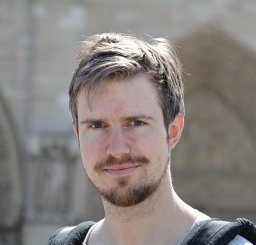 Johan D Thunberg合作论文数Department of Surgery and Perioperative Sciences, Umeå University16
 Peter Gemmar合作论文数Department of Applied Computer Science, Fachhochschule Trier14
 Michael Zollhoefer合作论文数Reality Labs Research, Meta12
 Ayush Tewari合作论文数Department of Engineering, University of Cambridge11
 Andreas Husch合作论文数10
 Zorah Lähner合作论文数University of Bonn;Lamarr Institute10
 Frank Hertel合作论文数9
 Franziska Mueller合作论文数Qubic8
 Patrick Pérez合作论文数Kyutai8
 Maolin Gao (高茂林)合作论文数Computer Vision Group, School of Computation, Information and Technology, Technical University of Munich7Hyeongwoo Kim合作论文数Imperial College London7
 Jorge Goncalves合作论文数School of Computing and Information Systems, University of Melbourne7
 Paul Swoboda合作论文数Math.-Nat. Fakultät, Heinrich-Heine Universität Düsseldorf6
 Karol Miller合作论文数School of Engineering, Mechanical Engineering, The University of Western Australia6
 Marvin Eisenberger合作论文数Google DeepMind6Adam Wittek合作论文数Intelligent Systems for Medicine Laboratory School of Mechanical Engineering;University of Western Australia;Intelligent Systems for Medicine Laboratory School of Mechanical Engineering, University of Western Australia6
 Weikang Wang (王伟康)合作论文数Learning and Optimisation for Visual Computing Group, Institute for Computer Science II, Department of Visual Computing, University of Bonn5
 Viktoria Ehm合作论文数5
 Tarun Yenamandra合作论文数MPI Informat, Saarbrucken, Germany5
 Hans-Peter Seidel合作论文数Computer Graphics Department, Max Planck Institute for Informatics5
 Angelo Iollo合作论文数Dipartimento di Ingegneria;Aeronautica e Spaziale;Politecnico di Torino;Dipartimento di Ingegneria|Aeronautica e Spaziale, Politecnico di Torino5
 Dan Casas合作论文数Amazon5
 Mohamed Elgharib合作论文数Max Planck Institute for Informatics5Farah Alkhatib合作论文数4
 Oleksandr Sotnychenko合作论文数Visual Computing and Artificial Intelligence Department, Max Planck Institute for Informatics4
 Marc Habermann合作论文数Real Virtual Lab, Department of Visual Computing and Artificial Intelligence, Max Planck Institute for Informatics4
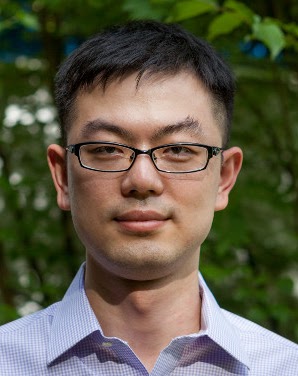 Weipeng Xu合作论文数Valka.AI4
 Jiayi Wang (王嘉怡)合作论文数School of Public Administration, Zhejiang University of Technology4
 Bogdan Savchynskyy合作论文数IWR / HCI, Heidelberg University4
 Luis Salamanca合作论文数INSTITUTO DE ESTUDIOS POLÍTICOS;UNIVERSIDAD CENTRAL DE VENEZUELA;INSTITUTO DE ESTUDIOS POLÍTICOS, UNIVERSIDAD CENTRAL DE VENEZUELA4Nafie El Amrani合作论文数3Mostafa Jamshidian合作论文数3Zhakshylyk Nurlanov合作论文数3Lisa Hutschenreiter合作论文数3Neng Qian合作论文数3
 Lingjie Liu合作论文数Department of Computer and Information Science, University of Pennsylvania;General Robotics, Automation, Sensing & Perception Lab, University of Pennsylvania3
 Vladislav Golyanik合作论文数Max Planck Institute for Informatics3
 Lennart Bastian合作论文数School of Computation, Information and Technology, Technical University of Munich3
 Wenping Wang合作论文数Department of Computer Science & Engineering, College of Engineering, Texas A&M University3
 Carsten Rother合作论文数Computer Vision and Learning Lab, University of Heidelberg;Rabbitai3
 Gabriella Puppo合作论文数Department of Mathematics, Politecnico di Torino3
 Gaurav Bharaj合作论文数Reality Defender3
 Inge Fourneau合作论文数3
 Frank R. Schmidt合作论文数Bosch Center for Artificial Intelligence3




