The regulation of gene transcription by transcription factors is a fundamental biological process, yet the relations between transcription factors (TF) and their target genes (TG) are still only sparsely covered in databases. Text-mining tools can offer broad and complementary solutions to help locate and extract mentions of these biological relationships in articles. We have generated ExTRI, a knowledge graph of TF-TG relationships, by applying a high recall text-mining pipeline to MedLine abstracts identifying over 100,000 candidate sentences with TF-TG relations. Validation procedures indicated that about half of the candidate sentences contain true TF-TG relationships. Post-processing identified 53,000 high confidence sentences containing TF-TG relationships, with a cross-validation F1-score close to 75%. The resulting collection of TF-TG relationships covers 80% of the relations annotated in existing databases. It adds 11,000 other potential interactions, including relationships for ~100 TFs currently not in public TF-TG relation databases. The high confidence abstract sentences contribute 25,000 literature references not available from other resources and offer a wealth of direct pointers to functional aspects of the TF-TG interactions. Our compiled resource encompassing ExTRI together with publicly available resources delivers literature-derived TF-TG interactions for more than 900 of the 1500-1600 proteins considered to function as specific DNA binding TFs. The obtained result can be used by curators, for network analysis and modelling, for causal reasoning or knowledge graph mining approaches, or serve to benchmark text mining strategies.
Neuroscience and molecular biology have been generating large datasets over the past years that are reshaping how research is being conducted. In their wake, open data sharing has been singled out as a major challenge for the future of research. We conducted a comparative study of citations of data publications in both fields, showing that the average publication tagged with a data-related term by the NCBI MeSH (Medical Subject Headings) curators achieves a significantly larger citation impact than the average in either field. We introduce a new metric, the data article citation index (DAC-index), to identify the most prolific authors among those data-related publications. The study is fully reproducible from an executable Rmd (R Markdown) script together with all the citation datasets. We hope these results can encourage authors to more openly publish their data.
Neuroscience and molecular biology have been generating large datasets over the past years that are reshaping how research is being conducted. In their wake, open data sharing has been singled out as a major challenge for the future of research. We conducted a comparative study of citations of data publications in both fields, showing that the average publication tagged with a data-related term by the NCBI MeSH (Medical Subject Headings) curators achieves a significantly larger citation impact than the average in either field. We introduce a new metric, the data article citation index (DAC-index), to identify the most prolific authors among those data-related publications. The study is fully reproducible from an executable Rmd (R Markdown) script together with all the citation datasets. We hope these results can encourage authors to more openly publish their data.
The automatic extraction of chemical information from text requires the recognition of chemical entity mentions as one of its key steps. When developing supervised named entity recognition (NER) systems, the availability of a large, manually annotated text corpus is desirable. Furthermore, large corpora permit the robust evaluation and comparison of different approaches that detect chemicals in documents. We present the CHEMDNER corpus, a collection of 10,000 PubMed abstracts that contain a total of 84,355 chemical entity mentions labeled manually by expert chemistry literature curators, following annotation guidelines specifically defined for this task. The abstracts of the CHEMDNER corpus were selected to be representative for all major chemical disciplines. Each of the chemical entity mentions was manually labeled according to its structure-associated chemical entity mention (SACEM) class: abbreviation, family, formula, identifier, multiple, systematic and trivial. The difficulty and consistency of tagging chemicals in text was measured using an agreement study between annotators, obtaining a percentage agreement of 91. For a subset of the CHEMDNER corpus (the test set of 3,000 abstracts) we provide not only the Gold Standard manual annotations, but also mentions automatically detected by the 26 teams that participated in the BioCreative IV CHEMDNER chemical mention recognition task. In addition, we release the CHEMDNER silver standard corpus of automatically extracted mentions from 17,000 randomly selected PubMed abstracts. A version of the CHEMDNER corpus in the BioC format has been generated as well. We propose a standard for required minimum information about entity annotations for the construction of domain specific corpora on chemical and drug entities. The CHEMDNER corpus and annotation guidelines are available at: http://www.biocreative.org/resources/biocreative-iv/chemdner-corpus/
Pex11 is a peroxin that regulates the number of peroxisomes in eukaryotic cells. Recently, it was found that a mutation in one of the three mammalian paralogs, PEX11β, results in a neurological disorder. The molecular function of Pex11, however, is not known. Saccharomyces cerevisiae Pex11 has been shown to recruit to peroxisomes the mitochondrial fission machinery, thus enabling proliferation of peroxisomes. This process is essential for efficient fatty acid β-oxidation. In this study, we used high-content microscopy on a genome-wide scale to determine the subcellular localization pattern of yeast Pex11 in all non-essential gene deletion mutants, as well as in temperature-sensitive essential gene mutants. Pex11 localization and morphology of peroxisomes was profoundly affected by mutations in 104 different genes that were functionally classified. A group of genes encompassing MDM10, MDM12 and MDM34 that encode the mitochondrial and cytosolic components of the ERMES complex was analyzed in greater detail. Deletion of these genes caused a specifically altered Pex11 localization pattern, whereas deletion of MMM1, the gene encoding the fourth, endoplasmic-reticulum-associated component of the complex, did not result in an altered Pex11 localization or peroxisome morphology phenotype. Moreover, we found that Pex11 and Mdm34 physically interact and that Pex11 plays a role in establishing the contact sites between peroxisomes and mitochondria through the ERMES complex. Based on these results, we propose that the mitochondrial/cytosolic components of the ERMES complex establish a direct interaction between mitochondria and peroxisomes through Pex11.
A considerable effort has been made to extract biological and chemical entities, as well as their relationships, from the scientific literature, either manually through traditional literature curation or by using information extraction and text mining technologies. Medicinal chemistry patents contain a wealth of information, for instance to uncover potential biomarkers that might play a role in cancer treatment and prognosis. However, current biomedical annotation databases do not cover such information, partly due to limitations of publicly available biomedical patent mining software. As part of the BioCreative V CHEMDNER patents track, we present the results of the first named entity recognition (NER) assignment carried out to detect mentions of chemical compounds and genes/proteins in running patent text. More specifically, this task aimed to evaluate the performance of automatic name recognition strategies capable of isolating chemical names and gene and gene product mentions from surrounding text within patent titles and abstracts. A total of 22 unique teams submitted results for at least one of the three CHEMDNER subtasks. The first subtask, called the CEMP (chemical entity mention in patents) task, focused on the detection of chemical named entity mentions in patents, requesting teams to return the start and end indices corresponding to all the chemical entities found in a given record. A total of 21 teams submitted 93 runs, for this subtask. The top performing team reached an f-measure of 0.89 with a precision of 0.87 and a recall of 0.91. The CPD (chemical passage detection) task required the classification of patent titles and abstracts whether they do or do not contain chemical compound mentions. Nine teams returned predictions for this task (40 runs). The top run in terms of Matthew’s correlation coefficient (MCC) had a score of 0.88, the highest sensitivity ? Corresponding author
Natural language processing (NLP) and text mining technologies for the chemical domain (ChemNLP or chemical text mining) are key to improve the access and integration of information from unstructured data such as patents or the scientific literature. Therefore, the BioCreative organizers posed the CHEMDNER (chemical compound and drug name recognition) community challenge, which promoted the development of novel, competitive and accessible chemical text mining systems. This task allowed a comparative assessment of the performance of various methodologies using a carefully prepared collection of manually labeled text prepared by specially trained chemists as Gold Standard data. We evaluated two important aspects: one covered the indexing of documents with chemicals (chemical document indexing - CDI task), and the other was concerned with finding the exact mentions of chemicals in text (chemical entity mention recognition - CEM task). 27 teams (23 academic and 4 commercial, a total of 87 researchers) returned results for the CHEMDNER tasks: 26 teams for CEM and 23 for the CDI task. Top scoring teams obtained an F-score of 87.39% for the CEM task and 88.20% for the CDI task, a very promising result when compared to the agreement between human annotators (91%). The strategies used to detect chemicals included machine learning methods (e.g. conditional random fields) using a variety of features, chemistry and drug lexica, and domain-specific rules. We expect that the tools and resources resulting from this effort will have an impact in future developments of chemical text mining applications and will form the basis to find related chemical information for the detected entities, such as toxicological or pharmacogenomic properties.
The cell cycle is one of the most important biological processes, being studied intensely by experimental as well as bioinformatics means. A considerable amount of literature provides relevant descriptions of proteins involved in this complex process. These proteins are often key to understand cellular alterations encountered in pathological conditions such as abnormal cell growth. The authors explored the use of text mining strategies to improve the retrieval of relevant articles and individual sentences for this topic. Moreover information extraction and text mining was used to detect and rank automatically Arabidopsis proteins important for the cell cycle. The obtained results were evaluated using independent data collections and compared to keyword-based strategies. The obtained results indicate that the use of machine learning methods can improve the sensitivity compared to term-co-occurrence, although with considerable differences when using abstracts and full text articles as input. At the level of document triage the recall ranges for abstracts from around 16% for keyword indexing, 37% for a sentence SVM classifier to 57% for SVM abstract classifier. In case of full text data, keyword and cell cycle phrase indexing obtained a recall of 42% and 55% respectively compared to 94% reached by a sentence classifier. In case of the cell cycle protein detection, the cell cycle keyword-protein co-occurrence strategy had a recall of 52% for abstracts and 70% for full text while a protein mentioning sentence classifier obtained a recall of over 83% for abstracts and 79% for full text. The generated cell cycle term co-occurrence statistics and SVM confidence scores for each protein were explored to rank proteins and filter a protein network in order to derive a topic specific subnetwork. All the generated protein cell cycle scores together with a global protein interaction and gene regulation network for Arabidopsis are available at: http://zope.bioinfo.cnio.es/cellcyle_addmaterial.
A.1. CHEMDNER challenge overview paper with summary tables of systems performance, methods, features and used resources: The drugs and chemical names extraction challenge. J Cheminform A.2. Participating teams detailed system description/update papers (selected after peer review process): Team 184: Riza Batista-Navarro, Rafal Rak and Sophia Ananiadou. Optimising chemical named entity recognition with pre-processing analytics, knowledge-rich features and heuristics. J Cheminform A tool for the differential identification of several classes of chemical entities. J Cheminform
There is an increasing need to facilitate automated access to information relevant for chemical compounds and drugs described in text, including scientific articles, patents or health agency reports. A number of recent efforts have implemented natural language processing (NLP) and text mining technologies for the chemical domain (ChemNLP or chemical text mining). Due to the lack of manually labeled Gold Standard datasets together with comprehensive annotation guidelines, both the implementation as well as the comparative assessment of ChemNLP technologies BSF opaque. Two key components for most chemical text mining technologies are the indexing of documents with chemicals (chemical document indexing CDI ) and finding the mentions of chemicals in text (chemical entity mention recognition CEM ). These two tasks formed part of the chemical compound and drug named entity recognition (CHEMDNER) task introduced at the fourth BioCreative challenge, a community effort to evaluate biomedical text mining applications. For this task, the CHEMDNER text corpus was constructed, consisting of 10,000 abstracts containing a total of 84,355 mentions of chemical compounds and drugs that have been manually labeled by domain experts following specific annotation guidelines. This corpus covers representative abstracts from major chemistry-related sub-disciplines such as medicinal chemistry, biochemistry, organic chemistry and toxicology. A total of 27 teams – 23 academic and 4 commercial HSPVQT, comprised of 87 researchers – submitted results for this task. Of these teams, 26 provided submissions for the CEM subtask and 23 for the CDI subtask. Teams were provided with the manual annotations of 7,000 abstracts to implement and train their systems and then had to return predictions for the 3,000 test set abstracts during a short period of time. When comparing exact matches of the automated results against the manually labeled Gold Standard annotations, the best teams reached an F-score ⋆ Corresponding author Proceedings of the fourth BioCreative challenge evaluation workshop, vol. 2 of 87.39% JO the CEM task and of 88.20% JO the CDI task. This can be regarded as a very competitive result when compared to the expected upper boundary, the agreement between to human annotators, at 91%. In general, the technologies used to detect chemicals and drugs by the teams included machine learning methods (particularly CRFs using a considerable range of different features), interaction of chemistry-related lexical resources and manual rules (e.g., to cover abbreviations, chemical formula or chemical identifiers). By promoting the availability of the software of the participating systems as well as through the release of the CHEMDNER corpus to enable implementation of new tools, this work fosters the development of text mining applications like the automatic extraction of biochemical reactions, toxicological properties of compounds, or the detection of associations between genes or mutations BOE drugs in the context pharmacogenomics.
A vast amount of scientific information is encoded in natural language text, and the quantity of such text has become so great that it is no longer economically feasible to have a human as the first step in the search process. Natural language processing and text mining tools have become essential to facilitate the search for and extraction of information from text. This has led to vigorous research efforts to create useful tools and to create humanly labeled text corpora, which can be used to improve such tools. To encourage combining these efforts into larger, more powerful and more capable systems, a common interchange format to represent, store and exchange the data in a simple manner between different language processing systems and text mining tools is highly desirable. Here we propose a simple extensible mark-up language format to share text documents and annotations. The proposed annotation approach allows a large number of different annotations to be represented including sentences, tokens, parts of speech, named entities such as genes or diseases and relationships between named entities. In addition, we provide simple code to hold this data, read it from and write it back to extensible mark-up language files and perform some sample processing. We also describe completed as well as ongoing work to apply the approach in several directions. Code and data are available at http://bioc.sourceforge.net/. Database URL: http://bioc.sourceforge.net/
MOTIVATION The exponential growth of scientific literature has resulted in a massive amount of unstructured natural language data that cannot be directly handled by means of bioinformatics tools. Such tools generally require structured data, often generated through a cumbersome process of manual literature curation. Herein, we present MyMiner, a free and user-friendly text annotation tool aimed to assist in carrying out the main biocuration tasks and to provide labelled data for the development of text mining systems. MyMiner allows easy classification and labelling of textual data according to user-specified classes as well as predefined biological entities. The usefulness and efficiency of this application have been tested for a range of real-life annotation scenarios of various research topics. AVAILABILITY http://myminer.armi.monash.edu.au.
There is an increasing interest in developing ontologies and controlled vocabularies to improve the efficiency and consistency of manual literature curation, to enable more formal biocuration workflow results and ultimately to improve analysis of biological data. Two ontologies that have been successfully used for this purpose are the Gene Ontology (GO) for annotating aspects of gene products and the Molecular Interaction ontology (PSI-MI) used by databases that archive protein-protein interactions. The examination of protein interactions has proven to be extremely promising for the understanding of cellular processes. Manual mapping of information from the biomedical literature to bio-ontology terms is one of the most challenging components in the curation pipeline. It requires that expert curators interpret the natural language descriptions contained in articles and infer their semantic equivalents in the ontology (controlled vocabulary). Since manual curation is a time-consuming process, there is strong motivation to implement text-mining techniques to automatically extract annotations from free text. A range of text mining strategies has been devised to assist in the automated extraction of biological data. These strategies either recognize technical terms used recurrently in the literature and propose them as candidates for inclusion in ontologies, or retrieve passages that serve as evidential support for annotating an ontology term, e.g. from the PSI-MI or GO controlled vocabularies. Here, we provide a general overview of current text-mining methods to automatically extract annotations of GO and PSI-MI ontology terms in the context of the BioCreative (Critical Assessment of Information Extraction Systems in Biology) challenge. Special emphasis is given to protein-protein interaction data and PSI-MI terms referring to interaction detection methods.
 Alfonso Valencia合作论文数Life Science Department, Barcelona Supercomputing Centre;INB Spanish National Bioinformatics Institute;IMPaCT Spanish Personalised Medicine initiative of the ISC-III28
 Martin Krallinger合作论文数Barcelona Supercomputing Center27
 Miguel Vazquez合作论文数12
 Julen Oyarzabal合作论文数Center for Applied Medicine, University of Navarra7
 Obdulia Rabal合作论文数Small Mol Discovery Platform, Univ Navarra7
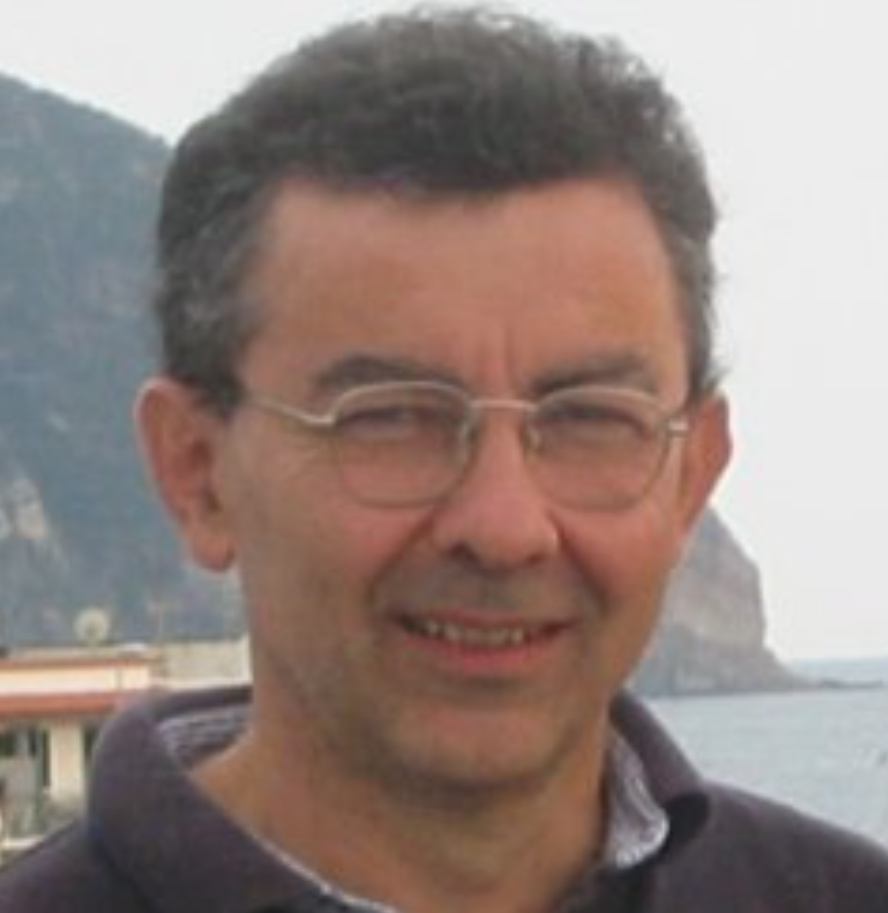 Gianni Cesareni合作论文数Molecular Genetics Laboratory, Dipartimento di Biologia, University of Rome "Tor Vergata"5
 David Salgado合作论文数Aix Marseille Univ, INSERM4Andrew Chatr-Aryamontri合作论文数4
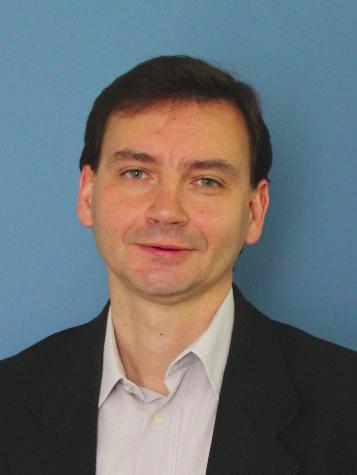 Fabio Rinaldi合作论文数Dalle Molle Institute for Artificial Intelligence Research3
 Karin Verspoor合作论文数School of Computing Technologies, RMIT University;School of Computing and Information Systems, University of Melbourne;BioGrid Australia Ltd3
 Ashish V Tendulkar合作论文数Kanwal Rekhi School of Information Technology, Indian Institute of Technology3
 Zhiyong Lu (陆致用)合作论文数National Center for Biotechnology Information, National Library of Medicine, National Institutes of Health;Department of Computer Science, University of Illinois Urbana-Champaign3
 Robert Leaman合作论文数Department of Biomedical Informatics, Arizona State University3
 Lynette Hirschman合作论文数The MITRE Corporation, Bedford, MA3
 W. John Wilbur合作论文数National Center for Biotechnology Information3
 Pedro Larrañaga合作论文数Departamento de Inteligencia Artificial, Universidad Politécnica de Madrid;Computational Intelligence Group, Universidad Politécnica de Madrid2
 Xinglong Wang合作论文数Qube Research & Technologies2
 Rune Sætre合作论文数Norwegian University of Science and Technology (NTNU)2
 Gerold Schneider合作论文数Institut für Computerlinguistik, Universität Zürich;Department of Computational Linguistics, Universität Zürich;LiRI NLP Group, Universität Zürich2
 Reinhold Haux合作论文数Peter L. Reichertz Institute for Medical Informatics, Hannover Medical School, TU Braunschweig;Department of Computer Science, Hannover Medical School, TU Braunschweig2
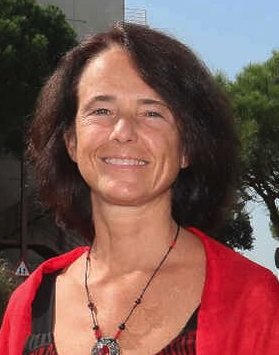 Concha Bielza合作论文数Department of Artificial Intelligence, Universidad Polit´ecnica de Madrid;ELLIS Unit Madrid2
 Luana Licata合作论文数Department of Molecular Biology, University of Rome Tor Vergata2
 Jörg Hakenberg合作论文数Illumina2
 Rezarta Islamaj Dogan合作论文数National Center for Biotechnology Information, National Library of Medicine, National Institutes of Health2
 Sergio Matos合作论文数Institute of Electronics and Telematics Engineering of Aveiro (IEETA),, University of Aveiro2
 Sean Hill合作论文数Laboratory for the Neural Basis of Brain States, École Polytechnique Fédérale de Lausanne;University of Toronto;Krembil Centre for Neuroinformatics, Centre for Addiction and Mental Health2
 Richard Tzong-Han Tsai (蔡宗翰)合作论文数National Science and Technology Council2Rafal Rak合作论文数University of Manchester2
 Christophe Marcelle合作论文数Developmental Biology Center, University of California2
 Carlos Rodriguez-Penagos合作论文数Departament de Traducció i Filologia;Universitat Pompeu Fabra;Departament de Traducció i Filologia, Universitat Pompeu Fabra2
 Mike Tyers合作论文数The Hospital for Sick Children2
 Scott Mardis合作论文数2B Zupan合作论文数1torsten huber合作论文数1Hsi-Chuan Hung合作论文数1Anabel Usié合作论文数1thaer m dieb合作论文数1
 Zhiqiang Li合作论文数1Marc Depaule合作论文数1William Lau合作论文数1
 Keun Ho Ryu合作论文数1
 André Lamúrias合作论文数Department of Computer Science, NOVA School of Science and Technology, Nova Lincs;Departamento de Informática, Faculdade de Ciências e Tecnologia, Universidade Nova de Lisboa1
 Paloma Martínez合作论文数1Michael Matthews合作论文数1Yanan Lu合作论文数Wuhan Univ, Nat Language Proc Lab, Wuhan, Hubei, Peoples R China1
 kazuhiro yoshida合作论文数1
 Martin Kuiper合作论文数Univ Ghent VIB, Dept Plant Syst Biol, B-9052 Ghent, Belgium1
 Riza Batista-Navarro合作论文数The University of Manchester1
 Madian Khabsa合作论文数Meta AI1




