The Adapted Microplanning to Eliminate Transmission of HIV in Sex Transactions (AMETHIST) randomised controlled trial tested a combination of microplanning (peer-led risk-differentiated support) and self-help groups (SHGs) to reduce the proportion of female sex workers (FSW) at risk of acquiring or transmitting HIV infection in Zimbabwe. The trial found overall high levels of FSW engagement with treatment which further improved in intervention sites. HIV prevention uptake, however, was low and not affected by AMETHIST. We conducted a mixed methods process evaluation to assess implementation, explore FSW perceptions, and understand the trial’s outcomes. We integrated routine programme statistics, qualitative data, and an endline respondent driven sampling survey among 4444 FSW to consider fidelity of implementation, feasibility of delivery, and acceptability. We also examined whether the intervention triggered changes hypothesised in its programme theory. Microplanning was successfully introduced, with peers effectively providing risk-differentiated support. Early difficulties related to mapping sex work “hotspots,”, maintaining contact with mobile FSW, and some resistance to regular risk assessments, but double the number of new FSW registered at intervention clinics compared to comparison sites (8443 v 3824), and significantly more HIV tests were performed (11882 vs. 6808). SARS-COV2 disrupted the intervention, particularly SHG. Fewer groups were established than planned, and lockdowns prevented group members meeting in person and participating in collective activities. Nonetheless, 30 of 65 established SHG remained active after two years, and more SHG members registered with clinics than those reached by microplanning alone (82 cv 76
BACKGROUND:Rectovaginal colonization with Streptococcus agalactiae (Group B Streptococcus; GBS) during pregnancy is a major risk factor for neonatal invasive GBS disease and adverse birth outcomes. We investigated the prevalence of maternal GBS colonization, serotype-specific immunoglobulin G (IgG) immunity in mother-newborn dyads, and GBS associated stillbirths in Ghana and Zimbabwe. METHODS:A prospective cohort of 1238 pregnant women and their infants was enrolled (2018-2020). Recto-vaginal swabs collected at ≥36 weeks gestation or prior to delivery and chest aspirates from stillbirths were cultured for GBS. Isolates were serotyped using latex agglutination. Maternal and cord blood samples were analysed for GBS serotype-specific IgG using a multiplex bead-based immunoassay. RESULTS:The prevalence of recto-vaginal GBS colonization was 15.6% (68/437) in Ghana and 15.2% (50/329) in Zimbabwe. GBS was detected in 33.3% (3/9) of stillbirths. Dominant colonizing serotypes were Ia (25%), III (32%), and V (27%). Maternal IgG concentrations were significantly higher in Ghana than in Zimbabwe for serotypes Ib (0.11 vs 0.02 μg/mL; p = 0.0001), II (0.24 vs 0.06 μg/mL; p = 0.0001), and IV (0.03 vs 0.006 μg/mL; p < 0.0001). Transplacental IgG transfer ratios ranged from 0.81 to 1.08; highest for serotype II and lowest for Ia. Newborns with IgG above the serological thresholds for risk reduction for serotype Ia and III were 25.6% (Ia) and 38.4% (III) in Ghana; and 34.1% (Ia) and 26.8% (III) in Zimbabwe. CONCLUSIONS:The predominant GBS serotypes distribution in Ghana and Zimbabwe aligns with global epidemiological patterns. Despite evidence of natural maternal IgG immunity and efficient transplacental transfer, most newborns lacked protective antibody levels against GBS. A maternal GBS vaccine targeting dominant serotypes may reduce the risk of GBS neonatal invasive disease and GBS-associated stillbirths.
Young women living with HIV (YWLHIV) experience numerous stressors including treatment management and poor parent modelling. We investigated YWLHIV's mental health and other clinical and social characteristics to inform tailored support. YWLHIV (15-24 years old) participating in a peer-support model tailored for young mothers (Young Mentor Mum intervention) completed a self-administered interview and had clinical and psychological assessments in March to April 2019. A subset participated in in-depth interviews and had their partners interviewed. We analysed quantitative and qualitative data using STATA 15 and thematic analysis, respectively. We enrolled 177 YWLHIV. We found high rates of maternal viral suppression (86.9% with viral load <1000 copies/ml). Over half were at risk of common mental disorder (CMD), scoring above the cut-off point (SSQ ≥8, 50.3%) and depression (EPDS ≥12, 55.9%). CMD risk was higher among women who reported intimate partner violence in the past year (64.1% vs 39.4%; adjusted OR 2.48 (1.12, 5.48) for violence 1-2 times and 2.41 (0.99-5.85) for higher frequency; p = .03). HIV status disclosure was limited; only 44.1% had disclosed to their partners. YWLHIV confront challenges which affect their health and that of their children. Youth-focused mental health interventions coupled with couples counselling and violence prevention need to be scaled up.
BACKGROUND:Female sex workers (FSWs) are at an elevated risk of HIV infection with an eight-fold risk of HIV infection. In countries like Zimbabwe, FSWs have an HIV incidence of around 10.2%. With this elevated risk, the World Health Organization has prioritized Female sex workers (FSWS) for PrEP - an HIV prevention option taken as a daily pill during periods of risk but, FSWs continue to experience challenges with daily PrEP adherence due to daily dosing, related side effects, ARV stigma and low risk perception. This article presents the FSWs' lived experiences with PrEP adherence in Zimbabwe. METHODS:We purposively identified twenty FSWs and conducted individual interviews to understand FSW lived experiences with PrEP adherence. We applied Colaizzi's seven steps of phenomenological analysis to develop the themes. FINDINGS:Three main themes emerged, namely positive experiences with PrEP adherence, negative experiences with PrEP adherence and the meaning attached to PrEP adherence. The positive experiences theme had four sub-themes as, overcoming PrEP-related forgetfulness, overcoming mobility-related PrEP disruptions, overcoming COVID-19 pandemic-related PrEP experiences and overcoming PrEP-related side effects. The negative experiences theme had two sub-themes including, enduring GBV and stigma associated with PrEP use and, COVID-19-related disruptions to PrEP adherence. The third emerging them was on the meaning attached to PrEP adherence. This theme had one sub-theme on PrEP adherence as a survival strategy. CONCLUSION:Whilst FSWs reported both positive and negative experiences with PrEP adherence, it is important that FSWs used the meaning they attached to these experiences to take control of their lives and be more determined to use PrEP adherence for survival and protection from HIV. Based on these findings, we recommend close monitoring and support to promote adherence, minimize PrEP discontinuity and promote positive lived experiences with PrEP adherence.
Introduction Female Sex Workers in Low- and Middle-Income Countries face increased risks of violence, exploitation, stigma, and limited access to healthcare, leading to vulnerability in their communities. Modern communication technologies have transformed FSW interactions with clients, facilitating easier and more accessible connections. This scoping review explores the use of social media by women involved in sex work in Low and middle-income countries to understand how communication technologies have been adopted and exploited to engage with various stakeholders in the industry. Methodology We conducted a scoping review following a pre-defined eligibility criterion, systematically searching multiple databases (PubMed, Global Health, Medline, CINAHL, Google Scholar) for English articles published between 1991 and 2024. Two reviewers screened all identified articles and eliminated duplicates using Covidence software. Thematic analysis was performed using NVivo 12 to identify key themes. Results The search yielded 9,442 articles with eight articles meeting the eligibility criteria for inclusion. Social media was reported to provide an opportunity for women to expand their clientele beyond their immediate geographical confines increasing their income. Use of social media reduced women’s exposure to health risks due to reduced physical contact with clients reducing exposure to HIV and other sexually transmitted infections. Social media also increased physical safety through reduced exposure to violence and increased capacity to screen clients prior to any physical contact. Despite these advantages, women who use social media for selling sex face cyber security risks including the non-consensual dissemination of their pictures and videos, online harassment, and bullying. Conclusion The scoping review found that there is limited research on women's usage of social media in sex work in LMIC. Social media empowered female sex workers but also posed risks to their autonomy and mental health. Further research is needed to understand the challenges these women face to inform effective policies and practices. ### Competing Interest Statement The authors have declared no competing interest. ### Funding Statement Yes ### Author Declarations I confirm all relevant ethical guidelines have been followed, and any necessary IRB and/or ethics committee approvals have been obtained. Yes I confirm that all necessary patient/participant consent has been obtained and the appropriate institutional forms have been archived, and that any patient/participant/sample identifiers included were not known to anyone (e.g., hospital staff, patients or participants themselves) outside the research group so cannot be used to identify individuals. Yes I understand that all clinical trials and any other prospective interventional studies must be registered with an ICMJE-approved registry, such as ClinicalTrials.gov. I confirm that any such study reported in the manuscript has been registered and the trial registration ID is provided (note: if posting a prospective study registered retrospectively, please provide a statement in the trial ID field explaining why the study was not registered in advance). Yes I have followed all appropriate research reporting guidelines, such as any relevant EQUATOR Network research reporting checklist(s) and other pertinent material, if applicable. Yes All relevant data are within the manuscript and its Supporting Information files.
Sexual risk amongst female sex workers (FSW) varies across the life-course and is influenced by socio-economic and interpersonal factors that affect behavioural choices and engagement in HIV/STI care. We explored transitions in the life-course of FSW to understand the dynamics of sexual risk in Blantyre, Malawi. We implemented a nested longitudinal qualitative study as part of the AMETHIST Consortium, a study testing approaches to reduce HIV transmission in sex work. We conducted consecutive narrative interviews with 30 FSW at three-time points over 12 months, with a three- to four-month break between each time point. We compared narratives to understand sex work transitions, HIV risk and engagement with HIV services. We identified factors (social and physical) related to sexual risk at the points of (1) transitions into sex work, (2) continuing sex work, and (3) breaks in sex work. At the entry stage, sexual risk was heightened when women lacked the knowledge and skills for protection against HIV/STI. Whilst continuing sex work, women's immediate financial needs were prioritised over their HIV/STI risk. These behaviours occurred whether they were aware of the associated HIV/STI risk. During breaks, women perceived lower risk and reduced engagement in prevention strategies, particularly when they had stable partners, which paradoxically increased their risk. These narratives reveal how social context informs and limits access to health care while concurrently promoting risky behaviours. A multifaceted and dynamically responsive approach that considers risk differentiation from a temporal perspective can strengthen targeted interventions, effectively addressing the multiple challenges faced by FSW.
Introduction Introduction Very young adolescents (VYAs, aged 10–14 years) in sub-Saharan Africa (SSA) have the worst sexual and reproductive health (SRH) outcomes of this age group worldwide due to structural, behavioural, socioeconomic and other factors. Social and gender norms have important consequences for the SRH and wellbeing of VYAs both now and over their life course. SRH programming often focuses on older adolescents (aged 15–19 years), overlooking younger ones. This scoping review sets out to explore how social and gender norms influence VYAs’ SRH in SSA, in addition to exploring interventions that have been effective, to inform a context-specific intervention. Methods We will employ the methodology developed by Arksey and O'Malley to review the available literature. We will search online databases (PubMed/MEDLINE, CINHAL, EMBASE, PsycINFO, Cochrane Library, and African Index Medicus) for original studies published between 1 January 2000 and 31 December 2024. Further, we will perform a manual search to include relevant grey literature. The steps in the review are: 1) defining the research question, 2) identifying relevant studies, 3) selecting studies, 4) charting the data, and 5) collating, summarising, and reporting the results. Results Results We will report findings in accordance with the guidance provided in the Preferred Reporting Items for Systematic Reviews and Meta-Analyses Protocols (PRISMA-P) statement. We will analyse and summarise data about study characteristics using descriptive statistics. We will use thematic analysis to analyse and summarise key themes and issues. We will triangulate quantitative and qualitative findings. Discussion The review will map the breadth of studies focusing on social and gender norms, and SRH among VYAs, in addition to exploring interventions that have been effective. Findings will help us and others develop context-specific, bespoke interventions.
INTRODUCTION:There is a growing appreciation that community-led interventions are key to sustaining the HIV response and achieving HIV prevention and treatment targets. Together with young people in colleges/universities and Ministry of Health (MOH), we developed and evaluated a student-led intervention for promoting the uptake of HIV self-testing (HIVST), post-exposure prophylaxis (PEP) and emergency contraception (EC) among college/university students. METHODS:Over 3 months, in biweekly study team meetings, two workshops with students, two meetings with MOH, and a joint workshop with students, MOH and relevant stakeholders, we co-developed an intervention for peer-led promotion/distribution of HIVST, PEP, EC and condoms. The agreed intervention was piloted in three Zimbabwean colleges/universities from December 2023 to February 2024. Student peers distributed HIVST and condoms directly, and vouchers for PEP and EC that were redeemed at college/nearby clinics. During co-development, students strongly preferred peer distribution of all commodities but this was restricted by regulatory requirements for PEP and EC. Peer distributors (n = 14) kept daily audio diaries of their experiences. In-depth interviews were held with students (n = 18), peer distributors (n = 11) and key informants (n = 12) to explore views/preferences, with participant observations and four focus group discussions to provide additional insights. We determined the intervention development and implementation costs. RESULTS:Peer-led distribution of HIVST, PEP and EC to college/university students was acceptable, feasible, appropriate and generally implemented as intended. PEP and EC acceptability was driven by high HIV and pregnancy risk among students, who had no easy access to services. Of 100 PEP and 257 EC vouchers distributed, 30% and 40% were redeemed, respectively. The main barrier to PEP and EC uptake was moral judgement against premarital sex, which affected female students more. Judgemental health worker attitudes also limited uptake of PEP and EC. EC voucher redemption among female students was lower versus males, aOR = 0.4 (95% CI = 0.2-0.8), p = 0.019. Redemption was also higher at the college where the nearby clinic could be accessed discreetly. Total cost of the intervention per student was $14.57 (cross-institution range: $7.26-$35.52). CONCLUSIONS:Student-led distribution of HIVST, PEP and EC was feasible, acceptable and affordable. Making the intervention more community-driven according to the 2024 WHO PEP guidelines will likely achieve great impact.
Recency testing can provide strategic insights as to whether a person newly diagnosed with HIV recently acquired their infection or not. To understand potential biases associated with HIV recency testing, we explored the extent sample type influences whether a person is assigned as being recent. Implementing a laboratory-based Recent Infection Testing Algorithm (RITA) across the Centre for Sexual Health and HIV/AIDS Research (CeSHHAR) key populations programme in Zimbabwe between October 2021 and January 2023, we compared plasma-based and dried-bloodspot (DBS) HIV recency samples. Over the study period, 24,976 individual female sex workers HIV tested, of whom 9.5% (2,363/24,979) newly tested HIV positive. Of these 2,363 women, 55.5% (1311/2,363) were offered and gave consent for a sample to be taken for DBS recency and viral load testing, among whom 11.7% (153/1,311) were classified as having a recent infection. A subset of 464 women were offered and consented to paired sample collection, among whom 10.1% (47) and 12.3% (57) of plasma and DBS samples, respectively, were classified as recent. Overall, categorical determination was good, with 97% of results concordant. Of 58 women with paired sample collection who had a test result classified as recent, 46 (79.3%) were concordant recent on both DBS and plasma, with 12 (20.7%) being discordant. Of these 12 women's samples, 11 were deemed long-standing by the plasma assay but recent by the paired DBS, and one deemed long-standing by DBS but recent by the paired plasma sample. On average, plasma samples had a higher normalised optical density than DBS samples (mean difference of 0.53). Depending on use-case and setting, there are trade-offs when considering DBS or plasma-based samples between test performance and ease of implementation. Our data can help inform statistical adjustments to harmonise cut-offs on DBS and plasma assays, thereby improving the use and interpretation of recency assays in population-level HIV surveillance activities.
Young people have low uptake of mental health. We compared two task-shifted mental health care models, i.e., adult Friendship Bench (FB) delivered by community health workers and Youth Friendship Bench (YouFB) delivered by trained university students in Harare, Zimbabwe. We hypothesised that the peer-delivered YouFB would have greater uptake and effectiveness in managing common mental disorders (CMDs) in 16–19-year-olds compared to the standard FB model. We also aimed to evaluate the reach, fidelity, acceptability and cost of the YouFB compared to standard FB. We conducted an open-label cluster-randomised, hybrid type-2 implementation trial with cost analysis in 26 primary care clinics and their surrounding communities. Facilities were randomised 1:1 to FB or YouFB. The primary implementation outcome was uptake, defined as the proportion of adolescents aged 16–19 offered FB sessions for treatment of CMD who completed at least one FB session. Secondary implementation outcomes included reach, fidelity, and acceptability. The main clinical outcome was the clinical effectiveness of YouFB vs. FB at six months, assessed by changes in Shona Symptom Questionnaire (SSQ-14) scores. We also carried out a cost analysis from a societal perspective. Acceptability was evaluated qualitatively using in-depth interviews. Reach was calculated as the number of adolescents receiving FB sessions per clinic day. Uptake in the FB and YouFB arms was 86.6
HIV incidence is declining globally, but around half of all new infections are in sub-Saharan Africa-where adolescent girls and young women bear a disproportionate burden of new infections. Those who sell sex are at particularly high risk. Despite declining incidence rates and availability of effective biomedical prevention tools, we are not on track, globally or in Africa, to achieve UNAIDS 2025 prevention targets. For those at risk, interventions that strengthen their motivation, capabilities and access to all available HIV prevention technologies are critical-for adolescent girls and women in particular, but also for epidemic control more broadly. Exciting possibilities for scaling up new and highly effective prevention technologies are close, but delivery, implementation and financing models need to be developed and urgently evaluated, in partnership with communities, or these opportunities may be lost. Here, we discuss the evolving landscape of biomedical prevention technologies for women in Africa, their implementation and financing, as well as priorities for HIV prevention research in this setting.
BACKGROUND:The lives of adolescents and young people living with HIV (LHIV) are dominated by complex psychological and social stressors. These may be more pronounced among those perinatally infected. This longitudinal mixed-methods study describes the clinical and psychosocial challenges faced by HIV perinatally infected young mothers in Harare, Zimbabwe to inform tailored support. METHODS:HIV perinatally infected young mothers were recruited in 2013 and followed up in 2019. In 2013, they completed a structured interview, clinical examination, psychological screening and had viral load and drug resistance testing. A subset completed in-depth interviews (n = 10). In 2019, they were re-interviewed and had viral load testing. Data were analyzed using STATA 15.0. and thematic analysis. RESULTS:Nineteen mothers aged 17-24 years were recruited in 2013. Eleven (57.9%) were successfully recontacted in 2019; 3 had died, 2 had relocated and 3 were untraceable. In 2013, all 19 mothers were taking antiretroviral therapy (median duration 8 years, range 2-11 years) and median CD4 count was 524 (IQR 272). In 2013, eight mothers (42.1%) had virological failure (≥1000 copies/ml) (3 of whom subsequently died) and 7 (36.8%) had evidence of drug resistance. In 2019, the proportion with virological failure was 2/11 (18.1%). Six of 11 (54.5%) had switched to second line therapy. In 2013, 64.3% were at risk of common mental disorder and this risk was higher at follow-up (72.7%). Qualitative data highlighted three pertinent themes: HIV status disclosure, adherence experiences and, social and emotional support. CONCLUSIONS:Findings from this study underscore the significant clinical, social and psychological challenges faced by perinatally infected young mothers. The high rates of virological failure, drug resistant mutations, mental health issues and mortality observed in this population indicate the need for tailored and comprehensive health and support services to assist these young mothers.
Community-led interventions, where communities plan and lead implementation, are increasingly being adopted within public health programmes. We explore factors associated with successful community-led distribution of HIV self-test (HIVST) kits to guide future service delivery. Twenty rural communities were supported to distribute HIVST kits for 1-month between January and September 2019. Social science researchers observed communities during planning and HIVST distribution, documenting findings in a standard observation template. Three months post-intervention, a population-based survey measured self-reported new HIV diagnosis, HIVST uptake, linkage to post-test services; and collected blood samples for viral load testing. The survey also included questions related to community cohesion; respondents' communities were grouped into low/medium/high based on community cohesion scores. We used mixed effect logistic regression to assess how outcomes differed based on community cohesion scores. In total, 27,812 kits were distributed by 348 distributors. Two HIVST distribution models were implemented: door-to-door only or at community venues/events. Of 5,683 participants surveyed, 1,831 (32.2%) received kits and 1,229 (67.1%) reported self-testing; overall HIVST uptake was 1,229/5,683 (21.6%). New HIV diagnosis increased with community cohesion, from 32/1,770 (1.8%) in the low-cohesion group to 40/1,871 (2.1%) in the medium-cohesion group, adjusted odds ratio (aOR) 2.94 (1.41-6.12, p = 0.004) and 66/2,042 (3.2%) in the high-cohesion group, aOR 7.20 (2.31-22.50, p = 0.001). Other outcomes did not differ by extent of cohesion. Our findings demonstrate the more cohesive communities are, the more effective they may be at distributing HIVST kits and identifying people with undiagnosed HIV. Efforts to increase community cohesion should be considered as part of public health programmes and for planning and scaling-up HIVST implementation in communities.
OBJECTIVE:We investigate the risk of acquiring HIV or herpes simplex virus type 2 (HSV-2) among young women who sell sex (YWSS) in rural South Africa. DESIGN:A representative population-based prospective cohort study of adolescent girls and young women (AGYW). METHODS:Between 2017 and 2019, we interviewed a random sample of AGYW (13-30 years) annually and collected dried blood spot (DBS) samples for HIV and HSV-2 serology. YWSS were defined as engaging in transactional sex and/or sex work in the past 12 months. We used Cox regression to estimate the association between selling sex and incident HIV or HSV-2 infections, using inverse probability weighting to adjust for potential confounding (age, education, rural/urban locality, socioeconomic status (SES), food insecurity, and pregnancy status). RESULTS:Among eligible AGYW ( n = 3846), 89.2% provided responses for at least one follow-up time-point, of whom 17% reported selling sex in the past 12 months. HIV and HSV-2 prevalence at enrolment were 21 and 37.9%, respectively and higher among YWSS at 42 and 69%, respectively. HIV incidence was 3.4/100 person-years [95% confidence interval (CI): 2.6-4.2] higher among YWSS than others (8.2 vs. 2.7/100 person-years; hazard ratio: 2.70; 95% CI: 1.83-3.99). HSV-2 incidence was 18.4/100 person-years (95% CI: 16.5-20.5), and was higher among YWSS than others (29.3 vs. 17.2/100 person-years; hazard ratio 1.83; 95% CI: 1.41-2.39). HSV-2 at baseline was associated with subsequent HIV infection (hazard ratio 6.32; 95% CI: 3.86-10.47, P < 0.001). CONCLUSION:HIV and HSV-2 incidence was higher among AGYW selling sex compared those who did not sell sex. These findings highlight the need for preexposure prophylaxis (PrEP) and socioeconomic support for this priority population of AGYW in rural settings.
Background:On January 24, 2025, the United States government issued an executive order to freeze all foreign aid programs, including The President's Emergency Plan for AIDS Relief (PEPFAR), for 90 days. A limited waiver option became available, but its implementation remains incomplete. We estimated the impact of these policy changes on HIV deaths and new infections in seven sub-Saharan African (SSA) countries-Ethiopia, Kenya, Malawi, South Africa, Tanzania, Zambia, and Zimbabwe -, which together account for about half of all people living with HIV in SSA. Methods:We used STDSIM, an established individual-based simulation model, and previously published quantifications for the seven countries. We predicted changes in HIV deaths and new infections over the period 2025-2030 for four scenarios: (1) Executive order-proportional, where treatment disruption was proportional to the country-specific PEPFAR's share of total HIV funding; (2) Executive order-realistic, assuming near-total system collapse due to program dependencies; and (3-4) Waiver scenarios where treatment was resumed after 4 or after 8 weeks. Resumptions of programs accounted for delays due to organizational and logistical challenges. Findings:A 90-day funding freeze would result in 60 thousand [95% UI: 49-71 thousand] excess HIV deaths for the Executive order-proportional scenario. This number would increase to 74 thousand excess HIV deaths [95% UI: 63-89 thousand] for the Executive order-realistic scenario. Under a 4-week and 8-week waiver scenario, projected excess HIV deaths ranged between 21 thousand [95% UI: 15-28 thousand] and 28 thousand [95% UI: 22-36 thousand] respectively. Excess new infections ranged between 35 and 103 thousand for the different scenarios. Interpretation:The sudden cessation of PEPFAR funding likely results in tens of thousands of HIV deaths and new infections. These losses of life and health should compel the United States government to rapidly and fully re-instate one of the most successful health programs in history. Funding:None.
Background Effective strategies to reduce sexually transmitted infection burden and transmission among female sex workers (FSWs) and their networks are needed. We report sexually transmitted infection prevalence among FSWs in Zimbabwe and investigate the performance of screening algorithms. Methods Respondent-driven sampling (RDS) surveys, including blood sampling for syphilis serology, were conducted among FSWs in 3 communities in Zimbabwe in 2017. In addition, a random sample of one-third of participants were offered genital examination and sexually transmitted infection (STI) testing. Data on symptoms and clinical signs were analyzed to determine the proportion of asymptomatic and clinically inapparent STIs by HIV status, and the sensitivity, specificity, and predictive values of syndromic, clinical, and hybrid screening algorithms for chlamydia and gonorrhea. Analyses were RDS-II weighted. Results Overall, 2507 women were included in the RDS surveys, and 661 of 836 (79.1%) of those randomly offered genital examination and STI testing accepted. The prevalence of STI by site ranged from 15.7% to 20.0% for syphilis (rapid plasma reagin + Treponema pallidum hemagglutination assay), 6.8% to 14.3% for gonorrhea, 8.4% to 10.1% for chlamydia, 26.6% to 35.5% for trichomonas, and 37.0% to 47.6% for any high-risk human papilloma virus. A high proportion of infections were both asymptomatic and clinically undetectable (gonorrhea: 41.2%, chlamydia: 51.7%, trichomonas: 62.8%). Screening algorithms performed poorly whether based on symptoms only (sensitivity: 53.3% gonorrhea, 43.3% chlamydia) or either symptoms or clinical signs (sensitivity: 58.7% gonorrhea, 48.3% chlamydia). Conclusions Sexually transmitted infection burden is high among FSWs in Zimbabwe. The low sensitivity and specificity of screening algorithms used to guide syndromic management mean that more effective approaches are required to strengthen STI control. As access to HIV-specific prevention methods like preexposure prophylaxis increases, support for consistent condom use needs to be strengthened.
The Sisters programme provides HIV and sexual and reproductive health services for female sex workers (FSW) in Zimbabwe. Many engage with these services only once, while others disengage after repeated visits. Little is known about reasons for disengagement and the extent of service needs after disengaging. Programme staff used site- and age-stratified random sampling to identify 1,200 programme records of FSWs who attended one of four Sisters clinics at least once between January 2018 and June 2019, and had no evidence of a further visit before September 2020. Outreach workers attempted to contact these FSWs via home visits, phone tracing and contacting peer educators. We calculated the proportion of FSWs successfully contacted, the level of ongoing engagement in sex work, expressed unmet need for Sisters services and the proportion of FSWs who subsequently made a return visit to the programme. We explored sociodemographic factors associated with these outcomes. Of 1169 FSWs for whom contact was attempted, peer educators or others provided evidence in relation to 16 FSWs thought to have died. Of the 45
Introduction:Introduction Very young adolescents (VYAs, aged 10-14 years) in sub-Saharan Africa (SSA) have the worst sexual and reproductive health (SRH) outcomes of this age group worldwide due to structural, behavioural, socioeconomic and other factors. Social and gender norms have important consequences for the SRH and wellbeing of VYAs both now and over their life course. SRH programming often focuses on older adolescents (aged 15-19 years), overlooking younger ones. This scoping review sets out to explore how social and gender norms influence VYAs' SRH in SSA, in addition to exploring interventions that have been effective, to inform a context-specific intervention. Methods:We will employ the methodology developed by Arksey and O'Malley to review the available literature. We will search online databases (PubMed/MEDLINE, CINHAL, EMBASE, PsycINFO, Cochrane Library, and African Index Medicus) for original studies published between 1 January 2000 and 31 December 2024. Further, we will perform a manual search to include relevant grey literature. The steps in the review are: 1) defining the research question, 2) identifying relevant studies, 3) selecting studies, 4) charting the data, and 5) collating, summarising, and reporting the results. Results:Results We will report findings in accordance with the guidance provided in the Preferred Reporting Items for Systematic Reviews and Meta-Analyses Protocols (PRISMA-P) statement. We will analyse and summarise data about study characteristics using descriptive statistics. We will use thematic analysis to analyse and summarise key themes and issues. We will triangulate quantitative and qualitative findings. Discussion:The review will map the breadth of studies focusing on social and gender norms, and SRH among VYAs, in addition to exploring interventions that have been effective. Findings will help us and others develop context-specific, bespoke interventions.
BACKGROUND:Malawi has made notable progress in HIV control, with the national prevalence currently at 8.9%. However, subpopulations such as female sex workers (FSW) remain disproportionately affected. Respondent-driven sampling (RDS) enables access to such hard-to-reach populations, often underrepresented in traditional surveys. This study explored the feasibility of using RDS to assess geographic heterogeneity in HIV prevalence among FSW and identify high-risk hotspots in Blantyre. SETTING:Urban Blantyre, one of Malawi's 28 districts, focusing on the FSW population. METHODS:We recruited 223 FSW using RDS to estimate HIV risk profiles. Sex work venues were anonymized and grouped into zones A, B, C, and D. We calculated RDS-II-weighted HIV prevalence and 95% confidence intervals by zone. A multivariable logistic regression model, weighted for RDS design, was used to identify key risk factors for HIV positivity. We also generated maps of RDS-weighted prevalence to visualize the hotspots. RESULTS:Overall HIV prevalence in urban Blantyre was 70% (95% CI: 57% to 83%), with observed heterogeneity across zones ranging from 56.0% (95% CI: 32.6% to 79.5%) to 77.7% (95% CI: 44.7% to 94.7%). After adjusting for confounders, zone D had the highest odds of HIV, followed by zones B and C, all compared with zone A thus highlighting varying risk profiles across the city. CONCLUSIONS:RDS effectively captured spatial disparities in HIV burden among FSW in Blantyre. Clear geographic hotspots emerged, highlighting the need for targeted interventions in high-burden zones. Repeated RDS implementation could support ongoing surveillance and more efficient resource allocation.
 James Hargreaves合作论文数Department of Public Health, Environments and Society, London School of Hygiene and Tropical Medicine;Faculty of Public Health and Policy, London School of Hygiene and Tropical Medicine;Centre for Evaluation, London School of Hygiene & Tropical Medicine67
 Mary Rutherford合作论文数Department of Perinatal Imaging & Health, School of Biomedical Engineering & Imaging Sciences, Faculty of Life Sciences & Medicine, King’s College London65
 Owen Mugurungi合作论文数56
 Hatzold Karin合作论文数52
 Joanna Busza合作论文数50Dirawo Jeffrey合作论文数46
 Sungai T. Chabata合作论文数40
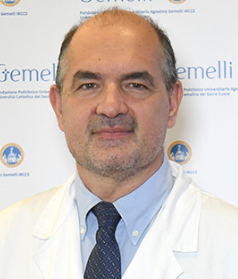 Eugenio Maria Mercuri合作论文数Department of Women, Children and Public Health Sciences, Fondazione Policlinico Universitario Agostino Gemelli IRCCS;Università Cattolica del Sacro Cuore Sede di Roma40
 Webster Mavhu合作论文数Zimbabwe AIDS Prevention Project, Department of Community Medicine UZ, Harare, Zimbabwe.39
 Serena Counsell合作论文数School of Biomedical Engineering & Imaging Sciences, Faculty of Life Sciences & Medicine, King’s College London39
 David Edwards合作论文数Insititute for Women & Children's Health, King’s College London;Department of Early Life Imaging, School of Biomedical Engineering & Imaging Sciences, Faculty of Life Sciences & Medicine37Buzdugan Raluca合作论文数33
 Euphemia L Sibanda合作论文数30
 Elizabeth Fearon合作论文数Department of Social and Environmental Health Research and Centre for Evaluation, London School of Hygiene and Tropical Medicine30
 Andrew Phillips合作论文数Department of Infection & Population Health, University College London30
 Maryam Shahmanesh合作论文数Department of Infection and Population Health, University College London;Africa Health Research Institute;Mortimer Market Centre28Mushavi Angela合作论文数26Watadzaushe Constancia合作论文数25
 Liz Corbett合作论文数Department of Clinical Research, Faculty of Infectious and Tropical Diseases, London School of Hygiene & Tropical Medicine25
 Mangenah Collin合作论文数24Phillis Mushati合作论文数23
 Calum Davey合作论文数23Ncube Getrude合作论文数23
 Andrew Copas合作论文数Centre for Pragmatic Global Health Trials, Institute for Global Health, University College London23
 Marianne Thoresen合作论文数University of Oslo23
 Joanna M Allsop合作论文数22
 Lisa F Langhaug合作论文数Royal Free and University College Medical School21
 Bernadette Hensen合作论文数20
 Sally Jary合作论文数20Daniela Ricci合作论文数20
 Sandra McCoy合作论文数School of Public Health, University of California, Berkeley19
 Cheryl Case Johnson合作论文数World Health Organization19
 Valentina Cambiano合作论文数Institute for Global Health, Population Health Sciences, University College London18
 Nancy Padian合作论文数School of Public Health, University of California, Berkeley18Tarisai Chiyaka合作论文数17Fortunate Machingura合作论文数CeSHHAR, Centre for Sexual Health and HIV/AIDS Research17Sue Napierala合作论文数17Agnes Mahomva合作论文数17
 Richard Hayes合作论文数Department of Infectious Disease Epidemiology, Faculty of Epidemiology and Population Health, London School of Hygiene & Tropical Medicine;Centre for Data and Statistical Science for Health, London School of Hygiene & Tropical Medicine17
 Sithembile Musemburi合作论文数16Birdthistle Isolde合作论文数16
 Sophie Pascoe合作论文数IDEU Department of Infectious and Tropical Diseases, LSHTM16
 Sibongile Mtetwa合作论文数15Martinez-Biarge Miriam合作论文数15
 Helen Weiss合作论文数Department of Infectious Disease Epidemiology and International Health, London School of Hygiene & Tropical Medicine;Faculty of Epidemiology and Population Health, London School of Hygiene & Tropical Medicine;Centre for Maternal Adolescent Reproductive & Child Health, London School of Hygiene & Tropical Medicine15
 Linda de Vries合作论文数15l f langhaug合作论文数14
 Primrose Matambanadzo合作论文数14Sian Floyd合作论文数14




