This study aimed to investigate the impact of type 2 diabetes (T2D) on muscle and tendon mechanics by comparing individuals with controlled diabetes to a healthy cohort matched for age, BMI, and physical activity level. A secondary aim was to investigate the possible association between muscle-tendon proprieties and glycated haemoglobin (HbA1c) or advanced glycated end products (AGE, RAGE) as determined in blood and skin biopsies. Twenty-eight patients and eighteen controls were recruited for this study. Achilles tendon stiffness (kT), muscle-tendon stiffness (kM, in gastrocnemius medialis) and the rate of torque development (RTD) were evaluated by combining dynamometric and ultrasound data. Diabetic patients showed increased tendon stiffness and reduced tendon elongation compared to controls, but similar RTD and kM values. No differences in advanced glycation end products (in serum or biopsies) were observed between cohorts, but a significant positive correlation was observed between kT and HbA1c (r = 0.610, N = 46, P < 0.001). Our data indicate that muscle, but not tendon, properties can be preserved in controlled and physically active diabetic patients and that higher tendon stiffness does not result in a functional deficit (i.e., same explosive capacity between cohorts). Although this study is cross-sectional and has a limited sample size, our data suggest a potential role of HbA1c as a non-invasive biomarker of altered tendon mechanics in people with diabetes. NCT05585502.
Current clinical assessments of Parkinson's disease rely largely on functional scales, which lack sensitivity to subtle muscle alterations. Therefore, developing objective and quantitative tools to support both diagnosis and disease monitoring is needed. Quantitative ultrasound radiofrequency imaging, particularly through Nakagami analysis, offers a non-invasive means of characterizing tissue scattering properties that may reflect Parkinson's disease - related effects. This study aimed to assess the feasibility of quantitative ultrasound radiofrequency imaging in identifying muscle alterations and disease severity in individuals with Parkinson's disease. Seventeen individuals with Parkinson's disease and 14 healthy controls participated in this study. Patients with Parkinson's disease were divided into early and late stages based on the Hoehn and Yahr scale. Quantitative ultrasound radiofrequency data were collected on each individual's gastrocnemius medialis, tibialis anterior, triceps brachii, and biceps brachii, and analyzed to estimate the Nakagami m parameter. The Nakagami m parameter was significantly higher in patients with Parkinson's disease compared to healthy controls across all muscles, with the largest differences in the gastrocnemius medialis. The Nakagami m parameter in this muscle was strongly associated with disease severity and showed excellent diagnostic performance. No significant asymmetry was observed between the most and least affected limb. These data indicate that quantitative ultrasound radiofrequency Nakagami imaging can detect muscle microstructural alterations associated with Parkinson's disease and is associated with disease severity. This approach shows strong potential as a rapid, low-cost, and quantitative biomarker for the diagnosis and longitudinal monitoring of Parkinson's disease.
BACKGROUND:We evaluated the possible differences between healthy individuals and subjects with well-controlled type 2 diabetes (T2D) in the energetics and muscle-tendon behaviour of walking. Moreover, we investigated the effects of a 10-week oscillatory-stretching (MOS) training protocol on the plantarflexor muscles in T2D patients. RESEARCH QUESTION:How do muscle-tendon mechanics and walking energetics differ between healthy adults and T2D patients, and how does a 10-week MOS training protocol affect plantarflexor function in T2D patients? RESULTS:Fourteen T2D patients and thirteen healthy controls performed a single walking trial at 4 km/h while kinematics parameters (i.e., stride length, frequency and ankle range-of-motion (ROM)), the gastrocnemius medialis (GM) muscle-tendon behaviour, and the net energy cost of walking (Cnet) were evaluated. T2D patients performed these experiments twice: pre- and post-10 weeks of MOS training (7 training sessions per week). At baseline, no significant differences were observed between populations in stride length, stride frequency, GM fascicle behaviour, and Cnet. However, T2D patients exhibited lower ankle ROM and shorter SEE elongation. These parameters were recovered after training, with no further differences when compared to healthy people. SIGNIFICANCE:Well-controlled type 2 diabetes affects the SEE behaviour and the ankle ROM during walking at a velocity close to the "optimal" one. Moreover, we observed that 10 weeks of MOS training are effective in increasing SEE elongation during the stance phase, as well as ankle ROM, in diabetic patients. These findings suggest that this simple training protocol could be useful to mitigate mechanical SEE deterioration in T2D patients.
This study explored the effect of knee range of motion (ROM) restrictions on lumbar spine kinematics and posterior chain muscle activity during squat and stoop lifting tasks. This relationship reflects the concept of regional interdependence, where impairments in one anatomical area may influence others, a key principle in the kinetic chain approach. Fifteen healthy adults performed squat and stoop lifting tasks under three knee ROM conditions (squat: free/0-60°/0-90°; stoop: free/0°/0-30°) using optoelectronic motion capture and electromyographic (EMG) systems. One-way analysis of variance was applied to analyze lumbar spine angles in flexion/extension, side bending, and rotation and to assess muscle activation patterns for five posterior chain muscles. No significant effects of knee ROM restrictions were observed for lumbar flexion/extension or side bending (p>0.15), but pelvic rotation differed significantly (p=0.0103). EMG analysis showed increased activation of the Gastrocnemius Lateralis and Biceps Femoris (p<0.001), while Gluteus Maximus and Latissimus Dorsi activation remained unchanged. Knee ROM restrictions influenced EMG muscle activation in distal posterior chain muscles and altered pelvic rotation, suggesting localized compensatory mechanisms. Results highlight the variation in muscle activation patterns and kinetic adjustments during squat and stoop lifting tasks in healthy individuals simulating knee ROM deficits, osteoarthritis, or low back pain conditions.
We investigated the effects of plyometric training on synthetic grass or concrete surfaces on the physical performance of young soccer players. The participants were blocked randomly assigned to a synthetic turf (SYN, n = 9), a concrete surface (CEM, n = 10) or a control group (CON, n = 8). Performance (vertical jump, sprint, and agility) and perceptual measures were performed before and after 4 weeks of plyometric training. The within-group effect showed improvements in jump height for CEM, rate of force development during the countermovement jump for SYN, 20-m sprint for CON and CEM, and COD (Change Of Direction) time for all groups (p < 0.05). Significant between-group effects of the training surface were observed only for squat jump height and the ratio between the countermovement jump and squat jump height (p < 0.05). A short-term plyometric protocol performed on cement or synthetic turf surfaces induced similar jump and sprint performance effects, by not determining specific adaptations in young soccer players.
The agreement between a wearable inertial sensor (GYKO, G) and the force platform (P) was assessed by evaluating test-retest and inter-rater reliability. Thirty-eight subjects were enrolled; the selected indices of balance were investigated over foot positions and (un)stable conditions. Intraclass correlation coefficient (ICC), standard error of measurement (SEM%) and minimal detectable change (MDC95%) were computed. For G, ICC bounds range from poor to excellent (0.040 divided by 0.921), mean of 0.687 (= moderate reliability). Regarding P, ICC ranges from poor to excellent (0.070 divided by 0.920), mean of 0.683 (= moderate reliability). For G, SEM% ranges from 11% to 47%; MDC95% from 30% to 132%. Concerning P, SEM% ranges from 7% to 41%; MDC95% from 21% to 114%. Finally, the inter-rater reliability ICC by comparing devices ranges from poor to excellent (-0.162 divided by 0.911), mean of 0.338 (= poor reliability). GYKO appears to be a convenient tool with high consistency among multiple measurements but for specific clinic/research purposes.
we investigated the effects of a 10 week training program (i.e., minute oscillatory stretching; MOS) on the mechanical responses and walking capability in people with type 2 diabetes (T2D). seventeen T2D patients performed maximum voluntary contractions of the plantar flexor muscles during which Achilles tendon stiffness (kT) and muscle–tendon stiffness (kM) were evaluated at different percentages of the maximum voluntary force (MVC). In addition, each participant was requested to walk at different walking speeds (i.e. 2, 3, 4, 5, and 6 kmh−1) while their net energy cost of walking (Cnet), cumulative EMG activity per distance travelled (CMAPD) and kinematic parameters (step length, step frequency, the ankle/knee range of motion) were evaluated. maximum tendon elongation increased after MOS training, and kT significantly decreased (between 0 and 20
IntroductionParkinson's disease (PD) is a prevalent neurodegenerative condition observed primarily in the elderly population that gives rise to motor and non-motor symptoms, one of which is muscle weakness. The aim of this study was to characterize the vastus lateralis torque-fascicle length (T-L) and the knee extensors torque-angular velocity (T-V) and power-angular velocity (P-V) relationships in PD patients and to investigate the influence of muscle geometry on muscle mechanics.MethodsParticipants (11 PD: patients, 9 CR: age matched healthy controls; 10 CY: young healthy controls) performed: (i) isometric contractions (e.g., MVC) to obtain the torque-angle and T-L relationships; (ii) isokinetic (e.g., iso-velocity) contractions to obtain the T-V and P-V relationships. During the experiments, the architecture of vastus lateralis (pennation angle, fascicle length, muscle thickness) was also determined by using an ultrasound apparatus.ResultsSignificant differences were observed between PD patients and physically matched control groups (CR and CY) in terms of maximum isometric force (calculated as the apex of the T-L curve) and maximum mechanical power (apex of the P-V curve), but not in maximum shortening velocity. Among the mechanical variables investigated, mechanical power was able to identify differences between the less and the more affected side in PD patients, suggesting that this parameter could be useful for clinical evaluation in this population.ConclusionsThe observed results cannot be explained by differences in muscle geometry at rest (similar in the three cohorts), but rather by the muscle capacity to change in shape during contraction, that is impaired in PD patients.
Purpose: In modern sprint cycling competitions, the athletes perform a preparatory movement that consists in reaching the backmost standing position, quickly accelerating the body forward at the starting signal. The purpose of this study was to investigate the kinematics of backward standing starts in elite cyclists, as well as the effect of initial crank angle. Methods: Video analysis of cycling starts was performed in seven male elite cyclists during 30 m sprints and in 3 starting conditions: seated with a self-selected crank angle (S-ss), backward standing from a self-selected (BSt-ss) or imposed crank angle of 90° (BSt-90°). Average velocity after 5 and 30 m was also measured by means of a photocell system. Results: No differences in starting crank angle were observed between BSt-ss and S-ss (about 64°). The fastest starts were attained in BSt-ss (highest velocity at 5 and 30 m); in this condition, angular downstroke velocity was the highest and the counter movement occurred earlier than in BSt-90°. Significant positive associations were observed between angular velocity in the first downstroke and forward velocity at 5 and 30 m. Conclusions: These findings indicate that backward standing starts improve cycling performance (compared to seated starts), that an initial crank angle < 90° is preferable, and that elite cyclists maintain the initial advantage at least up to a distance of 30 m.
AIM:Parkinson's disease (PD) is a progressive neurodegenerative disorder characterized, among the others, by muscle weakness. PD patients reach lower values of peak torque during maximal voluntary contractions but also slower rates of torque development (RTD) during explosive contractions. The aim of this study was to better understand how an impairment in structural/mechanical (peripheral) factors could explain the difficulty of PD patients to raise torque rapidly.METHODS:Participants (PD patients and healthy matched controls) performed maximum voluntary explosive fixed-end contraction of the knee extensor muscles during which dynamic muscle shape changes (in muscle thickness, pennation angle, and belly gearing: the ratio between muscle belly velocity and fascicle velocity), muscle-tendon unit (MTU) stiffness and EMG activity of the vastus lateralis (VL) were investigated. Both the affected (PDA) and less affected limb (PDNA) were investigated in patients.RESULTS:Control participants reached higher values of peak torque and showed a better capacity to express force rapidly compared to patients (PDA and PDNA). EMG activity was observed to differ between patients (PDA) and controls, but not between controls and PDNA. This suggests a specific neural/nervous effect on the most affected side. On the contrary, MTU stiffness and dynamic muscle shape changes were found to differ between controls and patients, but not between PDA and PDNA. Both sides are thus similarly affected by the pathology.CONCLUSION:The higher MTU stiffness in PD patients is likely responsible for the impaired muscle capability to change in shape which, in turn, negatively affects the torque rise.
Abstract The aim of this study was to investigate the interplay between the force–length (F–L) and force–velocity (F–V) potentials of gastrocnemius medialis (GM) muscle fascicles, the cumulative muscle activity per distance travelled (CMAPD) of the lower limb muscles (GM, vastus lateralis, biceps femori, tibialis anterior) and net energy cost (Cnet) during walking and running at speeds above and below the walk‐to‐run transition speed (walking: 2–8 km h−1; running: 6–10 km h−1). A strong association was observed between Cnet and CMAPD: both changed significantly with walking speed but were unaffected by speed in running. The F–L and F–V potentials decreased with speed in both gaits and, at 6–8 km h−1, were significantly larger in running. At low to moderate walking speeds (2–6 km h−1), the changes in GM force potentials were not associated with substantial changes in CMAPD (and Cnet), whereas at walking speeds of 7–8 km h−1, even small changes in force potentials were associated with steep increases in CMAPD (and Cnet). These data suggest that: (i) the walk to run transition could be explained by an abrupt increase in Cnet driven by an upregulation of the EMG activity (e.g., in CMAPD) at sustained walking speeds (>7 km h−1) and (ii) the reduction in the muscle's ability to produce force (e.g., in the F–L and F–V potentials) contributes to the increase in CMAPD (and Cnet). Switching to running allows regaining of high force potentials, thus limiting the increase in CMAPD (and Cnet) that would otherwise occur to sustain the increase in locomotion speed.
Walking at speeds higher than transition speed is associated with a decrease in the plantar-flexor muscle fibres’ ability to produce force and, potentially, to an impaired behaviour of the muscle–tendon unit (MTU) elastic components. This study aimed to investigate the ankle joint functional indexes and the Achilles tendon mechanical behaviour (changes in AT force and power) to better elucidate the mechanical determinants of the walk-to-run transition. Kinematics, kinetic and ultrasound data of the gastrocnemius medialis (GM) were investigated during overground walking and running at speeds ranging from 5–9 km·h−1. AT and GM MTU force and power were calculated during the propulsive phase; the ankle joint function indexes (damper, strut, spring and motor) were obtained using a combination of kinetic and kinematic data. AT force was larger in running at speeds > 6.5 km/h. The contribution of AT to the total power provided by the GM MTU was significantly larger in running at speeds > 7.5 km/h. The spring and strut indexes of the ankle were significantly larger in running at speeds > 7.5 km/h. These data suggest that the walk-to-run transition could (at least partially) be explained by the need to preserve AT mechanical behaviour and the ankle spring function.
Achilles tendon (AT) mechanical properties can be estimated using an inverse dynamic approach, taking into account the tendon internal moment arm (IMA) and its kinematic behavior. Although AT presents a curvilinear line of action, a straight-line function to estimate IMA and AT length is often utilized in the literature. In this study, we combined kinetic, kinematic and ultrasound data to understand the impact of two different approaches (straight-line vs. curvilinear) in determining AT mechanical properties in vivo (during walking and running at the self-selected speed). AT force and power were calculated based on data of AT IMA and AT length derived by both respective methods. All investigated parameters were significantly affected by the method utilized (paired t-test; p < 0.05): when using the curvilinear method IMA was about 5% lower and AT length about 1.2% higher, whereas peak and mean values of AT force and power were 5% higher when compared to the straight-line method (both in walking and running). Statistic-parametric mapping (SMP) analysis revealed significant differences in IMA during the early and the late stance phase of walking and during the late stance phase of running (p < 0.01); SPM revealed significant differences also in AT length during the entire stance phase in both locomotion modes (p < 0.01). These results confirm and extend previous findings to human locomotion: neglecting the AT curvature might be a source of error, resulting in underestimates not only of internal moment arm and tendon length, but also of tendon force and power.
This study combines metabolic and kinematic measurements at the whole‐body level, with EMG and ultrasound measurements to investigate the influence of muscle‐tendon mechanical behavior on the energy cost (Cnet) of walking (from 2 to 8 km·h−1). Belly gearing (Gb = Δmuscle‐belly length/Δfascicles length) and tendon gearing (Gt = ∆muscle‐tendon unit length/∆muscle‐belly length) of vastus lateralis (VL) and gastrocnemius medialis (GM) were calculated based on ultrasound data. Pendular energy recovery (%R) was calculated based on kinematic data, whereas the cumulative activity per distance travelled (CMAPD) was calculated for the VL, GM, tibialis anterior, and biceps femoris as the ratio between their EMG activity and walking speed. Finally, total CAMPD (CMAPDTOT) was calculated as the sum of the CMAPD of all the investigate muscles. Cnet and CMAPDTOT showed a U‐shaped behavior with a minimum at 4.2 and 4.1 km·h−1, respectively; while %R, VL, and GM belly gearing showed an opposite trend, reaching a maximum (60% ± 5%, 1.1 ± 0.1 and 1.5 ± 0.1, respectively), between 4.7 and 5 km·h−1. Gt was unaffected by speed in GM (3.5 ± 0.1) and decreased as a function of it in VL. A multiple stepwise linear regression indicated that %R has the greatest influence on Cnet, followed by CMAPDTOT and GM belly gearing. The role of Gb on Cnet could be attributed to its role in determining muscle work: when Gb increases, fascicles shortening decreases compared with that of the muscle‐belly, thereby reducing the energy cost of contraction.
Mechanical output at a joint level could be influenced by its leverage characteristics and by its functional behaviour and both could change to accommodate the demands of a given locomotor task. In this study, the mechanical power generated at the knee and ankle joints and their functional indexes (i.e. damper, strut, spring and motor like-function) were calculated by using 3D kinematic and kinetic data during hopping at 2, 2.5, 3 and 3.5 Hz. The effective mechanical advantage (i.e. the ratio between internal and external moment arm) of the knee (EMA(K)) and ankle (EMA(A)) and joint stiffness were calculated as well. Joint stiffness increased with frequency whereas positive and negative joint power decreased with it, the ankle power values being always larger (20-50%) than those at the knee. EMA(A) reached its highest value (0.4) during the propulsive phase at 3 Hz whereas no significant changes in EMA(K) were observed as a function of frequency in both the absorption and propulsive phases. Knee joint-functional index shifted from a spring to a strut-like function with increasing frequency (from 56 to 8% and from 4 to 51%, respectively) while the ankle operated mainly as a spring (from 90 to 53%), its damper and motor-like indexes being negligible at all frequencies (<5%). Therefore, in hopping, the knee works to dissipate mechanical energy (the combination of its damper and strut indexes increase from 23 to 72% at these frequencies) and the primary source of mechanical power is attributable to the elastic function of the ankle. (C) 2021 Elsevier Ltd. All rights reserved.
Ensuring stability of the human vertical posture is a complex task requiring both anticipatory and compensatory postural strategies when a standing person performs fast actions and interacts with the environment, which can include other persons. How people adjust their preparatory and compensatory postural adjustments in situations when they interact with an active partner is still poorly understood. In this study we investigated the postural adjustments while two healthy persons played a traditional childhood game. While standing facing each other, they were asked to push with their hands against the hands of the opponent only, and to make the opponent to take a step. We explored strategies when pushing the opponent's hands generated perturbations to the posture of both players and when one of the players withdrew the arms to neutralize the opponent's pushing action. Electromyograms were recorded from the leg and trunk muscles and used to quantify early (EPAs), anticipatory (APAs) and compensatory (CPAs) postural adjustments, as well as the co-activation and reciprocal changes in the activity of agonist-antagonist pairs. Results showed higher indices of muscle co-activation during EPAs during the game compared to the control conditions. We found that postural preparation strategies defined whether a participant kept or lost balance during the game. Our results highlight the importance of muscle co-activation, the role of anticipation, and the difference in strategies while interacting with an active partner as compared to interactions with passive objects.
BACKGROUNDThe aim of this study was to compare the running kinematics and the spring mass model mechanics over an entire half-marathon race in male and female athletes on different slopes (- 7%, 0% and +7%).METHODS59 recreational runners (39 males and 20 females) participated in this study. Their running steps at own best self-selected speed were video recorded during a half-marathon (i.e. in ecological conditions): the kinematic variables (i.e. running speed, stride length and frequency, contact and flight time) were calculated, as well as the spring-mass characteristics (i.e. leg and vertical stiffness) of their running steps.RESULTSMales were able to run with greater speeds and lengths compared to females (P < 0.001) but with lower flight times (P < 0.05), and they reached higher values of both leg and vertical stiffness (P < 0.001). During downhill running, step lengths were larger compared to the level and the uphill (+6%) whereas frequencies slightly decreased (-2%), and aerial times were the greatest ones (+17%). During uphill running, contact times were slightly higher compared to other conditions (+3%), and leg stiffness reached the lowest values (-8%).CONCLUSIONSThis study confirmed that there are important alterations in running steps in function of sex and surface slope. Importantly, the response to fatigue (i.e. alterations with the covered distance) does not alter these sex differences and is therefore independent of the sloped conditions.
In this study, we used kinematic, kinetic, metabolic and ultrasound analysis to investigate the role of elastic energy utilization on the mechanical and physiological demands of a movement task (hopping) that primarily involves the plantar-flexor muscles to determine the contribution of tendon work to total mechanical work and its relationship with apparent efficiency (AE) in bouncing gaits. Metabolic power (PMET) and (positive) mechanical power at the whole-body level (PMEC) were measured during hopping at different frequencies (2, 2.5, 3 and 3.5 Hz). The (positive) mechanical power produced during the Achilles tendon recoil phase (PTEN) was obtained by integrating ultrasound data with an inverse dynamic approach. As a function of hopping frequency, PMEC decreased steadily and PMET exhibited a U-shape behaviour, with a minimum at about 3 Hz. AE (PMEC/PMET) showed an opposite trend and was maximal (about 0.50) at the same frequency when PTEN was also highest. Positive correlations were observed: (i) between PTEN and AE (AE=0.22+0.15PTEN, R2=0.67, P<0.001) and the intercept of this relationship indicates the value of AE that should be expected when tendon work is nil; (ii) between AE and tendon gearing (Gt=Δmuscle-tendon unit length/Δmuscle belly length; R2=0.50, P<0.001), where a high Gt indicates that the muscle is contracting more isometrically, thus allowing the movement to be more economical (and efficient); (iii) between Gt and PTEN (R2=0.73, P<0.001), which indicates that Gt could play an important role in the tendon's capability to store and release mechanical power.
The present study investigated whether a difference exists in reactive and proactive control for sport considered open or closed skills dominated. Sixteen young (11-12 years) athletes (eight soccer players and eight swimmers) were asked to be engaged into two games competitions that required either a reactive and a proactive type of control. By means of kinematic (i.e. movement time and duration) and dynamic analysis through the force platform (i.e. Anticipatory Postural Adjustments, APAs), we evaluated the level of ability and stability in reacting and anticipating actions. Results indicated that soccer players outperformed swimmers by showing higher stability and a smaller number of falls during the competition where proactive control was mainly required. Soccer players were able to reach that result by anticipating actions through well-modulated APAs. On the contrary, during the competition where reactive control was mainly required, performances were comparable between groups. Therefore, the development of specific action control is already established at 11-12 years of age and is enhanced by the training specificity.
Patients with Parkinson’s disease (PD) show typical gait asymmetries. These peculiar motor impairments are exacerbated by added cognitive and/or mechanical loading. However, there is scarce literature that chains these two stimuli. The aim of this study was to investigate the combined effects of a dual task (cognitive task) and turning (mechanical task) on the spatiotemporal parameters in mild to moderate PD. Participants (nine patients with PD and nine controls (CRs)) were evaluated while walking at their self-selected pace without a secondary task (single task), and while repeating the days of the week backwards (dual task) along a straight direction and a 60° and 120° turn. As speculated, in single tasking, PD patients preferred to walk with a shorter stride length (p < 0.05) but similar timing parameters, compared to the CR group; in dual tasking, both groups walked slower with shorter strides. As the turn angle increased, the speed will be reduced (p < 0.001), whereas the ground–foot contact will become greater (p < 0.001) in all the participants. We showed that the combination of a simple cognitive task and a mechanical task (especially at larger angles) could represent an important training stimulus in PD at the early stages of the pathology.
 Paola Zamparo合作论文数27Andrea Monte合作论文数19
 Paola Cesari合作论文数8Minetti Alberto E合作论文数6
 Luca Paolo Ardigo合作论文数6
 Federico Schena合作论文数5
 Riccardo Magris合作论文数5
 Federica Bombieri合作论文数5
 Paolo Tecchio合作论文数5
 Cantor Tarperi合作论文数3
 Gaspare Pavei合作论文数3
 Bertucco Matteo合作论文数Department of Biomedical Engineering, University of Southern California3Carlo Negri合作论文数3Paolo Moghetti合作论文数Division of Endocrinology and Metabolic Diseases, University of Verona3
 Alberto Gabrieli合作论文数Dipartimento di Emergenza e Accettazione, Azienda Ospedaliera-Istituti Ospitalieri3
 Beatriz Bachero-Mena合作论文数Faculty of Sport, Pablo de Olavide University2
 Elena Seminati合作论文数a Department of Pathophysiology and Transplantation, University of Milan2Michele Tinazzi合作论文数Unità Operativa Neurologia Ospedale Civile Borgo Trento2
 Niccolo Faccioli合作论文数Policlinico G.B. Rossi P.le L.A. Scuro, Università di Verona2
 Michele Geronazzo合作论文数Department of Information Engineering, University of Padova2Simone Bettega合作论文数1Takuya Otsu合作论文数1Elisabetta Verzini合作论文数1Davide Bartolini合作论文数1
 Luca Festa合作论文数1
 Kristina Skroce合作论文数1elena zorzi合作论文数1Naoki Numazu合作论文数1
 Marco Beato合作论文数Sch Hlth & Sports Sci, Univ Suffolk1
 Lorenzo Storari合作论文数1
 Samuel D'Emanuele合作论文数1
 Valentina Muollo合作论文数Dept Med, Univ Verona1
 Pierpaolo Marchetti合作论文数1
 Scafoglieri Aldo合作论文数Department of Experimental Anatomy, Vrije Universiteit Brussel1
 Marialuisa Gandolfi合作论文数1
 Barbara Pellegrini合作论文数1Geroin Christian合作论文数1
 Eleonora Dimitrova合作论文数1
 Zignoli Andrea合作论文数1
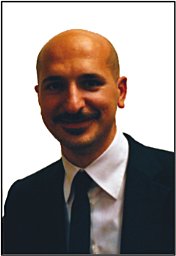 Filippo Maselli合作论文数Department of Neuroscience, Rehabilitation, Ophtalmology, Genetics, Maternal and Child Health, University ofGenova1
 Ivan Camponogara合作论文数Department of Neurological and Movement Sciences, University of Verona1
 Mark L. Latash合作论文数Department of Kinesiology, Pennsylvania State University;College of Health and Human Development, The Pennsylvania State University1Annunziata Lapolla合作论文数1
 Giovanni Sartore合作论文数1Chiara Cosma合作论文数Department of Medical and Surgical Sciences, University of Padova1
 Erik Cattrysse合作论文数1
 Luca Turchet合作论文数Medialogy, Aalborg University Copenhagen1
 Giuseppe Marcolin合作论文数Exercise Science;University of Padova;Exercise Science, University of Padova1




