Abstract Background Medulloblastoma and ependymoma remain challenging to treat after relapse or in refractory cases [1]. This phase I/II trial evaluated the combination of axitinib, an oral pan-VEGF receptor inhibitor, with etoposide in pediatric patients with refractory or relapsed medulloblastoma or ependymoma, based on the results of a previous preliminary study [2]. Primary objectives were to: 1) determine the recommended phase II dose (RP2D) of axitinib when combined with etoposide; 2) characterize the safety profile of this combination; and 3) assess efficacy by comparing progression-free survival (PFS) and overall survival (OS) against historical controls from prior trials. Methods Patients received axitinib twice daily and oral etoposide at 25 mg/m²/day once daily in 28-day cycles for up to 13 cycles. Axitinib dose escalation followed a standard 3 + 3 design across three dose levels: 1.6, 2.0, and 2.4 mg/m²/day (levels 1-3). Toxicities were monitored and graded according to CTCAE v5.0. Tumor response was assessed by MRI every two cycles using RANO criteria. We present herein the result of phase I dose levels one and two. Results Overall, 14 patients (median age 168 months [range: 72-264]) were enrolled across 7 centers in the phase I study. The RP2D of axitinib combined with etoposide will be established at 2.4 mg/m²/day. The regimen was well-tolerated, with treatment discontinuation due to toxicity occurring in only 0% (n = 0) of patients. Most common toxicities included neutropenia (n = 10, 17.5%) and nausea/vomiting (n = 6, 10.5%). Dose-limiting toxicities (DLTs) occurred in 0 patients. Conclusion The combination of axitinib and etoposide currently demonstrated acceptable tolerability in children with refractory or relapsed medulloblastoma or ependymoma. The RP2D will be established, and ongoing phase II enrollment will provide definitive efficacy data. 1. Udaka YT, Packer RJ. Pediatric Brain Tumors. Neurol Clin. 2018 Aug;36(3):533-556. doi: 10.1016/j.ncl.2018.04.009. PMID: 30072070. 2. Donzé C, Revon-Rivière G, Pondrom M, Verschuur A, Leblond P, André N. Retrospective experience of children with relapsed brain tumors treated with oral combination of axitinib and metronomic etoposide. Pediatr Blood Cancer. 2024 Aug;71(8):e31076. doi: 10.1002/pbc.31076. Epub 2024 May 22. PMID: 38778441.
BACKGROUND:Infant medulloblastoma (age <3-5 years at diagnosis) is a major challenge in paediatric oncology. Clinical studies of molecularly defined non-WNT/non-SHH infant medulloblastoma (~60% of cases) have not been done, and this group is currently considered to have uniformly high risk. Understanding the potential for its biological subclassification and clinical stratification is an essential goal towards improved outcomes. This study therefore aimed to directly compare different therapeutic approaches in non-WNT/non-SHH infant medulloblastoma and assess the relationships between outcomes and clinicomolecular features. METHODS:We assembled an international cohort of infants with non-WNT/non-SHH medulloblastoma identified from non-trial cohorts in nine countries. Inclusion criteria were age 0-5 years and a principal non-WNT/non-SHH medulloblastoma classification (group 3 [MBGroup3] or group 4 [MBGroup4]; confidence score >0·8) using DNA methylation array-based classification. Patient clinical and molecular data were collected from contributing institutions and centrally reviewed using standardised annotation protocols. A survival cohort was defined by the availability of complete progression-free and overall survival data, and grouped by whether principal upfront therapy included craniospinal irradiation or consisted of chemotherapy only. Chemotherapy was subclassified into high-dose, intraventricular methotrexate-based, and standard-dose regimens. We assessed the relationships between tumour molecular pathology, treatments received, and outcomes (progression-free and overall survival) using Kaplan-Meier plots, univariable log-rank tests, and Cox regression. FINDINGS:The total collected cohort (n=375) comprised 262 males and 110 females (three patients had missing sex data), with a median age of 3·0 years (IQR 2·5-4·0). MBGroup3 tumours predominated (246 [66%] of 375 patients), among which molecular subgroups 4 (98 [40%]), 2 (75 [30%]), and 3 (46 [19%]) were most common. The remaining 129 (34%) of 375 patients had MBGroup4 tumours. 313 patients were included in the survival cohort. Upfront craniospinal irradiation was associated with significantly better 5-year progression-free survival (62% [95% CI 55-70]) than non-craniospinal irradiation approaches (including focal radiotherapy or chemotherapy-only strategies; 33% [23-44]; p<0·0001). When upfront chemotherapy-only approaches were used, high-dose chemotherapy produced better survival rates (5-year overall survival 60% [95% CI 42-87]) than standard-dose chemotherapy (27% [13-57]). Patients with MBGroup3 subgroup 4 represented a novel chemosensitive group, with 5-year progression-free survival of 64% (95% CI 44-95) when treated upfront with high-dose chemotherapy only (n=14). Patients with MBGroup3 subgroup 2 or 3 with MYC amplification (n=10) had 5-year progression-free and overall survival rates of 0% when treated with chemotherapy only. Patients with MBGroup3 subgroup 2 or 3 without MYC amplification who were treated upfront with chemotherapy only (n=10) had 5-year progression-free survival of 30% (12-77) and 5-year overall survival of 58% (34-100). INTERPRETATION:Non-WNT/non-SHH infant medulloblastoma outcomes are associated with specific biomarkers and type of therapy received. This real-world experience identifies a favourable-risk group (MBGroup3 subgroup 4) with good prognosis and a very-high-risk group (MBGroup3 subgroup 2 or 3 with MYC amplification) with poor prognosis, providing a foundation for biomarker-driven MBGroup3 clinical trials. FUNDING:Cancer Research UK, Children with Cancer UK, Children's Cancer North, Star for Harris, JGW Patterson Foundation, Little Hero, and Blue Skye Thinking.
OBJECTIVE:Growth hormone deficiency (GHD) is the earliest and most common pituitary-hormone deficiency in childhood brain cancer (CBC) survivors. To evaluate metabolic and endocrine outcomes in survivors of CBC (excluding craniopharyngiomas) who received growth hormone therapy during childhood, following their transition into adulthood. METHODS:Observational, multicentric study across 1 pediatric endocrinology, 2 pediatric oncology departments, and 1 adult endocrinology department. Ninety-one CBC survivors with childhood-onset GHD, aged ≥18 years in January 2025, with follow-up data available through April 30, 2025, were included. Assessments included lipid profile, HbA1c, bone mineral density (BMD), body mass index, and pituitary hormone status. Subgroup analyses compared patients with suprasellar versus non-suprasellar tumors and those with persistent adulthood GHD with or without continued GH therapy versus transient GHD. Multivariate analyses were performed. RESULTS:Median age at last evaluation was 21 years (IQR 19-26). At transition, 71/91 patients (78%) remained GHD. Dyslipidemia affected 54/91 (59.4%) individuals, prediabetes 9/91 (10%), and reduced BMD (osteopenia or osteoporosis) 62/90 (68.6%). Body mass index and HbA1C were significantly higher in the suprasellar subgroup than the non-suprasellar subgroup. Dyslipidemia was not associated with tumor location. No significant differences among patients with persistent GHD on GH therapy, persistent GHD without therapy, or transient GHD. CONCLUSIONS:Among CBC survivors with childhood-onset GHD, dyslipidemia, impaired glucose metabolism, and reduced BMD are highly prevalent in very early adulthood. Suprasellar tumors show a distinct metabolic vulnerability.
Background. DICER1 syndrome is an autosomal dominant disorder predisposing to a broad spectrum of malignant and benign neoplasms, caused by germline pathogenic variants (PVs) in the DICER1 gene. We aimed to characterize the clinical features of DICER1 syndrome in a national referral cohort and to estimate neoplasm risk.Materials and Methods. This retrospective study was conducted in a cohort of 945 patients who underwent DICER1 genetic testing at Institut Curie, Paris, using Sanger sequencing from 2012 to 2014 and Next Generation Sequencing from 2015 to 2023.Results. Among 584 index cases evaluated for DICER1 syndrome, 91 (16%) carried a germline DICER1 PV and 31 (5%) harbored only somatic DICER1 PVs. Several tumors that were not previously part of the DICER1 tumor spectrum were identified. ETMR-like brain tumor and testicular Sertoli cell tumor are now recognized as DICER1-related neoplasms, and schwannoma is a strong candidate. The neoplasm risk was estimated in 170 relatives carrying a germline DICER1 PV. The cumulative incidence of malignant neoplasms was 4.8% [95% CI: 2.1% – 9.1%] at 10 years and 15.8% [95% CI: 8.9% – 24.7%] at 50 years. Overall neoplasm risk was significantly higher in females, primarily driven by the higher incidence of multinodular goiter.Conclusion. This large cohort study provides a comprehensive overview of the distribution of neoplasms associated with DICER1 syndrome. Broader genetic testing identified additional DICER1-related neoplasms, and schwannoma emerged as a candidate association. Finally, this study confirms the moderate penetrance of germline DICER1 PVs.
PURPOSE:Rhabdoid tumors (RTs) are highly aggressive pediatric cancers driven by the biallelic inactivation of the SMARCB1 tumor suppressor gene, the sole recurrent genetic alteration. SMARCB1 encodes a core subunit of the SWI/SNF chromatin remodeling complex; its loss disrupts epigenetic gene regulation, supporting the classification of RTs as prototypical epigenetically driven cancers and highlighting the therapeutic potential of targeting epigenetic modifiers. Notably, previous studies have reported the overexpression of DNMT3A and DNMT3B, enzymes responsible for de novo DNA methylation, in RTs. EXPERIMENTAL DESIGN:Using patient samples, cell lines, and an ex vivo brain organoid system, combined with immunohistochemistry and bioinformatics, we investigated the role of DNMT3 enzymes in RT progression. RESULTS:In a composite tumor case, SMARCB1-deficient and -proficient regions displayed distinct methylation profiles. SMARCB1 loss correlated with increased DNA methylation and DNMT3A/B overexpression. To assess their respective roles in RTs, we used CRISPR-Cas9 to knock out DNMT3A/B in a SMARCB1-inducible RT cell line. DNMT3B loss impaired viability more strongly than DNMT3A. DNMT3B knock-out and SMARCB1 re-expression regulated overlapping gene programs related to development and cell adhesion at methylation and transcriptional levels. We next demonstrated that the cytotoxicity of the DNMT inhibitor decitabine, which impairs RT cell growth in human iPS-derived cerebral organoids, is primarily mediated by DNMT3B. CONCLUSIONS:These results show that DNMT3B plays a key role in the cascade of epigenetic effects following SMARCB1 loss and is pivotal in the RT sensitivity to decitabine; our study therefore supports the development of DNMT3B-specific inhibitors for RT.
Rhabdoid tumours (RT) are malignancies of the central nervous system, kidneys, liver and soft tissues that most commonly affect very young children with survival rates below 30% in high-risk cohorts. Treatment entails surgery, intensive chemotherapy and radiotherapy, associated with substantial short- and long-term toxicities. There is an unmet need to develop targeted therapies for RT to improve patient outcomes and mitigate the toxicities of current therapy. Detailed research followed by a workshop had the objective of enabling the development of targeted therapeutics for RT. Given the inherent commonality of their biology (i.e. biallelic inactivation of SMARCB1 or more rarely SMARCA4) the therapeutic approach should be similar for intra-cranial and extra-cranial tumours. DDB1–CUL4-associated factor 5 is a promising target, and the development of small molecule binders/degraders is a priority. Enhancer of zeste 2 polycomb repressive complex 2 subunit (EZH2) degraders may have greater therapeutic potential than inhibitors. Fibroblast growth factor receptor and platelet-derived growth factor receptor inhibitors may have value in subgroups. Mouse double minute 2 homologue (MDM2) is a priority target for novel therapeutic development and combination trials. Combinations of EZH2, MDM2 inhibitors and selective inhibitors of nuclear export should be evaluated robustly preclinically and drive early clinical studies.
Medulloblastoma, the most common malignant brain tumor of childhood, exhibits significant biological complexity that demands deeper exploration. Here, we present a large multiomics dataset integrating data from 384 primary medulloblastoma patient samples across five omic layers: CpG methylome, transcriptome, proteome, phosphoproteome, and metabolome, paired with associated clinical metadata. Data integration revealed intertumoral heterogeneity of lipid metabolism across proteomic subtypes. Notably, while the MYC-FASN-SCD axis drives lipid biosynthesis, pathway inhibition elicits a compensatory escape mechanism in vivo through exogenous fatty acid uptake. Unexpectedly, we demonstrated that MYC triggers lipid storage, creating a unique dependency on lipid droplet-mitochondria communications to sustain tumor maintenance in vivo. Together, this comprehensive analysis reveals a targetable vulnerability downstream of MYC that constitutes a promising therapeutic approach to treat currently untreatable medulloblastoma subtypes.
Abstract Atypical Teratoid/Rhabdoid Tumor (AT/RT) is the most common malignant brain tumor in infants <3 years, representing 10–15% of pediatric CNS malignancies. This lethal embryonic tumor is driven by biallelic inactivation of the chromatin-remodeling gene Smarcb1. Despite aggressive multimodal therapy (surgery, chemotherapy, radiotherapy), median overall survival remains <12 months. Current AT/RT research relies heavily on immunodeficient xenograft models, which fail to recapitulate the tumor microenvironment (TME) and cannot adequately evaluate immunotherapeutic strategies. Syngeneic immunocompetent models are essential for understanding TME composition and immune dynamics critical to developing next-generation treatments. Spontaneous AT/RT tumors were generated in an inducible Smarcb1fl/fl;Rosa26-CreERT2 mouse model (tamoxifen induction at E6–E7, Han et al., 2016) by Franck Bourdeaut’s laboratory at Institut Curie, Paris. Tumor explants were established as a stable syngeneic cell line and implanted orthotopically using the guide screw method into immunocompetent C57BL/6 hosts. Tumors were characterized by: (i) immunohistochemistry and western confirming biallelic SMARCB1 loss; (ii) in vivo growth kinetics and survival curves; and (iii) single-cell RNA sequencing (scRNA-seq) of tumor and immune compartments. The established cell line demonstrated 100% penetrance with aggressive growth kinetics. ScRNA-seq analysis revealed a macrophage-dominant tumor microenvironment (72% of immune infiltrate), with T-cell exhaustion markers (PD1+, TIM3+) and minimal lymphocyte infiltration. Notably, this immune phenotype closely mirrors observations in human AT/RT patient samples, establishing our model as a high-fidelity platform. This immunocompetent syngeneic AT/RT model recapitulates human disease immune architecture and provides a robust platform for studying tumor-immune interactions and evaluating immunotherapeutic strategies, including oncolytic virotherapy, checkpoint modulation, and adoptive cell therapies. This model will accelerate clinical translation of promising approaches for this uniformly fatal pediatric malignancy.
Background Medulloblastoma in infants (iMB; aged < 5 years) presents the challenge of achieving cure while minimising deleterious cranio-spinal irradiation (CSI)-associated late-effects. Non-randomised phase 2 studies have examined upfront CSI omission and chemotherapy intensification for favourable-risk desmoplastic/nodular (DN) tumours associated with the sonic hedgehog (SHH) molecular group (iMBSHH). Comparison of these therapies in large molecularly defined iMBSHH cohorts, alongside investigations of prognostic biomarkers in therapy-specific context, is urgently required to define future therapeutic strategies. Methods In this international retrospective cohort study, a multi-national cohort of molecularly and clinically annotated iMBSHH was assembled from patient datasets in nine countries. Inclusion criteria was a principal iMBSHH group classification using DNA methylation array-based classification. Patient cohorts were assigned into upfront treatment groups based on the receipt of radiotherapy (RTx) or chemotherapy (CTx)-only. Upfront RTx treatment groups were assigned as those receiving focal-RTx or CSI. Upfront CTx only regimens used were classified into three groups to reflect disease treatment conventions: standard-dose, high-dose (intensified regimens of sufficient dosage to require stem cell support) and those including intraventricular methotrexate (IVT-MTX). We investigated molecular pathology, upfront treatments, and relationships to outcome, in this real-world setting. Outcomes of interest were progression-free survival (PFS), overall survival (OS), and post-relapse survival (PRS). Findings Between January 20, 2018 and October 6, 2021, patient data from 267 infants with SHH medulloblastoma were collected from Canada (n = 74), Germany/USA (n = 67), and the UK (n = 54), alongside national cohorts collected from France (n = 26), Italy (n = 4), Japan (n = 20), the Netherlands (n = 11), and Spain (n = 33). 226 patients with PFS and OS data comprised the iMB survival cohort and were split into upfront treatment groups based on the receipt of RTx (n = 74, 33%) or CTx-only (n = 132, 58%). Among iMBSHH patients treated upfront with CTx-only regimens, IVT-MTX therapy (5-year PFS, 72.6%; n = 72) or high-dose therapy (73.0%; n = 29) achieved PFS outcomes comparable to upfront CSI-based regimens (n = 49; 74.0%; p = 0.51); whereas lower-intensity, standard-dose, chemotherapy-only regimens (n = 31) were inferior (48.4% PFS; p = 0.006). Rescue was common post-relapse after IVT-MTX/high-dose protocols and translated into 5-year OS of 85.6% and 88.6%, respectively. However, information on pattern of relapse and treatments received at recurrence was only available for a small proportion of our cohort (n = 43). The 5-year PFS of patients receiving focal-RTx was (58.2%; n = 25). iMBSHH encompassed SHH-1 (38%), SHH-2 (47%) and SHH-3 (14%) WHO subgroups. In CSI-naïve iMBSHH, standard-dose chemotherapy was associated with worse PFS in SHH-1 (p = 0.001), but not SHH-2. Non-DN/MBEN histology (21.2% of iMBSHH) conferred worse PFS in the upfront CSI-treated and standard-dose (p < 0.001 and p = 0.003, respectively) groups. Metastatic disease only associated with prognosis with upfront IVT-MTX-only therapies (p = 0.013), while established high-risk features of non-infant MBSHH (TP53-mutation, LCA-histology, MYCN-amplification) only associated with poor prognosis in older SHH-3 (7/7 relapsed). Finally, CSI-naïve PFS findings were validated in a re-evaluation of smaller historical trials cohorts. Interpretation Our findings show that iMBSHH outcomes and prognostic biomarkers are therapy dependent. In our retrospective patient group, non-metastatic iMBSHH treated with high-dose or IVT-MTX chemotherapy-only had equivalent favourable outcomes, independent of histology and subgroup. With outcomes established, clinical trials are now encouraged to focus on quality-of-life following different intensified approaches to identify the kindest curative strategies. Funding Cancer Research UK, Children with Cancer UK, Children’s Cancer North, Star for Harris, JGW Patterson Foundation, Little Hero and Blue Skye Thinking.
Cancer Predisposition Syndromes (CPS) are heritable genetic conditions associated with an increased risk of developing various cancers throughout life. While early identification and tumour surveillance can improve outcomes, CPS are often underdiagnosed in clinical practice. To evaluate clinicians’ perspectives and identify barriers to CPS identification and care across Europe, we conducted the SCOPE study: a three-part cross-sectional survey of paediatric haematology/oncology professionals, followed by a modified Delphi consensus process with members of the SIOP Europe Host Genome Working Group. A total of 185 paediatric oncologists from 22 countries participated in the survey. More than 40% of participants reported low or uncertain confidence across different CPS-related tasks, particularly in counselling families (64.3%) and interpreting germline genetic findings (57.3%). Access to clinical geneticists and dedicated CPS clinics were predictors of higher confidence for some domains, while individual experience and institutional patient volume had limited influence. Regular use of universal CPS screening tools was low (42.3%), with most clinicians relying on personal judgement rather than structured criteria. The most cited barriers were lack of screening guidelines (57%) and difficulties in interpreting results (35.1%). Regular training and workshops, availability of genetic counsellors or educators for patient support, and patient-friendly education material were most cited as areas of improvement. The Delphi process led to three recommendations: (1) improve clinician training and communication strategies, (2) integrate CPS screening into standard treatment plans, and (3) develop accessible, patient-centred educational materials. These recommendations highlight opportunities to enhance CPS care through structured support, interdisciplinary collaboration, and systematic screening approaches.
Pediatric patients with high-risk extra-cranial solid tumors face a 5-year survival rate below 50%. As molecular profiling alone is insufficient to guide treatment at relapse, complementary strategies like drug screening are urgently needed. We evaluated short-term drug screening as a rapid, reliable method to assess drug sensitivities in pediatric solid tumors using ex vivo cultures from previously established patient-derived xenograft (PDX) models. Ex vivo drug screening was performed within 14 days of receipt across two institutes, testing 77-224 compounds depending on cell availability. Drug responses were consistent across institutes (n = 6), and effective compounds were reproducibly identified in a replicate model. Tumor type-specific responses were observed. In neuroblastoma, ALK-mutation status did not correlate with ALK-inhibitor response, whereas correlations with transcriptomic changes were observed. Timepoint-specific drug sensitivities were observed in serial Ewing sarcoma models. Overall, drug hits were identified in 94% of screens (n = 63), broadening treatment options for 88% of cases without targetable alterations (n = 11). In case of a targetable event, drug screening refined compound choice. Ex vivo drug screening is a fast and feasible method, providing insights into compound efficacy and enabling quick identification of functional treatment suggestions. Ex vivo drug screening should be integrated into a future next-generation diagnostic platform for pediatric solid tumors, combined with genomics and transcriptomics.
Immune exclusion remains a major barrier to effective immunotherapy in solid tumors. Given the abundance and plasticity of tumor-associated macrophages (TAMs) in many tumors, including pediatric tumors, we investigated whether TLR3 activation could reprogram them to facilitate immune access. Single-cell and spatial profiling in a mouse model of rhabdoid tumors showed that they are dominated by TLR3-expressing TAMs, whose depletion delays tumor growth. Treatment with the TLR3 agonist poly(I:C) promotes immune cell infiltration, including progenitor-exhausted CD8+ T cells, by multiple mechanisms including the reduction and reprogramming of immunosuppressive TAMs, promoting nitric-oxide production by peritumoral macrophages, and inducing CXCL9/10 production. Combined poly(I:C) and PD-1 blockade elicited durable, complete tumor rejection. Human macrophages from tumor biopsies showed conserved TLR3 responsiveness, underscoring translational potential. These findings uncover a mechanism by which TLR3-driven myeloid reprogramming transforms immune-excluded tumors into checkpoint-responsive ones, revealing a therapeutic path to overcome resistance to PD-1 blockade. ### Competing Interest Statement E.P. is co-founder for Egle Therapeutics. E.P. and J.J.W. are share-holders at Mnemo Therapeutics. The remaining authors declare no competing interests. Fondation pour la Recherche Médicale, EQU202203014661 Agence Nationale de la Recherche, ANR-15-C E13-009, ANR-10-IDEX-0001-02, ANR-11-LABX-0043, ANR-10-EQPX-03, ANR-10-INBS-09-08 La Ligue Contre le Cancer, ELCK20384
Diffuse leptomeningeal glioneuronal tumour (DLGNT) is rare a glioneuronal neoplasm of the central nervous system, which occurs mainly in children and adolescents characterized by the presence of MAPK pathway alteration and 1p deletion. Clinical, radiological and molecular data from 20 patients diagnosed with DLGNT from May 2001 to May 2023 were collected. Clinical presentation was polymorphous, with intracranial hypertension and back pain as most common symptoms. Patients underwent multiple lines of treatment (median of 4, range 1–8) in addition to surgery with a median follow up of 94 months (range 7–241). Radiotherapy and carboplatin-based chemotherapy were the 2 treatments with the higher number of partial response (PR) and stable disease (SD) of 7/10 and 2/10 for radiotherapy and 7/12 and 5/12 for carboplatin-based chemotherapy. All patients treated with trametinib progressed before 2 years, while 2-years PFS was of 52
Epithelioid sarcoma (EpS) is an aggressive sarcoma, characterized by the loss of SMARCB1 expression. EpS is traditionally classified as distal or proximal according to clinicopathological features, but its molecular bases remain largely unknown. To establish an EpS molecular classification, we combined multiple bulk omics profiling approaches to systematically characterize the genomic, transcriptional and methylome landscapes of EpS. We further investigated inter- and intra-patient heterogeneity and explored molecular subtype-specific transcriptomic signatures, using single-cell RNA sequencing on fresh samples. We identified two molecular subtypes of EpS: “distal-like” and “proximal-like”. Distal-like tumors include all morphological distal subtypes and a subset of proximal and hybrid EpS. They express a specific single-cell derived epithelial-to-mesenchymal transition signature, which associates with improved patient survival and includes Desmoglein 2 (DSG2), which we identify as a potential routine immunohistochemichal biomarker to improve diagnosis. Distal-like EpS also display higher peri-tumoral CD8+ T cell infiltrates with specific tumor-immune cell interactions. Conversely, proximal-like EpS harbor a higher inter-tumoral molecular heterogeneity, with some cases resembling other SMARCB1-deficient tumors by DNA methylation profiling, and high intra-tumoral pro-tumoral macrophage infiltrates. Our study introduces a novel molecular classification of EpS with prognostic value, potential diagnostic markers and distinct tumor immune microenvironments, that extends beyond traditional clinicopathological classification. These insights pave the way for more personalized and effective treatment strategies for patients with EpS. Carine Ngo, Leo Colmet-Daage, Julien Vibert, Clémence Henon, Riwan Brillet, Jia Xiang Jin, Daniel Pissaloux, Clémence Astier, Jean-Yves Blay, Axel Le Cesne, Charles Honore, Matthieu Faron, Thomas Grünewald, Franck Bourdeaut, Franck Tirode, Sophie Postel-Vinay. Multi-omics profiling identifies two epithelioid sarcoma molecular subtypes with distinct signaling and immune characteristics [abstract]. In: Proceedings of the American Association for Cancer Research Annual Meeting 2025; Part 1 (Regular Abstracts); 2025 Apr 25-30; Chicago, IL. Philadelphia (PA): AACR; Cancer Res 2025;85(8_Suppl_1):Abstract nr 2677.
 Olivier Delattre合作论文数Pediatrie, Institut Curie119
 Julien Masliah-Planchon合作论文数Inst Curie, Paris, France106Christelle Dufour合作论文数Institut Gustave Roussy, Villejuif, France86François Doz合作论文数74
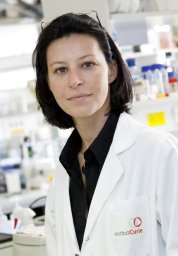 Gaelle Pierron合作论文数Institut Curie, Paris, 26, rue d'Ulm, 75248 Paris, France69Pascale Varlet合作论文数53Tauziede-Espariat Arnault合作论文数51Beccaria Kevin合作论文数51
 Jacques Grill合作论文数Département de Cancérologie, Gustave Roussy50
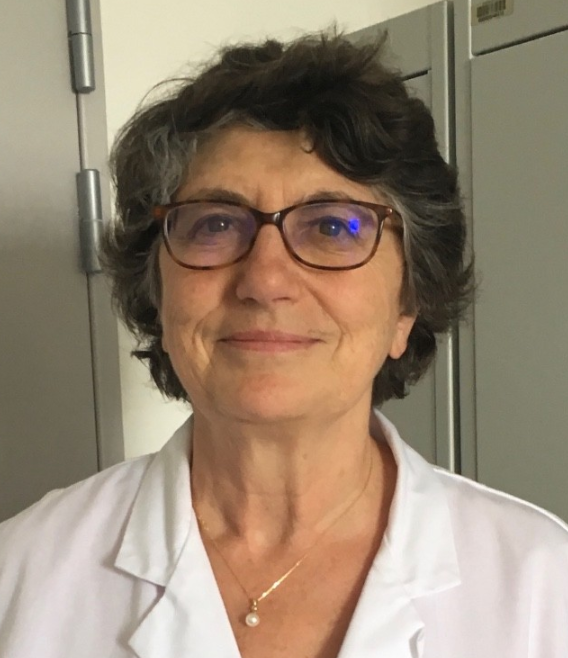 Laurence Brugieres合作论文数Institut Gustave Roussy47Stéphanie Puget合作论文数44Guerrini-Rousseau Lea合作论文数43Paul Freneaux合作论文数33Gudrun Schleiermacher合作论文数INSERM U830, Laboratoire de Génétique et Biologie des Cancers, Research Center, PSL Research University, Institut Curie/SiRIC RTOP « Recherche Translationelle en Oncologie Pédiatrique », Translational Research Department, Research Center, PSL Research University, Institut Curie/Department of Pediatric Oncology, Hospital Group, Institut Curie31Thomas Blauwblomme合作论文数30Ayrault Olivier合作论文数30
 Andre Nicolas合作论文数28
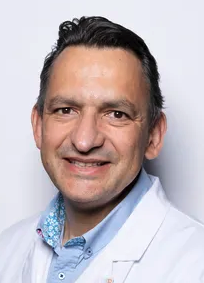 Daniel Henri Orbach合作论文数Paediatric Oncology Department, Institut Curie;SIREDO Oncology Center, Institut Curie27
 Jean Michon合作论文数26Marion Gauthier-Villars合作论文数23
 Natacha Entz-Werle合作论文数Department of pediatric Onco-hematology, University Hospital of Strasbourg23
 Marcel Kool合作论文数Division of Pediatric Neurooncology, German Cancer Research Center22
 Stefan Pfister合作论文数Hopp Children's Cancer Center Heidelberg20Han Zhi-Yan合作论文数20
 Mamy Andrianteranagna合作论文数19Pierre Leblond合作论文数19
 Dangouloff-Ros Volodia合作论文数AP-HP, groupe hospitalier Saint-Antoine18
 Nathalie Boddaert合作论文数Service Hospitalier Frédéric Joliot, CEA18Celine Chauvin合作论文数18Isabelle Aerts合作论文数18Amaury Leruste合作论文数17Colas Chrystelle合作论文数17Martin Hasselblatt合作论文数Institute of Neuropathology, University Hospital Münster, Münster, Germany17Wilfrid Richer合作论文数17
 Andrey Korshunov合作论文数Division of Clinical Cooperation Unit Neuropathology, German Cancer Research Center;Institute of Pathology, Universität Heidelberg16Nadège Corradini合作论文数Institute for Paediatric Haematology and Oncology, Leon Bérard Cancer Centre, University of Lyon, 69008, Lyon, France.16
 Faure-Conter C合作论文数16Pouponnot C合作论文数16Bolle Stephanie合作论文数16
 Didier Surdez合作论文数PSL Univ, France INSERM U830, Equipe Labellise LNCC, SIREDO Oncol Ctr,Inst Curie, Paris, France15
 Sylvain Baulande合作论文数Recherche et Développement, Laboratoire PiLeJe, 37, quai de Grenelle, 75015 Paris, France. sylvain.baulande@cea.fr15
 Michael Taylor合作论文数Department of Medical Biophysics, Temerty Faculty of Medicine, University of Toronto;Departments of Pediatrics, Baylor College of Medicine;Texas Children’s Hospital15Claire Alapetite合作论文数15
 Michel Peuchmaur合作论文数Hôpital Robert Debré, Université de Paris15Christine Bourneix合作论文数14Golmard Lisa合作论文数14
 Didier Frappaz合作论文数Department of Adult and Pediatric Neuro-Oncology, Centre Léon Bérard14D. Davous合作论文数14Fabrice Chrétien合作论文数13




