The treatment landscape for human epidermal growth factor receptor 2-negative (HER2−) metastatic breast cancer (mBC) in Canada is rapidly evolving. This retrospective cohort study described real-world historical treatment patterns and clinical outcomes for patients with HER2− mBC. Adults enrolled in the pan-Canadian ‘Personalize My Treatment’ cancer registry and diagnosed with stage IV HER2− mBC (01/01/2015–03/01/2022) were eligible and followed until 03/01/2023. Hormone receptor-positive (HR+)/HER2− mBC and triple-negative mBC (mTNBC) were analyzed separately and further stratified by line of therapy. Main study outcomes included treatment patterns, PIK3CA/AKT1/PTEN alteration testing/positivity rates, and overall survival (OS), all analyzed descriptively. A total of 507 patients with HER2− mBC were included (HR+/HER2− mBC: 387; mTNBC: 120; median follow-up: 54.1 months). The most common HR+/HER2− mBC treatments were cyclin‑dependent kinase 4/6 inhibitors (CDK4/6is) plus endocrine therapy (ET) in first line (1L; 55.0
Androgen deprivation therapy (ADT) is regularly used to treat locally advanced and metastatic prostate cancer (PCa) with toxicities, including metabolic syndrome (MS) and associated adverse hormonal changes. This study evaluated whether metformin mitigates changes in laboratory biomarkers associated with MS and type II diabetes mellitus (T2DM) in PCa patients receiving ADT. PRIME is a phase III double-blind, randomized controlled trial in which 166 normoglycemic patients with PCa receiving ADT were randomized to receive metformin or placebo. For this study, 47 patients from the metformin arm and 32 patients from the placebo arm underwent serum collection and analysis of the following analytes at baseline, 9, and 12 months: IGF-1, IGFBP1, IGFBP2, IGFBP3, IGFBP7, leptin, adiponectin, GDF15, insulin, C-peptide, GIP, GLP-1, and IL-6. Independent t-tests were used to determine whether significant changes in analytes were evident in patients receiving metformin vs placebo and to evaluate analyte changes from baseline for the metformin and placebo groups separately. Mean leptin values increased markedly in the placebo group and significantly less in the metformin group across all time points. Significant improvements were also observed in IGFBP1, IL-6, C-peptide, and GLP-1 with metformin compared with placebo. GDF15 and IGFBP3 significantly increased compared with baseline with ADT alone. This study demonstrates that metformin can mitigate biomarker changes induced by ADT associated with an increased risk of T2DM and MS. In addition, the attenuated increase in leptin signals a potential for improved PCa outcomes, as high leptin values have been correlated with aggressive disease and worse prognosis.
Background:Breast cancer is the most prevalent cancer and second leading cause of cancer-related mortality among Canadian women. Most of cases belong to the HR+/HER2- subtype, representing approximately two-thirds of all instances. Objectives:This real-world evidence study aims to comprehensively analyze the treatment pattern, and clinical outcomes of Canadian patients diagnosed with early-stage HR+/HER2- breast cancer. Design:This retrospective, longitudinal cohort study involved 541 patients enrolled in the pan-Canadian cancer patient registry PMT (Personalize My Treatment). Methods:The cohort included patients with newly diagnosed or recurrent stage II or III HR+/HER2- breast cancer between January 1st, 1992, and May 31st, 2022. Summary statistic to describe treatment pattern and Kaplan Meir analysis for clinical outcome were used. Results:In the adjuvant setting, our study found that ET was administered to 75.6% of the cohort, with a significant preference for combining ET with cytotoxic agents and, particularly in stage III patients. In addition, neoadjuvant therapy, primarily using cytotoxic agents, was higher in stage III patients, and those receiving neoadjuvant therapy were more likely to either continue with ET as adjuvant treatment. The median duration of adjuvant ET was 4.5 years. In the adjuvant patient population, recurrence rates progressively increased over time from 13.2% after 2 years, 21.4% after 3 years, 30.3% after 5 years, and peaking at 58.4% after 10 years. Median time to recurrence for the patient population on ET was 7.76 years. OS rate for patients on ET was 94.6% at 5 years and 78.3% at 10 years. Conclusions:This study highlights the high unmet need in stage II and stage III breast cancer, with 1 patient out of 3 recurring after 5 years, and more than half recurring after 10 years despite adjuvant treatment with ET alone. This highlights the need for more effective and tolerable treatment options to address disease recurrence in both the short and long term for eBC HR+/HER2- patients in Canada.
PURPOSE:We investigated whether metformin decreases metabolic syndrome (MS) risk in patients with prostate cancer (PCa) receiving androgen deprivation therapy (ADT). MATERIALS AND METHODS:In this phase 3, multicenter, double-blind, randomized controlled trial, normoglycemic patients with PCa planned for at least 9 months of ADT were randomized 2:1 to receive metformin 850 mg or placebo twice daily orally for 18 months. The primary objective was to compare proportions of MS at 18 months between the study arms. RESULTS:Between July 2018 and November 2023, 166 patients were randomized. The trial closed prematurely on November 24, 2023, because of drug supply cessation and the planned enrollment numbers (n = 300) were not met. A total of 90 (metformin) and 45 patients (placebo) were analyzed in the final analysis. The median follow-up was 24 months (IQR: 19.5-36 months). Proportions of MS between metformin and placebo arms were 38/90 (42%) vs 26/45 (58%) at baseline (P = .09) and 40/73 (55%) vs 23/34 (68%) at 18 months (P = .2). Significant reductions in mean (SD) body weight occurred with metformin at 9 (-0.9 [4] vs +1.8 [3.8] kg; P < .001) and 12 months (-0.33 [3.9] vs +1.8 [3.9] kg; P = .004). Mean (SD) hemoglobin A1c was lowered with metformin at 9% (-0.02% [0.23%] vs +0.08% [0.26%]; P = .02) and 12 months (+0.03% [0.27%] vs +0.08% [0.27%]; P = .03). Significantly smaller increments in mean (SD) waist circumferences were noted with metformin at 9 (+0.8 [4.3] vs +2.9 [5.7] cm; P = .03), 12 (+1.9 [5.1] vs +3.3 [6] cm; P = .15), and 18 months (+1.8 [3.8] vs +3.8 [6.1] cm; P = .03). CONCLUSIONS:Metformin did not reduce the risk of MS in patients with PCa on ADT. However, significant improvements in body weight, waist circumference, and hemoglobin A1c suggest a potential role for metformin in reducing ADT-related complications.
Purpose The impact of persistent hypogonadism post-androgen deprivation therapy (ADT) on overall survival (OS) of patients with prostate cancer (PCa) is poorly documented. We compared OS between patients who recovered testosterone and those who did not after ADT. Methods and Materials Patients with PCa with intermediate- or high-risk disease were treated with ADT for 6, 18, or 36 months plus radiation therapy in 2 randomized trials. We compared OS between patients who recovered testosterone to a normal level to those who did not, using the log rank test. Multivariable Cox analysis to predict OS included recovered testosterone, age, Zubrod performance, comorbidities, baseline prostate specific antigen, Gleason score, stage, and ADT duration. To avoid immortal time bias, we performed a landmark analysis for each cohort. Results The median follow-up was 16.6 years. Patients not recovering testosterone to a normal level were older, with more associated medical comorbidities. All the results are reported respectively for the 6-, 18-, and 36-month ADT cohorts. Testosterone recovery rates, to normal level, were 76.7%, 58.6%, and 45.3% with a median time to testosterone recovery of 1.64, 3, and 5 years, respectively. The 10-year OS rates were significantly higher in patients recovering testosterone: 77% versus 61%, P < .001; 73% versus 51%, P < .001; and 78% versus 62%, P < .001. However, multivariable analyses with landmark time points failed to show testosterone recovery as an independent predictor. The study is limited by its post hoc analysis. Conclusions In patients with PCa, our study shows that persistent hypogonadism post-ADT is associated with worse survival, particularly in older patients with medical conditions.
Purpose/Objective(s) Aiming to confirm that biochemical recurrence (BR) is not a surrogate for overall survival (OS) in patients (pts) treated for intermediate risk prostate cancer (IRPC) and high-risk prostate cancer (HRPC), we analyzed data from our two prospective phase III randomized trials. Materials/Methods From October 2000 to September 2010, 1230 pts were randomized in two phase III trials. 600 pts with IRPC were treated using prostate radiotherapy (RT) alone (200 pts) or with 6 months (m) ADT (400 pts) and 630 pts with HRPC were treated with pelvic + prostate RT and 18 or 36 m ADT. The Chi-squared test compared BR rates between cohorts. The log rank test compared the OS rates between IRPC vs. HRPC pts and in pts with or without BR by considering all follow-up values. OS rates were estimated with Kaplan Meier curve. Results With a median follow up of 16.3 years(y) (interquartile range = 13.0 à 19.5), 722/ 1230 (58.7%) pts had died. Median age at randomization was 71 y and 82 y at death. The 10-y OS rates in IRPC vs HRPC were respectively 73% (69-77) vs. 63% (60-67). HRPC pts died significantly faster than IRPC pts [Hazard Ratio (95% confidence interval) = 1.30 (1.12-1.51), p<0.001]. One hundred fifty-three IRPC pts (25.5%) developed BR at a median time of 6.5 years post-randomization and 89 of 153 had died. Forty-seven pts (7.8%) presented BR in the first 5 years post-randomization, 84 (14%) between 6 and 10 y and 22 (3.7%) after 10 y. The rate of BR was significantly higher in pts not receiving ADT: 79/202 (39.1%) vs 74/398 (18.6%), p<0.001. 447/600 (74.5%) pts were free from BR at a median FU of 13.4 years. 49 IRPC pts (8.2%) died in the first 5 y post-randomization, 112 (19%) between 6 and 10 y and 144 (24%) after 10 y. There was no significant difference in OS between pts with vs without BR [10-y OS: 79% (73-86) vs 71% (67-75), (95% CI) = 0.93 (0.72-1.19), p = 0.5]. 197 HRPC pts (31.3%) developed BR at a median time of 5.9 y post-randomization (IQR = 3.5-7.9) and 139/197 had died. 91 pts (15.2%) presented BR in the first 5 years post-randomization, 80 (13.3%) between 5 and 10 y, and 26 (4.3%) after 10 y. The rate of BR was significantly lower in pts receiving 36 vs 18 m: 85/310 (27.4%) vs. 112/320 (35.0%), p = 0.048. 433/630 (68.7%) pts were free from BR at a median FU of 15.9 y (IQR 12.9-18.7). 72 HRPC pts (12%) died in the first 5 y post-randomization, 155 (26%) between 6 and 10 y and 190 (32%) after 10 y. There was no significant difference in OS between pts with vs without BR [10-y OS: 63% (57-70) vs. 63% (59-68), HR (95% CI) = 0.92 (0.75-1.13), p = 0.4]. Conclusion Based on the long-term follow up of 1230 pts with localized PC, we confirm that BR is not a surrogate for OS in IRPC or HRPC.
Purpose/Objective(s)IMRT plus cisplatin is established treatment for LAHNC, but ∼70% of patients develop severe oral mucositis (SOM; WHO grade 3 or 4), limiting their ability to eat solids (gr 3) or liquids (gr 4), and often requiring feeding tube nutrition. Radiotherapy (RT)-induced bursts of superoxide initiate SOM (Sonis 2004). Avasopasem (AVA) is an investigational small molecule selective dismutase mimetic converting superoxide to hydrogen peroxide, which may protect normal cells from, and potentially sensitize cancer cells to, RT (Anderson 2019, Sishc 2021). Randomized, blinded, placebo (PBO)-controlled phase 3 was conducted and showed AVA significantly reduced SOM incidence and duration in ITT population, as well as reducing cisplatin kidney damage. The present analysis looks at reductions in SOM incidence, duration & severity, and delay in onset in key LAHNC subsets.Materials/MethodsPatients with oral cavity (OC) or oropharynx (OP) LAHNC receiving 60-72 Gy of IMRT (≥50 Gy to ≥2 OM sites) plus cisplatin (weekly or q3 weeks) randomized 3:2 to IV AVA 90 mg vs PBO before each RT fraction. WHO scale OM was assessed by trained evaluators biweekly during RT & weekly for 2 weeks thereafter. Endpoints: SOM & gr 4 OM incidences through IMRT end; SOM duration through 2 weeks post-IMRT; time to SOM onset. Key subpopulations: Definitive vs Post-op; OC vs OP; HPV- vs HPV+; QW vs Q3W cisplatin.Results80.8% (329/407) of patients were treated on study with definitive chemoradiation therapy between October 2018 and August 2021. In this group, SOM incidence was 51.2% in AVA arm vs. 66.5% in PBO arm (RR 0.77, p-value 0.0071), while gr 4 OM incidence was 23.0% for AVA vs. 35.2% for PBO (RR 0.65, p-value 0.0102, and median SOM duration was reduced by 12 days (8 days AVA vs. 20.5 days PBO; least square means 13.5 days AVA vs. 19.5 days PBO, p-value 0.0012). Median time of SOM onset was delayed by 14 days (Day 51 AVA vs. Day 37 PBO). Patients treated with postoperative chemoradiation therapy (19.2%) had no improvement in SOM incidence, severity, duration, or time to onset with AVA. Improvements in SOM incidence, severity, duration and onset with AVA did not vary significantly based on cisplatin schedule, HPV status or primary tumor type and were similar to ITT.ConclusionIn this phase 3 randomized placebo-controlled trial, AVA markedly reduced SOM incidence, severity and duration, and delayed its onset, in patients treated definitively, but not postoperatively. Cisplatin schedule, HPV status and primary tumor type did not influence AVA benefit. Future trials of novel mucosal radioprotectant agents should consider that postoperative patients may experience SOM differently than definitive chemoradiation patients.
296 Background: In prostate cancer (PCa) treated with androgen deprivation therapy (ADT) and radiotherapy (RT), limited prospective data exist regarding weight variation during ADT. Using our prospective data from two phase III trials we compare the magnitude of weight variation during different duration of ADT. Methods: 400 patients (pts) with intermediate risk PCa received 6 months of ADT (Bicalutamide 1 month (m) and Goserelin 10,8 mg x 2), and 630 pts with high-risk PCa were treated with 18 or 36m of ADT (Bicalutamide 1m and Goserelin 10,8 mg x 6 or 12). Pts’ weights were measured at baseline then at each Goserelin dose. 463/1030 pts were excluded from the analysis: 90 no or incomplete ADT, 127 no initial weight and 246 no weight at the end of ADT. Regular patient weighing was available in 567/1030 pts (55%) from whom 250, 191 and 124 received, respectively, 6, 18 or 36m of ADT. Pt’s characteristics and weights were compared with Kruskal-Wallis and Chi squared test between groups of ADT. Multivariable logistic regression was performed to assess predictors of weight gain over 2 kg. Variables included were duration of ADT, age ≥65 vs. < 65 and baseline comorbidities (cardiovascular disease, diabetes, chronic obstructive pulmonary disease, hypertension). Results: Comparing weights between the beginning and the end of ADT, 375/567 (66.1%) pts gained and 192/567 (33.9%) lost weight. The mean ± SD weight gain at the end of ADT was significantly higher in pts receiving 18m of ADT (1.98 ± 4.05) or 36m (2.38 ± 5.15) compared to pts receiving only 6m (0.98 ± 3.10, p=0.003). As ADT duration increased (6, 18 or 36m), weight gain over 2 kg (34.1% vs. 48.2% vs. 53.2%, p<0.001) and over 4 kg (12.7% vs. 26.2% vs. 36.3%, p<0.001) significantly increased. In multivariable logistic regression, predictors of weight gain over 2 kg were 18m ADT [OR=1.85 (1.25-2.74), p=0.002] and 36m ADT [OR=2.23 (1.43-3.48), p<0.001] compared to 6m ADT and non-diabetic pts (OR=2.13 (1.28-3.54), p=0.003). Age was not a factor. In the 375 pts who gained weight, the rate of patients that gained 0.1 to 2 kg, 2.1 to 4 kg and more than 4 kg were respectively (47.2%, 33.1% and 19.6%) in the 163 receiving 6m ADT, (30.3%, 32.6% and 37.1%) in 132 pts receiving 18m ADT, and (17.6%, 26.3% and 56.4%) in the 80 pts receiving 36m ADT. In the 192 pts who lost weight, the rate of patients that lost 0.1 to 2 kg, 2.1 to 4 kg and more than 4 kg were respectively (62.9%, 21.3% and 15.6%) in 89 receiving 6m ADT, (50.8%, 27.1% and 22.1%) in 59 pts receiving 18m ADT and (59.1%, 15.9% and 25%) in 44 pts receiving 36m ADT. Conclusions: ADT is not associated with weight gain in all pts. Based on our prospective data, one third of pts lose weight at the end of ADT. However, weight gain above 2 kg or 4 kg increases with ADT duration and non-diabetics pts, regardless of age. Weight monitoring in pts receiving ADT should be done regularly and pts counseled accordingly.
Purpose/Objective(s) We assessed the impact of weight (wt) variation on quality of life (QoL). Using data from a Phase III trial in high-risk prostate cancer (HRPC) and based on Patient Reported Outcomes (PRO), we compared long-term QoL between HRPC patients (pts) with wt gain or loss during initial androgen deprivation therapy (ADT). Materials/Methods From 10/2000 to 01/2008, 630 pts were randomized to 36 (310 pts) vs. 18 months (m) (320 pts) of ADT. Wt was measured at baseline and regularly during ADT. We assessed QoL by the validated EORTC 30 items questionnaire regrouped into 9 scales. PRO was measured up to 6.5 and 7 years for pts receiving 18 and or 36 m of ADT, respectively. All items and scales scores were linearly transformed to a 0 to100 points scale. We estimated means and standard deviation of items and scales for each group at each time point. We analyzed all items and scales scores with general linear model with repeated measures to evaluate changes between pts who gain vs. lost wt over time, in both ADT groups. P-value <0.01 was considered statistically significant to account for multiple comparisons and a difference in mean scores of ≥10 points was considered clinically relevant. 311/630 pts were retained for the analysis. Reasons for exclusion: not exact dose of ADT (96), no wt at baseline (89) or at the end of ADT (130), no QoL at baseline or at 6 m (4). Results During ADT course, 209/311 (67.2%) pts gained and 102/311 (32.8%) lost wt. There was no significant difference in the mean ± SD wt gain at the end of ADT in pts receiving 36- or 18 m (2.57 ± 5.39 vs. 1.93 ± 4.22, p = 0.27). Wt gain over 2 kg was similar between cohorts (50% vs. 52.8%, p = 0.62), but wt gain over 4 kg was lower in the18 m cohort (27.1% vs. 37.4%, p = 0.056). Wt loss was not significant between cohorts, irrespective of amount lost. Wt loss impacted on overall survival in the 36 m cohort [HR (95% CI) = 1.93 (1.24-2.99), p = 0.004], although no significant difference was seen in the 18 m cohort [HR = 1.18 (0.81-1.72), p = 0.39]. Considering the unified 30 items, overall adherence to QoL questionnaires was 83.1% (2887/3309). It was 93.6% vs. 95.9% at baseline and 70.7% vs 87.0% at 5 years, for 18 vs. 36 m, respectively. Wt loss impacted on QoL. Significant differences (p<0.01) were observed for 8 items and 2 scales related to overall QoL, including emotional, cognitive, fatigue and appetite loss, and financial difficulties in the 18 m cohort. Similarly, significant differences (p<0.01) were observed for 8 items and 6 scales related to physical, role, emotional, cognitive, and dyspnea in the 36 m cohort. Likewise, several items reached clinical relevance in the 18 (overall QoL, memory) and in the 36 m cohort (role, dyspnea, limited physical activity, fatigue). Conclusion In HRPC pts treated with long-term ADT, wt loss during ADT is associated with poorer outcomes in QoL in several domains and a worst survival in the 36 m cohort.
Background and purpose: To determine the rate and time of testosterone (T) recovery in patients (pts) with localised prostate cancer treated with radiotherapy plus 0-, 6-, 18- or 36-month of androgen deprivation therapy (ADT). Materials and methods: In 1230 pts with prostate cancer randomised into two phase III trials, serum T was measured at baseline, then regularly. T recovery rate was compared between normal vs. abnormal baseline T and with ADT duration with Chi-square test or Fisher 's exact test. A multivariable logistic regression model to predict the probability of recovering normal T was performed. Results: Overall, 87.4 % (167/191), 75.9 % (293/386), 54.8 % (181/330) and 43.2 % (80/185) of pts, recovered normal T on the 0-, 6-, 18- or 36-month schedule, respectively (p < 0.001). In patients recovering normal T, the median time to T recovery increased with ADT duration ranging from 0.31, 1.64, 3.06 to 5.0 years for the 0-, 6-, 18- or 36-month schedules, respectively (p < 0.001) and was significantly faster for those with a normal T at baseline (p < 0.001). On multivariable analysis, older age and longer ADT duration are associated with a lower T recovery. Conclusions: Testosterone recovery rate after ADT depends on several factors including hormonal duration, normal baseline T, age and medical comorbidities. A longer ADT duration is the most important variable affecting T recovery. The data from this report might be a valuable tool to help physicians and patients in evaluating risks and benefits of ADT.
e23303 Background: Breast cancer is the most prevalent cancer and second leading cause of cancer-related mortality among Canadian women. Most of cases belong to the HR+/HER2- subtype, representing approximately two-thirds of all instances. Treatment for this subtype encompasses a multifaceted approach with a curative intent. This real-world evidence study aims to comprehensively analyze the clinical outcomes of Canadian patients diagnosed with early-stage HR+/HER2- breast cancer, focusing on recurrence rates after initiation of adjuvant endocrine therapy to identify opportunities for enhancing patient care. Methods: This is a retrospective, longitudinal cohort study involving 541 patients enrolled in the pan-Canadian cancer patient registry PMT (Personalize My Treatment), with newly diagnosed or recurrent stage II or III HR+/HER2- breast cancer between January 1st, 1996, and May 31st, 2022. We evaluated disease recurrence rates, time to recurrence, and overall survival (OS). Furthermore, the study explored duration of endocrine therapy (ET) in the adjuvant setting. Results: 409 patients received adjuvant ET representing 75.6% of the total cohort, emphasizing the role of ET as standard of care for adjuvant treatment in this patient population. The median duration of adjuvant ET was 4.5 years. In the overall adjuvant patient population, recurrence rates progressively increased over time from 13.2% after 2 years, 21.4% after 3 years, 30.3% after 5 years, and peaking at 58.4% after 10 years. Median time to recurrence for the overall patient population on ET was 7.76 years. OS rate for patients on ET was 94.6% at 5 years and 78.3% at 10 years. Conclusions: This study marks a pioneering real-world analysis utilizing pan-Canadian EHR data, demonstrating increasing recurrence rates over time in HR+/HER2- early breast cancer. It highlights the high unmet need in stage II and stage III breast cancer, with 1 patient out of 3 recurring after 5 years, and more than half recurring after 10 years despites adjuvant treatment with ET alone. This indicates the need for more efficacious and tolerable treatment options to reduce short- and long-term recurrence and to prolong survival, not only in the higher risk patient population, but in the overall HR+/HER2- breast cancer patients at increased risk of recurrence.
Purpose/Objective(s)IMRT plus cisplatin (CRT) is established treatment for LAHNC, but ∼70% of patients develop severe oral mucositis (SOM), often requiring feeding tube nutrition. Avasopasem (AVA) is an investigational small molecule selective dismutase mimetic converting superoxide to hydrogen peroxide, which may protect normal cells from, and potentially sensitize cancer cells to, RT (Anderson 2019, Sishc 2021). In a randomized, double-blind phase 3 trial, AVA substantially reduced duration and incidence of SOM versus placebo (PBO) without an adverse effect on safety or 1-yr survival (Anderson 2022). Present analysis assesses intention-to-treat (ITT) 1-yr tumor outcomes and 2-yr survival.Materials/MethodsPatients with oral cavity (OC) or oropharynx (OP) LAHNC receiving 60-72 Gy of IMRT (≥50 Gy to ≥2 OM sites) plus cisplatin (weekly or q3 weeks) randomized 3:2 to IV AVA 90 mg vs PBO before each RT fraction. Tumor outcomes (LRC, PFS & DDC) were followed 1 year and overall survival (OS) 2 years, both for ITT and key sub-populations: Overall Tumor Stage; OC vs OP; HPV- vs HPV+; Definitive vs Post-op; QW vs Q3W cisplatin. Results were also compared to prior trial and recent literature.Results455 patients were randomized, but 20 never received AVA or PBO, and 28 were excluded because of administrative suspension of dosing, leaving ITT safety/efficacy population of 407. Two-year OS was similar for AVA and PBO, 89% (95% CI: 84-93) vs 93% (95% CI: 88-96), respectively. Patients had similar one-year LRC (94% AVA vs 98% PBO), PFS (95% vs 98%), and DDC (96% vs 97%). Nine excess deaths occurred in AVA arm with clustering of 4 at 1 enrollment site. Four non-oncologic deaths occurred during CRT with disparate causes, and 4 excess deaths occurred late, 18 -21 months from randomization (1 progressive disease, 1 second cancer, 2 unknown). In HPV+ low-risk patients (n = 327) both arms had comparable or superior OS (AVA = 93%, PBO = 98%) to similar populations treated on RTOG 1016 (2y OS 90%) and the AVA phase 2b GT-201 study (93%). No antagonism of AVA on tumor control was evident in patients with high-risk disease: 2-year OS in patients with AJCC stage III/IVA/IVB (n=146) was 84% AVA vs 83% PBO, OC tumor site (n=59) was 76% vs 81%, and HPV negative (n=71) was 74% vs 74%, respectively. 80% of patients were treated definitively with CRT, with no detriment on 2-yr overall survival in this subgroup (92% AVA vs 95% PBO). There was no difference in OS based on cisplatin dosing schedule (QW 89% vs 93%, Q3W 90% vs 93%).ConclusionBased on 2-year ITT analysis, AVA does not seem to have oncologic detriment in both low and high-risk patients compared to PBO. Both arms performed better than previously published data for a mixed OC/OP, HPV+/HPV- population.
 Abdenour Nabid合作论文数49Carrier Nathalie合作论文数46
 Jean-Paul Bahary合作论文数37
 Boris Bahoric合作论文数Gerald Bronfman Department of Oncology, Faculty of Medicine and Health Sciences, McGill University34
 Andre-Guy Martin合作论文数34
 Eric Vigneault合作论文数Radiation Oncology, Centre Hospitalier Universitaire de Quebec34Robert Archambault合作论文数Gerald Bronfman Department of Oncology, Faculty of Medicine and Health Sciences, McGill University28
 Luis Souhami合作论文数Gerald Bronfman Department of Oncology, Faculty of Medicine and Health Sciences, McGill University26Sylvie Vass合作论文数25
 Marie Duclos合作论文数Gerald Bronfman Department of Oncology, Faculty of Medicine and Health Sciences, McGill University21Thu Van Nguyen合作论文数21R. Archambault合作论文数20L Souhami合作论文数17Redouane Bettahar合作论文数14R. Bettahar合作论文数13Marc-André Brassard合作论文数13Vavassis Peter合作论文数13
 Derek R Wilke合作论文数12P. Vavassis合作论文数11M. Duclos合作论文数11Wilke Derek R合作论文数9
 Fred Saad合作论文数Urology Department, University Hospital of Montreal;Department of Surgery, Université de Montréal9C Lemaire合作论文数8S.T. Vass合作论文数7Céline Lemaire合作论文数7
 Carole Lambert合作论文数7T. V. Nguyen Huynh合作论文数5Mahmoud Abdelsalam合作论文数5
 Helen MacKay合作论文数Division of Medical Oncology and Hematology, Odette Cancer Centre, Sunnybrook Health Sciences Centre, University of Toronto;Sunnybrook Research Institute, Sunnybrook Health Sciences Centre, University of Toronto5
 Gerald Batist合作论文数Centre for Translational Research in Cancer, McGill University;Segal Cancer Centre, Jewish General Hospital;Exactis Innovation;QCROC Quebec Consortium of Clinical Research in Cancer5Maud Marques合作论文数Lady Davis Institute, McGill University5
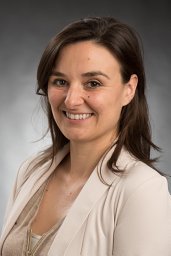 Gambaro Karen合作论文数Department of Human Genetics, McGill University5N. Benoit合作论文数4
 Alan So合作论文数Department of Urologic Sciences, Faculty of Medicine, The University of British Columbia4
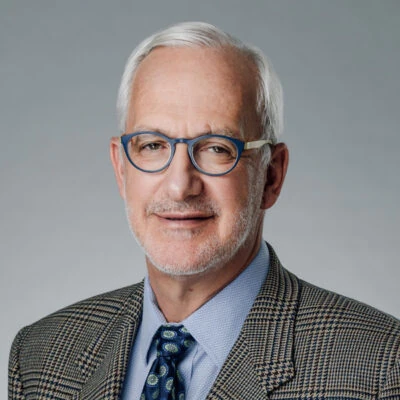 Laurence Klotz合作论文数Department of Surgery, University of Toronto;Division of Urology, University of Toronto;Division of Urology, Sunnybrook Health Sciences Center4Mark Basik合作论文数4Sunita Ghosh合作论文数4Marc E Jolicoeur合作论文数4
 Nawaid Usmani合作论文数Radiation Oncology, Cross Cancer Institute4
 Bernard Fortin合作论文数Department of Radiation Oncology, CHUM - Hôpital Notre-Dame4Thu-Van Nguyen-Huynh合作论文数3T-V. Nguyen-Huynh合作论文数3Saima Hassan合作论文数3Michael Peacock合作论文数Department of Surgery, Faculty of Medicine, The University of British Columbia3
 Neil Fleshner合作论文数Division of Urology, University of Toronto;Department of Surgery, Temerty Faculty of Medicine, University of Toronto3
 Stephen Thomas Sonis合作论文数Department of Oral Medicine, Infection, and Immunity, Harvard School of Dental Medicine, Harvard University;Brigham and Women's Hospital;Primary Endpoint Solutions;Biomodels, LLC3
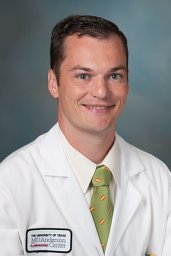 Walker Gary V合作论文数Department of Radiation Oncology, University of Texas MD Anderson Cancer Center3




