The cownose ray (Rhinoptera bonasus) and spotted eagle ray (Aetobatus narinari) are benthopelagic myliobatids that forage on the ocean bottom. To sense prey under the bottom substrate, cownose rays deploy two depressible cephalic lobes, which are anterior modifications of the pectoral fins. Spotted eagle rays have a delta-shaped flattened rostrum from two fused cephalic lobes that is angled down in contact with the substrate when foraging. Geometry and orientation of the cephalic lobes of both rays, when in contact with the bottom, potentially indicate a passive hydrodynamic function. CT scans of the heads of the rays were used to construct physical models for water tunnel testing. Without cephalic lobes of the cownose ray deployed, a positive lift was generated when situated in the water column, but a negative lift was observed for a model with the cephalic lobes extended when in near contact with a solid surface. Flow visualization indicated that cephalic lobes deflected the water flow downward due to a Venturi effect from the pressure difference between fluids located externally and internally of the lobes. Likewise when angled downward and situated near a solid surface, cephalic lobes of the spotted eagle ray generated a negative lift. For both species, increased negative lift near a bottom substrate would aid in keeping the sensory surfaces of the cephalic lobes in contact with the substrate and counter any pitching motions induced by propulsive oscillations of the pectoral fins.
Mammal-inspired quadruped robots excel in traversing diverse terrestrial terrains but often lack aquatic mobility, limiting their effectiveness in amphibious environments. To address this challenge, an amphibious robotic dog (ARD) was developed, integrating efficient paddling gait in water with trotting capabilities on land. A canine-inspired paddling trajectory was first developed for a two-segment leg, and validated through theoretical modeling and experimental measurements of hydrodynamic forces. A waterproof ARD was then fabricated, with careful consideration of center-of-gravity and center-of-buoyancy relationships to ensure stable aquatic movement. Three distinct paddling gaits were developed and tested to evaluate the ARD's swimming speed and stability: two lateral sequence paddling gaits (LSPG) featuring 25% and 33% power phases (PP), and one trot-like paddling gait (TLPG) featuring a 50% PP. Theoretical modeling and numerical calculations were conducted to analyze the stability of different paddling gaits. Static water experiments measured gait-specific hydrodynamic forces, followed by dynamic swimming tests demonstrating that LSPG delivers superior propulsion and speed, while TLPG offers enhanced stability. The ARD achieved a maximum water speed of 0.16 m s-1(0.54 BL s-1) and a land speed of 0.35 m s-1(1.2 BL s-1). These findings provide theoretical and practical guidance for the development of mammal-inspired amphibious quadruped robots, particularly in structural design and paddling gait planning.
Sea turtle hatchlings display maneuvering capabilities across diverse aquatic and coastal terrains. While turning behavior is crucial in aquatic environments, it is equally vital for terrestrial locomotion by hatchlings that must quickly navigate obstacle-rich terrain on their way to the sea. This study introduces a robotic prototype that emulates the turning strategies of juvenile sea turtles to optimize turning rate and energy consumption across diverse terrestrial surfaces. The research investigates the rotational displacement capabilities of a bioinspired robot across five distinct gait configurations: one involving all flippers in a unique pattern, and four employing reduced flipper combinations, including front, diagonal, back, and single flippers. We investigated the robot's turning capabilities on diverse granular and compliant media, including four specified rock sizes, a consistent foam platform, and dry sand. Comparative analyses were conducted using rigid and soft flipper designs. Key locomotion features, including roll, pitch, yaw, and lift height, were quantified for each configuration. The results reveal significant differences in rotational behavior across terrains and gait styles, highlighting the interplay between flipper design, gait strategy, and environmental adaptability. This research advances the understanding of bioinspired robotics for applications in complex and variable environments.
Maneuverability in cetaceans is facilitated by pectoral flippers, flukes and spinal flexibility, features that are pronounced in humpback whales (Megaptera novaeangliae). Humpback whales exhibit several foraging tactics requiring high maneuverability not seen in other baleen whales, including bubble-net feeding. We hypothesized that the significant lift force produced by the humpback whale's uniquely large pectoral flippers will result in them being the only species observed executing the tight, high-speed, sustained turns characteristic of solitary bubble-net feeding. To test this hypothesis, we used a combination of inertial sensor tag data and unoccupied aerial systems (UAS; drone) photogrammetry to quantify the turning performance of solitary bubble-net feeding humpback whales, and compared this to similar data from six other mysticete species. We found that solitary bubble-net feeding humpback whales exhibited centripetal accelerations (0.46 m s-2) that exceeded the upper limit quantified in comparable turns by all six other mysticetes. This enhanced turning performance can be attributed to a substantial lift force generated by the humpback whale's pectoral flippers (7800±85 N), which contributes to centripetal acceleration and facilitates faster roll rates, allowing humpback whales to more quickly bank inwards and utilize their spinal flexibility to decrease their turning radius. Our findings demonstrate how humpback whales are uniquely adapted to exploit prey patches that might otherwise be insufficient for capture by animals of such a large size.
Cetaceans swim via vertical movements of the tail. The tendons located in the caudal peduncle are attached to the caudal vertebrae to generate propulsive oscillations. Arguments have centered on whether the upstrokes and downstrokes of the tail and propulsive flukes are symmetrical or asymmetrical in time. Previous research from kinematics of swimming animals, muscle architecture and histology has supported both conditions. However, the composition and structure of the tendons suggest a potential mechanism to evaluate this disparity. In this study, the tendons of the caudal peduncle of the harbor porpoise (Phocoena phocoena) - specifically, the extensor caudae medialis (ECM) and the extensor caudae lateralis (ECL) from the epaxial muscle, and the medial hypaxialis lumborum (MHL) from the hypaxial muscle - were mechanically tested. Ramp to failure was performed on isolated tendon fascicles. Stress relaxation tests to 3% strain were also performed on fascicles. Polarized light microscopy was used to visualize the fibril crimp as tensile forces were applied to fascicles. Uncrimping of isolated fascicles was visualized at mean strain values between 0.031% and 0.048%. The maximum elastic moduli of fascicles taken to failure were between 1039.5 and 1185.8 MPa. No differences were found in the mechanical performance of the fascicles of the epaxial and hypaxial tendons. The mechanical properties of peduncle fascicles suggest a symmetrical stroke cycle for swimming by the porpoise.
This paper reveals how plunge-diving seabirds control impact energy during high-velocity water entry to hunt fish in deep waters without breaking their necks. Previous research has shown that the aerodynamic shape of the head or the structural compliance in the neck can reduce slamming forces. However, the physics governing their combined effects combined on the dive performance are is not well understood. The paper addresses this gap by demonstrating analytically and experimentally why the combined effect of shape and compliance is key for controlling the energy transmission during impact, passively. The impact forces at varying velocities are measured experimentally using a simple projectile design- to emulate seabirds' dives -with different head shapes (cone angles) and spring stiffnesses (compliance). The experiments are utilized to develop a semi-analytical model to estimate the amount and duration of the stored, released, and dissipated energy. Our findings show that the slamming forces can be passively reduced by tuning the compliance to increase the amount of impact energy stored in the system and delay its release and dissipation. While decreasing the cone angle reduces the slamming forces for a rigid system, the effect of compliance on reducing these forces is more pronounced in projectiles with half-cone angles larger than 30 degrees. Modeling the interplay between cone angle and neck compliance offers physical insights into how diving seabirds mitigate mechanical stresses during impacts, thereby avoiding catastrophic damage. Conversely, these insights can be exploited to engineer mechanical systems with passive control of dynamic loads such as impact, shock, or vibrations with minimal energy losses.
The biomimetic approach holds that the structure and performance of animals can be used as inspiration for the development and improvement of engineered technologies. In examining locomotion, sea lions and sea turtles demonstrate amphibious capabilities that can be emulated for the development of robotic systems that can move from the water onto the land. Both sea lions and sea turtles have elongated fore flippers for thrust production when swimming. While these species are different phylogenetically, they have converged on morphologies and mechanisms for efficient swimming and have the capability for quadrupedal movement onto land. Turning is accomplished using fore and hind flippers for both species. Sea lions display faster turning rates for translational with small turning radii compared to sea turtles, which are constrained by their rigid shell. However, sea turtles are capable of performing pure rotational turns with a zero radius. The flipper and body morphologies and swimming and turning performance along with terrestrial ability were integrated into two robotic systems based on the sea lion and sea turtle. These amphibious bio-robotic systems present a new and innovative approach in the development of autonomous underwater vehicles with advanced capabilities.
High-speed water entry of projectiles and diving systems induces high forces and jerk to the entering bodies due to the development of large hydrodynamic pressure. Previous research has shown separately that the peak forces can be reduced by improving the aerodynamic shape of the head (nose) or, recently, by introducing a spring element between the head and body. This study seeks to understand whether the aerodynamic shape or spring stiffness coupling is most important for force reduction by combining both in one study. The experiment combines the nose cone aerodynamics and spring stiffness with a rear body and examines the forces acting on the nose and body. Three parameters are varied: the nose angle, spring stiffness, and impact velocity. An unsteady semi-analytical formulation is developed to estimate the water entry forces and coupled body dynamics. We find that the peak force reduction due to the spring is highest when the slamming force is most significant, particularly at higher impact velocities and with blunter nose angles. The spring coupling enables periodic fluctuations between the kinetic and potential energy throughout the duration of impact, which can be tuned by varying the stiffness. These findings can allow engineers to control the dynamic response of water entry.
Dolphins have become famous for their ability to perform a wide variety of athletic and acrobatic behaviors including high-speed swimming, maneuverability, porpoising and tail stands. Tail stands are a behavior where part of the body is held vertically above the water's surface, achieved through thrust produced by horizontal tail fluke oscillations. Strong, efficient propulsors are needed to generate the force required to support the dolphin's body weight, exhibiting chordwise and spanwise flexibility throughout the stroke cycle. To determine how thrust production, fluke flexibility and tail stroke kinematics vary with effort, six adult bottlenose dolphins (Tursiops truncatus) were tested at three different levels based on the position of the center of mass (COM) relative to the water's surface: low (COM below surface), medium (COM at surface) and high (COM above surface) effort. Additionally, fluke flexibility was measured as a flex index (FI=chord length/camber length) at four points in the stroke cycle: center stroke up (CU), extreme top of stroke (ET), center stroke down (CD) and extreme bottom of stroke (EB). Video recordings were analyzed to determine the weight supported above the water (thrust production), peak-to-peak amplitude, stroke frequency and FI. Force production increased with low, medium and high efforts, respectively. Stroke frequency also increased with increased effort. Amplitude remained constant with a mean 33.8% of body length. Significant differences were seen in the FI during the stroke cycle. Changes in FI and stroke frequency allowed for increased force production with effort, and the peak-to-peak amplitude was higher compared with that for horizontal swimming.
The lifestyle of spinosaurid dinosaurs has been a topic of lively debate ever since the unveiling of important new skeletal parts for Spinosaurus aegyptiacus in 2014 and 2020. Disparate lifestyles for this taxon have been proposed in the literature; some have argued that it was semiaquatic to varying degrees, hunting fish from the margins of water bodies, or perhaps while wading or swimming on the surface; others suggest that it was a fully aquatic underwater pursuit predator. The various proposals are based on equally disparate lines of evidence. A recent study by Fabbri and coworkers sought to resolve this matter by applying the statistical method of phylogenetic flexible discriminant analysis to femur and rib bone diameters and a bone microanatomy metric called global bone compactness. From their statistical analyses of datasets based on a wide range of extant and extinct taxa, they concluded that two spinosaurid dinosaurs (S. aegyptiacus, Baryonyx walkeri) were fully submerged “subaqueous foragers,” whereas a third spinosaurid (Suchomimus tenerensis) remained a terrestrial predator. We performed a thorough reexamination of the datasets, analyses, and methodological assumptions on which those conclusions were based, which reveals substantial problems in each of these areas. In the datasets of exemplar taxa, we found unsupported categorization of taxon lifestyle, inconsistent inclusion and exclusion of taxa, and inappropriate choice of taxa and independent variables. We also explored the effects of uncontrolled sources of variation in estimates of bone compactness that arise from biological factors and measurement error. We found that the ability to draw quantitative conclusions is limited when taxa are represented by single data points with potentially large intrinsic variability. The results of our analysis of the statistical method show that it has low accuracy when applied to these datasets and that the data distributions do not meet fundamental assumptions of the method. These findings not only invalidate the conclusions of the particular analysis of Fabbri et al. but also have important implications for future quantitative uses of bone compactness and discriminant analysis in paleontology.
 Hilary Bart-Smith合作论文数Department of Mechanical and Aerospace Engineering;University of Virginia;Department of Mechanical and Aerospace Engineering, University of Virginia18
 Jeremy Goldbogen合作论文数Hopkins Marine Station, Stanford University;Department of Biology, School of Humanities and Sciences, Stanford University17
 Jean Potvin合作论文数14
 William Gough合作论文数Department of Physical & Environmental Sciences, University of Toronto Scarborough13
 Keith W. Moored合作论文数Dept Mech Engn & Mech, Lehigh Univ13
 Leftwich Megan C合作论文数Neutron Science and Technology Group, Los Alamos National Laboratory12
 Segre Paolo合作论文数12
 Terrie M Williams合作论文数Center for Marine Mammal Research and Conservation, University of California, Santa Cruz12
 Laurens E. Howle合作论文数Thomas Lord Department of Mechanical Engineering & Materials Science, Pratt School of Engineering, Duke University11Mark M. Murray合作论文数Mechanical Engineering Department, United States Naval Academy11
 George V. Lauder合作论文数Department of Organismic & Evolutionary Biology, Faculty of Arts and Sciences, Harvard University11
 david e cade合作论文数College of Earth, Ocean, and Atmospheric Sciences (CEOAS), Oregon State University, 104 CEOAS Administration Bldg, Corvallis, OR 97331, USA10
 Anthony J Nicastro合作论文数Department of Biology;Department of Physics;West Chester University;Department of Physics, West Chester University10
 Haibo Dong合作论文数Institute of Physics Chinese Academy of Sciences, Chinese Academy of Sciences9
 Ari S. Friedlaender合作论文数Marine Laboratory, Duke University8
 Rebecca Kramer-Bottiglio合作论文数Faboratory Lab, Yale University;School of Engineering & Applied Science, Yale University8
 Danielle S Adams合作论文数7
 Wei Timothy合作论文数7
 Gough William T合作论文数Department of Animal Science, Cornell University6John T. Beneski合作论文数6
 Tadd T. Truscott合作论文数Department of Mechanical Engineering;Massachusetts Institute of Technology;Department of Mechanical Engineering, Massachusetts Institute of Technology6J. E. Fontanella合作论文数5D. S. Adams合作论文数5Sarah J Kerr合作论文数5Shirel R Kahane-Rapport合作论文数California State University5
 K C Bierlich合作论文数Marine Mammal Institute, Oregon State University5
 Robert Baines合作论文数Dept Mat Sci NanoEngn, Rice Univ5Legac Paul合作论文数5
 John Calambokidis合作论文数Cascadia Res Collect, Olympia, WA USA5
 Judy St. Leger合作论文数Pathology, Sea World San Diego5Paul W. Weber合作论文数5
 Darlene Ketten合作论文数Biology Department, Woods Hole Oceanographic Institution;Department of Biomedical Engineering, Boston University;Hearing Research Center, Boston University5Allison Kolpas合作论文数Department of Mathematical Sciences, University of Delaware5Hossein Haj-Hariri合作论文数Department of Mechanical and Aerospace Engineering, University of Virginia5J. J. Rohr合作论文数5M. K. Gabler合作论文数4K. A. Tennett合作论文数4JT BENESKI合作论文数4
 Stephanie Baumgart合作论文数University of Chicago4Jacopo Di Clemente合作论文数4
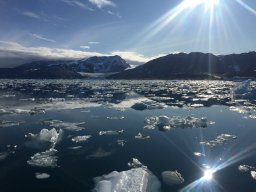 Malene Simon合作论文数Greenland Inst Nat Resources, Greenland Climate Res Ctr4
 Max Czapanskiy合作论文数Dept Biol, Stanford Univ4
 Matthew S. Savoca合作论文数Graduate Group in Ecology, University of California, Davis;College of Biological Sciences, University of California, Davis;University of California, Davis, University of California, Davis4
 Rajat Mittal合作论文数Department of Mechanical Engineering, Whiting School of Engineering, Johns Hopkins University;Flow Physics and Computation Lab, Whiting School of Engineering, Johns Hopkins University;Fluid Physics and Computation Laboratory, Johns Hopkins University;HeartMetrics Inc.4Henderson Donald M合作论文数4
 Daniel P Costa合作论文数Department of Ecology & Evolutionary Biology, University of California Santa Cruz;Institute of Marine Sciences, University of California Santa Cruz4
 Daniel Cales Vidal合作论文数Unidad de Paleontología, Universidad Autónoma de Madrid4
 Wainwright Dylan K合作论文数Biology Department, Duke University4
 Nathan Myhrvold合作论文数4




