Congenital heart disease (CHD) patients needing interventional cardiology procedures require highly skilled physicians to deliver resource-intensive care. The current United States health care system presents multiple economic barriers. This includes payments from Medicaid, procedure values, physician compensation, and device development. In combination, these factors contribute to worse outcomes for CHD patients. Society for Cardiovascular Angiography & Interventions is committed to removing these barriers for improved patient outcomes. This will require a coordinated effort with advocacy and education to change the current process and develop new approaches to delivering interventional cardiology care for CHD patients.
This is a case of an infant with duct-dependent pulmonary circulation, who required 6 stents delivered over three procedures to fully stent the arterial duct, which originated in a very unusual fashion. The attainable angiographic projections were unable to profile its origin, and only a CT scan was ultimately able to delineate the (stenotic) ductal origin from the aorta.
This document has been developed as an expert consensus document by the Pediatric and Congenital Interventional Cardiovascular Society (PICS), the Association for European Paediatric and Congenital Cardiology (AEPC), the Asia-Pacific Pediatric Cardiac Society (APPCS), the Cardiac Society of Australia and New Zealand (CSANZ), Society for Cardiovascular Angiography & Interventions (SCAI), and the Latin American Society of Interventional Cardiology (SOLACI), with additional endorsement from the Congenital Cardiac Anesthesia Society (CCAS) and the American Association of Physicists in Medicine (AAPM, Sections 7 and 11).
The surgical pulmonary artery band was first introduced in 1952 and, to this day, can produce challenges in regard to the ideal amount of restriction and the need for reoperations. A transcatheter option may be the ideal solution as it allows for a less-invasive approach for a better hemodynamic assessment and easier re-intervention. To date, multiple approaches have been developed with device modifications to create restrictions to flow, each with advantages and limitations. Continued experience is still necessary to determine the ideal device to use to create an adequate and modifiable level of restriction.
IntroductionPatients with congenital heart disease are at increased risk for requiring cardiac pacing during their lifetime.MethodsWe present the first described case of using two leadless pacing systems manufactured by separate companies implanted within the same patient to provide atrial and ventricular pacing due to complex congenital anatomy.ResultsA 27-year-old male with dextrocardia with double outlet right ventricle, subaortic ventricular septal defect, and pulmonary stenosis status-post pulmonary valve replacement complicated by ventricular pacing dependence and subsequent atrial pacing dependence after atriotomy-based atypical flutter ablation developed recurrent mediastinitis and pocket infection with erosion despite prolonged antibiotic treatment. Due to atrial and ventricular pacing dependence, a comprehensive congenital care team concluded the need for lead extraction and replacement of pacemaker via leadless peacemaking device. Laser-lead extraction and temporary atrial pacemaker placement was performed. Afterward, a transesophageal echocardiogram guided implantation of both a Micra AV 2 (Medtronic) leadless pacemaker in the interventricular septum within the right ventricle and an Aveir (Abbott) leadless pacemaker in the superior base of the right atrial appendage was performed with successful pacing. Although there is no communication between these devices, atrial-mechanical ventricular pacing was reliable with good implant thresholds, impedances and sensing from both devices.ConclusionOur case demonstrates the feasibility of using dual leadless pacing modalities to simultaneously pace someone at complex, prohibitive risk for temporary permanent or permanent pacemaker devices.
Chronic venous obstructions resulting from indwelling lines, surgery and instrumentation, and congenital anomalies are increasingly common in patients with congenital heart disease (CHD) and other chronic illnesses. Venous obstruction results in threatened long-term vascular access and congestive symptoms. Endovascular therapies are safe and can be effective at rehabilitating obstructed and even occluded veins. The risk of recurrent obstruction is high, however. Post-rehabilitation monitoring and anticoagulation therapy are important, and reinterventions are common. Here, the authors describe techniques to address a variety of venous obstruction lesions that may be encountered in CHD patients and provide illustrative cases.
Each year at the Society for Cardiovascular Angiography & Interventions (SCAI) Annual Scientific Sessions meeting, collaborative think tanks involving interventional cardiologists, administrative partners, and members of industry are convened for each SCAI clinical practice area to discuss topics of particular interest to the group. This document presents the proceedings of the 2023 Congenital Heart Disease session, which focused on collaboration between congenital and structural interventionalists to improve care of adult congenital heart disease (ACHD) patients.
Each year at the Society for Cardiovascular Angiography & Interventions (SCAI) Annual Scientific Sessions meeting, collaborative think tanks involving interventional cardiologists, administrative partners, and members of industry are convened for each SCAI clinical practice area to discuss topics of particular interest to the group. This document presents the proceedings of the 2022 Congenital session, which focused on regionalization of care.
BackgroundChronic total occlusions in the central venous system limit access and increase morbidity in chronically ill pediatric patients. We report the results of transcatheter recanalization of occluded central veins using angioplasty and stenting.MethodsPatients undergoing successful intervention for venous chronic total occlusions at our institution between April 2013 and December 2019 were retrospectively reviewed.ResultsSixty-eight occluded central veins in 29 patients underwent recanalization with angioplasty (26 veins) or stenting (42 veins). The indications included limited access for catheterization or central line maintenance (19 patients), limb swelling (4 patients), superior vena cava syndrome (3 patients), and pleural effusion (3 patients). The primary risk factor for occlusion was a history of central venous lines after surgery or extracorporeal membrane oxygenation support in 76% of the patients. The median age and weight at the time of initial intervention were 5.8 years and 14.5 kg, respectively. There were no major complications. Of 10 patients with symptoms of venous congestion, 8 experienced symptomatic improvement. Twenty-two patients (59 veins) underwent 44 recatheterizations during a median follow-up duration of 288 days. Early reintervention was typically planned. The median time to recatheterization was 71 days. Twenty-one veins reoccluded and required repeat recanalization. Reocclusion was associated with persistent upstream collateral vein decompression, as determined using postintervention venography (odds ratio, 14.2; 95% CI, 3.3-62.6; P < .001), which was thought to indicate persistently poor venous inflow. Reinterventions were performed on 40 veins. Fifty-two veins that were followed up (88%) remained patent after the most recent intervention.ConclusionsInvasive transcatheter rehabilitation of occluded central veins has the potential to preserve critical access sites and improve the symptoms of venous congestion in pediatric patients. Reinterventions are common for reocclusion, restenosis, and somatic growth.
When resources in a society are dispersed unevenly, generally through allocation standards, distinct patterns emerge along lines of socially defined categories of people. Power, religion, kinship, prestige, race, ethnicity, gender, age, sexual orientation, and class all play a role in determining who has access to social goods in society. In most cases, social inequality refers to a lack of equality of outcome, but it can also refer to a lack of equality of access to opportunity. Unfortunately, health care is not immune to these social disparities and/or inequalities. These health care disparities in interventional cardiology were recently brought to the forefront by the Society for Cardiovascular Angiography and Interventions (SCAI) as a major focus of 2020-2021. In a recent publication, unique factors leading to disparities were reported to exist among the subsections of interventional cardiology. The congenital heart disease council of SCAI created a task force to further investigate the unique challenges and disparities impacting the practice of congenital heart disease and pediatric cardiology.
 Charles E. Mullins合作论文数Baylor College of Medicine21
 Henri Justino合作论文数Texas Children’s Hospital, Baylor College of Medicine21RG Grifka合作论文数14Michael R. Nihill合作论文数14
 Christopher J. Petit合作论文数13
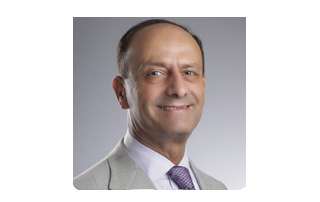 Ziyad M. Hijazi合作论文数Weill Cornell Medical College12CE Mullins合作论文数11Sullivan Patrick M合作论文数11
 Matthew A Crystal合作论文数NewYork-Presbyterian/Morgan Stanley Children's Hospital, Columbia University Medical Center11Cheryl Takao合作论文数11Ralf J. Holzer合作论文数8Mattamal Raphael J合作论文数7
 John Philip Breinholt合作论文数7
 Neil D Patel合作论文数6Thomas E. Fagan合作论文数6
 Robert H. Beekman合作论文数Cincinnati Children's Hospital Medical Center6Alan Nugent合作论文数Department of Cardiology, Children’s Hospital Boston6Box Lyndon C合作论文数5Ehtisham Mahmud合作论文数5Robert N. Vincent合作论文数5
 Howaida El-Said合作论文数5
 Clifford J Kavinsky合作论文数5Ws Mcmahon合作论文数4W. R. Morrow合作论文数4Jw Mathewson合作论文数4
 Richard Ringel合作论文数School of Medicine, Johns Hopkins University4
 Shiraz A Maskatia合作论文数Medicine Section of Cardiology, Baylor College, Stanford University Division of Pediatric Cardiology, Stanford University4Ricardo H. Pignatelli合作论文数4Mark Cocalis合作论文数4
 David Bichell合作论文数4
 Carlos Ruiz合作论文数Somos Wound Cares;North Shore Long Island Jewish Health System and Lenox Hill Heart and Vascular Institute of New York4
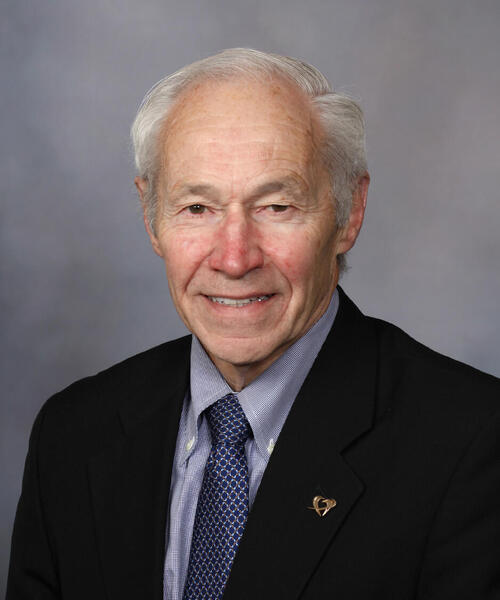 Donald J. Hagler合作论文数Mayo Clinic4Andrew J. Klein合作论文数3Herbert D Aronow合作论文数3Sahil A. Parikh合作论文数3Te Fagan合作论文数3Denise Hite合作论文数3Joie Meikle合作论文数3Fz Bierman合作论文数3JC Perry合作论文数3Devi Govender合作论文数3David Baker合作论文数3Wm Gersony合作论文数3Brian H Morray合作论文数3
 Faisal Latif合作论文数3
 Dmitriy N. Feldman合作论文数Joan and Sanford I. Weill Department of Medicine, Weill Cornell Medicine, Cornell University3
 Ronald G Grifka合作论文数3Armstrong Aimee K合作论文数3
 Evan Zahn合作论文数3




