Importance:Calcium derangements frequently occur in the setting of transfusions, but limited data suggest that derangements may occur from the trauma itself. Existing data suggest worse outcomes for trauma patients who present with calcium derangements. Objective:To determine the incidence of calcium derangements upon emergency department (ED) arrival after major trauma and associated outcomes. Design, Setting, and Participants:This prospective, multicenter cohort study was conducted from 2022 to 2024 at 3 American College of Surgeons-verified level I trauma centers. All of the centers are regional receiving centers in large cities. Participants who arrived within 24 hours of injury and met the institutional criteria for the highest level of trauma activation were enrolled. Ionized calcium measurements were obtained immediately upon arrival to the ED. A normal reference range of 4.4 mg/dL to 5.2 mg/dL (to convert to millimoles per liter, multiply by 0.25) was used to define hypocalcemia, eucalcemia, and hypercalcemia. Exposure:Major trauma and evaluation at a verified trauma center. Main Outcomes and Measures:The primary outcome was the incidence of calcium derangements upon ED arrival. Descriptive and inferential statistics were used to compare the cohorts. Results:A total of 1270 participants (median [IQR] age, 35 [25-52] years; 999 male [79%]) were enrolled with an overall. Motor vehicle collisions followed by firearms were the most common injury mechanisms. There were 282 patients (22%) who were hypocalcemic, 925 patients (73%) who were eucalcemic, and 57 (5%) who were hypercalcemic. Mortality at 24 hours was 11.9% (34 patients) for hypocalcemia, 4.3% (40 patients) for eucalcemia, and 22.8% (13 patients) for hypercalemia. Mortality increased as the derangements became more extreme, in a U-shaped relationship. The median (IQR) injury severity score was 21 (10-29) for hypocalcemia, 14 (5-25) for eucalcemia, and 22 (13-29) for hypercalcemia. Administration of any blood product during the first 24 hours was 64.1% (184 patients) for hypocalcemia, 31.5% (291 patients) for eucalcemia, and 66.7% (38 patients) for hypercalcemia. Conclusions and Relevance:In this cohort study of trauma patients, hypercalcemia was less common than hypocalcemia; however, hypercalcemia was associated with worse mortality at all time points. Blood product consumption was higher among those with hypercalcemia or hypocalcemia compared with eucalcemia but was similar among those with any calcium derangement. Prospective interventional trials are needed to understand the implications of empiric treatment.
Importance:For acutely ill adults who are hospitalized with hypoxemia, supplemental oxygen is titrated to maintain normoxemia. In current practice, clinicians intermittently titrate oxygen, potentially exposing patients to hypoxemia and hyperoxemia between assessments. Autonomous oxygen titration may address these challenges by independently titrating supplemental oxygen flow to maintain peripheral oxygen saturation (Spo2) within a predefined range. Objective:To determine whether autonomous oxygen titration increases the proportion of time spent in a targeted normoxemia range compared with usual care in acutely ill adults. Design, Setting, and Participants:This multicenter, unblinded, parallel-group, randomized clinical trial was conducted at 4 US hospitals from May 6, 2024, to November 17, 2025, among adults hospitalized for acute respiratory illness, trauma, burn, or acute care surgery who were receiving supplemental oxygen. Intervention:Patients were randomly assigned to receive oxygen titration via either autonomous oxygen titration or usual care (manual oxygen titration by clinicians) during the first 72 hours after randomization. Main Outcomes and Measures:The primary outcome was the proportion of time spent within the targeted normoxemia range (Spo2 90%-96%). The key secondary outcome was the proportion of time spent in hypoxemia (Spo2 <88%). Results:Among 300 patients randomized and included in the trial population (median [IQR] age, 66 (55-75) years; 162 [54%] female), 152 were assigned to autonomous oxygen titration and 148 to usual care. Participants represented a range of skin pigmentation categories defined by the Monk Skin Tone Scale, including 67 (22%) categorized as light, 168 (56%) as medium, and 65 (22%) as dark. The mean (SE) proportion of time spent in normoxemia was greater in the autonomous oxygen titration group than in the usual care group (85% [1%] vs 63% [2%]; adjusted risk difference [RD], 21 percentage points [pp]; 95% CI, 18-25 pp; P < .001). The mean (SE) proportion of time spent in hypoxemia was lower in the autonomous oxygen titration group than in the usual care group (2.0% [0.2%] vs 3.6% [0.4%]; adjusted RD, -1.3 pp; 95% CI, -2.0 to -0.5 pp; P = .002). The mean (SE) proportion of time spent in hyperoxemia (Spo2 >96%) was 9.2% (1.0%) in the autonomous oxygen titration group and 29.1% (1.7%) in the usual care group. The mean (SE) proportion of time spent in borderline hypoxemia (Spo2 88%-89%) was 3.4% (0.3%) in the autonomous oxygen titration group and 4.0% (0.4%) in the usual care group. Results were consistent across prespecified subgroups. Conclusions and Relevance:In this randomized clinical trial among adults hospitalized with an acute illness or injury and receiving supplemental oxygen, autonomous oxygen titration substantially increased the proportion of time spent in normoxemia and decreased time spent in hypoxemia compared with usual care. Trial Registration:ClinicalTrials.gov Identifier: NCT06374225.
INTRODUCTION:Administering supplemental oxygen to prevent hypoxaemia is a fundamental treatment for patients hospitalised with acute injury or illness. However, the amount of oxygen administered frequently exceeds that needed to maintain normoxaemia, causing patients to experience hyperoxaemia and wasting supplemental oxygen. Closed-loop, autonomous oxygen titration systems are designed to optimise oxygen delivery by administering the lowest possible oxygen flow that maintains peripheral oxygen saturation (SpO₂) within a predefined range. For adults hospitalised with an acute injury or illness, it remains uncertain whether the use of a closed-loop, autonomous oxygen titration system safely increases the proportion of time spent in normoxaemia (SpO2 90%-96%) compared with usual care. METHODS AND ANALYSIS:The Strategy to Avoid Excessive Oxygen using Autonomous Oxygen Titration Intervention trial is a multicentre, unblinded, parallel-group, randomised trial being conducted at four level 1 trauma centres in the USA. The trial compares an autonomous oxygen titration system versus usual care among 300 adults hospitalised for major trauma, burn, acute care surgery or acute respiratory illness. The primary outcome is the proportion of patient-time spent within the targeted normoxaemia range (SpO2 90%-96%) as measured by continuous non-invasive pulse oximetry, during the first 72 hours after randomisation. Secondary outcomes include the amount of supplemental oxygen administered and the proportion of time spent in hypoxaemia (SpO2<88%) and hyperoxaemia (SpO2 >96%). Specifying the protocol and statistical analysis plan before the conclusion of enrolment increases the rigour, reproducibility and interpretability of the trial. Enrolment began on 6 May 2024. ETHICS AND DISSEMINATION:The trial protocol was approved by the single institutional review board at the University of Colorado School of Medicine and the Office of Human Research Oversight at the Department of Defense. We will present the results at scientific conferences and submit them for publication in a peer-reviewed journal. TRIAL REGISTRATION NUMBER:NCT06374225.
BACKGROUND:Trauma in combat or civilian settings often involves severe hemorrhage and open wounds, which carry a high risk of infection. Current clinical guidelines recommend prophylactic antibiotics for high-risk wounds. Adequate plasma antibiotic concentrations are necessary for tissue penetration, particularly into injured tissue. Blood loss from traumatic hemorrhage may impact plasma antibiotic concentrations. However, the association between blood loss, subsequent blood product transfusion, and antibiotic concentrations remains unclear. We hypothesize that antibiotic concentrations decrease in proportion to the volume of blood transfused, potentially leading to insufficient antibiotic concentrations, placing the injured patient at increased infection risk. METHODS:We are conducting a prospective, multicenter study that will enroll trauma patients from two large trauma centers: Brooke Army Medical Center and the University of Colorado Hospital. We will enroll participants receiving antibiotics for wound prophylaxis and three or more units of blood products. We will also enroll a control arm comprised of participants receiving the same antibiotics who receive two or fewer units of blood. Blood samples will be collected from participants at predetermined time intervals after antibiotic infusion to assess antibiotic concentrations. Our statistical analysis will focus on the relationship between the volume of blood products administered and antibiotic concentrations. Results will inform the development of antibiotic dosing models for clinicians that adjust for the effects of blood transfusion. CONCLUSION:The goal of this study is to fill a significant gap in trauma care that could potentially lead to optimized antibiotic dosing and improved outcomes for trauma patients.
BACKGROUND:Appropriate chemical prophylaxis can reduce the risk of venous thromboembolism (VTE) in trauma patients. A system-wide VTE clinical practice guideline (CPG) and electronic health record (EHR)-based VTE prophylaxis order set were implemented. The CPG provided guidelines based on bleeding risk, recommended earlier initiation of chemical prophylaxis, and favored low-molecular-weight heparin (LMWH). The purpose of this study was to evaluate the impact of VTE CPG and prophylaxis order set on the rate of VTE. METHODS:A retrospective review was performed on trauma patients 15 years or older admitted to three trauma centers between July 2018 and December 2021. Exclusion criteria included burn injury, readmission, length of stay <2 days, and withdrawal of care. The VTE CPG and EHR order set were implemented in November 2020, and a pre-implementation/postimplementation (POST) comparison was conducted. RESULTS:A total of 12,479 patients were included. There were no differences in age, sex, and Injury Severity Score. The POST group had a higher usage of LMWH (64.0 vs. 67.5%, p < 0.01), a lower rate of no prophylaxis (17.2 vs. 12.5%, p < 0.01), and a shorter time to prophylaxis (29.4 vs. 25.9 hours, p < 0.01). The rates of VTE (1.6 vs. 1.0%, p < 0.01) and deep vein thrombosis (1.1 vs. 0.7%, p = 0.03) were lower in the POST group. There was no difference in the rate of pulmonary embolism (0.6 vs. 0.4%, p = 0.06). The POST group had a higher mortality (0.7 vs. 1.1%, p = 0.03) on univariable analysis, but there were no differences between groups on adjusted analysis. Independent predictors of VTE were longer time to VTE prophylaxis, higher Injury Severity Score, ventilator-associated pneumonia, and longer hospital length of stay. Use of LMWH and postintervention period were protective from VTE. CONCLUSIONS:The implementation of a system-wide VTE CPG and EHR-based prophylaxis order set were associated with a reduced incidence of VTE in trauma patients without an associated mortality difference. LEVEL OF EVIDENCE:Prognostic and Epidemiological; Level IV.
BACKGROUND:Patients undergoing elective procedures at altitudes >4000 ft have higher deep venous thrombosis (DVT) rates compared to those performed at ≤ 1000 ft. DESIGN:We reviewed the American College of Surgeons Trauma Quality Improvement Program (TQIP) database from 2014 to 2019. Adults are divided into LOW (<1001 ft) or HIGH (>4000 ft) altitude treatment with DVT rates compared by multivariable regression analysis as well as using a 2:1 propensity matched model. RESULTS:Risk-adjusted odds ratio (OR) for DVT at high altitude was 1.53 [95 % CI 1.42-1.64]. In patients with an Injury Severity Score (ISS) ≥ 16, the DVT rate was 1.10 % (LOW) vs 1.59 % (HIGH); risk-adjusted OR for DVT at high altitude with ISS ≥ 16 was 1.67 [1.53-1.83]. Under the propensity matched model, DVT rates at higher altitude had an OR of 1.59 [1.46-1.74]. CONCLUSION:Following traumatic injury, DVT rates are increased in higher altitude treatment facilities compared to their low elevation peers.
INTRODUCTION:Transfusion of whole blood (WB) for traumatic hemorrhage has generated renewed interest in civilian trauma based on military experience. The association between blood products and severe sepsis remains unknown. We sought to determine which blood products were associated with the development of severe sepsis. METHODS:We utilized the TQIP database from 2020 to 2021. We included patients ≥15 ys of age who received at least one blood product and survived at least 24 hs. Severe sepsis is a standardized core quality measure for all reporting centers and defined as sepsis with organ dysfunction. We used descriptive, inferential, and multivariable logistic regression methods to test for associations and adjust for confounders. RESULTS:There were 83,924 patients included, of whom 1471 met criteria for severe sepsis. Patients with severe sepsis tended to be older (47 versus 42, P < 0.001), male (79% versus 74%, P < 0.001), have a higher injury severity score (29 versus 19, P < 0.001), higher proportion of serious injuries to the thorax (65% versus 47%, P < 0.001), abdomen (54% versus 32%, P < 0.001), and extremities (45% versus 32%, P < 0.001). Severe sepsis patients received more packed red cells, WB, platelets, cryoprecipitate, and plasma. When adjusting for age, sex, mechanism of injury, and injury severity score, WB was positively associated with severe sepsis (unit odds ratio 1.04, 95% confidence interval 1.01-1.07). CONCLUSIONS:Within this dataset, we found a 4% increased odds of sepsis with each unit of WB received among civilian trauma patients. The effects of blood product administration on immune system function remain unclear. High-quality, prospective explanatory studies are needed to better understand this relationship.
OBJECTIVES:To determine the association of whole blood and other blood products (components, prothrombin complex concentrate, and fibrinogen concentrate) with the development of acute respiratory distress syndrome (ARDS) among blood recipients. DESIGN:Retrospective cohort study. SETTING:American College of Surgeons Trauma Quality Improvement Program (TQIP) database between 2020 and 2021. PATIENTS:Patients 15 years old or older in the TQIP database between 2020 and 2022 who received at least one blood product. INTERVENTIONS:We compared characteristics and blood product administration between patients who developed ARDS versus those who did not. MEASUREMENTS AND MAIN RESULTS:There were 134,863 that met inclusion for this analysis. Within the included population, 1% (1927) was diagnosed with ARDS. The no ARDS group had a lower portion of serious injuries to the head/neck (31% vs. 46%), thorax (51% vs. 78%), abdomen (34% vs. 48%), and extremities (37% vs. 47%). The median composite Injury Severity Score was 21 (11-30) in the no ARDS group vs. 30 (22-41) in the ARDS group. Unadjusted survival of discharge was 74% in the no ARDS group vs. 61% in the ARDS group. In our multivariable model, we found that whole blood (unit odds ratio [uOR], 1.05; 95% CI, 1.02-1.07), male sex (odds ratio, 1.44; 95% CI, 1.28-1.63), arrival shock index (uOR, 1.03; 95% CI, 1.01-1.06), and composite Injury Severity Score (uOR, 1.03; 95% CI, 1.03-1.04) were associated with the development of ARDS. These persisted on sensitivity testing. CONCLUSIONS:We found an association between whole blood and the development of ARDS among trauma patients who received blood transfusions. Contrary to previous studies, we found no association between ARDS and fresh frozen plasma administration. The literature would benefit from further investigation via prospective study designs.
Background: Direct peritoneal resuscitation (DPR) is associated with improved outcomes in trauma. Animal models suggest DPR has favorable effects on the liver. We sought to evaluate its safety and assess for improved outcomes in liver transplantation (LT). Methods: LT patients with renal dysfunction and/or obesity were enrolled in a phase-I clinical trial. DPR lasted 8-24 h depending on postoperative disposition. Primary outcome was percent of patients completing DPR. Secondary outcomes evaluated complications. Controls with either obesity (control-1) or both risk factors (obesity + renal dysfunction, control-2) were analyzed. Results: Fifteen patients were enrolled (seven with both criteria and eight with obesity alone). DPR was completed in 87 % of patients, with one meeting stopping criteria. Controls included 45 (control-1) and 24 (control-2) patients. Return to operating room, graft loss, and late infections were lower with DPR. Conclusion: DPR appears to be safe in closed abdomens following LT, warranting a follow-up phase-II trial to assess efficacy.
Kelly, Nicholas1; Sullivan, Breandan1; Scott, Benjamin2; Wright, Franklin3; Wiktor, Arek1; Mikkelsen, Mark4; Moorer, Mandy5; Vernon, Shannon5; Brainard, Jason6 Author Information
Background: The risks associated with blood product administration and venous thromboembolic events remains unclear. We sought to determine which blood products were associated with the development of deep vein thrombosis (DVT) and pulmonary embolism (PE). Methods: We analyzed data from patients >= 18 years of age in the Trauma Quality Improvement Program (TQIP) database that received >= 1 blood product and survived >= 24 h. Results: There were 42,399 that met inclusion, of whom, 2086 had at least one VTE event. In our multivariable logistic regression model, we found that WB had a unit odds ratio (uOR) of 1.05 (95 % CI 1.02-1.08) for DVT and 1.08 (1.05-1.12) for PE. Compared to WB, platelets had a higher uOR for DVT of 1.09 (1.04-1.13) but similar uOR for PE of 1.08 (1.03-1.14). Conclusions: We found an association of both DVT and PE with early whole blood and platelets.
INTRODUCTION:Airway management is a key intervention during the resuscitation of critically ill trauma patients. Emergency surgical airway (ESA) placement is taught as a backup option when endotracheal intubation (ETI) fails. We sought to (1) describe the incidence of the emergency department (ED) ESA, (2) compare ESA versus ETI-only recipients, and (3) determine which factors were associated with receipt of an ESA. METHODS:We searched within the Trauma Quality Improvement Program datasets from 2017 to 2022 for all emergency department surgical airway placement and/or endotracheal intubations recipients. We compared ESA versus ETI-only recipients. RESULTS:From 2017 to 2022, there were 6,477,759 within the datasets, of which 238,128 met inclusion for this analysis. Within that, there were 236,292 ETIs, 2264 ESAs, with 428 (<1 %) having documentation of both. Of the ESAs performed, there were 82 documented in children <15 years of age with the youngest being 1 year of age. The ETI-only group had a lower proportion serious injuries to the head/neck (52 % versus 59 %), face (2 % versus 8 %), and skin (3 % versus 6 %). However, the ETI-only group had a higher proportion of serious injuries to the abdomen (15 % versus 9 %) and the extremities (19 % versus 12 %). Survival at 24-h was higher in the ETI-only group (83 % versus 76 %) as well as survival to discharge (70 % versus 67 %). In the subanaysis of children <15 years (n = 82), 34 % occurred in the 1-4 years age group, 35 % in the 5-9 years age group, and 30 % in the 10-14 years age group. In our multivariable logistic regression analysis, serious injuries to the head/neck (odds ratio [OR] 1.37, 95 % CI 1.23-1.54), face (OR 3.41, 2.83-4.11), thorax (OR 1.19, 1.06-1.33), and skin (OR 1.53, 1.15-2.05) were all associated with receipt of cricothyrotomy. Firearm (OR 3.62, 3.18-4.12), stabbing (2.85, 2.09-3.89), and other (OR 2.85, 2.09-3.89) were associated with receipt of ESA when using collision as the reference variable. CONCLUSIONS:ESA placement is a rarely performed procedure but frequently used as a primary airway intervention in this dataset. Penetrating mechanisms, and injuries to face were most associated with ESA placement. Our findings reinforce the need to maintain this critical airway skill for trauma management.
BACKGROUND:Identifying patients at imminent risk of death is critical in the management of trauma patients. This study measures the vital sign thresholds associated with death among trauma patients. METHODS:This study included data from patients ≥15 years of age in the American College of Surgeons Trauma Quality Improvement Program (TQIP) database. Patients with vital signs of zero were excluded. Documented prehospital and emergency department (ED) vital signs included systolic pressure, heart rate, respiratory rate, and calculated shock index (SI). The area under the receiver operator curves (AUROC) was used to assess the accuracy of these variables for predicting 24-hour survival. Optimal thresholds to predict mortality were identified using Youden's Index, 90% specificity, and 90% sensitivity. Additional analyses examined patients 70+ years of age. RESULTS:There were 1,439,221 subjects in the 2019-2020 datasets that met inclusion for this analysis with <0.1% (10,270) who died within 24 hours. The optimal threshold for prehospital systolic pressure was 110, pulse rate was 110, SI was 0.9, and respiratory rate was 15. The optimal threshold for the ED systolic was 112, pulse rate was 107, SI was 0.9, and respiratory rate was 21. Among the elderly sub-analysis, the optimal threshold for prehospital systolic was 116, pulse rate was 100, SI was 0.8, and respiratory rate was 21. The optimal threshold for ED systolic was 121, pulse rate was 95, SI was 0.8, and respiratory rate was 21. CONCLUSIONS:Systolic blood pressure (SBP) and SI offered the best predictor of mortality among trauma patients. The SBP values predictive of mortality were significantly higher than the traditional 90mmHg threshold. This dataset highlights the need for better methods to guide resuscitation as initial vital signs have limited accuracy in predicting subsequent mortality.
BackgroundThe Role 2 setting represents the most far-forward military treatment facility with limited surgical and holding capabilities. There are limited data to guide recommendations on blood product utilization at the Role 2. We describe the consumption of blood products in this setting.Study Design and MethodsWe analyzed data from 2007 to 2023 from the Department of Defense Trauma Registry (DODTR) that received care at a Role 2. We used descriptive and inferential statistics to characterize the volumes of blood products consumed in this setting. We also performed a secondary analysis of US military, Coalition, and US contractor personnel.ResultsWithin our initial cohort analysis of 15,581 encounters, 17% (2636) received at least one unit of PRBCs or whole blood, of which 11% received a submassive transfusion, 4% received a massive transfusion, and 1% received a supermassive transfusion. There were 6402 encounters that met inclusion for our secondary analysis. With this group, 5% received a submassive transfusion, 2% received a massive transfusion, and 1% received a supermassive transfusion.ConclusionsWe described volumes of blood products consumed at the Role 2 during recent conflicts. The maximum number of units consumed among survivors exceeds currently recommended available blood supply. Our findings suggest that rapid resupply and cold-stored chain demands may be higher than anticipated in future conflicts.
Macri, Jordan; Perrodin, Jenna; Jenson, Whitney; Wright, Franklin; Asher, Zachary Author Information
Introduction: Hemorrhage is a leading cause of death. Blood products are used for the treatment of hemorrhagic shock. The use of low titer group O whole blood (LTOWB) has become more common. Methods: Data from patients >15 years of age in the Trauma Quality Improvement Program (TQIP) database that received >10 units of packed red cells and/or LTOWB within the first 4-h of hospital arrival were included. The proportion of LTWOB of total blood products administered was correlated to 6- and 24-h mortality. Results: 12,763 met inclusion, 3827 (30%) received LTOWB. On multivariable logistic regression (MVLR), there was no difference in survival at 6 h with a LTOWB. When assessing 24-h survival, there was improved survival with LTOWB >10% (OR 1.18, 1.08-1.28). Conclusions: In this analysis of TQIP data, patients receiving >10 units of PRBC or LTOWB, we found that higher proportions of LTOWB transfusion relative to the total volume of blood products transfused during the first 4 h were associated with improved 24-h, but not 6-h survival.
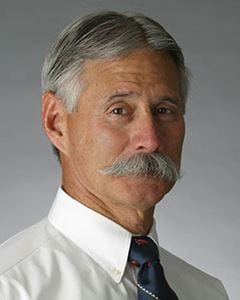 Ernest E Moore合作论文数Denver Health Medical Center;Trauma Research Center, Department of Surgery, School of Medicine, University of Colorado Denver;Denver General Hospital18
 Anirban Banerjee合作论文数Department of Surgery, School of Medicine, University of Colorado18
 Steven G Schauer合作论文数16Robert C. Mcintyre合作论文数Department of Surgery, University of Colorado16Andrew D Fisher合作论文数13
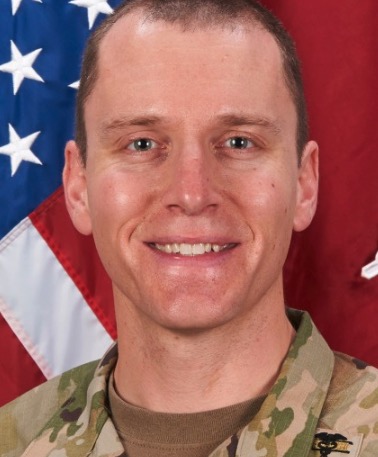 Michael D. April合作论文数Department of Military and Emergency Medicine, Uniformed Services University;14th Field Hospital12
 Julie Rizzo合作论文数Dwight David Eisenhower Army Medical Center11
 Erik D Peltz合作论文数9David J Douin合作论文数8Fabia Gamboni-Robertson合作论文数7Julie Winkle合作论文数6Wohlauer Max V合作论文数6
 Vikhyat Bebarta合作论文数Department of Pharmacology, School of Medicine, University of Colorado6Thomas J. Schroeppel合作论文数6Zachary Asher合作论文数5F. Gamboni合作论文数5
 Velopulos Catherine G合作论文数Department of Surgery, Johns Hopkins University School of Medicine5Brainard Jason合作论文数5Todd M. Getz合作论文数5Susannah E. Nicholson合作论文数University of Texas Health Science Center at San Antonio5Trevor L. Nydam合作论文数5Jessica Mendez合作论文数4Stephanie Vega合作论文数4Heather Carmichael合作论文数Dept Surg, Univ Colorado Anschutz4
 Shahzad Shaefi合作论文数Beth Israel Deaconess Medical Center, Harvard Medical School4
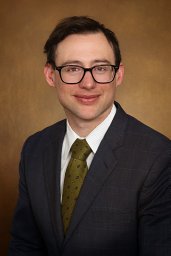 Hunter B. Moore合作论文数University of Vermont School of Medicine4Mitchell J. Cohen合作论文数4
 Warren Dorlac合作论文数4Miguel Fragoso合作论文数4James Haenel合作论文数3John C. Eun合作论文数3Alyssa Marsh合作论文数3Krystal Capers合作论文数3Ramona Ramdeo合作论文数3Elias N. Baedorf-Kassis合作论文数3Janice Wang合作论文数3Rashi Jhunjhunwala合作论文数3Shane Urban合作论文数University of Colorado3James Bynum合作论文数U.S. Army Institute of Surgical Research3
 Lorenzo Anez-Bustillos合作论文数3Maxwell A Braverman合作论文数University of Texas Health Science Center at San Antonio3
 Brit J. Long合作论文数Department of Emergency Medicine, School of Medicine, University of Virginia3
 Alexandra Kovar合作论文数Department of Surgery, Denver Health Medical Center3Plackett Timothy P合作论文数3
 Negin Hajizadeh合作论文数3
 Fabia Gamboni合作论文数3
 Stacy Shackelford合作论文数3
 Daniel S. Talmor合作论文数Department of Anesthesia, Critical Care and Pain Medicine, Beth Israel Deaconess Medical Center;Harvard Medical School3Banner-Goodspeed Valerie M合作论文数3




