The European Space Agency has selected PLATO (PLAnetary Transits and Oscillations of stars) for its M3 launch which is scheduled for 2026. With its extremely large field of view, PLATO is designed to obtain photometric measurements over an extended period for bright stars in order to detect and characterise (primarily) rocky planets in the habitable zones of solar type stars. The PLATO measurements will have sufficient sensitivity to determine the mass, radius and age of the host stars with unprecedented accuracy. The PLATO planet database will provide the first large-scale catalogue of accurately and homogeneously characterised small planets at intermediate orbital periods, which will can be used to severely constraint planet formation theories. This would facilitate large scale comparative exo-planetology. In addition the bright PLATO host stars will be ideal targets for atmospheric study with next generation facilities such as the ELT. The PLATO sensitivity will be sufficient to detect pulsations from stars across the HR diagram allowing a deep understanding of stellar structure and evolution to be developed using parameters determined from asteroseismology.
The Ariel space telescope in the ESA Cosmic Vision program aims to uncover the chemical composition of exoplanetary atmospheres. Ariel achieves this by using multi-wavelength spectroscopy and photometry with high photometric precision across a planet's orbit. During these observations, the telescope requires stable pointing to reduce the photometric noise caused by spacecraft jitter. This task is covered by a dedicated instrument: the Fine Guidance Sensor (FGS). The FGS is a science instrument providing photometry and spectroscopy in the visual and near-infrared. While the gathering of science data is a key aspect of the FGS, the images are also used for the guiding of the telescope. Both tasks are carried out by the Instrument Application Software (IASW) which is implemented on the instrument's data processing unit. The key scientific tasks of the IASW involve up the ramp sampling, data reduction and compression. Additionally, the IASW also handles more general tasks such as the instrument health, housekeeping management, commanding of the detectors, the handling of telecommands and telemetry, as well as fault detection, isolation and recovery. The software development is facilitated with a suite of tools and utilities that were created over the course of previous projects. These allow us to cut down the needed workload. This paper explores the design to code workflow and our test-driven development approach while also covering the peculiarities and challenges of the Ariel FGS IASW implementation.
Nothing in space is ever truly stable. For space telescopes such as Ariel, this leads to a noise source in photometric and spectroscopic measurements caused by the movement of the target star or spectra (also refereed to as jitter) across the detectors inconsistent pixels. In order to minimise this source, continuously guiding the telescope becomes a necessity. Ariel will perform both photometric and spectroscopic observations of transiting exoplanets across multiple phases of their orbit in order to study the chemical composition of their atmosphere. Given the long duration of these observations, an unstable pointing of the telescope would add significant noise to the time series of the measurements. Therefore, Ariel is equipped with a dedicated instrument: the Fine Guidance Sensor (FGS). While the FGS is a scientific instrument that provides both low-resolution spectra and photometry in bands specific to atmospheric molecular features, it also doubles as an input for the closed loop guiding of the telescope. For this task, the FGS uses two of its three photometric channels to measure the position of the target star at a rate of 10 Hz. This positional information is then sent to the spacecrafts Attitude and Orbit Control System (AOCS), which applies the necessary corrections using the platforms actuators. In order to obtain the necessary measurements, the FGS will be equipped with dedicated guiding algorithms as part of its Instrument Application Software (IASW), which is developed by the University of Vienna.In this paper we present the current state of the design of these methods. The algorithms are split into Target Acquisition and Tracking, where the former is used to correctly identify the star on a large field of view. On the other hand, Tracking is used during the scientific observations of the target in order to keep the instruments line of sight as stable as possible. In addition to the design and implementation of these algorithms, we also discuss their performance and our tools for their evaluation and testing. The images we use for performance testing are generated using our own simulators. These simulators are able to properly represent the noise sources we expect in the real instrument such as detector noise, line of sight jitter and smearing. Additionally, the simulators are designed to be as fast as possible to allow their reuse in closed loop testing, both in simulation environments and using real hardware.
We analyse continuum and molecular emission, observed with Atacama Large Millimetre/submillimetre Array, from the dust-enshrouded intermediate-mass asymptotic giant branch (AGB) star OH 30.1-0.7. We find a secondary peak in the continuum maps, 'feature B', separated by 4.6 arcsec from the AGB star, which corresponds to a projected separation of 1.8 x 10(4) au, placing a lower limit on the physical separation. This feature is most likely composed of cold dust and is likely to be ejecta associated with the AGB star, though we cannot rule out that it is a background object. The molecular emission we detect includes lines of CO, SiS, CS, SO2, NS, NaCl, and KCl. We find that the NS emission is off centre and arranged along an axis perpendicular to the direction of feature B, indicative of a UV-emitting binary companion (e.g. a G-type main sequence star or hotter), perhaps on an eccentric orbit, contributing to its formation. However, the NaCl and KCl emission constrain the nature of that companion to not be hotter than a late B-type main-sequence star. We find relatively warm emission arising from the inner wind and detect several vibrationally excited lines of SiS (upsilon=1), NaCl (up to upsilon=4), and KCl (up to upsilon=2), and emission from low-energy levels in the mid to outer envelope, as traced by SO2. The CO emission is abruptly truncated around 3.5 arcsec or 14 000 au from the continuum peak, suggesting that mass loss at a high rate may have commenced as little as 2800 yr ago.
Observations of low-mass stars have frequently shown a disagreement between observed stellar radii and radii predicted by theoretical stellar structure models. This “radius inflation” problem could have an impact on both stellar and exoplanetary science. We present the final results of our observation programme with the CHEOPS satellite to obtain high-precision light curves of eclipsing binaries with low mass stellar companions (EBLMs). Combined with the spectroscopic orbits of the solar-type companion, we can derive the masses, radii and effective temperatures of 23 M-dwarf stars. We use the PYCHEOPS data analysis software to analyse their primary and secondary occultations. For all but one target, we also perform analyses with TESS light curves for comparison. We have assessed the impact of starspot-induced variation on our derived parameters and account for this in our radius and effective temperature uncertainties using simulated light curves. We observe trends for inflation with both metallicity and orbital separation. We also observe a strong trend in the difference between theoretical and observational effective temperatures with metallicity. There is no such trend with orbital separation. These results are not consistent with the idea that observed inflation in stellar radius combines with lower effective temperature to preserve the luminosity predicted by low-mass stellar models. Our EBLM systems are high-quality and homogeneous measurements that can be used in further studies into radius inflation.
The planetary system K2-24 is composed of two transiting low-density Neptunians locked in an almost perfect 2:1 resonance and showing large transit time variations (TTVs), and it is an excellent laboratory to search for signatures of planetary migration. Previous studies performed with K2, Spitzer, and RV data tentatively claimed a significant non-zero eccentricity for one or both planets, possibly high enough to challenge the scenario of pure disk migration through resonant capture. With 13 new CHEOPS light curves (seven of planet b, six of planet c), we carried out a global photometric and dynamical re-analysis by including all the available literature data as well. We obtained the most accurate set of planetary parameters to date for the K2-24 system, including radii and masses at 1% and 5% precision (now essentially limited by the uncertainty on stellar parameters) and non-zero eccentricities e(b) = 0.0498(-0.0018)(+0.0011), e(c) = 0.0282(-0.0007)(+0.0003) detected at very high significance for both planets. Such relatively large values imply the need for an additional physical mechanism of eccentricity excitation during or after the migration stage. Also, while the accuracy of the previous TTV model had drifted by up to 0.5 days at the current time, we constrained the orbital solution firmly enough to predict the forthcoming transits for the next similar to 15 years, thus enabling efficient follow-up with top-level facilities such as JWST or ESPRESSO.
Aims. We aim to resolve the spatial and kinematic sub-structures in five detached-shell sources to provide detailed constraints for hydrodynamic models that describe the formation and evolution of the shells. Methods. We use observations of the 12 CO (1-0) emission towards five carbon-AGB stars with ALMA. The data have angular resolutions of 0.3 arcsec to 1arcsec and a velocity resolution of 0.3 km/s . This enables us to quantify spatial and kinematic structures in the shells. Results. The observed emission is separated into two distinct components: a more coherent, bright outer shell and a more filamentary, fainter inner shell. The kinematic information shows that the inner sub-shells move at a higher velocity relative to the outer sub-shells. The observed sub-structures confirm the predictions from hydrodynamical models. However, the models do not predict a double-shell structure, and the CO emission likely only traces the inner and outer edges of the shell, implying a lack of CO in the middle layers of the detached shell. Previous estimates of the masses and temperatures are consistent with originating mainly from the brighter subshell, but the total shell masses are likely lower limits. Conclusions. The observed spatial and kinematical splittings of the shells appear consistent with results from hydrodynamical models, provided the CO emission does not trace the H2 density distribution in the shell but rather traces the edges of the shells. It is therefore not possible to constrain the total shell mass based on the CO observations alone. Complementary observations of, e.g., CI as a dissociation product of CO would be necessary to understand the distribution of CO compared to H2.
TOI-1055 is a Sun-like star known to host a transiting Neptune-sized planet on a 17.5-day orbit (TOI-1055 b). Radial velocity (RV) analyses carried out by two independent groups using nearly the same set of HARPS spectra have provided measurements of planetary masses that differ by $\sim$ 2$\sigma$. Our aim in this work is to solve the inconsistency in the published planetary masses by significantly extending the set of HARPS RV measurements and employing a new analysis tool that is able to account and correct for stellar activity. Our further aim was to improve the precision on measurements of the planetary radius by observing two transits of the planet with the CHEOPS space telescope. We fit a skew normal (SN) function to each cross correlation function extracted from the HARPS spectra to obtain RV measurements and hyperparameters to be used for the detrending. We evaluated the correlation changes of the hyperparameters along the RV time series using the breakpoint technique. We performed a joint photometric and RV analysis using a Markov chain Monte Carlo (MCMC) scheme to simultaneously detrend the light curves and the RV time series. We firmly detected the Keplerian signal of TOI-1055 b, deriving a planetary mass of $M_b=20.4_{-2.5}^{+2.6} M_{\oplus}$ ($\sim$12%). This value is in agreement with one of the two estimates in the literature, but it is significantly more precise. Thanks to the TESS transit light curves combined with exquisite CHEOPS photometry, we also derived a planetary radius of $R_b=3.490_{-0.064}^{+0.070} R_{\oplus}$ ($\sim$1.9%). Our mass and radius measurements imply a mean density of $\rho_b=2.65_{-0.35}^{+0.37}$ g cm$^{-3}$ ($\sim$14%). We further inferred the planetary structure and found that TOI-1055 b is very likely to host a substantial gas envelope with a mass of $0.41^{+0.34}_{-0.20}$ M$_\oplus$ and a thickness of $1.05^{+0.30}_{-0.29}$ R$_\oplus$.
ABSTRACT The most recent release of the General Catalogue of Variable Stars (GCVS) (Samus et al. 2017) contains 518 different variable types, in eight different variable categories. The catalogue has now reached its 5th version available via the VizieR service and can be considered one of the primary catalogues on the subject. The Gaia Data Release 3 (DR3) contains the most extensive catalogue of variable stars over the entire sky, still it is an intermediate step towards a better understanding of the quality of data and the automated algorithms being put in place to achieve a more concise classification as the work progresses. Ongoing work to identify all variability types in Gaia requires that a complete set of variable classes is represented. We investigated the most recent variability types listed therein, and compared them to the literature used to classify variable stars in Gaia. We have come across close to 10 000 individual variables in the GCVS that are not classified as variable in Gaia DR3, which include 56 variability types – some of which are bright stars. In this investigation, we demonstrate that there are still a large number of those bright stars missing from the Gaia variable classification. Clear indications show that variables with very short (<1 d), and very long periods, were missed by Gaia DR3 Gaia (Prusti et al. 2016 and Vallenari et al. 2022). Moreover, variables with large amplitudes were also missing. We discuss our findings in some detail.
Aims. Our goal is to study the long-term mass-loss rate characteristics of asymptotic giant branch (AGB) stars through wind-wind and wind-interstellar medium interaction. Methods. Far-ultraviolet (FUV) images from the GALEX survey are used to investigate extended UV emission associated with AGB stars. Results. FUV emission was found towards eight objects. The emission displays different shapes and sizes; interaction regions were identified, often with infrared counterparts, but no equivalent near-ultraviolet (NUV) emission was found in most cases. Conclusions. The FUV emission is likely attributed to shock-excited molecular hydrogen, considering the lack of NUV emission and the large space velocities of the objects, and makes it possible to trace old structures that are too faint to be observed, for instance, in the infrared.
PLATO (PLAnetary Transits and Oscillations of stars) is the third medium-class mission (M3), selected by the European Space Agency (ESA) in 2014 and adopted in 2017 for the Cosmic Vision 2015-2025 scientific program. The launch is scheduled in 2026 from the French Guiana (Kourou) for a nominal in-orbit lifetime of 4 years plus up to 4 years of possible extension. The main purpose of the mission is the discovery and preliminary characterization of many different types of exoplanets down to rocky terrestrial planets orbiting around bright solar-type stars. The PLATO spacecraft will operate from a halo orbit around L2 (the Sun-Earth 2nd Lagrangian Point), a virtual point in space, 1.5 million km beyond Earth as seen from the Sun and its Payload will consist of 26 small telescopes (24 normal and 2 fast), pointing at the same target stars, that provide images every 25 seconds with the normal camera and every 2.5 seconds for the two fast cameras, operating in a close loop with the AOCS (S/C Attitude and Orbit Control System). Each camera (consisting of a telescope, the Focal Plane Assembly and its Front-End Electronics) will host four CCDs producing 20.3 megapixels images adding up to 81.4 megapixels per normal camera and 2.11 gigapixels for the overall Payload (P/L). This huge amount of data cannot be transmitted to the ground and need to be processed on-board by the P/L Data Processing System (DPS) made up of various processing electronic units. The DPS of the PLATO instrument comprises the Normal and Fast DPUs (Data Processing Units) and a single ICU (Instrument Control Unit), in charge of HW and SW lossless data compression and managing the P/L through a SpaceWire (SpW) network. In this paper we will review the status of the Instrument Control Unit (ICU) after its Critical Design Review (CDR) process, performed by ESA and PMC (PLATO Mission Consortium), the results of the performance test preliminary run on the Engineering Model (EM), waiting for the following Engineering and Qualification Model (EQM) and Proto-Flight Model (PFM), and the status of the early models development (Engineering Models 1 and 2, Mass and Thermal Dummy - MTD) that, along with the Boot SW (BSW) burning in PROM readiness, will enable the EQM manufacturing.
PLATO is ESA's upcoming exoplanet-hunting mission. The spacecraft has 26 cameras equipped with a total of 104 individual CCDs, which together provide more than 2,000 megapixels, giving a combined optical sensitivity surface of 0.66m2. This is more than twice as much detector area than on ESA's Gaia mission, the largest camera ever flown in space. To measure changes in stellar brightness, the CCDs are read out at a cadence of 25 seconds, resulting in a massive amount of data that has to be processed on-board. In a pre-reduction step, hundreds of thousands of small windows of the target stars, called imagettes, are extracted from the detector arrays. This reduction process decreases the data volume down from several gigabytes to 25 MiB per acquisition period. Following this step, the remaining science data are sent to the instrument control unit (ICU), where they are processed and compressed in a lossless manner. While some science data products, such as measured backgrounds and fluxes, can be processed in software, the number of imagettes to be compressed (90% of the total science data) exceeds the available CPU resources. To solve this critical problem, a specialised hardware data compressor logic was developed for an RTAX-2000 field-programmable gate array (FPGA). The implemented compression method decorrelates the data temporally by a running average, which has an exponential tail. This pre-encoding step results in an almost geometric distribution of the residuals, a suitable input for the successive Golomb encoder. The set of parameters that control the encoder are semi- adaptive, i.e., they self-adjust to the data at certain intervals. While in principle being quite straightforward, the implementation turned out to be very challenging with the required handling of the data streams in real-time. With our approach we are able to meet the high requirements and managed to process the imagette data lossless with a speed of 2 MBps at a compression ratio up to 3.2. This paper shows how the PLATO data compression concept works, which algorithms are involved in it, and discusses the specifics of the hardware and software implementation.
PLATO is an M-class mission (M3) of the European Space Agency (ESA) whose launch is scheduled in 2026. The main aim of the mission is the detection and characterization of terrestrial exoplanets orbiting around bright solar-type star. The payload consists of 26 small telescopes: 24 “normal" cameras and 2 “fast" cameras. The huge amount of data produced by the PLATO telescopes is acquired and processed on-board by the Data Processing System (DPS) made up by various processing electronic units. The DPS of the PLATO instrument comprises the Normal and Fast DPUs (Data Processing Units) and a single ICU (Instrument Control Unit), are data routed through a SpaceWire network. The topic of this paper is the description of the architecture of the ICU and its role within the DPS, the status of the Avionic Validation Model (AVM) testing at the end of the Unit Preliminary Design Review (UPDR) performed by ESA and the results of the test of the first engineering model.
Aims. We aim to constrain the sizes of, and investigate deviations from spherical symmetry in, the CO circumstellar envelopes (CSEs) of 16 S-type stars, along with an additional 7 and 4 CSEs of C-type and M-type AGB stars, respectively. Methods. We map the emission from the CO J = 2-1 and 3-2 lines observed with the Atacama Compact Array (ACA) and its total power (TP) antennas, and fit with a Gaussian distribution in the uv- and image planes for ACA-only and TP observations, respectively. The major axis of the fitted Gaussian for the CO(2-1) line data gives a first estimate of the size of the CO-line-emitting CSE. We investigate possible signs of deviation from spherical symmetry by analysing the line profiles and the minor-to-major axis ratio obtained from visibility fitting, and by investigating the deconvolved images. Results. The sizes of the CO-line-emitting CSEs of low-mass-loss-rate (low-MLR) S-type stars fall between the sizes of the CSEs of Cstars, which are larger, and those of M-stars, which are smaller, as expected because of the differences in their respective CO abundances and the dependence of the photodissociation rate on this quantity. The sizes of the low-MLR S-type stars show no dependence on circumstellar density, as measured by the ratio of the MLR to terminal outflow velocity, irrespective of variability type. The density dependence steepens for S-stars with higher MLRs. While the CO(2-1) brightness distribution size of the low-density S-stars is in general smaller than the predicted photodissociation radius (assuming the standard interstellar radiation field), the measured size of a few of the high-density sources is of the same order as the expected photodissociation radius. Furthermore, our results show that the CO CSEs of most of the S-stars in our sample are consistent with a spherically symmetric and smooth outflow. For some of the sources, clear and prominent asymmetric features are observed which are indicative of intrinsic circumstellar anisotropy. Conclusions. As the majority of the S-type CSEs of the stars in our sample are consistent with a spherical geometry, the CO envelope sizes obtained in this paper will be used to constrain detailed radiative transfer modelling to directly determine more accurate MLR estimates for the stars in our sample. For several of our sources that present signs of deviation from spherical symmetry, further high-resolution observations would be necessary to investigate the nature of, and the physical processes behind, these asymmetrical structures. This will provide further insight into the mass-loss process and its related chemistry in S-type AGB stars.
CHEOPS, the Characterizing Exoplanets Satellite, is a Swiss-led ESA-S mission carrying out ultra-high precision photometry providing radii of transiting exoplanets. We have developed the Instrument Flight Software, which controls the instrument and processes the science data in real-time. The software implements over 100 ECSS TM/TC services and several state machines, with data processing tasks ranging from target star recognition, centroiding, on-board data reduction and compression to thermal control and FDIR. The flight hardware is based on the dual-core Leon3 processor. We present the approach that we took towards specification, design, implementation and qualification, then talk about the lessons learned especially during the commissioning.
The mid/far infrared hosts a wealth of spectral information that allows direct determination of the physical state of matter in a large variety of astronomical objects, unhindered by foreground obscuration. Accessing this domain is essential for astronomers to much better grasp the fundamental physical processes underlying the evolution of many types of celestial objects, ranging from protoplanetary systems in our own milky way to 10-12 billion year old galaxies at the high noon of galaxy formation in our universe. The joint ESA/JAXA SPICA mission will give such access for the astronomical community at large, by providing an observatory with unprecedented mid- to far-infrared imaging, polarimetric and spectroscopic capabilities.
Context. This study is a follow up to the previous analysis of lower-angular resolution data in which the kinematics and structure of the circumstellar envelope (CSE) around the S-type asymptotic giant branch (AGB) star π1 Gruis were investigated. The AGB star has a known companion (at a separation of ~400 AU) that cannot explain the strong deviations from spherical symmetry of the CSE. Recently, hydrodynamic simulations of mass transfer in closer binary systems have successfully reproduced the spiral-shaped CSEs found around a handful of sources. There is growing evidence for an even closer, undetected companion complicating the case of π1 Gruis further. Aims. The improved spatial resolution allows for the investigation of the complex circumstellar morphology and the search for imprints on the CSE of the third component. Methods. We have observed the 12CO J = 3–2 line emission from π1 Gruis using both the compact and extended array of Atacama Large Millimeter/submillimeter Array (ALMA). The interferometric data have furthermore been combined with data from the ALMA total power array. The imaged brightness distribution has been used to constrain a non-local, non-local thermodynamic equilibrium 3D radiative transfer model of the CSE. Results. The high-angular resolution ALMA data have revealed the first example of a source on the AGB where both a faster bipolar outflow and a spiral pattern along the orbital plane can be seen in the gas envelope. The spiral can be traced in the low- to intermediate-velocity (13–25 km s−1) equatorial torus. The largest spiral-arm separation is ≈5.′′5 and consistent with a companion with an orbital period of ≈330 yr and a separation of less than 70 AU. The kinematics of the bipolar outflow is consistent with it being created during a mass-loss eruption where the mass-loss rate from the system increased by at least a factor of five for 10–15 yr. Conclusions. The spiral pattern is the result of an undetected companion. The bipolar outflow is the result of a rather recent mass-loss eruption event.
 M. A. T. Groenewegen合作论文数Koninklijke Sterrenwacht Van Belgie67
 josef hron合作论文数60
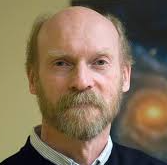 Hans Olofsson合作论文数Department of Space, Earth and Environment, Chalmers University of Technology60
 Roland Ottensamer合作论文数53
 Leen Decin合作论文数Institute of Astronomy, Department of Physics and Astronomy, Université Catholique de Louvain52
 Joris Blommaert合作论文数Remote Sensing Department, VITO;Department of Physics and Astrophysics, Vrije Universiteit Brussel45C. Waelkens合作论文数Instituut voor Sterrenkunde38
 Bart Vandenbussche合作论文数37Bernhard Aringer合作论文数34
 Pierre Royer合作论文数32
 Michael Barlow合作论文数Department of Physics and Astronomy, Faculty of Maths & Physical Sciences, University College London27W. Nowotny合作论文数27M. Mecina合作论文数26
 Susanne Hofner合作论文数Institutionen för Fysik Och Astronomi, Uppsala Universitet25Th. Posch合作论文数24
 Matthias Maercker合作论文数Stockholm Observatory;Center, AlbaNova University23Mayer Emeran A合作论文数20
 Mikako Matsuura合作论文数20Harald Mutschke合作论文数20B. M. Swinyard合作论文数20
 Tanya Louise Lim合作论文数Space Science Department;Rutherford Appleton Laboratory;Space Science Department|Rutherford Appleton Laboratory19
 Thomas Lebzelter合作论文数19E. De Beck合作论文数Instituut voor Sterrenkunde, K. U. Leuven19
 Wouter Vlemmings合作论文数Chalmers University of Technology19Alain Jorissen合作论文数18S. Regibo合作论文数17g olofsson合作论文数17
 Haley Gomez合作论文数School of Physics and Astronomy, Cardiff University17
 Katrina Exter合作论文数Instituto de Astrof ´ õsca de Canarias17
 P. C. Hargrave合作论文数Dept Phys & Astron, Cardiff Univ16J. A. Yates合作论文数16
 Michael Lindqvist合作论文数Onsala Space Observatory, Department of Space, Earth and Environment, Chalmers University of Technology16
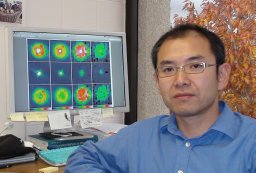 Toshiya Ueta合作论文数UIUC16
 Claudia Paladini合作论文数Inst Astron & Astrophys, Univ Libre Bruxelles16s ramstedt合作论文数15Walter Kieran Gear合作论文数School of Physics and Astronomy;Cardiff University;School of Physics and Astronomy, Cardiff University15B. Sibthorpe合作论文数15W. De Meester合作论文数15Helmut Feuchtgruber合作论文数15J Dorschner合作论文数14
 L.B.F.M. (Rens) Waters合作论文数Anton Pannekoek Institute of Astronomy, Faculty of Science, University of Amsterdam14
 Markus Wittkowski合作论文数European Southern Observatory14D. Ladjal合作论文数Instituut voor Sterrenkunde;Katholieke Universiteit Leuven14
 Jose Cernicharo合作论文数Instituto de Física Fundamental, Consejo Superior de Investigaciones Cientificas14
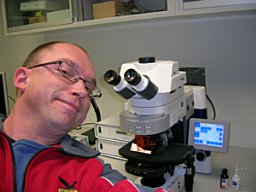 Thomas Posch合作论文数Institute of Zoology and Limnology;University of Innsbruck;Institute of Zoology and Limnology, University of Innsbruck14
 Albert Zijlstra合作论文数Labooratory for Space Research, The University of Hong Kong14
 R. Huygen合作论文数13
 Rob Ivison合作论文数European Southern Observatory;University of Edinburgh;Macquarie University;Dublin Institute for Advanced Studies13




