The geochemical and palynological study of a well-radiocarbon-dated core from the "Les Comailles" peat bog, located in the vicinity of slag heaps in the former iron-metallurgy district of Puisaye (Bourgogne-Franche-Comt & eacute; region, France), highlights the impact of metallurgical activities on vegetation cover from 2000 cal. BC to cal. AD 1740. The physico-chemical characterization of the peat bog demonstrated its reliability to be used as a chronological archive of past environmental changes. The study recorded evidence of atmospheric emissions of several metals, including arsenic, lead, or zinc, during the Late Bronze Age, even though no archaeometallurgical sites are currently known in the Puisaye district before the Early Iron Age, revealing the possible existence of punctuated bronze metallurgy in Puisaye. Forest clearance of Quercus was evidenced during the Second Iron Age and is related to the intensification of iron-metallurgy and crop cultivation. Comparison of palynological data from the Comailles core with charcoal analyses from slag heaps in the Puisaye district, supported the selection of wood for charcoal production during the Roman Empire and the Middle Ages, as some species present in the landscape are absent in anthracological spectra. We hypothesize that there was a spatial separation between metallurgy and crop activities in Puisaye. Compositional Data Analysis made on 13 trace elements (arsenic, cadmium, cobalt, chromium, copper, lanthanum, nickel, lead, rubidium, antimony, tin, zinc and zirconium) also highlighted two main changes of geochemical composition of peat samples, dated to the beginning of the Late Middle Ages and Modern Times, that could be related to archeologically known changes in iron-metallurgy processes and organization of iron-smelting sites at a regional scale. As forest cover inhibits identification of past settlements, further investigation is advised to identify former rural settlements.
Small plastic fragments (<5 mm, i.e., microplastics, MPs) accumulate in ecosystems, resulting in increasing concerns about their toxic effects in the terrestrial environment. While studies on MPs in the soil environment are expanding, gaps in knowledge still exist regarding their effects on soil (macro)organisms. Our study aimed to measure the response of Cantareus aspersus snails to long-term exposure to 0.1, 1 and 10 % w/w polyethylene (PE), polyamide (PA) or polystyrene (PS) particles in food. Overall, a concentration-dependent decrease in snail growth was observed, as was a general trend toward earlier maturity at low and middle MP concentrations. Mild (for PS) to severe (for PE and PA) effects on reproduction were detected but without a concentration-dependent trend. The fecundity was affected mainly by PE at 1 % (-32.9 %) and by PA at 1 % (-52.59 %), and their fertility was reduced by 43.9 % and 61.3 %, respectively. This decrease was related to increased survival, suggesting trade-offs in snail energy allocation and/or endocrine regulation. This study revealed that an environmentally relevant life-cycle assessment of toxic effects allows the detection of subtle effects regarding individual responses. These effects allowed us to demonstrate differential impacts on animal health status according to the polymer used and the exposure concentration.
Terrestrial systems are a significant sink for plastic contamination, including nano- and microplastics (NMPs). To date, limited information is available about the transfer of NMPs up the food web via trophic transfer, however, concerns about this exposure pathway for invertebrates and higher-level organisms have been raised. We aim to examine and quantify the trophic transfer of europium doped polystyrene nanoplastics (Eu-PS; NPs) within a terrestrial food chain. The uptake of 100 nm spherical Eu-PS particles from water through the roots of the plants to the leaves and finally to garden snails (Cantareus aspersus) was assessed. Lettuce (Lactuca sativa) was cultivated in Hoagland solution spiked with different concentrations of Eu-PS (15, 150 and 1500 μg/L) for three weeks. Then, lettuce shoots were used as food for snails for 19 days at a rate of 1 g of shoots per day. The Eu-PS primarily accumulated in the lettuce roots for all treatments, with a limited transfer to the shoots (only quantifiable in the highest treatment; translocation factor: TF < 1). No detectable levels of Eu-PS were found in the snails' digestive gland; however, the Eu-PS particles were detected in their feces (trophic transfer factor: TFF > 1). Moreover, only limited effects were observed on lettuce biomass by NPs treatments. No effects of the Eu-PS particles on snails were observed, with the exception of a consistent decrease in the shell diameter. Overall, our research illustrates that NPs can be absorbed by plants through their roots, subsequently transported to the shoots. However, our findings show limited transfer of NPs into snail tissues, but direct excretion into their feces. We provide an important insight into the potential transfer within the human food chain.
The combined contamination of terrestrial environments by metal(loid)s (MEs) and microplastics (MPs) is a major environmental issue. Once MPs enter soils, they can interact with MEs and modify their environmental availability, environmental bioavailability, and potential toxic effects on biota. Although research efforts have been made to describe the underlying mechanisms driving MP and ME interactions, the effects of MPs on ME bioavailability in terrestrial Mollusca have not yet been documented. To fill this gap, we exposed the terrestrial snail Cantareus aspersus to different combinations of polystyrene (PS) and arsenic (As), cadmium (Cd), or mercury (Hg) concentrations. Using kinetic approaches, we then assessed the variations in the environmental availability of As, Cd or Hg after three weeks of equilibration and in the environmental bioavailability of As, Cd or Hg to snails after four weeks of exposure. We showed that while environmental availability was influenced by the total ME concentration, the effects of PS were limited. Although an increase in As availability was observed for the highest exposure concentrations at the beginning of the experiment, the soil ageing processes led to rapid adsorption in the soil regardless of the PS particle concentration. Concerning transfers to snail, ME bioaccumulation was ME concentration-dependent but not modified by the PS concentration in the soils. Nevertheless, the kinetic approaches evidenced an increase in As (2- to 2.6-fold) and Cd (1.6-fold), but not Hg, environmental bioavailability or excretion (2.3- to 3.6-fold for As, 1.8-fold for Cd) at low PS concentrations. However, these impacts were no longer observable at the highest PS exposure concentrations because of the increase in the bioaccessibility of MEs in the snail digestive tract. The generalization of such hormetic responses and the identification of the precise mechanisms involved necessitate further research to deepen our understanding of the MP-mediated behaviour of MEs in co-occurring scenarios.
Massive use of pesticides in conventional agriculture leads to accumulation in soil of complex mixtures, triggering questions about their potential ecotoxicological risk. This study assessed cropland soils containing pesticide mixtures sampled from conventional and organic farming systems at La Cage and Mons, France. The conventional agricultural field soils contained more pesticide residues (11 and 17 versus 3 and 11, respectively) and at higher concentrations than soils from organic fields (mean 6.6 and 10.5 versus 0.2 and 0.6 mu g kg- 1, respectively), including systemic insecticides belonging to neonicotinoids, carbamate herbicides and broadspectrum fungicides mostly from the azole family. A risk quotient (RQi) approach evaluated the toxicity of the pesticide mixtures in soil, assuming concentration addition. Based on measured concentrations, both conventional agricultural soils posed high risks to soil invertebrates, especially due to the presence of epoxiconazole and imidacloprid, whereas soils under organic farming showed negligible to medium risk. To confirm the outcome of the risk assessment, toxicity of the soils was determined in bioassays following standardized test guidelines with seven representative non-target invertebrates: earthworms (Eisenia andrei, Lumbricus rubellus, Aporrectodea caliginosa), enchytraeids (Enchytraeus crypticus), Collembola (Folsomia candida), oribatid mites (Oppia nitens), and snails (Cantareus aspersus). Collembola and enchytraeid survival and reproduction and land snail growth were significantly lower in soils from conventional compared to organic agriculture. The earthworms displayed different responses: L. rubellus showed higher mortality on soils from conventional agriculture and large body mass loss in all field soils, E. andrei showed considerable mass loss and strongly reduced reproduction, and A. caliginosa showed significantly reduced acetylcholinesterase activity in soils from conventional agriculture. The oribatid mites did not show consistent differences between organic and conventional farming soils. These results highlight that conventional agricultural practices pose a high risk for soil invertebrates and may threaten soil functionality, likely due to additive or synergistic "cocktail effects".
Environmental risk assessment of contaminated soils requires bioindicators that allow the assessment of bioavailability and toxicity of chemicals. Although many bioassays can determine the ecotoxicity of soil samples in the laboratory, few are available and standardized for on-site application. Bioassays based on specific threshold values that assess the in situ and ex situ bioavailability and risk of metal(loid)s and polycyclic aromatic hydrocarbons (PAHs) in soils to the land snail Cantareus aspersus have never been simultaneously applied to the same soils. The aims of this study were to compare the results provided by in situ and ex situ bioassays and to determine their respective importance for environmental risk assessment. The feasibility and reproducibility of the in situ bioassay were assessed using an international ring test. This study used five plots located at a former industrial site and six laboratories participated in the ring test. The results revealed the impact of environmental parameters on the bioavailability of metal(loid)s and PAHs to snails exposed in the field to structured soils and vegetation compared to those exposed under laboratory conditions to soil collected from the same field site (excavated soils). The risk coefficients were generally higher ex situ than in situ, with some exceptions (mainly due to Cd and Mo), which might be explained by the in situ contribution of plants and humus layer as sources of exposure of snails to contaminants and by climatic parameters. The ring test showed good agreement among laboratories, which determined the same levels of risk in most of the plots. Comparison of the bioavailability to land snails and the subsequent risk estimated in situ or ex situ highlighted the complementarity between both approaches in the environmental risk assessment of contaminated soils, namely, to guide decisions on the fate and future use of the sites (e.g., excavation, embankments, and land restoration). Integr Environ Assess Manag 2022;18:539-554. © 2021 SETAC.
Over the course of history, mining and metallurgical activities have influenced the socioeconomic development of human populations. However, these past and current activities can also lead to substantial environmental contamination by various metals. Here, we used an interdisciplinary approach (incorporating archaeology, mineralogy, environmental chemistry and ecotoxicology) to investigate the origin, fate and potential ecotoxicity of anomalous manganese (Mn) concentrations detected in the ancient mining district of Berthelange (medieval period, eastern France). Mineralogical investigations of slag samples showed that smelting temperature conditions in medieval bloomeries led to the production of slags mainly composed of Fe- and Mn-rich olivine, i.e., fayalites. Further mineralogical analyses of bulk soil and clay fractions allowed us to identify the presence of serpentine. This evidence of olivine weathering can account for the release of Mn from slags into the soil. In addition, chemical analyses of total and available (exchangeable and reducible) Mn concentrations in soil samples clearly showed the contribution of slags deposited 1000 years ago to soil contamination. A complementary ecotoxicity bioassay performed on soils from a slag heap using the land snail Cantareus aspersus confirmed that a significant fraction of the Mn detected in soils remains available for partitioning with the soil solution and transfer to soil organisms. Although no growth inhibition of snails was observed after 28 days of exposure, the animals accumulated quite elevated Mn concentrations in their tissues. Our study emphasizes the environmental availability and bioavailability of Mn from ancient metallurgical wastes to soil-dwelling invertebrates, i.e., snails, even one millennium after their deposition. Hence, as for more recent industrial sites, past mining ecosystems must be a cause of concern for the scientific community and public authorities.
An accurate assessment of the environmental risk of soils contaminated by metal(loid)s (MEs) requires quantifying exposure and knowing the toxicity of contaminants transferred to biota. For this purpose, two indices have been developed with the bioindicator Cantareus aspersus to assess exposure (SET: sum of the excess of transfer) and risk (ERITME: evaluation of the risk of the transferred metal elements) of multi-contaminated soils. If the SET and ERITME indices allow characterization of exposure and risk based on unspecific toxicity points, then the link between these indices and real effects on some toxicological endpoints, such as growth or sexual maturation, remains to be demonstrated. For this purpose, sub-adult snails were exposed for 28 days to 38 ME-contaminated soils. Relationships between the SET and/or ERITME indices and health alterations in C. aspersus were determined using Spearman correlations, linear regressions, univariate regression trees, and kinetic models. Relationships were determined between the values of the SET and ERITME indices, bioaccumulation as an indicator of ME bioavailability, and the alteration in physiological endpoints, such as the shell development used as a non-invasive indicator of sexual maturation. The results enabled the determination of three levels of risk according to the differences in reaching sexual maturity: no risk, uncertain, and proven risk depended on whether the value of ERITME was below, in, or beyond the interval [2574–22720], respectively. This study provides the first benchmarks with the SET and ERITME indices to interpret the risk of contaminated soils to snails and to relate the environmental and toxicological bioavailability of ME mixtures.
To date, no study has linked the environmental and the ecogenotoxicological bioavailability of contaminants to land snails. Yet, understanding the specific ecotoxicological mechanisms from bioaccumulation to genotoxicity is necessary e.g., to build an adverse outcome pathway relevant to risk assessment. Consequently, the aim of our study is to look for relationships between accumulated concentrations of As, Cd and Hg in sub-adult snails and ecotoxicological effects at the individual (survival and growth) and molecular (genomic stability) levels. This study combines random amplified polymorphic DNA (RAPD) coupled with high-resolution capillary electrophoresis system (HRS) and micronucleus (MN) assay on haemocytes to consider various types of cytogenomic damage, such as chromosomal aberrations, breakages, adducts and mutations. The results showed alteration of the individual endpoints at higher accumulation quotients (AQs) that reflect the excess of transfers to snails, especially with decreased survival for As. In addition, genotoxic effects were observed with an increased occurrence of MN in haemocytes for the three meta(loid)s considered (R2 from 0.57 to 0.61 as a function of the meta(loid)s). No concentration-dependent decrease in genome stability was highlighted by RAPD-HRS in snails exposed to As and Cd but not Hg. Our results demonstrate the complementarity of the RAPD-HRS and the MN assay for understanding the different genotoxic mechanisms of the three metal(loid)s studied in land snails. They show a way to better assess environmental risks of contaminated soils by associating ecotoxicity, genotoxicity and bioaccumulation assays (ISO 24032), i.e., ecogenotoxicological bioavailability. Convergences highlighted here between the bioaccumulation of metal(loid)s in viscera and genotoxic effects in haemocytes constitute a way to better assess the bioavailability of contaminants in soils to the land snail and the subsequent environmental risk.
Plastic has become the most widespread human-made material and small fragments (< 5mm, so called microplastics, MPs) accumulate in all the ecosystems. It is now admitted that the terrestrial environment represents an important sink for MPs and it has only recently become the focus of research, notably in ecotoxicology. In spite of a growing body of evidence regarding the potential effects of MPs on soil biota, more efforts are needed to address issues in this field. The aim of our study was to measure, at different levels of biological organization, the responses of Cantareus aspersus snail to low-density polyethylene (LDPE) particles dispersed in their food. Juvenile snails were exposed to a range of LDPE concentrations (10, 25, and 50% v/v) and sizes (median particle size (d50) of 120, 292, 340, and 560 μm). This study showed no snail feeding avoidance toward LDPE. The ingestion and digestion processes along the snail digestive tract did not lead to a measurable fragmentation of the MP particles. At the individual scale, big sized particles improved growth at the lowest exposure concentration tested, whereas at the molecular level, only small sized particles triggered oxidative stress but without causing quantifiable cyto- or genotoxic effects. The underlying mechanisms remain to be elucidated which strengthens the necessity to improve our knowledge on the effects of MPs on various biological models to better evaluate their environmental risks in terrestrial environments.
Over the course of history, the development of human societies implied the exploitation of mineral resources which generated huge amounts of mining wastes leading to substantial environmental contamination by various metal(loid)s. This is especially the case of coal mine tailings which, subjected to weathering reactions, produce acid mine drainage (AMD), a recurring ecological issue related to current and past mining activities. In this study, we aimed to determine the origin, the fate and the ecotoxicity of metal(loid)s leached from a historical coal tailing heap to the Beuveroux river (Franche-Comté, France) using a combination of mineralogical, chemical and biological approaches. In the constitutive materials of the tailings, we identified galena, tetrahedrite and bournonite as metal-rich minerals and their weathering has led to massive contamination of the water and suspended particles of the river bordering the heap. The ecotoxicity of the AMD has been assessed using Chironomus riparius larvae encaged in the field during a one-month biomonitoring campaign. The larvae showed lethal and sub-lethal (growth and emergence inhibition and delay) impairments at the AMD tributary and near downstream stations. Metal bioaccumulation and subcellular fractionation in the larvae tissues revealed a strong bioavailability of, notably, As, Pb and Tl explaining the observed biological responses. Thus, more than 70 years after the end of mining operations, the coal tailings remain a chronic source of contamination and environmental risks in AMD effluent receiving waters.
Past and present metallurgical activity is the origin of the metallic contamination of some current soils. The purpose of this research is to assess the environmental risk of ancient Fe smelting wastes to the terrestrial compartment. For this purpose, two study sites were investigated in Bourgogne-Franche Comté (France). For each site, the soil contamination (Co, Cu, Fe, Mn, Ni and Zn) and the mobility of each metal from the slag to the topsoils were assessed. The principal results show that the topsoils are particularly enriched in Fe and Mn compared to the reference soils. The bulk chemistry of the slag showed high Fe and Mn content related to the mineralogy of slags, in which the minerals include fayalite, spinel, wustite and glass. In the topsoils, we also observed newly formed minerals (clay minerals, goethite and hematite), which were absent in the reference soils. The presence of slag microfragments in soils and the partial weathering of slags, which contributed to the release of metals in the soils, can explain the contribution of slags to the current contamination of soils. The extensive study of a depth profile from Puisaye showed a low vertical diffusion of the released metal in the heap substratum. We also investigated the fractionation of metals in soils and their environmental availability. The results showed that Mn is generally present in reducible forms or associated with the residual fraction but is less adsorbed to the organic matter (OM) or present in easily exchangeable forms. In contrast, the low extractability of Fe indicates that it is mostly bound to the residual (i.e., mineral) fraction. Based on the easily exchangeable metal concentrations measured in soils, low to medium ecological risks were identified at the sites investigated.
Ultramafic sediments exhibit high levels of geogenically-derived and potentially toxic metals, with Ni, Cr and Co often exceeding benchmark values. As yet, a holistic understanding of the bioavailability, mobility, potential ecotoxicity and trophic transfer of trace elements in both benthic and pelagic food chains in aquatic ultramafic environments (UME) is lacking. We investigated potential environmental health issues due to metal contamination by jointly implementing chemical, ecological and toxicological tools, along the Albanian shoreline of Lake Ohrid. It is an aquatic system of worldwide importance, representative of temperate UME with a legacy of Ni and Cr contamination from mining activities. Levels of Ni, Cr, Cd, Cu, Co, Fe, Mn and Zn were determined in waters, sediments and native biota. The potential environmental mobility of sediment-bound elements was further assessed using CaCl2, EDTA and acetic acid extractions. Whole-sediment ecotoxicity tests were also carried out using ostracods and chironomids, according to standardized procedures. Despite Ni and Cr concentrations above the sediment quality guidelines for probable effect levels, we did not observe ecotoxic effects in laboratory tests. However, these elements were bioavailable to native organisms under field conditions, especially to benthic primary producers in direct contact with sediments (up to 139 mg Cr kg- 1 and 785 mg Ni kg-1). Although biomagnification was not observed, further investigations of metal translocation, metabolism and elemental trophic transfer along benthic food webs appears to be a general research priority in the management of temperate UME. The present study shows that proper management of temperate UME requires not only the integration of data from different lines of evidence, but also laboratory vs. field approaches to understand the subtler, long-term effects of increased elemental body burdens in native organisms.
Mineral resource exploitation by human societies throughout history led to the deposit of mining and smelting wastes and the subsequent contamination of surrounding soils by trace metals. After several centuries, the impact of these legacy hazardous wastes may remain a cause of environmental concern, especially for indigenous soil invertebrate populations such as earthworms. Therefore, we conducted a passive biomonitoring campaign in a former metallurgical district (Vosges Mountains, eastern France). According to community descriptors, we evidenced a significant decrease of anecic and endogeic earthworm density in the former mining stations. To link these results to soil contamination and bioaccumulation levels in earthworm tissues, we propose an original modelling approach using nonlinear mixed-effects regression models. Beyond a dose-response relationship between metal internal concentrations and their levels in soils, we highlighted contrasted behaviors according to ecological groups (epianecics and endogeics most impacted). We interpreted these results in relation to some eco-physiological features without completely exclude the influence of textural characteristics of soil, especially for deep-burrowing species such as anecic strict. Nonetheless, the presence of earthworm populations currently living in highly contaminated sites and handling elevated internal concentrations raises the question of the acquisition of genetic adaptive traits and the trophic transfers of metals.
Telomeres (TLs) are non-coding DNA sequences that are usually shortened with ageing and/or chemical exposure. Bioindicators such as the land snail can be used to assess the environmental risk of contaminated soils. As for most invertebrates, the evolution of TLs with ageing or exposure to contaminants is unknown in this mollusc. The aims of this study were to explore the relationships between ageing, contaminant exposure, sublethal effects and TL length in the terrestrial gastropod Cantareus aspersus. TL length was investigated in haemocytes from five age classes of C. aspersus. The impact of contaminants on sub-adult snails exposed to Cd, Hg or a mixture of polycyclic aromatic hydrocarbons (PAHs) in soils for one or two months was studied. Bioaccumulation, growth, sexual maturity and TLs were measured. TL attrition was significant for the juvenile and sub-adult stages, but not later. Exposure to Cd increased the mortality (around 30%). Exposure to polluted soils inhibited growth (19-40%) and sexual maturity (6-100%). Although the health of the snails exposed to Cd, Hg and PAHs was altered, TL length in haemocytes was not disturbed, suggesting a high capacity of this snail species to maintain its TLs in haemocytes under chemical stress. These results first address TL length in snails and reveal that the relationship commonly proposed for vertebrates between TL shortening and ageing or exposure to contaminants cannot be generalized.
 Annette de Vaufleury合作论文数32
 Benjamin Pauget合作论文数16
 Michael Coeurdassier合作论文数Department of Environmental Biology, University of Franche-Comté16
 Anne-Véronique Walter-Simonnet合作论文数Laboratoire de Géosciences, UFR des Sciences et Techniques11
 Anne-Lise Mariet合作论文数10
 Renaud Scheifler合作论文数10Carole Begeot合作论文数10
 Maxime Louzon合作论文数Dept Chronoenvironm, Univ Bourgogne Franche Comte9
 Pierre-Marie Badot合作论文数Department of Environmental Biology, University of Franche-Comté9Nadia Crini合作论文数7
 Clementine Fritsch合作论文数7Nadia Morin-Crini合作论文数7
 Grégorio Crini合作论文数Chrono-Environment Laboratory, University of Franche-Comté6
 Lotfi Aleya合作论文数5
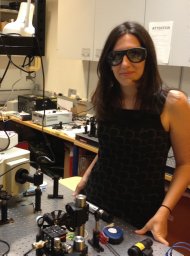 Caroline Amiot合作论文数Lab Photon, Tampere Univ4Francis Douay合作论文数4P. Fluck合作论文数King's College4
 Flavien Choulet合作论文数Institut des Sciences de la Terre d’Orléans (ISTO),, Université d’Orléans-CNRS/INSU4
 Mickael Hedde合作论文数UR251 PESSAC, INRA4Davide A. L. Vignati合作论文数4Laurence Alaoui-Sehmer合作论文数3
 Mohamed Bourioug合作论文数3Joseph Gauthier合作论文数3
 Badr Alaoui-Sosse合作论文数3
 Quentin Petitjean合作论文数Lab Ecol Fonct & Environm, Univ Toulouse3
 Benoit J D Ferrari合作论文数3
 Lea Beaumelle合作论文数UR 251 PESSAC, INRA3J. Dominik合作论文数3
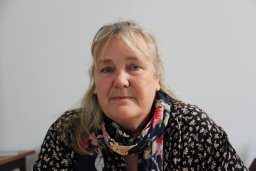 Isabelle Lamy合作论文数UR 251 Unité PESSAC, INRA3Dominique Rieffel合作论文数3Stephane Guedron合作论文数Environmental Geochemistry Group LGIT, University of Grenoble3Franck Vandenbulcke合作论文数2Céline Druart合作论文数2Romain Colpaert合作论文数2Elena Patriarca合作论文数2
 Rebecca Beauvais-Fluck合作论文数2Cécile Grand合作论文数2Etienne Chanez合作论文数2
 Mohammed Benbrahim合作论文数2Honorine Gauthier-Manuel合作论文数2
 Laura Garzoli合作论文数IRSA2
 Aurelie Pelfrene合作论文数2
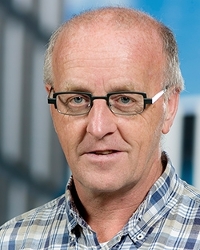 Willie Peijnenburg合作论文数Center Environmental Sciences, Faculteit der Wiskunde en Natuurwetenschappen, Universiteit Leiden;Center for Safety of Substances and Products, National Institute for Public Health and the Environment;School of Human and Environmental Sciences, University of Reading2
 Olivier Faure合作论文数2Estelle Camizuli合作论文数2S. Maas合作论文数2Paolo Debernardi合作论文数Parco Regionale La Mandria2
 Bernard Martel合作论文数Laboratoire de Chimie Organique et Macromoléculaire, Université des Sciences et Technologies de Lille2
 Martina G. Vijver合作论文数University of Leiden Institute of Environmental Sciences2




