Objectives Using intravascular ultrasound (IVUS) and histomorphometry, this study sought to evaluate the potential of nonatherosclerotic porcine coronary arteries to undergo progressive lumen gain and a return of pulsatility after implantation with an everolimus-eluting bioresorbable vascular scaffold (BVS).Background Unique benefits such as lumen gain and restored vasomotion have been demonstrated clinically after treatment with BVS; however, a more rigorous demonstration of these benefits with a randomized clinical trial has not yet been conducted.Methods Seventy nonatherosclerotic swine received 109 everolimus-eluting BVS and 70 everolimus-eluting metal stents randomized among the main coronary arteries. Arteries were evaluated in vivo by angiography and IVUS and post-mortem by histomorphometry at time points from 1 to 42 months.Results From 1 to 6 months, both BVS- and everolimus-eluting metal stent-implanted arteries demonstrated stable lumen areas (LAs). From 12 months to 42 months, there was a progressive increase in the LA of arteries implanted with a BVS as assessed by histomorphometry and IVUS. This lumen gain in the implanted segment corresponded to an increase in the reference vessel LA. Normalization in the in-segment LA (LA: reference vessel LA) was observed qualitatively by angiography and quantitatively by IVUS. Additionally, BVS-implanted arteries demonstrated restored in-segment pulsatility on the basis of IVUS assessment of the differences in the mid-scaffold area between end-diastole to end-systole.Conclusions Starting at 12 months, BVS-implanted porcine coronary arteries underwent progressive lumen gain and showed restored pulsatility. These benefits demonstrated preclinically may translate into improvements in long-term clinical outcomes for patients treated with BVS compared with conventional drug-eluting stents. (C) 2014 by the American College of Cardiology Foundation
Background—The Absorb everolimus-eluting bioresorbable vascular scaffold (Absorb) has shown promising clinical results; however, only limited preclinical data have been published. We sought to investigate detailed pathological responses to the Absorb versus XIENCE V (XV) in a porcine coronary model with duration of implant extending from 1 to 42 months. Methods and Results—A total of 335 devices (263 Absorb and 72 XV) were implanted in 2 or 3 main coronary arteries of 136 nonatherosclerotic swine and examined by light microscopy, scanning electron microscopy, pharmacokinetics, and gel permeation chromatography analyses at various time points. Vascular responses to Absorb and XV were largely comparable at all time points, with struts being sequestered within the neointima. Inflammation was mild to moderate (with absence of inflammation at 1 month) for both devices, although the scores were greater in Absorb at 6 to 36 months. Percent area stenosis was significantly greater in Absorb than XV at all time points except at 3 months. The extent of fibrin deposition was similar between Absorb and XV, which peaked at 1 month and decreased rapidly thereafter. Histomorphometry showed expansile remodeling of Absorb-implanted arteries starting after 12 months, and lumen area was significantly greater in Absorb than XV at 36 and 42 months. These changes correlated with dismantling of Absorb seen after 12 months. Gel permeation chromatography analysis confirmed that degradation of Absorb was complete by 36 months. Conclusions—Absorb demonstrates comparable long-term safety to XV in porcine coronary arteries with mild to moderate inflammation. Although Absorb was associated with greater percent stenosis relative to XV, expansile remodeling was observed after 12 months in Absorb with significantly greater lumen area at ≥36 months. Resorption is considered complete at 36 months.
Kamberi, Michael Frie, Jin Wang, Kenichi Sakakura, Kazuyuki Yahagi, Elena Ladich, Richard Fumiyuki Otsuka, Erica Pacheco, Laura E.L. Perkins, Jennifer P. Lane, Qing Wang, Marika Cobalt-Chromium XIENCE V Stent in a Porcine Coronary Artery Model Long-Term Safety of an Everolimus-Eluting Bioresorbable Vascular Scaffold and the Print ISSN: 1941-7640. Online ISSN: 1941-7632 Copyright © 2014 American Heart Association, Inc. All rights reserved. Avenue, Dallas, TX 75231 is published by the American Heart Association, 7272 Greenville Circulation: Cardiovascular Interventions doi: 10.1161/CIRCINTERVENTIONS.113.00099
A reproducible animal model of calcified atherosclerotic plaque exhibiting properties similar to those observed in the human population has proven difficult to develop. We therefore investigated the use of a bone marrow plug, placed interventionally in the coronary and peripheral arteries, to
 Lane Jennifer P合作论文数3
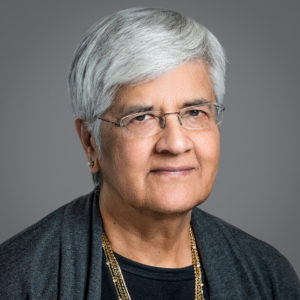 Renu Virmani合作论文数CVPath Institute Inc.3
 Laura Elizabeth Leigh Perkins合作论文数3Erica Pacheco合作论文数3Kazuyuki Yahagi合作论文数2Frank D. Kolodgie合作论文数CVPath Institute2Elena Ladich合作论文数2
 Richard Rapoza合作论文数Abbott2Fumiyuki Otsuka合作论文数2Kenichi Sakakura合作论文数Saitama Medical Center, Jichi Medical University2Marika Kamberi合作论文数1
 Mark Smith合作论文数1Wang Qing合作论文数1
 Byron Lambert合作论文数Abbott Vascular1
 Qing Wang (汪晴)合作论文数School of Chemical Engineering, Dalian University of Technology1Jin Wang合作论文数1
 Alexander Sheehy合作论文数1




