Precise regulation of crystallinity in MoS2/PEEK self-lubricating composites fabricated via laser powder bed fusion (LPBF) is critical for meeting the region-specific mechanical and tribological requirements within a single component. In this study, crystallinity regulation and crystallinity-gradient construction were achieved in LPBF-fabricated MoS2/PEEK composites by tailoring single and repeated scanning strategies. The effects of scanning strategy on crystallinity, mechanical properties, porosity, thermo-mechanical stress, and tribological behavior were systematically investigated. The optimized 17 + 10 W repeated-scanning strategy produced the highest crystallinity of approximately 45%, with a maximum Shore D hardness of 93 HD and tensile strength of approximately 99 MPa. Lower crystallinity promoted rapid transfer-film formation and reduced the coefficient of friction (COF) to approximately 0.05, whereas higher crystallinity enhanced wear resistance. By spatially programming low- and high-crystallinity regions, crystallinity-gradient components were fabricated and exhibited an ultralow COF while maintaining high tensile strength; the X-direction gradient also achieved a low wear rate of approximately 0.37 × 10⁻⁵ mm3/N·m. This work provides a feasible strategy for spatially programmable mechanical and tribological performance in LPBF-fabricated self-lubricating polymer composites.
Aiming to predict the occurrence of cracks in additively manufactured (AM) Ni-based superalloys, this study proposed a novel integrated multi-cracking susceptibility model and index (CSI). The model comprehensively accounts for key thermophysical and microstructural factors, including the viscosity of the alloy melt, the presence of carbides and gamma/gamma ' eutectic, as well as the influence of stacking fault energy and grain boundary (GB) energy on crack formation during rapid solidification of AM. To experimentally validate the susceptibility model, CM247LC superalloys with varied (Hf+C) contents were fabricated via laser-based powder bed fusion (LB-PBF), with their cracking behavior systematically quantified. Predictions revealed that crack susceptibility initially decreased and then increased with rising (Hf+C) content, fully corroborated by experimental results. Notably, the addition of 1 wt% (Hf+C) resulted in a significant reduction in cracks, yielding minimum crack length and area densities of 0.004 mm/mm(2) and 0.017 %, respectively. The healing effect on cracks is attributed to two synergistic mechanisms: the backfilling effect of the Hf-rich eutectics into cracks and the dispersionstrengthening effect of more fine carbides along the GBs. The predictive capability and generalizability of the proposed CSIs were validated via literature-derived machine learning, demonstrating that CSISC achieves 20 % higher accuracy than Kou's classical criterion. The developed model shows significant potential for capturing the complex cracking behavior and guiding the design of crack-free AM superalloys.
Weldable superalloys are well-suited for additive manufacturing; however, their typically low (Al + Ti) content often leads to inadequate high-temperature strength for demanding aerospace applications. To overcome this limitation, xTaC/GH4099 composites were fabricated in this study via wet ball milling and powder bed fusionlaser beam (PBF-LB). The influence of TaC content on microstructure and tensile properties was systematically investigated. With the transition from epitaxial to randomly oriented equiaxed growth, the 2TaC/GH4099 composite experienced a multi-element synergistic diffusion process: Ta dissolved into the matrix, while Ti, W, and Mo migrated into TaC, resulting in a dual-phase carbide structure comprising MC and M23C6. Dislocation cells and loops were also discovered. This microstructural evolution improved the high-temperature load resistance via the combined effects of solid-solution strengthening, Orowan strengthening, and CTE mismatch mechanisms. As a result, the 2TaC/GH4099 composite achieved an ultimate tensile strength of 528.7 MPa at 900 degrees C-a 27% improvement over the pure GH4099 alloy (415.5 MPa)-along with a 73% increase in elongation (from 3.0% to 5.2%). However, when the TaC content exceeded 3 wt%, coarse script-like MC carbides became the dominant phase, causing severe degradation of high-temperature ductility and inducing embrittlement. This work clarifies the microstructural evolution and strengthening mechanisms in TaC-reinforced GH4099 composites prepared by PBF-LB, offering valuable guidance for the design of high-performance metal matrix composites for short-term high-temperature tensile performance.
Single-crystal (SX) turbine blades are widely used in aerospace turbine engines owing to their excellent high-temperature performance and creep resistance. However, they are exposed to harsh service environments, resulting in various forms of damage, such as wear, cracking, surface ablation, and corrosion, during service. In conventional engine maintenance, the damaged turbine blades are typically replaced by new ones. However, this approach is extremely cost-intensive and leads to significant wastage of resources and energy. Laser-directed energy deposition (L-DED) offers an advanced and efficient solution for repairing SX turbine blades, enabling the regeneration of SX microstructures or restoration of high-performance components, thereby significantly reducing repair costs and extending the blade service life. This paper systematically reviews the current research on L-DED repair technologies for SX turbine blades. Beginning with the theoretical basis of solidification, the competition between epitaxial growth and columnar-to-equiaxed transition (CET) in solidification dynamics is addressed, and the effects of process parameters on the repair of SX turbine blades are elucidated. Focusing on the multi-scale and multi-physics phenomena in the melt pool during repair, the relationship between the melt-pool characteristics and solidification microstructure is thoroughly discussed. In addition, the current methods for evaluating the repair performance and intelligent techniques for repair are summarized. Finally, the directions for future development are discussed, providing theoretical support for further advances in the repair of SX turbine blades by L-DED.
The misaligned grain, macroscopically characterized by a deviation of the grain boundaries from the principal stress direction, is a common defect in directionally solidified (DS) columnar-grained turbine blades. However, the influence of misaligned grain defects on the high-temperature mechanical properties is unclear. This study investigates the high-temperature tensile properties at 650 degrees C and 950 degrees C of the DZ409 superalloy to explore the relationship between the grain boundary deviation angle and high-temperature performance. The results indicate that at 650 degrees C, the yield strength and elongation decrease gradually with increasing deviation angle by approximately variations of 102 MPa and 1.8 %, respectively. In contrast, at 950 degrees C, the deviation angle has a negligible effect on yield strength with an increase of 29 MPa and elongation with a reduction of 1.1 %. This discrepancy in the influence of deviation angle on tensile properties at different temperatures is attributed to a difference in fracture mechanisms. This study provides a new insight into the impact of misaligned grain defects on high-temperature performance from angle dependence and temperature dependence.
In sectors such as aerospace and precision instruments, ceramic matrix composites are increasingly preferred for developing new lightweight high-temperature components. A critical technological challenge lies in managing their thermal expansion under high-temperature or large-temperature-difference conditions. Traditional singlematerial or structural approaches struggle to achieve tunable thermal expansion, while metamaterial designs based on materials with different coefficients of thermal expansion (CTE) face complex structural and manufacturing hurdles. Additive manufacturing (AM), particularly vat photopolymerization (VPP) multimaterial forming technology, offers a novel pathway for fabricating high-performance tunable thermal expansion metamaterials. This research introduces a methodology for designing, manufacturing, and characterizing near-zero expansion metamaterials made of silicon carbide (SiC) ceramics, ideal for high-temperature or rapid thermal cycling environments. Initially, theoretical models for bending-dominated and tensile-dominated nearzero expansion metamaterials were developed based on two types of SiC-based ceramics with distinct experimental CTEs, yielding optimal theoretical CTEs of 0 ppm/K and 1.6 ppm/K, respectively. Subsequently, by employing our proposed additive manufacturing technique that combines our proprietary dual-material VPP technology with liquid silicon infiltration (LSI) sintering, both metamaterials were precisely produced. Hightemperature digital image correlation (DIC) measurements showed that the bending-dominated metamaterial exhibited an effective CTE of 0.76-0.96 ppm/K over the investigated temperature range. In addition, a representative high-temperature DIC measurement of the stretching-dominated metamaterial from 20 degrees C to 400 degrees C yielded an effective CTE of 1.53 ppm/K, close to the theoretical value of 1.6 ppm/K. This result demonstrates the near-zero thermal expansion can be programmed into SiC-based ceramic metamaterials through the coupled design of constituent materials, lattice architecture, and deformation mechanism and validates the feasibility of our VPP additive manufacturing with LSI sintering strategy. This study offers solutions for structural design and additive manufacturing to tailor the performance of high-temperature-stable metamaterials, providing valuable insights for developing lightweight, precisely controllable materials for extreme environmental applications.
Ceramic matrix composites(CMCs)are regarded as promising high-temperature materials for industrial applications due to their exceptional properties at elevated temperatures.However,their limited manufacturability restricts their capability to be produced as complex,large-scale structural components.Ni-based superalloys are well-known for their outstanding performance under high-temperature conditions.The integration of these two material types to create hybrid components can significantly broaden their applications in engineering.A critical challenge arises from the interfacial residual stresses that develop at the joints of CMCs and Ni-based superalloys,which can severely impair the performance of the hybrid components.The mechanisms behind the formation of residual stress in CMCs/Ni-based superalloys joints are reviewed,including thermal expansion coefficient(CTE)mismatch,thermal gradient difference,and phase transformation,and various methodologies for alleviating these stresses are summarized,including interlayer techniques,composite filler approaches,and interface structure design strategies.Finally,the challenges and future trends in mitigating interfacial stress in CMCs/Ni-based superalloys joints are discussed.
Polyether-ether-ketone (PEEK) motion components face significant challenges related to complex structural fabrication and high-temperature lubrication in aerospace and automotive engineering. Additive manufacturing of PEEK-based self-lubricating composites provides an effective solution to these issues. In this study, hexagonal boron nitride (h-BN) was incorporated into PEEK and fabricated via laser powder bed fusion (LPBF) to enhance its mechanical and high-temperature tribological performance. The incorporation of h-BN improves the powder flowability and packing efficiency and promotes the crystallization, thermal conductivity, and mechanical reinforcement of PEEK. The 10 wt% h-BN/PEEK self-lubricating composite exhibits the best overall performance, achieving a compressive strength of 190 MPa, a tensile strength of 90.5 MPa, and a hardness improvement of 11 % compared with pure PEEK. Moreover, the same formulation demonstrated exceptionally low coefficients of friction and wear rates across both ambient and elevated temperatures (100-200 degrees C), with reductions exceeding 65 % relative to pure PEEK. It is attributed to the easy-shear nature of the layered h-BN and the formation of a continuous transfer film, while molecular dynamics simulations confirm that h-BN promotes interfacial slip, structural stability, and efficient heat dissipation in the composite. This work provides new insights into the design and LPBF fabrication of high-performance polymer-based self-lubricating composites for hightemperature applications in extreme environments.
Objective This paper investigates the application of 316L stainless steel in powder bed fusion with laser beam (PBF-LB) technology, focusing on the effects of different powder layer thicknesses on printing quality and mechanical properties. The influence of a gradient layer thickness design on residual stress in the printing of thin-walled structural features is also studied. It is found that powder layer thickness and laser energy density jointly regulate forming density and surface roughness. The density initially increases and then decreases with increasing laser energy density. As layer thickness increases, the optimal energy density decreases. For layer thicknesses of 40, 60, and 80 & micro;m, the optimal energy densities are 66.667, 50, and 34.722 J/mm(3), respectively. Deviation from the optimal energy density range induces defects. Surface roughness is governed by the combined effects of upper surface melt track morphology and side surface stair-step effect; increasing layer thickness deteriorates surface quality. Mechanical property tests indicate that under single-layer thickness printing conditions, both yield strength and tensile strength increase with increasing layer thickness, while elongation after fracture decreases. Under variable layer thickness conditions, the yield strength and tensile strength are determined by the layer thickness with the lower strength within the combination. Through process screening and optimization, high-quality printing can be achieved while improving printing efficiency. For thin-walled features, the impacts of different layer thicknesses on residual stress are clarified, and the optimal layer thickness combination scheme is determined through experimental comparison. Methods This study employs a PBF-LB system to fabricate specimens using three distinct layer thicknesses (40, 60, 80 & micro;m). The printed specimens undergo density and surface roughness measurements to identify the optimal process parameters for each layer thickness. Based on the optimized parameters, thin-walled structural features are subsequently manufactured. The deformation of the structure is precisely characterized using micro-computed tomography (micro-CT). The research further analyzes the influence of layer thickness on both the quality and efficiency of the manufacturing process. Results and Discussions This study defines the optimal processing parameters for three distinct layer thicknesses, all achieving densities exceeding 99%. The thermal accumulation process resulting from different layer thickness combinations is investigated for specific structural features. The 60-80 & micro;m layered combination is identified as optimal for thin-walled structures, effectively balancing printing efficiency and deformation control through graded layer thickness design. This approach provides a novel strategy for large-scale, high-quality, and high-efficiency PBF-LB manufacturing. Furthermore, the research confirms that direct layer thickness variation without special interventions maintains mechanical performance, ensuring that efficiency improvements remain compatible with practical application requirements. Conclusions This study systematically investigates the influence of layer thickness and energy density on the quality and mechanical properties of 316L stainless steel fabricated by PBF-LB. Key findings are summarized as follows: Layer thickness significantly affects the optimal energy density and surface quality. The optimal energy densities for 40, 60, and 80 & micro;m layer thicknessess are 66. 667, 50, and 34.722 J/mm(3), respectively. Deviation from these values introduces defects such as lack-of-fusion pores and keyhole porosity. Surface roughness increases with increasing layer thickness due to melt track morphology and stair-step effects. Under uniform layer thickness conditions, yield strength and tensile strength increase with increasing layer thickness, while elongation decreases. For variable layer thickness samples, the mechanical properties are dominated by the weakest layer in the structure. A 60-80 & micro;m layered strategy achieves high quality in thin-walled structures by balancing thermomechanical coupling effects. This approach ensures high density with medium layers and improves efficiency with thicker layers, enabling the synergistic optimization of precision and productivity.
Organic-inorganic hybrid copper-based metal halides have attracted considerable interest as luminescent materials in applications such as information encryption, fingerprint detection, and light-emitting diodes (LEDs), owing to their remarkable structural diversity and optical tunability. Here, we designed and synthesized 0D (C21H22N)6(H2PO2)4HCu2I4 & sdot;I (abbreviated as TPCI), which exhibits a bright broad-band blue emission at RT, which is composed of a HE emission band at 468 nm and a LE emission band at 674 nm. Moreover, TPCI exhibits outstanding water resistance, maintaining its PL intensity essentially unchanged even after immersion in water for one week. This characteristic renders it highly suitable for applications in humid or complex environments, such as fingerprint detection. Furthermore, TPCI displays a dynamic luminescent transition from blue to yellowgreen light under thermal stimulation at 120 degrees C. Leveraging this stimulus-responsive behavior, we designed a multi-level anti-counterfeiting strategy: the blue light emission of TPCI at room temperature serves as the initial public information, while the yellow-green light activated by heat functions as an encrypted channel that is unlocked, thereby establishing a highly secure, temperature-modulation-based dynamic information encryption platform. Simultaneously, the material possesses excellent luminescent properties; a white light-emitting diode fabricated by encapsulating TPCI achieves high-quality white-light emission with a color rendering index as high as 90.3. This work not only develops a new type of copper-based metal halide, but also expands a potential multifunctional application of copper-based metal halides.
To address the manufacturability challenges of silicon carbide fiber-reinforced silicon carbide (SiCf/SiC) composites and to enhance their industrial applications, this study developed an active unidirectional casting technology to in-situ join SiCf/SiC composites with Ni-based single crystal (SC) CMSX-6 superalloy. The macro-and microstructure, as well as the high-temperature tearing performance of the joint, were investigated. The results demonstrated the successful fabrication of defect-free SiCf/SiC/SC CMSX-6 joints. The in-situ generated CMSX-6 portion displayed a SC structure, with a maximum crystallographic misorientation of approximately 8.34 degrees from the favored [001] orientation of Ni-based SC superalloys. A reaction interlayer composed of a nickel matrix, along with TiC, Cr3C2, and Ni31Si12 phases, formed between the SiCf/SiC and superalloy, exhibiting a crystallographic orientation close to [101]. The maximum shear strength of the joining interface at 800 degrees C achieved approximately 25 MPa, which exceeds the interlaminar bonding strength of the SiCf/SiC composite. This desirable performance is ascribed to the combined effects of the pinning mechanism, which arises from the infiltration of molten CMSX-6 into SiCf/SiC composite, and the reduction of residual thermal stress afforded by the graded interface formed during joining.
Surface recrystallization(RX) is a typical grain defect observed in directionally solidified(DS) Ni-based superalloys. Most studies have focused on the RX behavior and its impact on the mechanical properties of single-crystal(SC) superalloys, with limited research on its influence on the high-temperature mechanical properties of DS superalloys. This study systematically investigated the effect of RX on the high-temperature tensile properties of a DS DZ409 superalloy. The results show that at 650℃, the yield strength decreases almost linearly with an increase in RX fraction. A significant reduction in elongation is observed as the RX fraction increases from 0% to 4.9%. However, beyond this point, further increase in RX fraction leads to minimal changes in elongation. At 950℃, both yield strength and elongation decrease as the RX fraction increases from 0% to 4.9%. At 650℃, fractures in the RX DS superalloys exhibit a mixed mode of transgranular and intergranular cleavage fracture, while at 950℃, it features a combination of ductile and intergranular dimple fractures. The failure mechanism of the RX DS superalloy is associated with the introduction of transverse grain boundaries(GBs) during RX. In the early stages of tensile testing at intermediate and high temperatures, cracks can easily initiate at these GBs. Subsequently, the cracks propagate along the GBs into the DS matrix, ultimately leading to failure of the DS superalloy.
Misaligned grains present significant challenges in the directional solidification of complex-shaped industrial gas turbine (IGTs) blades made from Ni-based superalloys using the Bridgman method. These defects are closely associated with the bending of the solid/liquid (S/L) interface isotherm, a phenomenon heavily influenced by its relative position to the insulation baffle during solidification. The location of this isotherm is determined by the withdrawal rate employed. This study develops a simplified mathematical model that integrates blade and mold geometries, processing parameters affecting heat transfer, and the morphology of the liquidus isotherm. The model aims to design adaptive strategies for varying the withdrawal rate to control misaligned grain formation during directional solidification. By leveraging this theoretical framework, optimal adaptive withdrawal rate strategies were automatically generated, effectively flattening the liquidus isotherm and controlling misaligned grain formation in both dummy and actual IGT blades. This model, tailored to automatically design adaptive withdrawal rate routes, offers a robust strategy for producing misaligned-grain-free IGT blades.
DZ409 alloy is a new type of directional solidification nickel-based high-temperature alloy, which has excellent comprehensive performance. It can become a candidate alloy for the new generation of heavy-duty gas turbine blade materials that consider multiple properties. However, in the actual production process, shrinkage porosity often occurs in the castings, which seriously affects the mechanical properties. To investigate the effect of shrinkage porosity on the typical mechanical properties of DZ409 alloy in near service conditions (650 degrees C and 950 degrees C), Additionally, the tolerance limits of porosity for the basic mechanical properties of the DZ409 superalloy were determined, tensile experiments were designed on DZ409 specimens with different porosity amounts at 650 degrees C and 950 degrees C. The results indicate that the influence of micropores on tensile properties is non-monotonic. Furthermore, this non-monotonic influence law was verified through numerical simulation. This result indicates that when the pore content is within a limited range, its impact on the mechanical properties of directional castings is limited. The correlation between shrinkage porosity defects, mechanical properties, and microcracks has been studied, and the corresponding mechanisms have also been discussed.
Solidification experiments in two opposite directions were conducted to investigate the buoyancy effect on freckle formation during directional solidification in single-crystal superalloy castings. During conventional upward solidification with the superalloy CMSX-4, severe freckles were observed in castings of various geometries. By reversing the solidification direction from upward to downward, freckle-free castings could be obtained. To visually verify the effect of the solidification direction, an in situ observation experiment by varying the solidification direction was performed using a Ga-In alloy. In the upward solidification process, strong solutal convection was visually observed due to the decrease in the density of the interdendritic liquid. Conversely, a stable condition without visible flow was established during downward solidification, due to the stable state of the top-light, bottom-heavy liquid system. A new Rayleigh-number model was successfully applied to characterize the freckle features in superalloy cluster castings. When the solidification direction was reversed from upward to downward, the driving force for solutal convection was suppressed, leading to the complete elimination of freckle formation in single-crystal superalloy castings.
To address the increasing demand for lightweight, highly friction- and wear-resistant, integrally designed moving components in aerospace applications, this study systematically investigated the processability and wide-temperature-range properties of the MoS2/polyether-ether-ketone (PEEK) self-lubricating composites fabricated using the laser powder bed fusion (LPBF) process. The results demonstrated that the incorporation of MoS2 enhanced powder flowability and thermal stability, albeit at the expense of laser absorptivity. Optimal processing parameters were established, achieving a porosity of less than 0.01%. Notably, adding MoS2 significantly influenced the crystallization behaviour of PEEK, leading to tensile strengths exceeding 92 MPa at both room and low temperatures, along with an elongation greater than 20% at 150 degrees C. The coefficient of friction for the 12 wt.% MoS2/PEEK self-lubricating composite was measured at 0.035, 0.11, and 0.058 at temperatures of -150, 20, and 150 degrees C, respectively, representing a reduction of over 75% compared to pure PEEK. Correspondingly, the wear rates indicated a reduction of more than 80%. Additionally, the fracture and wear mechanisms of pure PEEK and the MoS2/PEEK self-lubricating composites at extreme temperatures were revealed. This research lays a crucial foundation for the LPBF fabrication of self-lubricating polymer composites and advances their application within the aerospace industry.
Zero-dimensional (0D) organic-inorganic hybrid antimony halides have attracted significant interest owing to their non-toxic nature, exceptional stability, and high photoluminescence quantum yields (PLQYs). However, compared to monomeric [SbCl5]2-units, bridged dimeric [Sb2Cl8]2-configurations typically exhibit minimal or weak photoluminescence. Consequently, elucidating the determinants of the luminescent characteristics of [Sb2Cl8]2-species holds significant scientific and practical importance. Herein, we report the synthesis of two antimony chloride dimers [Sb2Cl8]2--configured compounds and a [SbCl5]2--configured compound, exhibiting broadband yellow-orange-red emission at ambient temperature with outstanding PLQYs of 99.3 %, 58.0 %, and 50.1 %. Results show organic aromatic cations effectively promote excited-state electron transfer from organic moieties to the inorganic [Sb2Cl8]2-core, thereby activating its latent photoluminescence. Furthermore, we achieve for the first time dual-mode mechanoluminescence (fracto-and elasto-mechanoluminescence) in an antimony-based metal halide, (2CTP)2Sb2Cl8 (where 2CTP =(2-chlorobenzyl)triphenylphosphonium) by engineering the optical characteristics of the [Sb2Cl8]2-moiety through organic cations manipulation. Our results reveal that defect-assisted electron-hole recombination is the dominant mechanism underlying its superior and enhanced mechanoluminescent performance. This work not only elucidates the regulatory role of organic-inorganic interfacial electronic coupling in tailoring metal halide optoelectronics but also establishes a pioneering design paradigm for antimony-based luminescent materials.
A dummy blade that facilitates the observation of grain boundary deviation angle is designed to explore the process optimization for adapting to the directional solidification process of large-sized blades. The withdrawing speed, holding temperature, and casting temperature have been extensively studied as the main process parameters, and their relationships have been also discussed. The optimal process parameters suitable for controlling deviation are explored. The research results show that in addition to the withdrawing speed, the casting temperature is also an important factor affecting deviation, and its effect is nonlinear. The rationality of the coupled temperature conditions obtained in the end has been explained based on existing models. The research results will provide a reference for controlling columnar grain boundary deviations for the turbine blade, especially for large-scale directional solidification.
Multimaterial digital light processing (DLP) three-dimensional (3D) printing technology provides unique advantages in the field of multimaterial additive manufacturing (MMAM) with its high resolution and rapid shaping capabilities based on photopolymerization. However, owing to differences in the curing behavior and physical properties of different materials, multimaterial DLP 3D printing faces challenges such as insufficient interfacial bonding strength and unstable mechanical properties. In this study, two resins were integrated by multimaterial DLP 3D printing technology, and the effects of different layer thicknesses and exposure times on the interfacial bonding strength and morphology of the multimaterials were systematically investigated. The interfacial bonding mechanisms of the two resins was analyzed. It was found that increasing the exposure time can improve the interfacial bonding strength between materials, but certain limitations exist. A mathematical model relating the interfacial bonding strength to the exposure time and layer thickness was developed, and optimal process parameters were determined using optimization algorithms. A variable-parameter printing strategy for the interface was proposed to further improve the performance of printed parts. The maximum tensile strength of the multimaterial samples (44.43 MPa) using this strategy reached that of single-material parts (45 MPa), validating the feasibility of this strategy. This provides guidance for multimaterial DLP 3D printing processes and offers valuable insights for the future additive manufacturing of high-performance multimaterial components.
 Dexin Ma合作论文数47
 Dichen Li (李涤尘)合作论文数Institute of Advanced Manufacturing Technology, School of Mechnical Engineering, Xi'an Jiaotong University;State Key Laboratory for Manufacturing System Engineering, Xi'an Jiaotong University28
 Andreas Bührig-Polaczek合作论文数27Qiang Yang 0001合作论文数24
 Xintao Zhu合作论文数School of Mechanical Engineering, Nanjing University of Science and Technology11
 Samuel Bogner合作论文数11WU Jian-tao (吴剑涛)合作论文数10Wenliang Xu合作论文数7
 Huidong Xie合作论文数7
 Jun Zhang (张军)合作论文数State Key Laboratory of Solidification Processing, Northwestern Polytechnical University;School of Materials Science and Engineering, Northwestern Polytechnical University7WeiTai Xu (徐维台)合作论文数6
 Yang Liu (刘杨)合作论文数School of Materials Science and Engineering, Northeastern University5
 Lin Liu (刘林)合作论文数School of Materials Science and Engineering, Northwestern Polytechnical University5
 Hang Zhang (张航)合作论文数School of Mechanical Engineering, Xi'an Jiaotong University5A. Buehrig-Polaczek合作论文数4Yunxing Zhao合作论文数4Hu Liu合作论文数4
 Tobias Wittenzellner合作论文数4
 Jianping Hong合作论文数4
 Zhongliang Lu (鲁中良)合作论文数School of Mechanical Engineering, Xi'an Jiaotong University4
 Sun Dejian合作论文数3kangkang wang合作论文数3Ka Gao合作论文数3
 Kai Miao (苗恺)合作论文数School of Mechanical Engineering, Xi'an Jiaotong University3
 Baoqin Fu合作论文数3
 Zhikang Fan (范志康)合作论文数Xi'an University of Technology3
 Shieren Sumarli合作论文数2Zhongyi Bai合作论文数2Helge Schaar合作论文数2Shuaipeng Zhang合作论文数2Qiang Wu合作论文数2Yizhen Zhao合作论文数2SUN Hong-yuan (孙洪元)合作论文数2
 Chen Xu合作论文数2Jianzheng Guo (郭建政)合作论文数2Yunsong Zhao (赵云松)合作论文数AECC Beijing Institute of Aeronautical Materials2
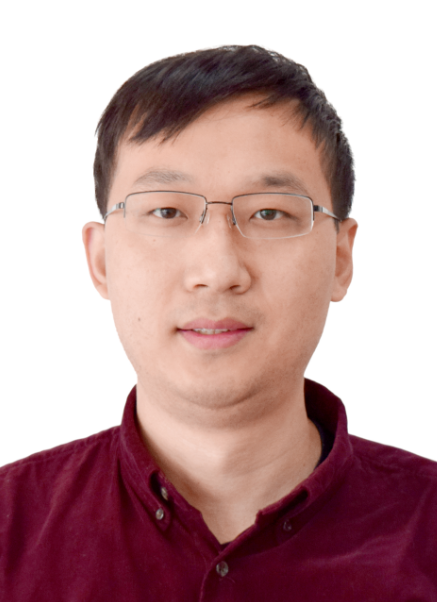 Lingyi Meng (孟令一)合作论文数Fujian Institute of Research on the Structure of Matter, Chinese Academy of Sciences;University of Chinese Academy of Sciences2
 Anping Dong (董安平)合作论文数School of Materials Science and Engineering, Shanghai Jiao Tong University2
 Zaiwang Huang (黄再旺)合作论文数Power Metallurgy Research Institute, Central South University2
 Xiaodong Ma合作论文数The University of Queensland2
 Ben Xu (徐贲)合作论文数Graduate School, China Academy of Engineering Physics2
 Weijun Zhu (朱伟军)合作论文数School of Mechanical Engineering and Automation, Beihang University2Jiaren Du (杜家仁)合作论文数School of Chemical and Material Engineering, Jiangnan University2
 Baode Sun (孙宝德)合作论文数School of Materials Science and Engineering, Shanghai Jiao Tong University;Shanghai Key Laboratory of Advanced High-Temperature Materials and Precision Forming, Shanghai Jiao Tong University2
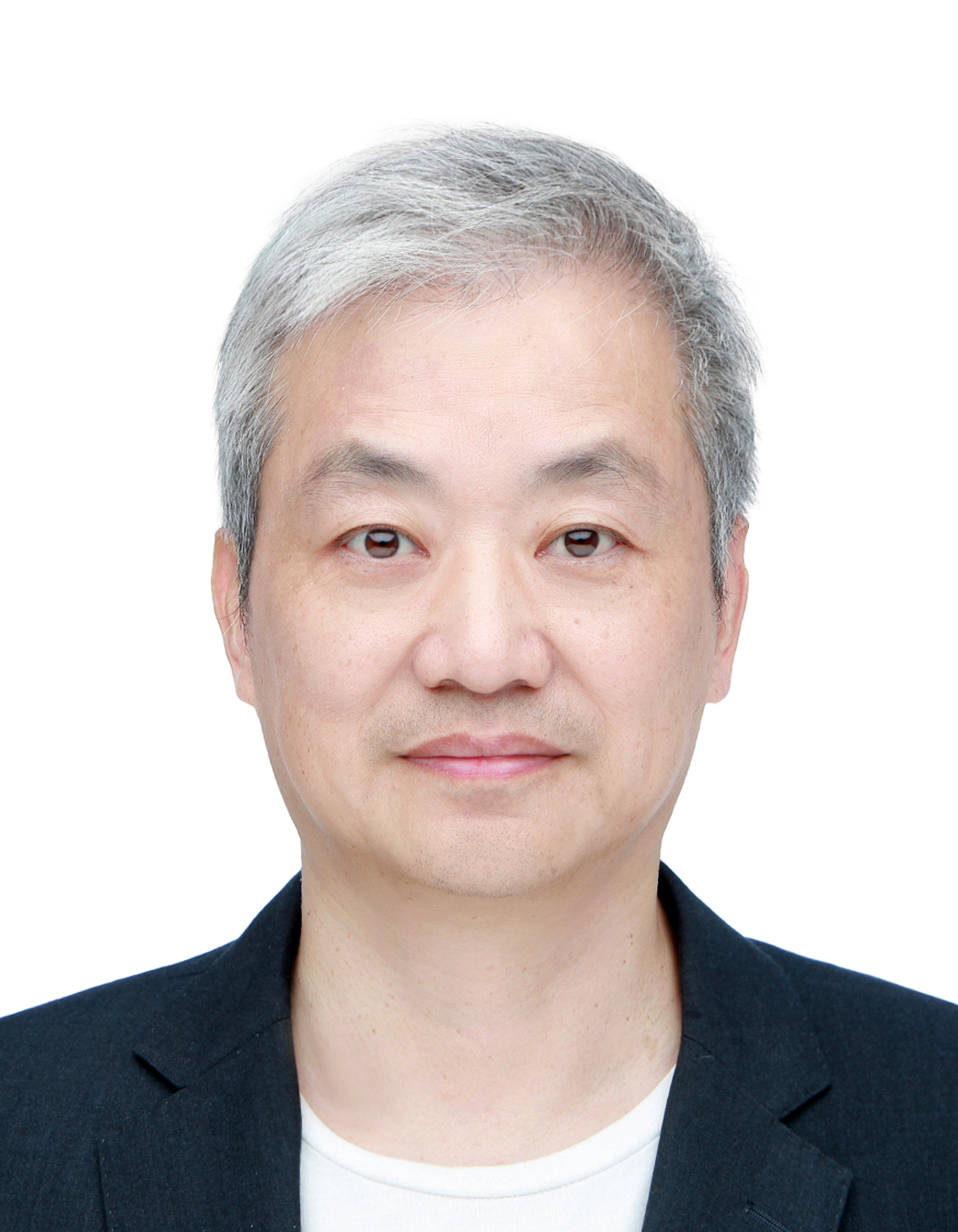 Jun Wang (王俊)合作论文数School of Materials Science and Engineering, Shanghai Jiao Tong University2
 Binbin Su合作论文数Stratipath;KTH Royal Institute of Technology2Juntao Zou合作论文数2
 Zining Wu合作论文数2




