Graphene is one of the most interesting materials synthesized in the last years which two-dimensional nature along with the fascinating electronic properties attracts the great attention from the scientific community. Graphene has an unique electronic properties such as the linear dispersion law leading to zero effective mass for electrons and holes. It already applied as solar cell [1], liquid crystal device [2], molecular sensor [3] and nano-sized transistor prototype [4].
This paper reports on results of theoretical studies dealing with: (1) the use of microinstability-based thermal transport models to interpret the anomalous confinement properties observed in key tokamak experiments such as TFTR and (2) the likely consequences of the presence of such instabilities for future ignition devices. Transport code simulations using profile-consistent forms of anomalous thermal diffusivities due to drift-type instabilities have yielded good agreement with the confinement times and temperatures observed in TFTR under a large variety of operating conditions including pellet-fuelling in both ohmic-and neutral-beam-heated discharges. With regard to achieving an optimal ignition margin, the adverse temperature scaling of anomalous losses caused by drift modes leads to the conclusion that it is best to operate at the maximum allowable density while holding the temperature close to the minimum value required for ignition. Eermanent Address: Culham Laboratory, UK Permanent Address: Massachusetts Institute of Technology, Cambridge, MA, USA
Smart Logic, Inc.D. Scribner, L. Johnson, P. Skeath, R. Klein, F.K. Perkins, L. Wasserman, W. Bassett, D. Ilg, J. Peele, J. Friebele, J.G. Howard, W. Freeman, W. Krebs, and A. TaylorPROJECT BACKGROUND AND GOALSThe development of a high-resolution retinal prosthesis device at the Naval Research Laboratory (NRL) was first discussed in the late 1990s. At that time, NRL researchers and Office of Naval Research (ONR) Science Officers were studying the topic: “Image Processing: What Can We Learn from the Retina?” It had long been recognized that the retina must perform remarkable image processing functions, yet neuroscientists had only a limited understanding of the systemic mechanisms. ONR felt that studying retinal mechanisms could provide valuable inspiration for new algorithms and low-power analog designs for microelectronic circuitry in future electro-optical imaging arrays.Although “smart focal plane arrays” had been of great interest to the electro-optical community, traditional digital image processing was far too power-hungry to integrate into a focal plane array. Analog (“retina-like”) processing might provide new methods that would allow computationally intensive algorithms to be performed in parallel while dissipating only small amounts of power.ONR had also been discussing related topics with the Wilmer Ophthalmological Institute of Johns Hopkins University (JHU). The JHU team was not only interested in retinal processing mechanisms, but was performing some interesting experiments that were aimed at demonstrating the feasibility of a retinal prosthesis—namely, electrically stimulating retinal cells and analyzing the perceived effects in blind human subjects.It was this overlapping mutual interest in the retina that led NRL researchers to propose the use of advanced DoD technologies for a revolutionary new neural-electronic interface for both a retinal prosthesis and for advanced retinal studies.At the same time, a new DARPA program was soliciting proposals for the development and dem-onstration of innovative tissue-based biosensors that would be a key component in DARPA’s programs in Biological Warfare Defense. Of particular interest was the capability to rapidly detect and predict physiologi-cal consequences of biological and chemical agents, both known and unknown. DARPA foresaw the need for new techniques to create an effective and massively parallel interface between microelectronic arrays and neural cells.In response to this DARPA program, NRL pro-posed to design and fabricate a miniaturized, high-resolution human retinal stimulator device to be used in conjunction with the Johns Hopkins University program. The device would create a neural-electronic interface between a high-resolution array of 3,200 microelectrodes and a retinal surface. The proposal was unique because a microelectronic interface to neural tissue with 3,200 independent electrodes was unprec-edented. It supported the DARPA program because it would provide detailed information about microelec-tronic interfaces at a cellular level.Development of a Test Device for Acute ExperimentThe development of an implantable retinal pros-thesis for chronic use is a complex undertaking. Such a device would require wireless operation; it must meet stringent biocompatibility requirements; and it must have a lifetime of several decades. A logical first step is to make a test device that can be used in very short, acute experiments to prove the feasibility of a high-res-olution device. In the early 1990s, the Johns Hopkins group performed human experiments with a single electrode used to electrically stimulate the retina. Since that time, a number of research groups have begun to develop technologies that support retinal prostheses.
Single-wall carbon nanotubes (SWNTs) are unique because they are one-dimensional wires composed entirely of surface atoms yet exhibit high carrier mobilities (~10 10 cm/Vs). These extraordinary transport properties make them an ideal material for electronic applications, while their virtually infinite surface-to-volume ratio offers the possibility of extraordinary sensitivity for sensor applications. However, two main obstacles prevent their immediate commercial implementation: 1.) SWNTs as grown are a mixture of semiconducting and metallic nanotubes (depending on the helicity of the graphene sheet forming the nanotube wall), and there is no reliable technique presently available to separate them by electronic type; and 2.) it is difficult to assemble large numbers of SWNTs into precisely controlled positions. Because of these obstacles, SWNT-based devices and sensors have remained largely in the realm of impressive laboratory curiosities with limited applications.
On October 5, 2000 Dr. Mildred Dresselhaus, then Director of the Office of Science within the U.S. Department of Energy, instructed the Fusion Energy Sciences Advisory Committee (FESAC) to prepare a report describing the status and future of burning plasma physics issues within the U.S. fusion program. FESAC formed a panel to carry out this analysis and the present paper presents a summary of the panel's final report. Dr. Dresselhaus was interested in obtaining answers to three main questions. One, what are the scientific issues that should be addressed in a burning plasma physics experiment? Two, which scientific issues are generic to the general class of toroidal magnetic configurations? Three, how should the Next Step Options (NSO) program be used to assist the community in preparation for an assessment of burning plasma physics options? The panel, after several public sessions and its own deliberations concluded that the community was indeed technically ready and highly desirous of a burning plasma experiment as soon as possible. The difficult questions were (1) what is the best burning plasma experiment or option and (2) how should we proceed to make this choice, as soon as possible with maximal input from the community? The panel has addressed these difficult questions through a series of Findings and Recommendations that are described in the paper.
This paper describes the modeling of the feedback control and rotational stabilization of the resistive wall mode (RWM) in tokamaks. A normal mode theory for the feedback stabilization of the RWM has been developed for an ideal plasma with no toroidal rotation. This theory has been numerically implemented for general tokamak geometry and applied to the DIII-D tokamak. It is found that feedback with poloidal field sensors is superior to feedback with radial field sensors. The strength of the RWM that can be stabilized for a series of DIII-D equilibria are quantified. A general formulation is further developed for the feedback stabilization of tokamak with toroidal rotation and plasma dissipation. It has been used to understand the role of the external resonant field in affecting the plasma stability and compared with the resonant field amplification phenomenon observed in DIII-D. The effectiveness of a differentially rotating resistive wall in stabilizing the RWM has also been studied numerically. It is found that the maximum flow speed required is quite modest for a resistive wall with a long resistive wall time constant. It is orders of magnitude smaller than the required speed of plasma rotation. For a noncircular tokamak, a wide range of flow patterns have all found to be effective. The structure of the resistive wall mode predicted from ideal MHD theory has been compared with signals from various diagnostics. Simulation of the stabilization of the RWM in ITER-FEAT has been studied by using the MARS code coupled with the ONETWO transport code. It is also projected that 33 MW of negative neutral beam injection will be able to sustain plasma rotation sufficient to stabilize the RWM without relying on feedback. 1. Normal Mode Approach [1] to Feedback Stabilization A practical tokamak fusion reactor must operate at high beta normal and high current [2]. This requires steady-state operation of the tokamak above the no wall βN limit with sustained stabilization of the resistive wall mode (RWM) [3]. Plasmas in future reactors are expected to rotate with negligible rotation speed. Feedback stabilization of plasmas with no or negligible rotation is therefore of particular interest. In this case, the plasma dynamics is determined by a set of normal modes. The behavior of the feedback can then be prescribed completely from the properties of the normal modes. Central to this approach is the consideration of the quadratic energy functional of the perturbed plasma displacement ξ in the plasma and the perturbed magnetic fields δB in the outside “vacuum” region: δWp + δWv + Dw + δEc = 0 . (1) In Eq. (1), δWp is the perturbed plasma potential energy, δWv the perturbed vacuum energy, Dw the dissipation energy in the resistive wall, and δEc the energy exchange between the feedback coil and the plasma resistive wall system. During the open loop operation δEc = 0, Eq. (1) is self-adjoint and determines a set of normal modes, {ξi, δBi}, with growth rates {γi} and with Dw being the norm. This is an energy principle extended from that of the usual ideal MHD energy principle using Dw as norm replacing the plasma kinetic energy. Only one of these normal modes (the RWM) has been found to be unstable. The rest are stable
An important new area of biomedical engineering is the development of neural prosthesis particularly in the area of cochlear and retinal devices. An intraocular retinal prosthesis test device is currently under development at NRL/JHU. The microelectronic device has an image format of 80 x 40 unit cells interfaced to the retinal surface via an array of microwires in a glass matrix. The system architecture and technology development issues are discussed as well as the topic of biocompatibility. This test device will enable acute human experiments in an operating room environment to demonstrate a massively parallel interface between retinal tissue and a microelectronic array.
OAK A271 INCREASED STABLE BETA IN DIII-D BY SUPPRESSION OF A NEOCLASSICAL TEARING MODE USING ELECTRON CYCLOTRON CURRENT DRIVE AND ACTIVE FEEDBACK. In DIII-D, the first real-time active control of the electron cyclotron current drive stabilization of a neoclassical tearing mode (here m/n=3/2) is demonstrated. The plasma control system is put into a search and suppress mode to align the ECCD with the island by making either small rigid radial position shifts (of order 1 cm) of the entire plasma (and thus the island) or small changes in toroidal field (of order 0.5%) which radially moves the second harmonic resonance location (and thus the rf current drive). The optimum position minimizes the real-time mode amplitude signal and stabilization occurs despite changes in island location from discharge-to-discharge or from time-to-time. When the neutral beam heating power is programmed to rise after mode suppression by the ECCD, the plasma pressure increases above the peak at the onset of the neoclassical tearing mode until the magnetic island reappears due to the ECCD no longer being on the optimal position. Real-time tracking of the change in location of q=3/2 due to the Shafranov shift with increasing beta is necessary to position the ECCD inmore » the absence of a mode so that higher stable beta can be sustained. The control techniques developed for the m/n=3/2 NTM are also being applied to the more deleterious m/n-2/1 NTM. For the first time in any tokamak, an m/n=2/1 mode has been completely suppressed using radially localized off-axis ECCD.« less
Retinal prostheses have the potential to restore some level of visual function to blind individuals. While visual prosthetic devices for the optic nerve and visual cortex also have potential application, the retinal approach offers the advantage of relatively accessible retinal neurons in the back of the eye. Biological studies have demonstrated biocompatibility of implantation and stimulation and have investigated retinal response to stimulation. Recent clinical trials have shown that a prototype epiretinal implant, despite having few electrodes contacting the retina, still allows test subjects to perform simple visual tasks. Ongoing engineering research is focusing on the fabrication of a high-resolution implant
The stability of a test equilibrium relevant to the International Thermonuclear Experimental Reactor [Fusion Eng. Des. 36, 9 (1997)] has been studied within the framework of the neoclassical island theory. The most unstable modes, with the most positive matching index Δ′, have been found by solving the toroidal stability equation to have 3/2, 2/1, and 4/3 helicities. Quasilinear effects resulting from the flattening of the current profile as the island develops are important and stabilizing. Large saturated islands are predicted to arise from a combination of strong bootstrap current drive and weakly negative Δ′. The island size can be significantly reduced by applying a continuous current drive at the unstable rational surfaces. The so-obtained reduction of island width is approximately proportional to the current drive and inversely proportional to the square of the current channel. This stabilization relies on the removal of the free energy in the outer region and can thus be regarded as a Δ′ effect.
The present physics understandings of magnetohydrodynamic (MHD) stability of tokamak plasmas, the threshold conditions for onset of MHD instability, and the resulting operational limits on attainable plasma pressure (beta limit) and density (density limit), and the consequences of plasma disruption and disruption related effects are reviewed and assessed in the context of their application to a future DT burning reactor prototype tokamak experiment such as ITER. The principal considerations covered within the MHD stability and beta limit assessments are (i) magnetostatic equilibrium, ideal MHD stability and the resulting ideal MHD beta limit; (ii) sawtooth oscillations and the coupling of sawtooth activity to other types of MHD instability; (iii) neoclassical island resistive tearing modes and the corresponding limits on beta and energy confinement; (iv) wall stabilization of ideal MHD instabilities and resistive wall instabilities; (v) mode locking effects of non-axisymmetric error fields; (vi) edge localized MHD instabilities (ELMs, etc.); and (vii) MHD instabilities and beta/pressure gradient limits in plasmas with actively modified current and magnetic shear profiles. The principal considerations covered within the density limit assessments are (i) empirical density limits; (ii) edge power balance/radiative density limits in ohmic and L-mode plasmas; and (iii) edge parameter related density limits in H-mode plasmas. The principal considerations covered in the disruption assessments are (i) disruption causes, frequency and MHD instability onset; (ii) disruption thermal and current quench characteristics; (iii) vertical instabilities (VDEs), both before and after disruption, and plasma and in-vessel halo currents, (iv) after disruption runaway electron formation, confinement and loss; (v) fast plasma shutdown (rapid externally initiated dissipation of plasma thermal and magnetic energies); (vi) means for disruption avoidance and disruption effect mitigation and (vii) 'integrated' modelling of disruptions and fast shutdown and of the ensuing effects. In each instance, the presentation within a given topical area progresses from a summary of present experimental and theoretical understanding to how this understanding projects or extrapolates to an ITER class reactor regime tokamak. Examples of extrapolations to the specific ITER design concept developed during the course of the ITER EDA are given, and assessments of the degree of adequacy of present understanding are also provided. In areas where present understanding is identified to be less than fully adequate, areas in which continuing or new research is needed are identified.
The 5th EFPW took place in December 1997 at Sesimbra in Portugal. It was hosted by the Instituto Superior Técnico, Lisbon and sponsored by the European Commission. Within an overall theme of magnetohydrodynamic (MHD) phenomena in magnetically confined plasmas, four topics of importance to the future development of magnetic confinement fusion were discussed in detail: integrated control of fusion plasmas, MHD in advanced scenarios, neoclassical modes and disruptions. In addition, an extended review of the results of the recent JET deuterium-tritium experiments was presented and the physics research opportunities which would be made available by ITER operation were discussed. The main issues discussed in each session and the areas identified as requiring further study are summarized here.
Wall conditioning of fusion devices involves removal of desorbable hydrogen isotopes and impurities from interior device surfaces to permit reliable plasma operation. Techniques used in present devices include baking, metal him gettering, deposition of thin films of low-Z material, pulse discharge cleaning, glow discharge cleaning, radio frequency discharge cleaning, and in situ limiter and divertor pumping. Although wall conditioning techniques have become increasingly sophisticated, a reactor scale facility will involve significant new challenges, including the development of techniques applicable in the presence of a magnetic field and of methods for efficient removal of tritium incorporated into co-deposited layers on plasma facing components and their support structures. The current status of various approaches is reviewed, and the implications for reactor scale devices are summarized. Creation and magnetic control of shaped and vertically unstable elongated plasmas have been mastered in many present tokamaks. The physics of equilibrium control for reactor scale plasmas will rely on the same principles, but will face additional challenges, exemplified by the ITER/FDR design. The absolute positioning of outermost flux surface and divertor strike points will have to be precise and reliable in view of the high heat fluxes at the separatrix. Long pulses will require minimal control actions, to reduce accumulation of AC losses in superconducting PF and TF coils. To this end, more complex feedback controllers are envisaged, and the experimental validation of the plasma equilibrium response models on which such controllers are designed is encouraging. Present simulation codes provide an adequate platform on which equilibrium response techniques can be validated. Burning plasmas require kinetic control in addition to traditional magnetic shape and position control. Kinetic control refers to measures controlling density, rotation and temperature in the plasma core as well as in plasma periphery and divertor. The planned diagnostics (Chapter 7) serve as sensors for kinetic control, while gas and pellet fuelling, auxiliary power and angular momentum input, impurity injection and non-inductive current drive constitute the control actuators. For example, in an ignited plasma, core density controls fusion power output. Kinetic control algorithms vary according to the plasma state, e.g. H- or L-mode. Generally, present facilities have demonstrated the kinetic control methods required for a reactor scale device. Plasma initiation - breakdown, burnthrough and initial current ramp - in reactor scale tokamaks will not involve physics differing from that found in present day devices. For ITER, the induced electric field in the chamber will be similar to 0.3 V.m(-1) - comparable to that required by breakdown theory but somewhat smaller than in present devices. Thus, a start-up 3 MW electron cyclotron heating system will be employed to assure burnthrough. Simulations show that plasma current ramp up and termination in a reactor scale device can follow procedures developed to avoid disruption in present devices.In particular, simulations remain in the stable area of the l(i)-q plane. For design purposes, the resistive Vs consumed during initiation is found, by experiments, to follow the Ejima expression, 0.45 mu(0)RI(p). Advanced tokamak control has two distinct goals. First, control of density, auxiliary power, and inductive current ramping to attain reverse shear q profiles and internal transport barriers, which persist until dissipated by magnetic flux diffusion. Such internal transport barriers can lead to transient ignition. Second, combined use poloidal field shape control with noninductive current drive and NBI angular momentum injection to create and control steady state, high bootstrap fraction, reverse shear discharges. Active n = 1 magnetic feedback and/or driven rotation will be required to suppress resistive wall modes for steady state plasmas that must operate in the wall stabilized regime for reactor levels of beta greater than or equal to 0.03.
Physics knowledge (theory and experiment) in energetic particles relevant to design of a reactor scale tokamak is reviewed, and projections for ITER are provided in this Chapter of the ITER Physics Basis. The review includes single particle effects such as classical alpha particle heating and toroidal field ripple loss, as well as collective instabilities that might be generated in ITER plasmas by energetic alpha particles. The overall conclusion is that fusion alpha particles are expected to provide an efficient plasma heating for ignition and sustained burn in the next step device. The major concern is localized heat loads on the plasma facing components produced by alpha particle loss, which might affect their lifetime in a tokamak reactor.
 S Putvinski合作论文数9
 Douglass E. Post合作论文数The Hertz Foundation9
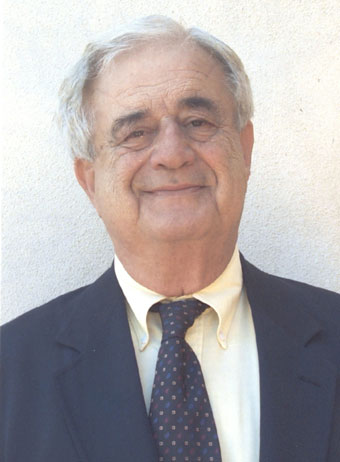 Marshall Rosenbluth合作论文数International Thermonuclear Experimental Reactor8
 David John Campbell合作论文数Max-Planck-Institut fur Plasmaphysik6NA Uckan合作论文数5J Wesley合作论文数5
 J. Jacquinot合作论文数5K. Young合作论文数5
 Alexander Pletzer合作论文数Tech-X5N. Fujisawa合作论文数4Wm Nevins合作论文数4J Van Dam合作论文数4n v ivanov合作论文数4
 Gerald A. Navratil合作论文数Department of Applied Physics and Applied Mathematics, Columbia University4Masafumi Azumi合作论文数4D Boucher合作论文数4Masahiro Wakatani合作论文数4
 Ned Sauthoff合作论文数Princeton Plasma Physics Laboratory, Princeton, NJ 08544, USA4w bassett合作论文数3V Vdovin合作论文数3A. Fukuyama合作论文数3m ulrickson合作论文数3
 F. Romanelli合作论文数3S Konovalov合作论文数3
 r klein合作论文数3Tk Chu合作论文数3
 Stephan Paul合作论文数School of Natural Sciences, Technische Universitat Munchen3
 William Heidbrink合作论文数Department of Physics & Astronomy, School of Physical Sciences, University of California, Irvine3
 Claire E. Max合作论文数Astronomy & Astrophysics Department, University of California, Santa Cruz3
 Lee Johnson合作论文数3m g bell合作论文数3
 Raffi Nazikian合作论文数General Atomics3
 M. H. Redi合作论文数Princeton Plasma Physics Laboratory;Princeton University;Princeton Plasma Physics Laboratory, Princeton University3T. C. Hender合作论文数Euratom / UKAEA Fusion Association;Culham Science Centre;UKAEA Fusion Association, Culham Science Centre3R. E. Bell合作论文数Princeton Plasma Physics Laboratory;Princeton University;Princeton Plasma Physics Laboratory, Princeton University3Ronald Prater合作论文数3
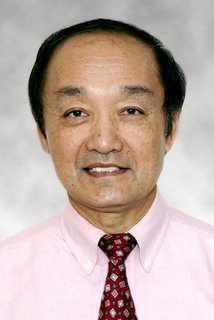 William M. Tang合作论文数Princeton Plasma Physics Laboratory, Princeton University3William Mccay Nevins合作论文数3Perry Skeath合作论文数3S. Medley合作论文数3R. Hemsworth合作论文数3
 Kenji Tobita (飛田健次)合作论文数Department of Quantum Science and Energy Engineering, Graduate School of Engineering, Tohoku University3Guenter Janeschitz合作论文数3Kenkichi Ushigusa合作论文数3
 Jay Kesner合作论文数Plasma Science and Fusion Center;Massachusetts Institute of Technology;Plasma Science and Fusion Center, Massachusetts Institute of Technology3Dean a Scribner合作论文数3
 Robert Budny合作论文数Plasma Physics Laboratory, Princeton University3Giuseppe Bosia合作论文数3W Kugel Henry合作论文数3




