Water supply is a major determinant of cotton yield. In Australia, unreliable rainfall means that irrigation supplies can not be guaranteed. In addition, 20 % of the industry is raingrown and depends on the same unreliable rainfall. The aim to determine if it is possible to identify and select characters that enhance the leaf and crop water use efficiency (WUE) of cotton. The occurrence of differences in WUE between genotypes was identified. Crosses were made between relatively diverse germplasm and F2’s produced. 160 single F2 plants were measured for a range of gas exchange characters including photosynthesis, stomatal conductance, intercellular CO2 concentration and transpiration. Physiological WUE was calculated from these measurements. Each F2 plant was grown in an F3 row the following year. For the purpose of more intensive measurements, selections were based on the F2 data, and 24 F4’s were measured for the same characters as the F2’s. Estimates of narrow sense heritability (h2) were also calculated. Relatively low estimates of h2 were obtained (0-0.5) for gas exchange characters compared with the high h2 for characters such as lint percentage (0.9). However, some h2’s were significant, indicating that it will be possible to select lines with improved physiological WUE. These lines can then be screened for other agronomic characters. We believe this procedure will produce improved raingrown types than has been possible with our previous procedure in testing successful irrigated types for dryland adaptation.
In order to develop a better understanding of some yield components, the response of three modern cotton (Gossypium hirsutum L.) cultivars to increasing nitrogen (N) fertiliser application was assessed for lint percentage (LP) and seed weight, as well as seed protein and oil concentrations. Application of N fertiliser led to decreased LP in all three cultivars (by 1.5 percentage points), even if the N-fertiliser rate was above the optimum rate. There was a strong negative correlation between LP and seed mass because seed mass is a component of LP. Seed protein concentration increased, and seed oil concentration decreased, with increasing N fertiliser application. Seed germination was improved in seeds with higher oil concentration; therefore, seed produced with high N fertiliser had reduced seed vigour. It was concluded that little scope exists for further lint-yield increase via LP. For cultivars with small seeds, an integrated system across seed production and crop agronomy can achieve satisfactory seed vigour in the field while also achieving high commercial yields. Future improvements in yield will come from alternative and more complex yield components such as growth habit.
A cropping system integrates all practices to manage and produce a crop. In particular, there are usually constraints with soil, climate and pests that may limit productivity. The cotton plant has been very successfully adapted by breeding for our requirements. From originally selecting better plants from among very diverse wild populations, we have progressed through intensive conventional breeding programs to genetic engineering. The traditional genotype x environment analysis actually embodies system-specific breeding. This paper reviews where plant breeders have made an impact in adapting cotton for a wide range of systems and in particular in addressing problems such as climate (water or heat), diseases and pests. As a consequence, yields continue to rise. The development of earlier maturity in cotton cultivars has been important, allowing production in short or dries seasons. Likewise, tolerance to diseases such as Verticillium wilt has allowed cotton production to continue where those diseases occur. Significant improvements have been made in achieving tolerance to insect pests with morphological characters and especially with the development of transgenic Bt cotton. Production systems can be more successful or resume under circumstances where insect pests are a problem. The development of transgenic tolerance to herbicides will influence some cropping systems, allowing changes in weed control strategies, row space and mechanical harvesting methods. There will be a continuing need to raise yields by removing limits imposed by climate and pests. Even though breeding progress will continue, the best cropping systems should combine appropriate cultivar with good, responsible management.
Previous attempts, to grow cotton in the Ord River Valley region of tropical North Western Australia between 1963 – 1974 during the summer wet season failed due to a combination of crop management problems and high levels of insecticide resistance in Helicoverpa armigera. This paper describes a multi-disciplinary approach to research which aims to re-establish a sustainable industry using a novel management system. Components of the system include a shift to dry season (winter) cropping and a resistance management strategy, comprising the use of refugia crops for beneficial insect conservation and judicious use of selective insecticides. Pest management research focused on developing integrated pest management systems to complement transgenic cultivars expressing the Cry1A(c) delta-endotoxin from Bacillus thuringiensis (Bt). Control of the key pests, Helicoverpa spp, was greatly assisted by Trichogramma pretiosum which frequently parasitised more than 70% of eggs oviposited. Other lepidopteran pests were controlled successfully by Bt expression in the plants. Agronomic research investigated the effects of a winter growing season on crop development, yield and fiber quality. Over three seasons experimental yields for the top 10 cultivars averaged 2043 kg lint/ha, similar to the average summer grown experimental yields of 2069 kg lint/ha in temperate Australia. Cool night temperatures reduced fiber length by 1.27 2.54 mm (0.05 0.10 inches) at the optimum March-April sowing period compared with other sowing dates and the fiber length of the same cultivars when grown under summer conditions. Early crop growth was vigorous due to high temperatures, applying mepiquat chloride prior to squaring suppressed this growth. Areas of future research are discussed.
In a hypothetic population of cotton, Gossypium hirsutum L., segregating for 26 independent alleles, individuals with all desired alleles are more abundant in early generations (F2 or F3), but a high proportion of allelic loci are homozygous in late generations (F4 or F5). This dichotomy needs to be considered to establish a successful breeding strategy. In this study, we examined the effectiveness of two pedigree procedures in cotton with their key difference in the self-generations used for single plant selection. The conventional procedure started single plant selection at F3 by hand-harvest of a 30-boll sample from individual plants, then in the follow-up generation, only those derived lines retained after culling for lint percent and High Volume Instrument (HVI) fibre quality entered the progeny row test. The alternative procedure used single-locule descent for pass-through of early generations; at F5, only two mature bolls were harvested from selected individual plants, and their derived lines were grown and culled in single-row plot nursery by visual assessment, and by lint percent and HVI fibre properties measured from a 30-boll sample. When each procedure was used to develop elite inbred lines in two populations derived from outstanding cotton lines, both procedures were effective at identifying elite lines from the populations. The alternative procedure captured more elites than the conventional one, based on the retention rate against the initial population size, particularly in one population, and required less resources in the process. Thus, the alternative procedure with delayed single plant selection is effective and efficient for cotton improvement.
Excess sodium (Na) in the soil profile is a key limiting factor of saline and/or sodic soils which significantly affects irrigated cotton production worldwide (Gorham et al. 2010). Under saline or sodic abiotic stresses, cotton can take up and accumulate excessive levels of ions which can be toxic to the plant. Although Na can substitute for potassium (K) in cotton, when K is in a short supply, the antagonistic effect of Na can restrict plant uptake of other essential nutrients such as phosphorus (P) and K (Rochester 2010). These phenomena can lead to nutrient imbalance in plants and limit crop productivity. In cotton growing on sodic soils in Australia under high yield levels with high requirements for P and K, excessive Na uptake is regarded as one of the constraints for continued yield progress (Rochester 2010). Among the cultivated tetraploid cotton species, Gossypium barbadense is known for being better able to tolerate soil salinity or sodicity (Abul-Naas and Omran 1974). Given the importance of G. hirsutum for global cotton production, transferring these attributes through interspecific crosses has been of interest in cotton breeding (Ashraf 2002; Liu et al. 2015). We demonstrate Na and K content of mature leaves at peak flowering represented the largest discrete difference in nutrient content between G. hirsutum and G. barbadense, and leaf Na and K content also showed high genetic variability and moderate heritability within a RIL population derived from a cross between these two species. QTL mapping suggested only a few regions on different chromosomes were behind the phenotypic variation of Na, K and their ratio. Statistical analysis showed that selection would be able to reduce leaf Na and increase K content and increase leaf K/Na ratio in cotton. When backcross-derived sister lines from an interspecific cross were compared in a sodic clay soil, the lines with low leaf Na content (average 652 ppm) showed better yield than the ones with high leaf Na content (average 843 ppm). We conclude that exploiting genetic diversity of tetraploid species would lead to increased tolerance of cotton to sodic soils and would simultaneously improve nutrient status and yield. (Texte integral)
Yield potential studies can assist in identifying the production constraints in any cropping system and economics at the farm level dictate a continual need to increase yield and profit for most crops. Cotton is a tropical indeterminate perennial grown as an annual crop for fibre (lint), oil and meal for animal feed. Its growth habit means a production season can have a long duration up to 180 days. Here we define yield potential as yields that can be obtained with current cultivars and systems under ideal conditions in the absence of poor weather, disease, soil or nutritional constraints with management and genetics optimised. This paper aims to review yield potential in cotton and particularly identify factors, such as climate, soil health, nutrition, water, weeds, pests and diseases which affect yield. Worldwide, average cotton lint yield is about 800kg/ha and is increasing at rates of 10–20kg/ha/year, especially where irrigation is available. Under irrigated conditions, lint yield of 3500kg/ha is now being obtained and we use this value for yield potential under full season irrigated conditions. Yield potential for raingrown cotton production systems depends on soil water storage and rainfall but is about 800kg lint/ha. Thus, yield potential is not a fixed value but it is increasing through time as crop management and genetics are improved—but it is also strongly affected by local conditions. We derived the theoretical yield of cotton from potential growth or photosynthesis and respiration rates by growth analysis, from radiation use efficiency or by simulation modelling. All three methods indicated theoretical yield to be about 5000kglint/ha. To achieve this yield, a long season is required, possibly with slower initial fruit set so canopy size is not restricted by high fruit load. Estimates of resource requirements for lint yields of 5000kg/ha indicated that nutrient uptake of 384kg/ha N and K and 83kgP/ha would be a more challenging constraint than the 10.7Ml/ha of total evapotranspiration required. Future research opportunities were identified in crop agronomy (nutrient uptake and use efficiency), plant physiology (modelling fruiting dynamics), breeding (longer season plant types with slower initial fruit setting) and biotechnology (increased photosynthesis).
We examined twelve cotton (Gossypium hirsutum L.) cultivars that were released in Australia between 1973 and 2006, in three field experiments, harvested in 2009, 2010 and 2012. Crop biomass and nutrient uptake were measured at 160 days after sowing and lint yield at crop maturity. Crop nutrient use-efficiency was determined by dividing lint yield by nutrient uptake. Lint yield increased by 40% (P<0.001) for cultivars released between 1973 and 2006; crop biomass increased by 25%; N, S uptake increased by 20%, and 26% respectively; 33% for Ca, Mg and Na; and 22% for trace elements Fe, Mn, B, Zn and Cu (all P<0.001). With the release of improved cultivars, the use-efficiency increased for N (20%, P<0.001), P (23%, P<0.001) and K (24%, P<0.01). Similar increases were found for trace elements Fe, Cu and Zn (P<0.05-0.001). Newer cultivars also had substantial improvements in lint fraction, fibre strength and fibre length. We conclude that crop nutrient use-efficiency has increased relatively slowly, crop nutrient uptake has increased faster but neither has increased as quickly as lint yield. Improved use-efficiencies of N, P, K, Fe, Zn and Cu have occurred through selective breeding for lint yield over the past three decades. Based on nutrient demand, it is calculated that further increases in yield will require improved nutrient use-efficiency, and probably with better internal redistribution of nutrients. Such research should be done using a soil type and growing system capable of producing high-yielding cotton. (C) 2015 Elsevier B.V. All rights reserved.
This research investigated the use of elite parents and breeding selection strategies for reducing the negative association between cotton yield and fibre quality. Three populations, each with 100 lines developed from high yielding and high fibre quality parents were advanced in a pedigree method to the replicated stage with no selection in any generation. A yarn quality index (YQI) was used as a measure to integrate different fibre properties of length, strength and fineness. Each population had similar means and good genetic variation existed for lint percent (LP) and fibre quality traits in the single plant (SPS) stage; as well as for yield, fibre quality and YQI traits in the Progeny Row (PR) stage and in the following two years of replicated experiments. There were significant associations between SPS (P < 0.05) or PR (P < 0.01) and subsequent replicated data for yield and fibre quality traits. LP at the SPS and yield at PR stage could successfully select highest yielders as measured in subsequent replicated experiments; broad sense heritability was high for all measures. Retrospective analysis determined the proportion required in early generation selections of SPS and PR to successfully identify the highest ranked lines for mean yield and quality in subsequent replicated experiments. Populations had similar proportions (10%) with high yield (>2000 kg lint ha(-1)) and high quality (YQI > 62), but the populations differed in the numbers of lines with low yield (<1800 kg lint ha(-1)). For combining high yield and YQI, to capture all 29 lines which subsequently had high yield and YQI in replicated experiments, it would have been necessary to select 55-89% of the highest yielding lines in PR, which would lead to large numbers if lines were to be assessed in replicated experiments. A selection strategy to improve yield and fibre quality combinations which would successfully keep the majority of best lines, would be to select the best 27% of yielders and best 11% of YQI from PR, then select for the best combinations of yield and YQI in replicated experiments. We identified one line which broke the negative relationship between yield and fibre quality within these populations. We conclude that early generation selection for LP, yield and quality would enable unsuitable lines to be discarded so chosen lines could be better assessed in later generations. Crown Copyright (C) 2014 Published by Elsevier B.V. All rights reserved.
Appropriate analysis of plant breeding trials is critical for the accurate assessment of test lines and selection decisions. The objectives of this study were two-fold: firstly, to examine the performance of two-dimensional spatial models based on the first order separable autoregressive process in comparison with randomised complete block (RCB) and randomisation based (RB) models in analysis of cotton breeding trials; secondly, to understand the presence and forms of spatial variations and their association with field layout. The different models were first used to analyse a lint yield dataset from the CSIRO cotton breeding program, which consisted of 96 trials under furrow-irrigated conditions from 1995 to 2002 and Residual Maximum Likelihood ratio test and the Akaike Information Criterion were used to identify adequate model (i.e. dataset-preferred model) for individual datasets. The spatial models fitted 62 trials adequately and outperformed the RB model (31) with the worse being RCB model (3). Spatial variations in various forms were commonly present in trials in which spatial models were adequate, and was dominant in planting row direction. Layouts with more plots in dimensional directions tended to have a higher level of spatial variation. Spatial models offered about 176 % mean relative efficiency over RCB, which was comparable with that achieved by the dataset-preferred models but about 20 % higher than the RB model. Therefore, a routine use of spatial analysis in conjunction with efficient trial designs would mitigate the impact of spatial variations on the yield estimate of cotton breeding trials and improve the accuracy of selection.
Cotton breeders have long faced the challenge of simultaneously improving yield and fibre quality. Spinners demand better quality, but until price premiums increase to compensate producers, yield will always be the economic prize. Therefore, yield must at least be maintained when improving fibre quality for a cultivar to remain competitive. This study explores the use of a yield component, seed fibre density (FD) as a means for providing yield stability while improving fibre fineness (lower linear density) and tests the usefulness of increasing FD as a way of ensuring micronaire is not too high. Three breeding populations were created by crossing high by high FD lines and two separate high by low FD lines. These populations were evaluated in single plant selection (SPS), progeny row and advancement of the highest and lowest FD lines across populations to a replicated experiment. Results indicate narrow sense heritability of FD was 0.25 in early generations, although not as high as that for lint fraction, length, short fibre index and elongation. A 19% increase in FD resulted in a 14 mu g m(-1) decrease in fineness without affecting yield. There were negative associations between FD with length, uniformity, short fibre index and strength. Four other populations were created by crossing high and low FD breeding lines with high micronaire lines (>4.5), to evaluate the usefulness of FD for improving (reducing) fineness and micronaire. Data from these populations indicated FD was an effective way to decrease fineness and micronaire while maintaining yield. It was concluded that although FD was a practical trait to use in breeding to modify fibre fineness, breeding populations must be segregating for both fineness and FD and careful attention must be given to appropriate parental choice and population size to avoid reductions in fibre length and strength as a consequence of increasing FD. Crown Copyright (C) 2014 Published by Elsevier B.V. All rights reserved.
An increasing demand for lightweight casual garments has driven the need for cotton with lower fibre fineness to facilitate production of finer yarns in the spinning mill. Breeding cottons with finer fibre (lower linear density) to address this target will reduce lint yield unless there is a concomitant change in another yield component. One yield component to consider is seed fibre density (FD) which is the number of fibres per unit seed surface area (SSA). FD can be measured also as the number of fibre initials on the seed coat at fibre initiation by scanning electron microscopy (SEM). In order for a cotton breeder to apply selection during breeding, an accurate measure of FD is required.Micronaire is a common, indirect measurement of cotton fineness but it is confounded by fibre maturity. This paper compares the use of micronaire with a direct measure of fineness in calculating FD. It compares mature seed estimated FD to FD determined by SEM imagery of one day old ovules, and determines the most reliable stage during flowering for quantifying FD. Data from five field experiments provided 1469 samples in which micronaire and fineness were compared for estimating FD. When using fibre fineness for calculation, the average FPS was 17,017, and the average FD was 157 mm(-2). The average FD by SEM was 5108 mm(-2), it was higher than FDfin because ovules were similar to 4% of the final seed surface area due to growth dilution. Although micronaire and fineness were correlated, there was scatter in that relationship due to differences in fibre maturity. As a result, there were many instances where FD was overestimated when calculated by micronaire, compared with using fineness, such that less than 50% of the top 20% FD measured by fineness were identified by the top 20% of the samples in FD measured by micronaire. Results indicated FD measured by fineness on mature seeds obtained similar ranking to direct measures by SEM of FD on one day old ovules and the mid flowering stage was more reliable than early or late flowering. It was concluded that FD should be estimated by using fineness rather than micronaire because micronaire is not a reliable measure of fineness. Crown Copyright (C) 2014 Published by Elsevier B.V. All rights reserved.
New cultivars, improved management and their interactions are key drivers of yield progress in field crops. This study examined the contribution of these factors to cotton yield increase in Australia with the adoption of 23 key locally bred cultivars developed by the Commonwealth Scientific and Industrial Research Organisation (CSIRO) cotton breeding programme up to 2006. A lint yield dataset of advanced line trials from 1980 to 2009 (325 experiments) was analysed by a linear mixed model when split into two 15-year periods. These trials were conducted at up to 15 irrigated sites each year, and best linear unbiased estimates (BLUEs) of cultivar yield and two long-term controls (Deltapine 16 and Namcala) were used to assess yield trend. Lint yield increased progressively as new cultivars were released and yield gain was almost three times as high in the recent 15-year period as the early one (18.3 versus 7.0 kg ha(-1) year(-1)). This gain tended to be greater in cooler than warmer regions, despite lower yield in the cool. The most recent cultivars also showed improved stability. When pairs of cultivars derived from intra-cultivar selection were compared, reselected ones outyielded their parents and with higher stability. The increased cultivar yield and the reduction of genotype x region and genotype x year interaction were the main reasons behind the ongoing improved yield and stability of these released cultivars. Using yield estimates of 10 cultivars tested in both time periods, yield gain was found to be attributed by cultivar, i.e. genetics (48%), management (28%) and cultivar x management (24%). There was evidence for cultivar resistance to Verticillium wilt being a strong component of the cultivar x management interaction. It was concluded that cotton yield progress in Australia was achieved mostly through exploiting genetic variation and genotypic response to modern management. (C) 2013 Elsevier B.V. All rights reserved.
This research demonstrates the negative association between cotton (Gossypium hirsutum L) yield and fibre quality (length, strength, micronaire, fineness and maturity) through time and on two continents. In Australia (AUS), six years of experiments with intermediate stage breeding material, selected on the basis of high quality were compared with eleven years of the USDA Regional High Quality Test (US), a component of the National Cotton Variety test. Stepwise linear regression was used to measure the association of quality with yield. Overall, fibre length and strength had significant (P<0.001) negative association with yield: fibre maturity had a positive association, while micronaire and fineness were inconsistent between years. The mean association for fibre strength in AUS data meant that a strength improvement from 314 to 333 kN m kg(-1), was associated with a yield reduction of 1000 kg lint/ha. Yields were greater in AUS than in US, so there were generally steeper slopes for US data describing the negative association between fibre length and strength with yield. This research confirms that a negative association still exists between fibre quality and yield and highlights breaking of linkage as one possible component of progress being made in decreasing this association. Suggested breeding strategies include selecting lines that are outliers with better fibre and yield and to use those lines in a recurrent selection program. It was concluded that large population sizes, robust testing and intermating of retained elite lines are required in early segregating generations to ensure the rare combinations of good fibre and yield can be increased and identified. Crown Copyright (C) 2011 Published by Elsevier B.V. All rights reserved.
Depending on sowing month, temperatures during boll growth in the tropical dry season are potentially sub- or supra optimal for the fibre quality parameters length and strength. The aims of this research were to: (1) measure the effect of sowing date on the quality of fibre from cotton grown during the dry season as this was not known; (2) use the range in temperature created by varying sowing date in the dry season, to derive relationships with gin turnout, the fibre quality parameters length, strength and micronaire. Over three seasons, two Gossypium hirsutum (upland) cultivars and one Gossypium barbadense cultivar were sown from March to June at the Ord River (15.5°S), Western Australia. For the highest yielding sowing months of March and April, fibre length and strength were at or below market preference due to relatively low temperatures and solar radiation during early fibre development. Fibre micronaire achieved market preference at all sowing months due to favourable late season temperatures and radiation. It is likely that current G. barbadense cultivars will have short fibre when grown in the dry season. For fibre length and gin turnout quadratic responses (p<0.05) to weighted minimum temperature were fitted for each cultivar, where the optimum minimum temperature was 18–20 and 16–17°C, respectively. The cultivar differences in fibre properties observed here suggest that wider screening may identify G. hirsutum cultivars with suitable fibre length and strength in the dry season. It was demonstrated by weighting of temperatures for the contribution of the cohort of bolls pollinated each day; the variation in crop fibre quality and gin turnout in the field due to temperature can be predicted.
 Warwick N. Stiller合作论文数18
 j d clement合作论文数Corresponding author. Tel.: +61 267991518..5
 S. J. Yeates合作论文数5I. J. Rochester合作论文数4peter reid合作论文数3Warren Conaty合作论文数3Danny J. Llewellyn合作论文数3T. Mccumstie合作论文数3m p bange合作论文数2
 Gary Peter Fitt合作论文数2
 Brian R Cullis合作论文数Centre for Biometrics and Data Science in Sustainable Primary Industries, National Institute Applied Statistics Research Australia;School of Mathematics and Applied Statistics, Faculty of Engineering and Information Sciences, University of Wollongong2
 Lewis J Wilson合作论文数2
 M. E. A. Whitehouse合作论文数Department of Zoolog;University of Canterbur;Department of Zoolog, University of Canterbur2B. G. Sutton合作论文数2A. C. Gleeson合作论文数2D. Dessauw合作论文数1s m rizaeva合作论文数1margaret shields合作论文数1V. Gotmare合作论文数1B. L. Duggan合作论文数1RR Gault合作论文数1VVSR Gupta合作论文数1
 A Abdukarimov合作论文数Institute of Mechanics and Seismic Stability of Structures named, the Academy of Sciences of the Republic of Uzbekistan1
 Peter A Reid合作论文数1R. Percy合作论文数1W. Park合作论文数1
 Daniel Tan合作论文数School of Life and Environmental Sciences, Faculty of Science, The University of Sydney1
 Damien Field合作论文数School of Life and Environmental Sciences, Faculty of Science, The University of Sydney1
 Xiongming Du (杜雄明)合作论文数Institute of Cotton Research, Chinese Academy of Agricultural Sciences1Udall Joshua A合作论文数Plant & Wildlife Sci Dept, Brigham Young Univ1Walford Sally A合作论文数1Frelichowski James合作论文数Crop Germplasm Research Unit, USDA-ARS-SPARC1
 S. K. Saha合作论文数Mechanical Engineering, Indian Institute of Technology Delhi1Y. Jia合作论文数1J R Freney合作论文数CSIRO Plant Industry1Johnie Jenkins合作论文数U.S. Department of Agriculture-Agricultural Research Service1
 Peter Mason合作论文数1
 Deli Chen (陈德立)合作论文数School of Agriculture, Food and Ecosystem Sciences, The University of Melbourne1
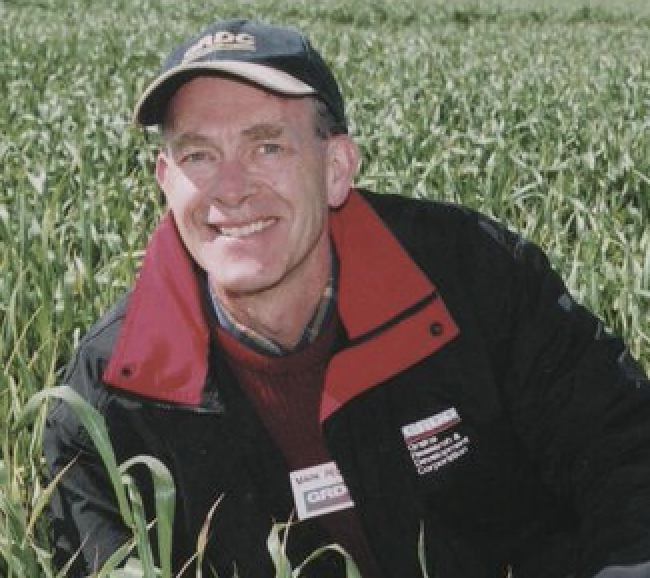 Mark B Peoples合作论文数Commonwealth Scientific and Industrial Research Organisation1
 Shiming Liu (刘世明)合作论文数State Key Laboratory of Respiratory Disease, Guangzhou Medical University1
 Derrick Oosterhuis合作论文数Dept Crop Soil & Environm Sci, Univ Arkansas1A. R. Mosier合作论文数Agricultural Research Service, U.S. Department of Agriculture1
 Charles Vincent合作论文数Centre de Recherche et de Développement en Horticulture1S. Dillon合作论文数1
 Elizabeth Dennis合作论文数School of Life Sciences, University of Technology Sydney1Scott E. Brooks合作论文数1




