Purpose: To describe objective sleep quantity and quality and nocturnal physiological measures in elite and recreational female athletes and compare between and within groups on weekdays and weekends. Methods: Sleep was assessed over 4 to 8 nights (mean [SD]: 7 [1] nights) in 21 elite and 27 recreational athletes using partial polysomnography in their home environment. Linear mixed models compared measures between groups and day (weekends: Friday and Saturday night, weekdays: Sunday to Thursday night). Results: Sleep variables were similar between groups. Elite athletes obtained a lower minimum heart rate (estimate +/- SE: -5 +/- 2 beats/min, Cohen effect size: d= -0.3 +/- 0.3, significance: P = .03) and blood oxygen saturation (-1.4 +/- 0.7%, d= -0.3 +/- 0.3, P = .045) than recreational athletes. On weekdays, elite athletes obtained a greater percentage of nonrapid eye movement stages 1 and 2 sleep (light sleep: 4 +/- 1.2%, d= 0.2 +/- 0.1, P = .001) and a lower percentage of rapid eye movement sleep (-2.4 +/- 1.2%, d= -0.1 +/- 0.1, P= .04) than on weekends. On weekdays, both elite and recreational athletes obtained earlier sleep onset time than on weekends (elite mean +/- SD: 22:38 [1:03] hh:mm vs 22:52 [1:45] hh:mm, d= -0.24 +/- 0.12, P <= .001; recreational 22:11 [0:59] hh: mm vs 22:41 [1:16] hh:mm, d= -0.19 +/- 0.12, P = .002). Only recreational athletes obtained earlier sleep offset times (5:37 [1:27] hh:mm vs 6:23 [1:10] hh:mm, d= -0.19 +/- 0.12, P = .002) on weekdays than on weekends. Conclusions: Sleep outcomes did not vary by athlete level, but nocturnal physiological measures did. Sleep outcomes also differed within each group between weekends and weekdays, suggesting strategies may be required to minimize sleep irregularity.
There is some evidence to indicate that lower-body compression garments aid recovery from exercise by improving sleep quality, but this evidence is based on measures derived from self-reports and accelerometers. The aim of this study was to examine the impact of wearing lower-body compression tights to bed on sleep following a bout of exercise, using the gold standard for sleep measurement. Twelve healthy males participated in a within-subjects, counterbalanced, randomized study with two conditions: (i) Treatment—wearing compression tights to bed after exercise, and (ii) Control—not wearing compression tights to bed after exercise. In both conditions, participants completed 40 min of moderate-intensity exercise in the afternoon and had a 9 h sleep opportunity at night. Objective and subjective assessments of sleep were obtained using polysomnography and visual analogue scales, respectively. Wearing compression tights to bed did not affect the objective measures, including sleep onset latency (p = 0.572); sleep efficiency (p = 0.754); total sleep time (p = 0.953); amount of slow-wave sleep (p = 0.374); and amount of rapid eye movement sleep (p = 0.638). Furthermore, wearing compression tights to bed did not affect the subjective measures, including sleep quality (p = 0.549), comfort (p = 0.548), and pain (p = 0.838). Wearing lower-body compression tights to bed after moderate-intensity exercise does not improve the quantity or quality of sleep obtained. Athletes who choose to wear compression tights to bed for the perceived benefits for recovery after exercise can do so without any undue effects on sleep.
Athletes often experience situations in which they do not obtain adequate sleep at night. One strategy to overcome this issue is to supplement nighttime sleep with a daytime nap. However, little is known about how well athletes sleep during daytime naps. The aims of this study were to (i) determine the ability of athletes to fall asleep during an afternoon nap and (ii) examine the composition of the sleep obtained. In a counterbalanced, repeated-measures cross-over design, 12 young male semi-professional soccer players were given a 1 h (15:00-16:00) or 2 h (14:00-16:00) nap opportunity following a normal night's sleep (7-8 h time in bed) in a laboratory. Sleep was monitored using polysomnography and variables were compared between naps using generalized estimating equation models. In the 1 h nap, participants took 6.5 min to fall asleep and spent 52/60 min asleep (87% efficiency); in the 2 h nap, participants took 7.5 min to fall asleep and spent 105/120 min asleep (87% efficiency). There was no difference in wake after sleep onset (p = 0.168) or time spent in stage N3 sleep (p = 0.110) between the 1 h and 2 h nap, but participants fell asleep faster (p < 0.001), obtained more sleep (p < 0.001), and spent more time in stage N1 sleep (p = 0.003), stage N2 sleep (p < 0.001), and Stage REM sleep (p = 0.004) in the 2 h nap. Athletes sleep well during 1 h and 2 h afternoon naps and could use this as a strategy to help meet sleep duration recommendations (i.e., 7-9 h).
Athletes often experience poor sleep quality and quantity which may hinder physical performance and cognitive function. Presleep nutritional strategies may be an alternative to pharmacological interventions to improve sleep. The aim of this study was to examine the effect of two different doses of a nutritional intervention (both containing high Glycemic Index carbohydrate, whey, tryptophan, theanine, and 5′AMP) versus placebo on objective and subjective sleep, next-morning physical performance, cognitive function, and postural sway. Seventeen healthy, trained adult males completed three double-blind trials in a randomized, counterbalanced, crossover design. Participants were allocated to conditions using a Latin Square design. A (a) low-dose, (b) high-dose, or (c) placebo drink was provided 90 min before sleep each night. Polysomnography was used to measure objective sleep parameters. Cognitive function, postural sway, and subjective sleep quality were assessed 30 min after waking. Physical performance was assessed using a 10-min maximal effort cycling time trial each morning. All data were analyzed using linear mixed effects models and effect sizes were calculated using Cohen’s d . This study was registered prospectively as a clinical trial with Australian New Zealand Clinical Trials Registry (registration number: NCT05032729). No significant main effects or improvements were observed in objective or subjective sleep parameters, physical performance, cognitive function, or postural sway. The low-dose intervention appeared to reduce N3 sleep duration compared with placebo (−13.6 min). The high-dose intervention appeared to increase N1 sleep duration compared with placebo (+7.4 min). However, the magnitude of changes observed were not likely to cause meaningful reductions in sleep quality and quantity.
OBJECTIVES:To investigate the effect of afternoon moderate-intensity cycling exercise on objective and subjective sleep in healthy adult males. DESIGN:Repeated-measures, counter-balanced, crossover study design. METHODS:To assess the effect of moderate-intensity afternoon exercise on sleep quality and quantity, 12 healthy adult males who were identified as good sleepers (<5 on Pittsburgh Sleep Quality Index) completed either moderate-intensity cycling exercise for 40 min at 70 % HRmax at ~15:30 h or sedentary activities. Polysomnography was used to measure sleep during a 9-hour sleep opportunity (23:00 h to 08:00 h). Sleep was subjectively assessed using questionnaires 30 min after waking. RESULTS:There were no statistically significant changes in objective or subjective sleep quality or quantity between conditions. The inter-quartile range for total sleep time (exercise: 51.5 min vs no exercise: 13.4 min) and sleep efficiency (exercise: 9.5 % vs no exercise: 2.5 %) suggests that there was more individual variability in subsequent sleep after afternoon exercise compared to no exercise. Exercise appeared to have a moderate effect on reducing total sleep time (mean ± SD; control 493.7 ± 12.6 min vs exercise: 471.5 ± 55.2 min; Cohen's d: -0.56), sleep efficiency (control 91.4 ± 2.3 % vs exercise: 87.3 ± 10.2 %; Cohen's d: -0.56), and delaying REM onset latency (control: 76.1 ± 45.1 min vs exercise: 102.8 ± 46.9 min; r: 0.33), although the results did not reach statistical significance (p > 0.05). CONCLUSIONS:Healthy adult males can complete moderate-intensity exercise in the afternoon without compromising subsequent sleep. Individual responses in objective sleep outcomes may vary after exercise.
The aim of the study was to examine the validity of a neurophysiological-based wearable device, i.e., Somfit (Compumedics Ltd.), for the assessment of sleep in athletes. Twenty-seven athletes (14 F, 13 M, aged 22.3 ± 5.1 years) spent a single night in a sleep laboratory. The participants had 9 h in bed (23:00–08:00) while fitted simultaneously with Somfit and polysomnography (PSG), i.e., the gold standard for the assessment of sleep. Somfit and PSG were used to independently categorise each 30-s epoch of time in bed into one of five states, i.e., wake, stage 1 non-REM sleep (N1), stage 2 non-REM sleep (N2), stage 3 non-REM sleep (N3), or REM sleep. There were large differences between participants in terms of the amount of Somfit data that were successfully captured/scored, so three subsets were considered in the subsequent analyses: unfiltered subset (n = 26)—all participants, except one for whom no Somfit data were captured/scored; good-capture subset (n = 15)—participants for whom > 80% of Somfit data were captured/scored; excellent-capture subset (n = 7)—participants for whom > 99.9% of Somfit data were captured/scored. Agreement for the five-state categorisation of time in bed was calculated as the percentage of PSG epochs correctly scored by Somfit as N1, N2, N3, REM, or wake. Agreement (and Cohen’s kappa) was 63% (0.47) for the unfiltered subset, 66% (0.52) for the good-capture subset, and 79% (0.70) for the excellent-capture subset. These data indicate a moderate–substantial level of agreement between Somfit and PSG for the assessment of sleep in athletes. Wearable devices that can capture valid sleep data may also be used to derive important measures related to the circadian system, such as sleep consistency and social jet lag.
Vehicle crashes caused by drink driving and speeding have decreased markedly in recent years due to enforcement strategies and specific guidance on 'how drunk is too drunk' and 'how fast is too fast'. However, fatigue-related vehicle crashes have not declined, likely reflecting both a lack of clear guidance on 'how tired is too tired' to drive, and the lack of a relevant legislative framework. A two-phase qualitative study was undertaken with community members (focus groups; n = 33) and road transport industry stakeholders (interviews; n = 28). Participants were asked to (i) identify how much sleep they believe is required to drive safely, (ii) describe how they would respond to the introduction of regulations regarding 'deemed impairment' with respect to driver fatigue, and (iii) provide insight into how such legislation could be implemented. Most participants believed that it may be appropriate to require at least 5 h of sleep prior to driving and were supportive of fatigue-related deemed impairment legislation, but were concerned about how such legislation would operate in practice. Critically, all participants strongly supported the development of a public education campaign providing clear guidance on how to determine whether one is 'safe to drive' based on prior sleep (i.e., 'how tired is too tired'). Based on these findings, there may be reasonable support for policy makers and ultimately politicians to progress legislation that deems drivers to be impaired based on prior sleep duration. Perhaps more critically, participants identified a clear need for a strong public education campaign.
Abstract Background Sleep is a critical component of recovery, but it can be disrupted following prolonged endurance exercise. The objective of this study was to examine the capacity of male and female professional cyclists to recover between daily race stages while competing in the 2022 Tour de France and the 2022 Tour de France Femmes, respectively. The 17 participating cyclists (8 males from a single team and 9 females from two teams) wore a fitness tracker (WHOOP 4.0) to capture recovery metrics related to night-time sleep and autonomic activity for the entirety of the events and for 7 days of baseline before the events. The primary analyses tested for a main effect of ‘stage classification’—i.e., rest, flat, hilly, mountain or time trial for males and flat, hilly or mountain for females—on the various recovery metrics. Results During baseline, total sleep time was 7.2 ± 0.3 h for male cyclists (mean ± 95% confidence interval) and 7.7 ± 0.3 h for female cyclists, sleep efficiency was 87.0 ± 4.4% for males and 88.8 ± 2.6% for females, resting HR was 41.8 ± 4.5 beats·min−1 for males and 45.8 ± 4.9 beats·min−1 for females, and heart rate variability during sleep was 108.5 ± 17.0 ms for males and 119.8 ± 26.4 ms for females. During their respective events, total sleep time was 7.2 ± 0.1 h for males and 7.5 ± 0.3 h for females, sleep efficiency was 86.4 ± 1.2% for males and 89.6 ± 1.2% for females, resting HR was 44.5 ± 1.2 beats·min−1 for males and 50.2 ± 2.0 beats·min−1 for females, and heart rate variability during sleep was 99.1 ± 4.2 ms for males and 114.3 ± 11.2 ms for females. For male cyclists, there was a main effect of ‘stage classification’ on recovery, such that heart rate variability during sleep was lowest after mountain stages. For female cyclists, there was a main effect of ‘stage classification’ on recovery, such that the percentage of light sleep (i.e., lower-quality sleep) was highest after mountain stages. Conclusions Some aspects of recovery were compromised after the most demanding days of racing, i.e., mountain stages. Overall however, the cyclists obtained a reasonable amount of good-quality sleep while competing in these physiologically demanding endurance events. This study demonstrates that it is now feasible to assess recovery in professional athletes during multiple-day endurance events using validated fitness trackers.
Alcohol is commonly consumed prior to bedtime with the belief that it facilitates sleep. This systematic review and meta-analysis investigated the impact of alcohol on the characteristics of night-time sleep, with the intent to identify the influence of the dose and timing of alcohol intake. A systematic search of the literature identified 27 studies for inclusion in the analysis. Changes in sleep architecture were observed, including a delay in the onset of rapid eye movement (REM) sleep and a reduction in the duration of REM sleep. A dose-response relationship was identified such that disruptions to REM sleep occurred following consumption of a low dose of alcohol (≤0.50 g∙kg-1 or approximately two standard drinks) and progressively worsened with increasing doses of alcohol. Reductions in sleep onset latency and latency to deep sleep (i.e., non-rapid eye movement stage three (N3)) were only observed following the consumption of a high dose of alcohol (≥0.85∙g kg-1 or approximately five standard drinks). The effect of alcohol on the remaining characteristics of sleep could not be determined, with large uncertainty observed in the effect on total sleep time, sleep efficiency, and wake after sleep onset. The results of the present study suggest that a low dose of alcohol will negatively impact (i.e., reduce) REM sleep. It appears that high doses of alcohol may shorten sleep onset latency, however this likely exacerbates subsequent REM sleep disruption. Future work on personal and environmental factors that affect alcohol metabolism, and any differential effects of alcohol due to sex is encouraged.
There is good evidence to indicate severe sleep restriction increases subjective feelings of hunger, but the impact of mild to moderate sleep restriction (i.e., 5-7 h) on hunger has not been systematically evaluated. Healthy male participants (n = 116; 22.8 +/- 2.1 years; 22.9 +/- 3.7 kg center dot m(-2)) were recruited to a ten-day laboratory study. In a between groups design, participants were allocated to one of five time in bed conditions (5 h, 6 h, 7 h, 8 h or 9 h) for seven consecutive nights. Participants were provided a eucaloric diet and ratings of hunger, nausea and desire to eat certain foods were collected using visual analogue scales prior to meals (breakfast, lunch, afternoon snack, dinner and evening snack) on four days during the study. Data were analysed using linear mixed models with time in bed, time of day and study day as fixed effects and participant as a random effect. There was no main effect of time in bed, and no interaction between time in bed and study day, on hunger, nausea, prospective hunger or desire to eat certain foods. However, post-hoc analyses indicated that participants in the 5-h condition had an elevated desire to consume sweet foods and fruit on the final morning of the protocol. There was a main effect of time of day and study day on hunger; participants were hungriest prior to lunch time and hunger decreased over consecutive days of the protocol. When provided with a eucaloric diet, only 5-h time in bed increased desire to consume sweet foods and fruit in healthy young men.
Transition to night shift may be improved by strategically delaying the main sleep preceding a first night shift. However, the effects of delayed timing on sleep may differ between chronotypes. Therefore, the study aim was to compare the impacts of chronotype on sleep quality and architecture during a normally timed sleep opportunity and a delayed sleep opportunity. Seventy-two (36 female, 36 male) healthy adults participated in a laboratory study. Participants were provided with a normally timed sleep opportunity (23:00-08:00) and a delayed sleep opportunity (03:00-12:00) over two consecutive nights in a sleep laboratory. Sleep was monitored by polysomnography (PSG), and chronotype was determined from dim light melatonin onset (DLMO). A tertile split of DLMO defined early (20:24 +/- 0:42 h), intermediate (21:31 +/- 0:12 h), and late chronotype (22:56 +/- 0:54 h) categories. Although there was no main effect of chronotype on any sleep measure, early chronotypes obtained less total sleep with delayed sleep than with normally timed sleep (p = 0.044). Intermediate and late chronotypes obtained more rapid eye movement (REM) sleep with delayed sleep than with normally timed sleep (p = 0.013, p = 0.012 respectively). Wake was more elevated for all chronotypes in the later hours of the delayed sleep opportunity than at the start of the sleep opportunity. Strategically delaying the main sleep preceding a first night shift appears to benefit intermediate and late chronotypes (i.e., more REM sleep), but not early chronotypes (i.e., less total sleep). Circadian processes appear to elevate wakefulness for all chronotypes in the later stages of a delayed sleep opportunity.
Mood state and alertness are negatively affected by sleep loss, and can be positively influenced by exercise. However, the potential mitigating effects of exercise on sleep-loss-induced changes in mood state and alertness have not been studied comprehensively. Twenty-four healthy young males were matched into one of three, 5-night sleep interventions: normal sleep (NS; total sleep time (TST) per night = 449 ± 22 min), sleep restriction (SR; TST = 230 ± 5 min), or sleep restriction and exercise (SR + EX; TST = 235 ± 5 min, plus three sessions of high-intensity interval exercise (HIIE)). Mood state was assessed using the profile of mood states (POMS) and a daily well-being questionnaire. Alertness was assessed using psychomotor vigilance testing (PVT). Following the intervention, POMS total mood disturbance scores significantly increased for both the SR and SR + EX groups, and were greater than the NS group (SR vs NS; 31.0 ± 10.7 A.U., [4.4-57.7 A.U.], p = 0.020; SR + EX vs NS; 38.6 ± 14.9 A.U., [11.1-66.1 A.U.], p = 0.004). The PVT reaction times increased in the SR (p = 0.049) and SR + EX groups (p = 0.033) and the daily well-being questionnaire revealed increased levels of fatigue in both groups (SR; p = 0.041, SR + EX; p = 0.026) during the intervention. Despite previously demonstrated physiological benefits of performing three sessions of HIIE during five nights of sleep restriction, the detriments to mood, wellness, and alertness were not mitigated by exercise in this study. Whether alternatively timed exercise sessions or other exercise protocols could promote more positive outcomes on these factors during sleep restriction requires further research.
The consumption of caffeine in response to insufficient sleep may impair the onset and maintenance of subsequent sleep. This systematic review and meta-analysis investigated the effect of caffeine on the characteristics of night-time sleep, with the intent to identify the time after which caffeine should not be consumed prior to bedtime. A systematic search of the literature was undertaken with 24 studies included in the analysis. Caffeine consumption reduced total sleep time by 45 min and sleep efficiency by 7%, with an increase in sleep onset latency of 9 min and wake after sleep onset of 12 min. Duration (+6.1 min) and proportion (+1.7%) of light sleep (N1) increased with caffeine intake and the duration (-11.4 min) and proportion (-1.4%) of deep sleep (N3 and N4) decreased with caffeine intake. To avoid reductions in total sleep time, coffee (107 mg per 250 mL) should be consumed at least 8.8 h prior to bedtime and a standard serve of pre-workout supplement (217.5 mg) should be consumed at least 13.2 h prior to bedtime. The results of the present study provide evidence-based guidance for the appropriate consumption of caffeine to mitigate the deleterious effects on sleep. (c) 2023 The Authors. Published by Elsevier Ltd. This is an open access article under the CC BY license (http://creativecommons.org/licenses/by/4.0/).
Introduction: Recent sleep guidelines regarding evening exercise have shifted from a conservative (i.e., do not exercise in the evening) to a more nuanced approach (i.e., exercise may not be detrimental to sleep in circumstances). With the increasing popularity of wearable technology, information regarding exercise and sleep are readily available to the general public. There is potential for these data to aid sleep recommendations within and across different population cohorts. Therefore, the aim of this study was to examine if sleep, exercise, and individual characteristics can be used to predict whether evening exercise will compromise sleep.Methods: Data regarding evening exercise and the subsequent night’s sleep were obtained from 5,250 participants (1,321F, 3,929M, aged 30.1 ± 5.2 yrs) using a wearable device (WHOOP 3.0). Data for females and males were analysed separately. The female and male datasets were both randomly split into subsets of training and testing data (training:testing = 75:25). Algorithms were trained to identify compromised sleep (i.e., sleep efficiency <90%) for females and males based on factors including the intensity, duration and timing of evening exercise.Results: When subsequently evaluated using the independent testing datasets, the algorithms had sensitivity for compromised sleep of 87% for females and 90% for males, specificity of 29% for females and 20% for males, positive predictive value of 32% for females and 36% for males, and negative predictive value of 85% for females and 79% for males. If these results generalise, applying the current algorithms would allow females to exercise on ~ 25% of evenings with ~ 15% of those sleeps being compromised and allow males to exercise on ~ 17% of evenings with ~ 21% of those sleeps being compromised.Discussion: The main finding of this study was that the models were able to predict a high percentage of nights with compromised sleep based on individual characteristics, exercise characteristics and habitual sleep characteristics. If the benefits of exercising in the evening outweigh the costs of compromising sleep on some of the nights when exercise is undertaken, then the application of the current algorithms could be considered a viable alternative to generalised sleep hygiene guidelines.
Driver fatigue is a contributory factor in approximately 20% of vehicle crashes. While other causal factors (eg, drink-driving) have decreased in recent decades due to increased public education strategies and punitive measures, similar decreases have not been seen in fatigue -related crashes. Fatigued driving could be managed in a similar way to drink-driving, with an established point (ie, amount of prior sleep) after which drivers are "deemed impaired". This systematic review aimed to provide an evidence-base for the concept of deemed impairment and to identify how much prior sleep may be required to drive safely. Four online databases were searched (PubMed, Web of Science, Scopus, Embase). Eligibility requirements included a) measurement of prior sleep duration and b) driving performance indicators (eg, lane deviation) and/or outcomes (eg, crash likelihood). After screening 1940 unique records, a total of 61 studies were included. Included studies were categorised as having experimental/quasi-experimental (n = 21), naturalistic (n = 3), longitudinal (n = 1), case-control (n = 11), or cross-sectional (n = 25) designs. Findings suggest that after either 6 or 7 hours of prior sleep, a modest level of impairment is generally seen compared with after >= 8 hours of prior sleep (ie, well rested), depending on the test used. Crash likelihood appears to be similar to 30% greater after 6 or 7 hours of prior sleep, as compared to individuals who are well rested. After one night of either 4 or 5 hours of sleep, there are large decrements to driving performance and approximately double the likelihood of a crash when compared with well-rested individuals. When considering the scientific evidence, it appears that there is a notable decrease in driving performance (and associated increase in crash likelihood) when less than 5h prior sleep is obtained. This is a critical first step in establishing community standards regarding the amount of sleep required to drive safely.
Abstract Introduction Acute exercise may have the ability to disrupt sleep in healthy adults. Given the popularity of afternoon exercise, it is important to determine how this affects sleep. Therefore, the aim of this study was to investigate the effect of afternoon moderate-intensity cycling exercise on objective and subjective sleep in healthy adult males. Methods To assess the effect of moderate-intensity afternoon exercise on sleep quality and quantity, 12 healthy adult males who were identified as good sleepers completed a repeated-measures, counter-balanced, crossover study design with two conditions (moderate-intensity aerobic exercise or no exercise). The exercise task involved cycling for 40 minutes at 70%HRmax and was completed ~15:30h. Polysomnography was used to measure sleep during a 9-h sleep opportunity (23:00h to 08:00h). Results There were no statistically significant differences in objective or subjective sleep between conditions. Exercise had a medium-sized effect on reducing total sleep time (mean ± SD; control 493.71 ± 12.59 mins vs exercise: 471.46 ± 55.19 mins; Cohen’s d: 0.56), sleep efficiency (mean ± SD; control 91.43 ± 2.33 % vs exercise: 87.31 ± 10.22 %; Cohen’s d: 0.56), and increasing REM onset latency (mean ± SD; control: 76.13 ± 45.10 mins vs exercise: 102.75 ± 46.85 mins; r: -0.33) (all p > 0.05). Discussion Healthy adult males can complete afternoon moderate-intensity exercise without compromising subsequent sleep. Individual responses in objective sleep outcomes may vary after exercise.
Objective The objective of this study was to examine the capacity of male and female professional cyclists to recover between daily race stages while competing in the 109th edition of the Tour de France (2022) and the 1st edition of the Tour de France Femmes (2022), respectively.Methods The 17 participating cyclists were 8 males from a single team (aged 28.0 ± 2.5 years [mean ± 95% confidence interval]) and 9 females from two separate teams (aged 26.7 ± 3.1 years). Cyclists wore a fitness tracker (WHOOP 4.0) to capture recovery metrics primarily related to night-time sleep and autonomic activity. Data were collected for the entirety of the events and for 7 days of baseline before the events. The primary analyses tested for a main effect of ‘stage type’ – i.e., rest, flat, hilly, mountain or time trial for males and flat, hilly or mountain for females – on the various recovery metrics.Results During baseline, total sleep time at night was 7.2 ± 0.3 h for male cyclists and 7.7 ± 0.3 h for female cyclists, sleep efficiency (i.e., total sleep time as a percentage of time in bed) was 87.0 ± 4.4 % for males and 88.8 ± 2.6 % for females, resting heart rate was 41.8 ± 4.5 beats·min-1 for males and 45.8 ± 4.9 beats·min-1 for females, and heart rate variability during sleep was 108.7 ± 17.0 ms for males and 119.8 ± 26.4 ms for females. During their respective events, total sleep time at night was 7.2 ± 0.1 h for males and 7.5 ± 0.3 h for females, sleep efficiency was 86.4 ± 1.2 % for males and 89.6 ± 1.2 % for females, resting heart rate was 44.5 ± 1.2 beats·min-1 for males and 50.2 ± 2.0 beats·min-1 for females, and heart rate variability during sleep was 99.1 ± 4.2 ms for males and 114.3 ± 11.2 ms for females. For male cyclists, there was a main effect of ‘stage type’ on recovery, such that heart rate variability during sleep was lowest after mountain stages. For female cyclists, there was also a main effect of ‘stage type’ on recovery, such that the percentage of light sleep in a sleep period (i.e., lower-quality sleep) was highest after mountain stages.Conclusions Some aspects of recovery were compromised in cyclists after the most demanding days of racing, i.e., mountain stages. Overall however, the cyclists obtained a reasonable amount of good-quality sleep while competing in these highly demanding endurance events. This study demonstrates that it is now feasible to assess recovery metrics in professional athletes during multiple-day endurance events using validated fitness trackers.### Competing Interest StatementCharli Sargent, Dean J. Miller and Gregory D. Roach are members of a research group at CQUniversity that receives support for research (i.e., funding, equipment) from Whoop, Inc.; Emily R. Capodilupo is a shareholder and employee of Whoop, Inc; Jeremy Powers and Summer Jasinski are employees of Whoop, Inc.### Funding StatementThis study did not receive any funding.### Author DeclarationsI confirm all relevant ethical guidelines have been followed, and any necessary IRB and/or ethics committee approvals have been obtained.YesThe details of the IRB/oversight body that provided approval or exemption for the research described are given below:Ethics committee of Central Queensland University gave ethical approval for this work.I confirm that all necessary patient/participant consent has been obtained and the appropriate institutional forms have been archived, and that any patient/participant/sample identifiers included were not known to anyone (e.g., hospital staff, patients or participants themselves) outside the research group so cannot be used to identify individuals.YesI understand that all clinical trials and any other prospective interventional studies must be registered with an ICMJE-approved registry, such as ClinicalTrials.gov. I confirm that any such study reported in the manuscript has been registered and the trial registration ID is provided (note: if posting a prospective study registered retrospectively, please provide a statement in the trial ID field explaining why the study was not registered in advance).YesI have followed all appropriate research reporting guidelines, such as any relevant EQUATOR Network research reporting checklist(s) and other pertinent material, if applicable.YesAll data produced in the present study are available upon reasonable request to the authors.
Abstract Introduction The aim of this study was to examine the capacity of professional cyclists to recover between daily race stages while competing in the 2022 editions of the Tour de France and Tour de France Femmes. Methods The 17 participating cyclists were 8 males from a single team (aged 28.0yr) and 9 females from two separate teams (aged 26.7yr). Throughout the events, the cyclists wore a wrist-worn monitor (WHOOP 4.0) to capture recovery metrics related to sleep (quantity/quality) and autonomic activity (heart rate and heart rate variability). The primary analyses tested for a main effect of ‘day type’ – i.e., rest, flat, hilly, mountain or time trial for males; and flat, hilly or mountain for females – on the various recovery metrics. Results During their respective events, males obtained an average of 7.2(±0.1)h sleep each night, with sleep efficiency of 86.4(±1.2)%; and females obtained an average of 7.5(±0.3)h sleep each night, with sleep efficiency of 89.6(±1.2)%. For males, there was a main effect of ‘day type’ on recovery, such that heart rate variability during sleep was lowest after mountain stages. For females, there was a main effect of ‘day type’ on recovery, such that the percentage of light sleep in a sleep period (i.e., lower-quality sleep) was highest after mountain stages. Discussion Some aspects of recovery were compromised in cyclists after the most demanding days of racing, i.e., mountain stages. Overall however, the cyclists obtained a reasonable amount of good-quality sleep while competing in these highly demanding endurance events.
Abstract Introduction The aim of this study was to examine whether the intensity of ambient lighting affects the rate at which the human circadian system adapts to working at night. Methods. The whole study will include 60 participants (50:50, F:M; aged 28–35yr; good sleep/health) randomised to one of three conditions. In each condition, participants work 14 x 12-hr simulated night shifts (19:00–07:00h) while living 24h/day in an accommodation suite. The only difference between conditions is in the light intensity during night shifts – dim (5–10lx), moderate (50–100lx), normal (300–350lx). Circadian adaptation is being assessed using the hourly rate of 6-sulphatoxymelatonin (aMT6s) production during sleep. Results The project is in progress, so these results are for the first 6–12 participants in each condition. For each day, circadian adaptation is assessed by expressing the rate of aMT6s excreted during the daytime sleep period as a percentage of the rate of aMT6s excreted during the night-time baseline sleep period (for an adaption score of 0–100%). On average, participants in the dim condition are adapted by 26%,37%,32% after nights 1,7,14; participants in the moderate condition are adapted by 23%,37%,60% after nights 1,7,14; and participants in the normal condition are adapted by 27%,117%,103% after nights 1,7,14. Discussion These data indicate that the rate, and degree, of circadian adaptation to night work is substantially affected by the intensity of ambient lighting. Therefore, lighting conditions should be incorporated into OHS guidelines related to managing the fatigue risks associated with night work.
 Charli Sargent合作论文数Appleton Inst Behav Sci, Cent Queensland Univ148
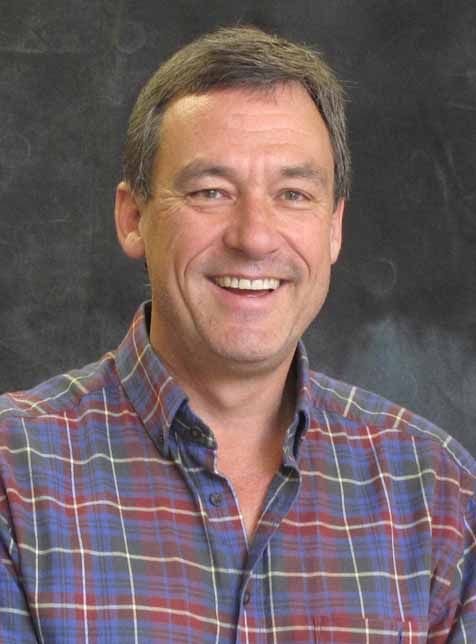 Drew Dawson合作论文数Appleton Institute, Central Queensland University82
 David Darwent合作论文数Centre for Sleep Research;University of South Australia;Centre for Sleep Research, University of South Australia54
 Lastella Michele合作论文数36
 Sally Louise Ferguson合作论文数35
 Shona Halson合作论文数School of Behavioural and Health Sciences, Australian Catholic University34
 Dean J Miller合作论文数Appleton Inst Behav Sci, Cent Queensland Univ29
 Jillian Dorrian合作论文数School of Psychology, Social Work and Social Policy C1-20 Magill Campus, St Bernards Rd Magill SA 5072 Australia28
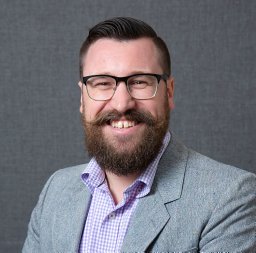 Raymond W. Matthews合作论文数27
 David J Kennaway合作论文数23
 Kosmadopoulos Anastasi合作论文数Appleton Institute, Central Queensland University21Xuan Zhou合作论文数19
 Gemma M. Paech合作论文数Qantas16A Fletcher合作论文数14
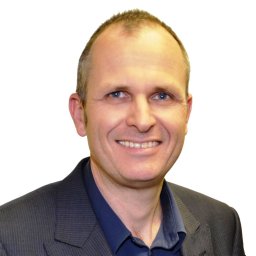 Andrew Michael Reiter合作论文数Appleton Institute for Behavioural Science, Central Queensland University12Nicole Lamond合作论文数12S. A. Ferguson合作论文数11N Lamond合作论文数11X. Zhou合作论文数11Garvican-Lewis Laura A合作论文数11
 Leon Lack合作论文数College of Education, Psychology and Social Work, Flinders University10
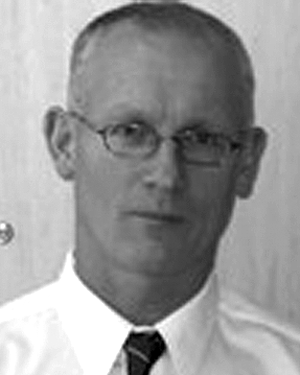 Christopher J. Gore合作论文数10Robert J Aughey合作论文数10Georgina Heath合作论文数UniSA Justice & Soc, Univ South Australia9
 Bourdon Pitre C合作论文数ASPIRE Acad Sports Excellence9
 Martin Buchheit合作论文数DFKI, Saarbru¨cken, Germany9Adam Fletcher合作论文数8M. S. P. Eastham合作论文数7D. Edmunds合作论文数7Walter F. Schmidt合作论文数7Gian‐Carlo Rota合作论文数7J. W. S. Cassels合作论文数7Jaroslav Kurzweil合作论文数7Haïm Brézis合作论文数7G Preston合作论文数7T Blyth合作论文数7W Rutherford合作论文数7Friedrich Stummel合作论文数7paul r halmos合作论文数7Thomas G Kontou合作论文数Appleton Inst Behav Sci, Cent Queensland Univ7W. N. Everitt合作论文数7Paul Waltman合作论文数7
 Reinoud Knops合作论文数Amsterdam University Medical Center7
 Nathan G Versey合作论文数7
 Grace Vincent合作论文数Appleton Institute, School of Health Medical and Applied Sciences, Central Queensland University7
 Nadine B. Wachsmuth合作论文数7
 Kristal Hammond合作论文数7
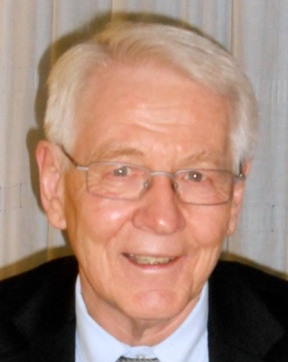 Herbert Amann合作论文数Institut fur Mathematik, Universitat Zurich7
 Anton Zettl合作论文数7




