The propensity for nano-tendril bundle (NTB) vs widespread nano-tendril growth (i.e., fuzz) on polycrystalline W under varying ion energy modulation conditions, from DC to peak-to-peak energy modulation of 42 eV at 13.56 MHz, is correlated with the crystal orientation of the underlying grains. Grains that are vicinal to crystal orientations with high surface diffusivity (e.g., {101} for a body centered cubic crystal structure) exhibit NTB growth at lower ion energy modulation amplitude than grains that are vicinal to low surface diffusivity orientations, such as {100}. Adatom mobility considerations are presented to describe the experimental observations. These results support that surface diffusion or W adatom mobility enhanced by ion bombardment plays a key role in the surface morphology evolution of W under He irradiation.
The DIONISOS experiment is used to study the impact of RF helium (He) plasma on the surface morphology of tungsten (W) at a frequency of 13.56 MHz. Helium ion energy distributions with a span of 7075 eV, while still below the sputtering threshold result in nano-tendril bundles (NTBs) and free-standing W whiskers on surfaces at 1020 K. The NTBs are distributed intragranularly with coverage of less than 10% while reaching up to 30 mu m normal to the surface for He ion fluence of 7.6 x 10(25) m(-2) and flux density of 10(22) m(-2) s(-1). Analysis of the NTB interior and sub-surface structure is provided through focused ion beam cross section. (C) 2017 The Authors. Published by Elsevier Ltd.
Time-modulated helium (He) ion energy (e.g. V-Bias = -50 + 25 center dot sin(2 pi f(RF)center dot t), f(RF) = 13.56 MHz) is demonstrated to strongly affect the development of tungsten (W) surface morphology that results from He plasma irradiation in the DIONISOS linear plasma experiment. Nano-tendril bundles (NTBs), which appear as isolated 'islands' of nano-tendrils, can rapidly grow on an otherwise smooth W surface. This is in contrast to previously seen full-surface coverage of nano-tendril growth known as 'fuzz'. When tall NTBs form, less than 15% of the surface contains nano-tendrils. The NTB surface coverage changes with growth conditions and the total volume of nano-tendrils in the NTBs is observed to be up to a factor of 16 larger than when fuzz is grown. This indicates that long-range W surface transport underlies nano-tendril formation.Surface temperature 870-1220 K, the DC bias potential -30 to -70 V, and the ion flux density 4.4 x 10(21)-1.1 x 10(22) He center dot m(-2) center dot s(-1) are varied in the experiments. NTBs form at similar conditions as fuzz with the critical difference being the RF modulation of the ion energy bombarding the W, another indication of the importance of W surface transport. Mass loss measurements indicate net erosion with a yield of 1-8 x 10(-4) W/He when NTBs form; erosion that is not attributable to chemical or physical sputtering by He or impurities in the plasma. The erosion is correlated to the NTB growth, based on post-exposure inspection by electron microscopy indicating that NTBs are prone to loss from the surface. NTB growth is compared to the empirical growth-erosion model of fuzz, showing NTBs grow up to a factor of 100 times taller than the expected fuzz layer depth under DC bias conditions. Insights into nano-tendril growth provided by this new growth regime are discussed. Strategies to mitigate W fuzz growth may inadvertently result in rapid localized nano-tendril bundle growth with a higher probability of dust production.
Helium ion energy distributions were measured in helicon wave-coupled plasmas of the dynamics of ion implantation and sputtering of surface experiment using a retarding field energy analyzer. The shape of the energy distribution is a double-peak, characteristic of radiofrequency plasma potential modulation. The broad distribution is located within a radius of 0.8 cm, while the quartz tube of the plasma source has an inner radius of 2.2 cm. The ion energy distribution rapidly changes from a double-peak to a single peak in the radius range of 0.7–0.9 cm. The average ion energy is approximately uniform across the plasma column including the double-peak and single peak regions. The widths of the broad distribution, ΔE, in the wave-coupled mode are large compared to the time-averaged ion energy, ⟨E⟩. On the axis (r = 0), ΔE/⟨E⟩ ≲ 3.4, and at a radius near the edge of the plasma column (r = 2.2 cm), ΔE/⟨E⟩ ∼ 1.2. The discharge parameter space is scanned to investigate the effects of the magnetic field, input power, and chamber fill pressure on the wave-coupled mode that exhibits the sharp radial variation in the ion energy distribution.
The Accelerator-Based In Situ Materials Surveillance (AIMS) diagnostic was developed to perform in situ ion beam analysis (IBA) on Alcator C-Mod in August 2012 to study divertor surfaces between shots. These results were limited to studying low-Z surface properties, because the Coulomb barrier precludes nuclear reactions between high-Z elements and the similar to 1 MeV AIMS deuteron beam. In order to measure the high-Z erosion, a technique using deuteron-induced gamma emission and a low-Z depth marker is being developed. To determine the depth of the marker while eliminating some uncertainty due to beam and detector parameters, the energy dependence of the ratio of two gamma yields produced from the same depth marker will be used to determine the ion beam energy loss in the surface, and thus the thickness of the high-Z surface. This paper presents the results of initial trials of using an implanted depth marker layer with a deuteron beam and the method of ratios. First tests of a lithium depth marker proved unsuccessful due to the production of conflicting gamma peaks, among other issues. However, successful trials with a boron depth marker show that it is possible to measure the depth of the marker layer with the method of gamma yield ratios. (C) 2016 Published by Elsevier Ltd.
We present measurements and modeling of aluminum erosion and redeposition experiments in separate helium and deuterium low power, low density L-mode plasmas at the outer divertor strike point of DIII-D to provide a low-Z material benchmark dataset for tokamak erosion-deposition modeling codes. Coatings of Al similar to 100 nm thick were applied to ideal ( smooth) and realistic ( rough) surfaces and exposed to repeat plasma discharges using the DiMES probe. Redeposition in all cases was primarily in the downstream toroidal field direction, evident from both in-situ spectroscopic and post-mortem non-spectroscopic measurements. The gross Al erosion yield was estimated from film thickness change measurements of small area samples, and was found to be similar to 40-70% of the expected erosion yield based on theoretical physical sputtering yields after including sputtering by a 1-3% carbon impurity. The multi-step redeposition and re-erosion process, and hence the measured net erosion yield and material migration patterns, were found to be influenced by the surface roughness and/or porosity. A time-dependent model of material migration accounting for deposit accumulation in hidden areas was developed to reproduce the measurements in these experiments and determine a redeposition probability distribution function for sputtered atoms. (C) 2016 Elsevier Ltd. This is an open access article under the CC BY-NC-ND license.
The accessible performance range for most magnetic confinement plasma physics devices expands markedly with increasing magnetic flux density. The MIT Plasma Science and Fusion Center is investigating the use of high-temperature superconductors as a low cost means to significantly enhance the performance characteristics of small to moderate scale devices. Our initial investigation emphasized the no-insulation winding technique as a means to produce highly stable dc magnets for devices operating at moderate to high magnetic flux density. We present design, manufacture, and test results for a double pancake coil wound from a 500 m length of 12 mm wide REBCO tape. The coil provides on-axis magnetic flux density within an 8 cm clear bore in excess of 0.5 T when operated in liquid nitrogen and in excess of 6 T when operated in liquid helium. The ultimate aim of the program is to develop conduction-cooled HTS coil modules that can be used for both linear and toroidal plasma devices.
Tungsten nanostructures (W-fuzz) prepared in the PISCES-A linear device have been found to survive direct exposure to divertor plasmas in DIII-D. W-fuzz was exposed in the lower divertor of DIII-D using the divertor material evaluation system. Two samples were exposed in lower single null (LSN) deuterium H-mode plasmas. The first sample was exposed in three discharges terminated by vertical displacement event disruptions, and the second in two discharges near the lowered X-point. More recently, three samples were exposed near the lower outer strike point in predominantly helium H-mode LSN plasmas. In all cases, the W-fuzz survived plasma exposure with little obvious damage except in the areas where unipolar arcing occurred. Arcing is effective in W-fuzz removal, and it appears that surfaces covered with W-fuzz can be more prone to arcing than smooth W surfaces.
The mechanisms responsible for and controlling the growth of tungsten nano-tendrils (or "fuzz") under low-energy helium plasma exposure remain unclear. For the first time in nano-tendril experiments, the plasma sheath-produced electric field and the helium (He) ion energy have been decoupled, showing that the sheath electric field has little impact on nano-tendril growth, eliminating a possible cause for tendril growth. The well-established necessary growth conditions for W fuzz were maintained with He ion flux density Gamma(He) > 10(21) He m(-2) s(-1), surface temperature T-s = 1273 K, He ion energy E-He = 64 eV, and He ion fluence Phi(He) > 10(24) He m(-2). A grid is situated between the tungsten sample and plasma, with the grid and sample potentials independently controlled in order to control the electric field at the surface of the sample while maintaining the same incident He ion energy to the surface. A calculation of the potential profile in the drift space between the grid and sample was used to account for space charge and calculate the electric field at the surface of the sample. Tungsten fuzz formed at all electric fields tested, even near zero electric field. Also, the depth of the resulting W fuzz layer was unaltered by the electric field when compared to the calculated depth determined from an empirical growth model. The conclusion is that the sheath electric field is not necessary to cause the changes in surface morphology. (C) 2016 Elsevier B.V. All rights reserved.
Figure correction of thin x-ray telescope mirrors may be critical for future missions that require high angular resolution and large collecting areas. One promising method of providing figure correction is to use stress generated via ion implantation. Since stress-based figure correction strategies cannot correct high spatial frequency errors, it is critical to obtain glass with only low spatial frequency error. One method is thermal gas bearing slumping, where glass is softened while floating on thin films of gas. This method avoids introducing mid- or high- spatial frequency errors by eliminating contact between the glass and mandrel. Together, these two methods form a promising approach to fabricating mirrors for a high angular resolution, large-area x-ray observatory. In this paper we report on progress in understanding gas bearing slumping, and advancing the technology to curved geometry. We also report on continued progress on advancing the ion implantation technology toward correcting flight-sized mirror substrates.
Figure correction of X-ray telescope mirrors will be critical for future missions that require high angular resolution and large collecting areas. In this paper, we show that ion implantation offers a method of correcting figure errors by imparting sub-surface in-plane stress in a controllable magnitude and location in Schott D-263 glass, Corning Eagle XG glass, and crystalline silicon substrates. In addition, we can in theory achieve nearly exact corrections in Schott D-263 glass, by controlling the direction of the stress. We show that sufficient stress may be applied to Schott D-263 glass to achieve figure correction in mirrors with simulated initial figure errors. We also report on progress of a system that will be capable of correcting conical shell mirror substrates.
Aluminum (Al) is a convenient proxy for beryllium (Be) plasma material interaction studies since they have a number of physical and chemical similarities. Al samples were exposed at the lower outer strike point of an L-mode divertor plasma in DIII-D (conditions 7–11 × 1018 D-ions cm−2 s−1, Te = 12–47 eV). The gross erosion rate was directly measured using post-mortem ion beam analysis of small 1 mm-sized samples where local re-deposition was determined to be negligible. The gross erosion rate was also calculated using spectroscopic methods, but these rates greatly underestimate the direct (i.e. non-spectroscopic) measurement. The direct measured erosion yields were within the range of published D+ → Al ion beam sputtering yields. The ionizations per photon (S/XB) coefficients used in the spectroscopic analysis were determined in separate experiments using He plasmas at the PISCES-B linear plasma facility at UCSD. The measured S/XB coefficients were on average ∼6× higher than the theoretically calculated values.
Silicon carbide (SiC) may be a viable option for future plasma-facing components (PFCs) due to its low hydrogenic diffusivity, high temperature strength, and mechanical resilience to neutron damage (Causey et al., 1978). The erosion and retention properties of SiC were quantified via deuterium plasma exposures in the PISCES-E RF plasma source on SiC-coated graphite samples at impact energies between 20 eV and 90 eV, surface temperatures of 500 K and 950 K, and fluences between 0.4 and 1.0 × 1024 m−2. The chemical sputtering yield of carbon from SiC was estimated by optical spectroscopy, varying between 0.0012 and 0.0083 depending on the deuterium impact energy. Chemical sputtering yields from graphite were 4× higher, on average, than yields from SiC and were largely consistent with previous analytic formulations. Chemical erosion of silicon atoms from SiC was not detected from the SiD molecular band, but the lack of Si surface enrichment at low Ei suggests that a non-collisional Si erosion source may be present. The retention of implanted deuterium in SiC was ~2× higher than that in tungsten at 500 K. Most D retained in SiC was desorbed at a peak temperature ~1000 K, and the desorption rate only varied slightly with impact energy and surface temperature. Fundamental differences in desorption behavior between Si, graphite, and SiC samples suggested that the SiC cubic lattice possessed unique trapping sites that cannot solely be attributed to Si-D or C-D bonds. New questions regarding preferential erosion and uncharacterized defects motivate expanded testing in linear and toroidal devices.
This paper presents an overview of recent highlights from research on Alcator C-Mod. Significant progress has been made across all research areas over the last two years, with particular emphasis on divertor physics and power handling, plasma–material interaction studies, edge localized mode-suppressed pedestal dynamics, core transport and turbulence, and RF heating and current drive utilizing ion cyclotron and lower hybrid tools. Specific results of particular relevance to ITER include: inner wall SOL transport studies that have led, together with results from other experiments, to the change of the detailed shape of the inner wall in ITER; runaway electron studies showing that the critical electric field required for runaway generation is much higher than predicted from collisional theory; core tungsten impurity transport studies reveal that tungsten accumulation is naturally avoided in typical C-Mod conditions.
Helium (He) concentration depth profiles of evolving tungsten (W) nanostructures have been measured for the first time using in situ Elastic Recoil Detection (ERD) throughout plasma irradiation. Exposures resulting in fuzzy and non-fuzzy surfaces were analyzed in order to illuminate the role of He during the development of these surface morphologies. ERD was performed on samples with surface temperatures from Ts=530–1100K and irradiated by He flux densities of ΓHe∼1020–1022 m−2s−1. He concentration profiles in samples that developed either non-fuzzy or fuzzy surfaces are uniformly shaped with concentrations of 1.5–7at.%, which is presumed to be too low for pressure driven growth models. Therefore, surface morphology changes are not perpetuated by continuous bubble bursting deformation. Also, a threshold in He flux density above 1020m−2s−1 is suggested by using in situ ERD to monitor the depth profile evolution of the He-rich layer while changing the flux during exposure.
The MIT Plasma Science and Fusion Center and collaborators are proposing a high-performance Advanced Divertor and RF tokamak eXperiment (ADX)-a tokamak specifically designed to address critical gaps in the world fusion research programme on the pathway to next-step devices: fusion nuclear science facility (FNSF), fusion pilot plant (FPP) and/or demonstration power plant (DEMO). This high-field (>= 6.5 T, 1.5 MA), high power density facility (P/S similar to 1.5 MW m(-2)) will test innovative divertor ideas, including an 'X-point target divertor' concept, at the required performance parameters-reactor-level boundary plasma pressures, magnetic field strengths and parallel heat flux densities entering into the divertor region-while simultaneously producing high-performance core plasma conditions that are prototypical of a reactor: equilibrated and strongly coupled electrons and ions, regimes with low or no torque, and no fuelling from external heating and current drive systems. Equally important, the experimental platform will test innovative concepts for lower hybrid current drive and ion cyclotron range of frequency actuators with the unprecedented ability to deploy launch structures both on the low-magnetic-field side and the high-magneticfield side-the latter being a location where energetic plasma-material interactions can be controlled and favourable RF wave physics leads to efficient current drive, current profile control, heating and flow drive. This triple combination-advanced divertors, advanced RF actuators, reactor-prototypical core plasma conditions-will enable ADX to explore enhanced core confinement physics, such as made possible by reversed central shear, using only the types of external drive systems that are considered viable for a fusion power plant. Such an integrated demonstration of high-performance core-divertor operation with steady-state sustainment would pave the way towards an attractive pilot plant, as envisioned in the ARC concept (affordable, robust, compact) (Sorbom et al 2015 Fusion Eng. Des. submitted (arXiv: 1409.3540)) that makes use of high-temperature superconductor technology-a high-field (9.25 T) tokamak the size of the Joint European Torus that produces 270 MW of net electricity.
Understanding the physics of plasma-material interactions (PMI) and qualifying materials solutions for reactor-relevant conditions is recognized as one of the key scientific challenges for magnetic fusion energy [1]. Achieving this, however, has been severely hindered by an asymmetry in experimental diagnosis of the plasma-facing components (PFC) in magnetic fusion devices. Whereas the theory of plasma measurement techniques is well-developed and a plethora of plasma diagnostics routinely measure the key parameters – a direct consequence of which has been decades of tremendous advances in understanding the core and boundary plasma – in-situ diagnosis of PFC surfaces has been scarce. While linear plasma devices can be utilized to reveal the physical mechanisms of PMI, dedicated PFC diagnostics on magnetic fusion devices are necessary to understand PFC material evolution in fusion environments and investigate the impact of PFC surface conditions on core plasma performance. Furthermore, in-situ PFC surface diagnostics are particularly important as the US fusion community seeks to address the challenges of integrated tokamak simulation, where the paucity of timeand space-resolved surface measurements over a large fraction of the PFCs represent enormous gaps in model input and validation capabilities. Finally, in-situ PFC diagnostics will be needed to address the looming PMI challenges that will accompany fusion devices with reactor-relevant nuclear conditions, in particular investigating a new regime of PMI in heavily neutron-damaged PFC materials.
A major impediment towards a better understanding of the complex plasma-surface interaction is the limited diagnostic access to the material surface while it is undergoing plasma exposure. The Dynamics of ION Implantation and Sputtering Of Surfaces (DIONISOS) experiment overcomes this limitation by uniquely combining powerful, non-perturbing ion beam analysis techniques with a steady-state helicon plasma exposure chamber, allowing for real-time, depth-resolved in situ measurements of material compositions during plasma exposure. Design solutions are described that provide compatibility between the ion beam analysis requirements in the presence of a high-intensity helicon plasma. The three primary ion beam analysis techniques, Rutherford backscattering spectroscopy, elastic recoil detection, and nuclear reaction analysis, are successfully implemented on targets during plasma exposure in DIONISOS. These techniques measure parameters of interest for plasma-material interactions such as erosion/deposition rates of materials and the concentration of plasma fuel species in the material surface.
The object of this review is to summarize the achievements of research on the Alcator C-Mod tokamak [Hutchinson et al., Phys. Plasmas 1, 1511 (1994) and Marmar, Fusion Sci. Technol. 51, 261 (2007)] and to place that research in the context of the quest for practical fusion energy. C-Mod is a compact, high-field tokamak, whose unique design and operating parameters have produced a wealth of new and important results since it began operation in 1993, contributing data that extends tests of critical physical models into new parameter ranges and into new regimes. Using only high-power radio frequency (RF) waves for heating and current drive with innovative launching structures, C-Mod operates routinely at reactor level power densities and achieves plasma pressures higher than any other toroidal confinement device. C-Mod spearheaded the development of the vertical-target divertor and has always operated with high-Z metal plasma facing components—approaches subsequently adopted for ITER. C-Mod has made ground-breaking discoveries in divertor physics and plasma-material interactions at reactor-like power and particle fluxes and elucidated the critical role of cross-field transport in divertor operation, edge flows and the tokamak density limit. C-Mod developed the I-mode and the Enhanced Dα H-mode regimes, which have high performance without large edge localized modes and with pedestal transport self-regulated by short-wavelength electromagnetic waves. C-Mod has carried out pioneering studies of intrinsic rotation and demonstrated that self-generated flow shear can be strong enough in some cases to significantly modify transport. C-Mod made the first quantitative link between the pedestal temperature and the H-mode's performance, showing that the observed self-similar temperature profiles were consistent with critical-gradient-length theories and followed up with quantitative tests of nonlinear gyrokinetic models. RF research highlights include direct experimental observation of ion cyclotron range of frequency (ICRF) mode-conversion, ICRF flow drive, demonstration of lower-hybrid current drive at ITER-like densities and fields and, using a set of novel diagnostics, extensive validation of advanced RF codes. Disruption studies on C-Mod provided the first observation of non-axisymmetric halo currents and non-axisymmetric radiation in mitigated disruptions. A summary of important achievements and discoveries are included.
The performance of the full-W ITER divertor may be significantly affected by the interplay between steady-state plasma exposure and transient events. To address this issue, the effect of a high-flux H plasma on the thermal shock response of W to ELM-like transients has been investigated. Transient heating of W targets is performed by means of a high-power Nd:YAG laser with simultaneous exposure to H plasma in the linear device Magnum-PSI. The effects of simultaneous exposure to laser and plasma have been compared to those sequentially and to laser only. Transient melting is found to be aggravated during plasma exposure and to occur at lower heat flux parameters. Roughness and grain growth are observed to be driven by peak temperature, rather than by the loading conditions. The temperature evolution of the W surface under a series of transients is recorded by fast infrared thermography. By accounting for changes in the reflectivity at the damaged surface as measured by ellipsometry, a reduction in power handling capabilities of the laser/plasma affected W is concluded. The evidence of reduced power handling of the W surface under conditions as described here is of great concern with respect to the durability of W PFCs for application in fusion devices.
 Dennis G. Whyte合作论文数Plasma Science and Fusion Center, Massachusetts Institute of Technology, 77 Massachusetts Ave, Cambridge Massachusetts 02139, USA.27
 Bruce Lipschultz合作论文数School of Physics, Engineering and Technology, University of York19
 Kevin Woller合作论文数Plasma Science and Fusion Center, MIT12
 Brian LaBombard合作论文数Plasma Science and Fusion Center, Massachusetts Institute of Technology12
 J. Irby合作论文数12D.G. Whyte合作论文数10
 Russell Doerner合作论文数Center for Energy Research, University of California, San Diego10
 J. Rapp合作论文数Institut für Plasmaphysik, Trilateral Euregio Cluster10
 Jim Terry合作论文数Plasma Science and Fusion Center, Massachusetts Institute of Technology10
 G. De Temmerman合作论文数9
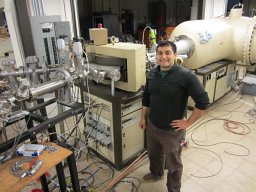 Harold Barnard合作论文数Advanced Light Source, Berkeley Labs9
 Stephen J. Wukitch合作论文数Plasma Science and Fusion Center, Massachusetts Institute of Technology9g j van rooij合作论文数8
 Brunner D合作论文数Plasma Sci & Fus Ctr, MIT8Matthew Reinke合作论文数Commonwealth Fusion Systems8
 Jeroen Westerhout合作论文数7a e shumack合作论文数7
 Wouter Vijvers合作论文数7R. Vieira合作论文数7H. J. Van Der Meiden合作论文数7
 Ian H. Hutchinson合作论文数Plasma Science and Fusion Center, Massachusetts Institute of Technology;Department of Nuclear Science and Engineering, Massachusetts Institute of Technology7r s al合作论文数6Beck, W.合作论文数6
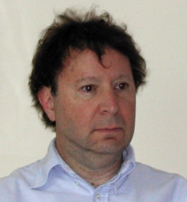 Martin Greenwald合作论文数Plasma Science and Fusion Center, Massachusetts Institute of Technology6Leigh Kesler合作论文数Plasma Science and Fusion Center, MIT6
 Jerry Hughes合作论文数Plasma Science and Fusion Center, Massachusetts Institute of Technology6
 Robert Granetz合作论文数Plasma Science and Fusion Center, Massachusetts Institute of Technology6Niek J Lopes Cardozo合作论文数6
 Earl Marmar合作论文数Department of Physics, Massachusetts Institute of Technology6
 Miklos Porkolab合作论文数Department of Physics, Massachusetts Institute of Technology;Plasma Science and Fusion Center, Massachusetts Institute of Technology6
 Gavin Wallace合作论文数Massachusetts Institute of Technology6W. Rowan合作论文数5
 E. Alves合作论文数5
 Luis Cerqueira Alves合作论文数5
 Brandon Sorbom合作论文数Commonwealth Fusion Systems5
 Zachary Hartwig合作论文数Department of Nuclear Science & Engineering, MIT5D. Ernst合作论文数5C. Fiore合作论文数5D. Terry合作论文数5
 Nuno P. Barradas合作论文数Centro de Física Nuclear, Universidade de Lisboa5R. Parker合作论文数5Istvan Cziegler合作论文数5
 Aart W. Kleyn合作论文数FOM Institute for Atomic and Molecular Physics;Department of Chemistry, Leiden University;Chengdu Development Center for Science and Technology, China Academy of Engineering Physics;Center of Interface Dynamics for Sustainability5w r koppers合作论文数4J. Rice合作论文数4S Wolfe合作论文数4
 Christian Gabriel Theiler合作论文数Institute of Physics, School of Basic Sciences, Federal Institute of Technology in Lausanne4Van de Pol, M.J.合作论文数4
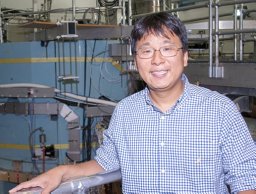 Baek S合作论文数Plasma Sci & Fus Ctr, MIT4




