Living donor liver transplant is an available strategy to ease organ shortage and reduce mortality on the liver transplant waitlist. However, it raises important ethical challenges, particularly how to protect the donor while allowing them the autonomous choice to donate. This article will discuss key issues including donor autonomy, informed consent, and donor evaluation. Financial neutrality and global concerns such as transplant tourism and organ trafficking will also be addressed. Lastly, the possibility and ethical implications of domino liver transplantation will be examined, reinforcing the need for strong donor protections.
Alcohol-related liver disease (ArLD) is now a leading indication for liver transplantation worldwide, yet access to this life-saving therapy remains inequitable. Late diagnosis, persistent stigma, rigid abstinence requirements, and fragmented care pathways continue to disadvantage patients with ArLD relative to those with other liver diseases. Landmark studies have shown that early liver transplantation for severe alcohol-associated hepatitis confers a clear survival benefit when performed within rigorous selection protocols, with rates of return to drinking comparable to those achieved under the long-standing six-month abstinence rule, thereby challenging its clinical rationale. Concurrently, growing evidence supports the integration of addiction medicine and mental health expertise into transplant programs, recognizing alcohol use disorder as a chronic relapsing disease requiring sustained, multidisciplinary management. Despite this progress, substantial variability persists across centers in candidate evaluation, psychosocial assessment, and post-transplant addiction care. This Point of View examines the current landscape across six interconnected domains, epidemiology, timing of diagnosis, the dual nature of ArLD as a disease of mind and liver, stigma, access to transplantation, and multidisciplinary models of care, and proposes directions for harmonized, evidence-based, and equitable practice.
Controlled donation after circulatory determination of death (cDCDD) is increasingly vital to expanding deceased organ donation globally, yet variability exists in clinical, legal, and ethical practices. This study utilized a Delphi consensus process involving 37 international experts to develop recommendations to guide the development and operation of adult cDCDD programs. Two survey rounds evaluated agreement on system requirements, donor identification, medical suitability, communication, end-of-life care, and ante-mortem interventions. Consensus was achieved on numerous recommendations emphasizing the need for robust legal frameworks distinct from end-of-life care decisions, multidisciplinary approaches for donor suitability assessment, and clear, sensitive communication led by trained donation professionals. Ensuring patient comfort and dignity during withdrawal of life-sustaining measures, alongside optimizing donation outcomes, was prioritized. Use of ante-mortem interventions was deemed to require careful balancing of benefits and burdens in line with patient and family preferences. The findings highlight international variability and underscore the importance of tailored protocols, education, and further research to establish an evidence base for ante-mortem interventions and improve clinical prediction of donation feasibility. These consensus recommendations aim to advance ethical, effective, and sustainable adult cDCDD programs worldwide.
This study examines maternal and obstetric risks of birth after uterus transplant and neonatal outcomes.
Early allograft failure (EAF) after living donor liver transplantation (LDLT) remains a clinical challenge. Existing prediction models developed for deceased donor transplantation poorly apply to LDLT due to distinct surgical and physiological factors. This study identifies clinical determinants of EAF and develops an LDLT-specific prediction model. We conducted a multicenter retrospective cohort study from 17 high-volume LDLT centers (January 2016-December 2020) with external validation at a tertiary center in Saudi Arabia (January 2015-December 2022). The primary outcome was EAF (graft loss or patient death ≤90 d). Multivariable mixed-effects logistic regression identified preoperative/intraoperative risk factors. The EAGLE-LDLT model was constructed using postoperative laboratory values. Performance was compared against established models (EAD, MEAF, A2ALL) using ROC analysis and decision curve analysis. The development cohort included 2944 adult LDLT recipients (67.7% male; median age 55 y; median MELD 14) with a 5.5% EAF rate. External validation included 1020 recipients (median MELD 21, 6.7% EAF). Independent risk factors for EAF were MELD (OR 1.06, 95% CI 1.04-1.08), donor BMI (OR 1.05, 95% CI 1.00-1.10), portal vein thrombosis (OR 1.73, 95% CI 1.13-2.63), and hepaticojejunostomy (OR 1.58, 95% CI 1.06-2.36). The EAGLE-LDLT model incorporating peak ALT (>468 U/L), peak INR (>1.9), and bilirubin (>3.5 mg/dL) and INR (>1.3) at POD7, demonstrated superior discrimination (AUC=0.81) compared with MEAF (AUC=0.77, p =0.004), EAD (AUC=0.67, p <0.001), and A2ALL (AUC=0.65, p <0.001). EAGLE-LDLT achieved balanced sensitivity (75.0%) and specificity (73.7%), effectively stratifying patients into high-risk (15% of patients; 40.4% EAF incidence) and low-risk groups. Preoperative and intraoperative clinical factors predict EAF in LDLT. The EAGLE-LDLT model accurately identifies LDLT recipients at the highest risk for EAF postoperatively.
Donation after circulatory death (DCD) liver transplantation (LT) with normothermic regional perfusion (NRP) is superior to super rapid recovery (SRR) DCD LT with static cold storage (SCS). Early studies of SRR-SCS-DCD LT compared results to donation after brain death (DBD), but no studies have compared U.S. outcomes of DCD-NRP vs DBD LT. This study evaluated whether outcomes among DCD-NRP LT recipients are comparable to those of DBD recipients. We conducted a retrospective review of all DCD-NRP and DBD adult liver donors and recipients from January 1, 2021 through December 31, 2024 at our center. During the study period, 150 DBD and 79 DCD-NRP LTs were performed. Median donor age was higher in the DCD-NRP cohort (51 versus 41, p<0.001), and median MELD was lower in the DCD-NRP recipient cohort (18 vs. 23, p<0.001). There were no differences in patient and graft survival. Development of biliary anastomotic strictures at 12 months was similar. The 12-month competing-risk cumulative incidence of ischemic cholangiopathy in the DCD-NRP group was 4.5% (95% CI: 0.0%–9.6%). Outcomes of DCD-NRP LT were comparable to those of DBD LT, despite older donor age. We found that utilization of DCD-NRP grafts allows LT in lower MELD recipients, resulting in reduced intraoperative and postoperative resource utilization while maintaining excellent outcomes.
This chapter provides a comprehensive summary of data collected over roughly the past decade, beginning in 2014 when vascularized composite allografts (VCAs) were incorporated into the Final Rule and brought under the definition of solid organ transplantation. As in previous years, the number of VCA procedures in the United States remains low, with 55 uterus transplants and 37 nonuterus transplants reported from 2014 through 2024. While the limited volume precludes definitive conclusions, several consistent trends are observed. Among nonuterus VCA transplants, upper limb remained the most common overall, although head and neck transplants were most frequent in 2024. Nonuterus transplants in 2014-2024 were most often performed in recipients aged 18-34 years, with donors typically drawn from the same age range. Trauma remained the leading indication for nonuterus VCA transplant. White and male recipients were the most common recipients of nonuterus VCA transplant. Uterus transplants were most frequently performed in White women aged 18-34 years, typically for congenital indications. From 2016 through 2024, there were 10 reported uterus graft failures, and only one reported failure of a nonuterus graft-in the upper limb category-since 2014. Although the number of transplants and reported graft failures remained relatively low, the field continues to advance through ongoing efforts to develop standardized outcome measures, standardized definitions of graft success and failure, and standard operating procedures in hand and face transplantation. These initiatives are beneficial for improving data comparability, guiding clinical decision-making, and supporting sustained progress in VCA research and patient care.
STUDY OBJECTIVE:To determine the incidence of cesarean scar defect (isthmocele) formation for uterus transplant (UTx) recipients in the setting of immunosuppression and required cesarean deliveries. DESIGN:Retrospective pilot study with illustrative case series. SETTING:Two tertiary-care uterus transplantation programs representing nearly half of uterus transplant cases worldwide. PATIENTS:Nineteen UTx recipients who underwent at least 1 cesarean delivery using their transplanted uterus, who desired a second pregnancy, and who had postpartum transvaginal ultrasound imaging available. INTERVENTIONS:Uterus transplantation followed by embryo transfer and planned cesarean delivery, with routine postoperative imaging surveillance. MEASUREMENTS AND MAIN RESULTS:The primary outcome was the presence of a postpartum isthmocele on transvaginal ultrasound, defined as a wedge-shaped myometrial defect at the site of an earlier hysterotomy. Six of 19 patients (31.6%) showed imaging findings consistent with an isthmocele. The mean gestational age at delivery was 35 4/7 weeks. No association was identified between earlier obstetric complications and subsequent isthmocele formation in our small cohort. Among affected patients, 66.7% received donor uteri with cesarean delivery before donation. Representative cases highlight a clinical spectrum of presentations in this context and illustrate the underlying clinical complexity when isthmocele is encountered during a high-stakes fertility journey. CONCLUSION:UTx recipients in our cohort showed isthmocele formation comparable with that reported in non-transplant populations. These findings suggest that cesarean scar healing may not be significantly impaired in the transplanted uterus even despite exposure to immunosuppressive therapy. Recognition of isthmocele in this population is clinically relevant, as it may guide transplant donor characteristics and impact UTx fertility treatment. Larger prospective studies are warranted to further define risk factors and optimize surgical and reproductive outcomes.
 Wall Anji合作论文数Center for Health Care Ethics, Saint Louis University139
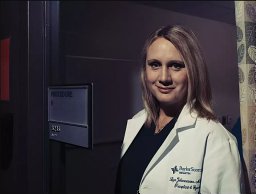 Liza Johannesson合作论文数Department of Obstetrics and Gynecology, Baylor University Medical Center121
 Greg J. Mckenna合作论文数119
 Enrico Benedetti合作论文数Department of Surgery, University of Illinois at Chicago104Richard Ruiz合作论文数60
 Goran Klintmalm合作论文数Baylor University Medical Center57
 Johanna Bayer合作论文数56
 Amar Kumar Gupta合作论文数56
 Massimo Malago合作论文数Liver Center, University of California at San Diego Medical Center50Robert M. Goldstein合作论文数50
 Saracino Giovanna合作论文数48Jose Oberholzer合作论文数46Hoylan Fernandez合作论文数44Eric Martinez合作论文数43N. Onaca合作论文数42C.E. Broelsch合作论文数40Nicholas Onaca合作论文数39Howard N Sankary合作论文数36
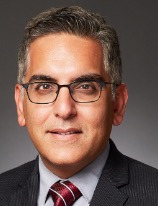 Sumeet Kumar Asrani合作论文数Baylor University Medical Center, Baylor Scott & White Health;Baylor Scott & White Heart and Vascular Hospital - Dallas;Baylor Scott & White Medical Center - Waxahachie35Anthony Tiffany L合作论文数34R. Ruiz合作论文数31
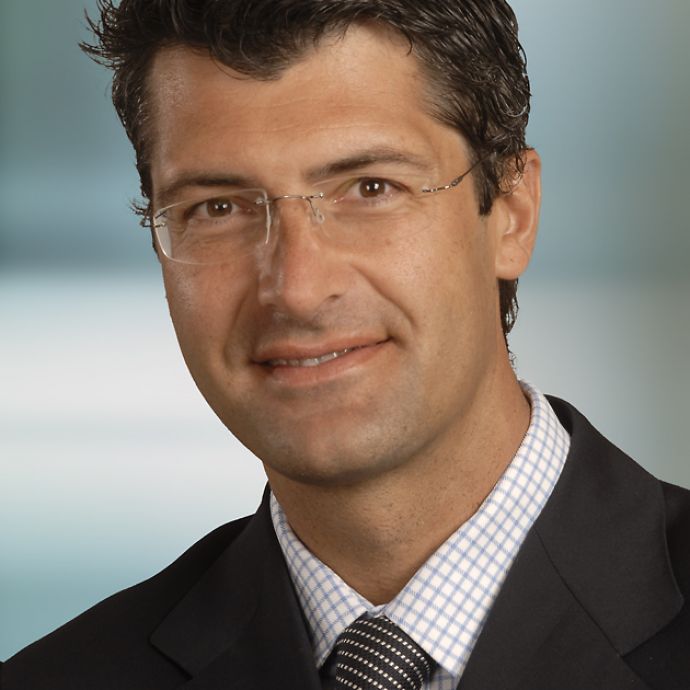 Silvio Nadalin合作论文数Universitätsklinik für Allgemeine, Viszeral- und Transplantationschirurgie, Universitätsklinikum Tübingen30J. Bayer合作论文数23
 Michele Finotti合作论文数Med Ctr, Baylor Univ23
 Ann Marie Warren合作论文数Baylor University Medical Center23James F. Trotter合作论文数Department of Medicine, University of Colorado23
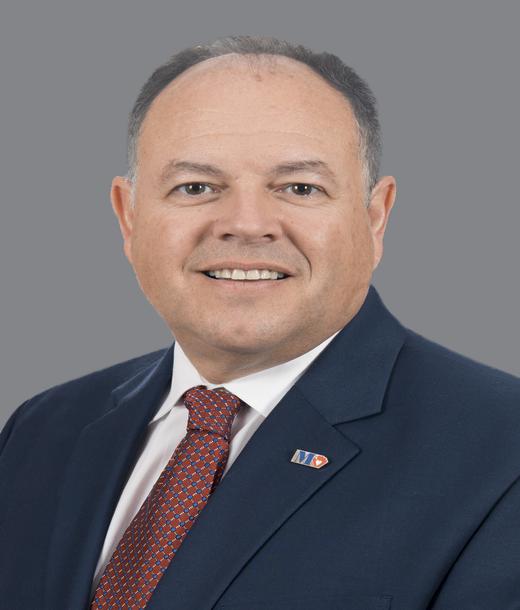 Hugo Fernandez合作论文数Moffitt Cancer Center;Morsani College of Medicine, University of South Florida23Diego Bogetti合作论文数23A. Gupta合作论文数22
 Marlon F. Levy合作论文数Division of Transplant Surgery, Department of Surgery, Virginia Commonwealth University;Hume-Lee Transplant Center, VCU Health22E. Martinez合作论文数18G. Klintmalm合作论文数18Panaro F合作论文数18HN Sankary合作论文数18E. John合作论文数17
 Roger Goldstein合作论文数Rehabilitation Sciences Institute, Temerty Faculty of Medicine, University of Toronto;West Park Healthcare Centre16Goran B Klintmalm合作论文数16
 Martin Hertl合作论文数16Kathleen O'Neill合作论文数15
 Kim M. Olthoff合作论文数Division of Transplant Surgery, Perelman School of Medicine, University of Pennsylvania;Children's Hospital of Philadelphia15Anthony R. Gregg合作论文数15
 Bashoo Naziruddin合作论文数Med Ctr, Baylor Univ15E. Colin Koon合作论文数14Seung Hee Lee合作论文数14T. Anthony合作论文数14Peter Kim合作论文数14da Graca Briget合作论文数Institute for Health Care Research and Improvement, Baylor Health Care System14
 Andrea Frilling合作论文数Department of Surgery & Cancer, Faculty of Medicine, Imperial College London14




