Coinfections with bacteria or fungi may be a frequent complication of COVID-19, but coinfections with Candida species in COVID-19 patients remain rare. We report the 53-day clinical course of a complicated type-2 diabetes patient diagnosed with COVID-19, who developed bloodstream infections initially due to methicillin-resistant Staphylococcus aureus, secondly due to multidrug-resistant Gram-negative bacteria, and lastly due to a possibly fatal Candida glabrata. The development of FKS-associated pan-echinocandin resistance in the C. glabrata isolated from the patient after 13 days of caspofungin treatment aggravated the situation. The patient died of septic shock shortly before the prospect of receiving potentially effective antifungal therapy. This case emphasizes the importance of early diagnosis and monitoring for antimicrobial drug-resistant coinfections to reduce their unfavorable outcomes in COVID-19 patients.
Objectives: To describe a rapid workflow based on the direct detection of Escherichia coli (Ec) and Klebsiella pneumoniae (Kp) producing CTX-M extended-spectrum β-lactamase (ESBL) and/or carbapenemases (eg, KPC, VIM) from blood cultures (BCs) and the infectious disease (ID) consulting for timely appropriate antimicrobial therapy. Methods: This observational, retrospective study included adult patients with a first episode of Ec or Kp bloodstream infection (BSI) in a large Italian university hospital, where an inpatient ID consultation team (IDCT) has been operational. Results from the BCs tested for detecting blaCTX-M, blaKPC, blaNDM, blaOXA-48-like, and blaVIM genes by the eazyplex® SuperBug CRE assay in Ec and Kp organisms had been notified for antimicrobial therapy consulting. Results: In 321 BSI episodes studied, we found that 151 (47.0%) of Ec or Kp organisms harbored blaCTX-M and/or blaKPC and/or blaVIM (meantime from BC collection: 18.5 h). Empirical antimicrobial treatment was appropriate in 21.8% (33/151) of BSIs, namely 5.9% (3/51) of BSIs caused by KPC/VIM producers and 30.0% (30/100) of BSIs caused by CTX-M producers. After notification of results, the IDCT modified antimicrobial therapy (mean time from BC collection: 20 h) such that the proportion of appropriate treatments increased to 84.8% (128/151) of BSIs, namely 70.6% (36/51) of BSIs caused by KPC/VIM producers and 92.0% (92/100) of BSIs caused by CTX-M producers. Conclusion: Our study shows that a rapid diagnostic-driven clinical strategy allowed for early prescription of potentially effective antimicrobial therapy in BSIs caused by CTX-M ESBL- and/or KPC/VIM carbapenemase-producing Ec and Kp organisms.
OBJECTIVE:Sepsis is a life-threatening disease resulting from the interaction between pathogen and host response; its dysregulation causes organ dysfunction, high morbidity, and mortality. Despite the increase of septic patients admitted to Internal Medicine wards, data about clinical predictors of mortality in this setting are still lacking. The aim of this study was to evaluate the role of MEDS score and vitamin D as predictors of mortality (28-day and 90-day) in septic patients admitted to the Internal Medicine department.PATIENT S AND METHODS:Prospectively collected clinical data, lab tests including vitamin D, and clinical scores (SIRS, MEDS, SCS, REMS, SOFA, qSOFA) were retrospectively analyzed. Eighty-eight microbiologically identified septic patients (median age 75 years old, IQR 65-82 years old; range 37-94 years old) were evaluated.RESULTS:Twenty-three patients (26.1%) died at 28 days, 33 (37.5%) died at 90 days. The logistic regression showed a positive effect of MEDS score (p=0.006; OR 1.24, 95% CI 1.08-1.49), and a negative effect of low vitamin D levels (p=0.008, OR 0.83, 95% CI 0.72-0.94) on mortality. Moreover, the cut-off of 7 points for MEDS score and of 7 ng/ml for vitamin D levels significantly predicted poor prognosis at 28 and 90 days.CONCLUSIONS:MEDS score and vitamin D levels represent independent predictors of mortality in a cohort of Internal Medicine septic patients. Further studies on larger samples are needed to confirm our results and to clarify the pathophysiological mechanisms at the basis of vitamin D deficiency as a predictor of mortality in septic patients.
Objectives: Taking into account the significant morbidity, mortality, and hospital costs related to Candidemia, our objective is to define if improving appropriateness in candidemia management was associated with better clinical outcomes. Methods: A prospective observational monocentric cohort study was conducted. Adherence to five main elements was examined: appropriate selection of initial therapy; follow-up blood culture; echocardiography; ophthalmological examination; and removal of a central venous catheter. The correlation between the number of appropriate elements achieved and 30 day survival was examined. Results: Patients with candidemia (n = 213) were enrolled. Adherence to all five elements was achieved in 36 cases (16.9%), while the majority adhered to three or four elements (28.2% and 37.1%, respectively). Multivariable Cox regression analysis revealed that the number of elements achieved was associated with survival [HR: 0.39 (0.30-0.52); p< 0.001]. Also, the number of elements achieved correlated positively with duration of therapy (p = 0.01), but not length of hospital stay (p = 0.56). Conclusions: Five elements, including therapeutic and non-therapeutic-related aspects, of care were good indicators of appropriate management of patients with candidemia. Implementation of evidence-based practice regarding optimal clinical management is crucial for any antimicrobial stewardship program. (C) 2018 The British Infection Association. Published by Elsevier Ltd. All rights reserved.
OBJECTIVE:To evaluate whether PCT levels could be used to distinguish among different bacterial and fungal etiologies in patients with documented bloodstream infection (BSI).PATIENTS AND METHODS:Monocentric retrospective cohort study on patients admitted to the Fondazione Policlinico Gemelli Hospital between December 2012 and November 2015 with BSI. Those who had undergone PCT determination within 48 hours of when the first positive blood culture was sampled were included in the study.RESULTS:Four hundred and one patients were included in the study. Both the 24h and 48h PCT values were significantly higher in patients with Gram-negative (GN) BSI than in those with Gram-positive (GP) or candida BSI (p at ANOVA = 0.003). A PCT value of > 1 ng/ml was found in 31.5% of patients with GN BSI. Less than 7% of people with candida BSI had PCT level of > 1 ng/ml. At multivariable regression analysis, GN BSI, septic shock, and plasma creatinine were significantly correlated with PCT values.CONCLUSIONS:PCT may be of value in distinguishing GN BSI from GP, and fungal BSI and PCT values of > 1 ng/ml could be used to prevent unnecessary antifungal treatment.
Antimicrobial stewardship programs are implemented to optimize the use of antibiotics and control the spread of antibiotic resistance. Many antimicrobial stewardship interventions have demonstrated significant efficacy in reducing unnecessary prescriptions of antibiotics, the duration of antimicrobial therapy, and mortality. We evaluated the benefits of a combination of rapid diagnostic tests and an active re-evaluation of antibiotic therapy 72 h after the onset of bloodstream infection (BSI). All patients with BSI from November 2015 to November 2016 in a 1100-bed university hospital in Rome, where an Infectious Disease Consultancy Unit (Unità di Consulenza Infettivologica, UDCI) is available, were re-evaluated at the bedside 72 h after starting antimicrobial therapy and compared to two pre-intervention periods: the UDCI was called by the ward physician for patients with BSI and the UDCI was called directly by the microbiologist immediately after a pathogen was isolated from blood cultures. Recommendations for antibiotic de-escalation or discontinuation significantly increased (54%) from the two pre-intervention periods (32% and 27.2%, p < 0.0001). Appropriate escalation also significantly increased (22.5%) from the pre-intervention periods (8.1% and 8.2%, p < 0.0001). The total duration of antibiotic therapy decreased with intervention (from 21.9 days [standard deviation, SD 15.4] in period 1 to 19.3 days [SD 13.3] in period 2 to 17.7 days in period 3 [SD 11.5]; p = 0.002) and the length of stay was significantly shorter (from 29.7 days [SD 29.3] in period 1 to 26.8 days [SD 24.7] in period 2 to 24.2 days in period 3 [SD 20.7]; p = 0.04) than in the two pre-intervention periods. Mortality was similar among the study periods (31 patients died in period 1 (15.7%), 39 (16.7%) in period 2, and 48 (15.3%) in period 3; p = 0.90). Rapid diagnostic tests and 72 h re-evaluation of empirical therapy for BSI significantly correlated with an improved rate of optimal antibiotic therapy and decreased duration of antibiotic therapy and length of stay.
Objectives To assess the performance of the (1,3)-β-D-glucan (BDG) detection assay in a large cohort of patients with suspected candidemia who were admitted to non-intensive care unit hospital wards. Methods This observational, retrospective cohort study was conducted in a 1,100-bed university hospital in Rome, where an infectious disease consultation team has been operational. Two groups of patients were included in the analysis: Group 1, patients with Candida bloodstream infection (BSI) who had at least one BDG test performed ±48 hours from the first positive blood culture (Candida BSI Group) and Group 2, patients with risk factors for candidemia who had at least one BDG test but had negative blood cultures (Control Group). Both Group 1 and Group 2 did not receive prior antifungal therapy. Different BDG cutoff values were considered: 80, 200, 300, 400, and ≥500 pg/mL. Sensitivity, specificity, positive predictive value (PPV), negative predictive value (NPV), and area under the receiver operating characteristic curve were calculated. Results A total of 1,296 patients were studied. Of them, 100 patients (candidemic) were in Group 1 and the remaining 1,196 patients (controls) were in Group 2. There were no differences in demographic characteristics between patients of the two groups. According to the above cutoff values, sensitivity (%) and specificity (%) of the BDG assay ranged from 91 to 60.7 and 87.7 to 97.8, respectively, whereas the PPV (%) and NPV (%) ranged from 38.2 to 68.3 and 99.1 to 97.0, respectively. Conclusion Serum BDG has a very high NPV in a population witĥ10% prevalence of candidemia. This NPV may support decisions to discontinue antifungal therapy in those patients who were empirically treated because of the suspect of candidemia.
Background:Clostridium difficile infection (CDI) is characterized by a relevant intestinal neutrophil infiltrate. So far, role of fecal calprotectin in CDI, has been investigated only in few studies, mainly focused on diagnosis of the disease.Aim: By a longitudinal design, we assess fecal calprotectin concentrations (FCCs) in subjects with CDI, evaluating the correlation between fecal marker and response to therapy.Methods: Clinical (diarrhea scoring) and laboratory (FCCs and leucocytes count) evaluation was performed in 56 subjects with CDI at time of diagnosis (T-0) and after a week from starting of therapy (T-1). Clinical response to therapy at T-1 was related with both T-0 and T-1 FCC values. FCCs were also related to all-cause 30-day mortality, recurrence and death, both of them within 90 days.Results: FCCs at T-1 were significantly increased in subjects with persistence of diarrhea in respect to the other ones (285.5270 mu g/g vs 150.7 +/- 147 mu g/g, respectively; p<.05). Patients who did not respond to therapy showed higher, but not significative, FCCs at T-0 than patients who responded. No correlation was found among FCCs, both at T-0 and T-1, and the other outcomes.Conclusions: Longitudinal evaluation of FCCs in patients with CDI could support physicians in clinical management of disease, for example in term of duration (10 vs 14 days) or type (first vs second line therapy). Further and larger studies could confirm the eventual role of this marker in prognostic algorithms, mainly in prediction of recurrence.
The objective of the study was to evaluate the efficacy and tolerability of trimethoprim–sulfamethoxazole (also known as co-trimoxazole, TMPS) to treat Klebsiella pneumoniae (Kp)-K. pneumoniae carbapenemase (KPC) infections.
The incidence of Candida bloodstream infections (BSIs) has increased over time, especially in medical wards. The objective of this study was to evaluate the impact of different antifungal treatment strategies on 30-day mortality in patients with Candida BSI not admitted to intensive care units (ICUs) at disease onset. This prospective, monocentric, cohort study was conducted at an 1100-bed university hospital in Rome, Italy, where an infectious disease consultation team was implemented. All cases of Candida BSIs observed in adult patients from November 2012 to April 2014 were included. Patients were grouped according to the initial antifungal strategy: fluconazole, echinocandin, or liposomal amphotericin B. Cox regression analysis was used to identify risk factors significantly associated with 15-day and 30-day mortality. During the study period, 130 patients with candidemia were observed (58 % with C. albicans, 7 % with C. glabrata, and 23 % with C. parapsilosis). The first antifungal drug was fluconazole for 40 % of patients, echinocandin for 57.0 %, and liposomal amphotericin B for 4 %. During follow-up, 33 % of patients died. The cumulative mortality 30 days after the candidemia episode was 30.8 % and was similar among groups. In the Cox regression analysis, clinical presentation was the only independent factor associated with 15-day mortality, and Acute Physiology and Chronic Health Evaluation (APACHE) II score and clinical presentation were the independent factors associated with 30-day mortality. No differences in 15-day and 30-day mortality were observed between patients with and without C. albicans candidemia. In patients with candidemia admitted to medical or surgical wards, clinical severity but not the initial antifungal strategy were significantly correlated with mortality.
Catheter-related bloodstream infections (CRBI) represent a frequent complication of immune-compromised hosts with a high mortality rate. In this setting, opportunistic pathogens can create a biofilm on implanted devices, being the source of infection. We provide a mini-review of the literature, starting from the description of two cases of CRBI by opportunistic pathogens in poly-morbid patients, successfully treated by antibiotic lock-therapy.
AIM:To assess epidemiological features of patients for which a consultation by the infectious diseases consultation team was required, and the rate of clinical advice that led to resource-saving advice (R-SA): discontinuation of inappropriate therapy or prophylaxis, de-escalation and switch from parenteral to oral therapy.MATERIALS & METHODS:An infectious diseases consultation team was implemented in a 1100-bed university hospital in Italy.RESULTS:The most frequent infections for which an infectious diseases consultancy was required were pneumonia, bloodstream infections (17% by Candida) and urinary tract infections. In 828 patients (41.4%), interventions with the possibility of R-SA were suggested.CONCLUSION:Resource-saving advices were possible in 41% of cases. Recent surgery, having a central venous catheter, bloodstream, abdominal, surgical site or bone and joint infections were correlated to a higher probability of receiving R-SA.
In order to elucidate the factors related to the development of cidofovir-associated uveitis in AIDS patients receiving highly active antiretroviral therapy, the characteristics of 17 AIDS patients with Cytomegalovirus retinitis (n=10) or progressive multifocal leukoencephalopathy (n=7) treated with intravenous cidofovir were evaluated. Six cases of cidofovir-associated uveitis occurred among the patients with retinitis. No cases were detected among the patients with progressive multifocal leukoencephalopathy. Stepwise linear regression analysis revealed a significantly higher HIV-viremia level (P=0.01) and a significantly lower CD4+ cell count (P=0.009) among cases at the time of uveitis onset in comparison with patients who did not develop uveitis. Thus, cidofovir-associated uveitis seems to occur more frequently in AIDS patients with retinitis in whom highly active antiretroviral therapy fails to restore immunity.
The purpose of this study was to characterise the epidemiological and the clinical features of non-AIDS-defining neoplasms (NAN) in HIV-infected subjects in the era of highly active antiretroviral therapy (HAART). A retrospective cohort of 4,041 subjects was established. Patients were recruited from January 1989 to December 1998. We observed 51 NAN over the study period. The overall incidence rate was 0.21 per 100 person-years (PY) and it remained stable, also after the introduction, in 1996 of HAART. Moreover, stratifying according to the type of neoplasms there was no statistically significant difference in the incidence of NAN over the study period. While the epidemiological features of NAN generally was not different from that observed in immunocompetent individuals, the neoplasms had a more aggressive clinical course and a poor prognosis. Survival analysis showed that the presence of NAN significantly reduced the survival of patients with AIDS (P=0.01; OR=0.62; 95% CI=0.47-0.96) compared with matched controls. The overall mortality-rate was 63% with an incidence rate of 0.13 per 100 PY. Although the incidence rate of NAN is not of great magnitude, as the number of HIV-infected individuals continues to increase and their survival improves, the number of HIV-infected subjects with NAN might consequently increase as well as the related morbidity and mortality.
AIMS:To define the potential risk factors, prognostic indicators, and quality of life of HIV-infected patients with enteric salmonellosis. METHODS:A five-year matched (1:2) case-control study was performed. Thirty cases and 60 matched controls were studied. RESULTS:Univariate analysis (p < 0.05) identified six risk factors for enteric salmonellosis: 1) increasing value of APACHE II score, 2) altered nutritional status, 3) previous antibiotic therapy, 4) ingestion of "risk" foods, 5) multiple (> or = 2) previous opportunistic infections, 6) stage C of HIV infection. Using the multivariate analysis, the most powerful predictors for developing an enteric salmonellosis were: increasing value of APACHE II score and altered nutritional status. The response to therapy was favourable in all episodes. Five (17%) patients suffered from one or more relapses. Multivariate analysis identified that a low number of circulating CD4+ (< 100/mm3) and a high APACHE II score (> 15) predict an increased risk of relapses. CONCLUSIONS:HIV-associated enteric salmonellosis occurs more frequently in patients with advanced stage of HIV infection and with impaired nutritional status. We stress the need for a prompt and accurate diagnosis and treatment since the possible haematogenous spread and relapses appear reduced under early and prolonged antibiotic therapy.
93 Background. Several forms of neoplasia are cleary associated with HIV infection. Although non-Hodgkin's lymphoma and Kaposi's sarcoma occour with high frequency in HIV-infected subjects, recently a number of observations suggests that HIV may be also associated with the developement of neoplasia in the cervical and anal mucosa probably as a consequence of co-infection with human papillomavirus (HPV). Objective. The purpose of this study was to characterize etiological, histological and clinical features of head and neck cancer in HIV-infected patients. Methods. We retrospectively reviewed all patients (pts) admitted at our Department of Infectious Disease from January 1986 to August 1997 with HIV infection and head and neck cancer. Tissue samples were routinely examined and analyzed for the presence/absence of the HPV types: 6/11, 16/18 and 31/33/35 by in situ hybridization techniques with commercially available kit. Results. Three patients (2 males and 1 female with a median age of 34 years, range 21-45) with HIV infection and head and neck cancer were identified. Two pts had a history of intravenous drug abuse and one was an homosexual. All pts were in CDC C3 category; the mean CD4+ cell count was 80/mm3 (range 7-141). Cancer risk factors included tobacco (3 cases) and/or alcohol abuse (2 cases). The clinical characteristics of the cancers were: persistent ulcer of the tongue in one case and dysphonia in the other 2 cases. In particular, primary tumor sites included oral cavity in 2 cases (tongue and pharynx) and larynx in one patient. Tumor staging at the presentation was done according to AJCC TNM staging system. All patients underwent routine cancer work-up including total body CT scan, biopsy and metastatic survey. The stage of the disease was relatively high; two pts were in stage III and one in stage IV (tongue). Histopathologic examination of incisional biopsy documented a differentiated squamous cell carcinoma (SCC) in one case (tongue) and a moderately SCC in 2 cases (larynx and pharynx). The results of viral detection by in situ hybridization documented the presence of HPV 16/18 types in 2 cases (larynx and pharynx); while HPV was not be demonstrated in the remaining case (tongue). Two pts received conbined surgery and postoperative radiation; one radiation therapy alone. Two pts received palliative chemotherapy for recurrence. All pts died for loco-regional recurrence. Conclusion. HIV-infected patients with head and neck cancer unusually present aggressive SCC at relatively young age and despite combined therapy have poor survival. The presence of HPV (types 16/18) in these individuals indicates a possible role in combination with the severe HIV-associated immunodeficiency.
Bilateral multiple parotid calculi, which are uncommonly diagnosed in the normal population, have never been reported in patients infected with human immunodeficiency virus. Herein we report a case of bilateral parotid sialolithiasis in a patient who had acquired immunodeficiency syndrome and was affected by multiple myeloma. The possible etiopathogenesis in view of the alterations of immunity, oral pH, and salivary composition that are observed in multiple myeloma and in human immunodeficiency virus infection are discussed.
 Roberto Cauda合作论文数Dipartimento di Sicurezza e Bioetica, Universita Cattolica del Sacro Cuore28
 Enrica Tamburrini合作论文数Department of Infectious Diseases, Catholic University19Luigi Ortona合作论文数19
 Rita Murri合作论文数11
 Mario Tumbarello合作论文数11Massimo Fantoni合作论文数11Maiuro G.合作论文数10Mb Lucia合作论文数10
 Scoppettuolo Giancarlo合作论文数Institutes of Infectious Diseases, Catholic University School of Medicine10
 Maurizio Sanguinetti合作论文数Institute of Microbiology9A Antinori合作论文数7Francesco Taccari合作论文数Gemelli Molise Hosp6Francesca Giovannenze合作论文数6
 Evelina Tacconelli合作论文数Department of Diagnostic and Public Health, University of Verona;Tubingen University6Elena Ortona合作论文数6
 Andrea Antinori合作论文数Division of Infectious Diseases, National Institute for Infectious Diseases, National Institutes of Health6Posteraro Brunella合作论文数Inst Microbiol, Univ Cattolica Sacro Cuore5
 Luigi Maria Larocca合作论文数UniCamillus - Saint Camillus International University of Health and Medical Sciences5Alessandra Siracusano合作论文数5P Nervo合作论文数4M. Salvatori合作论文数4
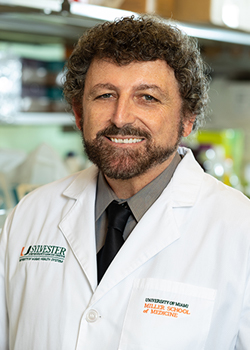 Michael H. Antoni合作论文数Center for Psycho-Oncology Research, Department of Psychology, College of Arts and Sciences, University of Miami;Behavioral Medicine Research Center, University of Miami Miller School of Medicine;Sylvester Comprehensive Cancer Center, University of Miami Health Systems4Teresa Spanu合作论文数4T. Pirronti合作论文数3Riccardo Torelli合作论文数3
 Marta Camici合作论文数Clin Microbiol & Infect Dis Dept, Hosp Gen Univ Gregorio Maranon3Michele Impagnatiello合作论文数3Claudia Palazzolo合作论文数3
 Vincenzo Zaccone合作论文数3Antonio Gasbarrini合作论文数Department of Internal Medicine, Gemelli Hospital of Rome, School of Medicine of Rome, Cathlolic University of Milan3Giovanni Addolorato合作论文数3Germana Caldarola合作论文数3
 Antonio Mirijello合作论文数3
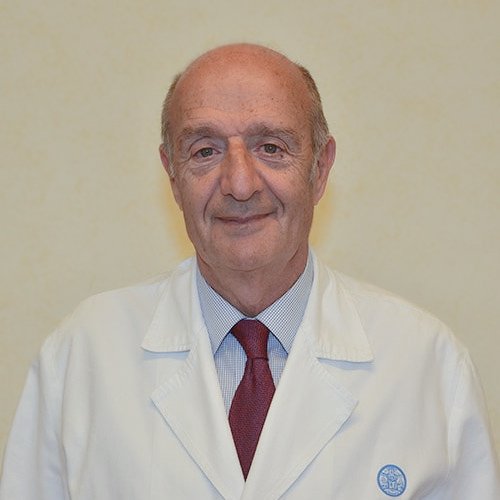 Raffaele Landolfi合作论文数Thomas Jefferson University di Filadelfia;Gemelli Training Center;Facolta di Medicina e Chirurgia, Universita Cattolica del Sacro Cuore3A Deluca合作论文数2S. Lardo合作论文数2I. Mastrorosa合作论文数2Giulia De Angelis合作论文数2F. Valente合作论文数2A. Antinori合作论文数2G Camilli合作论文数2P Marano合作论文数2De Cosmo Salvatore合作论文数2Fabbiani Massimiliano合作论文数2
 Giovanni Gambassi合作论文数Dipartimento di Medicina e Chirurgia Traslazionale, Faculty of Medicine and Surgery, Università Cattolica del Sacro Cuore2
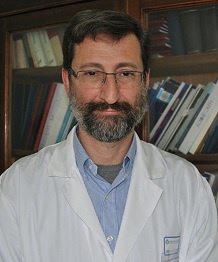 Andrea De Luca合作论文数Dipartimento di Biotecnologie Mediche, Università degli Studi di Siena2Tiziana D'Inzeo合作论文数2Barbara Fiori合作论文数2D. Ballada合作论文数2




