Purpose: To compare two small-dose solutions (with and without epinephrine) for spinal anesthesia during outpatient laparoscopy and to determine spinal cord function with these low-dose solutions.
Purpose: The efficacy of low dose intrathecal lidocaine-sufentanil was compared with intrathecal sufentanil for short duration outpatient gynecological laparoscopy. Methods: Thirteen ASA I and II patients undergoing gynecological laparoscopy were studied in a randomized double-blind trial. Patients received either intrathecal 10 mg lidocaine plus 10 µg sufentanil (Group LS) or intrathecal 20 µg sufentanil (Group S), each diluted to 3 mL with sterile water through a 27 g Whitacre needle in the sitting position. Sensory and motor recovery were assessed with pinprick and a modified Bromage scale. Results: One of seven Group LS patients and two of five Group S patients required conversion to general anesthesia for failed skin test with forceps. Two of the remaining three Group S patients felt sharpness with skin incision. The study was terminated early because of inadequate anesthesia in Group S. The small sample size (n=9) made statistical analysis uninformative. Conclusion: Intrathecal 20 µg sufentanil is unsuitable as a sole agent for gynecological laparoscopy.
Purpose: To apply a population pharmacodynamic model to small-dose hypobaric spinal anesthesia for outpatient laparoscopy.
Purpose: To compare the cost and effectiveness of small-dose spinal anesthesia (SP) with general anesthesia (GA) for outpatient laparoscopy.
Purpose: To determine the characteristics and recovery profiles of three hypobaric spinal anesthetic solutions.
 Himat Vaghadia合作论文数Department of Anesthesiology, Pharmacology & Therapeutics, Faculty of Medicine, The University of British Columbia6
 Cynthia L. Henderson合作论文数2
 Beverley Orser合作论文数Department of Anesthesiology and Pain Medicine, Temerty Faculty of Medicine, University of Toronto;Department of Anesthesia, Faculty of Medicine, University of Toronto;Department of Anesthesia, Sunnybrook Health Science Centre1JM Karski合作论文数1
 Dean A. Cowie合作论文数1Ray W. Yip合作论文数1Hannah J. Blanshard合作论文数1Colin Chilvers合作论文数1Paula C Miceli合作论文数1Andrew C Darke合作论文数1Peter H Norman合作论文数1L. L. Crone合作论文数1Koichiro Nomura合作论文数1joanne guay合作论文数1Cynthia Henderson合作论文数1Markus Schreiber合作论文数1Jens Tan合作论文数1Judith L. Trudel合作论文数1valerie b caraiscos合作论文数1Pierre C Nicole合作论文数1
 Brian McCreath合作论文数1Js Mallon合作论文数1M. J. Ali合作论文数1Michelle Clunie合作论文数1linda m collins合作论文数1Martin R. Lessard合作论文数1nicole avery合作论文数1Michel Girard合作论文数1Toshiki Aoki合作论文数1
 Jeffrey R Kirsch合作论文数1Zoltan Harsanyi合作论文数1Karen A Brown合作论文数Department of Anesthesia, McGill University Health Center, Montreal, Canada1René Martin合作论文数1
 Pamela Lennox合作论文数Department of Anesthesiology, Pharmacology & Therapeutics, Faculty of Medicine, The University of British Columbia1
 Yoga Rampersaud合作论文数Department of Surgery, Temerty Faculty of Medicine, University of Toronto;Krembil Research Institute;Toronto Western Hospital1
 Michael Jewett合作论文数Department of Surgery, Temerty Faculty of Medicine, University of Toronto;Division of Urology, University of Toronto1
 David Wong合作论文数Department of Anesthesiology and Pain Medicine, Temerty Faculty of Medicine, University of Toronto;Toronto Western Hospital, University Health Network1
 Atul Prabhu合作论文数Department of Anesthesiology and Pain Medicine, Temerty Faculty of Medicine, University of Toronto1Pamela Jane Morgan合作论文数University of Toronto1
 Stuart McCluskey合作论文数Department of Anesthesiology and Pain Medicine, Temerty Faculty of Medicine, University of Toronto1
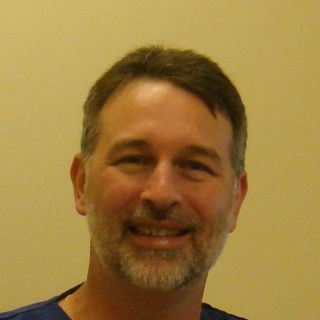 Glenn Mcguire合作论文数Department of Anesthesiology and Pain Medicine, University of Toronto1
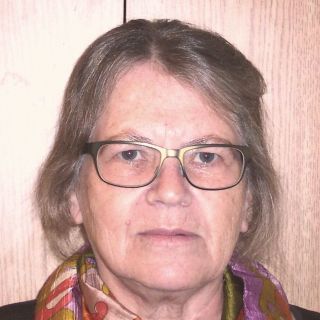 Pirjo Manninen合作论文数Department of Anesthesia, University of Toronto1
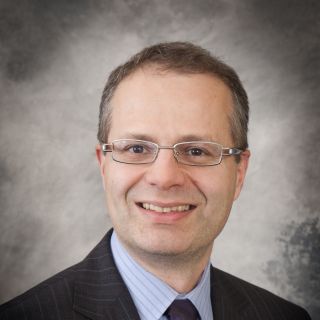 Keyvan Karkouti合作论文数Department of Anesthesiology and Pain Medicine, University of Toronto1
 Patricia Houston合作论文数Department of Anesthesia, Faculty of Medicine, University of Toronto1
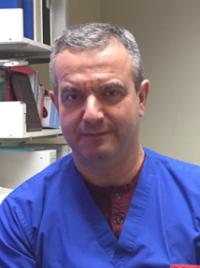 George Djaiani合作论文数Department of Anesthesiology and Pain Medicine, Temerty Faculty of Medicine, University of Toronto;Toronto General Hospital Research Institute1
 Mark Crawford合作论文数Department of Anesthesiology and Pain Medicine, University of Toronto;The Hospital for Sick Children1Ralph Lattermann合作论文数Department of Anesthesia, Faculty of Medicine and Health Sciences, McGill University1Thomas Schricker合作论文数Department of Anesthesia, Faculty of Medicine and Health Sciences, McGill University1
 Franco Carli合作论文数Alan Edwards Centre for Research on Pain, Department of Anesthesia, McGill University1




