BACKGROUND:Endoscopic and histologic evaluation is part of routine clinical practice to confirm the presence of active disease in ulcerative colitis. Faecal calprotectin (FCAL) levels show a positive correlation with endoscopic indices, relapse, and response to treatment. Existing studies have not clearly determined cut-off values for endoscopic and histologic remissions. AIMS:Our study aims to determine an optimal FCAL threshold for discriminating between endoscopic and histologic active disease and remission in UC, based on the Mayo Endoscopic Score (MES) and the Geboes Histologic Score. METHODS:We performed a pooled analysis of retrospective and prospective studies of patients with UC from four academic centres. Key inclusion criteria were adult UC patients undergoing colonoscopy, with FCAL measurements. Receiver operating characteristic curves were computed on 80% of the data using 5-fold cross-validation to determine the optimal FCAL threshold for predicting active UC based on specificity (spec) and sensitivity. Optimal thresholds were then tested on the remaining 20% of the data. Active endoscopic disease was assessed using MES 0-1 versus 2-3 and MES 0 versus 1-3, and active histologic disease or remission was evaluated using GHS < 3.1 versus GHS ≥ 3.1 and GHS ≤ 2.0 versus GHS > 2.0. RESULTS:A total of 741 patients with UC were included in our analysis. For MES 0 versus 1-2-3, the AUC was 0.716 (95% CI: 0.701-0.731, p < 0.0001) with an optimal threshold of 154.3 μg/g (specificity: 0.69 [95% CI: 0.65-0.72], sensitivity: 0.64 [95% CI: 0.60-0.69]). For MES 0-1 versus 2-3, the AUC increased to 0.802 (95% CI: 0.797-0.807, p < 0.0001), with an optimal FCAL threshold of 234.6 μg/g (specificity: 0.74 [95% CI: 0.74-0.75], sensitivity: 0.69 [95% CI: 0.62-0.75]). For GHS ≤ 2.0 versus GHS > 2.0, the AUC was 0.656 (95% CI: 0.647-0.664, p < 0.0001), with an optimal threshold of 117.6 μg/g (specificity: 0.61 [95% CI: 0.56-0.66], sensitivity: 0.59 [95% CI: 0.56-0.63]). For GHS < 3.1 vs. GHS ≥ 3.1, the AUC was 0.752 (95% CI: 0.743-0.762, p < 0.0001), with an optimal threshold of 166.2 μg/g (specificity: 0.69 [95% CI: 0.66-0.73], sensitivity: 0.69 [95% CI: 0.63-0.76]). Given the high AUC for MES 0-1 vs. MES 2-3, we tested different FCAL thresholds from the literature and propose a threshold of 170 μg/g to maximize sensitivity (sensitivity: 0.801 [95% CI: 0.729-0.873], specificity: 0.648 [95% CI: 0.641-0.656], LR+ 2.311 [95% CI: 2.001-2.670], LR- 0.289 [95% CI: 0.196-0.427], accuracy 67.62% [95% CI: 65.95-69.30]) and limit the proportion of false negatives. CONCLUSIONS:Our study demonstrates that FCAL can predict both active endoscopic and histological disease with acceptable sensitivities and specificities. The proposed cut-off values will help guide clinical practice to achieve the recommended treatment outcomes. Further studies are warranted to validate our results.
Ulcerative colitis (UC) is associated with an elevated risk of colorectal cancer (CRC), driven by chronic inflammation and a distinct inflammation–dysplasia–carcinoma pathway. Conventional surveillance relies on colonoscopy and histologic assessment, but flat, multifocal dysplasia and sampling limitations challenge early detection. Tissue-based biomarkers offer promise in improving risk stratification and identifying patients at high risk for UC-associated CRC (UC-CRC). This review explores key categories of tissue biomarkers with potential clinical utility, including genetic mutations, epigenetic alterations, microRNA expression profiles, and markers of genomic instability such as telomere shortening, copy number variants, and aneuploidy. Many of these molecular alterations precede histologic dysplasia and reflect a “field effect,” suggesting their potential role in early cancer detection. Despite compelling associations between these biomarkers and neoplastic progression, most lack prospective validation and are not yet ready for routine clinical use. Future research should prioritize the development of integrated biomarker panels and validate their predictive accuracy in longitudinal UC cohorts. Molecular profiling may ultimately enable personalized, risk-adapted surveillance strategies that improve early detection while minimizing unnecessary interventions.
Background/Aims:Among Crohn's disease patients with loss of response or non-response to ustekinumab (UST), there remains no clear strategy for dose escalation. Moreover, clinical associations and the role of therapeutic drug monitoring (TDM) are poorly understood. This study assessed response to escalation of UST therapy via increased dosing frequency or re-induction, as well as assessed associations of response. Methods:A single-centre retrospective cohort study was performed. Adults who underwent dose escalation to every 4 weeks or reinduction of UST were included. The primary outcome was clinical and biochemical remission which was defined as a Harvey Bradshaw Index (HBI) of <5 and a C-reactive protein (CRP) level within the normal limit or a Fecal Calprotectin (FCP) level <250 ug/g. Partial response to treatment was defined as a 50% decrease from baseline HBI, CRP, or FCP. Results:Thirty-nine patients were included. Clinical outcomes were assessed at a median of 17 weeks (IQR 12-21). Clinical and biochemical remission was achieved in 30.8% of patients (n = 12). Remission was found to be more likely among patients with lower baseline HBI (5.2 vs 9.0 P = .044) and younger patients (29.8 years vs 37.7 P = .046). No association was observed between baseline TDM values in the remission vs the non-remission group (3.32 ug/mL vs 2.91 ug/mL p=0.77). No severe adverse events were recorded. Conclusion:UST dose escalation, in the form of reinduction or increased frequency to every 4 weeks may be effective among patients with loss of response or partial response, though predictors of response and strategy of escalation remain unclear.
BACKGROUND:Fecal calprotectin is a reliable surrogate marker for disease activity in ulcerative colitis. However, there are no consensus cutoff values for histoendoscopic remission. This study aimed to correlate fecal calprotectin with Mayo endoscopic score and histological disease activity (Geboes score) for ulcerative colitis patients in clinical remission. METHODS:Prospective study including adult ulcerative colitis patients in clinical remission or disease relapse, undergoing endoscopy for disease activity or dysplasia surveillance at an inflammatory bowel disease center between 2013 and 2020. Fecal calprotectin was collected before bowel preparation and Mayo endoscopic score was documented during colonoscopy. Biopsies were taken throughout the colon and histological activity was assessed using Geboes score by a blinded expert gastrointestinal pathologist. RESULTS:Two hundred fifty-three patients were included, 117 (46%) were male (mean age of 38.2 years-standard deviation ± 24.8). A fecal calprotectin ≥ 123 μg/g predicts Mayo endoscopic score > 0 (58% sensitivity and 70% specificity), also aiding to differentiate Mayo endoscopic score 0 from 1 (61% sensitivity and 70% specificity). A fecal calprotectin ≥ 80 μg/g identified histological disease activity using Geboes score > 3.1 in patients with clinical remission (64.7% sensitivity, 58.7% specificity). Using Geboes score > 2, a fecal calprotectin ≥ 50 μg/g, is the most clinically relevant to identify patients in clinical remission with active histologic inflammation (49.6% sensitivity, 41.6% specificity). CONCLUSIONS:Fecal calprotectin correlates with endoscopic and histologic disease activity and can be used as a surrogate marker for disease activity. Our study prospectively demonstrated optimal cutoff values to discriminate histoendoscopic remission.
Background/Objectives: The aim of this study was to assess the role of histological activity in individual segments of the colon in predicting disease relapse in patients with ulcerative colitis. Methods: This was a prospective observational study on patients with ulcerative colitis in clinical remission. Biopsies were taken of multiple segments of the colon, and histological activity was assessed using the Geboes (GB) score. Patients were monitored for disease relapse for 12 months. The primary objective was to determine the predictive value of histological activity of the individual segments of the colon on disease relapse. The secondary objective was to assess whether having multiple segments in histological remission is associated with disease relapse. Results: Of 253 patients, 19% had disease relapse. Histological activity (GB ≥ 3.1) was not predictive of disease relapse for the rectum (adjusted odds ratio [aOR] 0.95, confidence interval [CI] 0.46–1.98, p = 0.894), sigmoid (aOR 0.67, CI 0.24–1.90, p = 0.451), descending colon (aOR 1.52, CI 0.43–5.39, p = 0.519), transverse colon (aOR 0.47, CI 0.10–2.18, p = 0.332), and right colon (aOR 1.75 CI 0.73–4.18, p = 0.209). Histological remission (GB ≤ 2.0) was also not predictive of remaining in remission for any individual colonic segment nor was there any benefit of having multiple segments with histological remission compared to having ≤1 segment in histological remission (aOR 0.56, CI 0.28–1.10, p = 0.093). Conclusions: Histological activity in any individual colonic segment or the number of colonic segments with histological remission was not predictive of disease relapse.
BACKGROUND:Biologic therapies have transformed the management of inflammatory bowel disease (IBD), yet their high cost poses substantial challenges for healthcare systems. Biosimilars offer a cost-effective alternative, with extensive evidence supporting the safety and efficacy of non-medical switching for infliximab and adalimumab. However, real-world data on ustekinumab biosimilars in IBD remain limited. Given increasing mandates for non-medical switches in Canada, evaluating clinical outcomes is critical to ensure patient safety and treatment sustainability. We hypothesized that switching from originator ustekinumab to a biosimilar would preserve clinical efficacy, safety, and drug persistence in patients with IBD. AIM:To evaluate clinical efficacy, treatment persistence, biomarker activity, and adverse events in IBD patients who underwent non-medical biosimilar switching from the ustekinumab originator to a biosimilar. METHODS:This was an observational study of consecutive IBD patients who underwent a biosimilar switch. Disease activity, biomarkers, drug sustainability, and adverse events were captured 8 weeks before the switch, at the time of switch (baseline), 12 weeks, and 24 weeks after the switch. RESULTS:Of 81 patients were included [85.2% had Crohn's disease, the median age at inclusion: 42 years (interquartile ranges: 29-61)]. Previous biological exposure was 82.7% and a dose optimization of the originator ustekinumab was performed in 63% before the switch. Drug sustainability at 12 weeks and 24 weeks of switch was 96.3% and 95%, regardless of disease type or phenotype. The discontinuation rate was 4.9%. There was no significant difference in the rates of clinical remission at week 8 before switch, baseline, week 12, and 24 after switch: 87%, 85.9%, 84.3%, and 92.7%, P = not statistically significant. The biomarker activity was not significantly different for C-reactive protein, hemoglobin, albumin, and fecal calprotectin (P = not statistically significant). All patients who stopped therapy after the non-medical switch needed a dose optimisation of the originator ustekinumab and had previous biological therapy prior to starting the ustekinumab originator. CONCLUSION:Despite prior biologic exposure and frequent dose escalation, switching to ustekinumab biosimilar showed stable efficacy, unchanged biomarkers, and high treatment persistence.
Background/Aims:The role of ustekinumab therapeutic drug monitoring in patients with Crohn's disease (CD) remains ambiguous. Examination of the association serum ustekinumab concentrations and endoscopic outcomes has yielded inconsistent results. Our study examined whether serum ustekinumab concentrations were associated with endoscopic healing in patients with moderate-to-severe CD. Methods:This was a cross-sectional study of adult patients with CD on maintenance ustekinumab. Patients were included if they had serum ustekinumab concentrations and endoscopic evaluation taken within 4 months of each other. Endoscopic healing was defined as absence of ulceration on endoscopy or Simplified Endoscopic Score for Crohn's disease (SES-CD) < 3. Quartile analysis of drug levels was performed, and receiver operating characteristic curve was calculated. Multivariate logistic regression assessed for the probability of endoscopic healing based on serum ustekinumab concentration. Results:Seventy-four patients were included in the final analysis. The mean serum ustekinumab concentration of the population was 6.10 mcg/mL. Serum ustekinumab concentration did not predict endoscopic remission based on either the absence of ulceration or SES-CD < 3. There was no difference in the frequency of ulceration at increasing serum ustekinumab concentrations. There was no threshold serum ustekinumab concentration associated with the absence of ulceration (area under the curve [AUC] = 0.50) or SES-CD < 3 (AUC = 0.49). Conclusions:Our study found no association between serum ustekinumab concentrations and endoscopic remission in patients with CD. Exploration of mechanisms accounting for this lack of association is warranted.
AbstractBackgroundNonalcoholic fatty liver disease (NAFLD) is strongly associated with cardiovascular disease in the general population. Both conditions seem more frequent in patients with inflammatory bowel disease (IBD). We aimed to assess the effect of NAFLD and liver fibrosis on intermediate–high cardiovascular risk in IBD.MethodsWe prospectively included IBD patients undergoing a routine screening program for NAFLD by transient elastography (TE) with associated controlled attenuation parameter (CAP). NAFLD and significant liver fibrosis were defined as CAP ≥275 dB m−1 and liver stiffness measurement by TE ≥8 kPa, respectively. Cardiovascular risk was assessed with the atherosclerotic cardiovascular disease (ASCVD) risk estimator and categorized as low if <5%, borderline if 5%–7.4%, intermediate if 7.5%–19.9%, and high if ≥20% or if previous cardiovascular event. Predictors of intermediate–high cardiovascular risk were investigated by multivariable logistic regression analysis.ResultsOf 405 patients with IBD included, 278 (68.6%), 23 (5.7%), 47 (11.6%), and 57 (14.1%) were categorized as at low, borderline, intermediate, and high ASCVD risk, respectively. NAFLD and significant liver fibrosis were found in 129 (31.9%) and 35 (8.6%) patients, respectively. After adjusting for disease activity, significant liver fibrosis and body mass index, predictors of intermediate–high ASCVD risk were NAFLD (adjusted odds ratio [aOR] 2.97, 95% CI, 1.56–5.68), IBD duration (aOR 1.55 per 10 years, 95% CI, 1.22–1.97), and ulcerative colitis (aOR 2.32, 95% CI, 1.35–3.98).ConclusionsAssessment of cardiovascular risk should be targeted in IBD patients with NAFLD, particularly if they have longer IBD duration and ulcerative colitis.
BACKGROUND:We aimed to evaluate clinical efficacy, biomarker activity, therapeutic drug monitoring (TDM), adverse events (AEs), and nocebo effect in inflammatory bowel disease (IBD) patients who underwent non-medical biosimilar switching. METHODS:A prospective observational study of consecutive IBD patients who underwent biosimilar switch. Disease activity, biomarkers, TDM, and AEs, including the nocebo effect were captured 8 weeks before switch, at the time of switch (baseline),12 and 24 weeks after the switch. RESULTS:210 patients were included [81.4% had Crohn's disease (CD), the median age at inclusion: 42 years (IQR 29-61)]. There was no significant difference in the rates of clinical remission at week 8 before switch, baseline, week12, and 24 after switch: 89.0%,93.4%,86.3%,and 90.8%,p = 0.129. The biomarker remission rates were not significantly different; CRP:81.3%,74.7%,81.2%,73.0%,p = 0.343; fecal calprotectin: 78.3%,74.5%,71.7%,76.3%,p = 0.829. The rates of maintaining therapeutic levels (84.7%,83.9%,83.0%,85.3%,p = 0.597) and prevalence of positive anti-drug antibodies remained unchanged. Drug persistence at 12 week of switch was 97.1%, regardless of disease phenotype and originator. The nocebo effect was observed in 13.3%. The discontinuation rate was 4.8%. CONCLUSION:Despite a significant number of early nocebo complaints within the first 6 months after the biosimilar switch, no significant changes were found in clinical efficacy, biomarkers, therapeutic drug level, or anti-drug antibodies.
Background and Aims: Objective monitoring and effective early treatment using a treat-to-target approach are key to improving therapeutic outcomes in IBD patients. This study aimed to assess adherence to objective monitoring (clinical, biomarkers, and endoscopy) and its impact on clinical outcomes. Methods: A prospective, multicenter study included consecutive IBD patients starting on adalimumab therapy between January 2019 and December 2020. Disease activity, assessed by the Harvey-Bradshaw index (HBI), partial Mayo, C-reactive protein (CRP), fecal calprotectin (FCAL), and endoscopy were evaluated at adalimumab initiation and 3, 6, 9 and 12 months. Therapeutic drug monitoring, changes in treatment, drug sustainability, and clinical outcomes were assessed. Results: 104 IBD patients were enrolled (78.8% CD, median age 34.3 years, disease duration 9 years). During the 12 months follow-up, high adherence to clinical activity assessment was observed in both CD (81.3%- 87.7%) and UC patients (76.5-90.9%). CRP measurement decreased over time in both CD (37.3%-54.9%) and UC (29.4%-50.0%). The adherence to serial FCAL monitoring was low in CD (22.7-31.3%) and UC patients (17.6-56.0%). UC patients had higher adherence to early endoscopic assessment (<6 months) compared to CD patients (40.9% vs. 21.5%). Adherence to early combined clinical and biomarkers resulted in earlier dose optimization in CD and UC (log-rank<0.001), but drug sustainability was not different. The patients with early combined adherence had a significantly higher clinical remission rate at 1 year compared to non-adherence (70.2% vs. 29.8%, p=0.007) but no significant difference in UC patients. Conclusions: The adherence to early objective monitoring with combined clinical and biomarkers assessment in IBD patients starting adalimumab therapy led to dose optimization and improved 1-year clinical remission in CD but did not change drug sustainability and clinical remission in UC.
INTRODUCTION: Endoscopic healing is currently considered the main target in the management of ulcerative colitis (UC). There are conflicting data about the role of histology as a stricter treatment objective. We aim at evaluating the additional benefit of histologic remission over endoscopic remission. METHODS: We performed a prospective observational study at the McGill University Health Center. We enrolled adult patients with UC in clinical remission for at least 3 months undergoing a colonoscopy. Endoscopic disease activity was based on the Mayo endoscopic score. Rectal biopsies were obtained, and the histologic activity was evaluated using the Geboes score (active disease defined as Geboes score ≥ 3.1) with the addition of assessing the presence of basal plasmacytosis. Patients were followed up for 12 months for disease relapse defined as a partial Mayo score of > 2. At the time of relapse or end of follow-up, all patients underwent repeat endoscopic evaluation. The primary end point was clinical relapse. RESULTS: Two hundred fifty-three patients were included. The presence of basal plasmacytosis was associated with relapse (adjusted odd ratio = 2.07, 95% confidence interval [CI] 1.06–4.18, P = 0.042). Time to clinical relapse was significantly higher for patients with Mayo endoscopic score > 0 with adjusted hazard ratio = 2.65, 95% CI 1.31–5.39, and P = 0.007. Time to clinical relapse was not significantly higher for Geboes score ≥ 3.1 with adjusted hazard ratio = 1.29, 95% CI 0.67–2.49, and P = 0.45. DISCUSSION: Active histologic disease did not affect time to clinical relapse in patients with UC who achieved endoscopic remission while the presence of basal plasmacytosis is associated with relapse.
Background: Endoscopic healing is a key treatment target in inflammatory bowel disease; few data are available on the clinical and endoscopic efficacy of biological therapy in upper gastrointestinal Crohn's disease. This study aimed to investigate small bowel mucosal healing and clinical efficacy of adalimumab therapy by video capsule endoscopy in patients with endoscopically active upper gastrointestinal Crohn's disease.Methods: This prospective, open-label, single-arm study included Crohn's disease patients with moderate-severe endoscopic proximal small bowel involvement, defined by a Lewis score >790. Patients were treated with adalimumab monotherapy for 24 weeks. Co-primary outcomes were endoscopic healing, defined as Lewis score <350, and endoscopic response, defined as >50% decrease in Lewis score. Secondary outcomes included clinical (Harvey-Bradshaw index <4) and biomarker remission (fecal calprotectin <250 & mu;g/g, and C-reactive protein <5 mg/L).Results: A total of 59 Crohn's disease patients were screened; 17 patients have met eligibility criteria and were enrolled. Endoscopic healing was observed in 8 patients (47.1%) and endoscopic response in additional 5 patients (29.4%) at 24 weeks. Median Lewis score was significantly decreased compared to baseline (1912 vs. 337, P = .0005). Eleven of 13 patients (84.6%) with clinical activity achieved clinical remission (baseline: 13/17 vs. week 24: 2/17, P < .0001). Nine of 10 patients with elevated C-reactive protein achieved normal C-reactive protein after treatment and the median C-reactive protein significantly decreased from 7.4 to 1.6 mg/L, P = .032. In contrast, no change was observed in fecal calprotectin pre- and posttreatment.Conclusions: Adalimumab induced endoscopic healing and clinical remission in patients with active small bowel Crohn's disease, with approximately half of the patients achieving endoscopic healing.
BACKGROUND Biologic therapy resulted in a significant positive impact on the management of inflammatory bowel disease (IBD) however data on the efficacy and side effects of these therapies in the elderly is scant. AIM To evaluate retrospectively the drug sustainability, effectiveness, and safety of the biologic therapies in the elderly IBD population. METHODS Consecutive elderly (≥ 60 years old) IBD patients, treated with biologics [infliximab (IFX), adalimumab (ADAL), vedolizumab (VDZ), ustekinumab (UST)] followed at the McGill University Inflammatory Bowel Diseases Center were included between January 2000 and 2020. Efficacy was measured by clinical scores at 3, 6-9 and 12-18 mo after initiation of the biologic therapy. Patients completing induction therapy were included. Adverse events (AEs) or serious AE were collected during and within three months of stopping of the biologic therapy. RESULTS We identified a total of 147 elderly patients with IBD treated with biologicals during the study period, including 109 with Crohn’s disease and 38 with ulcerative colitis. Patients received the following biologicals: IFX (28.5%), ADAL (38.7%), VDZ (15.6%), UST (17%). The mean duration of biologic treatment was 157.5 (SD = 148) wk. Parallel steroid therapy was given in 34% at baseline, 19% at 3 mo, 16.3% at 6-9 mo and 6.5% at 12-18 mo. The remission rates at 3, 6-9 and 12-18 mo were not significantly different among biological therapies. Kaplan-Meyer analysis did not show statistical difference for drug sustainability (P = 0.195), time to adverse event (P = 0.158) or infection rates (P = 0.973) between the four biologics studied. The most common AEs that led to drug discontinuation were loss of response, infusion/injection reaction and infection. CONCLUSION Current biologics were not different regarding drug sustainability, effectiveness, and safety in the elderly IBD population. Therefore, we are not able to suggest a preferred sequencing order among biologicals.
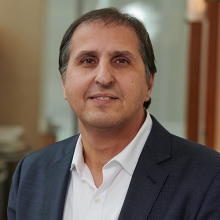 Alain Bitton合作论文数Division of Gastroenterology & Hepatology, Department of Medicine, Faculty of Medicine and Health Sciences, McGill University49
 Talat Bessissow合作论文数Division of Gastroenterology & Hepatology, Department of Medicine, Faculty of Medicine and Health Sciences, McGill University40
 Waqqas Afif合作论文数Division of Experimental Medicine, Department of Medicine, Faculty of Medicine and Health Sciences, McGill University39
 Peter L. Lakatos合作论文数35A.B.R. Thomson合作论文数16Lorant Gonczi合作论文数14Reinglas Jason合作论文数Faculty of Medicine, University of Ottawa14
 Petra Anna Golovics合作论文数Division of Gastroenterology, Hungarian Defence Forces14Christine Verdon合作论文数13
 Ernest Seidman合作论文数Departments of Medicine and Pediatrics, McGill University;McGill University Health Centre13Clandinin M Tom合作论文数10Claudiu Iordache合作论文数10
 Laurie Drozdowski合作论文数10Albert Cohen合作论文数9
 Sophie Restellini合作论文数8
 Panu Wetwittayakhlang合作论文数7R Kohen合作论文数6
 John David Rioux合作论文数Département de Médecine, Faculté de Médecine, Université de Montréal;Institut de Cardiologie de Montréal;Laboratoire de Génétique et Médecine Génomique en Inflammation, Université de Montréal6
 Séverine Vermeire合作论文数Department of Chronic Diseases and Metabolism, Faculty of Medicine, KU Leuven6Diane Langelier合作论文数6Zoe Todd合作论文数6Chiara Saroli Palumbo合作论文数5Che-Yung Chao合作论文数5Giada Sebastiani合作论文数Division of Epidemiology, Biostatistics and Occupational Health, School of Population and Global Health, Faculty of Medicine and Health Sciences, McGill University5
 Paul Brassard合作论文数Division of Epidemiology, Biostatistics and Occupational Health, School of Population and Global Health, Faculty of Medicine and Health Sciences, McGill University5
 Richard N. Fedorak合作论文数Division of Gastroenterology, Department Of Medicine, Faculty of Medicine & Dentistry, University of Alberta5Pierre Paré合作论文数5Dana Kablawi合作论文数4Aducio Thiesen合作论文数4Faisal Aljohani合作论文数4
 Alex Al Khoury合作论文数Div Gastroenterol, Univ Florida4
 Brian Feagan合作论文数Division of Gastroenterology, Schulich School of Medicine & Dentistry, Western University;Robarts Research Institute, Western University;Alimentiv Inc;London Health Sciences Centre4Zsuzsanna Kürti合作论文数1st Department of Medicine, Semmelweis Egyetem Doktori Iskola4
 Denis Franchimont合作论文数Hôpital Erasme - Cliniques Universitaires de Bruxelles4Wyse Jonathan M合作论文数4Gordon R. Greenberg合作论文数4Ben K.A. Thomson合作论文数3Carolyne Lemieux合作论文数3Catherine Collette合作论文数3Geneviève Fortin合作论文数3
 Janie Coulombe合作论文数Department of Mathematics and Statistics, Université de Montréal3
 Stefan Schreiber合作论文数Department of Internal Medicine I, University Hospital Schleswig-Holstein;Institute of Clinical Molecular Biology, Kiel University3
 John Mcdonald合作论文数Department of Physics, Lancaster University3Michael H Keelan合作论文数3
 Mark Daly合作论文数Analytic and Translational Genetics Unit, Mass General Research Institute, Massachusetts General Hospital;Center for Genomic Medicine, Massachusetts General Hospital;Division of Medical Sciences, Harvard Medical School;Broad Institute3
 Omar Kherad合作论文数Department of Internal Medicine, Geneva University Hospitals3
 Uri Kopylov合作论文数Sheba Medical Center & Sackler School of Medicine, Tel-Aviv University3Alexandra-Chloé Villani合作论文数3




