Background: Depression remains a major global health burden, yet fragmented care often leads to waiting times and unmet needs. Therefore, the Belgian collaborative Integrated Depression Care (IDECA) project strengthened primary care depression management by introducing a Reference Person Mental Wellbeing (RPMW) who functions as a case manager, supported by shared-care tools, structured psychoeducation modules, and targeted training for general practitioners (GPs). This study examines normalization in primary care practice. Methods: A single-arm, mixed-method study was implemented over 18 months in two Flemish Primary Care Zones (PCZ). Implementation outcomes were assessed every four months using the NoMAD questionnaire and analyzed using Wilcoxon signed-rank tests. Peer review sessions with professionals and interviews with patients were analyzed thematically. Caseload and service delivery were assessed using process evaluation logs. Results: Twenty-two professionals (17 GPs, two RPMWs, and three PCZ staff members) completed the NoMAD questionnaire. Intervention familiarity increased during the first eight months (T0-T1: p < 0.001; T1-T2: p = 0.022) and continued to rise thereafter (T3-T4: p = 0.008). Integration into daily practice and perceived impact on professional work improved progressively, reaching near-ceiling scores. Peer review sessions highlighted the RPMW's central role in trust-building and care coordination. Over 12 months, one full-time equivalent RPMW supported 175 patients (mean age 40.7 years; 75% female), with an average of five consultations per patient. Patients reported high satisfaction, emphasizing accessibility, empathy, and practical support. Conclusions: Sustained results suggest successful normalization and support the potential of collaborative, low-threshold depression care. Future work will assess clinical and economic outcomes.
Introduction: Improving care transitions through better coordination and understanding patient experiences is essential for enhancing care outcomes. This study aims to explore the perceptions of older patients about their transition from hospital to home. Methods: A phenomenological design was used to explore the experiences of older adults aged 65 and older with at least one chronic condition. Participants (n = 16) were recruited from a geriatric department in Flanders, Belgium. Semi-structured interviews were conducted between 2020 and 2022, transcribed, and analyzed using thematic analysis in NVivo. Results: Three key themes emerged from the study: (1) adaptation to a new reality, where participants described difficulties in adjusting to new routines and navigating emotional and psychosocial changes; (2) emotional and self-management support, emphasizing the importance of assistance in maintaining independence and self-sufficiency while expressing concerns about becoming a burden to others; and (3) perceived quality of care, where participants expressed overall satisfaction with the care received but highlighted the need for clearer communication and more comprehensive information during the transition process. Conclusion: Older patients emphasize the need for independence and clear communication, calling for coordinated care that integrates their physical, emotional, and quality-of-care needs.
Objective: To develop an innovative initiative to improve (access to) somatic care for people with severe Mental Disorders (MD) and to facilitate (access to) mental health care for people living in the community. Context: As in many countries, people suffering from (severe) mental disorders in Belgium are at increased risk of somatic pathologies such as hypertension, diabetes, chronic obstructive pulmonary disease, and transmissible diseases such as hepatitis B and C. Life expectancy is reduced by 15 to 20 years, mainly due to premature death from cardiovascular disease. These people experience difficulties in accessing quality somatic care, partly because of the overriding focus on mental disorders and persistent stigmatization. In addition, there is a persistent lack of integration and continuity between mental health care and primary care. People admitted to the hospital suffer from a lack of outpatient follow-up after discharge, and people suffering from MD in the community have difficulty accessing appropriate mental health care. Finally, in the Sint-Truiden region, the historical presence of Asster, a major psychiatric institution, has led to the settlement in the community of a large population of people suffering from mental vulnerability. Asster therefore joined forces with a local primary care practice and decided to develop an innovative initiative, the "Halmaal Home" (HH). Methods: HH is guided by a steering committee made up of several stakeholders, such as representatives of all the mental health care organizations in the region, primary care organizations, the chief executive and medical director of the psychiatric hospital, and representatives of the local council and patient organizations. The initiative is recognized and financially supported by the Flemish government. Finally, the initiative is being supported by a consultancy agency in the development of its mission, vision, and action plan. Results: The initiative is currently under construction and should start in April 2024. We want to focus particularly - but not exclusively - on people with severe long-term mental vulnerability. As such, we aim to position HH as an 'intermediary' point of care between the psychiatric hospital and the outpatient primary care environment, to strengthen and facilitate mutual collaboration. The interdisciplinary care team will comprise street nurses, practice nurses, physiotherapists, general practitioners, primary care psychologists, psychiatrists, and social workers. The street nurses will actively seek out homeless people in need of care. HH will also act as a 'hub' for referrals to other health and social care providers. Our service to primary care providers (GPs, nurses,...) will consist of advising on how to treat people with (severe) mental health problems and, if necessary, facilitating direct communication with and access to specialist mental health care. Our service to social and municipal services will involve facilitating communication with specialist mental health care and the timely provision of care appropriate to the situation and its urgency. Finally, we will also organize preventive activities on topics such as smoking cessation, healthy eating, and mindfulness. HH will also work closely with the neighborhood through initiatives such as neighborhood solidarity and quartering.
Poorly executed care transitions from hospital to home can result in adverse outcomes, such as incorrect treatments, medication errors, patient dissatisfaction, rehospitalization, emergency department visits, and mortality. Integrated care services may improve the quality of these transitions, particularly for older, chronically ill patients who frequently move between care settings. This study aimed to (1) assess health-related quality of life (HRQoL) and older patients' experiences during transitional care i and (2) compare these outcomes between patients residing within and outside an integrated care region in Belgium. This cross-sectional survey study was part of the European TRANS-SENIOR project. Participants included patients aged 65 and older who were discharged home from one of six acute hospital wards at University Hospitals Leuven, Belgium. HRQoL was measured using the EQ-5D-5 L and a Visual Analogue Scale (0-100). Patient experiences were assessed using the 'Experiences with Hospital Care, Admission and Discharge' instrument. Descriptive statistics were applied to the full sample, and comparative analyses were conducted between patients living inside versus outside an integrated care region. Statistical significance was set at p < 0.05. A total of 119 questionnaires were completed. The mean age of participants was 81 years, and 54.2% were female. Over 70% reported issues with mobility, pain/discomfort, daily activities, and self-care. Patients reported high scores for the patient experience dimensions hospital accessibility, hospital safety and care received by physicians and nurses. However, lower scores were noted for treatment communication, admission conversations and hospital discharge processes. No statistically significant differences were found in HRQoL or most patient experience dimensions between those living within versus outside an integrated care region. This survey highlights areas for improvement in transitional care. This information can support hospitals and health care professionals in refining discharge, transfer and postdischarge processes for older patients with chronic conditions.
BackgroundIn Northwestern Switzerland, recent legislation tackles the needs of community-dwelling older adults by creating Information and Advice Centers (IACs). IACs are a new service in the community that aims to assess the needs and provide information on age-related issues to community-dwelling older adults and their families. Previous studies reported difficulties in reaching community-dwelling older adults for community-based programs. We aimed to: 1) systematically identify implementation strategies to promote the IAC among community care providers, older adults and informal caregivers; 2) monitor the delivery of these strategies by the IAC management; and 3) describe the impact of those strategies on reach of community-dwelling older adults. This study was conducted as part of the TRANS-SENIOR project.MethodsAs part of the INSPIRE feasibility assessment, we conducted a pre-test post-test study between March and September 2022. The sample included 8,840 older adults aged 65 + visiting/calling or being referred to the IAC for the first time. Implementation strategies were selected using implementation mapping and organized in bundles for each group of community care providers and older adults/caregivers. Our evaluation included: estimation of fidelity to the delivery of implementation strategies and bundles by the IAC management and their coverage; referral source of older adults to the IAC; and impact of the strategies on reach of the IAC on the 65 + population living in the care region. Adaptations to the strategies were documented using the FRAME-IS. Descriptive statistics were calculated and reported.ResultsSeven implementation strategies were selected and organized in bundles for each community care provider and older adults and their caregivers. The lowest fidelity score was found in implementation strategies selected for nursing homes whereas the highest score corresponded to strategies targeting older adults and caregivers. "Informational visits" was the strategy with the lowest coverage (2.5% for nursing homes and 10.5% for hospitals and specialized clinics). The main referral sources were self-referrals and referrals by caregivers, followed by nursing homes. The IAC reach among the 65 + population was 5.4%.ConclusionWe demonstrated the use of implementation mapping to select implementation strategies to reach community-dwelling older adults. The reach was low suggesting that higher fidelity to the delivery of the strategies, and reflection on the causal pathway of the implementation strategies might be needed.
Aims The utilization of sulfonylurea (SU) for the management of Type 2 Diabetes Mellitus (T2DM) has witnessed a decline, attributed to the rising popularity of alternative medications and uncertainties surrounding the cardiovascular risk profile of SUs. This study aimed to investigate the potential association between SU intake and the incidence of cardiovascular events in patients with T2DM. Methods A retrospective cohort study, based on a general practice (GP) registry, was designed, encompassing patients diagnosed with T2DM between 2005 and 2014.Follow-up persisted until the occurrence of a cardiovascular event, loss to follow-up, or until December 31, 2022. Comparative analyses were conducted between patients, receiving SU treatment and those without Results Data from a cohort comprising 5589 patients revealed that 13 % and 13.1 % of individuals in the comparator group and the SU group, respectively, experienced a cardiovascular event. However, no statistically significant elevation in the risk of cardiovascular events was observed after SU usage. Furthermore, the glycated haemoglobin (HbA1c) levels were significantly higher in the SU group (7.0 % vs. 6.4 %,p < 0.001). Conclusions The findings from this study indicate that the use of sulfonylureas SUs is not associated with a statistically significant increase in the risk of cardiovascular events among patients with type T2DM. These results contribute to the ongoing discourse on the safety and efficacy of SU therapy in diabetes management.
Background Poorly performed care transitions from the hospital back home can lead to negative consequences, such as replication of services, missed diagnosis or incorrect treatment, medication errors, dissatisfaction among patients, rehospitalization, emergency department visits, or mortality. Implementing integrated care services can improve the quality of care transitions for older chronically ill patients who experience frequent transitions between care settings. The aim of this study was 1) to assess health-related quality of life (HRQOL) and person-centred care experiences with transitional care in older patients and 2) to compare these outcomes between patients who were living within or outside an integrated care region in Belgium. Methods This cross-sectional survey study was part of the European TRANS-SENIOR project. We included patients aged 65 years and older who were discharged home from one of six different acute hospital wards of the University Hospitals Leuven in Belgium. We measured HRQOL using the EQ-5D-5L and a Visual Analogue Scale ranging from 0 to 100, and patient experiences using the ‘Experiences with Hospital Care, Admission and Discharge’ instrument. Descriptive statistics were applied on the total sample. Comparative analyses were done for patients living inside or outside an integrated care region. Level of statistical significance was set at p < 0.05. Results A total of 119 questionnaires were completed. The patients had a mean age of 81 years, and 54.2% were female. Over 70% of the participants reported having problems with mobility, pain/discomfort, daily activities and self-care. Patients reported high scores for the patient experience dimensions hospital accessibility, hospital safety and care received by doctors and nurses. However, lower patient experience scores were observed for treatment communication, admission conversation and hospital discharge. There were no statistically significant differences in terms of HRQOL or most patient experience dimensions between patients living within or outside an integrated care region. Conclusion Our survey identified potential areas for improving patient-centred care experiences with transitional care. This information can support hospitals and health care professionals in changing the discharge, transferring and postdischarge processes for older patients with chronic diseases.
Aims To assess the prevalence of atherosclerotic cardiovascular disease (ASCVD), heart failure (HF), and chronic kidney disease (CKD) among patients with type 2 diabetes (T2D) in Belgium. To analyze trends in medication use and adherence to guidelines from 2019 to 2023. Methods We conducted a retrospective cross-sectional analysis using data from the Intego primary care database, encompassing records from 431 general practitioners. We identified adults with T2D through diagnostic codes and glycated hemoglobin levels and analyzed subgroups with ASCVD, HF, and CKD for trends in medication use, particularly SGLT2 inhibitors (SGLT2-i) and GLP-1 receptor agonists (GLP-1). Results The T2D population increased from 20,766 in 2019 to 21,764 in 2023. The prevalence of ASCVD, HF, and CKD among T2D patients slightly increased to 27 %, 6.7 %, and 23.7 % by 2023 (from 25.2 %, 4.9 % and 21.5 % respectively). Medication prescription trends showed a tripling of SGLT2-i and GLP-1 prescribing in the study period to 6.2 % and 11.5 % respectively. Despite these increases, only 7.5 % of eligible patients received these medications as of 2023. Conclusion The study highlights a growing burden of ASCVD, HF, and CKD among T2D patients in Belgium and an increase in the use of guideline-recommended medications. However, there remains a substantial gap in the optimal use of these therapies, indicating a need for improved implementation of clinical guidelines in primary care.
BACKGROUND:Goal setting is an essential component of reablement programmes. At the same time it is also an important aspect in the evaluation of reablement from the perspective of clients. OBJECTIVES:As part of the TRANS-SENIOR project, this research aims to get an in-depth insight of goal setting and goal attainment within reablement services from the perspective of the older person. MATERIAL AND METHODS:A convergent mixed methods design was used, combining data from electronic care files, and completed Canadian Occupational Performance Measure (COPM) forms with individual interviews. RESULTS:In total, 17 clients participated. Participants' meaningful goals mainly focused on self-care, rather than leisure or productivity. This mattered most to them, since being independent in performing self-care tasks increased clients' confidence and perseverance. Regarding goal attainment, a statistically significant and clinically relevant increase in self-perceived performance and satisfaction scores were observed. CONCLUSION:Although most goals focused on self-care, it became apparent that these tasks matter to participants, especially because these often precede fundamental life goals. SIGNIFICANCE:Reablement can positively contribute to goal setting and attainment of clients and may contribute to increased independence. However, effectiveness, and subsequently long-term effects, are not yet accomplished and should be evaluated in future research.
AimsTo determine the knowledge and prescribing behaviour regarding new type 2 diabetes medication in general practice. Physicians in Belgium are bound by the prescription criteria which do not always correspond to the international guidelines.Design & methodA mixed methods study with an online questionnaire was conducted in Flanders to collect data on demographic characteristics, theoretical knowledge, and prescribing behaviour, using ten theoretical questions and six clinical cases, based on the American Diabetes Association/European Association for the Study of Diabetes (ADA/EASD) guidelines and the Belgian reimbursement criteria.Results201 GPs and GPs in training were included in this study with a median age of 30 years and 68 % female participants. On the knowledge questionnaire, the mean test result was 7.15/15 (= 48 %) with a median of 8. Further analysis showed that 90 % of the respondents correctly recommended a sodium-glucose cotransporter 2 (sglt2) inhibitor when the clinical case showed a comorbidity of heart failure, whereas only 42 % suggested correctly a glucagon-like peptide 1 (GLP-1) agonist if presence of cardiovascular disease. Subgroup analysis showed no statistically significant demographic differences in obtained test results. Regarding prescription behaviour, 23 % of the respondents would prescribe medication that did not match the reimbursement criteria in at least one of the 6 proposed clinical cases.ConclusionThis study highlights the need for enhanced knowledge and updated prescribing practices among Flemish GPs and Trainee GPs to effectively manage patients with T2DM.
Reablement is considered a complex intervention due to its multicomponent, person-centered, holistic approach promoting older adults’ active participation in daily activities. It is important to consider the unique context in which complex interventions are implemented, as contextual factors may interact and influence implementation outcomes. As part of the European TRANS-SENIOR project, this qualitative study aimed to gain insight into professionals’ experiences with reablement implementation in Dutch community care. Using the Consolidated Framework for Implementation Research, four focus groups were conducted comprising 32 professionals. Two groups were formed: one at operational level, including therapists, nursing staff, social workers, and domestic support; and one at organizational/strategic level, including project leaders, managers, directors, municipality representatives and health insurers. Participating care organizations had at least 6 months of experience with deploying and implementing reablement. Findings reflected three themes: (1) strength of interdisciplinary collaboration; highlighting significance of sharing goals and beliefs, (2) integrating the reablement philosophy into the organization; underscoring managements role in fostering support across all organizational layers, and (3) achieving a culture change in the healthcare system; emphasizing current funding models impeding value-based care tailored to the individual’s goals and needs. The results offer valuable insights for implementation of complex interventions, like reablement.
Objectives As age increases, people generally start experiencing problems related to independent living, resulting in an increased need for long-term care services. Investing in sustainable solutions to promote independent living is therefore essential. Subsequently, reablement is a concept attracting growing interest. Reablement is a person-centred, holistic approach promoting older adults' active participation through daily, social, leisure and physical activities. The aim of this paper is to describe the development and content of I-MANAGE, a model for a reablement programme for community-dwelling older adults.Design The development of the programme was performed according to the Medical Research Council framework as part of the TRANS-SENIOR international training and research network. A co-creation design was used, including literature research, observations, interviews, and working group sessions with stakeholders.Setting and participants The interviews and working group sessions took place in the Dutch long-term home care context. Stakeholders invited to the individual interviews and working group sessions included care professionals, policymakers, client representatives, informal caregiver representatives, informal caregivers, and scientific experts.Results The co-creation process resulted in a 5-phase interdisciplinary primary care programme, called I-MANAGE. The programme focuses on improving the self-management and well-being of older adults by working towards their meaningful goals. During the programme, the person's physical and social environment will be put to optimal use, and sufficient support will be provided to informal caregivers to reduce their burden. Lastly, the programme aims for continuity of care and better communication and coordination.Conclusion The I-MANAGE programme can be tailored to the local practices and resources and is therefore suitable for the use in different settings, nationally and internationally. If the programme is implemented as described, it is important to closely monitor the process and results.
Introduction: The WHO recommends implementing integrated care models to overcome fragmented care for frail older adults. However, their effectiveness remains inconclusive, due to limited assessment of implementation processes and outcomes. As population ages, the Swiss Canton Basel-Landschaft adopted a legal framework requiring creation of Information and Advice Centers (IAC) for home-dwelling older adults. INSPIRE and the Canton are collaborating to develop, implement, and evaluate an integrated care model for the IACs. INSPIRE is a multiphase implementation science project: Phase 1 included participatory development of the INSPIRE care model by involving cantonal and local stakeholders. Stakeholder involvement is still maintained, through bi-yearly meetings. Phase 2, the present study, aimed to evaluate its feasibility and implementation and describe the adaptations needed Methods: Design: Using a mixed-methods design, we evaluated the feasibility and implementation of the INSPIRE care model and the IAC by: a) measuring fidelity to the implementation strategies to promote the IAC; b) describing IAC visitors; and c) assessing implementation outcomes of the care model. Sample: All IAC visitors; 18 older adults 65+; a nested sample of 8 frail older adults 75+; 8 informal caregivers; IAC nurse and social worker. Data sources: qualitative data from interviews (older adults/informal caregivers) and meetings (IAC staff); quantitative data from the IAC administrative information and health records Results: Aim a & b: IAC promotion: 63 out of 83 planned promotional activities were delivered by the IAC leadership (e.g., letters to older adults 75+) but not delivered to all target stakeholders. IAC visitors: Between Jan-Sept 2022, 113 older adults aged 65-74 and 362 aged 75+ visited the IAC. From the 65-74 group, 12 individuals were identified as pre-frail/frail and from those, 2 received the INSPIRE care model. From the 75+ group, 162 individuals were considered pre-frail/frail and 47 of them received the care model. The care model reached 4.8% of the target population. Referral source: 92 (aged 65-74) and 174 (aged 75+) self-referred to the IAC; few referrals by community care providers. Services requested: The main requested service in the 65-74-year-old group was social services (32/113) while for those 75+ it was a needs assessment (141/362). Aim c: Qualitative information: the nurse showed higher acceptability of the model compared to the social worker. High acceptability and feasibility of the model were perceived by older adults and their caregivers. Quantitative information: fidelity to the model core components mean score: 33/48; lowest scores for care coordination and follow-up. Implications: The high acceptability of the INSPIRE care model by older adults who acceded to the intervention and their caregivers shows that integrated care approaches may have potential to enhance quality of care although adaptations might be needed to increase its fit. In parallel, in order to increase reach, more efforts and supportive leadership are needed to promote the IAC, enhance community care providers engagement in the referral process. Next steps: Adaptation of the care model and implementation strategies to increase referrals to the IAC, thus improving reach of the intervention, and contributing to better recruitment for the effectiveness evaluation.
BACKGROUND:In 2015, a plan for integrated care was launched by the Belgium government that resulted in the implementation of 12 integrated care pilot project across Belgium. The pilot project Zorgzaam Leuven consists of a multidisciplinary local consortium aiming to bring lasting change towards integrated care for the region of Leuven. This study aims to explore experiences and perceptions of stakeholders involved in four transitional care actions that are part of Zorgzaam Leuven.METHODS:This qualitative case study is part of the European TRANS-SENIOR project. Four actions with a focus on improving transitional care were selected and stakeholders involved in those actions were identified using the snow-ball method. Fourteen semi-structured interviews were conducted and inductive thematic analysis was performed.RESULTS:Professionals appreciated to be involved in the decision making early onwards either by proposing own initiatives or by providing their input in shaping actions. Improved team spirit and community feeling with other health care professionals (HCPs) was reported to reduce communication barriers and was perceived to benefit both patients and professionals. The actions provided supportive tools and various learning opportunities that participants acknowledged. Technical shortcomings (e.g. lack of integrated patient records) and financial and political support were identified as key challenges impeding the sustainable implementation of the transitional care actions.CONCLUSION:The pilot project Zorgzaam Leuven created conditions that triggered work motivation for HCPs. It supported the development of multidisciplinary care partnerships at the local level that allowed early involvement and increased collaboration, which is crucial to successfully improve transitional care for vulnerable patients.
Background:Reablement is a person-centered, holistic approach promoting older adults' participation through social, leisure, and physical activities. Family caregivers are seldom involved in reablement services despite their wish to be an active member of the care team and expressing a need for more support and recognition. The voice of family caregivers is often forgotten when evaluating services such as reablement. Little is known how family caregivers can be involved and supported more effectively in reablement services, therefore the aim of our research is to investigate the perceived support and involvement of family caregivers.Methods:As part of the TRANS-SENIOR project, we studied perceived support and involvement of family caregivers during and after geriatric rehabilitation, a setting in which principles of reablement, like goal setting and training of daily activities, are applied. In total, fourteen semi-structured interviews were conducted with family caregivers of people admitted to a geriatric rehabilitation facility. Thematic analysis was used.Results:Results reflected four themes: (1) support for family caregivers, (2) involvement in care, (3) trusting care professionals, and (4) asking for and accepting support. Family caregivers' experiences with support from care professionals were mainly ambivalent. While caregivers expressing a lack of support and information whilst also indicating that they do not expect to be supported by care professionals. Regarding involvement, caregivers wanted to be involved; ie express their opinion and be involved in decision-making. However, more involvement could also lead to a higher burden.Conclusion:There is a discrepancy between the perceived support and involvement of family caregivers, their expressed needs, and their expectations of care professionals. A personalized approach is needed to create room for the family caregiver to be an active participant in the care process while also providing the right amount of support, when preferred by the caregiver.
Abstract In the Netherlands, reablement is high on the agenda for inclusion in future health care policy, resulting in more and more care providers wanting to implement reablement into their everyday practice. So far, it has been implemented, resourced and organized in multiple ways. To support the implementation on an (inter)national level, insight is needed into what preconditions and influencing factors are regarding the successful implementation of reablement. Within a qualitative exploratory research design, four focus group interviews were conducted with stakeholders from three Dutch care organizations that have been providing reablement services for at least 6 months prior. Care staff, as well as project leaders, managers, directors, policymakers, and health insurance company representatives, were represented in the interviews. Data were analyzed using the framework method guided by the Consolidated Framework for Implementation Research. In total, 34 stakeholders, distributed over the four focus group interviews, participated in the study. Facilitators included interdisciplinary collaboration, organizational support in terms of leadership engagement and implementation climate, innovation design, and adaptability of the innovation. Barriers included costs and funding of the innovation, time investment (i.e. reporting, number of care visits), and communication. Some factors were listed as both hindering and facilitating such as knowledge and beliefs of care staff, staff’s and clients’ self-efficacy to change, and motivation of clients and family caregivers. These results enhance the understanding of factors influencing the implementation of reablement in community care. The next step is to identify strategies to overcome the identified barriers.
 Van Casteren Viviane合作论文数29Nathalie Bossuyt合作论文数Unit of Epidemiology, Scientific Institute of Public Health28
 Liesbeth Borgermans合作论文数24
 Chantal Mathieu合作论文数Department of Chronic Diseases and Metabolism, KU Leuven;Faculty of Medicine, KU Leuven23
 Sarah Moreels合作论文数22
 Bert Vaes合作论文数Institute of Health and Society, Université Catholique de Louvain20De Clercq Etienne合作论文数18
 Jan Heyrman合作论文数18
 Katrien Vanthomme合作论文数Public Health and Surveillance, Scientific Institute of Public Health18
 Johan Wens合作论文数Department of General Practice, University of Antwerp15
 Hilde Verbeek合作论文数School for Public Health and Primary Care;Faculty of Health, Medicine and Life Sciences;Department of Health Care and Nursing Science;Maastricht University;the;School for Public Health and Primary Care, Maastricht University14
 Richard Grol合作论文数Richard Grol Advies;IQ Scientific Institute for Quality of Healthcare14
 Gijs Van Pottelbergh合作论文数13Bert Aertgeerts合作论文数13Frank Nobels合作论文数12
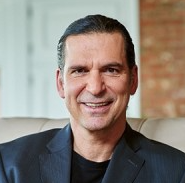 Lieven Annemans合作论文数Gezondheidseconomie aan de faculteit, geneeskunde van de UGent11
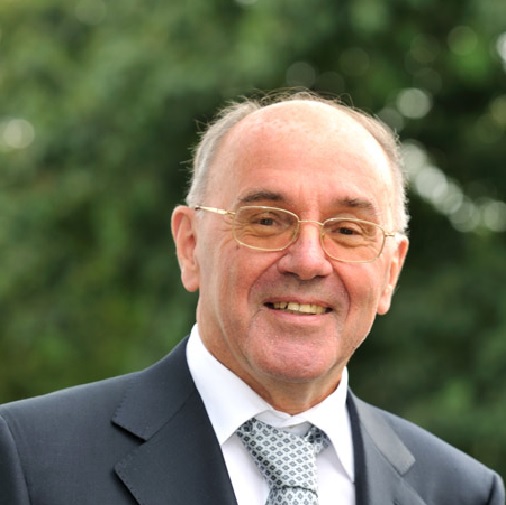 Erik De Clercq合作论文数Rega Institute for Medical Research;Department of Microbiology and Immunology, KU Leuven10Frank Buntinx合作论文数Department of General Practice, Maastricht University10Carine Van Den Broeke合作论文数9
 Mieke Deschodt合作论文数Center for Health Services and Nursing Research, University Hospitals Leuven9Ines Mouchaers合作论文数8Pavlos Mamouris合作论文数8
 Metzelthin Silke F合作论文数School for Public Health and Primary Care CAPHRI, Maastricht University8
 Ellen Vlaeyen合作论文数Center for Health Services and Nursing Research, University Hospitals Leuven8S. Moreels合作论文数7Merel Leithaus合作论文数7Steve Van den Bulck合作论文数7
 Séverine Henrard合作论文数Faculté de Santé Publique, Université Catholique de Louvain;Louvain Drug Research Institute, Université Catholique de Louvain;Institut de Recherche Santé et Société, Université Catholique de Louvain7
 Patrik Vankrunkelsven合作论文数7
 Irina Odnoletkova合作论文数7
 Jolanda van Haastregt合作论文数7Walter Sermeus合作论文数7
 Rosella Pmg Hermens合作论文数7Stephaan Bartholomeeusen合作论文数6Elias Van Deun合作论文数6
 Marjan van den Akker合作论文数6Benoît Pétré合作论文数Department of Public Health, University of Liège6Sibyl Anthierens合作论文数Department of General Practice and Primary Health Care, Ghent University6
 Geert Verbeke合作论文数Katholieke Universiteit Leuven6Elien Colman合作论文数6
 Johan Flamaing合作论文数6
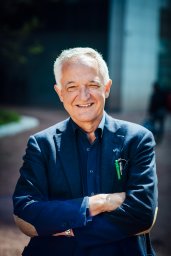 Roy Remmen合作论文数www.bsl.nl6Jean Macq合作论文数Free University Brussels;Garcia de Orta Development and Cooperation Association;Institute for Tropical Medicine;Institute for Tropical Medicine, Free University Brussels6An Carbonez合作论文数6Stefaan Bartholomeeusen合作论文数6
 Dirk Devroey合作论文数6L Borgermans合作论文数5nathan charlier合作论文数University of Liège5
 Therese Van Durme合作论文数Institut de Recherche Santé et Société, Université Catholique de Louvain5




