Terminalia macroptera leaves and roots frequently used in Malian ethnomedicine showed some biological activities against liver diseases. The present study aimed to control the quality of powdered leaves and roots, and to evaluate the anti-hepatocarcinoma activity of their extracts. The quality control focused on the determination of the botanical and physicochemical parameters. The free radical scavenging activity of the ethanolic extracts of the leaves or roots was evaluated by the DPPH radical reduction method. The anti-hepatocarcinoma activity of the ethanolic extracts of the leaves or roots was evaluated in vitro on the human hepatocarcinoma (HepG2) cell line using the MTT test. The organoleptic and microscopic characters coupled physicochemical parameters for the identification of good samples of the powdered leaves and roots were established. The best free radical scavenging and anti-hepatocarcinoma activities were obtained with the ethanolic extract of the leaves with an EC50 of 6.1 ± 0.3 µg / mL of 15 μg / mL respectively. These findings will help more to prepare a monograph and to validate the use of Terminalia macroptera for liver diseases.
AbstractIn Mali, improved traditional medicines [“Médicaments Traditionnels Améliorés”] are prepared from traditionally used medicinal plants. Recently, the Department of Traditional Medicine has identified Terminalia macroptera Guill. & Perr. (Combretaceae) as a potential candidate for an improved traditional medicine. T. macroptera is a West African medicinal plant used in Mali against various health disorders, with more than 30 different indications mentioned by traditional healers, including hepatitis, gonorrhea, fever, pain relief, and various infectious diseases (Helicobacter pylori-associated diseases). To date, validation of most of the biological activities of has been mainly carried out in vitro, except for antimalarial activities. In this study, the potential anti-inflammatory, antipyretic, analgesic, and hepatoprotective properties of T. macroptera were investigated in different murine models. Administration of T. macroptera ethanolic root and leaf extracts in rats significantly reduced pyrexia, pain, inflammation, and hepatic marker enzymes such as alanine aminotransferase, aspartate aminotransferase, and alkaline phosphatase in the different murine models used (p<0.05). A phytochemical screening of T. macroptera revealed the presence of tannins, flavonoids, saponins, anthracene derivatives, sterols, triterpenes, and sugars in both leaf and root extracts as the main phytochemical compounds. This was confirmed by qualitative analysis, liquid chromatography coupled with high-resolution mass spectrometry. T. macroptera extracts demonstrated interesting in vivo antipyretic, analgesic, anti-inflammatory, and hepatoprotective activities. Therefore, T. macroptera should be proposed and further evaluated as a potential improved traditional medicine for the treatment of liver-related disorders and for the relief of pain and fever.
ETHNOPHARMACOLOGICAL RELEVANCE:Malaria is still a highly challenging public health issue in southern Lao PDR, with increasing cases of artemisinin resistance and Plasmodium vivax infections which are more complicated to treat. Traditional medicine has a long history of use in Laos, and is primarily practised by traditional village healers, who possess unique bodies of transmitted knowledge focused on herbal prescriptions, including those for the treatment of malaria. Villagers also use plants for healthcare in the home. The aim of the study is to document local fever concepts and use of herbal remedies, and examine whether they may have potential as complementary treatments against malaria.MATERIALS AND METHODS:The study took place in Champasak province in the far south of Laos, in primarily lowland areas. First, 35 traditional healers across the 10 districts of the province were interviewed to elicit details about knowledge and treatment of fevers. Second, a household survey was conducted in a village in a malaria-endemic area; 97 households were interviewed on fever incidence, differentiation, treatment-seeking behaviour and knowledge of plant-based remedies for fevers. Plants indicated by both healers and villagers were collected and voucher specimens deposited in the herbarium of the National University of Laos for identification.RESULTS:Malaria is a well-known pathology among the healers and villagers of lowland Champasak province; biomedical treatments are preferentially used, but traditional medicine is a popular complementary method, especially in chronic cases with additional symptoms. 30 different fever types were recorded, which were usually named symptomatically, and grouped into 12 categories. Some were described as forms of malaria, which was conceived as a dynamic, changing pathology affecting many body systems. Healers formulate treatments based on symptoms and the person's constitution, and with the intention of creating specific pharmacological actions associated with temperature or flavours. 11 of the healers gave prescriptions for malaria (27 in total), including 47 identified plant species. The most-used plants (4 or more use-reports) were also the most cited in the literature for use against malaria, demonstrating a correspondence between Lao healers and other traditional medical systems. Furthermore, some of these species show promising results for future research, especially Amorphophallus paeniifolius (Dennst.) Nicolson and Alocasia macrorrhizos (L.) G. Don.CONCLUSION:Traditional healers are important actors in the treatment of malaria in southern Laos, and herbal remedies should be evaluated further by the use of reverse treatment outcome trials, especially those which may be of use as complementary remedies in treating P. vivax. Initiatives on knowledge transmission, medicinal plant conservation and healthcare integration are also urgently needed.
BackgroundIn Lao PDR, the Hmong ethnic group has extensive knowledge about the use of medicinal plants. However, despite the importance of the Hmong pharmacopeia as a primary health care resource, no study has been undertaken to thoroughly document medicinal plant knowledge and its transmission. Objectives of this study are (i) to describe and characterize Hmong pharmacopeia, and (ii) to understand how medicinal plant knowledge is transmitted and spread among Hmong in Lao PDR, in order to assess whether this knowledge base is under threat.MethodsIn order to describe Hmong pharmacopeia, a total of 14 interlocutors were interviewed in three provinces (Bokeo, Xieng Khouang, and Vientiane), using walk in the wood methodology. To gain insight about knowledge transmission, semi-structured interviews were conducted with 28 people. Twenty of them were herbalists. Data analysis was performed using univariate analysis for the description of the pharmacopeia. Medicinal plant knowledge consistency was assessed through use and plant name overlapping. Answers to the semi-structured interview on knowledge transmission were analyzed qualitatively.ResultsThree hundred thirty-three different medicinal species were collected. The majority of uses attributed to plants were gastrointestinal conditions (22% of total use reports), gynecological conditions and sexually transmitted disease (12%), skin affections (8%), kidney and bladder problems (5%), physical traumas (5%), and aphrodisiac (or male tonics; 5%). Use convergences are more marked in the gynecological sphere, but there is a strong heterogeneity in practices and knowledge. Medicinal plant knowledge transmission is oral, gained from direct experience since childhood, matrilineal, and kept strictly within the family lineage. Apparent limited consensus on uses might stem from the method of knowledge transmission and to the economic value given to medicinal plants.DiscussionUse pattern of species from the Hmong pharmacopeia does not appear to be strikingly different from the national Lao pharmacopeia. Differences may lie in the methods and reasons for knowledge transmission. It can be proposed that the economic value given to plants helps in keeping the knowledge alive, and encourages its transmission.ConclusionHmong traditional medicine is constantly evolving in a dynamic process and aims to respond to health problems faced by the local population. Herbalists appear as health fully fledged actors and should be recognized and valued as such.
Six new secocycloartane glycosides (1-6) were isolated from the ethanol extract of the flowers of Cordia lutea Lam. on the basis of bioassay-guided fractionation. Their structures were determined by the application of NMR and MS data analyses together with X-ray crystallographic analyses for compounds 1 and 2. Compounds 1-6 represent the first examples of 9,10-seco-29-norcycloartane glycosides. These compounds showed significant in vitro anti-Helicobacter pylori activity, and no activity against either Escherichia coli or Pseudomonas aeruginosa. Significant activity was observed for 5 and 6 against Staphylococcus aureus. All compounds displayed weak cytotoxicity against RAW 264.7 cells. The in vitro antileishmanial and antiplasmodial activities of 1-6 were also evaluated.
RELEVANCE:More than 70 million people suffer epilepsy worldwide. Low availability of anti-epileptic drugs, side-effects and drug-resistant epilepsy affect the quality of life of persons with epilepsy in countries with a poorly developed health system. Herbal medicine is frequently used for this neurological condition. OBJECTIVES:The main objective was to provide a detailed analysis of Herbal Medicine used for neurological conditions related with epilepsy in Asia, Africa and Latin America. More broadly, this study aims to highlight species with assessed efficacy (cross-cultural use, pharmacological effects on models of epileptic seizures) and safety (toxicological data in laboratory) information, in order to point out species of interest for further studies. A critical assessment of models used in pharmacological evaluations was done. MATERIALS AND METHODS:The systematic search for Herbal Medicine treatments for epilepsy was performed considering all the articles published until February 2017 through three scientific databases. It was made with MeSH terms and free text defining the epilepsy seizures and plant species. We included studies carried out in Asia, Africa and Latin America. All articles reporting the use of Herbal Medicine to treat epilepsy seizures and/or their pharmacological evaluation were retained for further analysis. RESULTS:The search yielded 1886 articles, from 30 countries. Hundred and six articles published between 1982 and 2017 were included, corresponding to a total of 497 use reports for 351 plant species belonging to 106 families. Three hundred and seventy seven use reports corresponding to 264 species in ethnopharmacological surveys and 120 evaluation reports corresponding to 107 species were noted. Twenty-nine reports, for 29 species, combined both ethnopharmacological and pharmacological evaluation. Fifty eight studies originated from Africa, 35 studies from Asia and 18 from Latin America. Highest use report was noted for rhizomes of Acorus calamus L. (12 use report in 1 country) and leaves of Bacopa monnieri (L.) Wettst. (8 use report in 2 countries). Therefore these species display the highest use convergence. Regarding pharmacological evaluation most studied species were: Leonotis leonurus (L.) R.Br. (4 evaluation reports in 1 country), Uncaria rhynchophylla (Miq.) Miq. ex Havil. (3 evaluation reports in 2 countries) and Calotropis gigantea (L.) Dryand. (3 evaluation reports in 1 country). In vivo models of chronic epilepsy were more relevant than in vitro models or chemical models inducing acute seizures for pharmacological assessment. CONCLUSION:Species with the highest use report were not those with pharmacological evaluation. It will be pertinent to assess the pharmacological effects and safety of medicinal plants used mostly by traditional healers on predictive models of seizures.
Liver cancer is a major health burden in Southeast Asia, and most patients turn towards the use of medicinal plants to alleviate their symptoms. The aim of this work was to apply to Southeast Asian plants traditionally used to treat liver disorders, a successive ranking strategy based on a comprehensive review of the literature and metabolomic data in order to relate ethnopharmacological relevance to chemical entities of interest. We analyzed 45 publications resulting in a list of 378 plant species, and our point system based on the frequency of citation in the literature allowed the selection of 10 top ranked species for further collection and extraction. Extracts of these plants were tested for their in vitro anti-proliferative activities on HepG2 cells. Ethanolic extracts of Andrographis paniculata, Oroxylum indicum, Orthosiphon aristatus and Willughbeia edulis showed the highest anti-proliferative effects (IC50 = 195.9, 64.1, 71.3 and 66.7 μg/ml, respectively). A metabolomic ranking model was performed to annotate compounds responsible for the anti-proliferative properties of A. paniculata (andrographolactone and dehydroandrographolide), O. indicum (baicalein, chrysin, oroxylin A and scutellarein), O. aristatus (5-desmethylsinensetin) and W. edulis (parabaroside C and procyanidin). Overall, our dereplicative approach combined with a bibliographic scoring system allowed us to rapidly decipher the molecular basis of traditionally used medicinal plants.
En el presente trabajo se describe el aislamiento de 6 xantonas, una fenil-γ-pirona, el ácido 3-epibetulínico y quercetina a partir de las partes aéreas de Hypericum laricifolium Juss. (Hypericaceae), colectada en Perú. Los compuestos aislados fueron evaluados por su capacidad para inhibir el crecimiento de células de hepatocarcinoma humano Hep3B. El compuesto más activo fue la xantona 3, con una concentración inhibitoria (CI50) de 12 µM.
Ethnopharmacological relevance: Epilepsy affects 150,000 people in Peru, with a prevalence of 16.6/1000 and a treatment gap of 75%. Herbal medicine (HM) is widely used in this country. Aim of the study: We aimed to assess the use of plants in a rural community in northern Peru as part of therapeutic strategies for people with epilepsy (PWE). Materials and methods: The study was a cross-sectional observational and descriptive study. The inclusion criteria for people with epilepsy were 2 years of age and over, having lived in the study area for at least 3 months and a confirmed diagnosis of epilepsy by a neurologist. The information was gathered through structured interviews using a survey questionnaire. Botanical species used by people with epilepsy or traditional healers were collected and identified. Results: Out of the 228 people with epilepsy included, 60.0% had used herbal remedies and 54.8% both herbal medicine and anti-epileptic drugs. The traditional healer was the first practitioner consulted by 45.2% of people with epilepsy. Sixty-six species have been mentioned by the people with epilepsy and traditional healers on the treatment of epilepsy. Carbamazepine was the most prescribed anti-epileptic drug with 33.2% of prescriptions. Conclusions: This study was the first to measure a percentage of use of herbal medicine for epilepsy in Peru. It would be interesting to conduct a pharmacological evaluation of the most commonly used species on epileptic models to validate and secure their use.
Plasmodium falciparum malaria is still one of the most deadly pathology worldwide. Efficient treatment is jeopardized by parasite resistance to artemisinin and its derivatives, and by poor access to treatment in endemic regions. Anti-malarial traditional remedies still offer new tracks for identifying promising antiplasmodial molecules, and a way to ensure that all people have access to care. The present study aims to validate the traditional use of Terminalia macroptera, a Malian plant used in traditional medicine.
We describe here the isolation of 6 xanthones and one phenyl-γ-pyrone, together with 3-epibetulinic and quercetine from the aerial parts of Hypericum laricifolium Juss. (Hypericaceae), collected in Peru. Isolated compounds have been evaluated against proliferation of human hepatocellular carcinoma Hep3B cells. The most active compound was xanthone 3, with an inhibitory concentration (IC50) of 12 μM.
Ethnopharmacological relevance: Liver disorders are a major health problem in Cambodia, where some patients prefer to seek treatment from traditional healers. The aim of the study was to document the knowledge and practices of these healers in four Southern Cambodian provinces.Materials and methods: An ethnopharmacological survey was carried out from September 2015 to January 2016 in Cambodian urban and rural areas. Thirty-three Khmer traditional healers (KTH) were interviewed using a semi-structured questionnaire including socio-demographic data, healer's formation and their professional practice conditions, perception of liver diseases (types and causes of liver disorders, diagnostic methods and symptoms of liver problems), dietary recommendations given to patients, and herbal remedies used to treat them. For each medicinal plant mentioned in herbal remedies, the local name, part of the plant, mode of preparation and administration, and their properties, according to the healers, were recorded. The plants mentioned by the traditional therapists were collected and later identified by specialists.Results: Different types of liver disease are identified by the healers, and diagnosis was mostly based on reading medical records, and by observing the yellow discoloration of the skin and eyes. A total of 42 herbal remedies including 83 medicinal plants belonging to 40 families were mentioned for treating liver disorders. The most predominant families were Leguminosae and Poaceae. Among the plants reported, Cananga latifolia, Andrographis paniculata, Smilax aff. glabra, Gomphrena celosioides, Passiflora foetida and Physalis minima were the most cited species. A large part of the herbal remedies used were multi-ingredient recipes, and were prepared mainly by a decoction administered orally. Plants are combined in multi-ingredient recipes, and selected on the basis of their properties (trocheak, psah, somrap me rok, ktchol) which originate from Khmer medical concepts. Most of the plants used by healers have a wide ethnobotanical use for liver disorders, and have been studied for their hepatoprotective activity and related activities on the liver.Conclusion: In the diagnosis and treatment of liver diseases, KTH have incorporated biomedical concepts and new practices, which suggest that they could be defined as neotraditional healers. Medicinal plants constitute the core of traditional medicine practice by these healers, and these plants play a very important role in the health care of people with liver problems in Cambodia. Therefore, more attention should be paid to the integration of healers in national health care programs for the development of combined therapies. Furthermore, two plant species (i.e. Cananga latifolia and Willughbeia edulis) were found to be widely used for treating liver disorders in our survey, and should be studied for their pharmacological potential for liver problems.
ETHNOPHARMACOLOGICAL RELEVANCE:Cutaneous and mucocutaneous leishmaniasis are neglected tropical diseases that occur in all intertropical regions of the world. Amazonian populations have developed an abundant knowledge of the disease and its remedies. Therefore, we undertook to review traditional antileishmanial plants in Amazonia and have developed new tools to analyze this somewhat dispersed information.MATERIAL AND METHODS:A literature review of traditional remedies for cutaneous/mucocutaneous leishmaniasis in the Amazon was conducted and the data obtained was used to calculate distribution indexes designed to highlight the most relevant uses in Amazonia. The cultural distribution index represents the distribution rate of a given taxon among different cultural groups and was calculated as the ratio of the number of groups using the taxon to the total number of groups cited. The geographical distribution index allowed us to quantify spatial distribution of a taxon's uses in Amazonia and was calculated geometrically by measuring the average distance between the points where uses have been reported and the barycenter of those points. The general distribution index was defined as an arithmetic combination of the previous two and provides information on both cultural and spatial criteria.RESULTS:475 use reports, concerning 291 botanical species belonging to 83 families have been gathered depicted from 29 sources. Uses concern 34 cultural groups. While the use of some taxa appears to be Pan-Amazonian, some others are clearly restricted to small geographical regions. Particular attention has been paid to the recipes and beliefs surrounding treatments. Topical application of the remedies dominated the other means of administration and this deserves particular attention as the main treatments against Neotropical leishmaniasis are painful systemic injections. The data set was analyzed using the previously defined distribution indexes and the most relevant taxa were further discussed from a phytochemical and pharmacological point of view.CONCLUSIONS:The Amazonian biodiversity and cultural heritage host a fantastic amount of data whose systematic investigation should allow a better large-scale understanding of the dynamics of traditional therapies and the consequent discovery of therapeutic solutions for neglected diseases. Distribution indices are indeed powerful tools for emphasizing the most relevant treatments against a given disease and should be very useful in the meta-analysis of other regional pharmacopeia. This focus on renowned remedies that have not yet benefitted from extended laboratory studies, could stimulate future research on new treatments of natural origin for leishmaniasis.
Biopiracy accusations are common in the world of biodiversity research. At the end of 2015, a French NGO accused researchers from the Institut de Recherche pour le Développement (IRD) of biopiracy. These researchers had applied for a patent for a natural bioactive molecule against malaria and cancer, the Simalikalactone E, isolated from Quassia amara L. (Simaroubaceae) leaves. This biopiracy allegation triggered a huge wave of attacks from the media and social networks, and vehement recrimination from political officials in French Guiana against researchers who have been accused of ethical misconduct, by stealing the traditional knowledge of indigenous people. These accusations were made in the contentious context of the ratification of the Nagoya Protocol in the frame of implementing the French law on biodiversity, nature and landscapes. So, in an atmosphere of heightened emotions it is crucial to understand the issues behind these accusations. We describe herein the genesis of our discovery, present the detractors' arguments, and discuss the consequences of such biopiracy denunciations for scientific research. We also address our concerns about the gap between rhetoric and reality and the real impact of the Nagoya Protocol on biodiversity conservation.
Ethnopharmacological relevance: In this paper we present a comprehensive ethnomedicinal study conducted in Mondulkiri province. Traditional knowledge about natural medicine (plants, animals, mushrooms) was investigated in Cambodia's largest indigenous community: the Bunong people. The survey aims to document the medicinal plant use of this ethnic, by focusing on the eleven most frequent diseases encountered in the area, in order to highlight species that could be recommended in public health programs.Materials and methods: During the years 2013 and 2014, 202 villagers were interviewed in 28 villages from the five districts in Mondulkiri. Two types of methodology were employed: (1) an ethnobotanical field survey (walk-in-the-wood interviews) and (2) semi-structured household interviews with a special emphasis on the treatment of 11 most common ailments encountered in the area. Medicinal plants and mushrooms were collected and identified together with medicinal animals. The factor informant consensus (Fic) and fidelity level (FL) were calculated.Results: Bunong people use a total of 214 plants belonging to 72 families, 1 mushroom and 22 animal species in their traditional healthcare practices in order to treat 51 different ailments. Among the medicinal plants, Fabaceae was the most predominant family; Chromolaena odorata (L.) R.M. King and H. Rob. (Asteraceae), Zingiber montanum (J.Koenig) Link ex A.Dietr. (Zingiberaceae) and Kalanchoe pinnata (Lam.) Pers. (Crassulaceae) were the most cited medicinal plants; and four ailments (cold/fever, diarrhea, postpartum disorders and stomachache) were described as major ailments in the community. The root was the most important part of plants used, and decoction was the most cited method of preparation. During our survey, we also discovered a "new to science" plant species called Ardisia mondulkiriensis Hul and Chassagne, and we recorded for the second time the plant species recently described, Solarium sakhanii Hul.Conclusion: Most of the species reported for the treatment of the 11 most frequent ailments have already been proven to be efficient and safe. Furthermore, 10 plant species are reported for the first time as medicinal and some of them are widely used in the community. Further pharmacological and phytochemical investigations should be undergone to assess the pharmaceutical potential of these species. While undergoing considerable changes, Bunong people have maintained extensive traditional medicine knowledge. As this indigenous hill tribe depend mainly on natural remedies for their daily healthcare, environmental preservation is of high importance for the community. (C) 2016 Elsevier Ireland Ltd. All rights reserved.
ETHNOPHARMACOLOGICAL RELEVANCE:Psidium acutangulum Mart. ex DC is a small tree used by the Wayana Amerindians from the Upper-Maroni in French Guiana for the treatment of malaria. AIM OF THE STUDY:In a previous study, we highlighted the in vitro antiplasmodial, antioxidant and anti-inflammatory potential of the traditional decoction of P. acutangulum aerial parts. Our goal was then to investigate on the origin of the biological activity of the traditional remedy, and eventually characterize active constituents. MATERIALS AND METHODS:Liquid-liquid extractions were performed on the decoction, and the antiplasmodial activity evaluated against chloroquine-resistant FcB1 ([(3)H]-hypoxanthine bioassay) and 7G8 (pLDH bioassay) P. falciparum strains, and on a chloroquine sensitive NF54 ([(3)H]-hypoxanthine bioassay) P. falciparum strain. The ethyl acetate fraction (D) was active and underwent bioguided fractionation. All the isolated compounds were tested on P. falciparum FcB1 strain. In vitro anti-inflammatory activity (IL-1β, IL-6, IL-8, TNFα) of the ethyl acetate fraction and of an anti-Plasmodium active compound, was concurrently assessed on LPS-stimulated human PBMC and NO secretion inhibition was measured on LPS stimulated RAW murine macrophages. Cytotoxicity of the fractions and pure compounds was measured on VERO cells, L6 mammalian cells, PBMCs, and RAW cells. RESULTS:Fractionation of the ethyl acetate soluble fraction (IC50 ranging from 3.4 to <1µg/mL depending on the parasite strain) led to the isolation of six pure compounds: catechin and five glycosylated quercetin derivatives. These compounds have never been isolated from this plant species. Two of these compounds (wayanin and guaijaverin) were found to be moderately active against P. falciparum FcB1 in vitro (IC50 5.5 and 6.9µM respectively). We proposed the name wayanin during public meetings organized in June 2015 in the Upper-Maroni villages, in homage to the medicinal knowledge of the Wayana population. At 50µg/mL, the ethyl acetate fraction (D) significantly inhibited IL-1β secretion (-46%) and NO production (-21%), as previously observed for the decoction. The effects of D and guiajaverin (4) on the secretion of other cytokines or NO production were not significant. CONCLUSIONS:The confirmed antiplasmodial activity of the ethyl acetate soluble fraction of the decoction and of the isolated compounds support the previous results obtained on the P. acutangulum decoction. The antiplasmodial activity might be due to a mixture of moderately active non-toxic flavonoids. The anti-inflammatory activities were less marked for ethyl acetate fraction (D) than for the decoction.
OBJECTIVES:Hepatocellular carcinoma (HCC) is the main type of primary liver cancer (PLC) worldwide, but cholangiocarcinoma (CCA) may be predominant in some specific regions of Southeast Asia. The aim of the present study was to delineate a pattern of Cambodian PLC patients attending the Calmette Hospital in the Cambodian capital Phnom Penh.MATERIALS AND METHODS:A total of 553 medical charts diagnosing PLCs from January 2003 to May 2015 were obtained from both the Oncology and Hepato-Gastroenterology Departments of the Calmette Hospital.RESULTS:HCC was the predominant type of PLC recorded, with 511 cases (92.4%), whereas CCA represented merely 7.6% (42 cases) of the overall series. Hepatitis B virus (HBV; 44.3%) and hepatitis C virus (HCV; 43%) infection rates were similar among the HCC patients, while small subsets of CCA patients were infected with HBV (15.4%) or HCV (11.5%). Most HCC (84%) and CCA (73.8%) patients received palliative treatment only.CONCLUSION:The present study indicates that HCC is the main form of primary hepatic neoplasm among PLC patients attending a hospital in Cambodia. HBV and HCV infections represented equivalent burdens and major contributing factors to HCC. Therefore, the implementation of prevention programs for these infectious agents should become a priority for health policy makers in the country.
Rationale: The highest burden of liver cancer occurs in developing countries, where the use of herbal medicine (HM) is still widespread. Despite this trend, few studies have been conducted to report HM practices of patients with a hepatic tumor in the developing world. Hence, this study aimed to document the use of HM among patients with liver cancer in Peru. Study Design and Methods: A comparative behavioral epidemiological survey was conducted among liver cancer patients attending the National Cancer Institute of Peru. Information was obtained by direct interviews based on a semistructured questionnaire. The use of HM in Peruvian liver cancer patients was reported, first, regarding general consumption prior to the onset of disease, and second, after the appearance of symptoms that patients would relate to their tumor. In parallel, general consumption of HM in noncancerous people was assessed as a comparative figure. A correspondence analysis was performed to reveal potential associations between the symptoms of cancer and the specific use of HM. Results: Eighty-eight patients and 117 noncancerous individuals participated in the survey. Overall, 68.3% of the people interviewed claimed to use HM on a regular basis for general health preservation. Furthermore, 56.8% of the patients turned to plants first to treat the disorders for which they later came to the cancer care center. When compared with the number of plant species used routinely (n = 78), a selection of plants was made by patients in response to the symptoms of cancer (n = 46). At least 2 plant species, Aloe vera and Morinda citrifolia , were significantly associated with the treatment of liver cancer–related symptoms in the patient group. Conclusions: The present study is the first survey on the HM practices of patients with liver cancer in Latin America and, more broadly, in the developing world. Our findings confirm that HM remains one of the principal primary health care resources in Peru, even for a severe disease like liver cancer. These traditional, complementary and alternative medicine practices should be taken into consideration in Peruvian health programs aiming to educate the population in cancer prevention and treatment, as well as integrative cancer management.
 Joaquina Albán合作论文数Departamento de Etnobotánica y Botánica Económica, Museo de Historia Natural55
 Valadeau Céline合作论文数54
 Eric Deharo合作论文数Institut de Recherche pour le Développement (IRD) BP 165, 97300 Cayenne, Guyane France30Valérie Jullian合作论文数26
 Michel Sauvain合作论文数Laboratoire de Pharmacochimie des Substances Naturelles et Pharmacophores Redox;Université de Toulouse;Laboratoire de Pharmacochimie des Substances Naturelles et Pharmacophores Redox, Université de Toulouse24E Deharo合作论文数23
 Didier Stien合作论文数152 Davey Laboratory, The Pennsylvania State University19
 Odonne Guillaume合作论文数CNRS Guyane13Emeline Houel合作论文数13Stephane Bertani合作论文数11Alexis Valentin合作论文数11Alberto Giménez合作论文数Instituto de Investigaciones Fármaco Bioquı́micas, UMSA11Nicolas Fabre合作论文数8C Quenevo合作论文数7
 Denis Castillo合作论文数7V Muñoz合作论文数6
 Mohamed Haddad合作论文数Université de Toulouse, Université Toulouse 3;Institut de Recherche pour le Développement (IRD), UMR 152 Pharma-DEV, F-31062 Toulouse Cedex 09, France.;Université de Toulouse, Université Toulouse 36
 Francois Chassagne合作论文数Center for the Study of Human Health, Emory University, Atlanta, GA, United States6Pierre Cabalion合作论文数6Jorge Arevalo合作论文数5
 Veronique Eparvier合作论文数5
 Dominique Laurent合作论文数Centre IRD de Nouméa, IRD-Université Paul Sabatier5
 Rosario Rojas合作论文数5de la Cruz Mercedes Gonzales合作论文数4Jorgia Callapa合作论文数Instituto Boliviano de Biologı́a de Altura-ORSTOM CP 717, Universidad Mayor de San Andrés4Cecile Debitus合作论文数4C. Sam合作论文数4
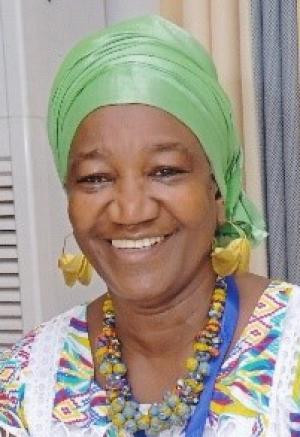 Rokia Sanogo合作论文数Department of Traditional Medicine, University of Sciences, Techniques and Technologies of Bamako4L Chevolot合作论文数3
 Mahamane Haidara合作论文数3
 Marie Fleury合作论文数3
 Adama Denou合作论文数Univ Sci Tech & Technol Bamako3
 Ris Rojas合作论文数3
 Billy Cabanillas合作论文数3Le Lamer Anne-Cécile合作论文数3
 Flore Nardella合作论文数Laboratoire d'Innovation Thérapeutique UMR CNRS 7200, Université de Strasbourg;Institut de Parasitologie et de Pathologie Tropicale de Strasbourg (IPPTS) - Faculté de Médecine, Université de Strasbourg;Université de Strasbourg, Université de Strasbourg3
 Patrick Auberger合作论文数3Claude Moulis合作论文数3Vincent Roumy合作论文数3Yannick Estevez合作论文数3
 Saara J. Dewalt合作论文数Department of Biological Sciences, Clemson University3
 Isabel L. Bazzocchi合作论文数Instituto Universitario de Bio-Orgánica, Universidad de La Laguna3
 Giovanny Garavito合作论文数Universidad Nacional de Colombia;Facultad de Ciencias;Departamento de Farmacia, Apartado Aéreo;Departamento de Farmacia . Apartado Aéreo, Universidad Nacional de Colombia3
 Maelle Carraz合作论文数3Bernard Weniger合作论文数Laboratoire de Pharmacognosie et de Molécules Naturelles Bioactives, Université Louis Pasteur3
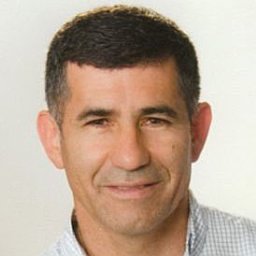 Ignacio A. Jiménez合作论文数Instituto Universitario de Bio-Orgánica “Antonio González”,, Universidad de La Laguna3L.R. Chávez De Michel合作论文数3Ninoska Flores合作论文数Instituto de Investigaciones Fármaco – Bioquímicas, Universidad Mayor de San Andrés3
 Merlin Willcox合作论文数Department of Primary Care and Population Sciences, University of Southampton;Primary Care Research Centre, University of Southampton3




