The aim of this study was to investigate long-term development in job crafting during the COVID-19 pandemic among employees with and without mental health issues (MHIs). Furthermore, this study aimed to explore the role of job resources regarding these changes. We have analyzed longitudinal panel data of six waves between 2019 (applied as pre-pandemic baseline) and 2022 from employees in Switzerland, Germany, and Austria. Hierarchical linear modeling showed change differences in job crafting: employees with MHIs experienced a higher decrease in job crafting during the COVID-19 pandemic compared to employees without MHIs. When investigating the specific crafting dimensions, we found that there was a group difference only for crafting for structural resources, but not for crafting for social resources. Moreover, job resources buffered the decrease in job crafting among employees with MHIs. Particularly, social support buffered the decrease in crafting for social resources and role clarity buffered the decrease in crafting for structural resources. These results suggest that in times of crisis, strengthening job resources can help employees with MHIs maintain their job crafting behavior.
Background The high prevalence of mental health issues (MHI) among employees poses significant societal challenges. However, little is known about factors that influence their ability to remain employed, maintain productivity, and thrive at work. Objective This study examines differences in occupational health outcomes (burnout, work engagement, and work ability) between employees with and without MHI and the applicability of the Job Demands-Resources model (including job demands, job resources as psychosocial working conditions and sense of coherence (SOC) as a personal resource) among employees with MHI, while particularly controlling for disease-specific factors. Methods Pooled data from two measurement waves were analyzed, including employees with current MHI ( N = 92) and those without MHI ( N = 877) from German-speaking countries. Mixed-effects models examined relationships between sociodemographic, disease-specific factors, psychosocial working conditions, SOC, and occupational health outcomes. Results Employees with MHI showed lower occupational health levels (higher burnout, reduced work ability) than those without. Among employees with MHI, SOC and job resources were significantly associated with all occupational health outcomes, while job demands primarily predicted burnout. Sickness absence correlated negatively with both burnout and work ability. The association between SOC and work ability was stronger for employees with MHI than for those without. Conclusions Job resources and SOC play a role for occupational health in employees with MHI. Targeted interventions to strengthen these resources should be prioritized.
Crafting research has often focused solely on the work domain or examined work and non-work life domains separately, using a variable-centered approach. Little is known about the interactions of crafting processes in the work and non-work domain. In this time-lagged study, we examined (1) the relationship between job and off-job crafting behaviours using a person-centered approach to identify crafting profiles, (2) whether job, home and personal resources differentially predicted these profiles and (3) whether these profiles differed in relation to outcomes, that is work engagement and mental well-being. We conducted a three-wave, time-lagged survey with 3-month intervals among 2125 employees. The results revealed three profiles of active (18.0%), average (48.2%) and least active (33.9%) crafters. Analyses of predictors showed that active crafters had higher levels of home developmental possibilities and self-efficacy than average and least active crafters, likewise for average crafters compared with least active crafters. Furthermore, active crafters had higher levels of social support at home than least active crafters. Regarding well-being outcomes, active crafters experienced significantly higher mental well-being than average and least active crafters and higher work engagement than least active crafters. Interventions to enhance employee's resources could stimulate crafting behaviours, ultimately improving well-being.
We present the conceptualization and validation of the Needs-Based Job Crafting Scale (NJCS), a new assessment tool theoretically grounded in the Identity-Based Integrative Needs Model of Crafting and DRAMMA psychological needs (detachment, relaxation, autonomy, mastery, meaning, and affiliation). The article is composed of three studies. In Study 1, we develop the NJCS and test its factorial structure using a cross-sectional sample of Finnish employees (N = 578). In Study 2, we validate the factor structure and test the scale for measurement invariance across time with longitudinal samples from Finland (N = 578) and Japan (N = 228). In Study 3, we examine the convergent, criterion, and incremental validity using a sample of German and Swiss employees (N = 1,101). The results confirm a six-factor structure of the scale as defined by the detachment, relaxation, autonomy, mastery, meaning, and affiliation needs in all three samples. The NJCS showed convergent validity when correlated with the conceptually related Needs-Based Off-Job Crafting Scale (NOCS), a job crafting scale based on the job demands-resources (JD-R) model, and the Proactive Personality Scale. Further, the six job crafting dimensions explain a large amount of variance in work engagement, job satisfaction, burnout, and psychological needs satisfaction; thus, supporting criterion validity of the scale. Finally, the NJCS explains variance beyond the existing JD-R based job crafting scale in work engagement, job satisfaction, burnout, and recovery experiences; thus, supporting incremental validity of the NJCS. Together with the existing NOCS, the NJCS facilitates the examination of crafting dynamics within and across work and nonwork life domains, applying a shared theoretical framework of psychological needs. (PsycInfo Database Record (c) 2024 APA, all rights reserved).
Abstract Background Sense of coherence (SOC) is a personal resource that reflects the extent to which one perceives the world as comprehensible, manageable, and meaningful. Decades of empirical research consistently show that SOC is an important protective resource for health and well-being. Despite the extensive use of the 13-item measure of SOC, there remains uncertainty regarding its factorial structure. Additionally, a valid and reliable Czech version of the scale is lacking. Therefore, the present study aims to examine the psychometric properties of the SOC-13 scale in a representative sample of Czech adults. Methods An online survey was completed by 498 Czech adults (18–86 years old) between November 2021 and December 2021. We used confirmatory factor analysis to examine the factorial structure of the scale. Further, we examined the variations in SOC based on age and gender, and we tested the criterion validity of the scale using the short form of the Mental Health Continuum (MHC) scale and the Generalized Anxiety Disorder (GAD) scale as mental health outcomes. Results SOC-13 showed an acceptable one- and three-factor fit only with specified residual covariance between items 2 and 3. We tested alternative short versions by systematically removing poorly performing items. The fit significantly improved for all shorter versions with SOC-9 having the best psychometric properties with a clear one-factorialstructure. We found that SOC increases with age and males score higher than females. SOC showed a moderately strong positive correlation with MHC, and a moderately strong negative correlation with GAD. These findings were similar for all tested versions supporting the criterion validity of the SOC scale. Conclusion Our findings suggest that shortened versions of the SOC-13 scale have better psychometric properties than the original 13-item version in the Czech adult population. Particularly, SOC-9 emerges as a viable alternative, showing comparable reliability and validity as the 13-item version and a clear one-factorial structure in our sample.
In the wake of the COVID-19 pandemic, the boundaries between the work and nonwork domain have rapidly blurred, presenting employees with new challenges and potentially heightening interference of the work with the nonwork domain (work-home interference, WHI) and vice versa (home-work interference, HWI). To counteract these interferences, employees can apply work-nonwork balance crafting (WNBC), referring to proactive efforts for balancing both life domains by targeting the permeability of the boundary between them. Employees may focus their crafting on the boundary toward the work domain (WNBC-work) or the non-work domain (WNBC-nonwork), e.g., shielding each domain from negative spillover from the other. This study aims to investigate the longitudinal associations of WNBC with health outcomes during the COVID-19 pandemic. We hypothesized that individuals who exhibited more such crafting behaviors at the onset of the pandemic would experience higher mental well-being and work engagement at later points in the COVID-19 pandemic, mediated by lower WHI and HWI. We surveyed N = 2,171 German-speaking employees from Germany, Austria, and Switzerland at three time points during 2020. Structural equation model results indicate that only WNBC-work is longitudinally negatively associated with reduced HWI and positively associated with mental well-being and work engagement. Further, in our sample, only HWI is longitudinally associated with lower mental well-being. No indirect effect reaches significance. Our results underline the importance of WNBC in the work domain in the early phases of the COVID-19 pandemic. Future research should explore the nature of the direct links between WNBC and mental well-being and work engagement and consider alternative mediating processes, such as gain spirals. Lastly, our study underscores that supporting employees in crafting boundaries for well-being can be crucial, particularly during times of crisis.
The measurement of sense of coherence (SOC) has received attention for more than three decades. Despite the extensive use of SOC-13, there is still a long debate regarding its dimensionality structure. Recently, there has been an increasing use of network modeling as a valid alternative to latent-variable modeling. This study proposes an exploratory approach to the structure of SOC-13 by adopting a network perspective. The network structure was estimated with a Gaussian Graphical Model, and Exploratory Graph Analysis (EGA) was used to inspect network dimensionality. We fit and compared the unidimensional, first- and second-order confirmatory factor analysis (CFA), bifactor-CFA, and structure derived from EGA. Our results showed unacceptable fit values for the CFA models, suggesting that SOC-13 is not unidimensional. Inspection of the estimated network suggested that the SOC-13 items emerged as a dynamic system of mutually interacting nodes that formed three distinct clusters of items (communities) that are not those defined in the literature. EGA identified three communities of items: the first community was characterized by comprehensibility and manageability items, the second community was characterized by comprehensibility and manageability items, and the third dimension was characterized by all meaningfulness items and one comprehensibility item. Our study presented a novel perspective in investigating the structure of SOC-13 that strengthens the assumption that SOC should be conceptualized as a complex system of cognitive (comprehensibility), behavioral (manageability), and motivational dimensions (meaningfulness) that are deeply linked and not necessarily distinct.
Background Self-initiated and proactive changes in working conditions through crafting are essential for shaping work and improving work-related well-being. Recently, the research stream of job crafting has been extended to other life domains. The present paper aims to study a novel crafting concept-work-nonwork balance crafting-investigating the role of its antecedents and identifying relevant outcomes. Work-nonwork balance crafting is defined as individuals' unofficial techniques and activities to shape their work-nonwork balance, here considering their life domain boundary preferences.Methods In the study, 1,060 employees in three European countries (Austria, Germany and Switzerland) were surveyed in a longitudinal three-wave study with three-month intervals. We explored the influences of job/home demands and resources as antecedents of work-nonwork balance crafting. Important constructs for employee health and well-being (i.e., work engagement, work-related burnout, mental well-being and detachment from work) were investigated as outcomes.Results The findings suggest that resources and demands in the context of work or home are key antecedents of work-nonwork balance crafting. Work-nonwork balance crafting was also predictive for important employee health and well-being outcomes over three months, mainly in a positive and health-promoting way.Conclusion This study provides insights into the antecedents of proactive efforts to balance the complex interplay of life domains. By studying work-nonwork balance crafting, we provide a new perspective on crafting beyond job crafting, which may help maintain or improve employees' mental health and well-being.
Work-related sense of coherence (Work-SoC) is defined as the perceived comprehensibility, manageability and meaningfulness of an individual’s work situation. The purpose of this study was to investigate the factor structure, invariance, reliability, and validity of the Polish version of the Work-SoC Scale. The research was carried out between September and November 2023 in a diverse sample of employees. Factor structure, internal consistency, and measurement equivalence analysis were performed on sample N1 = 622. Criterion validity was checked on sample N2 = 255. Temporal stability was checked on sample N3 = 60 using the test-retest method. A three-factor solution was the best fit for the data, and invariant across sex, age, occupational group, and education. The Work-SoC was strongest in white-collar workers. Strength of Work-SoC was positively related to seniority (r = 0.23, p < 0.001). The reliability of the Work-SoC Scale was high (α = 0.84, ω = 0.84). Work-SoC was positively correlated with general SoC (r = 0.36, p < 0.001) and job satisfaction (r = 0.50, p < 0.001), and negatively correlated with job burnout (r = -0.32, p < 0.001). The temporal stability of the measurement for the overall scale was high (r = 0.80, p < 0.001). The Polish adaptation of the Work-SoC Scale has an identical structure and is as reliable as the original version. The high criterion validity, measurement stability, and the invariant structure of the scale by sex, age, occupational group, and education suggest that the Work-SoC Scale is a valuable tool for future research on employee health.
Abstract Introduction An intensified and increasingly demanding and digitalized working life, accelerated by the COVID-19 pandemic, requires new approaches to improve health and wellbeing at work and beyond. This presentation provides an overview of 5-years research progress on needs-based crafting. The Identity-based Integrative Needs Model of Crafting provides the theoretical basis for this work and underscores workers' pivotal role in shaping their environment at work and outside work. More specifically, needs-based crafting refers to workers’ efforts to actively adjust their work and off-job activities with the aim to satisfy their psychological needs for detachment, relaxation, autonomy, mastery, meaning and affiliation. Materials and Methods The presentation of results from various empirical data collections spans a range of organizational contexts and diverse global work cultures (e.g., Japan, Finland, Switzerland). Varied methodological approaches such as longitudinal surveys spanning several months and real-time ecological momentary assessments as well as intervention studies offer unique insights into when, how and why people craft. Results The findings from this research project unravel crafting's influence on health, wellbeing, and the role of delineations between life domains. Predictive factors, encompassing both persistent and situational elements, are systematically examined, contributing to a comprehensive understanding of crafting's dynamic nature. Conclusions The presentation culminates in providing insights into crafting processes, their impact on health, wellbeing, and performance. Beyond academia, we underscore crafting's important role in recalibrating people’s work-life equilibrium.
Turnover of child care staff is associated with lower care quality and compromised children's development. While turnover rates in the child care sector have steadily been high, the COVID-19 pandemic has compounded the global staffing crisis. This article therefore aims to explore the correlates and reasons for turnover intention, turnover, and retention among child care teachers in two steps: The first study tested the Job Demands-Resources model using structural equation modeling. The second study assessed actual turnover and retention and explored the reasons for teachers staying and leaving in a smaller subsample 3 years later using correlational and content analyzes. Research Findings: The theoretical model fit the data well, indicating that job demands and job resources predict turnover intention mediated via job satisfaction and burnout. Overall, the motivational pathway was stronger than the energetic pathway. Furthermore, turnover intention predicted turnover 3 years later. The content analysis revealed that the team climate was a main reason for retention; leadership quality and a lack of advancement opportunities were crucial for job and occupational turnover. Practice or Policy: The results inform policy makers about measures to retain child care teachers and hence ensure care quality.
Humans are making use of digital technologies to profoundly transform their working tasks and systems. Psychologists who design interventions to improve health and well-being at the workplace can follow two approaches regarding this transformation: (a) they will make targeted use of the emerging digital technologies themselves and design what we label “digital occupational health interventions” (DOHI), and (b) they will try to influence the ongoing digital transformation in terms of healthy change and work design, thus co-creating the future of work. In this paper, we first aim to provide a narrative and visual synthesis of the techniques and topics behind DOHI, illustrated by examples and followed by a discussion of limitations and opportunities. Secondly, we aim to provide an impulse on how the ongoing transformation of work could be co-created by organizations, their members, and occupational health experts who can contribute their knowledge of human-centered design principles to the future of work.
Abstract Our study examines the psychometric properties of the short version of the Sense of Coherence scale (SOC-13) in a representative sample of the Czech adults (N = 498). In the introduction, we describe the general characteristics of the scale summarizing existing evidence about its psychometric properties in other populations and provide a brief overview of SOC-related research in the Czech Republic. We then examine the factorial structure of the SOC-13 and SOC-12 scales using confirmatory factor analysis. Further, we examine the differences in SOC-13 based on sociodemographic characteristics, and we test the convergent validity of the scale using the short form of the mental health continuum scale as a positive mental health outcome and the general anxiety disorder scale as a negative mental health outcome. SOC-13 showed an acceptable fit for a second order three-dimensional model with a specified residual covariance between items 2 and 3. SOC-12 showed an acceptable fit for a one-dimensional model and a second order three-dimensional model. SOC-12 models were superior to SOC-13. Based on our results and on the existing evidence, we make general recommendations for future advancement of the SOC addressing the heterogeneity in the formulation of the SOC items. Specifically, we recommend transforming the SOC scale into an inventory so that all items are formulated as statements rather than a mix of questions and statements. Further, we recommend using a single Likert-type scale response anchor with ascending format rather than multiple response anchors with altering regular and reverse-coded format. We apply our recommendations to the full SOC-29 scale and we provide its English and Czech versions to the researchers for further use and testing.
The COVID-19 pandemic induced considerable changes regarding our working and private lives. This study aimed to examine the psychosocial effects of the COVID-19 crisis on German and Swiss employees. We analyzed the impact of the crisis on working and private life, well-being and health indicators. We tried to understand how the salutogenic behavior of crafting helps to overcome adversities during the COVID-19 pandemic and to maintain well-being and health. Therefore, we conducted a follow-up online survey from 9 to 22 April 2020 among 597 employees that had participated in the first wave of the survey in June 2019. This follow-up study design offered the opportunity to compare the situation of survey participants before and after the COVID-19 outbreak. This pre-post comparison was possible through the design of our study, which allowed us to link participants in an individual, yet anonymized way from t0 to t1. Results of the study showed that the situation concerning psychosocial factors at work and in private life and several well-being and health indicators was stable or even improved. Many study variables even remarkably improved among high crafters-a group of employees who tend to regularly craft their job and private life. Our findings indicate that employees are coping with the crisis surprisingly well. Moreover, there seem to exist beneficial, salutogenic behaviors (i.e. crafting) that allow people to better cope with crises such as the COVID-19 pandemic. These behaviors should be induced and promoted by interventions as they could be especially beneficial for low crafters.
Background:Evidence on the impact of post COVID-19 condition (PCC) on work ability is limited but critical due to its high prevalence among working-age individuals. This study aimed to evaluate the association between PCC, work ability, and occupational changes in a population-based cohort. Methods:We used data from working-age adults included in a prospective, longitudinal cohort of a random sample of all individuals infected with SARS-CoV-2 between August 2020 and January 2021 in the Canton of Zurich, Switzerland. We evaluated current work ability, work ability related to physical and mental demands, and estimated future work ability in 2 years (assessed using Work Ability Index), and PCC-related occupational changes one year after infection. Findings:Of 672 individuals included in this study, 120 (17.9%) were categorised as having PCC (defined as presence of self-reported COVID-19 related symptoms) at 12 months. There was very strong evidence that current work ability scores were mean 0.62 (95% CI 0.30-0.95) points lower among those with PCC compared to those without in adjusted regression analyses. Similarly, there was very strong evidence for lower odds of reporting higher work ability with respect to physical (adjusted odds ratio (aOR) 0.30, 95% CI 0.20-0.46) and mental (aOR 0.40, 0.27-0.62) demands in individuals with PCC. Higher age and history of psychiatric diagnosis were associated with more substantial reductions in current work ability. 5.8% of those with PCC reported direct effects of PCC on their occupational situation, with 1.6% of those with PCC completely dropping out of the workforce. Interpretation:These findings highlight the need for providing support and interdisciplinary interventions to individuals affected by PCC to help them maintain or regain their work ability and productivity. Funding:Federal Office of Public Health, Department of Health of the Canton of Zurich, University of Zurich Foundation, Switzerland; Horizon Europe.
The aim of this study was to evaluate selected parameters of redox signaling and inflammation in the granulocytes of COVID-19 patients who recovered and those who died. Upon admission, the patients did not differ in terms of any relevant clinical parameter apart from the percentage of granulocytes, which was 6% higher on average in those patients who died. Granulocytes were isolated from the blood of 15 healthy people and survivors and 15 patients who died within a week, and who were selected post hoc for analysis according to their matching gender and age. They differed only in the lethal outcome, which could not be predicted upon arrival at the hospital. The proteins level (respective ELISA), antioxidant activity (spectrophotometry), and lipid mediators (UPUPLC–MS) were measured in the peripheral blood granulocytes obtained via gradient centrifugation. The levels of Nrf2, HO-1, NFκB, and IL-6 were higher in the granulocytes of COVID-19 patients who died within a week, while the activity of cytoplasmic Cu,Zn-SOD and mitochondrial Mn-SOD and IL-2/IL-10 were lower in comparison to the levels observed in survivors. Furthermore, in the granulocytes of those patients who died, an increase in pro-inflammatory eicosanoids (PGE2 and TXB2), together with elevated cannabinoid receptors 1 and 2 (associated with a decrease in the anti-inflammatory 15d-PGJ2), were found. Hence, this study suggests that by triggering transcription factors, granulocytes activate inflammatory and redox signaling, leading to the production of pro-inflammatory eicosanoids while reducing cellular antioxidant capacity through SOD, thus expressing an altered response to COVID-19, which may result in the onset of systemic oxidative stress, ARDS, and the death of the patient.
The avidity (binding strength) of IgG directed towards the receptor-binding domain (RBD) of spike protein has been recognized as a central marker in severe acute respiratory syndrome coronavirus 2 (SARS-CoV-2) serology. It seems to be linked to increased infection-neutralization potential and therefore might indicate protective immunity. Using a prototype line assay based on the established recomLine SARS-CoV-2 assay, supplemented with RBD of the delta and the omicron variant, differential avidity determination of IgG directed towards RBD of wild-type (WT) SARS-CoV-2 and distinct variants was possible within one assay. Our data confirm that natural SARS-CoV-2 infection or one vaccination step lead to low avidity IgG, whereas further vaccination steps gradually increase avidity to high values. High avidity is not reached by infection alone. After infection with WT SARS-CoV-2 or vaccination based on mRNA WT, the avidity of cross-reacting IgG directed towards RBD of the delta variant only showed marginal differences compared to IgG directed towards RBD WT. In contrast, the avidity of IgG cross-reacting with RBD of the omicron variant was always much lower than for IgG RBD WT, except after the third vaccination step. Therefore, parallel avidity testing of RBD WT and omicron seems to be mandatory for a significant assessment of protective immunity towards SARS-CoV-2.
Membrane-associated NADPH oxidase of malignant cells drives intercellular apoptosis-inducing HOCl- and NO/peroxynitrite signaling. Cells from late stages of oncogenesis, i. e. bona fide tumor cells, interfere with these signaling pathways through expression of membrane-associated catalase. Transformed cells and tumor cells with inhibited catalase show mutual exclusivity of apoptosis-inducing NO/peroxynitrite and HOCl signaling. H2O2 is the substrate for HOCl synthesis by DUOX-coded peroxidase. However, at high concentrations of H2O2, HOCl signaling is abrogated through the reaction between excess H2O2 and HOCl. Experimental increase in the NO concentration through addition of NO donors, induction of NO synthase (NOS), addition or the NOS substrate arginine, or inhibition of NO dioxygenase(NOD) leads to the inhibition of HOCl signaling, but also to abrogation of H2O2-mediated interference with HOCl signaling. Vice versa, an increase in extracellular H2O2 through increasing the cell density, gamma irradiation or addition of glucose oxidase inhibits NO/peroxynitrite signaling. These mutual reactions between NO and H2O2/HOCl are catalyzed by an iron-mediated reaction cycle, which allows consumption of NO by H2O2/HOCl and vice versa. These reactions explain the preferences of tumor cell lines for NO/peroxynitrite or HOCl signaling after inhibition of their protective catalase, as well as the differential expression of these pathways dependent on the degree of catalase inhibition. The understanding of these reactions allows to rationally modulate quality and strength of ROS/RNS-dependent apoptosis-inducing signaling pathways of malignant cells. The knowledge about these reactions should allow to optimize strategies for tumor therapy that are based on reactivation of intercellular ROS/RNS-dependent apoptosis-inducing signaling of tumor cells. ![Figure][1] Graphical abstract ### Competing Interest Statement The authors have declared no competing interest. [1]: pending:yes
This open access book is a thorough update and expansion of the 2017 edition responding to the rapidly growing salutogenesis research and application arena
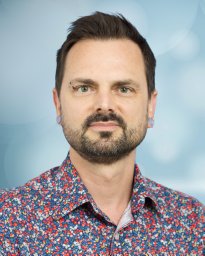 Jenny Gregor J合作论文数Center for Organizational and Occupational Sciences, ETH Zurich65
 Brauchli Rebecca合作论文数46
 Oliver Hammig合作论文数30
 Desiree Fullemann合作论文数17
 Felix Gutzwiller合作论文数13
 Philipp Kerksieck合作论文数Center of Salutogenesis, Epidemiology, Biostatistics and Prevention Institute, University of Zurich12
 Fridrich Annemarie合作论文数12
 Thomas Speck合作论文数University of Freiburg11
 Martin Tušl合作论文数Center of Salutogenesis, Epidemiology, Biostatistics and Prevention Institute, University of Zurich10
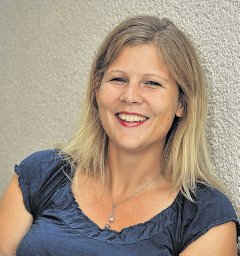 Jessica de Bloom合作论文数10Hoffmann Susanne合作论文数10
 Alice Inauen合作论文数10manfred motz合作论文数8
 Anja Lehmann合作论文数Epidemiology, Biostatistics and Prevention Institute, University of Zurich8katharina vogt合作论文数7Rolf Heusser合作论文数7Brian W. Martin合作论文数6
 Miika Kujanpaa合作论文数USN Sch Business, Univ South Eastern Norway6Sarah Rajkumar合作论文数6
 David B. Graves合作论文数The Department of Chemical and Biological Engineering, School of Engineering and Applied Science, Princeton University;Princeton Plasma Physics Laboratory6
 Theo Wehner合作论文数6Martina Stamm合作论文数6Martin Roosli合作论文数6Erwin Soutschek合作论文数6Barbara Buddeberg-Fischer合作论文数6Richard Klaghofer合作论文数6
 Eva Martin-Diener合作论文数5Friedhelm Struck合作论文数5Eva Staschik合作论文数5
 Sylvia Lisman-Broetje合作论文数5
 Huynh Cong Khanh合作论文数Institute for Work and Health, Institut universitaire romand de Santé au Travail (IST), Lausanne, Switzerland.5
 Michaela Knecht合作论文数5Mark Brink合作论文数5
 Maurice B. Mittelmark合作论文数Research Centre for Health Promotion;University of Bergen;Research Centre for Health Promotion, University of Bergen5
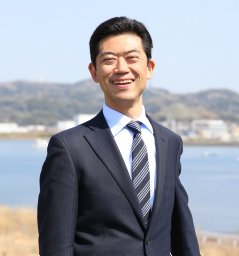 Akihito Shimazu合作论文数Graduate School of Medicine, The University of Tokyo5S. Deplazes合作论文数4
 Romualdo Ramos合作论文数4Verena Friedrich合作论文数4
 Stefan Guntert合作论文数4
 Patrick Schreiner合作论文数Ctr Appl Bioinformat, St Jude Childrens Res Hosp4Pottgiesser Torben合作论文数4Sonja Heinzelmann合作论文数4
 Lenneke Vaandrager合作论文数4
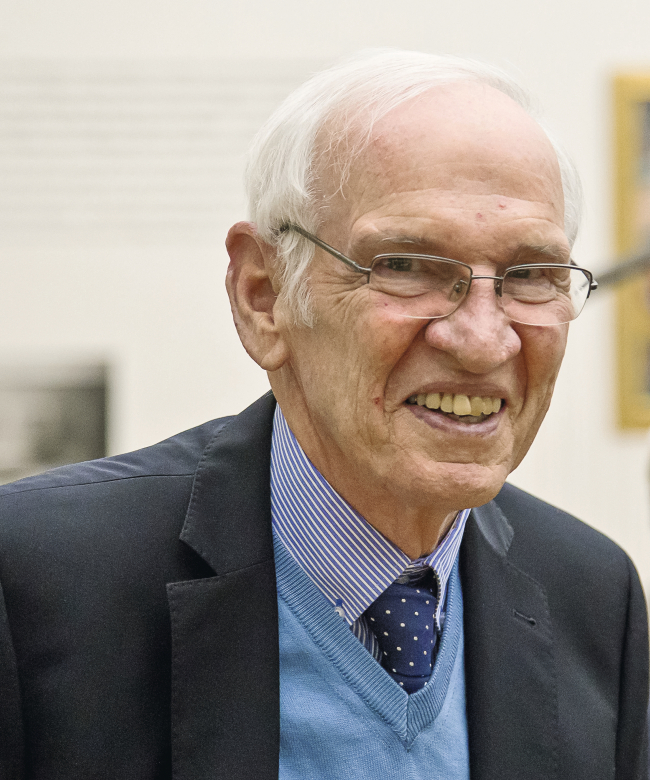 Claus Buddeberg合作论文数UniversitatsSpital Zurich4Yorck Olaf Schumacher合作论文数4
 Miriam Wanner合作论文数4R Lüthy合作论文数3Nicole Thüring合作论文数3
 A. Nellesen合作论文数3




