Peroxynitrite is a reactive oxidant produced in vivo in response to oxidative and other stress by the diffusion-limited reaction of nitric oxide and superoxide. This article is focused on the identification of free radical intermediates of uric acid formed during its reaction with peroxynitrite. The experimental approach included the ESR spin trapping of the radical generated from the reaction between uric acid and peroxynitrite at pH 7.4 and mass spectrometry studies of the trapped radicals. Using PBN (N-tert-butyl-α-phenylnitrone) as the spin trapping agent, a six-line ESR spectrum was obtained and its hyperfine coupling constants, aN=15.6G and aH=4.4G, revealed the presence of carbon-based radicals. Further structural identification of the PBN–radical adducts was carried out using liquid chromatography–mass spectrometry. After comparison with the control reactions, two species were identified that correspond to the protonated molecules (M+1) at m/z 352 and 223, respectively. The ions of m/z 352 were characterized as the PBN–triuretcarbonyl radical adduct and the m/z 223 ion was identified as the PBN–aminocarbonyl radical adduct. Their mechanism of formation is discussed.
Uric acid (UA) is known to be a major biological antioxidant in plasma. However, there is a strong correlation between UA levels and cardiovascular risk. Recent studies suggest that in the intracellular environment, UA can become a prooxidant that causes endothelial dysfunction. For conducting detailed studies of UA's role in human pathogenesis, there is a critical need for a sensitive and specific method for the determination of intracellular UA levels. We therefore developed a simple, sensitive method for determination of trace amounts of intracellular UA, as well as comparatively large amounts of UA in plasma and urine (for the determination of extracellular concentrations of UA), based on liquid chromatography and tandem mass spectrometry (LC–MS/MS). UA was separated from interferences by HPLC and quantified by mass spectrometry in the negative ESI mode using single reaction monitoring (SRM). For the identification and quantification of UA, the parent ions selected were m/z 167.0, which corresponds to the urate anion, and m/z 169.0, which corresponds to the 1,3-15N2-UA anion. 1,3-15N2-UA is used as an internal standard to ensure accuracy of the measurement. After precipitation of proteins with 10% TCA solution, UA was subjected to LC–MS/MS analysis. The correlation coefficient was 0.9998–1.0000 based on the calibration curve. The intra- and inter-day precision (C.V. %) ranged from 0.01 to 3.07 and 0.01 to 3.68 for in vivo and in vitro systems, respectively. Recovery tests of added standards have been successfully performed and the values ranged from 90.10 to 103.59% and 98.74 to 106.12% for in vivo and in vitro analyses, respectively. This study demonstrates that intracellular levels of UA can be measured using LC–MS/MS with isotope labeled UA as an internal standard.
Increased consumption of fructose may play an important role in the epidemic of metabolic syndrome and may presage the development of diabetes, cardiovascular disease, and chronic kidney disease. Once in the cell, fructose is phosphorylated by ketohexokinase (KHK), leading to consumption of ATP, formation of AMP, and generation of uric acid through xanthine oxidoreductase (XOR). This study aimed to examine the direct effects of fructose in human kidney proximal tubular cells (HK-2) and whether they are mediated by the fructose metabolism via KHK. At a similar concentration to that observed in peripheral blood after a meal, fructose induced production of monocyte chemotactic protein 1 (MCP-1) and reactive oxygen species in HK-2 cells. Knockdown of KHK by stable transfection with small hairpin RNA demonstrated that these processes were KHK dependent. Several antioxidants, including specific inhibitors of NADPH oxidase and XOR, prevented MCP-1 secretion. We detected XOR mRNA in HK-2 cells and confirmed its activity by identifying uric acid by mass spectrometry. Fructose increased intracellular uric acid, and uric acid induced production of MCP-1 as well. In summary, postprandial concentrations of fructose stimulate redox- and urate-dependent inflammatory mediators in proximal tubular cells.
Hyperuricemia is associated with hypertension, metabolic syndrome, preeclampsia, cardio-vascular disease and renal disease, all conditions associated with oxidative stress. We hypothesized that uric acid, a known antioxidant, might become prooxidative following its reaction with oxidants; and, thereby contribute to the pathogenesis of these diseases. Uric acid and 1,3-15N2-uric acid were reacted with peroxynitrite in different buffers and in the presence of alcohols, antioxidants and in human plasma. The reaction products were identified using liquid chromatography-mass spectrometry (LC-MS) analyses. The reactions generate reactive intermediates that yielded triuret as their final product. We also found that the antioxidant, ascorbate, could partially prevent this reaction. Whereas triuret was preferentially generated by the reactions in aqueous buffers, when uric acid or 1,3-15N2-uric acid was reacted with peroxynitrite in the presence of alcohols, it yielded alkylated alcohols as the final product. By extension, this reaction can alkylate other biomolecules containing OH groups and others containing labile hydrogens. Triuret was also found to be elevated in the urine of subjects with preeclampsia, a pregnancy-specific hypertensive syndrome that is associated with oxidative stress, whereas very little triuret is produced in normal healthy volunteers. We conclude that under conditions of oxidative stress, uric acid can form reactive intermediates, including potential alkylating species, by reacting with peroxynitrite. These reactive intermediates could possibly explain how uric acid contributes to the pathogenesis of diseases such as the metabolic syndrome and hypertension.
Uric acid (UA) can be directly converted to allantoin enzymatically by uricase in most mammals except humans or by reaction with superoxide. UA can react directly with nitric oxide to generate 6-aminouracil and with peroxynitrite to yield triuret; both of these metabolites have been identified in biological samples. We now report a validated high-performance liquid chromatography and tandem mass spectrometry method for the determination of these urinary UA metabolites. Urine samples were diluted 10-fold, filtered and directly injected onto HPLC for LC–MS/MS analysis. The urinary metabolites of UA were separated using gradient HPLC. Identification and quantification of UA urinary metabolites was performed with electrospray in positive ion mode by selected-reaction monitoring (SRM). Correlation coefficients were 0.991–0.999 from the calibration curve. The intra- and inter-day precision (R.S.D., %) of the metabolites ranged from 0.5% to 13.4% and 2.5–12.2%, respectively. In normal individuals (n = 21), urinary allantoin, 6-aminouracil and triuret, were 15.30 (±8.96), 0.22 (±0.12), and 0.12 (±0.10) μg/mg of urinary creatinine (mean (±S.D.)), respectively. The new method was used to show that smoking, which can induce oxidative stress, is associated with elevated triuret levels in urine. Thus, the method may be helpful in identifying pathways of oxidative stress in biological samples.
Humans have relatively low plasma ascorbate levels and high serum uric acid levels compared to most mammals due to the presence of genetic mutations in l-gulonolactone oxidase and uricase, respectively. We review the major hypotheses for why these mutations may have occurred. In particular, we suggest that both mutations may have provided a survival advantage to early primates by helping maintain blood pressure during periods of dietary change and environmental stress. We further propose that these mutations have the inadvertent disadvantage of increasing our risk for hypertension and cardiovascular disease in today's society characterized by Western diet and increasing physical inactivity. Finally, we suggest that a "planetary biology" approach in which genetic changes are analyzed in relation to their biological action and historical context may provide the ideal approach towards understanding the biology of the past, present and future.
The 1980 identification of nitric oxide (NO) as an endothelial cell-derived relaxing factor resulted in an unprecedented biomedical research of NO and established NO as one of the most important cardiovascular, nervous and immune system regulatory molecule. A reduction in endothelial cell NO levels leading to endothelial dysfunction has been identified as a key pathogenic event preceding the development of hypertension, metabolic syndrome, and cardiovascular disease. The reduction in endothelial NO in cardiovascular disease has been attributed to the action of oxidants that either directly react with NO or uncouple its substrate enzyme. In this report, we demonstrate that uric acid (UA), the most abundant antioxidant in plasma, reacts directly with NO in a rapid irreversible reaction resulting in the formation of 6-aminouracil and depletion of NO. We further show that this reaction occurs preferentially with NO even in the presence of oxidants peroxynitrite and hydrogen peroxide and that the reaction is at least partially blocked by glutathione. This study shows a potential mechanism by which UA may deplete NO and cause endothelial dysfunction, particularly under conditions of oxidative stress in which UA is elevated and intracellular glutathione is depleted.
La presente invention concerne des procedes permettant de detecter et/ou de mesurer des metabolites d'acide urique dans un echantillon biologique. L'invention concerne egalement des procedes permettant de predire le risque de maladie, de surveiller l'evolution d'une maladie et de diagnostiquer une maladie grâce a la detection et/ou la mesure d'un ou de plusieurs metabolites d'acide urique dans un echantillon biologique. L'invention concerne de plus un traitement par des antioxydants.
Chronic lead exposure has been epidemiologically linked with hypertension and renal disease. Clinical studies suggest that low lead levels may contribute to renal progression. However, experimental studies have not examined whether low levels of lead accelerate progression in experimental chronic renal disease. Sprague-Dawley rats were administered lead (L; 150 ppm in drinking water, n = 16) for 4 wk, followed by remnant kidney (RK) surgery with continuation of lead for an additional 12 wk; control rats (n = 9) were treated similarly but did not receive lead. Lead treatment was well tolerated and resulted in modest elevations in whole blood lead levels (26.4 +/- 4.5 vs. 1 +/- 0 mug/dl, week 16, P < 0.001). Lead treatment was associated with higher systolic blood pressure (P < 0.05) and worse renal function (creatinine clearance 1.4 +/- 0.4 vs. 1.8 +/- 0.5 ml/min, RK+L vs. RK, P < 0.05), and with a tendency for greater proteinuria (6.6 +/- 6.1 vs. 3.6 +/- 1.5 mg protein/mg creatinine, RK+L vs. RK, P = 0.08). While glomerulosclerosis tended to be worse in lead-treated rats (37.6 +/- 11 vs. 28.8 +/- 2.3%, RK+L vs. RK, P = 0.06), the most striking finding was the development of worse arteriolar disease (P < 0.05), peritubular capillary loss (P < 0.05), tubulointerstitial damage, and macrophage infiltration (P < 0.05) in association with significantly increased renal expression of monocyte chemoattractant protein-1 mRNA. In conclusion, lead accelerates chronic renal disease, primarily by raising blood pressure and accelerating microvascular and tubulointerstitial injury.
BACKGROUND Serine and glycine are major one-carbon donors. In eukaryotic cells one-carbon metabolism is compartmentalized; the glycine cleavage enzymes are mitochondrial, while the cytosolic and mitochondrial forms of serine hydroxymethyltransferase (SHMT) are independently transcribed. DESIGN One-carbon donors ([3-13C]serine, [2, 3, 3-d3]serine, or [2-13C]glycine) were administered in separate infusions to healthy males (n = 5). Monocyte DNA was subsequently isolated for the determination of deoxynucleotide enrichment by LC-MS/MS. RESULTS Total thymidine and deoxyadenosine enrichment was similar for [3-13C]serine and [2, 3, 3-d3]serine [Table]. M+2 thymidine enrichment (i.e., that deriving from cytosolic SHMT) constituted 23% of [2, 3, 3-d3]serine derived enrichment. Thymidine enrichment from [2-13C]glycine was lower than from either labeled serine while deoxyadenosine enrichment from [2-13C]glycine was overestimated, as [2-13C]glycine was also directly incorporated into purines. Percentage molar enrichment (mean ± SD) of thymidine (dT) and deoxyadenosine (dA). Values in brackets are molar enrichments expressed as a percentage of total one-carbon enrichment: {enrichment / (enrichment from [2, 3, 3-d3]serine + enrichment from [2-13C]glycine)} CONCLUSION The majority (~84%) of one-carbon units used for thymidine synthesis are mitochondrial derived. Supported by NIH DK56274 and GCRC grant M01-RR00082
 Richard Johnson合作论文数Division of Renal Diseases and Hypertension, School of Medicine, University of Colorado Denver;University of Colorado Hospital;Veterans Affairs Medical Center;Colorado Research Partners LLC9
 Alexander Angerhofer合作论文数8
 Kyung Mee Kim合作论文数8
 Witcha Imaram合作论文数4
 Christine Gersch合作论文数4Sautin Yuri Y合作论文数3Wei Mu合作论文数2Xiaosen Ouyang合作论文数2Sergiu P. Palii合作论文数2
 Loreto Gesualdo合作论文数1
 S. Ananth Karumanchi合作论文数Cedars-Sinai Medical Center1
 Mark Segal合作论文数School of Medicine, University of California, San Francisco1
 Nancy J. Brown合作论文数Vanderbilt University1Takahiko Nakagawa合作论文数1
 Eric Gaucher合作论文数Department of Biology, College of Arts & Sciences, Georgia State University1Michael S. Gersch合作论文数1Sirirat Reungjui合作论文数1
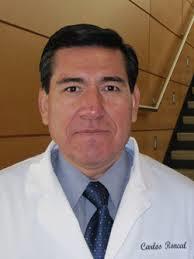 Carlos Roncal合作论文数School of Medicine, University of Colorado1Pietro Cirillo合作论文数Division of Nephrology, Hypertension and Transplantation, University of Florida1
 Daniel Feig合作论文数Division of Pediatric Nephrology, Department of Pediatrics, Heersink School of Medicine, The University of Alabama at Birmingham1Cheryl D. Galloway合作论文数1




