OBJECTIVE:The Early Psychosis Intervention Network (EPINET) is funded by NIMH and includes 111 early psychosis programs across the United States. EPINET presents an opportunity to examine characteristics of early psychosis programs and their participants on a national scale in order to maximize the utility of person-level data and understand the context of the programs within this national sample. In this study, the authors explored structural characteristics of programs participating in EPINET-funded hubs. METHODS:EPINET hubs and programs collected data from a measure that gathers contextual information, including program age, size, funding, and eligibility criteria. RESULTS:Most EPINET programs were administered by community mental health centers (60%) funded through multiple sources (87%), including Medicaid and non-Medicaid insurance. More than three-quarters were initiated during or after 2014, when the federal government allocated an influx of funding for early psychosis programs. CONCLUSIONS:EPINET provides opportunities to advance an understanding of and improve outcomes in early psychosis care through large-scale, data-driven research. This study revealed program-level characteristics of the sample relevant to service capacity, funding streams, and other contextual factors that may affect the quality and effectiveness of service delivery. Sustainability of current financing mechanisms remains an important consideration for the maintenance and expansion of coordinated specialty care programs. Future studies could investigate factors that shape implementation efforts of early psychosis programming, such as state-level policy, use of federal funding for program development, and considerations about sustainability.
OBJECTIVE:Interventions for individuals at clinical high risk for psychosis (CHR-P), including psychotherapeutic and pharmacological treatments, have shown promise for alleviating symptom severity and preventing the progression to psychosis. In 2018, the Substance Abuse and Mental Health Services Administration introduced a CHR-P grant initiative that expanded the availability of CHR-P programs in the United States. This study aimed to assess changes in key client outcomes of CHR-P grantee program participants. METHODS:This study used secondary analysis of National Outcome Measures assessment data collected from 1,071 clients served by CHR-P grantee programs. The authors performed longitudinal analyses to test for changes in (and cross-lagged effects between) life functioning, social connectedness, and psychological distress; in rates of psychiatric hospitalization and emergency department visits; and in the likelihood that individuals would develop first-episode psychosis. RESULTS:Individuals participating in CHR-P programs experienced improvements in life functioning and social connectedness; decreases in psychological distress; and low rates of psychiatric hospitalizations, emergency department visits, and onset of first-episode psychosis. After psychological distress was controlled for, cross-lagged analysis showed that social connectedness was associated with improved life functioning over time (p<0.05). CONCLUSIONS:Findings offer preliminary evidence that CHR-P grantee programs are beneficial across several key client outcomes. Furthermore, social connectedness enhanced life functioning over the course of treatment, underscoring the importance of program components such as peer and family support services. More rigorous evaluation of CHR-P programs, with control or comparison conditions to establish effectiveness, is needed.
Despite the substantial capacity of qualitative and mixed methods research to advance healthcare and interventions knowledge, most large-scale health intervention trials exclusively use quantitative methods. The authors argue that qualitative research can optimize investments in these studies. As researchers within the Early Psychosis Intervention Network (EPINET), the authors highlight examples of how qualitative research has enhanced this national initiative, organizing them with a Learning Health System (LHS) framework to demonstrate the ways qualitative research can increase value at each phase of a health trial. They emphasize the critical need for integrating qualitative research from the beginning of health trials, ensuring its influence in decision-making, creating infrastructure to support it, and promoting meaningful representation within research teams. By illustrating the advantages of qualitative research in EPINET, they advocate for sustained commitment to qualitative research in health trials to maximize value in client and provider experience, cost, and population health.
OBJECTIVE:Mindfulness-based interventions are increasingly being used in schools to improve students' mental, emotional, and behavioral development. Although many mindfulness programs exist, the types of programs that are effective for specific age groups remain unclear. In this systematic review, the authors used established rating criteria to describe the level of evidence for school-based mindfulness interventions. METHODS:A search of major databases, gray literature, and evidence base registries was conducted to identify studies published between 2008 and 2022 that focused on mindfulness interventions within school settings. The authors rated mindfulness interventions as having high, moderate, or low levels of evidence based on the number and rigor of studies with positive outcomes. RESULTS:Of the 24 interventions identified across 41 studies, three interventions-Learning to BREATHE, Mindfulness in School Project, and mindfulness-based stress reduction (MBSR)-received a rating of high level of evidence. Three interventions-Gaia Program, MindUP, and a blended version of MBSR and mindfulness-based cognitive therapy-received a rating of moderate level of evidence. The interventions rated as having a high level of evidence were conducted with middle or high school students, and interventions with moderate evidence were also conducted with elementary students, demonstrating effectiveness of mindfulness across a range of age groups. Few studies examined outcomes for underserved populations. CONCLUSIONS:With greater use and more research, mindfulness interventions have the potential to promote student well-being and prevent mental health conditions.
Objective: This systematic review used established rating criteria to describe the level of evidence for interventions aimed at preventing or reducing bullying perpetration and victimization in schools, synthesized the evidence for students from racially and ethnically diverse backgrounds, and reviewed the literature for available information to conduct an economic analysis of the interventions. Methods: Major databases, gray literature, and evidence-base registries were searched to identify studies published from 2008 through 2022. The authors rated antibullying intervention models as having high, moderate, or low evidence depending on the number and rigor of studies with positive findings. Results: Overall, 80 articles reporting on 71 original research studies describing a total of 48 antibullying interventions met the inclusion criteria for this review. Two schoolwide interventions received a high-evidence rating: the KiVa (Kiusaamista Vastaan) Antibullying Program and the Friendly Schools program. Multilevel interventions with components at the levels of school, classroom, and individual student most consistently showed strong evidence for reducing bullying behavior in elementary and middle school grades. Four interventions yielded positive effects in reducing bullying and victimization among diverse samples of students. Conclusions: Antibullying interventions can reduce bullying in schools. Some interventions show effectiveness with students from racially and ethnically diverse backgrounds. The gains relative to per-student costs were in the range that is considered cost-effective. Most implementation costs are spent on staff training and support. Research on successful implementation of whole-school interventions and additional synthesis of evidence pertaining to program structures would further advance the antibullying evidence base.
Objective: The present study examined whether clients enrolled in coordinated specialty care (CSC) programs for first-episode psychosis (FEP) across 22 states and territories showed improved clinical and functional outcomes and assessed whether program-or client-level predictors were associated with client outcomes. The study included CSC programs that subscribe to a variety of models, including Early Assessment and Support Alliance, OnTrack, and NAVIGATE. Methods: Deidentified demographic and outcome data were collected from clients (N=770) receiving CSC services in 36 programs at the time of program entryand every 6 months for up to 18 months. Programs participated in fidelity assessment by using the First-Episode Psychosis Services Fidelity Scale, version 1.0, developed for the study and based on the components of the CSC model defined by NIMH. Additional program-level variables assessed during the study included staff turnover rate and time spent on CSC services. Results: Across programs, clients experienced improved symptoms, higher quality of life, and improved social and role functioning. Of note, participants from high-income families had greater improvement in role functioning than participants from low-income families. Higher levels of fidelity predicted reduced symptoms and improved social functioning. Having a CSC team lead with time dedicated to the program was also associated with greater improvements in clients' symptoms and social functioning. Conclusions: Clients showed improvements, regardless of program or demographic characteristic. Program-level findings suggest that fidelity to the core components of CSC is important for improving client outcomes across a range of specific program models.
Objective: Disruptive and distracting behaviors in the classroom, from off-task to aggressive behaviors, negatively affect academic engagement and achievement and can lead to more serious problems, including mental health conditions and substance use disorders. The goals of this systematic review were to assess the level of evidence, using established rating criteria, for interventions aimed at preventing or reducing disruptive and distracting classroom behaviors; identify program components common to multiple interventions; synthesize the evidence in regard to students from different racial-ethnic groups; and conduct an economic analysis of these interventions. Methods: A search of major databases, gray literature, and evidence base registries was conducted to identify studies published between 2008 and 2022. The authors rated interventions as having high, moderate, or low levels of evidence of effectiveness on the basis of the number and rigor of studies with positive outcomes. Results: Of the 27 interventions identified across 65 studies (N=73 articles), six interventions received a high or moderate evidence rating. The Good Behavior Game was the most frequently studied intervention. Many interventions shared similar program components, including behavioral management, classroom management, emotional-cognitive processes, and skills acquisition. Most articles (86%) were focused on elementary school students. The four interventions rated as having high evidence of effectiveness also showed generally positive outcomes in studies conducted in school settings with racial-ethnic diversity. No studies met the criteria for inclusion in an economic analysis. Conclusions: With greater use and more research, interventions focusing on reducing disruptive and distracting behaviors have the potential to promote student well-being and prevent mental health conditions.
OBJECTIVE:The social and emotional learning (SEL) framework is widely recognized as being effective for developing social and emotional competencies among students of all ages. However, the evidence for specific intervention models with older student populations is less established. The objective of this systematic review was to rate the evidence supporting the effectiveness of SEL interventions aimed at improving mental health outcomes among preadolescents and adolescents. METHODS:A search of major databases, gray literature, and evidence base registries was conducted to identify studies published from 2008 to 2022 that assessed the effects of SEL interventions on mental health outcomes among students ages 10-19 years. The authors rated the evidence for SEL interventions as high, moderate, or low based on established rating criteria. RESULTS:In total, 25 articles reporting on 17 original research studies were reviewed. Sixteen intervention models were assessed, with 11 resulting in improved mental health symptoms; however, no intervention was evaluated in a large enough number of studies to surpass a low evidence rating. Some studies reported cost benefits and high effectiveness of an intervention with students from diverse racial-ethnic or low socioeconomic backgrounds. CONCLUSIONS:SEL interventions can improve mental health outcomes among preadolescents and adolescents. Additional research is needed to strengthen the evidence base for specific intervention models.
Schools are an important component in the mental health system of care for youths. Teachers and other school staff have unique opportunities to promote emotional wellness and prevent mental health conditions. Although numerous programs are available, identifying evidence-based and effective options is a significant challenge. This introduction lays out the rationale and methodology of the Assessing the Evidence Base (AEB) Series, a collection of systematic reviews of school-based mental health promotion and prevention approaches recommended by the National Academies of Sciences, Engineering, and Medicine for students in kindergarten through grade 12. Authors of the current AEB Series used the rating criteria derived from the 2014 AEB Series, which provided systematic reviews of a wide spectrum of interventions for mental and substance use disorders. Like its predecessor, the current series upholds a high standard of scientific rigor while ensuring that the information is easily accessible to various stakeholders in education, behavioral health, and communities. It describes the universal features included in each systematic review, such as a rating of the level of evidence for interventions, intervention program components, identification of interventions that have yielded positive outcomes for students from underserved populations, and a review of cost data. The AEB systematic reviews will serve as an important tool for decision makers involved in managing limited resources for various programs in school-based mental health services by synthesizing large bodies of research for use by leaders in education and behavioral health.
Objective: Although coordinated specialty care (CSC) is an effective service model to address first-episode psychosis, CSC is not widely accessible in the United States, and funding for this service model often remains challenging. The authors examined whether community- or program-level factors predict the use of public and private funding streams in a national sample of 34 CSC programs in 22 U.S. states and territories. Methods: As part of a larger mixed-methods study, CSC program leaders completed a brief questionnaire regarding funding sources. Statistical modeling was used to examine program- and community-level predictors of the use of funding sources. Results: Most CSC programs (20 of 34, 59%) reported that Mental Health Block Grant (MHBG) set-aside funds accounted for more than half of their total funding, and 11 of these programs reported that these funds contributed to >75% of their funding. Programs ≤5 years old were more likely to rely on MHBG set-aside funds. Programs in Medicaid expansion states were more likely to rely on Medicaid funding than programs in nonexpansion states. Programs in higher-income service catchment areas used more state funds than did those in lower-income areas, and among programs in lower-income service catchment areas, those that were >4 years old were more likely than those ≤4 years old to rely on state funds other than Medicaid. Conclusions: CSC programs remain largely dependent on MHBG set-aside funding. Some programs have diversified their funding streams, most notably by including more Medicaid and other state funding. A more comprehensive funding approach is needed to reduce reliance on the MHBG set-aside funds.
The history of psychosis treatment follows a series of four cycles of reform which provide a framework for understanding mental health services in the United States. The first three cycles of reform promoted the view that early treatment of mental disorders would reduce chronic impairment and disability. The Moral Treatment era (early 1800's to 1890) featured freestanding asylums, the Mental Hygiene movement (1890 to World War II) introduced psychiatric hospitals and clinics, and the Community Mental Health Reform period (World War II to late 1970's) produced community mental health centers. None of these approaches succeeded in achieving the disability-prevention goals of early treatment of psychosis. The fourth cycle, the Community Support Reform era (late 1970's to the present) shifted the focus to caring for those already disabled by a mental disorder within their communities and using natural support systems. This shift embraced a broader social welfare framework and included additional services and supports, such as housing, case management, and education. Psychosis became more central during the current Community Support Reform era partly because individuals with psychosis continued to have disabling life experiences despite efforts at reform. Some degree of recovery from psychosis is possible, and individuals with serious impairment may move towards social integration and community participation. Early intervention for young people with psychosis focuses on at reducing the negative sequelae of psychosis and promotes recovery-oriented changes in service delivery. The role of social control, the involvement of service users and their families, and the balance between psychosocial and biomedical treatments play an important role in this history. This paper describes the reform cycles, their political and policy contexts, and what influenced its successes and shortcomings.
Objective: The authors of this systematic review examined service utilization and outcomes among youths from ethnoracially minoritized groups after the youths initiated treatment for a psychotic disorder—that is, the youths' "pathway through care." Also examined were potential moderating variables in pathways through care for these youths at the clinic, family, and cultural levels. The goal was to describe methodologies, summarize relevant findings, highlight knowledge gaps, and propose future research on pathways through care for young persons from ethnoracially minoritized groups who experience early psychosis. Methods: The PubMed, PsycInfo, and Web of Science literature databases were systematically searched for studies published between January 1, 2010, and June 1, 2021. Included articles were from the United States and focused on young people after they initiated treatment for early psychosis. Eighteen studies met inclusion criteria. Results: Sixteen of the 18 studies were published in the past 5 years, and 11 had an explicit focus on race and ethnicity as defined by the studies' authors. Studies varied in terminology, outcomes measures, methodologies, and depth of analysis. Being an individual from an ethnoracially minoritized group appeared to affect care utilization and outcomes. Insufficient research was found about potential moderating variables at the clinic, family, and cultural levels. Conclusions: Studies of pathways through care for persons from minoritized groups warrant further funding and attention.
Objective: State mental health authorities (SMHAs) in all U.S. states and territories administer the Mental Health Block Grant (MHBG) set-aside funding for first-episode psychosis. Funds support implementation of coordinated specialty care (CSC) programs. The authors investigated the relationship between the level of SMHA involvement with CSC programs and clinical outcomes of clients in these programs.Methods: As part of a mixed-methods study of 34 CSC programs, SMHAs from 21 states and one U.S. territory associ-ated with the 34 CSC programs participated in a 1-hour interview (between November 2018 and May 2019) focused on SMHA involvement in administration of MHBG set-aside funds and the SMHA's ongoing relationship with funded CSC pro-grams. SMHA involvement was rated on a scale of 1 to 5, with 5 indicating the highest involvement. Client outcome data were collected at the 34 study sites over an 18-month period. Multi-level random-effect modeling was used, controlling for response propensity (propensity score), client demographic variables, and program-level covariates (i.e., fidelity score, staff turnover rates, service area urbanicity, and number of clients enrolled).Results: Clients in CSC programs with SMHAs that were the most involved (level 5) had significantly improved symptoms, social functioning, and role functioning, compared with clients in programs with which SMHAs were least involved (level 1).Conclusions: The findings suggest that increased SMHA involvement in CSC programs is relevant for positive client outcomes. Levels of first-episode psychosis funding dou-bled in 2021 and 2022, and it is important to identify how SMHAs affect the success of CSC programs and the indi-viduals served.
OBJECTIVE The authors examined the extent to which clients served by first-episode psychosis programs reflected the racial composition of the surrounding service area and, to the extent that they did not, explored possible explanatory factors. METHODS As part of a national study of coordinated specialty care (CSC) sites in the United States, 35 programs documented race for 772 clients. Programs identified a geographic service area for their clients. Using Census data, the authors identified the proportion of clients in this service area who were Black and then examined the extent of disproportionality, calculated as a risk ratio and as a relative difference in racial composition between CSC programs and their service areas. RESULTS Overall, 71% of CSC programs had a disproportionately greater proportion of Black clients than Black residents within the service area. This disproportionality was still evident after conducting sensitivity analyses that included adjusting for sampling error in the service area population estimates; however, smaller study sites displayed greater fluctuations in disproportionality in the sensitivity analyses. CONCLUSIONS Using data from diverse CSC programs, the authors illustrate that the odds of Blacks receiving services through a CSC program are much higher than would be expected on the basis of the population living in the area being served by the program. Multiple reasons may explain this finding, but in the absence of clear explanatory factors, this result may be ripe for discussion and further investigation.
OBJECTIVE:In 2014, the number of coordinated specialty care (CSC) programs in the United States greatly expanded. The proliferation of CSC programs was likely due in part to the availability of Mental Health Block Grant (MHBG) set-aside funds for treatment of first-episode psychosis. This study aimed to explore the characteristics of CSC programs across 44 states, the District of Columbia, and three U.S. territories that received funding through the MHBG set-aside program in 2018.METHODS:Leadership at 88% (N=215) of the 244 MHBG-funded CSC programs identified through state mental health authorities participated in an online survey.RESULTS:Overall, 69% of the CSC programs were initiated after 2014. More than 90% of programs included services that were consistent with federal guidance. CSC programs showed variability in training received, program size, and enrollment criteria.CONCLUSIONS:The results of this study emphasize that clear federal guidance can help shape national CSC implementation efforts, although decisions at the state and local levels can influence how implementation occurs. The strategy of states administering federal funds for CSC may be adapted for the rollout of other behavioral health interventions. Future studies could investigate factors that may shape national dissemination efforts, such as leadership within the state, funding, availability of programs established before the influx of funding, and considerations about sustainability after the funding is no longer available.
OBJECTIVE:This study investigated how clients of a coordinated specialty care (CSC) program for first-episode psychosis perceived how they changed while attending the program, what the most important changes were, and what mechanisms they believed helped bring about these changes.METHODS:Study participants were 121 individuals (71 men and 50 women) from 35 CSC programs across 22 U.S. states. Responses to the primary questions of interest were procured through a semistructured interview. Data on the length of time in the CSC program were also obtained. The authors used systematic content analyses to analyze these qualitative data.RESULTS:Participants reported a greater number of changes the longer they had received CSC services. Half of the participants reported improved psychiatric symptoms, and this change was the most important for almost one-third (31%; N=32) of the sample. In addition, 39% (N=45) of participants also reported improved social and interpersonal skills, changes in their attitude to and perspective on life, and more treatment engagement. Participants most frequently endorsed therapy as the mechanism underlying their improvement.CONCLUSIONS:Standardized outcome measures allow systematic assessment of clinical and functional status, but they do not provide a nuanced understanding of the underlying mechanisms or the areas of improvement most important to individual clients. The findings reinforce the value of mixed methods in both research and quality improvement efforts as well as for greater integration of patient-selected outcome measures.
OBJECTIVE In recent years, optimizing the process of transition and discharge from coordinated specialty care (CSC), a program that provides early intervention in psychosis, has emerged as an important focus area for program administrators, clinicians, and policy makers. To explore existing CSC policies and practices and to understand frontline provider and client views on discharge, the authors conducted a comprehensive analysis of staff and client interview data from the Mental Health Block Grant 10% Set-Aside Study. METHODS Data from 66 interviews with groups of CSC providers and administrators representing 36 sites and 22 states were analyzed, as well as data from interviews with 82 CSC clients at 34 sites. Transcripts were coded by using systematic content analyses. RESULTS Analyses of data from providers and administrators showed the heterogeneity of CSC program practices and strategies regarding discharge and highlighted a range of concerns related to postdischarge service accessibility and quality. Analysis of data from client interviews reflected the heterogeneity of transition challenges that clients confront. A significant number of participants reported concerns about their readiness for discharge. CONCLUSIONS CSC discharge policies and practices vary across CSC programs and states. Frequent clinician and client concerns about optimal program length, transition, and postdischarge services highlight the importance of sustained policy and research efforts to develop evidence-informed practice guidelines and possible modifications to the time-limited CSC model that currently dominates the field.
 Ghose Sushmita Shoma合作论文数21
 Abram Rosenblatt合作论文数13Allen S Daniels合作论文数12Dougherty Richard H合作论文数12Delphin-Rittmon Miriam E合作论文数12
 Howard H. Goldman合作论文数University of Maryland at Baltimore School of Medicine9
 Tamara Cohen Daley合作论文数Department of Psychology, University of California UCLA9Tina Marshall合作论文数8Nikhil A Patel合作论文数5Lisa Braude合作论文数5Jeffrey Taylor合作论文数5Lyman D Russell合作论文数5
 Lisa Dixon合作论文数5Weijia Ren合作论文数4Xiaoshu Zhu合作论文数4
 Nev Jones合作论文数Department of Psychology, DePaul University4
 Sharon Reif合作论文数Heller School for Social Policy and Management, Brandeis University Schneider Institutes for Health Policy3
 Meyer-Kalos Piper合作论文数University of North Carolina, Chapel Hill, Boston University2
 Neely Anne Myers合作论文数Department of Anthropology, Southern Methodist University2Swift Anita合作论文数2
 Tom Krenzke合作论文数2
 Matthew Chinman合作论文数RAND2
 Shannon Pagdon合作论文数1
 Sabrina Ereshefsky合作论文数1Ariel Currie合作论文数1Kathleen E Nye合作论文数1Richard W Goldberg合作论文数1Anne Williams-Wengerd合作论文数Dept Family Social Sci, Univ Minnesota Twin Cities1
 Katie McCormick合作论文数Steve Hicks Sch Social Work, Univ Texas Austin1Becky Gius合作论文数School of Social Work, University of Pittsburgh;Department of Psychology, University of South Florida;Perelman School of Medicine, University of Pennsylvania, Philadelphia;Leonard Davis Institute of Health Economics, University of Pennsylvania;Department of Psychiatry, Yale School of Medicine;private practice;Helen Bader School of Social Welfare, University of Wisconsin-Milwaukee;Silver School of Social Work, New York University;University of Wisconsin-Milwaukee, New York University1Anita Kwashie合作论文数Department of Psychology, University of Minnesota1Matthew Hutnyan合作论文数1
 Beshaun Davis合作论文数Harvard Med Sch, Dept Psychiat, Boston, MA 02115 USA1Anna Giannicchi合作论文数1Arundati Nagendra合作论文数Department of Psychiatry, Massachusetts General Hospital1
 John Cosgrove合作论文数1Kathleen Miley合作论文数1
 Samantha J. Reznik合作论文数The University of Arizona1
 Marianne Farkas合作论文数1
 Daniel I Shapiro合作论文数1Bello Iruma合作论文数1
 Mark Savill合作论文数1Kurtz Matthew M合作论文数1
 Vanessa Vorhies Klodnick合作论文数1
 Melissa Hope Johnson合作论文数1
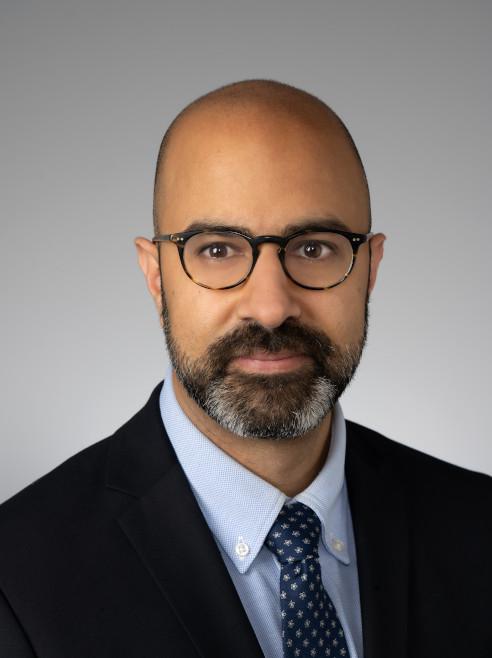 Deepak K Sarpal合作论文数Laboratory of Psychiatric Treatments and Outcomes, Department of Psychiatry, University of Pittsburgh School of Medicine1
 Larke Huang合作论文数1
 Alicia Lucksted合作论文数1




