Sophie Visvikis-Siest*, Maria G. Stathopoulou, Raute Sunder-Plassmann, Behrooz Z. Alizadeh, Robert Barouki, Ekaterina Chatzaki67, Georges Dagher891011†, George Dedoussis, Panagiotis Deloukas, Alexander Haliassos, Brigitte Boisson Hiegel, Vangelis Manolopoulos615, Christine Masson, Guillaume Paré, Markus Paulmichl, Alexandros M. Petrelis118, Csilla Sipeky, Belgin Süsleyici, Georges Weryha, Alex Chenchik, Paul Diehl, Robin E. Everts, Alexander Haushofer, John Lamont, Ruth Mercado, Heiko Meyer, Herna Munoz-Galeano, Helena Murray, Ferrier Nhat, Charity Nofziger, Wolfgang Schnitzel and Stavroula Kanoni*
Human biospecimens provide the basis for research, leading to a better understanding of human disease biology and discovery of new treatments that are tailored to individual patients with cancer or other common complex diseases. The collection, processing, preservation, storage and providing access to these resources are key activities of biobanks. Biobanks must ensure proper quality of samples and data, ethical and legal compliance as well as transparent and efficient access procedures. The standards for biobanking outlined herein are intended to be implemented in biobanks and to supply researchers with high-quality samples fitted for an intended use.
Biological samples such as tissues, blood and other body fluids, plants or seeds, prokaryotic and eukaryotic cells or isolated biomolecules as well as associated data are the essential raw material for research and development in medicine, biotechnology and agriculture. The collection, processing, preservation, and storage of these resources, in addition to provision of access, are key activities of biobanks or biological resource centres. Biobanks have to ensure proper quality of samples and data, ethical and legal compliance as well as transparent and efficient access procedures. In this context the review places special emphasis on pre-analytical procedures and international standards, which are essential to improving analytical data reliability and reproducibility, as well as on the increasing importance of data management. These requirements of biobanks are demonstrated using the example of pathogen-containing and microbiome biobanks, and refer to needs in cancer research and development.
Biological samples such as tissues, blood and other body fluids, plants or seeds, prokaryotic and eukaryotic cells or isolated biomolecules as well as associated data are the essential raw material for research and development in medicine, biotechnology and agriculture. The collection, processing, preservation, and storage of these resources, in addition to provision of access, are key activities of biobanks or biological resource centres. Biobanks have to ensure proper quality of samples and data, ethical and legal compliance as well as transparent and efficient access procedures. In this context the review places special emphasis on pre-analytical procedures and international standards, which are essential to improving analytical data reliability and reproducibility, as well as on the increasing importance of data management. These requirements of biobanks are demonstrated using the example of pathogen-containing and microbiome biobanks, and refer to needs in cancer research and development.
Les biobanques tumorales sont sollicitées dans le cadre du développement de la recherche translationnelle et clinique en cancérologie. Elles participent à l’évaluation puis à la validation des biomarqueurs à visée diagnostique, pronostique ou prédictive. L’évolution progressive de ces structures a permis de professionnaliser leur fonctionnement et de les identifier comme des rouages incontournables en oncologie par les acteurs du monde académique et industriel. Les progrès technologiques et thérapeutiques modifient l’impact et le fonctionnement de ces biobanques, ces dernières devant relever plusieurs défis afin notamment d’être pérennisées. Parmi les enjeux, l’intégration des données (cliniques et biologiques) de plus en plus complexes et massives associées aux échantillons biologiques, conduit à avoir une réflexion urgente pour une organisation optimisée des biobanques en France. Le but est d’être attractif aux yeux des partenaires face à la compétition internationale. Cette revue aborde rapidement les principales évolutions actuelles des biobanques, puis les défis actuels et futurs, et enfin la place que le pathologiste peut jouer dans ces nouveaux challenges de l’oncologie.
Biopreservation and BiobankingVol. 17, No. 4 Brief ReportDNAshell Protects DNA Stored at Room Temperature for Downstream Next-Generation Sequencing StudiesKevin Washetine, Simon Heeke, Camille Ribeyre, Camille Bourreau, Corinne Normand, Hélène Blons, Pierre Laurent-Puig, Claire Mulot, Dominique Clermont, Maha David, Bruno Clément, Georges Dagher, and Paul HofmanKevin WashetineLaboratoire de Pathologie Clinique et Experimentale, Biobanque BB-0033-00025, FHU OncoAge, Université Côte d'Azur, Nice, France.*These authors contributed equally to this work.Search for more papers by this author, Simon HeekeLaboratoire de Pathologie Clinique et Experimentale, Biobanque BB-0033-00025, FHU OncoAge, Université Côte d'Azur, Nice, France.*These authors contributed equally to this work.Search for more papers by this author, Camille RibeyreLaboratoire de Pathologie Clinique et Experimentale, Biobanque BB-0033-00025, FHU OncoAge, Université Côte d'Azur, Nice, France.Search for more papers by this author, Camille BourreauCollection de l'Institut Pasteur (CIP), CRB EPIGENETEC, INSERM UMR-S1147, Université Paris Descartes, Sorbonne Paris Cité, Paris, France.Search for more papers by this author, Corinne NormandCollection de l'Institut Pasteur (CIP), CRB EPIGENETEC, INSERM UMR-S1147, Université Paris Descartes, Sorbonne Paris Cité, Paris, France.Search for more papers by this author, Hélène BlonsCollection de l'Institut Pasteur (CIP), CRB EPIGENETEC, INSERM UMR-S1147, Université Paris Descartes, Sorbonne Paris Cité, Paris, France.Search for more papers by this author, Pierre Laurent-PuigCollection de l'Institut Pasteur (CIP), CRB EPIGENETEC, INSERM UMR-S1147, Université Paris Descartes, Sorbonne Paris Cité, Paris, France.Search for more papers by this author, Claire MulotCollection de l'Institut Pasteur (CIP), CRB EPIGENETEC, INSERM UMR-S1147, Université Paris Descartes, Sorbonne Paris Cité, Paris, France.Search for more papers by this author, Dominique ClermontInstitut Pasteur, Paris, France.Search for more papers by this author, Maha DavidINSERM, Paris, France.Search for more papers by this author, Bruno ClémentINSERM, INRA, University of Rennes, NuMeCan, CRB Santé, CHU Rennes, France.Search for more papers by this author, Georges DagherINSERM, Paris, France.Search for more papers by this author, and Paul HofmanAddress correspondence to: Paul Hofman, MD, PhD, Laboratoire de Pathologie Clinique et Expérimentale, Hôpital Pasteur, 30 Avenue de la voie Romaine, 06001 Nice cedex 01, France E-mail Address: hofman.p@chu-nice.frLaboratoire de Pathologie Clinique et Experimentale, Biobanque BB-0033-00025, FHU OncoAge, Université Côte d'Azur, Nice, France.Search for more papers by this authorPublished Online:12 Aug 2019https://doi.org/10.1089/bio.2018.0129AboutSectionsView articleView Full TextPDF/EPUB Permissions & CitationsPermissionsDownload CitationsTrack CitationsAdd to favorites Back To Publication ShareShare onFacebookTwitterLinked InRedditEmail View articleFiguresReferencesRelatedDetailsCited byLong-term whole blood DNA preservation by cost-efficient cryosilicification21 October 2022 | Nature Communications, Vol. 13, No. 1Current and emerging opportunities in biological medium‐based computing and digital data storage7 November 2021 | Nano Select, Vol. 3, No. 5Decoding Of Nanopore-Sequenced Synthetic DNA Storing Digital ImagesBiobanques tumorales et gestion des données complexes : enjeux actuels et futursAnnales de Pathologie, Vol. 39, No. 2 Volume 17Issue 4Aug 2019 InformationCopyright 2019, Mary Ann Liebert, Inc., publishersTo cite this article:Kevin Washetine, Simon Heeke, Camille Ribeyre, Camille Bourreau, Corinne Normand, Hélène Blons, Pierre Laurent-Puig, Claire Mulot, Dominique Clermont, Maha David, Bruno Clément, Georges Dagher, and Paul Hofman.DNAshell Protects DNA Stored at Room Temperature for Downstream Next-Generation Sequencing Studies.Biopreservation and Biobanking.Aug 2019.352-354.http://doi.org/10.1089/bio.2018.0129Published in Volume: 17 Issue 4: August 12, 2019Online Ahead of Print:March 26, 2019PDF download
Objective: The purpose of this study was to assess the feasibility of a study to measure the effect of resisted band antirotation exercises with the use of a double-pulse (DP) breathing kiai exercise on slapshot and snap shot velocity and subjective assessment of performance. Methods: Ten participants between 20 and 30 years of age who play ice hockey were recruited. The study was conducted over 3 weeks, and participants were randomized into 2 groups; group 1: resisted band antirotations with DP kiai (a shout used in martial arts) exercises, and group 2: resisted band antirotations alone. After week 1, there was a 1week washout period, after which group 1 performed resisted band antirotations alone, and group 2 performed resisted band antirotations with DP kiai exercises. Results: Data were successfully collected on all 10 participants. There appeared to be no difference between groups regarding slapshot and snap shot velocity. Conclusion: The design for this study appears to be feasible. Preliminary data show that the average shot velocity before and after the intervention did not show a positive relationship between DP kiai breathing and hockey shot (slapshot and snap shot) velocity.
Tumor banks are asked to clinical and translationnal research project development in oncology. They strongly participate to the assessment, then to the validation of diagnostic, prognostic and predictive biomarkers. The progressive change of these structures leads to induce a professionalization of their functioning and to identify them as key actors in oncology by the stakeholders of the public and private worlds. The progresses made in biotechnologies and therapeutics are rapidly modifying the impact and the proper functioning of the biobanks. These latter are now facing different challenges, in particular for their sustainability. Among the major issues, the integration of the clinical and biological data becoming increasingly complex leads to urgently consider an optimization of the role of different biobanks in France. Their goal is to be an attractive counterpart face to the international competition. The purpose of this review is to briefly describe the current evolution of the biobanks, then their present and future challenges, and finally the role made by the pathologists in these new issues in oncology field.
In May 2017, the European In Vitro Diagnostic Regulation (IVDR) entered into force and will apply to in vitro diagnostics from May 26th, 2022. This will have a major impact on the in vitro diagnostics (IVD) industry as all devices falling under the scope of the IVDR will require new or re-certification. It will also affect health institutions developing and using in-house devices. The IVDR also has implications with respect to product performance validation and verification including the pre-analytics of biological samples used by IVD developers and diagnostic service providers. In parallel to the IVDR, a series of standards on pre-analytical sample processing has been published by the International Organization for Standardization (ISO) and the European Committee for Standardization (CEN). These standards describe pre-analytical requirements for various types of analyses in various types of biospecimens. They are of relevance for IVD product developers in the context of (re)certification under the IVDR and to some extent also to devices manufactured and used only within health institutions. This review highlights the background and the rational for the pre-analytical standards. It describes the procedure that leads to these standards, the major implications of the standards and the requirements on pre-analytical workflows. In addition, it discusses the relationship between the standards and the IVDR.
Lung cancer is the major cause of death from cancer in the world and its incidence is increasing in women. Despite the progress made in developing immunotherapies and therapies targeting genomic alterations, improvement in the survival rate of advanced stages or metastatic patients remains low. Thus, urgent development of effective therapeutic molecules is needed. The discovery of novel therapeutic targets and their validation requires high quality biological material and associated clinical data. With this aim, we established a biobank dedicated to lung cancers. We describe here our strategy and the indicators used and, through an overall assessment, present the strengths, weaknesses, opportunities and associated risks of this biobank.
This book will present globally the main results and findings from the facts and figures collected by the different workpackages through the analysis of the literature, through the interviews and from the tools developed in the project. This material was enriched by the inputs from the external experts we have invited in the two conferences of consensus and from the comments of the various stakeholders. The chapters are based on the same presentation and are divided in two parts: a report and some recommendations either to the Commission or to stakeholders.
Collected specimens for research purposes may or may not be made available depending on their scarcity and/or on the project needs. Their protection against degradation or in the event of an incident is pivotal. Duplication and storage on a different site is the best way to assure their sustainability. The conservation of samples at room temperature (RT) by duplication can facilitate their protection. We describe a security system for the collection of non-small cell lung cancers (NSCLC) stored in the biobank of the Nice Hospital Center, France, by duplication and conservation of lyophilized (dried), encapsulated DNA kept at RT. Therefore, three frozen tissue collections from non-smoking, early stage and sarcomatoid carcinoma NSCLC patients were selected for this study. DNA was extracted, lyophilized and encapsulated at RT under anoxic conditions using the DNAshell technology. In total, 1974 samples from 987 patients were encapsulated. Six and two capsules from each sample were stored in the biobanks of the Nice and Grenoble (France) Hospitals, respectively. In conclusion, DNA maintained at RT allows for the conservation, duplication and durability of collections of interest stored in biobanks. This is a low-cost and safe technology that requires a limited amount of space and has a low environmental impact.
The known challenge of underutilization of data and biological material from biorepositories as potential resources for medical research has been the focus of discussion for over a decade. Recently developed guidelines for improved data availability and reusability-entitled FAIR Principles (Findability, Accessibility, Interoperability, and Reusability)-are likely to address only parts of the problem. In this article, we argue that biological material and data should be viewed as a unified resource. This approach would facilitate access to complete provenance information, which is a prerequisite for reproducibility and meaningful integration of the data. A unified view also allows for optimization of long-term storage strategies, as demonstrated in the case of biobanks. We propose an extension of the FAIR Principles to include the following additional components: (1) quality aspects related to research reproducibility and meaningful reuse of the data, (2) incentives to stimulate effective enrichment of data sets and biological material collections and its reuse on all levels, and (3) privacy-respecting approaches for working with the human material and data. These FAIR-Health principles should then be applied to both the biological material and data. We also propose the development of common guidelines for cloud architectures, due to the unprecedented growth of volume and breadth of medical data generation, as well as the associated need to process the data efficiently.
Human biological samples are key resources in unravelling physiopathological factors underlying diseases and influencing their outcome. By making use of these resources, genomics, proteomics and molecular imaging techniques have achieved unprecedented progress in the past decade. The development of genomics platforms, molecular imaging as well as bioinformatics allowed a significant development of the biomarkers field thus realizing significant advances towards personalized medicine. The exponential increase of data, their complexity, the necessity of their integration for analysis require the development of appropriate infrastructures. These latter should integrate experts from different fields as well as an optimal organisation of biobanks including novel access and exchange rules for biological material and data.
The 9th traditional biannual conference on Systems Medicine, Personalised Health & Therapy—“The Odyssey from Hope to Practice”, inspired by the Greek mythology, was a call to search for practical solutions in cardio-metabolic diseases and cancer, to resolve and overcome the obstacles in modern medicine by creating more interactions among disciplines, as well as between academic and industrial research, directed towards an effective ‘roadmap’ for personalised health and therapy. The 9th Santorini Conference, under the Presidency of Sofia Siest, the director of the INSERM U1122; IGE-PCV (www.u1122.inserm.fr), University of Lorraine, France, offered a rich and innovative scientific program. It gathered 34 worldwide distinguished speakers, who shared their passion for personalised medicine with 160 attendees in nine specific sessions on the following topics: First day: The Odyssey from hope to practice: Personalised medicine—landmarks and challenges Second day: Diseases to therapeutics—genotype to phenotype an “-OMICS” approach: focus on personalised therapy and precision medicine Third day: Gene-environment interactions and pharmacovigilance: a pharmacogenetics approach for deciphering disease “bench to clinic to reality” Fourth day: Pharmacogenomics to drug discovery: a big data approach and focus on clinical data and clinical practice. In this article we present the topics shared among the participants of the conference and we highlight the key messages.
Les technologies à haut débit ont profondément modifié la recherche dans les sciences de la vie et de la santé. Les retombées sur la compréhension des maladies et, progressivement, dans la prise en charge des patients sont considérables. Ces progrès reposent plus particulièrement sur l’accès à des échantillons biologiques dont l’assurance-qualité et la traçabilité doivent être garanties dans le respect de l’éthique et de la loi. Les centres de ressources biologiques collectent, stockent, sécurisent et distribuent des échantillons annotés par des données cliniques et biologiques. Ces infrastructures évoluent désormais vers des biobanques de nouvelle génération qui sont des partenaires à part entière du processus de soins et de recherche, et non plus de simples entrepôts d’échantillons biologiques. La puissance des techniques à haut débit capables de générer des milliers de données à partir d’un unique échantillon et l’avènement de la médecine de précision, qui s’appuie sur l’analyse de données massives, nécessitent la mise en œuvre rapide de normes pré-analytiques et la réunion d’expertises multidisciplinaires.
Les biobanques ou centres de ressources biologiques (CRB) sont les maillons essentiels de la recherche translationnelle. Ces structures bénéficient de financements publics récurrents afin d’établir des collections d’échantillons biologiques utilisées dans le cadre de projets de recherche. Plus de 100 biobanques ont été développées sur le territoire national au sein des hôpitaux universitaires et des centres de lutte contre le cancer. Le développement de nouvelles techniques et de nouvelles méthodes d’analyses dans la recherche médicale bouleversent les pratiques et soulèvent de nouveaux défis scientifiques et organisationnels dans la collecte, la transformation et la conservation des échantillons. Relever ces défis devient un enjeu primordial pour les biobanques. La mise en place d’une stratégie dynamique pour anticiper les besoins des utilisateurs est nécessaire et repose sur de nouveaux modes de fonctionnement. Cet article décrit les enjeux à court et à moyen terme pour les biobanques françaises et propose des éléments d’organisation pour y répondre.
INTRODUCTION The primary focus of this article is to discuss joint function through the lens of the deep squat. The ability to squat is not simply a trendy exercise performed under a barbell at the gym; we practice the squat movement everyday while sitting on our office chairs or sliding into our cars from the side. The deep squat from a joint hygiene perspective is akin to brushing our teeth. We do not simply brush the top one day, the bottom another day, and the side or back whenever we feel like it; we brush every angle of our teeth everyday. From my perspective, the deep squat movement is a toothbrush for our joints, ensuring they are all moving without any sticky or restricted areas.
 Ricardo P Garay合作论文数INSERM U400, Faculté de Médecine, 8 rue du Général Sarrail, 94010 Créteil Cédex, France33
 Philippe Meyer合作论文数17Paul Hofman合作论文数12
 Bruno Clément合作论文数Institute of Nutrition, Metabolisms and Cancer, Rennes University-Hospital, University of Rennes11
 Kurt Zatloukal合作论文数Diagnostic and Research Center for Molecular Biomedicine, MUG10Emmanuel Samain合作论文数10C Nazaret合作论文数9M Brossard合作论文数7H. Bouillier合作论文数7Michel E. Safar合作论文数Université Paris Cité7JL ELGHOZI合作论文数6P Ferre合作论文数Univ Paris, Sorbonne Univ6Marie-Laure Grichois合作论文数6C Perret合作论文数6J. Diez合作论文数5Washetine Kevin合作论文数5
 Jan-Eric Litton合作论文数Karolinska Inst Solna Sweden5Mitzy Canessa合作论文数Brigham and Women's Hospital, Brockton/West Roxbury VA Medical Center5
 Patrick Hannaert合作论文数5Isabelle Dugail合作论文数5
 Martin Yuille合作论文数Centre for Integrated Genomic Medical Research, The University of Manchester5
 Charles Marquette合作论文数4Jc Feray合作论文数4
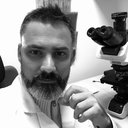 Marius Ilie合作论文数4JF Renaud合作论文数4M DEMENDONCA合作论文数4
 Christian Brechot合作论文数Center for Global Health and Inter, College of Public Health, University of South Florida;College of Medicine Internal Medicine, University of South Florida;Morsani College of Medicine, University of South Florida4
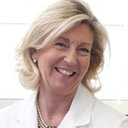 Marialuisa Lavitrano合作论文数Department of Experimental Medicine, University of Rome (La Sapienza)4Claude Sauterey合作论文数4
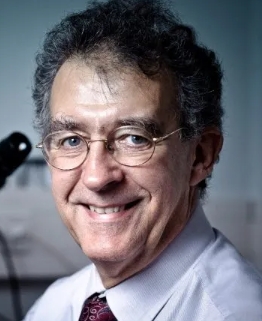 Gertjan van Ommen合作论文数Leiden University Medical Center4
 S. Randall Thomas合作论文数Biologie Integree et Systemes4Véronique Hofman合作论文数4X Le Liepvre合作论文数3N ENETRENOU合作论文数3A Mimran合作论文数3J Mirouze合作论文数3Nathalie Donne合作论文数3M de Mendonca合作论文数3Ma Devynck合作论文数3MG Pernollet合作论文数3M DUPONT合作论文数3C Gay合作论文数3D Ben-Ishay合作论文数3
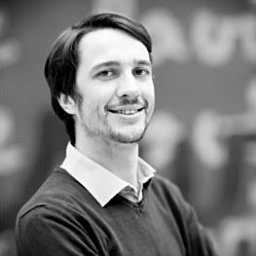 Simon Heeke合作论文数Department of Thoracic/Head and Neck Medical Oncology, The University of Texas MD Anderson Cancer Center3Georges Weryha合作论文数3
 Ulf Landegren合作论文数Department of Immunology, Genetics and Pathology, Uppsala University3
 Carlo Brugnara合作论文数Boston Children’s Hospital, Harvard Medical School, Harvard College, Harvard University3
 Petrelis Alexandros M合作论文数3Price M合作论文数3




