Lignocellulosic biomass is an abundant renewable resource, yet its effective utilization remains limited due to its structural recalcitrance, primarily attributed to lignin. While aerobic lignin-degrading microorganisms, particularly fungi, have been extensively studied, much less is known about bacteria capable of lignin depolymerization under low-oxygen conditions. This study focused on the isolation and evaluation of native anaerobic bacterial cultures capable of degrading lignin-derived compounds to enhance biogas production. Soil samples from decaying vegetation and olive mill wastewater were used as microbial sources. Enriched cultures were developed anaerobically using kraft lignin and p-coumaric acid as sole carbon sources. Twelve pure bacterial strains were isolated and screened for their ligninolytic activity. All strains were able to degrade p-coumaric, with the highest biomass concentration reaching 387 mg L-1 and maximum substrate consumption rate at 438 mg L-1 d-1. When kraft lignin was used as sole carbon source, 9 out of 12 strains showed growth, with a maximum of 55 mg L-1 over 11 days. Enzyme activity assays confirmed the production of lignin peroxidase and laccase, with highest values at 2.10 and 0.15 U mL-1, respectively, even under conditions of limited oxygen. The enriched cultures were applied in biomethane potential (BMP) batch tests, resulting in increased methane production. The best performing culture resulted in a bioaugmentation percentage of 174% compared with control. These findings suggest that native ligninolytic bacteria can serve as promising bioaugmentation agents in anaerobic digestion of lignocellulosic waste.
Tobacco cultivation and manufacturing generate significant waste amounts, as around 30 % of the tobacco crops end up as waste, posing several environmental challenges, related to air, soil, and water pollution. In this review, the tobacco processing stages are explored, focusing on the waste generated and its characteristics, as well as on the existing legislation framework towards tobacco waste management and the regulations regarding environmental impact minimization. Upscaled thermochemical and biochemical processes have been examined for tobacco waste upcycling into added-value products, depending on waste characteristics. This study also addresses the economic viability and the environmental implications of upscaled tobacco waste management. In this review, a potential waste management scheme is proposed, able to precipitate 90-99 % of the nicotine included in tobacco waste, which can be subsequently used for additional smoking products development. On the other hand, the residual solid waste stream was evaluated for either compost production or incineration and thus recovered resources respectively either as compost at the crop cultivation stage or as energy for the curing stage. Such a scheme could significantly contribute to several Sustainable Development Goals by offering reduced levels of tobacco-related environmental pollution, while simultaneously leading to a more sustainable product chain with maximized resource recovery.
Replacing conventional materials with new recycled materials is one of the goals of sustainable development, as it promotes the creation of environmentally friendly products while reducing the amount of waste to be treated. A common recyclable waste stream associated with urban living is waste glass, which typically comes from packaging or product containers. Although most of this stream can be reused and/or recycled, it is worth exploring alternative uses, especially for areas with high fluctuations in waste glass production. An example would be the sudden increase in waste glass in tourist areas during the high season. To this end, the present work presents the results from the life cycle assessment of waste glass geopolymerization for the production of cement tiles. The methodology includes the estimation of mass and energy balances by dividing the whole process into several sub-processes (NaOH addition, energy consumption, etc.). The NaOH addition was found to be the most burden-intensive process, with a total damage of 9 × 10⁻⁵ DALY per ton of waste glass in the human health category, while a minor contribution in all damage categories was attributed to process electricity demands (7.7 to 19.4%). By comparing the geopolymerization process with conventional recycling, an environmental benefit of 20 mPt and 26 kg CO2 per ton of waste glass was demonstrated, indicating the process’s expediency. The present study is a valuable tool for the up-scaling of processes towards a circular economy.
Olive mill wastes are some of the most important waste streams in Mediterranean countries, such as Greece, and their uncontrolled disposal without treatment imposes serious environmental impacts. In the last few decades, the European Union has defined the framework for a sustainable circular economy, aiming for viable waste treatment solutions. Under this scope, anaerobic digestion could be a remarkable solution for efficiently reducing waste organic matter and producing green energy, at the same time. In this study, the economic sustainability of an anaerobic digestion unit for olive mill effluents was assessed. It was found that a centralized treatment plant that can process liquid olive mill effluents during the olive harvesting season and other agro-industrial by-products (such as fruit and vegetable waste) for the rest of the year could be a viable solution, with waste capacities of 780 m3OMW d−1 and 245 kgFVW d−1. The internal rate of return was estimated at 6%, the net present value was estimated to be EUR 2 million, while the payback period was calculated to be 12 years. Furthermore, through the sensitivity analysis, the selling price of the electricity produced and the productivity of the waste processed in the plant alongside the olive mill wastewater were identified as the main factors affecting the viability of the process. The findings of this study can be applied in the development of a biomass-processing facility, taking into consideration the economic feasibility and the processing of challenging-to-treat wastes to generate green energy.
Cyanobacterial phycocyanin pigment is widely utilized for its properties in various industries, including food, cosmetics, and pharmaceuticals. Despite its potential, challenges exist, such as extraction methods impacting yield, stability, and purity. This study investigates the impact of the number of freeze–thaw (FT) cycles on the extraction of phycocyanin from the wet biomass of four cyanobacteria species (Arthrospira platensis, Chlorogloeopsis fritschii, Phormidium sp., and Synechocystis sp.), along with the impact of five extraction solutions (Tris-HCl buffer, phosphate buffer, CaCl2, deionized water, and tap water) at various pH values. Synechocystis sp. exhibited the highest phycocyanin content among the studied species. For A. platensis, Tris-HCl buffer yielded maximum phycocyanin concentration from the first FT cycle, while phosphate buffer provided satisfactory results from the second cycle. Similarly, Tris-HCl buffer showed promising results for C. fritschii (68.5% of the maximum from the first cycle), with the highest concentration (~12% w/w) achieved during the seventh cycle, using phosphate buffer. Phormidium sp. yielded the maximum pigment concentration from the first cycle using tap water. Among species-specific optimal extraction solutions, Tris-HCl buffer demonstrated sufficient extraction efficacy for all species, from the first cycle. This study represents an initial step toward establishing a universal extraction method for phycocyanin from diverse cyanobacteria species.
The depletion of fossil fuel reserves has resulted from their application in the industrial and energy sectors. As a result, substantial efforts have been dedicated to fostering the shift from fossil fuels to renewable energy sources via technological advancements in industrial processes. Microalgae can be used to produce biofuels such as biodiesel, hydrogen, and bioethanol. Microalgae are particularly suitable for hydrogen production due to their rapid growth rate, ability to thrive in diverse habitats, ability to resolve conflicts between fuel and food production, and capacity to capture and utilize atmospheric carbon dioxide. Therefore, microalgae-based biohydrogen production has attracted significant attention as a clean and sustainable fuel to achieve carbon neutrality and sustainability in nature. To this end, the review paper emphasizes recent information related to microalgae-based biohydrogen production, mechanisms of sustainable hydrogen production, factors affecting biohydrogen production by microalgae, bioreactor design and hydrogen production, advanced strategies to improve efficiency of biohydrogen production by microalgae, along with bottlenecks and perspectives to overcome the challenges. This review aims to collate advances and new knowledge emerged in recent years for microalgae-based biohydrogen production and promote the adoption of biohydrogen as an alternative to conventional hydrocarbon biofuels, thereby expediting the carbon neutrality target that is most advantageous to the environment.
Biological treatment is a promising alternative for waste management considering the environmentally sustainable concept that the European Union demands. In this direction, anaerobic digestion comprises a viable waste treatment process, producing high energy-carrier gases such as biomethane and biohydrogen under certain operating conditions. The mathematical modeling of this bioprocess can be used as a valuable tool for process scale-up with cost-effective implications. The scope of this work was the evaluation of the well-established Anaerobic Digestion Model 1 (ADM1) for use in two-stage anaerobic digestion of agro-industrial waste. Certain equations for the description of the metabolic pathways for lactate and bioethanol accumulation were implemented in the existing mechanistic model in order to enhance the model’s accuracy. The model presents a high estimation ability regarding the final product (H2 and biogas) reaching the same maximum value for the theoretical as the experimental data of these products (0.0012 and 0.0036 m3/d, respectively). The adapted ADM1 emerges as a useful instrument for designing anaerobic co-digestion processes with the goal of achieving high yields in fermentative hydrogen production, considering mixed biomass growth mechanisms.
Microalgal biomass can potentially be valorized for several purposes, targeting either high added-value metabolites or biofuels. In case the cultivation conditions are inappropriate for the production of high-value metabolites, or the produced yields are insufficient for extraction and further valorization, there is the alternative of the anaerobic digestion (AD) process for biogas production. In the current study, Chlorella vulgaris biomass was treated through the process of AD, focusing on the effect of fatty acids (FAs) content (5-30 %) on biomethane production. Mixotrophic and heterotrophic conditions were used to produce biomass samples with different FAs content. The biochemical methane potential (BMP) assays of the biomass samples followed, targeting the evaluation of the process, taking into account the FAs concentration effect. The BMP yields varied between 304 (5 % FAs) and 502 NmL CH4 g(VSadded)(-1) (30 % FAs). The next step in this work was the mathematical modeling of CH4 production, where the proposed model could satisfactorily simulate the biological process with R-2 = 0.94 for all the studied experiments. Such a model can be a valuable tool for deciding on the most appropriate biomass utilization option and the description of AD with dual-stage CH4 production.
Biomass treatment for energy production is a promising way for achieving fossil fuel replacement and environmental relief. Thermochemical processes are a common way of processing biomass, but their potential economic benefits are not always clear to investors. In this work, three basic thermochemical processes (combustion, gasification, and pyrolysis) are examined in terms of their theoretical yields and their products, as well as their economic viability. The goal of this analysis was to look into the total amount of available biomass streams and compare business plans in terms of sustainability from a technical and economic perspective. The estimation of the fixed capital investment was based on ready−made solutions that are already available on the market. The analysis showed that the gasification unit has the optimum sustainability results since the total amount of gross income was EUR 0.13/kg of biomass while the treatment cost was estimated at EUR 0.09/kg of biomass. The internal rate of return of the investment was calculated at 9%, establishing a promising alternative solution to sustainable “green” energy production.
Nitrification, a crucial process in wastewater treatment, involves the conversion of ammonium nitrogen to nitrate nitrogen through the sequential activities of ammonia-oxidizing bacteria (AOB) and nitrite-oxidizing bacteria (NOB). In the present study, a comprehensive mathematical model was developed to describe the nitrification process in mixed cultures involving isolated NOB and starved AOB. The growth equation for NOB was divided into anabolism and catabolism, elucidating the key substrates driving their metabolic activities. Considering the ammonia starvation effect, a single cell-based model was developed to capture the mass transfer phenomena across the AOB cell membrane. This addition allowed for a more accurate representation of the biological dynamics during starvation conditions. The model's accuracy was tested using experimental data that was not used in the model calibration step. The prediction's coefficient of determination (R-2) was estimated at 0.9. By providing insights into the intricate mechanisms underlying nitrification, this model contributes to the advancement of sustainable wastewater treatment practices.
During the processing of raw agricultural materials from the primary sector, large quantities of by-products with high chemical energy content are produced. Some of these are olive mill wastewater (OMW), cheese whey (CW), and liquid cow manure (LCM). Anaerobic digestion is a promising, environmentally friendly process for the energy valorization of agro-industrial and livestock by-products. The purpose of this study was the mathematical modeling of anaerobic digestion in batch systems, aiming to quantify possible synergies occurring between complementary substrates. The analysis was based on using biochemical methane potential data to predict the optimum hydraulic retention time (HRT) under steady-state conditions of continuous systems, for different substrate ratios. The objective function for HRT optimization was based on maximizing the process profit and included technoeconomic parameters, allowing the comparison of the different substrate ratios that can be used in the feedstock. The co-digestion with a mixture ratio of OMW:LCM equal to 70:30 proved very satisfactory for the sustainability of the process, exhibiting a maximum net profit of 16 €/m3reactor/d for a plant capacity of 10 m3feed/d.
Olive mill effluents are amongst the most prominent waste streams produced in Mediterranean countries, with their uncontrolled disposal in soil, without any prior treatment, having significant environmental and social effects. Anaerobic digestion has been extensively studied for the treatment of various waste streams, from industrial waste to agricultural and livestock residues. Some of the major advantages of anaerobic digestion relate to energy and soil fertilizer production. The scope of this work was the experimental optimization of the organic loading rate of anaerobic UASB digesters processing olive mill wastewater effluents. The optimization procedure was performed in a laboratory and a pilot scale set-up. The results showed that the maximum organic loading rate that could be applied to such a system was 5–6 gCOD/LR/d, without the need for any pretreatment. Moreover, it was exhibited that the large period of inoculum acclimatization to the olive mill effluents improved the phenols degradation inside the reactor, which reached 59%.
Olive mill wastewater is a prominent waste stream in the Mediterranean countries, with its uncontrolled disposal in water recipients causing significant environmental issues. Anaerobic digestion has been extensively studied for the treatment of various agricultural waste streams. The scope of the present study was the environmental evaluation of the anaerobic digestion of three-phase olive mill wastewater for energy production in an anaerobic bioreactor. Regarding the environmental assessment of the process, the results indicate a lead in the proposed process compared with the baseline scenarios. Moreover, several environmental issues in terrestrial acidification and water eutrophication midpoint categories were exhibited by the digestate utilization. The implementation of the anaerobic digestion method averts an overall environmental damage of 5 mPt per 1000 kg of waste treated. For this reason, the implementation of the proposed method could be a sustainable alternative for wastewater treatment in olive oil production regions, aiming to circular economy.
The increasing production of agro-industrial organic residues in modern society is extremely concerning. One of the most polluting procedures in the agricultural industry is the production of olive oil. This process creates a large amount of waste with high organic load and phytotoxic components. In this study, composting of two-phase olive pomace (OP), olive leaves (OL) and dewatered anaerobic sludge (DAS) from an olive mill wastewater anaerobic digestion process was conducted in a pilot-scale in-vessel high-rate continuous composter. Five different feed scenarios were studied with different OP/OL ratio in the feed material, while the effect of the addition of pine tree bark pieces (PB) and DAS was examined. The OP:OL 95:5 % w/w ratio exhibited the best results in terms of product quality, while OL proved capable of acting as a bulking agent for the better aeration of the material. The final product in the optimum feed ratio was free of Salmonella spp., was stable in terms of static respiratory index (lower than 0.5 g O2 kg-1 VS h-1) but contained elevated E. coli levels (3.5 x 10⁴ CFU g-1 with a limit of 1 x 10³ CFU g-1), which was the only EU proposed compost quality criteria not met. The addition of a more easily degradable material in the feed mixture is expected to lead to elevated composting temperature and amend the presence of pathogens.
The development of kinetic models aims at predicting the behavior of a system or analyzing the underlying mechanisms. This process is essential for understanding microalgal growth and optimizing culture conditions. In the case of microalgal cultivation in wastewater, the analysis becomes even more difficult as growth is often inhibited by several factors, such as nutrient limitation and light inadequacy. In this context, a mathematical model was developed to describe the microbial growth of the species Parachlorella kessleri in different reactor setups using either sterile or non-sterile anaerobic digestion effluent as a substrate. Three different mass balances were taken into consideration to describe biomass growth, phosphorus, and nitrogen consumption. Concerning biomass growth, the logistic model was applied to evaluate the inhibition in biomass formation due to lack of illumination. The maximum optical density under which these species could grow was quantified with an ODmax parameter, which was estimated at 4.07 AU/cm for the Erlenmeyer flask and 2.79 AU/cm for cylindrical photobioreactors. Regarding the nitrogen mass balance, two different terms concerning microalgal assimilation and ammonia stripping were implemented into the equation. The proposed model predicted biomass growth with high accuracy in model training (R2 = 0.90) and validation (R2 = 0.89).
BACKGROUND Nutrient recovery from wastewater is gaining attention in the frame of circular economy. In this study, Ca(OH)(2)-treated zeolite (CaT-Z), lignite fly ash (FA) and zeolitic fly ash (ZFA) were primarily used to adsorb phosphate phosphorus (PO4-P) from anaerobically digested olive mill wastewater (ADOMW). The simultaneous recovery of potassium (K) was also examined based on adsorption and desorption data. The fractionation of adsorbed P was determined as an important parameter for its plant availability. RESULTS More P was adsorbed from ADOMW on ZFA and FA (up to 4.35 and 5.21 mg g(-1), respectively) than on CaT-Z (2.62 mg g(-1)). An increased P adsorption on ZFA and FA was observed between incubation times of 7 and 14 days. The sequential desorption procedure verified the trend of P adsorption capacities and showed that the plant-available P (NaHCO3-P) amounted to 1.34, 2.34 and 1.69 mg g(-1) CaT-Z, ZFA and FA, respectively. After 14 days, CaT-Z and ZFA adsorbed much more K (19.2 and 20.5 mg g(-1), respectively) than FA (4.3 mg g(-1)). The desorption of exchangeable K confirmed this difference. Scanning electron microscopy-energy dispersive spectrometry analyses indicated P adsorption and surface precipitation as Ca-P phases as well as K+ for Ca2+ ion exchange on the loaded adsorbents. CONCLUSIONS ZFA was more efficient for dual adsorption combining the properties of the zeolitic fraction (enhanced K adsorption) and pristine FA (P adsorption on Ca-bearing phases). The sufficient concentrations of plant-available P and K on the three adsorbents suggest their potential use as soil amendments. (c) 2022 Society of Chemical Industry (SCI).
 Michael Kornaros合作论文数Department of Chemical Engineering, University of Patras23
 D. P. Zagklis合作论文数Department of Chemical Engineering, University of Patras;Institute of Chemical Engineering Sciences, Foundation for Research and Technology, Hellas (FORTH/ICE-HT),;Institute of Chemical Engineering Sciences, University of Patras16
 Konstantina Tsigkou合作论文数Corresponding authors.7
 Sameh S Ali合作论文数7
 Constantina Zafiri合作论文数Department of Chemical Engineering, University of Patras7
 Eirini Sventzouri合作论文数5
 Rania Altohamy合作论文数4
 Konstantinos Pispas合作论文数4
 Savvas Giannis Mastropetros合作论文数Laboratory of Biochemical Engineering & Environmental Technology (LBEET),, University of Patras3
 Tamer Elsamahy合作论文数School of the Environment and Safety Engineering, Jiangsu University3
 Jianzhong Sun (孙建中)合作论文数Biofuels Institute, Jiangsu University3
 Eleni Koutra合作论文数2
 Panagiota Tsafrakidou合作论文数Lab. of Biochemical Engineering & Environmental Technology (LBEET), University of Patras2
 Leila Abbaszadeh合作论文数1
 Margarita Dareioti合作论文数1Melina Papapanou合作论文数1
 Haixin Jiao合作论文数1
 Christina N. Economou合作论文数1
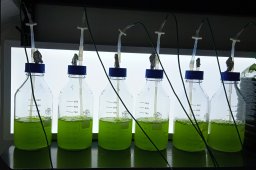 Dimitris Mitrogiannis合作论文数Dept Nat Resources Management & Agr Engn, Agr Univ Athens1Majid Al-Zahrani合作论文数Biol Sci Dept, King Abdulaziz Univ1Maria Psychogiou合作论文数Dept Nat Resources Management & Agr Engn, Agr Univ Athens1
 Nikolaos Koukouzas合作论文数Institute for Solid Fuels Technology and Applications/Centre for Research and Technology Hellas (ISFTA/CERTH), Greece1
 Dimitrios Palles合作论文数1
 I. Baziotis合作论文数Department of Mining and Metallurgical Engineering, National Technical University of Athens1
 Constantinos Mavrogonatos合作论文数Faculty of Geology & Geoenvironment, National and Kapodistrian University of Athens1
 Michael Schagerl合作论文数Department of Limnology, University of Vienna1




