BACKGROUND:Vaccines are one of the most effective healthcare tools to prevent morbidity and mortality from infectious diseases. RESEARCH DESIGN AND METHODS:A decision tree model was used to evaluate the public health and economic impact of the Greek pediatric national immunization program (NIP) over the lifetime of the 2022 Greek birth cohort. The model included nine Greek NIP routine vaccines for children aged 2 months to 11 years, targeting 14 vaccine-preventable diseases: diphtheria, hepatitis A, hepatitis B, Haemophilus influenzae type B, measles, meningococcal disease, mumps, pertussis, pneumococcal disease, poliomyelitis, rotavirus, rubella, tetanus, and varicella. The outcomes (discounted 3% annually) included estimated disease cases and deaths averted, life-years (LYs) and quality-adjusted life-years (QALYs) gained, total costs averted (2022 euros), and benefit-cost ratios (BCR) from healthcare-sector and societal perspectives. RESULTS:The Greek pediatric NIP prevented 447,221 disease cases and 242 deaths, resulting in 6,682 LYs and 9,741 total QALYs gained for the 2022 birth cohort. Costs averted were €23.2 million (BCR = 1.3) from the healthcare-sector perspective; costs averted from the societal perspective were €201.4 million (BCR = 3.1), plus €514.0 million in value of QALYs gained (BCR = 8.5). CONCLUSION:The Greek pediatric NIP provides extensive public health and economic benefits for Greece by reducing morbidity and mortality from vaccine-preventable diseases.
Background Two rotavirus (RV) vaccines were licensed in Greece in late 2006 and included in the national immunisation programme in 2012. Aim To study the epidemiology and genotype distribution of RV in children during the post-vaccination period and assess the impact of increased vaccination coverage. Methods In a prospective multicentre hospital-based study, hospitalised children (≤ 16 years) with an RV-positive faecal sample were recruited. Epidemiological and genotyping analyses were performed; periods of low (2008–12) and moderate (2012–20) RV vaccination coverage were compared. Statistical analysis was performed with a chi-squared or Mann–Whitney U test and logistic regression. Results A total of 3,874 children (55.6% male; n = 2,153) with median age of 1.4 years (IQR: 0.5–3.3) were studied during 2008–20. Most RV-infected children were aged ≤ 3 years (72.2%) and hospitalised during December–May (69.1%). Common RV genotypes (G1P[8], G2P[4], G3P[8], G4P[8], G9P[8], G12P[8]) were detected in 92.2% of samples; G-P combinations with prevalence above 1% were G4P[8] (44.1%), G1P[8] (25.4%), G2P[4] (14.9%), G9P[8] (3.5%), G12P[8] (2.2%), G3P[8] (2.1%), other (4.3%) and mixed (3.5%). Of all samples, 97.6% were homotypic or partially heterotypic to vaccines’ genotypes. With moderate vaccination coverage, the seasonal peak was detected earlier, children were older and partially or fully heterotypic genotypes were increased (p < 0.001). Conclusions In the era of moderate RV vaccination coverage in Greece, epidemiology of RV in hospitalised children seemed to change. However, most circulating genotypes remain homotypic or partially heterotypic to RV vaccines. Continuous epidemiological surveillance and genotyping are important to monitor possible changes arising from RV vaccines’ implementation.
Introduction Rotavirus (RV) infection in neonatal age can be mild or even asymptomatic. Several studies have reported that RV is responsible for 31%-87% of pediatric nosocomial diarrhea and causes gastroenteritis outbreaks in pediatric and neonatal units. Objectives Study clinical characteristics, genotypes and risk factors of RV infection in neonatal age. Methods A prospective study was conducted from April 2009 till April 2013 in the neonatal special care unit of the largest tertiary pediatric hospital of Greece. Fecal samples and epidemiological data were collected from each neonate with gastrointestinal symptoms. RV antigen was detected with a rapid immunochromatography test. RV positive samples were further genotyped with RT PCR and sequencing using specific VP7 and VP4 primers. Results Positive for RV were 126/415 samples (30.4%). Mean age of onset was 18 days. Seventy four cases (58%) were hospital acquired. Seasonality of RV infection did not differ significantly throughout the year with the exception of 4 outbreaks. Genotypes found during the study period were G4P[8] (58.7%), G1P[8] (14.7%), G12P[8] (9.3%), G3P[8] (9.3%), G12P[6] (5.3%), G9P[8] (1.3%) and G2P[4] (1.3%). RV cases presented with: diarrhea (81%), vomiting (26.2%), fever (34.9%), dehydration (28.6%), feeding intolerance (39.7%), weight loss (54%), whilst 19% of cases were asymptomatic. Comparing community with hospital acquired cases differences in clinical manifestations were found. Conclusions Significant incidence of nosocomially transmitted RV infection in neonatal age including asymptomatic illness exists. Genotypes causing nosocomial outbreaks are not different from community strains. Circulating vaccines can be effective in prevention of nosocomial RV infection through herd immunity.
Rotavirus is the leading cause of acute gastroenteritis among young children worldwide. A prospective multi-center study was conducted (2007-2008) in five Pediatric Hospitals to determine the prevalence, the clinical characteristics, and genotype distribution of rotavirus infection in Greece. Faecal samples were examined for the presence of group A rotavirus antigen by immunochromatography. Rotavirus strains were subjected to G and P genotyping by reverse-transcriptase polymerase chain reaction (PCR) and sequencing. A total of 393 children (216 boys) of median age 23 months, participated in the study. Rotavirus was the cause of acute gastroenteritis in 166 children, 42.3% (Cl 95%, 37.4-47.1%) of non-hospitalized and 47.8% (CI 95%, 41.7-53.9%) of hospitalized patients. Rotavirus gastroenteritis occurred between December and April in 78.6% of the cases. Most children with RVG (77.8%) were between 3 months and 3 years old. The mean value of Clark severity score was 12.9 +/- 5.1 for RVG and 10.5 +/- 4.9 for non-RVG (P < 0.01). Genotypes were determined in 117 strains and their distribution was as following: G1P[8], 49%; G2P[4], 31%; G4P[8], 10%; G9P[8], 9%; and G8P[14], 1%. In conclusion, rotavirus is a frequent cause of acute gastroenteritis in Greece. The genotypes circulating are similar with those of other European countries. J. Med. Virol. 83:165-169, 2011. (C) 2010 Wiley-Liss, Inc.
To investigate possible impact of limited vaccine uptake by the private sector since 2007, a prospective observational study included all children <5 years hospitalized for acute gastroenteritis (AGE) in a Tertiary Care Hospital between 09/2006 and 08/2010. Rotavirus (RV) antigen was detected in stools by a rapid immunochromatographic test and genotype analysis was performed on positive samples by RT-PCR. Compared to 2006-2008, the likelihood of rotavirus infection was significantly reduced among children hospitalized for AGE in 2008-2010 (OR 0.64; 95%CI: 0.49-0.84, p<0.001). This was mainly due to the reduction of RVGE cases in infants 0-11 months (p=0.035). Moreover, RVGE cases as well as the rate of RVGE/10,000 hospitalized children significantly decreased (p=0.009 and p=0.010 respectively). No children with rotavirus gastroenteritis (RVGE) had received any vaccine dose. G4P [8] was the most common genotype (64/90). In conclusion, this study indicates that even low RV vaccination coverage may have significant effect.
Aim:To evaluate the potential benefits of introducing universal rotavirus (RV) vaccination in Greece.Methods:A decision analytic model was developed to compare the burden and cost of rotavirus gastroenteritis (RVGE) with and without a universal RV vaccination (88% vaccination coverage) for a cohort of children followed from birth until the age of five.Results:Universal RV vaccination would substantially decrease the RVGE burden on the National Health System by reducing RVGE-related hospitalizations/emergency visits and medical consultations by 83% and 75%, respectively. Total RVGE-related costs was estimated at about 7.6 Meuro and would be reduced by 5.9 Meuro (-78%) if RV vaccination was introduced. A rapid effect is expected with 76% of cases and 84% of costs avoided would be averted within 2 years postvaccine introduction. The societal benefit would also be significant: total annual number of RVGE cases and parent's lost work days would be reduced by 67% and 78%, respectively. Including indirect costs, the total disease cost reduction would be 9 Meuro.Conclusion:Introduction of universal RV vaccination in Greece could offer considerable medical and economic benefits for the National Health System and society. Potential herd immunity would improve results in favour of vaccination.
Aim: To evaluate the potential benefits of introducing universal rotavirus (RV) vaccination in Greece. Methods: A decision analytic model was developed to compare the burden and cost of rotavirus gastroenteritis (RVGE) with and without a universal RV vaccination (88% vaccination coverage) for a cohort of children followed from birth until the age of five. Results: Universal RV vaccination would substantially decrease the RVGE burden on the National Health System by reducing RVGE-related hospitalizations/emergency visits and medical consultations by 83% and 75%, respectively. Total RVGE-related costs was estimated at about 7.6 M€ and would be reduced by 5.9 M€ (−78%) if RV vaccination was introduced. A rapid effect is expected with 76% of cases and 84% of costs avoided would be averted within 2 years postvaccine introduction. The societal benefit would also be significant: total annual number of RVGE cases and parent’s lost work days would be reduced by 67% and 78%, respectively. Including indirect costs, the total disease cost reduction would be 9 M€. Conclusion: Introduction of universal RV vaccination in Greece could offer considerable medical and economic benefits for the National Health System and society. Potential herd immunity would improve results in favour of vaccination.
Purpose To investigate adipocytokine secretion, at diagnosis and during chemotherapy in children with the acute lymphoblastic leukemia (ALL). Patients and Methods Serial measurements (6/patient) of the anti-inflammatory cytokine adiponectin and the proinflammatory adipocytokines leptin and resistin were performed at diagnosis and in nearly the entire period of therapy (up to 21 months), in 9 patients with ALL aged 2 to 7 years (median 4.3 y). Body mass index and leukemic burden were estimated at the same time points and correlated with adipocytokine levels. Nine healthy children matched for age, sex, and body mass index were used as controls. Results At diagnosis, mean adiponectin levels were low (P<0.001) and mean leptin and resistin levels were high, compared with controls (P<0.001). During maintenance phase, adiponectin increased significantly (P=0.024), whereas leptin and resistin decreased (P=0.018 and P=0.020, respectively), compared with baseline values. However, adiponectin, despite its progressive increase, remained at lower levels toward the end of the maintenance phase, compared with controls, (P<0.001). Delta (final-baseline) mean adiponectin was negatively correlated with leukemic burden (P=0.019), whereas delta mean leptin and resistin were positively correlated with it (P=0.011 and P=0.031, respectively). Conclusions Low-plasma adiponectin and high leptin and resistin level are present at the ALL diagnosis. Adipocytokines alterations are progressively restored during therapy.
Background:The aim of this study was to determine the safety, tolerance and efficacy of linezolid for the treatment of infections from Gram-positive bacteria in immunocompromised children with cancer.Methods:This was a prospective non-comparative unblinded study in the Hematology/Oncology Unit over a two-year period, administering linezolid as monotherapy in children with cancer.Results:Seventeen children received linezolid (30 mg/kgr: 3 i.v. per day). Mean duration of linezolid administration was 12.2 days (range, 6-38 days), while the median age of the evaluable patients was 2.2 years (range, 6 months-11.2 years). Primary diagnosis was acute lymphoblastic leukemia (nine patients), brain tumor (three patients), multi-organ Langerhans cell histiocytosis (two patients), rhabdomyosarcoma, Burkitt's lymphoma and ovarian tumor (one patient each). All patients were in the midst of chemotherapy cycles. Ten out of 17 children had positive blood cultures (methicillin-resistant Staphylococcus aureus, four patients; vancomycin-resistant Enterococcus, three patients; penicillin-resistant Streptococcus pneumoniae, three patients), while seven of the 17 had fever and vancomycin-resistant Enterococcus in stool cultures. All patients were considered clinically cured after the end of the linezolid regimen (100% efficacy). The main adverse events were thrombocytopenia grade 1-3 and anemia grade 2-3 (four and two patients, respectively). Chemotherapy-induced myelotoxicity (six patients) was not worsened during linezolid therapy. No bleeding episodes were presented. Self-limited diarrhea grade 1-2 was presented in four patients (mean duration 2 days). The total adverse event rate was 23.5%; however, there was no premature cessation of linezolid in any patient.Conclusions:Linezolid may be another effective and safe therapy to treat infections from resistant Gram-positive bacteria in immunocompromised children, even in young ages.
Abstract 4112 New treatment protocols have improved significantly the survival of patients with acute lymphocytic leukemia (ALL). However, there is a risk of relapse, which depends on disease classification and the protocol of chemotherapy administered. In case of relapse, new remission has to be achieved to proceed to bone marrow transplantation (BMT). For this reason, new therapies for remission induction, except standard chemotherapy, are under investigation. Clofarabine, a new class agent, is a nucleoside analogue of purine which inhibits DNA synthesis and repair by blocking ribonucleoside reductase and DNA polymerase. It also disrupts mitochondrial membrane, driving to cell apoptosis. We describe two children with B-cell ALL, in whom clofarabine was administered because of disease resistance. Case 1: Girl, 12 years old, with ALL, presented a second bone marrow (BM) relapse. The first relapse was also in BM and was presented 30 months after the end of primary chemotherapy. Remission was achieved with chemotherapy based on protocol ALL-REZ-BFM 96. In the second relapse, that occurred one year after the end of ALL-REZ-BFM 96, conventional cytogenetics analysis showed an apparently normal female karyotype 46,XX, while molecular cytogenetics analysis (FISH) showed 3 and 4 copies of AML1 gene in 10.7% and 82.4%, of analyzed nuclei respectively. Clofarabine was administered in 52mg/m2/24h for 5 days, every 4-6 weeks. It was well tolerated. Moderate myelotoxicity presented, early after the end of regimen that was uncomplicated. Mild and transient elevation of transaminases was detected in the peripheral blood. Reevaluation after 3 cycles of clofarabine, revealed morphologic and cytogenetic remission. The patient underwent successful heterologous BMT. Case 2: Boy 18 years old with ALL presented a first BM relapse 22 months after the end of initial chemotherapy. Conventional cytogenetics analysis showed an apparently normal male karyotype 46,XY, while molecular cytogenetics analysis (FISH) was negative for clonal rearrangement involving the MLL gene and TEL/AML1, or BCR/ABL hybrid genes. Chemotherapy was administered based on protocol ALL-REZ BFM 96, but remission was not achieved. Clofarabine in 52mg/m2/24h for 5 days was administered. The patient presented mild uncomplicated myelotoxicity. Remission was achieved after the first cycle of clofarabine and the patient underwent successful heterologous BMT.Conclusion Clofarabine administration in children with refractory ALL seems to achieve disease remission and is well tolerated. More studies are needed to establish clorafabine as first line therapy in patients with relapsed ALL, prior to bone marrow transplantation.Disclosures: No relevant conflicts of interest to declare.
There is a theoretical risk, arising from mathematic models, that a universal varicella vaccination program might lead to an increase in herpes zoster (HZ) incidence. We have searched the Medline database to review HZ epidemiologic data in countries that have had varicella vaccination programs in place for many years, and in countries with either short-term routine varicella vaccination programs or no varicella vaccination programs, to examine whether these programs influence HZ incidence. We have also taken into account factors that may affect HZ epidemiology over time, such as use of the new zoster vaccine. Increases in HZ incidence rates have been observed in many countries that have had no varicella vaccination program in place for the last 20 years. The hypothesis that the decreased exposure of adults to the varicella zoster virus owing to routine varicella vaccination programs might increase HZ incidence has not been consistently proven by current data. The combined routine implementation of varicella and HZ vaccines is expected to lead to considerable reduction of both illnesses in the future.
We present the results of a prospective multi-center, community-based epidemiological observational study regarding the clinical burden of pediatric rotavirus gastroenteritis (PRG) in Greece.
PURPOSE:To investigate peptide YY (PYY) and ghrelin secretion, at diagnosis and during chemotherapy in children with acute lymphoblastic leukemia (ALL). PATIENTS AND METHODS:Measurements were performed at diagnosis, after the induction-consolidation phase and at standard time points before each cycle in 9 patients with ALL aged 2 to 7 years (median 4.3 y). Body mass index (BMI) and leukemic burden were estimated at the same time points and correlated with PYY and ghrelin levels. Nine healthy children matched for age and sex were used as controls. RESULTS:At diagnosis, mean PYY levels were high (P<0.0001) and mean active ghrelin were low, compared with controls (P<0.001). Compared with baseline values, PYY increased significantly after the induction-consolidation phase (P=0.033), and returned progressively to pretreatment levels after the sixth cycle, whereas ghrelin fluctuated and stabilized at significantly higher levels (P=0.024) after the eighth cycle of chemotherapy. However, ghrelin was still low, compared with controls (P<0.001), after the eighth cycle. Delta (final-baseline) mean PYY was negatively correlated with delta mean BMI SD score (-0.612, P=0.010) and positively with leukemic burden (0.529, P=0.015), whereas delta mean ghrelin was positively correlated with delta mean BMI SD score (0.626, P=0.009) and negatively with leukemic burden (-0.567, P=0.012). CONCLUSIONS:PYY and ghrelin play a major role in pathogenesis of anorexia-cachexia syndrome in pediatric ALL patients.
Purpose To investigate the presence of early indicators of the dysmetabolic syndrome (DS) in young survivors with acute lymphoblastic leukemia (ALL) in childhood. Patients and Methods We enrolled 80 patients with ALL (50 males, median age 13.9 y, median interval since completion of chemotherapy 6.3 y). Sixty-two patients (group A) received chemotherapy only, whereas 18 patients (group B) received chemotherapy and cranial irradiation (18 Gy). Results Frank obesity [25%; confidence interval (CI) 95%, 16.7%-35.6%], increased blood pressure (21%; CI 95%, 13.6%-31.5%), increased serum triglycerides (21%; CI 95%, 13.6%-31.5%), reduced serum high-density lipoprotein cholesterol (12%; CI 95%, 6.7%-21.7%), increased fasting insulin (8%; CI 95%, 3.2%-15.7%), and osteopenia (71%; CI 95%, 60.5%-80.1%) were detected in groups A and B. Reduced IGF-1 (15%; CI 95%, 8.6%-24.6%) and thyroid hormone abnormalities (11%; CI 95%, 5.8%-20.2%) were detected only in group B. In group B, there was a statistically significant increase in the prevalence of obesity (P=0.024), hyperinsulinemia (P=0.004), and the full DS (22%; CI 95%, 8.6%-45.9% vs. 8%; CI 95%, 3.1%-18.0%; P=0.017) compared with group A. Conclusions Young survivors of childhood ALL, especially those treated with cranial irradiation, are at risk for obesity, dyslipidemia, insulin resistance, hypertension, and the full DS early after the completion of therapy.
The development of antibodies to factor VIII (FVIII) in severely affected haemophilia A patients is a serious complication associated with increased morbidity and mortality. Bypassing agents are used to treat acute bleeding episodes; however, elimination of the inhibitors can only be achieved with immune tolerance therapy (ITT) in 60-80% of cases. High responding (HR) inhibitors are more likely to respond to ITT if the titre is decreased to <5 BU over time or in selected cases after the administration of immunosuppressive drugs, plasmapheresis or immunoabsorption, techniques difficult to apply in children. Anti-CD20 (rituximab), a monoclonal antibody, was given as an alternative treatment in two haemophilic children with HR inhibitors and impaired quality of life, due to recurrent haemarthrosis. Rituximab was given at the dose of 375 mg m(-2), once weekly for four consecutive weeks. Both patients showed a partial response to rituximab reducing the inhibitor titre to <5 BU, thus facilitating ITT initiation; however, only the older patient eradicated the inhibitor within 21 days after application of ITT. The second patient, despite depletion of B cells, did not respond to ITT. No long-term side effects have been observed in both patients for a follow-up period of 20 and 18 months respectively. In conclusion, rituximab appears to be an alternative effective therapy to rapidly reduce or eliminate the inhibitor in selected cases of severely affected haemophiliacs before further proceeding to ITT. However, the dose and appropriate schedule, as well as long-term side effects need further investigation.
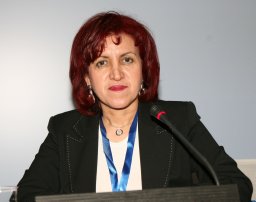 Maria Moschovi合作论文数'Agia Sofia' Children's Hospital, University of Athens13
 Fotini Tzortzatou-Stathopoulou合作论文数11
 Maria Theodoridou合作论文数Institute of Computer Science, FORTH6
 George P. Chrousos合作论文数School of Medicine, National and Kapodistrian University of Athens;University Research Institute of Maternal And Child Health & Precision Medicine;King‟s College London;University of Dresden6Syrogiannopoulos George A合作论文数5Andreas Konstantopoulos合作论文数4Vassiliki P. Syriopoulou合作论文数4
 Athanasios G Michos合作论文数Aghia Sophia Children's Hospital, Athens University4Dimitra-Maria Koukou合作论文数3
 A. Sklavounou合作论文数Dept Oral Med & Pathol & Hosp Dent, Natl & Kapodistrian Univ Athens3
 Vassiliki Papaevangelou合作论文数Children's' Hospital "A. Kyriakou",, University of Athens3Vasiliki Syriopoulou合作论文数3
 Ioulia Chatzistamou合作论文数Medical School, University of Athens3
 Ioannis P. Trougakos合作论文数Department of Cell Biology and Biophysics, Faculty of Biology, National and Kapodistrian University of Athens3Helen Platokouki合作论文数3J. Papassotiriou合作论文数2e vrachnou合作论文数2G Prodromidis合作论文数2
 Panagiota Chatzichristou合作论文数2A Konstantopoulos合作论文数2
 Katerina Katsibardi合作论文数Aghia Sophia Childrens Hosp, Natl & Kapodistrian Univ Athens2
 Mavrikou Maria合作论文数2Maria Vounatsou合作论文数2Sophie Aronis合作论文数2Alexandra Margeli合作论文数2
 Nikolaos Nikitakis合作论文数Department of Oral Pathology and Medicine, School of Dentistry, University of Athens2G Mostrou合作论文数2L Mantagou合作论文数1
 Dimitrios Rigopoulos合作论文数1E Koultouki合作论文数1Dimitris Kafetzis合作论文数1Lito Mantagou合作论文数1Theodota Liakopoulou合作论文数1S. Kostaridou合作论文数1Athanasia Lourida合作论文数1Levantia Zachariadou合作论文数1Angeliki Raftopoulou合作论文数1Elias Bouzios合作论文数1Eleni Botsa合作论文数1Anna Divane合作论文数1Niki Tourkantoni合作论文数1Antigoni Siamopoulou Mavridou合作论文数1Charilaos Dellis合作论文数1C Nicolaou合作论文数1D. Kafetzis合作论文数1eleftheria koultouki合作论文数1F. Apostolakou合作论文数1Andreas Damianos合作论文数Cincinnati Children's Hospital Medical Center, Perinatal Institute1




