Each person in the world has a set of fingerprints unique to them! Even though every print is different, they can be categorized into one of three general types: loops (found in 65% of the population) whorls (found in 35% of the population) arches (found in 5% of the population) Analyzing fingerprints can be a tricky business, especially without computers to help. After categorizing a print as a loop, whorl, or arch, look for these individual features: core: in a loop fingerprint, this is the center of the loop. delta: in loop and whorl patterns, this is an area where ridges meet from three directions. (There is usually one delta on a loop and two or more on a whorl. ridge end: notice where individual ridges come to an end. bifurcation: notice where a ridge divides into two ridges (like a fork in a road). island: notice any short ridges cut off from others. crossover: notice where any ridges appear to cross over each other. Try your hand at fingerprint analysis! Two different fingerprints have been found at a crime scene. Compare them to the fingerprints of the 4 suspects: 1. Use a magnifying glass to carefully compare the prints. 2. First list what type it is (loop, whorl or arch). 3. Then locate a central feature on each print (such as core or delta). 4. Try to identify at least 10 individual features in identical locations to find a match.
What do you do to start reading face processing? Searching the book that you love to read first or find an interesting book that will make you want to read? Everybody has difference with their reason of reading a book. Actuary, reading habit must be from earlier. Many people may be love to read, but not a book. It's not fault. Someone will be bored to open the thick book with small words to read. In more, this is the real condition. So do happen probably with this face processing.
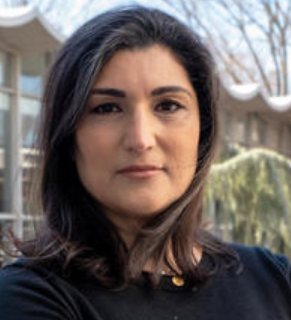 Elham Tabassi合作论文数Information Technology Laboratory, National Institute of Standards and Technology22
 Karthik Nandakumar合作论文数Computer Vision Department, Mohamed Bin Zayed University of Artificial Intelligence;Security, Privacy and Trustworthiness in Artificial Intelligence Laboratory, Mohamed Bin Zayed University of Artificial Intelligence22
 Victor Minchih Lee合作论文数20Leon Gu合作论文数20Takis Perakis合作论文数20Mayank Vasta合作论文数20
 Dong Yi合作论文数National Pattern Recognition Laboratory, Chinese Academy of Sciences20
 Richa Singh合作论文数Department of Computer Science and Engineering, IIT Jodhpur20
 Onur C. Hamsici合作论文数The Ohio State University20
 Aleix M Martinez合作论文数Amazon;Computational Biology and Cognitive Science Laboratory, Department of Electrical and Computer Engineering, College of Engineering, The Ohio State University;Center for Cognitive and Brain Science, College of Engineering, The Ohio State University20
 Michael Bromby合作论文数Department of Law, Glasgow Caledonian University20
 Xudong Jiang (蒋旭东)合作论文数School of Electrical and Electronic Engineering, College of Engineering, Nanyang Technological University19
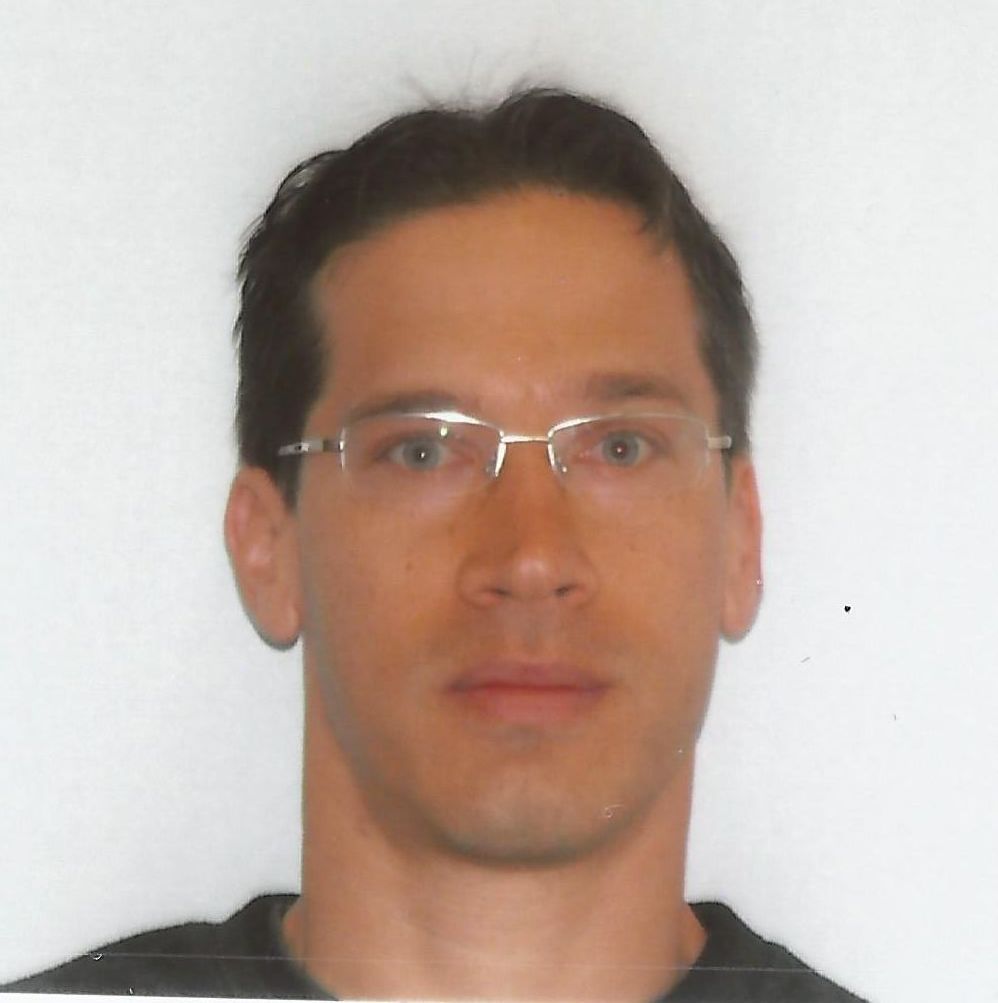 Lior Wolf合作论文数Mentee Robotics;School of Computer Science, Tel Aviv University19
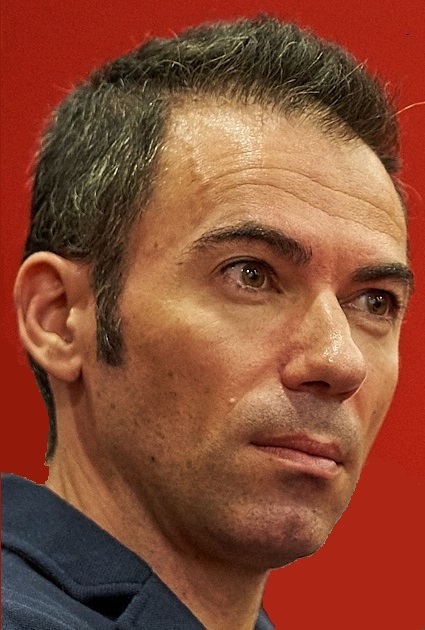 Julian Fierrez合作论文数School of Engineering, Universidad Autonoma de Madrid19
 Ming-Hsuan Yang合作论文数Vision and Learning Lab, University of California, Merced;Google DeepMind19
 David W. Jacobs合作论文数Department of Computer Science, University of Maryland;Brendan Iribe Center for Computer Science and Engineering, University of Maryland;University of Maryland Institute for Advanced Computer Studies19
 Kai Cao合作论文数Department of Computer Science and Engineering, Michigan State University17
 Arun Ross合作论文数Integrated Pattern Recognition and Biometrics Lab, Department of Computer Science and Engineering, College of Engineering, Michigan State University17Ruben Vera Rodriguez合作论文数15
 Stan Z. Li (李子青)合作论文数School of Engineering, Westlake University14Nicholas W. D. Evans合作论文数13
 Takeo Kanade合作论文数Robotics Institute, Carnegie Mellon University12
 Maja Pantic合作论文数Department of Computing, Faculty of Engineering, Imperial College London;NatWest Group12
 Ioannis Patras合作论文数School of Electronic Engineering and Computer Science, Queen Mary University of London11
 Norman Poh合作论文数university of surrey10
 Shiguang Shan (山世光)合作论文数Key Lab of Intelligent Information Processing, Institute of Computing Technology, Chinese Academy of Sciences;School of Computer, University of Chinese Academy of Sciences10
 Patrick J. Grother合作论文数National Institute of Standards and Technology10
 Massimo Tistarelli合作论文数Department of Polcoming, Università degli Studi di Sassari10Ajay Kumar合作论文数9
 Nigel Allinson合作论文数School of Engineering & Physical Sciences, College of Health and Science, University of Lincoln;School of Computer Science, University of Lincoln9
 Javier Ortega Garcia合作论文数Biometrics and Data Pattern Analytics Lab, Universidad Autonoma de Madrid9
 Xilin Chen (陈熙霖)合作论文数Institute of Computing Technology, Chinese Academy of Sciences;University of Chinese Academy of Sciences8Herman Bergman合作论文数7Maria Pavlou合作论文数7Wen Gao合作论文数7Jean-François Mainguet合作论文数7Jie Tian合作论文数7Arie Zeelenberg合作论文数7
 Josef Bigun合作论文数School of Information Technology, Halmstad University7Robert B. Kennedy合作论文数7Robert Mueller合作论文数7Mitsutoshi Himaga合作论文数7Masanori Hara合作论文数7Shaogang Gong合作论文数7Yilei Xu合作论文数7Xilin Chen合作论文数7Yangyang Zhang合作论文数7
 Rama Chellappa合作论文数Department of Electrical and Computer Engineering, Whiting School of Engineering, Johns Hopkins University;Department of Electrical and Computer Engineering, A. James Clark School of Engineering, University of Maryland7
 Jie Tian (田捷)合作论文数School of Medical Science and Engineering, Beihang University7




