The One Health approach recognizes the interconnectedness of human, animal, and environmental health, yet its implementation has largely focused on biomedical issues such as zoonoses and antimicrobial resistance (AMR). This biomedical focus often overlooks the social and economic drivers that shape these challenges. In this article, we argue that applying a commercial determinants of health (CDoH) lens can enhance the analytical and policy relevance of One Health as CDoH defines how non-public actors, activities and incentives support as well as undermine health. Specifically, the CDoH framework enables a systematic analysis of the diverse actors, interests and market dynamics that shape intensified animal production, which creates trade-offs between positive (e.g., economic growth, poverty reduction, food security) and negative (e.g., increased zoonotic risk, AMR, environmental degradation) outcomes. Moreover, it supports engagement with sectors beyond health, helping to identify governance strategies that balance economic, social, and ecological objectives. By integrating CDoH into One Health research and policy, we propose a more context-specific and politically informed approach to managing health risks in a globalized and rapidly changing world.
We are approaching a turning point in global health due to reductions in development assistance, rapid technological change and the growing influence of countries in the global south, several of which have become important producers of drugs and diagnostic equipment. The global health system faces a period of rapid change in a context of geopolitical contestation that is affecting the governance of every sector. Since there is agreement on key global health objectives, health could be an arena in which to build more inclusive global governance. Governments and other stakeholders in the global north and south will need to participate in building a consensus, which includes a variety of initiatives to address priority problems. The WHO can play an important role in supporting change by providing a platform for evidence-based consultations on specific issues, exchanges about how different ways to address a challenge have worked and ensuring that all affected groups have a voice. The focus should be on convening, supporting evidence-based learning and building consensus, rather than prescribing.
Knowledge dissemination and awareness raising is a common strategy for fostering antimicrobial stewardship and tackling antimicrobial resistance (AMR). However, empirical evidence suggests that the dissemination of technical/biomedical information about AMR, alone, is insufficient to improve antibiotic use in resource-poor settings. This is because antibiotic users’ decisions are based not only on biomedical knowledge but also on social and clinical information that is specific to local healthcare realities, and healthcare providers’ clinical knowledge and judgement. In this article, we propose a framework that identifies knowledge critical to deciding a course of antibiotic treatment for possible infection in resource-poor settings, and how to improve the knowledge flow to improve antibiotic use. Specifically, we focus on understanding three domains of knowledge that guide antibiotic users’ decisions: 1) scientific evidence, and evidence-based treatment guidelines; 2) local knowledge of infection patterns and risks, and the susceptibility of organisms causing infection to different antibiotics; and 3) personal and social characteristics of the patient. Drawing from the theory of information asymmetry and empirical data from West Bengal, India, we show that all three domains of knowledge demonstrated degrees of asymmetry, and community-level practitioners’ knowledge was not effectively taken into account in clinical guidance. We conclude that interventions targeting AMR need to reflect all three knowledge domains to be effective in clinical settings.
Recent decisions by the US Government signal a need for major changes to the way global health is organised. As the contribution of development assistance to financing health services falls, there is a need to ensure that national strategies are respected and that countries have access to affordable drugs and a variety of health-related technologies. Leaders of aid-recipient countries, the traditional donors and large middle-income countries will need to take joint responsibility for making this possible. Despite a context of global competition and contestation, there is a lot of agreement on key global health objectives, so that it could be an important arena for establishing more inclusive governance. This will involve changes to current institutional arrangements. These changes are likely to take place in a piecemeal manner, whereby new approaches for tackling a problem will be tested at a relatively small scale before agreements are reached for more ambitious reforms and the capacity to implement them is built. The transition that is needed will be difficult and will take time. However, it is important that it succeed, in order to make effective responses to major health threats possible and to ensure progress towards universal access to effective health care.
Ten years ago, the O’Neill Review on Antimicrobial Resistance called for a major effort to discover and develop new antimicrobials. It outlined a strategy for achieving this through a combination of “push” and “pull” incentives and, importantly, measures to reduce the cost of antimicrobial development. The UK has played an important role in mobilising a global effort to implement this strategy. A lot of progress has been made, but the current situation does not match the expressed ambition. Recent developments in the science and technology capabilities of several middle-income countries and their pharmaceutical sectors, including in research and development, are creating new opportunities for implementing a strategy that could enable sustainable and affordable antimicrobial discovery, development and manufacturing. This would entail new kinds of international partnership based on the principle of shared commitment to contribute to a global public good but with differentiated responsibilities. The UK is well-placed to continue its catalytic role within international leadership, but a more systematic and implementable approach is required at national and cross-national levels.
Background/Objectives: Antimicrobial resistance (AMR) is a growing global health challenge, driven in part by how antibiotics are accessed, distributed, and used within complex value chains. In peri-urban India, these supply chains involve a range of formal and informal actors and practices, making them a critical yet underexamined focus for antimicrobial stewardship efforts. While much research has focused on the manufacturing and regulatory end, less is known about how antibiotics reach consumers in rural and peri-urban settings. This study aimed to map the human antibiotic value chain in West Bengal, India, and to analyse how formal and informal governance structures influence antibiotic use and stewardship. Methods: This qualitative study was conducted in two Gram Panchayats in South 24 Parganas district, West Bengal, India. Semi-structured interviews were carried out with 31 key informants, including informal providers, medical representatives, wholesalers, pharmacists, and regulators. Interviews explored the structure of the antibiotic value chain, actor relationships, and regulatory mechanisms. Data were analysed thematically using a value chain governance framework and NVivo 12 for coding. Results: The antibiotic value chain in rural West Bengal is highly fragmented and governed by overlapping formal and informal rules. Multiple actors-many holding dual or unofficial roles-operate across four to five tiers of distribution. Informal providers play a central role in both prescription and dispensing, often without legal licences but with strong community trust. Informal norms, credit systems, and market incentives shape prescribing behaviour, while formal regulatory enforcement is inconsistent or absent. Conclusions: Efforts to promote antibiotic stewardship must move beyond binary formal-informal distinctions and target governance structures across the entire value chain. Greater attention should be paid to actors higher up the chain, including wholesalers and pharmaceutical marketing networks, to improve stewardship and access simultaneously. This study highlights how fragmented governance structures, overlapping actor roles, and uneven regulation within antibiotic value chains create critical gaps that must be addressed to design effective antimicrobial stewardship strategies.
Objectives To understand community antibiotic practices and their drivers, comprehensively and in contextually sensitive ways, we explored the individual, community and health system-level factors influencing community antibiotic practices in rural West Bengal in India.Design Qualitative study using focus group discussions and in-depth interviews.Setting Two contrasting village clusters in South 24 Parganas district, West Bengal, India. Fieldwork was conducted between November 2019 and January 2020.Participants 98 adult community members (42 men and 56 women) were selected purposively for 8 focus group discussions. In-depth interviews were conducted with 16 community key informants (7 teachers, 4 elected village representatives, 2 doctors and 3 social workers) and 14 community health workers.Results Significant themes at the individual level included sociodemographics (age, gender, education), cognitive factors (knowledge and perceptions of modern antibiotics within non-biomedical belief systems), affective influences (emotive interpretations of appropriate medicine consumption) and economic constraints (affordability of antibiotic courses and overall costs of care). Antibiotics were viewed as essential fever remedies, akin to antipyretics, with decisions to halt mid-course influenced by non-biomedical beliefs associating prolonged use with toxicity. Themes at the community and health system levels included the health stewardship roles of village leaders and knowledge brokering by informal providers, pharmacists and public sector accredited social health activists. However, these community resources lacked sufficient knowledge to address people’s doubts and concerns. Qualified doctors were physically and socially inaccessible, creating a barrier to seeking their expertise.Conclusions The interplay of sociodemographic, cognitive and affective factors, and economic constraints at the individual level, underscores the complexity of antibiotic usage. Additionally, community leaders and health workers emerge as crucial players, yet their knowledge gaps and lack of empowerment pose challenges in addressing public concerns. This comprehensive analysis highlights the need for targeted interventions that address both individual beliefs and community health dynamics to promote judicious antibiotic use.
The policy capacity framework offers relevant analytical ideas that can be mobilized for health system strengthening. However, the employment of this framework in the health field constitutes a relevant interdisciplinary gap in knowledge. This themed issue explores the relationships between the policy capacity framework and health system strengthening, in a multidimensional and interdisciplinary way, in high-income and low–middle-income countries. This introduction unpacks the dynamic interrelationships between the policy capacity framework and health system strengthening, bringing together common and distinct elements from both fields and summarizing possible relationships between them. The analysis shows that both fields together can increase our knowledge on health policies and system’s critical themes and reforms. This challenge could be followed by exploring the convergences between them, as far as concepts/themes (types of capacities and other themes) and levels of analysis are concerned. Although in varied ways, papers in this issue (based on European countries, China, Canada, New Zealand, India, Australia, and Brazil) advance the use of the policy capacity framework for health policy or system strengthening. They give two main interdisciplinary contributions. Critical capacities can be incorporated into the policy capacity framework for the analysis of system strengthening—capacity to adapt, contexts of mixed and complex systems, dynamic view of policy capacity, and policy capacity as a relational power. Policy capacity is contextually interpreted (relative to the problem frame) and dynamic and adaptive (processual and relational), in relation to the properties of a health system, particularly with regard to the existing and developing mixed and complex systems.
Health systems are 'the ensemble of all public and private organisations, institutions and resources mandated to improve, maintain or restore health.' The private sector forms a major part of healthcare practice in many health systems providing a wide range of health goods and services, with significant growth across low-income and middle-income countries. WHO sees building stronger and more effective health systems through the participation and engagement of all health stakeholders as the pathway to further reducing the burden of disease and meeting health targets and the Sustainable Development Goals. However, there are governance and public policy gaps when it comes to interaction or engagement with the private sector, and therefore, some governments have lost contact with a major area of healthcare practice. As a result, market forces rather than public policy shape private sector activities with follow-on effects for system performance. While the problem is well described, proposed normative solutions are difficult to apply at country level to translate policy intentions into action. In 2020, WHO adopted a strategy report which argued for a major shift in approach to engage the private sector based on the performance of six governance behaviours. These are a practice-based approach to governance and draw on earlier work from Travis et al on health system stewardship subfunctions. This paper elaborates on the governance behaviours and explains their application as a practice approach for strengthening the capacity of governments to work with the private sector to achieve public policy goals.
Antimicrobial resistance is one of the biggest public health challenges of our time and we’re at a crossroads on how to combat it. It’s called the “silent pandemic” and kills more than AIDS and malaria combined. Antimicrobial resistance is a serious threat to human health. Already it has had a hand in the deaths of […]
This paper presents a case example from China, where detailed deliberations were instrumental in bringing together national and subnational managers to tailor implementation protocols for neonatal care strategies at provincial and county levels. The China National Health Development Research Center (CNHDRC) organised deliberations to support the formulation of strategies for improving early essential neonatal care for rural areas. The aim was to help counties, the lowest level jurisdiction in China, learn what could work locally, and to help provinces and the national government learn what should inform national policy and be disseminated widely in China’s decentralised health system. It became clear that central-level stakeholders needed to learn how to help counties support the pilots. CNHDRC staff, national-level experts and academics visited pilot provinces and counties to discuss local policies, initiatives and challenges (including with patients), build a common understanding of the project and identify local support needs including by examining health records and observing health facilities. What followed were county-specific reports with priority interventions and implementation plans, which were further refined through county-level meetings. They helped central stakeholders better understand and address variations in county capacities and needs.
The concept of policy capacity is often used to explain the success or failure of governments or countries in conceiving of, developing, and implementing policies, but is often poorly systematised. Wu et al provide a framework for understanding types of policy capacity, arguing that three kinds of capacity, distributed across policy systems, are needed for effective implementation. This paper applies that framework to a discussion of China, a country that has been managing a fundamental transformation since at least the late 1970s, which has underpinned the country’s growth and development. The paper focuses on a subset of China’s reforms – reforms to the healthcare system since the 1990s. Discussion of policy capacity shows (1) that policy capacity is dynamic and adaptive, in response to changing challenges due to rapid transformation in the country; (2) that the development and distribution of capacities has, overall, been government-directed, with strong research and analytical support from public think tanks and universities; (3) that understanding of policy capacity is evolving, with government paying increasing attention to the need to develop a learning state and society in response to increasingly complex problems of development. Examination of the Chinese case has relevance for how other countries develop and adapt policy capacities over time to manage rapid transformation, uncertainty and shocks.
BACKGROUND Globally, the rapid growth of technology and its use as a development solution has generated much interest in digital health. In line with global trends, Bangladesh is also integrating technology into its health system to address disparities. Strong political endorsement and uptake of digital platforms by the government has influenced the rapid proliferation of such initiatives in the country. This paper aims to examine the implications of digital health on access to health care in Bangladesh, considering who uses electronic devices to access health information and services and why. OBJECTIVE This study aims to understand how access to health care and related information through electronic means (digital health) is affected by sociodemographic determinants (ie, age, gender, education, socioeconomic status, and personal and household ownership of mobile phones) in a semiurban community in Bangladesh. METHODS A cross-sectional survey of 854 households (between October 2013 and February 2014) and 20 focus group discussions (between February 2017 and March 2017) were conducted to understand (1) who owns electronic devices; (2) who, among the owners, uses these to access health information and services and why; (3) the awareness of electronic sources of health information; and (4) the role of intermediaries (family members or peers who helped to look for health information using electronic devices). RESULTS A total of 90.3% (771/854) of households (471/854, 55.2% of respondents) owned electronic devices, mostly mobile phones. Among these, 7.2% (34/471) used them to access health information or services. Middle-aged (35-54 years), female, less (or not) educated, and poorer people used these devices the least (α=.05, α is the level of significance). The lack of awareness, discomfort, differences with regular care-seeking habits, lack of understanding and skills, and proximity to a health facility were the main reasons for not using devices to access digital health. CONCLUSIONS Although influenced by sociodemographic traits, access to digital health is not merely related to device ownership and technical skill. Rather, it is a combination of general health literacy, phone ownership, material resources, and technical skill as well as social recognition of health needs and inequity. This study’s findings should serve as a basis for better integrating technology within the health system and ensuring equitable access to health care.
Background Recent years have seen a rapid change in China’s global engagement and a recognition that solving global challenges will need to take the changing role of China into account. The paper discusses China’s growing involvement in global health. Health is an area where there is broad agreement over global priorities and, potentially, a fertile space to build new forms of collaboration that point the way towards the adaptation of global governance to a rapidly changing context. Results Drawing on previous analyses of China’s management of change in its domestic health reforms and interviews with a range of stakeholders in China, the UK and Switzerland, the paper argues that China’s engagement in global health is developing and diversifying rapidly in response to the central government’s desire to see a greater role for China in global health. This diversification is part of a pattern of change management familiar from China’s domestic reform experience. Explorations underway by a range of Chinese agencies form part of a process of rapid experimentation and experiential learning that are informing China’s search for (a) new global role(s). Conclusions China is undergoing rapid institutional innovation and developing capacity for greater global engagement, including in health; however, substantial, recent leadership commitments make clear Chinese agencies’ need for continued exploration, innovation and rapid learning. How China engages globally is of significance to the world, not just China. The challenge for China, other global actors and multilateral organisations is to incorporate new approaches into existing global governance arrangements, including for the management of global health. This will require a willingness on all sides to learn from each other and invest the effort needed to build governance arrangements appropriate for the coming decades. This is not only important as a means of protecting global public health, but also as a demonstration of how governance arrangements can be adapted to the needs of a pluralistic global order in a context of rapid change.
It is very exceptional that a new disease becomes a true pandemic. Since its emergence in Wuhan, China, in late 2019, severe acute respiratory syndrome coronavirus 2 (SARS-CoV-2), the virus that causes COVID-19, has spread to nearly all countries of the world in only a few months. However, in different countries, the COVID-19 epidemic takes variable shapes and forms in how it affects communities. Until now, the insights gained on COVID-19 have been largely dominated by the COVID-19 epidemics and the lockdowns in China, Europe and the USA. But this variety of global trajectories is little described, analysed or understood. In only a few months, an enormous amount of scientific evidence on SARS-CoV-2 and COVID-19 has been uncovered (knowns). But important knowledge gaps remain (unknowns). Learning from the variety of ways the COVID-19 epidemic is unfolding across the globe can potentially contribute to solving the COVID-19 puzzle. This paper tries to make sense of this variability-by exploring the important role that context plays in these different COVID-19 epidemics; by comparing COVID-19 epidemics with other respiratory diseases, including other coronaviruses that circulate continuously; and by highlighting the critical unknowns and uncertainties that remain. These unknowns and uncertainties require a deeper understanding of the variable trajectories of COVID-19. Unravelling them will be important for discerning potential future scenarios, such as the first wave in virgin territories still untouched by COVID-19 and for future waves elsewhere.
China’s engagement in global affairs has changed substantially in the 2010s. One aspect of the country’s global reorientation has been its increased interest in, and willingness to play a role in, global health. In the early 2010s, the UK Department for International Development (DFID) initiated a collaboration with the Chinese government on a programme to support the country to play a greater and more effective global role in health and explore how the UK and China could work together on issues of key concern and contribute to improved global development outcomes. The programme worked with key Chinese agencies to carry out capacity building, support analysis of China’s approaches to engagement in global health governance and assistance, and provide support to government decision making. It also trialled several small-scale interventions in third countries through which Chinese agencies gained experience of working on health programmes overseas. The article reports on the main findings of an evaluation commissioned by DFID to learn from the programme. The programme provided support at a key time in China’s global reorientation; however, there is a need for continued development of capacity and systems for China to play the role envisaged by the country’s leadership. There is also a need for continued exploration on the part of China and partners of how to effectively collaborate to support improved global outcomes.
Universal health coverage (UHC) has been identified as a priority for international development by the G20, the World Health Organization, and the United Nations General Assembly.Since it was explicitly incorporated into the sustainable development goals (SDGs) as target 3.8, much effort has been expended on promoting UHC.Here we focus on four areas that, on current trajectories, are unlikely to achieve sufficient progress to meet the target.These are also areas for which G20 can provide substantial leverage: the principle of "leaving no one behind," particularly in migrant health and genuine support for primary care; reliable domestic financing, which requires enlightened leadership and deliberate dialogue between finance and health sectors; harnessing and regulating medical and technological innovation; and mutual learning and harmonised aid among donor countries.We call on G20 leaders, who will meet in Osaka in June 2019, to take concrete action on these issues.This article is based on a policy brief prepared by a working group convened by the Government of Japan as host of the Think 20 summit in Tokyo in May 2019. 1 Our work has received input from a wide ranging global group of thought leaders, some of whom represent civil society, including patients and the general public. Leaving no one behindSubstantial inequities in access to affordable quality healthcare remain both within and between countries.Vulnerable populations face greater morbidity and premature mortality from easily preventable and treatable causes.Such inequities also threaten human security.
Health is now recognized as a driver of economic development. Healthy people are more productive, have higher average incomes, spend less on healthcare, and create savings that are an important source of economic investment. Health, particularly in the early years of life, also contributes to other forms of human capital, such as cognitive ability and higher educational achievement. The importance of health in human capital and economic development makes investment in health critical. In recognition of this, in 2015, the UN General Assembly adopted the 2030 Agenda for Sustainable Development; health is the focal point of Sustainable Development Goal 3 (SDG 3): “To ensure healthy lives and promote wellbeing for all at all ages.” Because the determinants of health include factors beyond coverage of health services, achieving SDG 3 will depend on progress in poverty reduction, education, nutrition, gender equality, clean water, sanitation, and transportation, among others. The UN resolution on SDGs exhorts countries to “achieve universal health coverage (UHC) and access to quality healthcare. No one must be left behind.” This places UHC as the central target that underpins the achievement of improved health under the current development agenda. Countries aspiring to UHC aim for all members of their population to be able to obtain the health services they need without experiencing financial hardship. UHC is built on three pillars— increasing coverage of services so that everyone
 Henry Lucas合作论文数14
 David H. Peters合作论文数Department of International Health, Johns Hopkins Bloomberg School of Public Health10
 Hilary Standing合作论文数9
 Shenglan Tang合作论文数Department of Population Health Sciences, Duke University School of Medicine8
 Abbas Bhuiya合作论文数ICDDRB: Centre for Health and Population Research, Dhaka, Bangladesh7
 Lewis Husain合作论文数Inst Dev Studies, Brighton, E Sussex, England6
 Bruno Meessen合作论文数6
 Barun Kanjilal合作论文数6Xy Gu合作论文数5
 Wilkinson Annie合作论文数Institute of Development Studies, Brighton, UK.5
 Hayley Macgregor合作论文数5
 Adnan Hyder合作论文数Milken Institute School of Public Health, George Washington University5
 Wim Van Damme合作论文数Department of Public Health, Institute of Tropical Medicine, Antwerp, Belgium5
 Ayako Ebata合作论文数Inst Dev Studies, Univ Sussex4
 Jane Eithne Doherty合作论文数4XingYuan Gu (顾杏元)合作论文数4
 David Peters合作论文数International Health, Bloomberg School of Public Health, Johns Hopkins University4
 Meenakshi Gautham合作论文数Department of Global Health and Development, Faculty of Public Health and Policy, London School of Hygiene and Tropical Medicine;Department of Public Health and Primary Care, School of Clinical Medicine, University of Cambridge4
 Oladimeji Oladepo合作论文数College of Medicine, University of Ibadan4Narayanan Devadasan合作论文数SCTIMST, Achutha Menon Centre for Health Science Studies;Department of Public Health, Institute of Tropical Medicine, Antwerp, Belgium;Institute of Tropical Medicine, Achutha Menon Centre for Health Science Studies4Andreas Wilkes合作论文数Center for Biodiversity and Indigenous Knowledge, Floor 3, Building A, Honghuandasha, Yanjiadi 650034, Kunming, Yunnan Province, PR China4
 Bart Criel合作论文数4prem brijlal合作论文数3Xiulan Zhang合作论文数3Yue Xiao (肖月)合作论文数3Balasubramaniam Priya合作论文数3
 Melissa Leach合作论文数Institute of Development Studies, University of Sussex3
 Xiaomei Pei (裴晓梅)合作论文数School of Social Sciences, Tsinghua university3
 Por Ir合作论文数3
 Yasushi Katsuma合作论文数Graduate School of Asia-Pacific Studies, Waseda University3
 Diane Mcintyre合作论文数School of Public Health and Family Medicine at the University of Cape Town3
 Linda Waldman合作论文数Institute of Development Studies;University of Sussex;Institute of Development Studies, University of Sussex3
 George William Pariyo合作论文数3Vincent De Brouwere合作论文数2Placide Mbala合作论文数2
 Andreas Kalk合作论文数2di mcintyre合作论文数2lijie fang合作论文数2
 Yibeltal Assefa Atalay合作论文数2
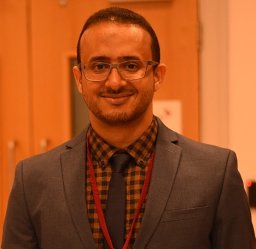 Sameh Al-Awlaqi合作论文数Center for International Health Protection, Robert Koch Institute2Kéfilath Olatoyossi Akankè Bello合作论文数2M. Iqbal合作论文数2
 Ag Ahmed Mohamed Ali合作论文数2
 Jean-Paul Dossou合作论文数2
 Brecht Ingelbeen合作论文数Julius Center for Health Sciences and Primary Care, Utrecht University2
 Jiaying Chen (陈家应)合作论文数School of Health Policy & Management, Nanjing Medical University2
 Giuliano Russo合作论文数2Ahuka-Mundeke Steve合作论文数2Muyembe-Tamfum Jean-Jacques合作论文数2




