Muscle synergy analysis provides a compact description of how the central nervous system coordinates many muscles to produce behavior. In this review, we summarize the conceptual basis of the synergy hypothesis, the major methods used to extract synergies from electromyographic (EMG) data, and the growing range of applications in modeling, assessment, and rehabilitation. We use synergy vectors (V) and synergy commands (C) as the preferred terms for the spatial and temporal outputs of synergy decomposition, respectively, to reduce inconsistent terminology across the biomechanics literature. Instead of narrating all literature, we pay dedicated attention to practical issues that strongly shape results, including EMG preprocessing, amplitude normalization, selection of muscles, choice of factorization algorithm, criteria for selecting the number of synergies, and evaluation of repeatability. We also review how various data concatenation methods across trials, conditions, or subjects can change the results and their interpretations, improve repeatability, or enable population-level comparisons. Furthermore, we survey various applications, spanning neuromusculoskeletal modeling, extrapolation of unmeasured muscle excitations, quantitative assessment of neuromuscular impairment, and synergy-informed rehabilitation strategies, including functional electrical stimulation, robotics, virtual reality, and myoelectric control. We conclude by 1 summarizing the remaining challenges facing the field, including methodological heterogeneity, uncertainty regarding neural origin and interpretation, real-time implementation constraints, and limited clinician familiarity with the framework. Future progress will depend on standardized terminology and reporting, benchmark datasets, multimodal experiments, subject-specific computational models, and educational efforts that bring muscle synergy concepts into clinical practice.
It is unexpected when initial certification examinees pass the American Board of Physical Medicine and Rehabilitation (ABPMR) Part I Examination with a top score and subsequently fail the Part II Examination. This study aims to determine individual and residency program factors associated with this outcome. A retrospective, observational review of ABPMR data between 1999 and 2025 identified 161 individuals (1.6% of all examinees) who passed Part I with top quartile performance but subsequently failed one or more attempt at Part II. Multinomial logistic regression models demonstrated a lower odds ratio for Part II failure among female physicians (OR=0.60, P=0.016) and those enrolled in fellowship training (OR=0.53, P=0.006). A higher odds ratio was found for physicians aged >40 years (OR=3.80, P<0.001), non-white ethnicity (OR=1.80, P=0.004), and those who completed newer (<10 years, OR=3.13, P=0.026) and smaller (2-4 and 5-7 residents per year, OR=1.98 and 2.13, P=0.009 and 0.001) residency programs. Awareness of this potential outcome should prompt rigorous preparation for the Part II Examination, even for the highest performing Part I examinees.
"Spasticity" has long been used as a generalized term for a constellation of distinct positive motor signs arising from a central nervous system lesion, creating ambiguity in identifying individual impairments. These include spasticity sensu stricto-the velocity-dependent increase in tonic stretch reflexes (muscle tone) with exaggerated tendon jerks, resulting from hyperexcitability of the stretch reflex, as defined by Lance in 1980-as well as spastic dystonia, spastic co-contraction, and spasms. Drawing on our clinical experience and collaborative work within the Toxnet group (www.toxnet.net), we believe that using spasticity as a broad diagnostic label creates ambiguity and may obscure the specific impairments contributing to the clinical presentation. Such generalization may compromise treatment decisions and outcomes and is compounded by using manual tools like the Tardieu and modified Tardieu Scales, which lack evidence of validity and reliability, and the Ashworth and modified Ashworth Scales, which do not measure the velocity-dependent nature of spasticity or provide dependable insights into the mechanisms driving the torque changes. To optimize clinical assessment precision and treatment outcomes, we propose "spasticity syndrome" as a new umbrella term encompassing the spectrum of clinical manifestations and underlying pathologies associated with upper motor neuron injury, alongside non-neural peripheral changes and patient-reported symptoms.
Botulinum toxin (BT) is infamous for its extreme toxicity. If it enters the bloodstream, it can cause botulism presenting with a typical pattern of motor and autonomic dysfunction. An international expert panel organised by IAB—Interdisciplinary Working Group for Movement Disorders explored iatrogenic botulism after BT's medical use (IB), reached conclusions and formulated recommendations. When injected into its target tissue, BT binds to gangliosides on cholinergic nerve terminals before it is internalised permanently. Small amounts of BT, however, are circulating within the bloodstream. When BT type B is applied, IB-B occurs frequently, typically affecting the autonomic nervous system. When BT type A is applied, IB-A only occurs in special circumstances, even when high doses are used. We identified 236 patients with IB-A in the literature. All IB-A was mild or moderate and fully reversible. In 212 patients, it occurred with unapproved BT use. In 116 of them, unapproved BT preparations were used, in 81, unapproved indications were treated and in 15, underlying neuromuscular impairment including myasthenia gravis, Lambert-Eaton myasthenic syndrome, amyotrophic lateral sclerosis and spinal muscle atrophy were contraindications for BT use. In 24 patients, IB-A occurred in approved BT use. Their evaluation was frequently incomplete, so that causes for IB-A often remain unclear. They may include presence of differential diagnosis, subclinical neuromuscular impairment and interference with additional diseases. When IB is suspected, proper evaluation is necessary to verify it and to identify its causes. Off-label use is common in BT therapy. However, it should be performed with caution, especially in children and when high doses are applied. High BT doses should not be applied to low volumes of target tissues, in order not to exceed the BT binding capacity.
OBJECTIVES:To identify and prioritize key factors influencing clinicians' selection of BoNT formulations for chronic spasticity treatment to inform future guidelines and standardize decision-making. DESIGN:Modified two-round Delphi study with international spasticity management experts. SETTING:International survey involving clinicians from various practice settings. PARTICIPANTS:Round 1: 108 clinicians rating decision factors; Round 2: 55 respondents ranking factors. Convenience sampling of international spasticity experts. MAIN OUTCOME MEASURES:Importance ratings of seven decision-making categories using 5-point Likert scales (Round 1) and factor ranking (Round 2). Inter-rater agreement assessed using Kendall's coefficient of concordance. RESULTS:Respondents primarily used onabotulinumtoxinA, abobotulinumtoxinA, and incobotulinumtoxinA. Round 1 identified economic factors as most important (mean 3.74 points), followed by hospital/system factors (3.53 points) and toxin-specific factors (3.27 points). Round 2 revealed disease-specific factors as highest priority (14 first-place votes, mean rank 3.42 points), followed by injector expertise and toxin characteristics. Kendall's coefficient was 0.35, indicating moderate agreement. CONCLUSIONS:BoNT formulation selection involves multiple factors with significant practice variability. While economic and institutional considerations influence decisions, clinicians prioritize disease characteristics, clinical expertise, and toxin properties when ranking options. Evidence-based guidelines are needed to reduce practice variation and improve BoNT-based spasticity management.
The Brain Injury Medicine (BIM) subspecialty certification examination has been administered by the American Board of Physical Medicine and Rehabilitation (ABPMR) since 2014. This retrospective review is the first publication on the administration of the BIM examination and candidate performance. Data were gathered from de-identified records in the ABPMR database on the characteristics and performance of candidates who took the 2014-2024 examinations. A total of 1197 candidates, including 74.4% ABPMR and 25.1% American Board of Psychiatry and Neurology (ABPN) diplomates, took the BIM exam during the study period. The overall pass rate was 97.2%. About 96% of first-time exam takers passed. A trend emerged indicating a decline in performance as the number of attempts increased. Generally, the mean scaled subscores of ABPMR diplomates were higher across all exam item categories except for "other neurologic disorders." While over 90% of candidates agreed that the exam was relevant to BIM, only 77% believed the content reflected the scope of the training. The exam's item reliability is high, ranging from 0.83 to 0.97. The study provides information that may guide prospective BIM Examination candidates and the examination developers.
In October 2024, an Expert Meeting hosted by the United States National Academies of Sciences, Engineering, and Medicine (NASEM) took place in Washington, D.C. (USA). The participating experts discussed ideas for advancing the integration of functioning in rehabilitation practice and research by focusing on International Classification of Functioning, Disability and Health (ICF)-based data collection tools with particular emphasis on the International Society of Physical and Rehabilitation Medicine's universal clinical functioning information tool (ClinFIT). This paper shares key insights revealed in these discussions: Implementing practical, patient-centric data collection tools strengthens rehabilitation; scientifically robust research is essential to provide evidence on the utility of ICF-based tools in clinical practice and the implementation of ClinFIT in clinical routine; and concrete solutions are needed to enable clinicians to adopt new assessment tools in practice are needed. To support this endeavour, this paper calls on physical and rehabilitation medicine (PRM) physicians worldwide to explore ClinFIT and integrate it in clinical practice and research.
Hyperkinetic movement disorders, characterized by complex and overlapping motor patterns, present significant challenges in classification and treatment. The inconsistency in definitions and descriptors complicates both research and clinical communication. This study aims to provide an overview of current terminology and definitions related to spasticity and other hyperkinetic movement disorders associated with central nervous system lesions. We propose a unified terminology and classification system for spastic movement disorders (SMD). In this scoping review, definitions of spasticity, dystonia, tremor, chorea, hemiballismus, athetosis, myoclonus, and dyssynergia were reviewed, with emphasis on overlaps and diagnostic challenges among these disorders. The goal was to develop a consensus expert opinion on a phenomenological approach to SMD. The proposed classification system for spasticity includes clinical characteristics (Axis 1) and etiology (Axis 2). Axis 1 includes: age at onset, body distribution, disease course, phenomenological description, and impact on body function, activity, and participation. The phenomenological description allows sub-classification of SMD into: phasic reflex overactivity, stimulus-induced muscle overactivity, constant muscle overactivity, and lack of muscle selectivity. These categories clarify disabling phenotypes such as clonus, dysregulated co-contraction, muscle spasms, activity-induced muscle hypertonia, associated reactions, and persistent muscle hypertonia. This framework for classification of SMD aims to establish a common language for describing clinical phenotypes. By adopting a phenomenological approach, we underscore the importance of consistent descriptors and propose a systematic classification method for movement disorders, particularly spasticity. We hope this unified terminology will enhance clinical practice, research, and ultimately, patient care.
Background: Democratized access to safe and effective robotic neurorehabilitation for stroke survivors requires innovative, affordable solutions that can be used not only in clinics but also at home. This requires the high usability of the devices involved to minimize costs associated with support from physical therapists or technicians. Methods: This paper describes the early findings of the NeuroExo brain–machine interface (BMI) with an upper-limb robotic exoskeleton for stroke neurorehabilitation. This early feasibility study consisted of a six-week protocol, with an initial training and BMI calibration phase at the clinic followed by 60 sessions of neuromotor therapy at the homes of the participants. Pre- and post-assessments were used to assess users’ compliance and system performance. Results: Participants achieved a compliance rate between 21% and 100%, with an average of 69%, while maintaining adequate signal quality and a positive perceived BMI performance during home usage with an average Likert scale score of four out of five. Moreover, adequate signal quality was maintained for four out of five participants throughout the protocol. These findings provide valuable insights into essential components for comprehensive rehabilitation therapy for stroke survivors. Furthermore, linear mixed-effects statistical models showed a significant reduction in trial duration (p-value < 0.02) and concomitant changes in brain patterns (p-value < 0.02). Conclusions: the analysis of these findings suggests that a low-cost, safe, simple-to-use BMI system for at-home stroke rehabilitation is feasible.
PURPOSE:Stroke survivors may develop spasticity (post-stroke spasticity [PSS]) that can challenge activity and participation. Recognising the needs and expectations of people with PSS is crucial for enhancing care. This study is the first to employ social media listening to explore the experiences, unmet needs, and quality of life (QoL) of people with PSS. MATERIALS AND METHODS:A subset of 417 patient-centric PSS-related posts published on major social media platforms was identified for analysis from 31 600 retrieved. RESULTS:Posts mainly discussed patient journey (centred around treatment options and management techniques), the impact of PSS on QoL, and patient interactions with healthcare practitioners (HCPs). Widely used treatment options had associated negative sentiments due to perceived inefficacy and lack of long-term effectiveness (botulinum neurotoxin) or side effects (oral anti-spasticity medications). Perceptions of treatment options and expected treatment outcomes influenced satisfaction with treatment and HCP interactions. Poor perceived treatment efficacy generally resulted in dissatisfaction with HCP interactions and seeking peer opinions online. Identified unmet needs focused on need for satisfactory treatment options, well-informed HCPs, and better patient education. CONCLUSIONS:The study highlights the need for improved education for patients, caregivers, and HCPs regarding PSS and better communication between patients and HCPs to manage treatment expectations.
The Accreditation Council for Graduate Medical Education introduced the Milestones to document learner development within a competency-based framework. On the other hand, board certifying examinations serve as a summative evaluation of a learner's readiness for independent medical practice. Scores in Part I of the American Board of Physical Medicine and Rehabilitation examination, which measures medical knowledge, has been shown to correlate only with Milestones ratings in medical knowledge. We hypothesized that combined ratings of various Milestone competencies can predict subsequent performance in related American Board of Physical Medicine and Rehabilitation Part II certifying examination domains. Milestones data and American Board of Physical Medicine and Rehabilitation Part II Examination scores of trainees in 3-yr PM&R residency programs in the United States from academic years 2014-2016 who sat for the American Board of Physical Medicine and Rehabilitation Parts I and II Examinations, immediately after completion of training, were reviewed. Regression analysis showed that Milestone subcompetencies, alone or in combination, did not correlate with Part II domain scaled scores. Medical Knowledge was the only Milestone subcompetency that was correlated with performance in the American Board of Physical Medicine and Rehabilitation Part I certifying examination. This current study found that no similar association exists between any of the Milestones Competencies and the American Board of Physical Medicine and Rehabilitation Part II certifying examination, suggesting that the two assessment tools measure different attributes.
 Alberto Esquenazi合作论文数47
 Ganesh Bavikatte合作论文数32
 Yozbatiran Nuray合作论文数Department of PM&, University of Texas Health Science Center at Houston;R and UTHealth Motor Recovery Laboratory, TIRR Memorial Hermann;Department of PM&R and UTHealth Motor Recovery Laboratory, University of Texas Health Science Center at Houston30
 Sheng Li合作论文数26Aleksej Zuzek合作论文数22
 Jose Luis Contreras-Vidal合作论文数Department of Electrical and Computer Engineering, Cullen College of Engineering, University of Houston;Department of Physical Medicine and Rehabilitation, University of Texas Health Science Center;The Houston Methodist Hospital Research Institute Houston;American Institute for Medical and Biological Engineering22
 Chang Shuo-Hsiu合作论文数21
 Marcia O'Malley合作论文数Mechatronics and Haptic Interfaces Lab, Department of Mechanical Engineering, George R. Brown School of Engineering, Rice University20
 Daniel Bandari合作论文数19Joan Largent合作论文数19Jost W. Lussi合作论文数18
 Monica Verduzco-Gutierrez合作论文数16Jorg Wissel合作论文数15
 Michael C. Munin合作论文数University of Pittsburgh14Thierry Deltombe合作论文数13
 Michael W. O'Dell合作论文数Department of Rehabilitation Medicine, Weill Cornell Medicine12Djamel Bensmail合作论文数11
 Rajiv Reebye合作论文数Division of Physical Medicine & Rehabilitation, Department of Medicine, Faculty of Medicine, The University of British Columbia10
 Wuwei Feng合作论文数Neuromodulation and Stroke Recovery Lab, Department of Neurology, Duke University School of Medicine10
 Alessio Baricich合作论文数Department of Health Sciences, University of Eastern Piedmont10
 Keser Zafer合作论文数Department of Physical Medicine and Rehabilitation and TIRR Memorial Hermann Neuro-Recovery Research Center, University of Texas Health Science Center10Joerg Wissel合作论文数9Radha Korupolu合作论文数9Carolyn L Kinney合作论文数9
 Taimoor Afzal合作论文数9
 Ali Utku Pehlivan合作论文数9
 Walter Frontera合作论文数Department of Physical Medicine and Rehabilitation, Vanderbilt University Medical Center;School of Medicine, University of Puerto Rico9Mikaela M Raddatz合作论文数8
 Ping Zhou合作论文数8
 Stefano Carda合作论文数8
 Nikunj Arunkumar Bhagat合作论文数Indian Institute of Science;The University of Texas Health Science Center at Houston8
 Franco Molteni合作论文数European Center For Medium Range Weather Forecasts;Earth System Physics Section, Abdus Salam International Centre for Theoretical Physics8Sunil Sabharwal合作论文数8Jesse Dawson合作论文数Division of Cardiovascular and Medical Sciences, Western Infirmary Acute Stroke Unit8Jorge Jacinto合作论文数7
 Jennifer L. Sullivan合作论文数Rice University7
 Steven L. Wolf合作论文数Department Rehabilitation Medicine, School of Medicine, Emory University7
 Teresa Jacobson Kimberley合作论文数Department of Physical Medicine and Rehabilitation, University of Minnesota7
 Venkatakrishnan Anusha合作论文数Laboratory for Non-Invasive Brain-Machine Interface Systems, University of Houston7
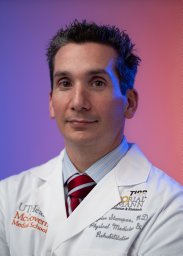 Stampas Argyrios合作论文数Department of Physical Medicine and Rehabilitation, University of Texas at Houston7
 Raphael Gross合作论文数7Draulans Nathalie合作论文数7Steven Escaldi合作论文数6
 Jorge Lains合作论文数Rovisco Pais Medical and Rehabilitation Centre;Faculty of Medicine, Coimbra University6
 Fangshi Zhu合作论文数Univ Houston, Dept Elect & Comp Engn, Houston, TX 77004 USA6
 George Wittenberg合作论文数University of Pittsburgh6Shih-Chiao Tseng合作论文数6
 Jeffrey Berliner合作论文数6Manack Adams Aubrey合作论文数6




